

Carolina Herrera Brand History: From Caracas to New York Elegance
Carolina Herrera in Brief: Polish, Colour and a White Shirt
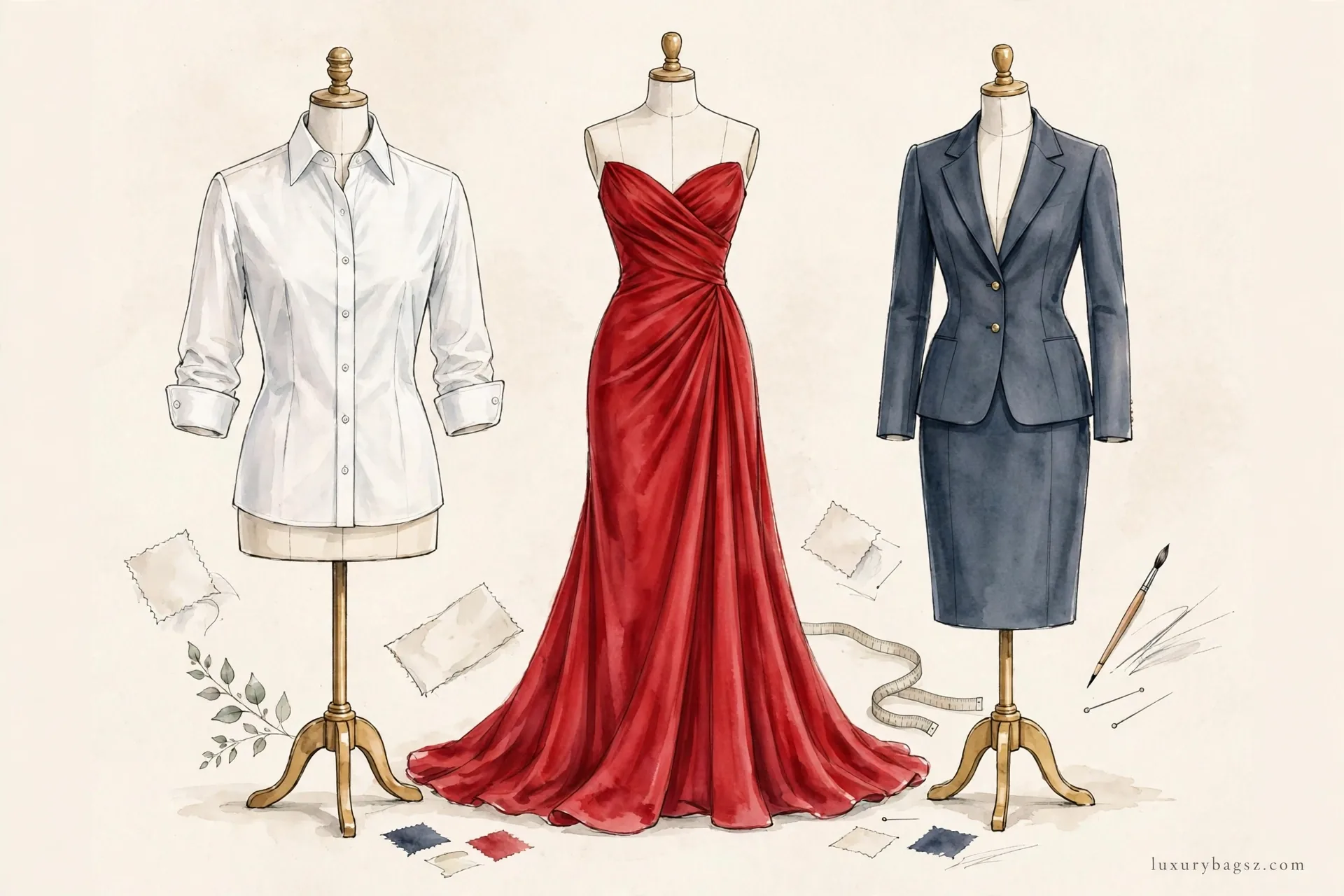
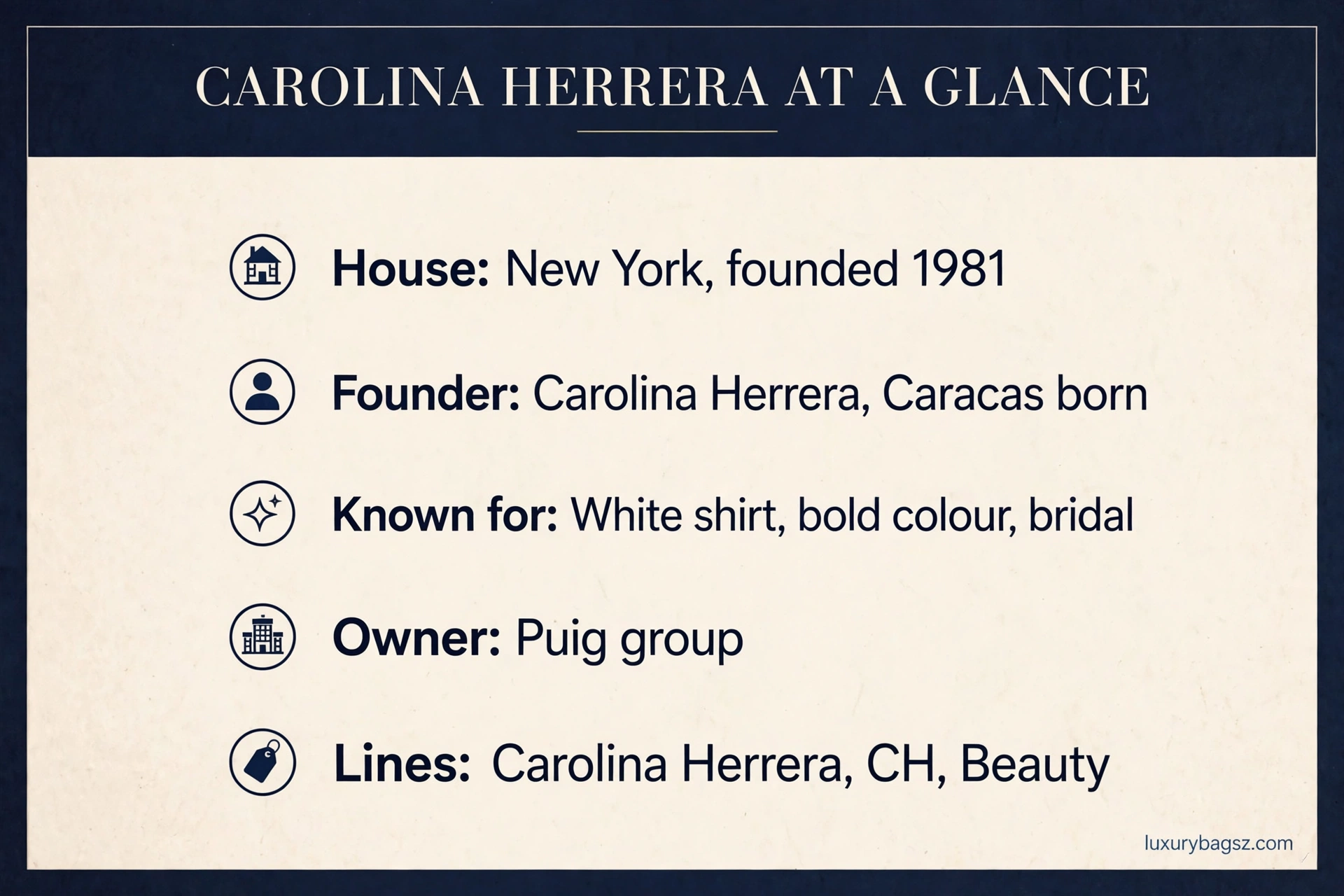
Carolina Herrera is a New York fashion house founded by Venezuelan-born designer Carolina Herrera, whose first collection appeared in 1981. The house is best known for polished ready-to-wear, bridal, and fragrance, built around clean lines, bold colour, and one famous wardrobe staple: the crisp white shirt.
If you only remember one thing, remember this. Herrera did not chase shock value. She built a house on clothes that look considered, fit well, and photograph beautifully, season after season. That discipline is why the name still reads as elegant more than forty years on, even after the founder stepped back from day-to-day design in 2018.
This guide covers the founder, the timeline, the three main lines, bridal and fragrance, and what to check before you buy. Where sources disagree on a date, usually 1980 for the company and 1981 for the first collection, we say so plainly rather than smoothing it over.
Key Takeaways
- Carolina Herrera was born in Caracas, Venezuela, in 1939 and launched her New York label in 1981.
- Diana Vreeland, then editor of Vogue, encouraged her to design a collection.
- The house is owned by Puig, the Spanish fashion and beauty group, which bought the fashion business in 1995.
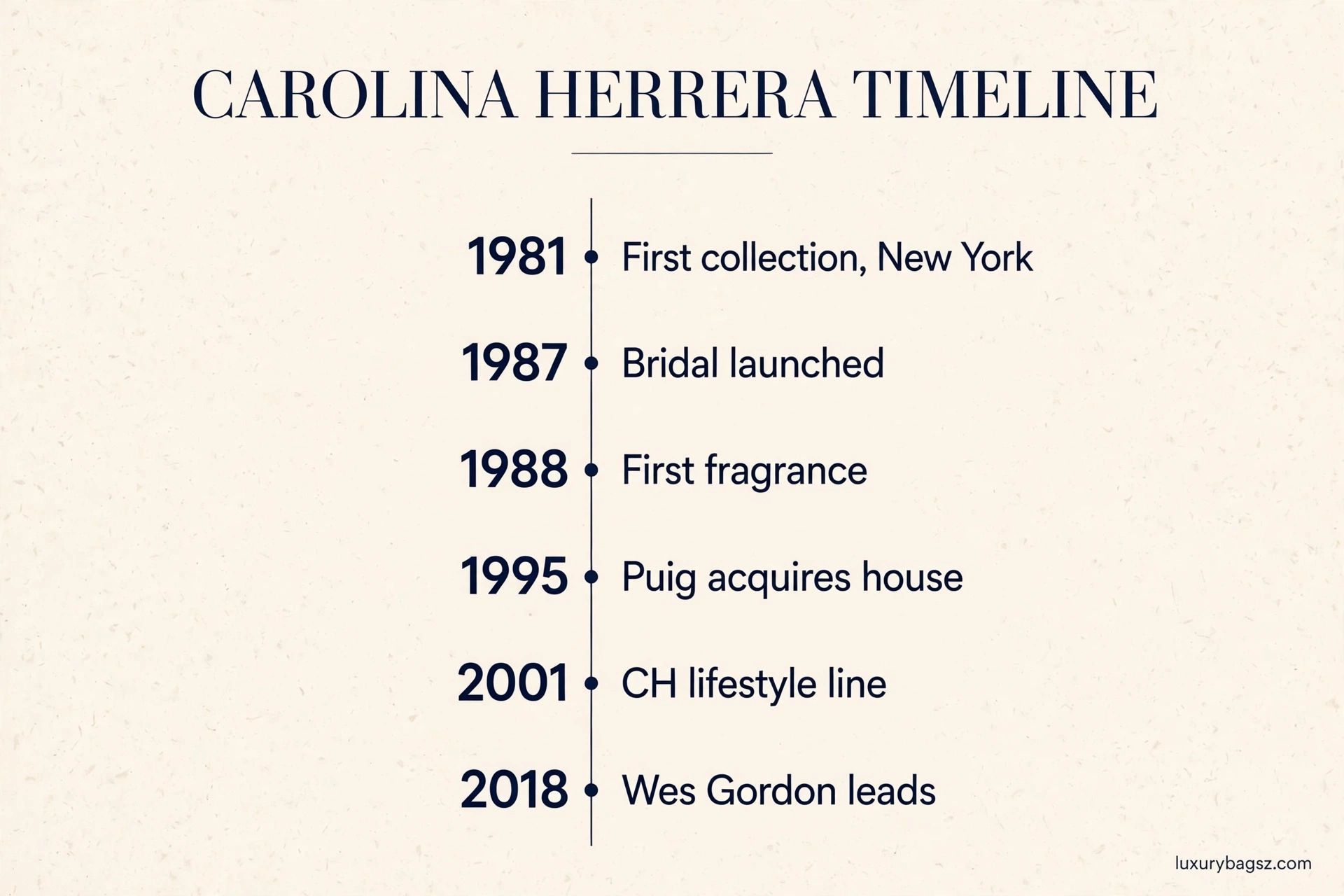
- Bridal began in 1987, fragrance in 1988, and the CH Carolina Herrera lifestyle line in 2001.
- Wes Gordon became creative director in 2018, after Herrera stepped down.
- The signature look is polish with drama: a white shirt, strong colour, and clean, confident tailoring.
Who Carolina Herrera Was Before the Label
Carolina Herrera, born María Carolina Josefina Pacanins y Niño in Caracas on 8 January 1939, grew up in a family where fashion was part of everyday life. As a girl she attended couture shows in Paris, including Balenciaga, and wore clothes made by houses such as Lanvin and Dior. That early exposure matters, because her later work never looked borrowed from a trend cycle. It looked like the wardrobe of someone who had studied good clothes for decades.
In 1965 she began working as a publicist for Emilio Pucci, a family friend, at his Caracas boutique. The job put her inside the business of fashion rather than only on its guest list. She learned how a house presents itself, how clients are looked after, and how a strong personal style becomes a public identity.
By the 1970s she was a regular on international best-dressed lists, and she was elected to the International Best Dressed Hall of Fame in 1980. That reputation was not a marketing invention. It was the reason Diana Vreeland told her, in essence, to stop dressing well for other designers and design for herself.
The 1981 Debut That Made New York Pay Attention
Herrera moved to New York in 1980 and showed her first collection in 1981 at Manhattan's Metropolitan Club. The show featured about twenty looks, with dramatic sleeves and silk ruffles, modelled by figures including Iman. The reaction was immediate, and leading boutiques picked up the line.
The timing helped. Early-1980s New York fashion loved polish, but much of it also loved excess for its own sake. Herrera offered a different balance: glamour with control. A sleeve could be dramatic, but the silhouette stayed clean. Colour could be loud, but the cut stayed precise. That balance became the house code, and it still explains why the clothes suit formal occasions so well.
It also explains the house's place in quiet luxury conversations today. Herrera is not logo-driven, and its elegance does not depend on a visible monogram. The signal is fit, fabric, and finish, which is exactly what quiet luxury claims to value, even if Herrera's red-carpet colour is bolder than the usual beige version of the idea.
Bridal, Fragrance and the Business Behind the Glamour
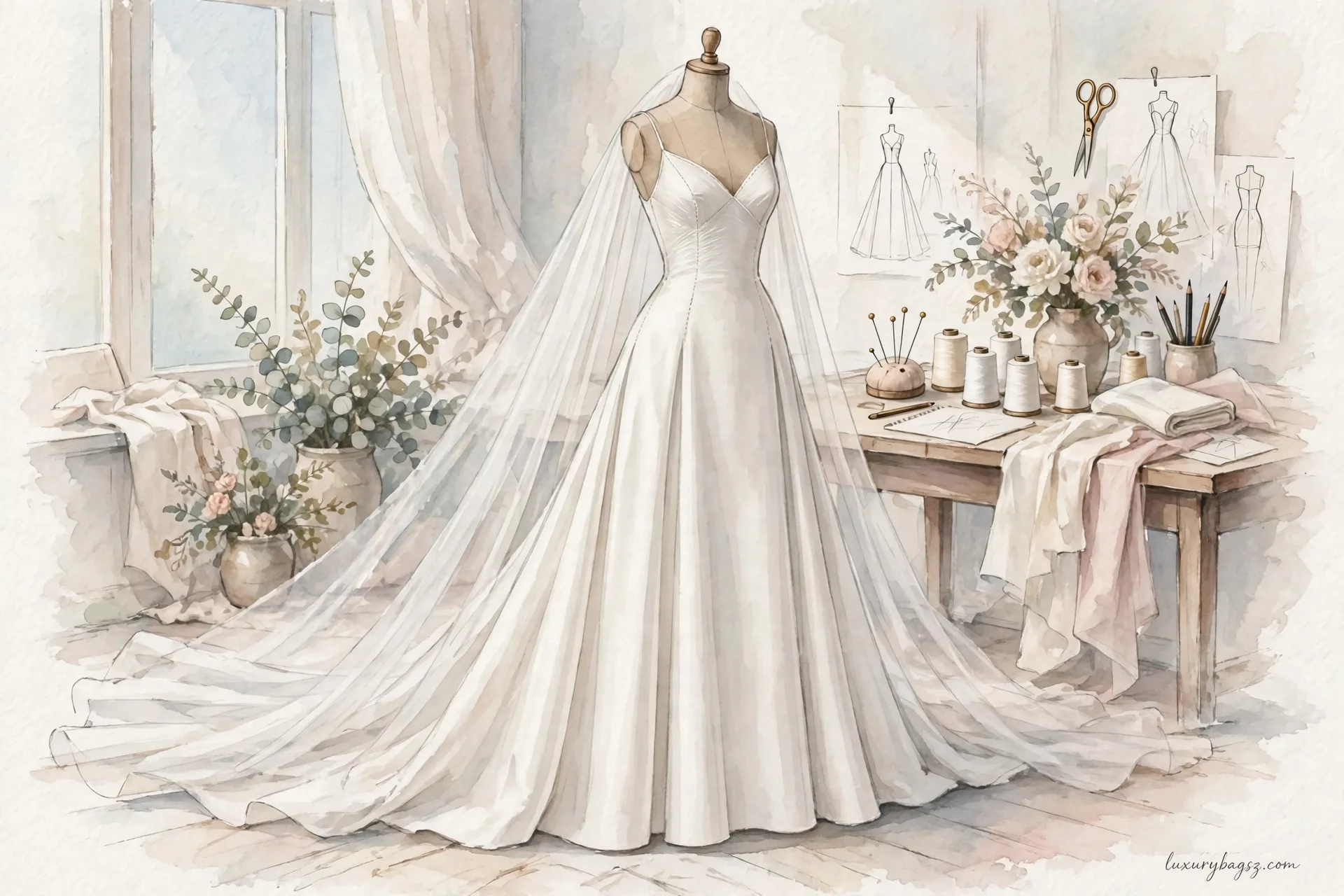
Two early decisions turned a promising label into a lasting house. In 1986 Herrera designed Caroline Kennedy's wedding dress, a moment that fixed the brand in American public life. Bridal followed officially in 1987, and it remains one of the house's strongest associations. Brides come to Herrera for romance without fuss: clean shapes, beautiful fabric, and nothing that will look dated in the wedding album within five years.
Fragrance came next. Puig licensed the name for perfume in the late 1980s, and the first Carolina Herrera fragrance launched in 1988, followed by a men's fragrance in 1991. Later hits, including 212 and Good Girl, made fragrance the house's widest-reaching product. For many buyers, a bottle is their first Herrera purchase, and it carries the same promise as the clothes: polished, confident, and easy to recognise.
Puig acquired the fashion business outright in 1995, keeping Herrera as creative director. That ownership matters for shoppers, because it explains the scale of the fragrance business and the global boutique network, while the fashion house itself kept its New York identity.
The CH Carolina Herrera Line, Explained
CH Carolina Herrera, introduced in 2001, is the house's lifestyle line, covering ready-to-wear and accessories for women, men, and children. The first store opened in Madrid. Think of it as Herrera polish at a more everyday price and pace, rather than a separate brand with a different taste.
This is where buyers most often get confused. Carolina Herrera New York is the main, higher-end line, shown on the runway and worn for major occasions. CH Carolina Herrera is broader and more casual, with bags, shoes, and everyday clothing alongside seasonal collections. Neither is a fake or a lesser copy. They are tiers of the same house, and the price gap reflects fabric, construction, and occasion, not a difference in authenticity.
If you are shopping second-hand, check which line a piece comes from before judging its price. A CH bag should not be priced like a runway piece, and a main-line gown should not be judged by CH standards. Labels, care tags, and the seller's description should all agree, and if they do not, ask questions before paying.

The Timeline: Four Decades in Six Turning Points
The house story is easier to follow as a short timeline. Herrera's first boutique decade built the reputation. The Puig years built the scale. The Wes Gordon years, from 2018, have tested whether a house built on one woman's taste can outlive her daily direction.
The first flagship boutique opened on Madison Avenue in New York in 2000, a four-storey landmark building that signalled the house had arrived as a retailer, not only a wholesale label. The Council of Fashion Designers of America gave Herrera its Womenswear Designer of the Year honour in 2004 and the Geoffrey Beene Lifetime Achievement Award in 2008, formal recognition of a career that had already shaped American occasion dressing.
In 2018, after more than seventy shows and thirty-seven years, Herrera took her final bow after the autumn collection at the Museum of Modern Art in New York. Wes Gordon, who had worked as her creative consultant, was appointed creative director. The handover was deliberately calm, which is itself a Herrera trait: no drama, just continuity with fresh colour.
What the House Is Known For Today
Today the house rests on three pillars: Carolina Herrera New York for runway and occasion wear, CH Carolina Herrera for lifestyle and accessories, and Carolina Herrera Beauty for fragrance and beauty. Bridal sits within the main line's world, and it remains a reason many clients first walk into a boutique.
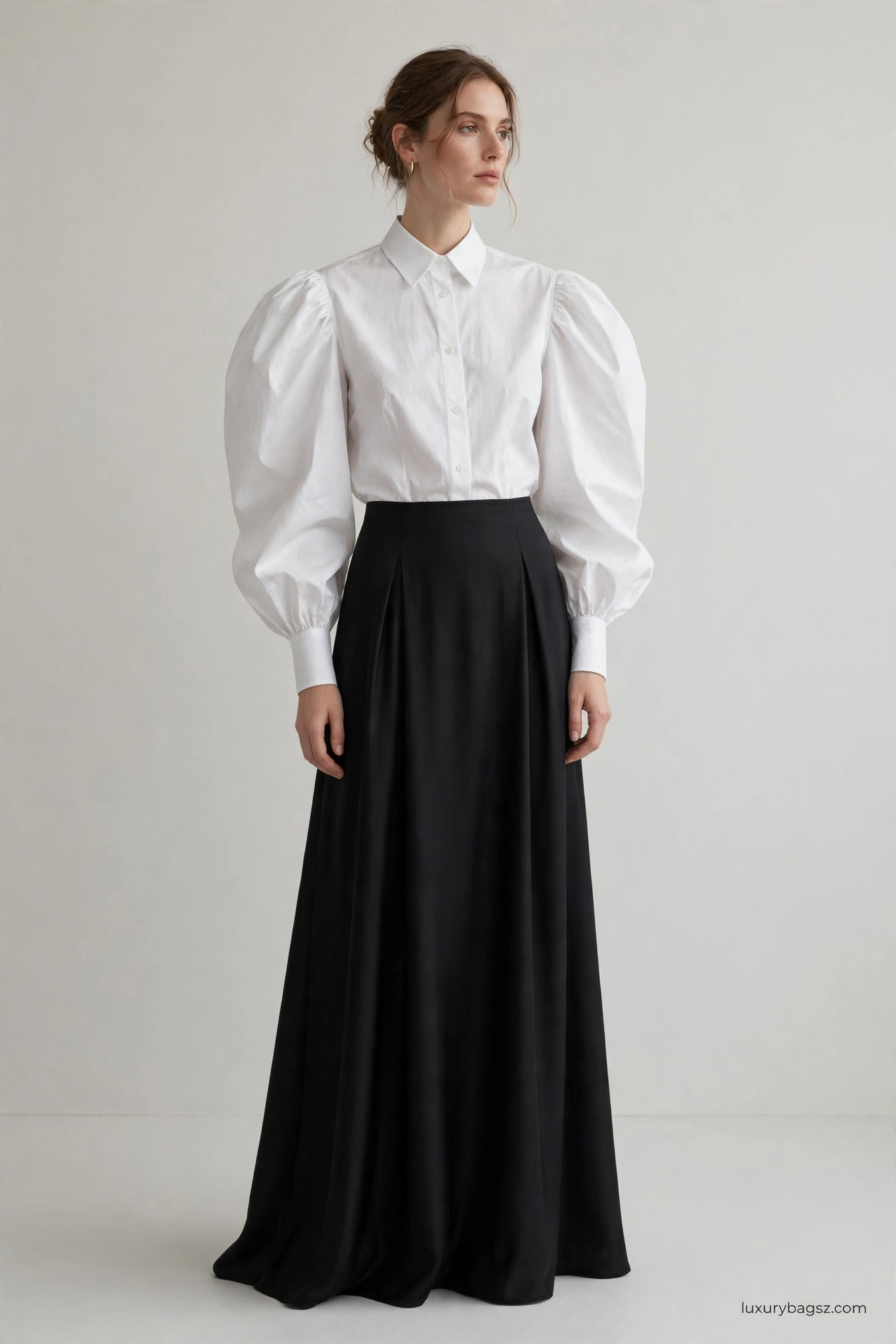
The design language is consistent. Expect a white shirt treated as a hero piece rather than a basic, full skirts and strong shoulders when the occasion allows, and colour used with confidence: red, fuchsia, and bold prints against clean neutrals. Embroidery and embellishment appear, but they serve the silhouette rather than overwhelming it.
For everyday buyers, the most useful Herrera pieces are the ones that translate that language into real life: a well-cut shirt, a tailored dress that needs no rescue styling, and a CH bag or accessory that carries polish without demanding a formal occasion. Buy the piece you will actually wear, not the runway fantasy you admire from a distance.
Buying Carolina Herrera: New, Outlet and Pre-Owned
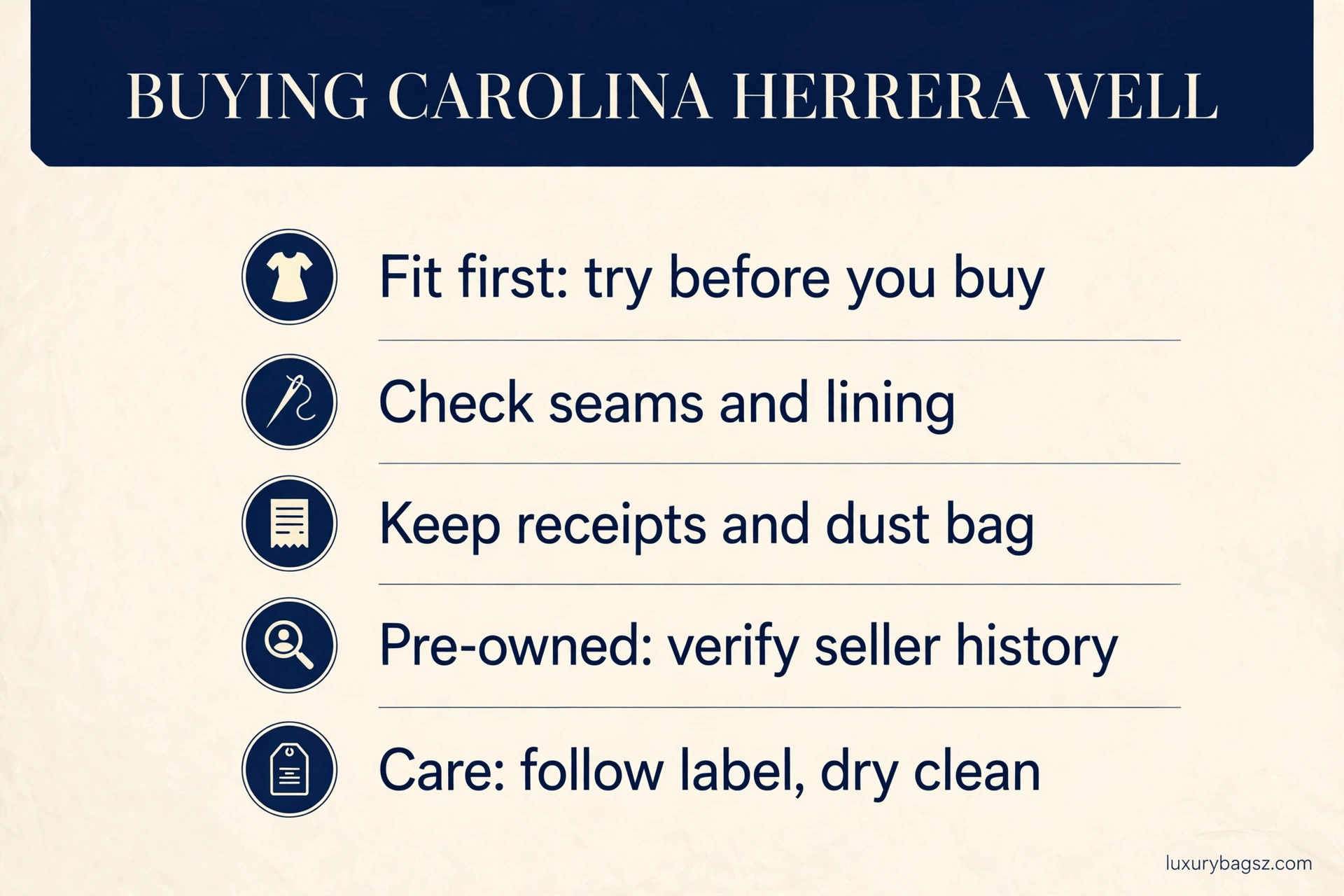
Buy main-line pieces from the house's own boutiques, its website, or established department stores, and CH pieces from CH stores and authorised stockists. If a price looks far below every other seller for the same piece, treat that as a warning, not a bargain. Check the seller's history, returns policy, and photos of labels, seams, and hardware before committing.
Pre-owned Herrera needs the same care as any designer purchase. Read our guide on how to buy a pre-owned designer bag safely before spending, and use the checks in our guide to authenticate a pre-owned designer bag for bags and accessories. For clothing, focus on fabric quality, stitching, lining, and care labels, and compare against current boutique photos.
Condition matters more than age. A well-kept Herrera dress from a decade ago can look current, because the house style changes slowly. A damaged or altered piece, by contrast, is hard to repair invisibly. Keep receipts, dust bags, and garment bags, and store gowns hanging, not folded, with room to breathe.
Is Carolina Herrera Worth It, and What to Avoid
Herrera is worth it when you want occasion dressing that will not date quickly and you value fit and fabric over logos. A Herrera gown or tailored dress earns its price across repeated wears, photographs, and years, not a single evening. It is less convincing as an impulse buy for a trend you may abandon, because the house deliberately avoids trend-chasing shapes.
Avoid three traps. First, do not buy a size down hoping tailoring will fix it; Herrera's clean lines show poor fit immediately. Second, do not assume every red dress with a full skirt is Herrera; many brands copy the silhouette, so check the label and construction. Third, do not over-accessorise a strong Herrera piece. The house philosophy is one dramatic choice, not five, and a single bold detail usually looks more expensive than a pile of them.
Resale is steady rather than spectacular for most Herrera clothing, and what affects resale value applies here too: condition, rarity, completeness, and demand decide the price. Classic, well-kept pieces in popular sizes hold up best, while heavily embellished one-off runway looks appeal to a narrower buyer.
Frequently Asked Questions
1. When was Carolina Herrera founded? The company dates to 1980, and the first collection was shown in New York in 1981. Both dates appear in sources, and the difference is simply company founding versus first runway collection.
2. Who founded Carolina Herrera? Venezuelan-born designer Carolina Herrera founded the house in New York. She had previously worked as a publicist for Emilio Pucci in Caracas.
3. Who owns Carolina Herrera now? Puig, the Spanish fashion and beauty group, owns the house. It licensed fragrance in the late 1980s and acquired the fashion business in 1995.
4. Who is the creative director today? Wes Gordon became creative director in 2018, when Carolina Herrera stepped down after more than thirty-seven years leading the house.
5. What is CH Carolina Herrera? CH Carolina Herrera is the lifestyle line launched in 2001, covering ready-to-wear and accessories for women, men, and children at a more everyday level than the main line.
6. Is Carolina Herrera a luxury brand? Yes. The main line is a luxury fashion house, while CH Carolina Herrera is positioned as a more accessible premium lifestyle line within the same house.
7. What is Carolina Herrera best known for? Polished ready-to-wear, bridal, and fragrance, with the crisp white shirt, bold colour, and clean tailoring as signature elements.
8. Did Carolina Herrera design a famous wedding dress? Yes. She designed Caroline Kennedy's wedding dress in 1986, and bridal became an official line in 1987.
9. Where is the Carolina Herrera flagship? The first flagship boutique opened on Madison Avenue in New York in 2000. The house now sells through its own boutiques and department stores worldwide.
10. Is pre-owned Carolina Herrera worth buying? Often, yes, if the condition is excellent and the piece is a classic shape. Check labels, stitching, and seller history, and compare prices before buying.
Final Verdict: Elegance That Outlasts the Trend Cycle
Carolina Herrera endures because its idea was never a trend. It was a standard: clothes that fit, colour used with confidence, and polish that does not need a logo to announce itself. The founder's taste built the house, Puig gave it scale, and Wes Gordon now carries it forward without discarding its codes.
Buy Herrera when you want something you will reach for again, for occasions that matter. Choose the white shirt, the tailored dress, or the bridal gown that fits your real life, check it carefully if buying pre-owned, and let one strong detail do the talking. That restraint, more than any single dress, is the true Herrera signature.






