

Best Sneakers to Buy: Top Brands, Most Comfortable Picks and Pairs for Every Occasion
The Shortlist That Covers Almost Everything
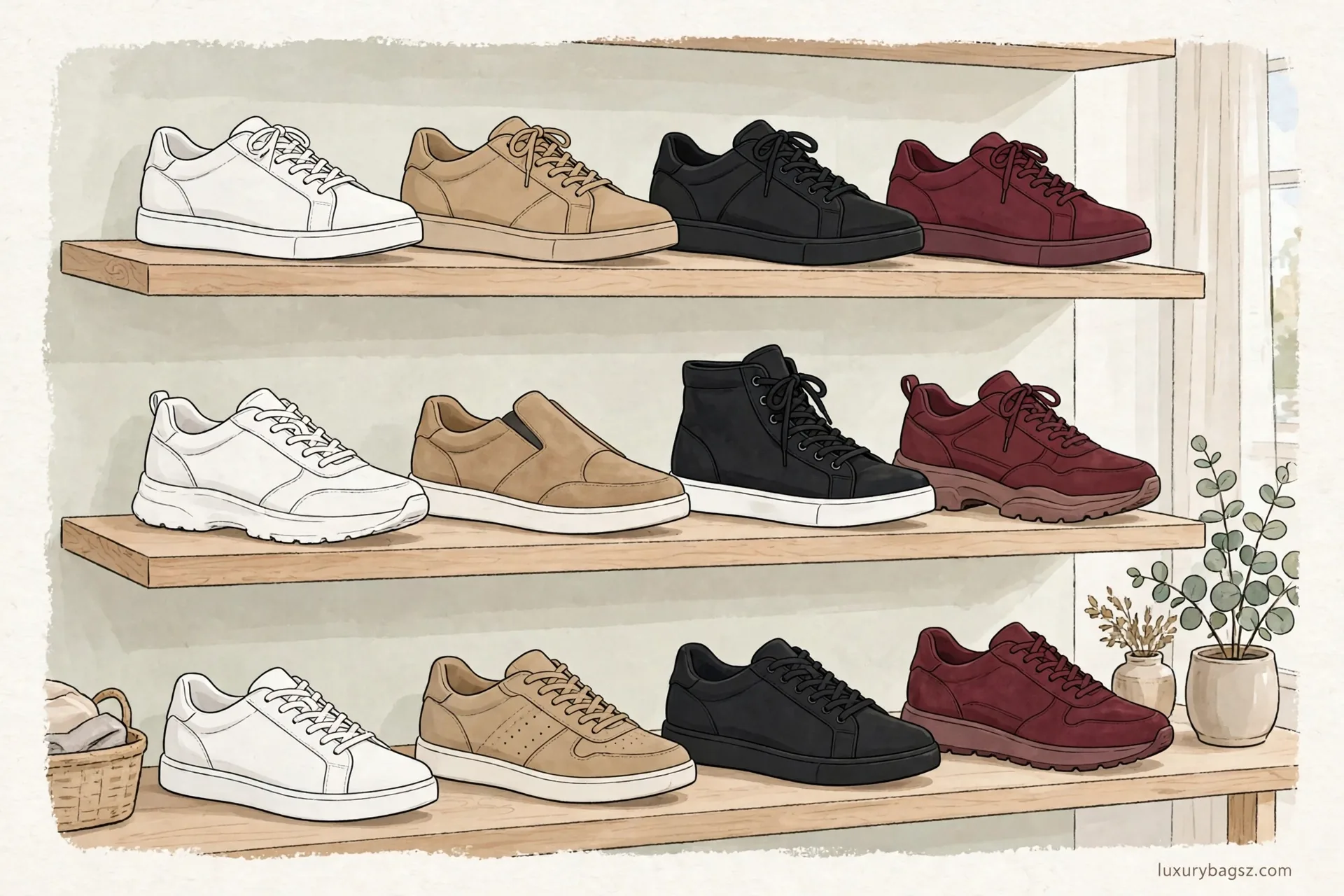
Start with three pairs and you can cover nearly every day of the year. A clean white leather low-top handles work, travel and most evenings. A cushioned runner-style pair covers long walking days. A suede or darker third pair adds texture for autumn and smarter plans.
Brands matter less than fit, materials and how you will actually wear the shoes. The best-known sneaker names earn their place through consistent sizing and repairable build, not logos. Buy the pair that suits your feet and your wardrobe, in that order.
Key Takeaways
- Three pairs — white leather, cushioned runner, suede or dark — cover most occasions.
- Comfort comes from cushioning, arch shape, toe room and a padded collar, not price.
- Leather suits work and evenings; mesh and knit suit travel and long walks.
- Buy your usual size first, but check each brand's length in centimetres.
- Pre-owned pairs save money when soles, insoles and uppers are checked properly.
- Rotate pairs and store them dry so each one lasts longer.
The Brands Readers Ask About Most
Certain names come up again and again because their core shapes stay in production for years. Nike and adidas lead on cushioned everyday pairs. New Balance is the comfort-led pick many walkers choose first. Veja and Koio sit in the cleaner, minimal camp.
At the luxury end, Common Projects made the plain white low-top famous, and fashion houses followed. The chunky end of the market is summed up by the Balenciaga Triple S sneakers, a shape that still influences wider soles today.
Treat brand lists as a starting grid, not a ranking. A mid-priced pair that fits your arch will always beat a famous pair that pinches. Try rivals side by side where you can, and judge them on the same walk around the shop.
What Comfortable Actually Means
Comfort is measurable. Look for a cushioned insole you can press and feel spring back, a midsole that flexes at the ball of the foot, and enough height in the toe box for your toes to spread. A padded heel collar stops rubbing on long days.
Arch shape matters more than softness alone. Very flat foam feels kind at first, then tiring. A gentle arch contour supports the foot over hours, which is why walking and standing jobs need firmer builds than a quick coffee run suggests.
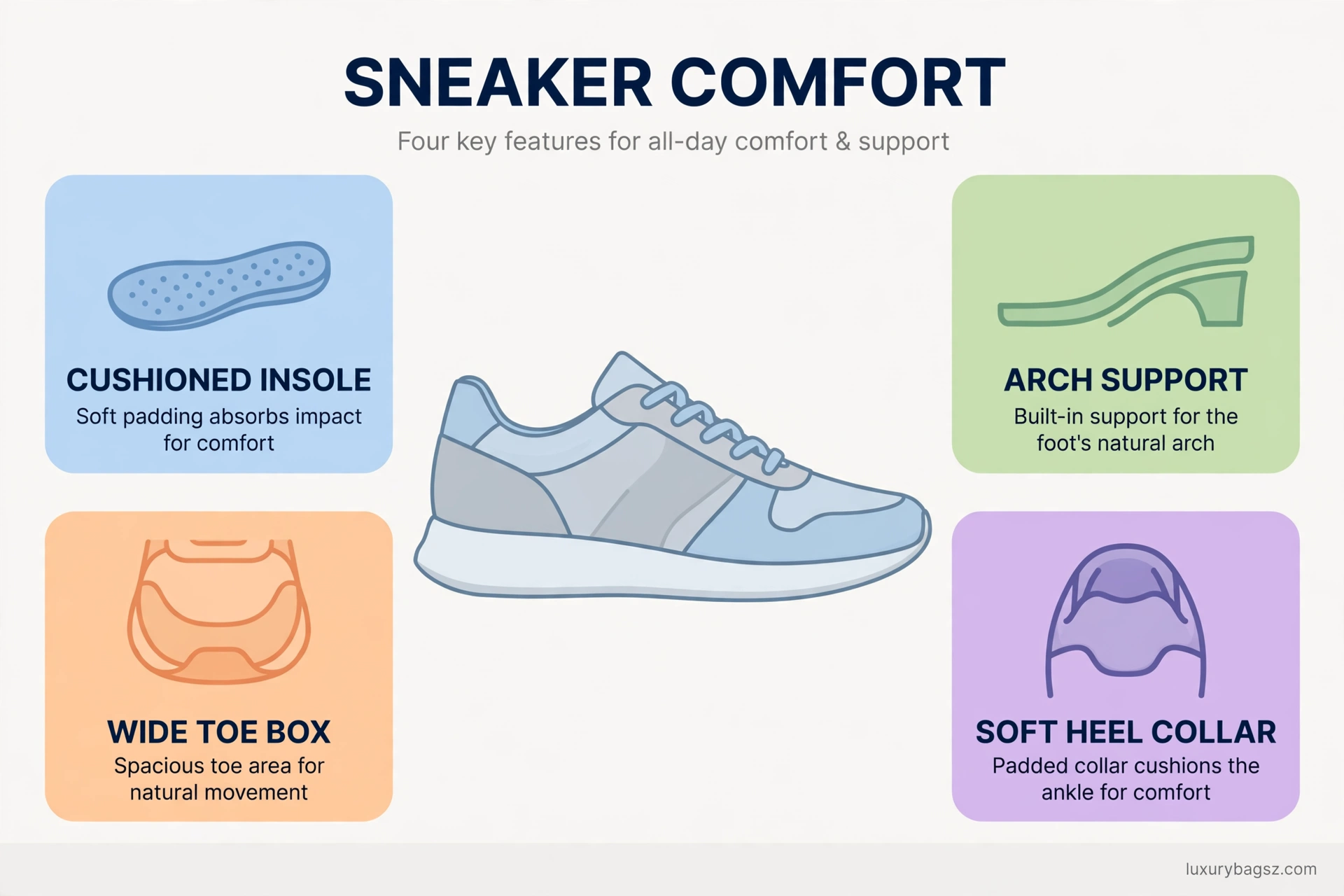
Width is the quiet deal-breaker. Many comfort brands offer wide fits; fashion brands rarely do. If your toes feel stacked in your usual size, try the half size up before blaming the model. Socks change fit too, so test with the socks you will wear most.

Materials: Leather, Suede, Knit and Mesh
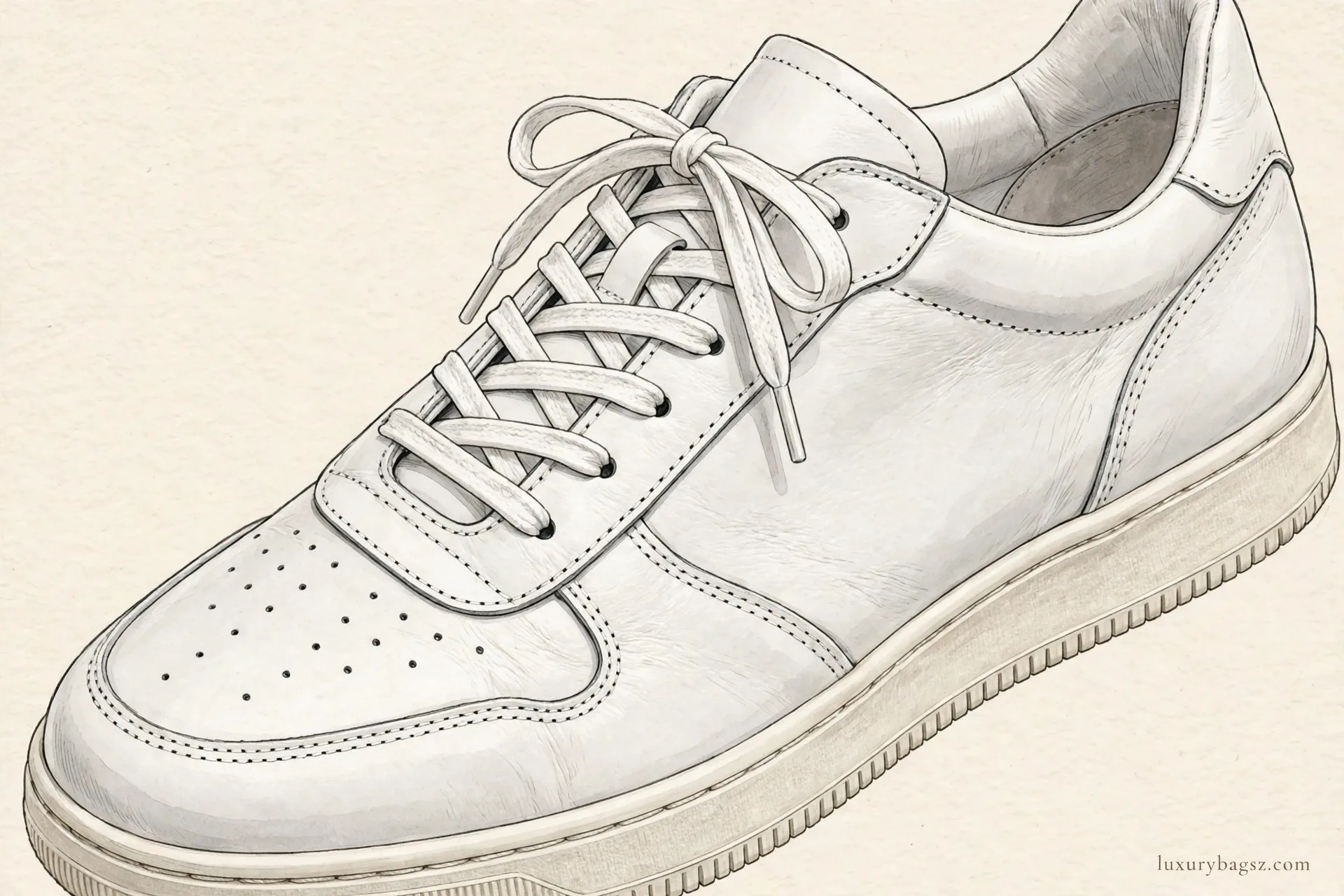
Full-grain leather is the most versatile upper. It wipes clean, smartens up with tailoring and ages well. Suede looks richer and softer, but marks in rain and needs a protector spray before the first wear. Both reward a little care.
Knit and mesh are the travel and summer choices. They weigh less, pack flat and breathe on warm days. The trade-off is structure: knit stretches, so a knit pair that feels perfect in the shop can feel loose after a month of daily wear.
Canvas sits between the two camps. It is light and cheap to replace, but it stains and offers little support. Keep canvas for easy weekend pairs rather than your main walking shoes, and it will serve you well for seasons.
What to Pay at Each Level
Entry pairs from big sports brands typically sit around £60–£110. Mid-range leather pairs from specialist labels usually run £150–£300. Designer low-tops often start near £350 and climb past £600, where you pay for leather grade, hand finishing and the name.
Price gaps narrow on the resale market. Our guide to how luxury sneaker reselling works explains why worn-once pairs lose value fast, which is good news if you are the second buyer rather than the first.
Spend where it shows: sole unit, leather quality and lining. A stitched cupsole outlasts a glued one, and a leather lining feels better after hour six than a synthetic one. Trims, colours and limited labels add cost without adding wear.
One Pair for Every Occasion
For work, choose low-top leather in white, black or navy, kept clean. For weekends, almost anything goes, but suede and retro runners pair best with denim. For travel, pick the cushioned pair you can walk in all day and slip off at security.
Evenings are where sneakers fail most often. A slim, dark, logo-free pair reads far smarter than a chunky white one after dark. If you only buy one smart pair, make it black leather with a matching sole, and keep it polished and reserved for nights out.
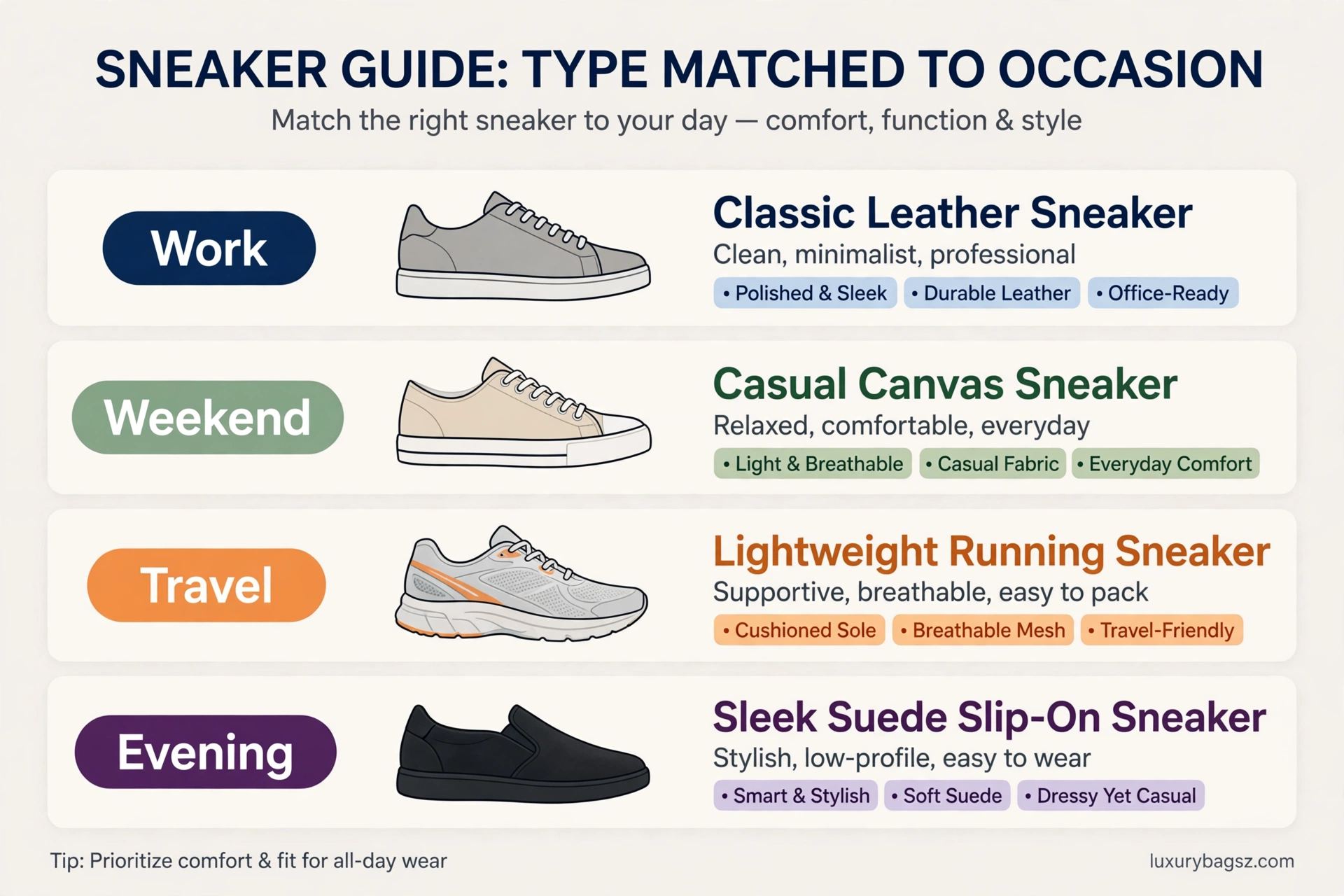
Weather should steer the final choice. Mesh in November is a mistake in most of the UK, and pale suede in festival season rarely survives. Match the upper to your climate first, then to your outfit, and the pair will earn its place.
Sizing and Fit Checks That Save Returns
Order your usual size first, then check the brand's centimetre chart rather than the letter size. Italian and French labels often run long and narrow. Japanese and US sports brands tend to be truer, with more width options for wider feet.
Fit them late in the day, when feet are at their largest. You want roughly a thumb's width in front of your longest toe, no heel lift when you walk, and no pressure across the widest part of the foot. Lace them fully; a loose fit test tells you nothing.
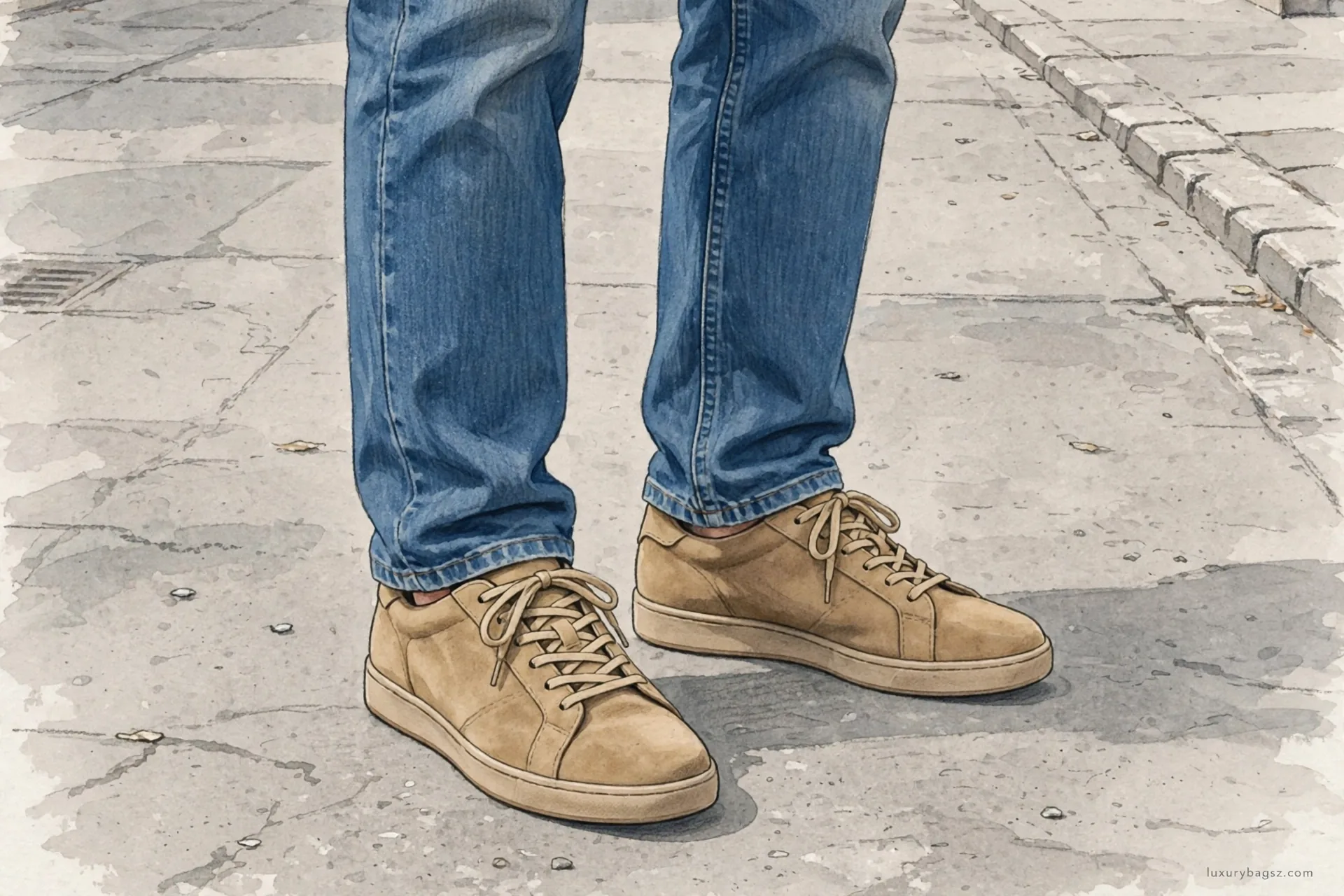
Between sizes, choose the larger one for runners and knit, and the smaller one for leather that will give. Insoles can take up a little room, but they cannot add length. If your toes touch the end standing still, they will hurt by lunchtime.
Care That Doubles the Life of a Pair
Brush dirt off after wear and wipe leather with a damp cloth before stains set. Our step-by-step guide to how to clean sneakers covers leather, suede and knit without ruining any of them. Never put good pairs in a hot wash or on a radiator.
Rotate at least two pairs so foam can recover between wears. Resting a pair for a day genuinely restores some cushion feel. It also halves the damp, odour and creasing that come from wearing one pair every single day.
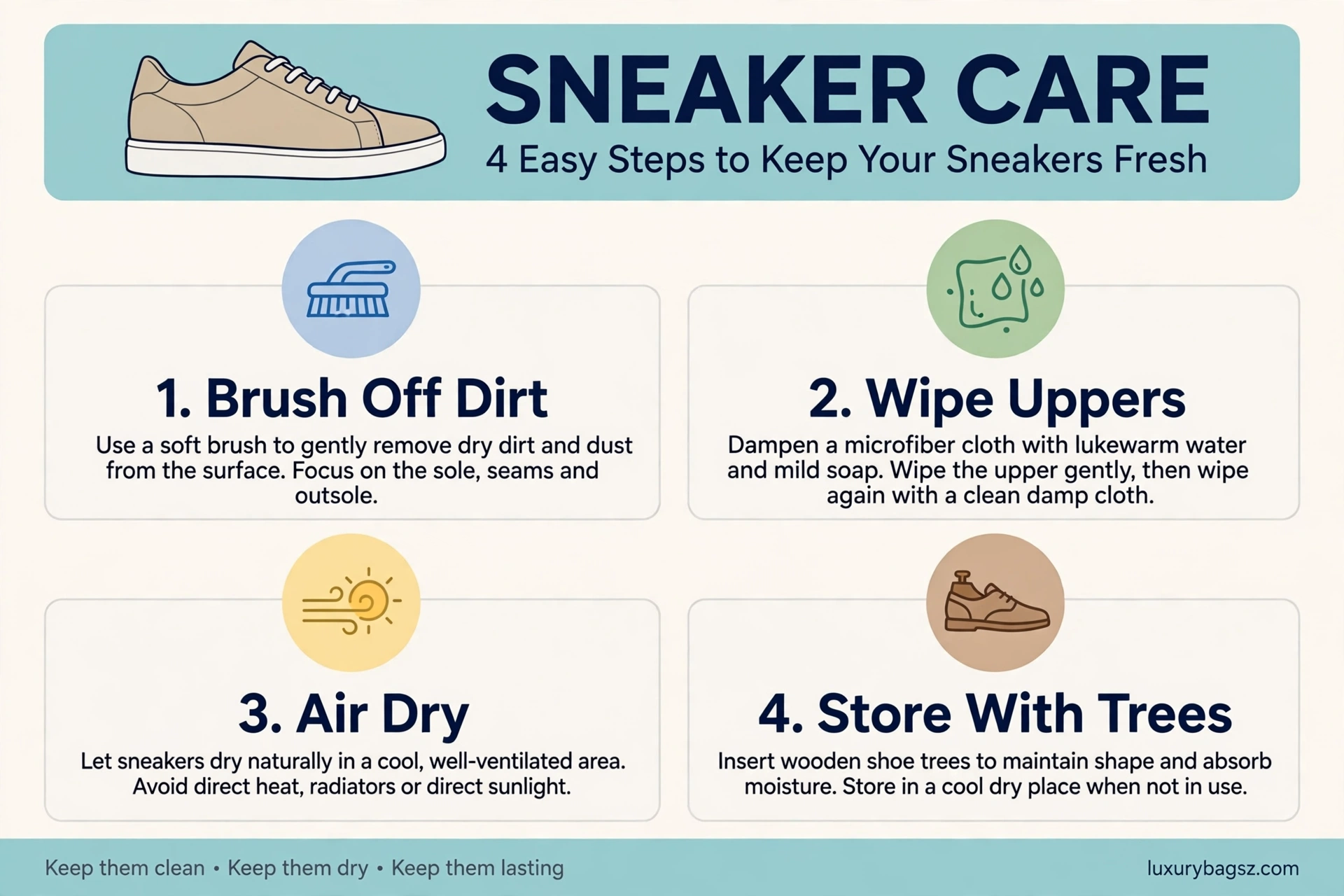
Storage matters more than people think. The answer to whether sneakers need shoe trees is yes for leather pairs you want to keep smart: trees hold the shape, smooth creases and absorb moisture while the shoes rest.
Buying Pre-Owned Without Regrets
Check the outsole first: heavy heel drag means heavy use. Press the midsole; if it feels hard and dead, the cushioning has gone. Smell the shoe, look for insole wear prints, and check that both shoes match in colour and shape.
Ask whether the model can be repaired before you buy. Our guide to whether you can resole sneakers explains which soles a cobbler can replace and which are sealed for life. A resoleable pair is worth more second-hand than a sealed one.
Buy from sellers who show the size label, both soles and the heels in their photos. Vague listings hide the wear that matters. If a price looks far below similar pairs, assume there is a reason and ask what it is before paying.
Frequently Asked Questions
Which sneaker brand is best overall?
There is no single best brand. Nike and adidas lead on cushioned everyday pairs, New Balance on walking comfort, and minimal labels on clean leather low-tops. The best brand for you is the one whose last shape matches your foot.
What are the most comfortable sneakers for standing all day?
Look for a contoured insole, a supportive midsole and a wide enough toe box. Runner-style pairs from comfort-led ranges usually beat flat fashion sneakers, which feel fine for an hour and tiring by hour six.
How many pairs of sneakers do I actually need?
Three pairs cover most lives: a clean leather low-top, a cushioned walking pair and a darker or suede pair for evenings and autumn. Add specialist pairs only when a real gap appears in your week.
Are expensive sneakers worth it?
Above roughly £300 you mostly pay for leather grade, finishing and brand. Comfort and durability gains are real but smaller than the price jump. A well-chosen mid-range pair often gives the best value per wear.
Do sneakers run true to size?
Sports brands are usually close to true. Italian and French fashion labels often run long and narrow, so many buyers drop half a size. Always compare the centimetre length on the brand chart before ordering.
What colour sneaker goes with everything?
White leather is the most flexible, then black, then grey or navy. White needs more cleaning to stay sharp. If you dislike upkeep, a mid-grey suede pair hides marks while still pairing with most outfits.
Can I wear sneakers with a suit?
Yes, if the pair is slim, clean and low-profile, and the suit is softly tailored. White or black leather works best. Chunky runners and bright colours break the line and read casual rather than smart.
How long should a good pair last?
Worn in rotation and kept dry, a quality leather pair should give several years of regular use. Cushioned runners lose their spring sooner, often after a year or two of heavy walking, even if they still look fine.
Is it safe to buy sneakers pre-owned?
Yes, with checks. Inspect soles, midsole firmness, insoles and size labels, and buy from sellers who photograph all of them. Avoid pairs with dead cushioning; no cleaning can bring that back.
How do I stop white sneakers going yellow?
Keep them out of strong sunlight when stored, clean them before dirt sets, and dry them at room temperature. Yellowing is usually oxidised dirt and heat damage, so gentle early cleaning prevents most of it.
Final Verdict
Build around three pairs, buy fit before brand, and spend on soles and leather rather than labels. A clean low-top, a cushioned walker and one darker pair will carry you through work, weekends, travel and evenings without a second thought.






