

Affordable Omega Watches for New Collectors: Vintage Genève, Seamaster and De Ville Routes In
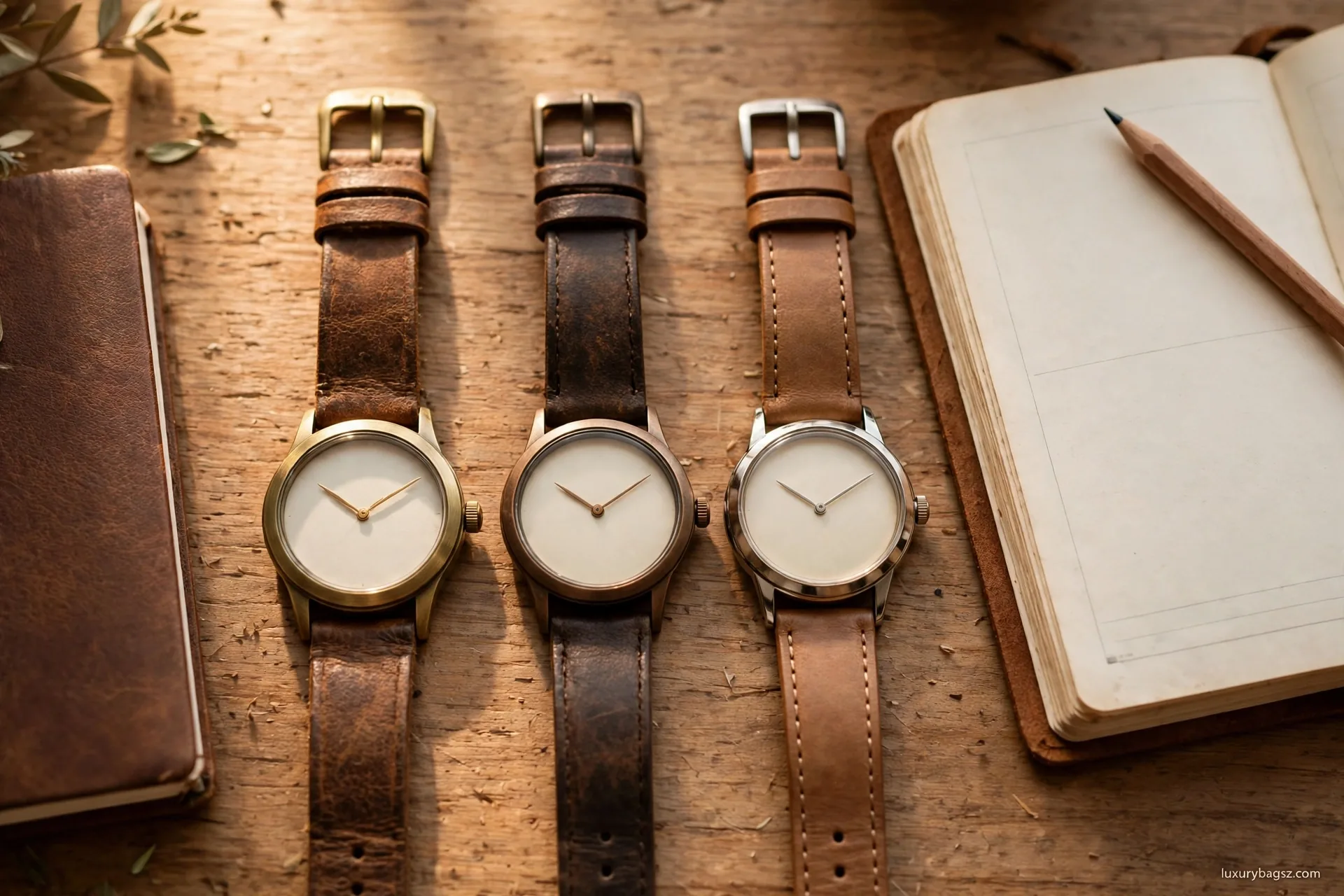
Affordable Omega in Brief: Vintage Is the Door
For a new collector, the affordable way into Omega is vintage. Mid-century Genève, Seamaster and De Ville watches offer genuine Omega movements and design at prices far below any new model in a boutique window. The short answer is to budget for the whole purchase, not just the watch: the piece itself, a service if its history is unknown, and a fresh strap. Planned that way, a first Omega is a pleasure rather than a project that surprises you.
Key Takeaways
- Vintage Genève models are usually the gentlest entry point into Omega ownership.
- 1950s and 1960s Seamaster and De Ville watches offer fine movements at collector-friendly prices.
- Always reserve money for a service; unknown history means the watch needs one.
- Original dials decide value, so learn to spot redials before you buy anything.
- Smaller vintage sizes, often 34–36 mm, wear elegantly and suit the current taste for proportion.
- Buy from sellers who show movement photographs and accept returns.
Why Vintage Omega Suits Beginners
There is a psychological benefit, too. A modestly priced first watch gets worn without anxiety, and wearing is how taste forms. Beginners who start precious often stall, afraid of marks, while a vintage Genève simply gets on with being a daily watch. Omega made huge numbers of excellent watches in the post-war decades. That supply keeps vintage prices sane compared with scarcer rivals, while quality stays high, because these were serious instruments when new. Start with the brand background in our guide to what to know about Omega watches, then focus your hunting on the families below rather than chasing famous names at famous prices. A beginner also learns faster on vintage Omega. The community knowledge is deep, parts and watchmakers are findable, and mistakes at this level are affordable lessons rather than disasters.
The Budget: Watch, Service, Strap
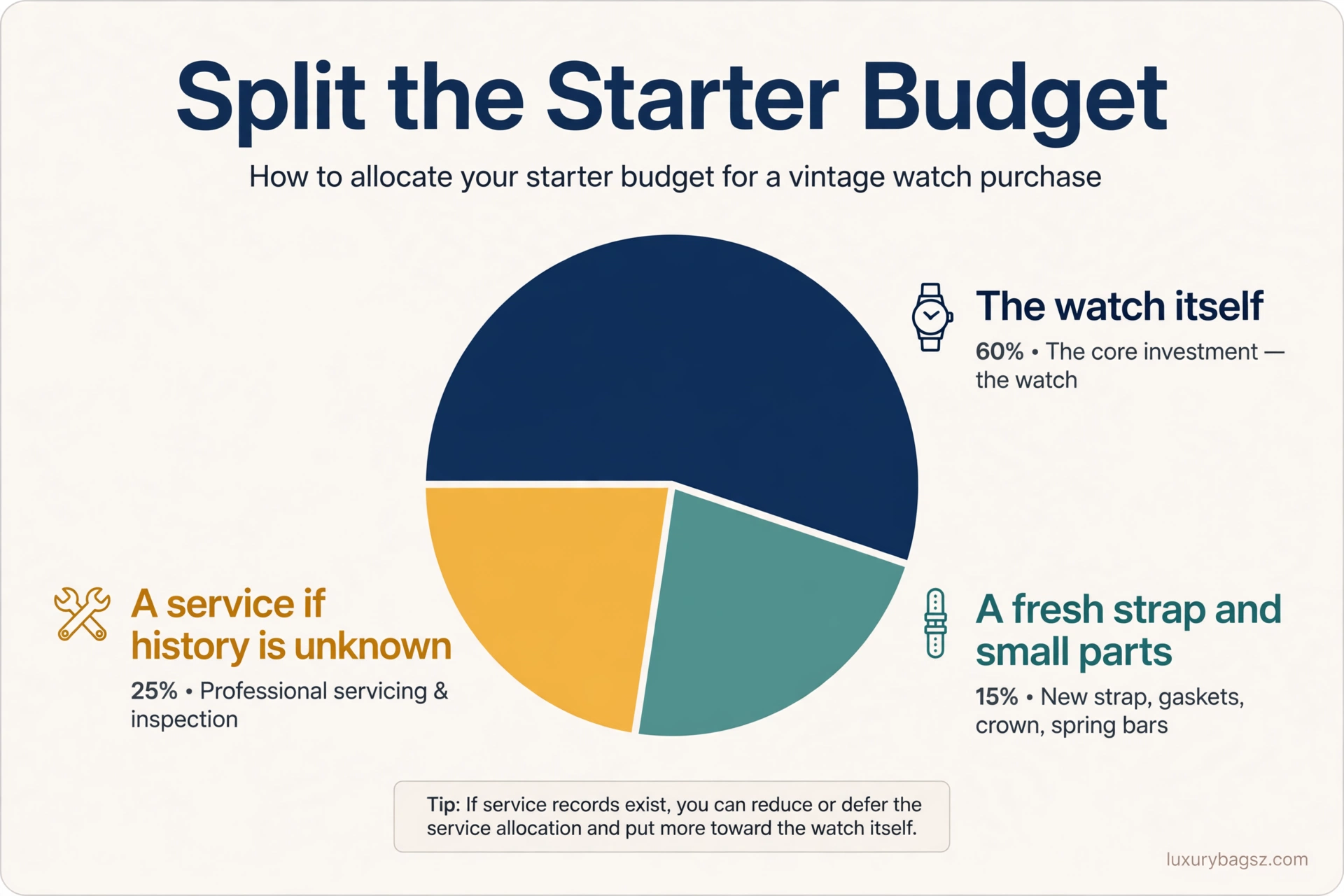
Split your money three ways from the start. The watch takes the largest share, but a full service on an unserviced vintage piece is a real cost, and most vintage straps need replacing immediately. Sellers who state a recent service by a named watchmaker are worth a premium. That one line in a listing can be worth more than a small discount on a watch with no history at all. Keep a small reserve after buying. Crowns, crystals and gaskets are normal early expenses on a 60-year-old watch, and none of them should be able to spoil the purchase.
Genève: The Gentle Entry Point
The Genève line sits at the accessible end of vintage Omega. These were everyday watches, often slim, simple and elegant, and they remain the easiest way to own a real Omega movement for modest money. Expect hand-wound and automatic movements, plain or lightly textured dials and cases typically around 34–36 mm. They dress up beautifully and teach a new collector what vintage proportions feel like. Because Genève prices are gentle, originality matters even more in proportion. A clean, original Genève beats a polished, redialled example of a grander name almost every time.
Vintage Seamaster and De Ville
Watch for honest variation within these families. Dials came in many factory finishes and hand styles changed across years, so research the specific era you are viewing rather than judging every example against one favourite photograph found online. Step up slightly and the 1950s and 1960s Seamaster opens up: automatic chronometer-grade movements in some models, handsome dials and cases built to be sealed against water in their day. Do not treat an old Seamaster as a swim watch now. Its seals are decades past their working life unless renewed, so enjoy it as a daily watch kept sensibly dry. De Ville models from the same era offer the dress version of the same quality: slim, refined and often cheaper than Seamasters of equal merit, because the Seamaster name carries a premium of its own.

Sizes and Styles That Suit New Collectors
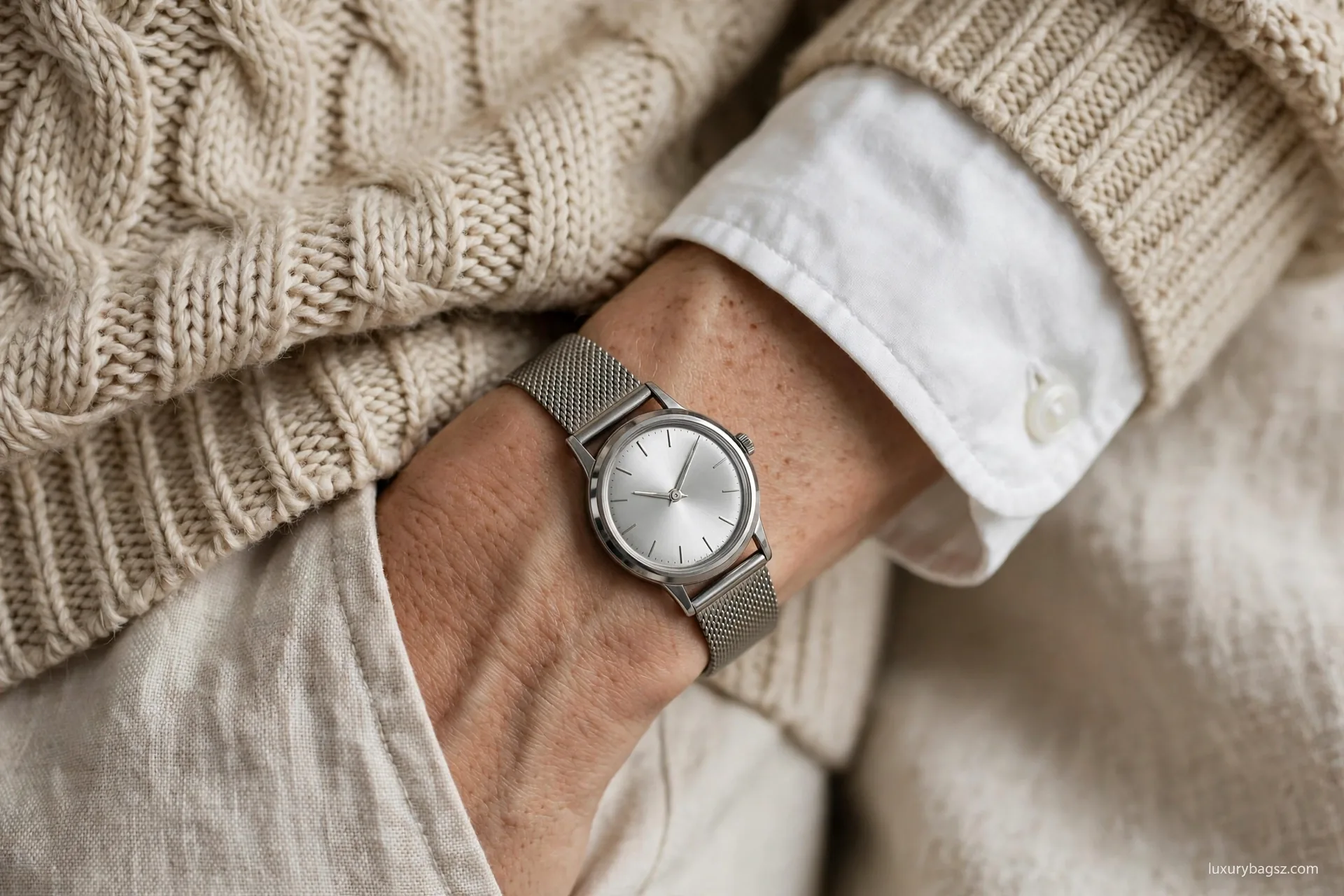
Straps transform these watches cheaply. The same steel De Ville reads formal on black leather, relaxed on tan and almost modern on a mesh bracelet, so a small strap collection multiplies one affordable watch into several looks. Vintage Omega sizes centre on 34–36 mm, which many modern buyers now prefer after years of oversized watches. On the wrist they read as elegant rather than small, especially with a slim case. Gold-capped and steel cases both appear at this level. Gold cap, a thick layer of gold over steel, wears warmly and costs far less than solid gold, though worn edges can show the steel beneath. Dial colours stay classic: silver, champagne, white and black. Choose the cleanest original dial you can find in any of them, because dial condition is where these watches gain or lose their charm.
The Checks That Protect Your Money
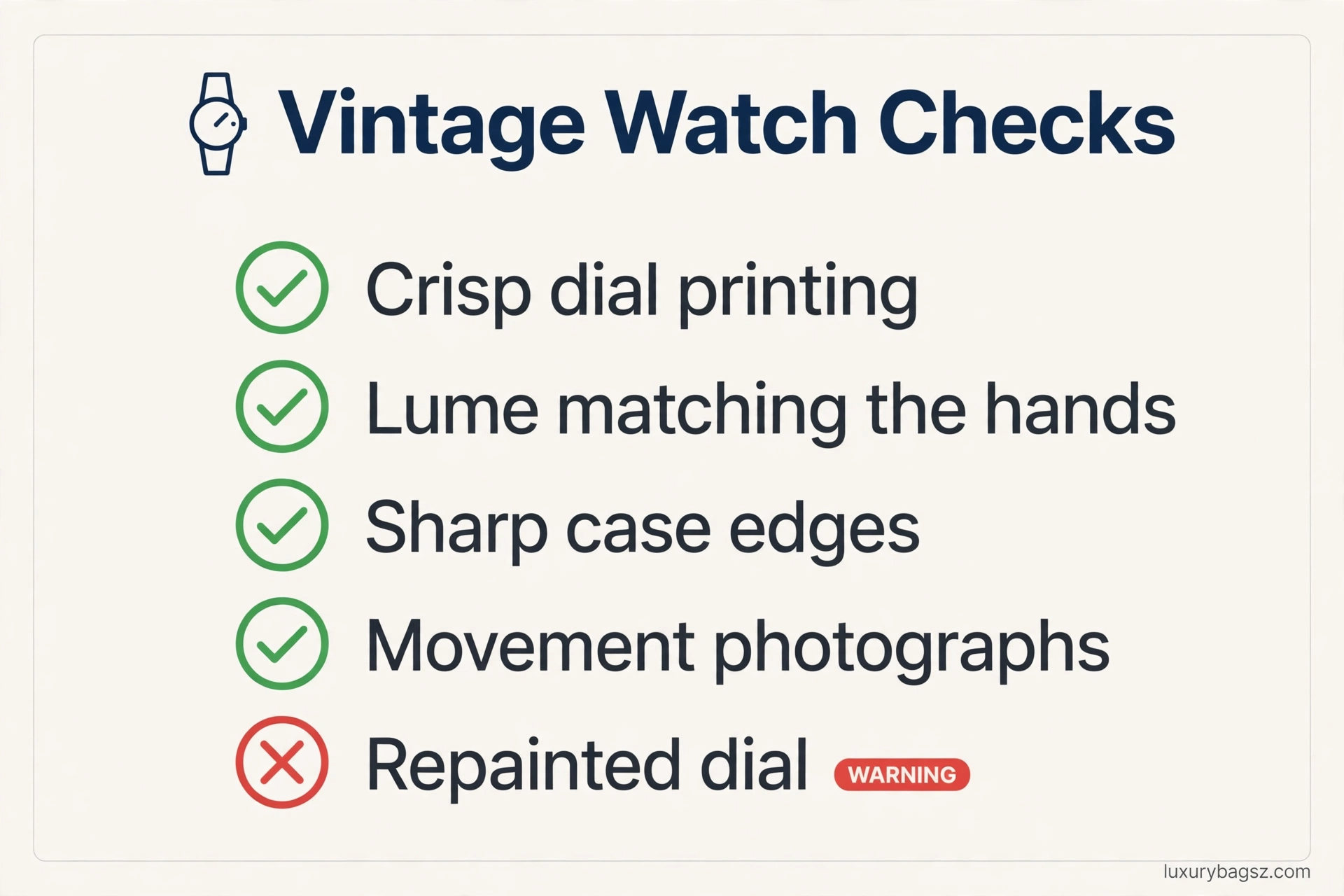
The dial comes first. Look for crisp original printing, lume that matches the hands in age and colour, and no signs of repainting such as soft letter edges or lume sitting oddly on markers. Condition language in listings follows patterns explained in our pre-owned luxury condition grades explained guide. Translate optimistic words into evidence: sharp case edges, honest photographs and a visible movement. Then check the case for heavy polishing, the crown for correct style, and the movement for rust or mismatched parts. Ask direct questions; good sellers answer them with photographs, not adjectives.
Owning and Servicing a Vintage Omega
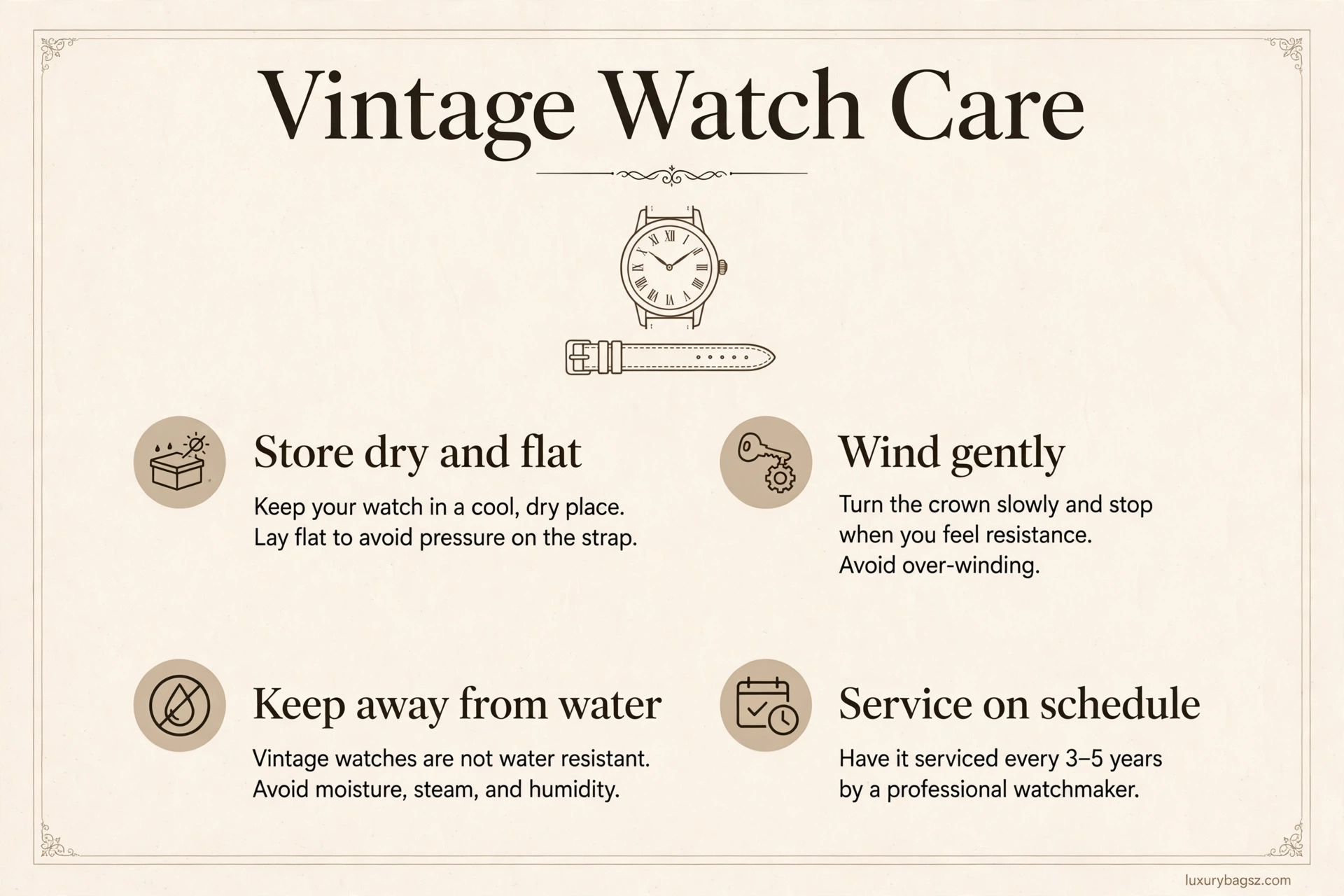
Find your watchmaker before you need one urgently. A short introductory visit with your new watch builds the relationship, gets a baseline assessment recorded and means a future problem lands with someone who already knows the piece. Have an unserviced watch serviced before daily wear. Running a dry, dirty movement wears parts that are increasingly hard to replace, so the service is protection, not an optional luxury. Wind hand-wound models gently, keep every vintage watch away from water and steam, and store it dry. Our how to clean a watch guide covers safe surface care that will not harm aged dials or finishes. A serviced vintage Omega keeps good time and asks little. Most owners find the ritual of winding and the lightness on the wrist become the favourite parts of the hobby.
Your First Omega, Chosen Well
Expect your taste to move after this purchase, and let it. The first Omega is a teacher: it shows you whether you love patina or prefer perfection, hand-winding or automatic ease, and that knowledge makes every later purchase cheaper and better. Shortlist three watches: one Genève for value, one Seamaster for presence and one De Ville for dress. Compare dial originality first, service history second and price third, in that order. For a sense of the price step above, our Rolex Datejust guide shows what the classic rival costs and why so many collectors start with Omega instead, then move up later if they still want to. Whichever you choose, wear it constantly for the first month. A first Omega should become your default watch, teaching your eye and wrist, before any second purchase is even considered.
Frequently Asked Questions
What is the most affordable way to own an Omega?
A vintage Genève in original condition is usually the gentlest route. It offers a genuine Omega movement and classic styling at the lowest typical entry cost in the family.
How much should I budget beyond the watch itself?
Reserve enough for a full service if the history is unknown, plus a new strap and small items such as gaskets. Treat that reserve as part of the purchase price from day one.
Are vintage Omega watches reliable daily wearers?
Yes, after a proper service. A serviced 1950s or 1960s Omega keeps good time, but it should be kept away from water and shocks that a modern watch would shrug off.
What is a redial, and why does it matter?
A redial is a repainted dial. It lowers collector value and often looks subtly wrong in print quality and lume. Original dials, even with honest patina, are worth more.
Which vintage Omega size should I choose?
Most vintage models sit around 34–36 mm and wear elegantly on most wrists. Try one before dismissing the size; slim cases and light weight surprise many modern buyers.
Is a vintage Seamaster waterproof?
Not anymore, unless its seals have been renewed and tested. Treat old Seamasters as splash-cautious daily watches, never as swim or dive watches.
Where is the safest place to buy?
Buy from established vintage dealers or sellers who show movement photographs, state service history plainly and accept returns. Avoid listings with few, dark or stock photographs.
What is gold cap?
It is a thick layer of gold bonded over a steel case, used on many vintage Omegas. It looks rich and costs less than solid gold, though heavy wear can expose steel at edges.
Should a new collector buy a Speedmaster first?
Usually not at entry budgets. Sound early Speedmasters cost far more than Genève or Seamaster alternatives, and the affordable end of that market hides expensive problems.
Can any watchmaker service a vintage Omega?
Most competent independent watchmakers can, and parts for common mid-century movements remain findable. Ask about experience with vintage pieces before handing yours over.
Summary: Start Original, Serviced and Wearable
The affordable Omega route is well lit: a vintage Genève, Seamaster or De Ville, bought for its original dial, serviced before daily wear and worn without preciousness. Do that and your first Omega will teach you the hobby properly: proportion, patina and the pleasure of a fine movement ticking away for modest money. Few second purchases start from a better education.






