The Winter Fashion Edit: Coats, Layers and Pieces That Earn Their Keep
The Whole Winter Wardrobe, Edited Down
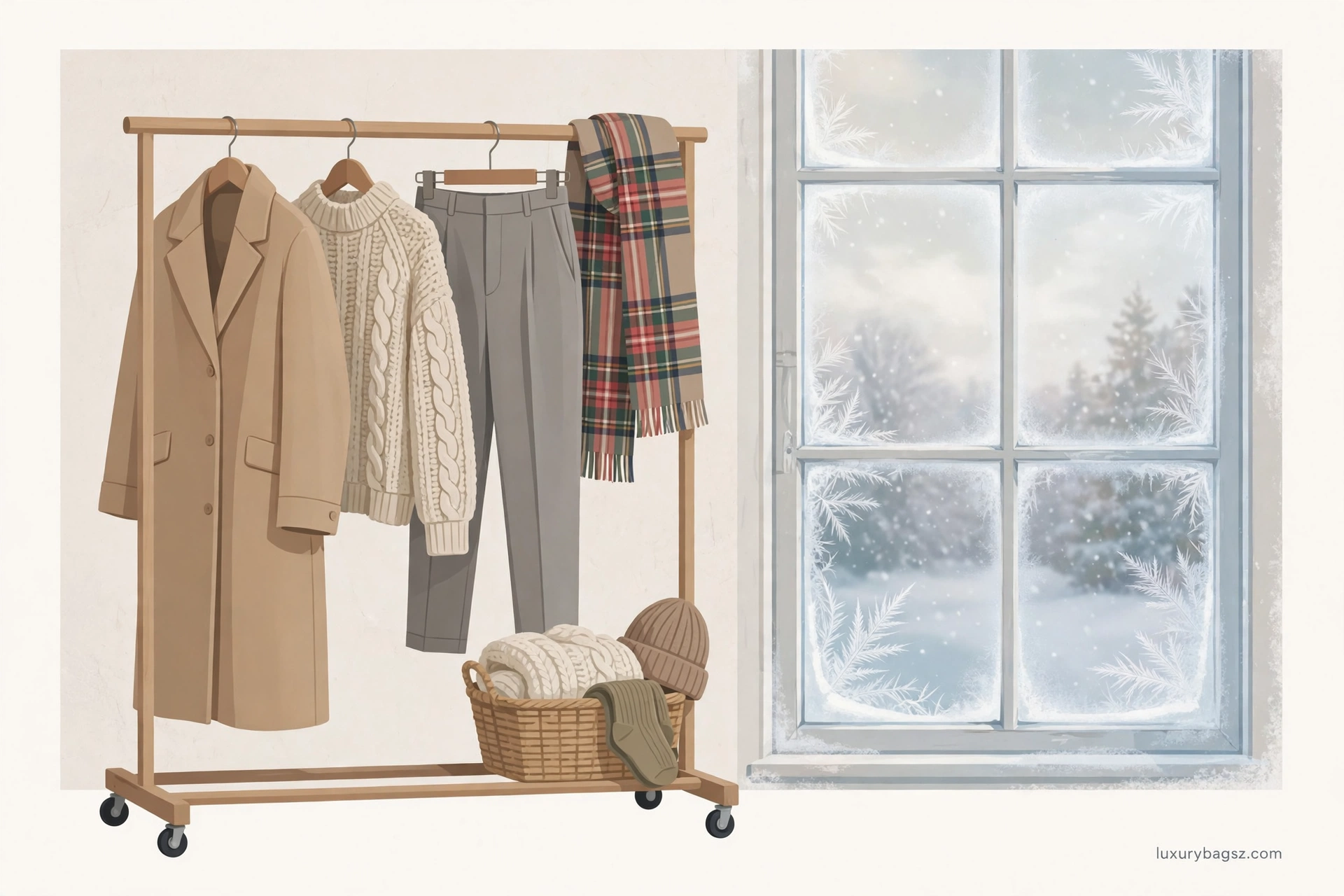
A winter wardrobe works when every piece has a job: one serious coat, a layering system under it, knits that rotate, and accessories that add warmth where it counts. Buy for the coldest ordinary day, not the mildest, and you will dress faster all season.
This edit covers the whole wardrobe rather than one category. The order matters: coat first, layers second, formulas third, then the details that make the cold feel optional.
Key Takeaways
- One long wool coat plus one practical padded jacket covers nearly every winter day.
- Layer in threes: a fine base, an insulating knit, and a weather-facing outer layer.
- Three outfit formulas on rotation remove the daily what-to-wear problem.
- Accessories do real thermal work: scarf, gloves and hat change how cold you feel.
- Spend on the coat and boots; save on base layers and trend-led extras.
The Coat Hierarchy
The long wool coat is the backbone of winter dressing. It covers work, evenings and weekends, and it makes everything under it look more considered. Knee length or longer gives the warmth and the line.
Second comes the practical layer: a padded or quilted jacket for wet, windy and very cold days. It is the coat you grab for the school run, the dog walk and the icy commute.
A third coat is a luxury, not a need. Add one only if a clear gap remains, such as a smart evening coat when the wool one is too plain for the occasions you attend.
Length is the detail that decides warmth. A coat that ends mid-thigh leaves the coldest gap exactly where skirts and trousers meet it; knee length or below closes that gap properly.
The Three-Layer System
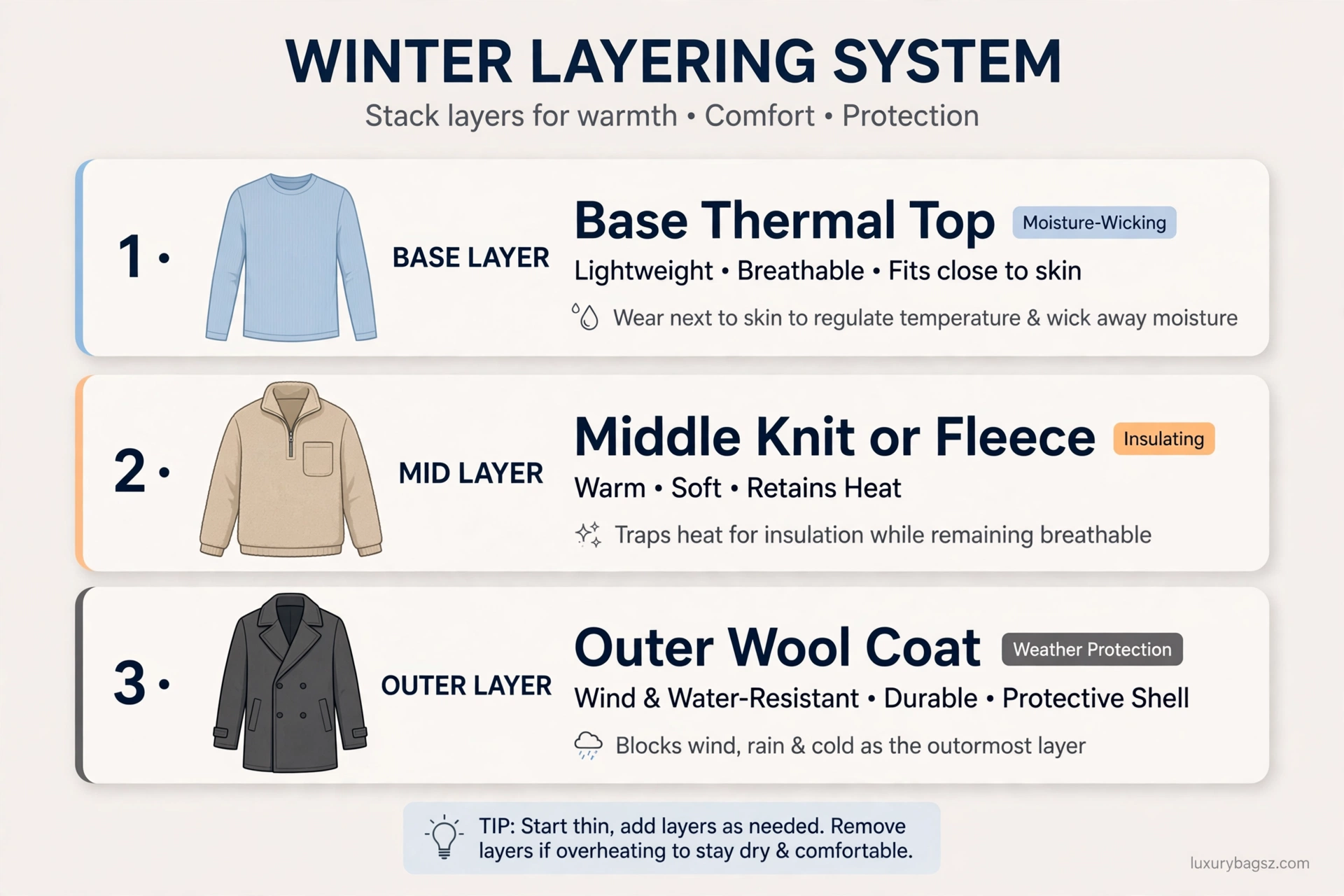
Layer one is a fine base: a thermal top or a silk or cotton vest that sits against the skin. Its job is moisture control and a hidden few degrees of warmth under everything else.
Layer two insulates. Knitwear traps warm air, and the weight you choose sets the temperature of the whole outfit. Layer three faces the weather: the coat that blocks wind and sheds showers.
The system works because each layer can change independently. A milder day drops the base; a colder one swaps a fine knit for a chunky one while the coat stays the same.
Mind the fabrics against each other. A sticky knit over a rough base twists as you move, while smooth fibres slide and settle. If layers fight, swap the base first.
Knitwear, Dresses and the Bottom Half
Knitwear is the engine room of the edit. Roll necks layer under coats without collar clashes, crew necks take shirts beneath them, and a knit dress with boots is a complete outfit in one decision.
For the bottom half, wool trousers and dark denim do the heavy lifting. A midi skirt with knee boots and warm tights stays in play all winter if the knit on top is substantial enough.
Avoid building the whole wardrobe around one fabric weight. A mix of fine and chunky knits is what lets the same coat feel right from late autumn to early spring.
Tights deserve a line of their own in this edit. Opaque, high-denier pairs turn summer-weight skirts and dresses into winter pieces at almost no cost per wear.

Three Formulas on Rotation
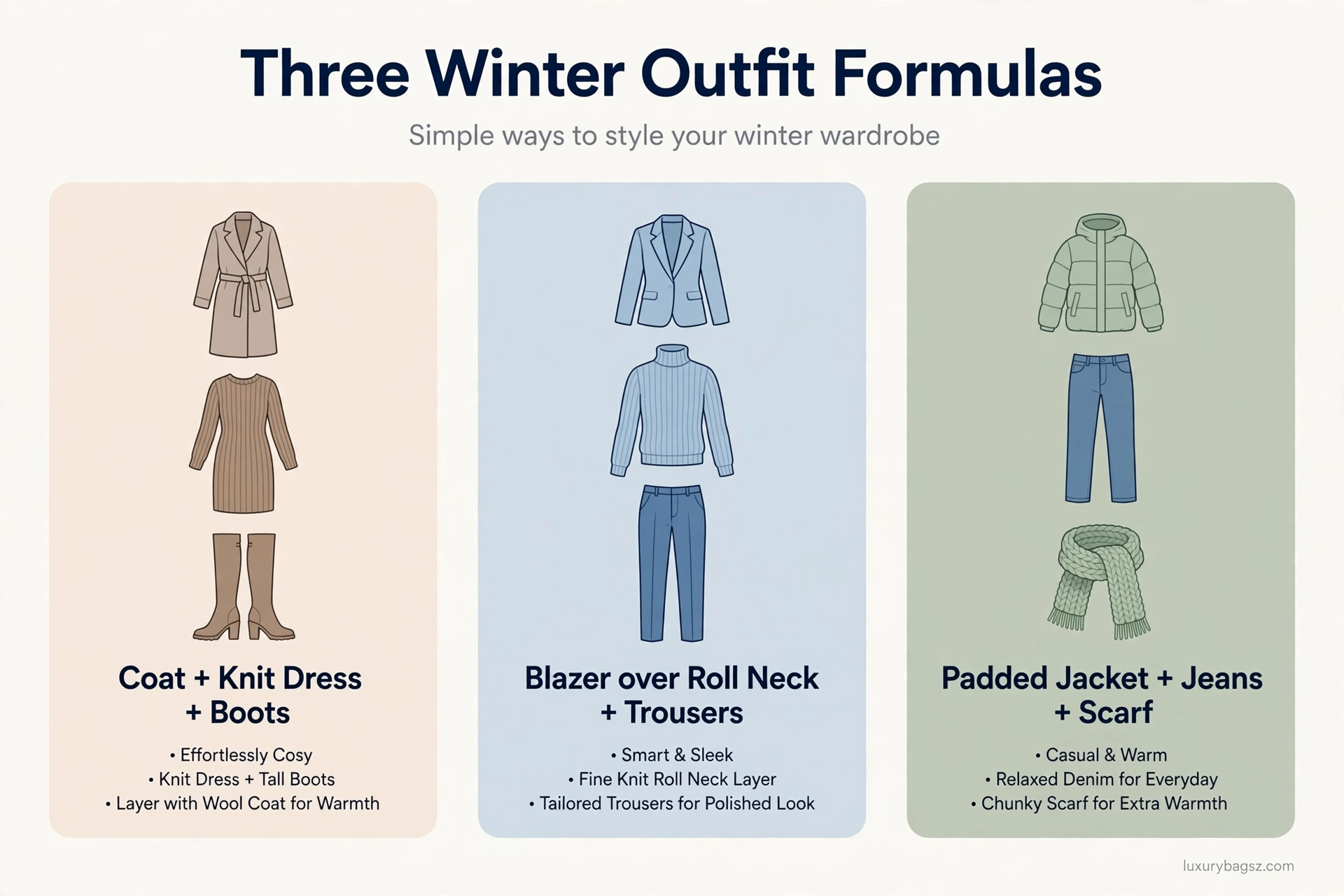
Formula one: coat, knit dress, knee boots. It is the one-decision outfit for days when thinking time is short, and it always looks finished.
Formula two: blazer over a roll neck with tailored trousers. This is the working formula, smart enough for meetings and warm enough for the commute with a coat over the top.
Formula three: padded jacket, jeans and a chunky scarf. The weekend default. The knit guidance in our sweater weather style guide fills in the jumper choices behind all three formulas.
Keep the formulas written down if mornings are rushed. A note on the wardrobe door with three proven outfits removes the temptation to default to the same jumper daily.

Colour and Texture for Dark Months
Winter light is flat, so texture does the work that colour does in summer. Cable knits, brushed wool, corduroy and leather in the same outfit keep a plain palette interesting.
A safe base is navy, charcoal, camel and cream. From there, one rich colour — burgundy, forest or deep teal — worn as a knit or a scarf lifts the whole rotation.
Metallic or glossy touches belong in small doses: a polished boot, a smooth bag, a hint of jewellery. They catch what little light there is and stop layers looking heavy.
Check new colours in outdoor light before committing. Shop lighting flatters everything, while grey winter daylight reveals clashes that a changing room hides completely.
Accessories That Actually Warm You
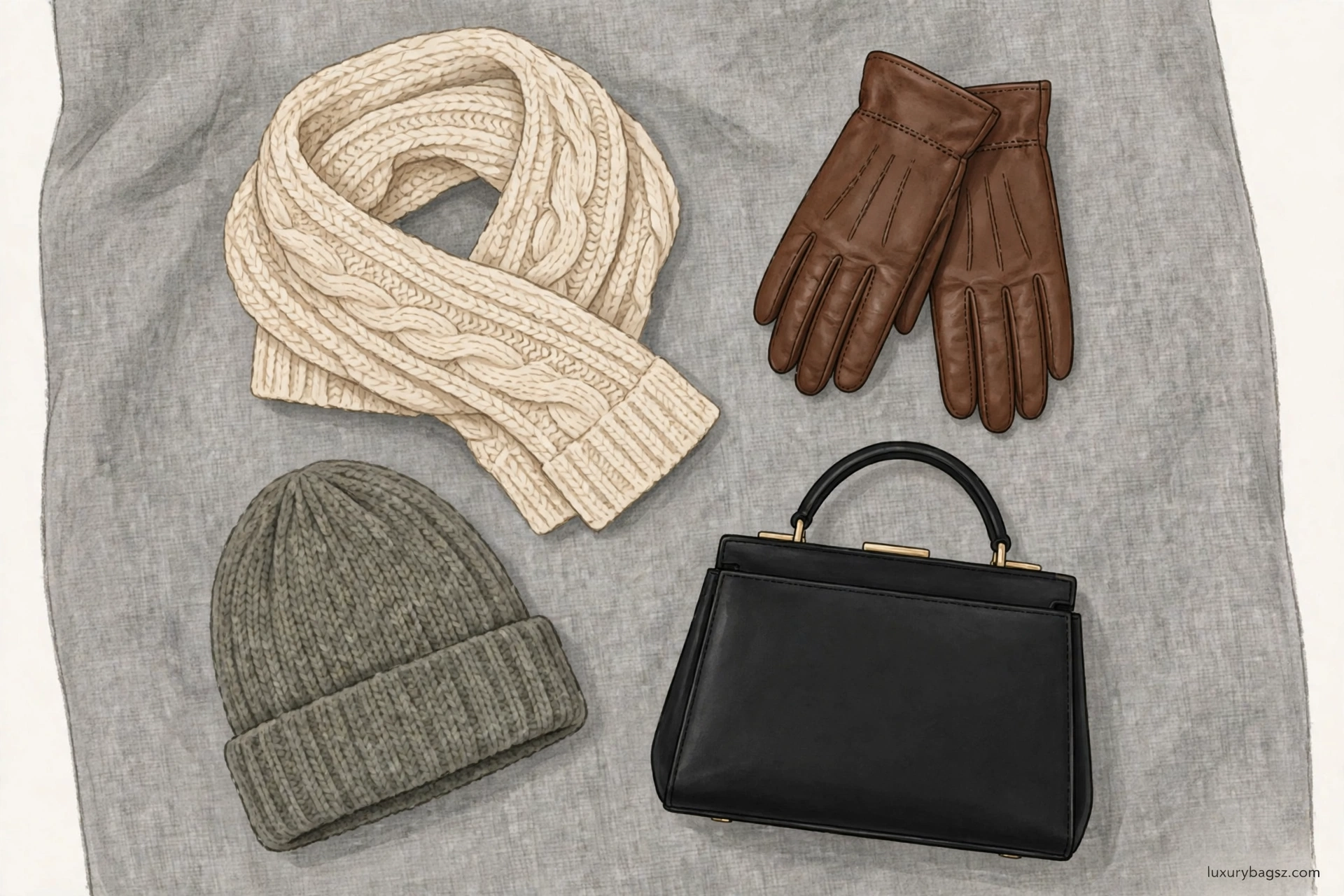
A large scarf is a portable extra layer: over the shoulders in a cold office, wrapped high against the wind outside. Leather gloves beat knitted ones in wind, and a beanie saves more heat than any styling trick.
Footwear decides comfort more than any other choice, so work through the fit and height checks in our fall footwear boot camp before the cold arrives.
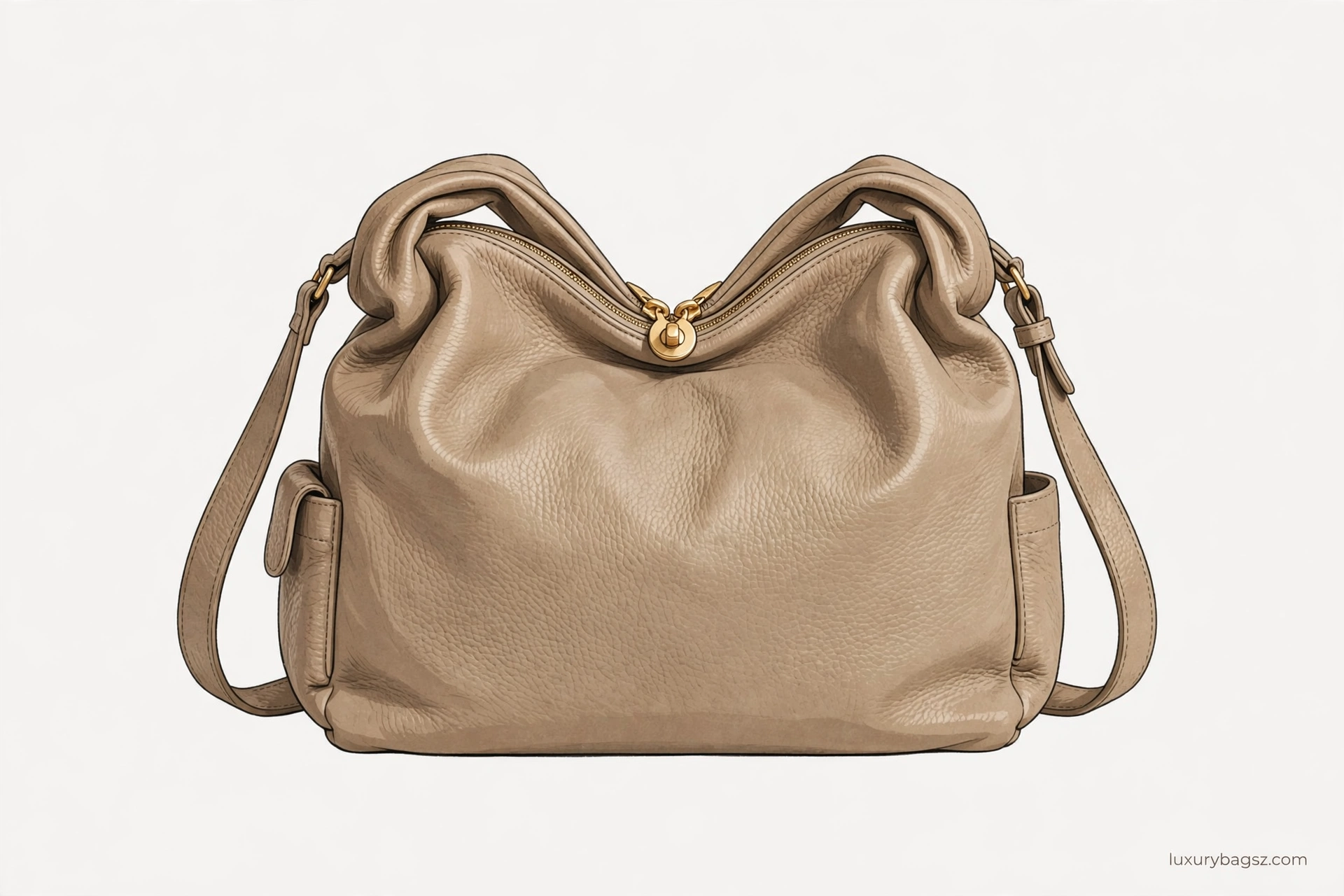
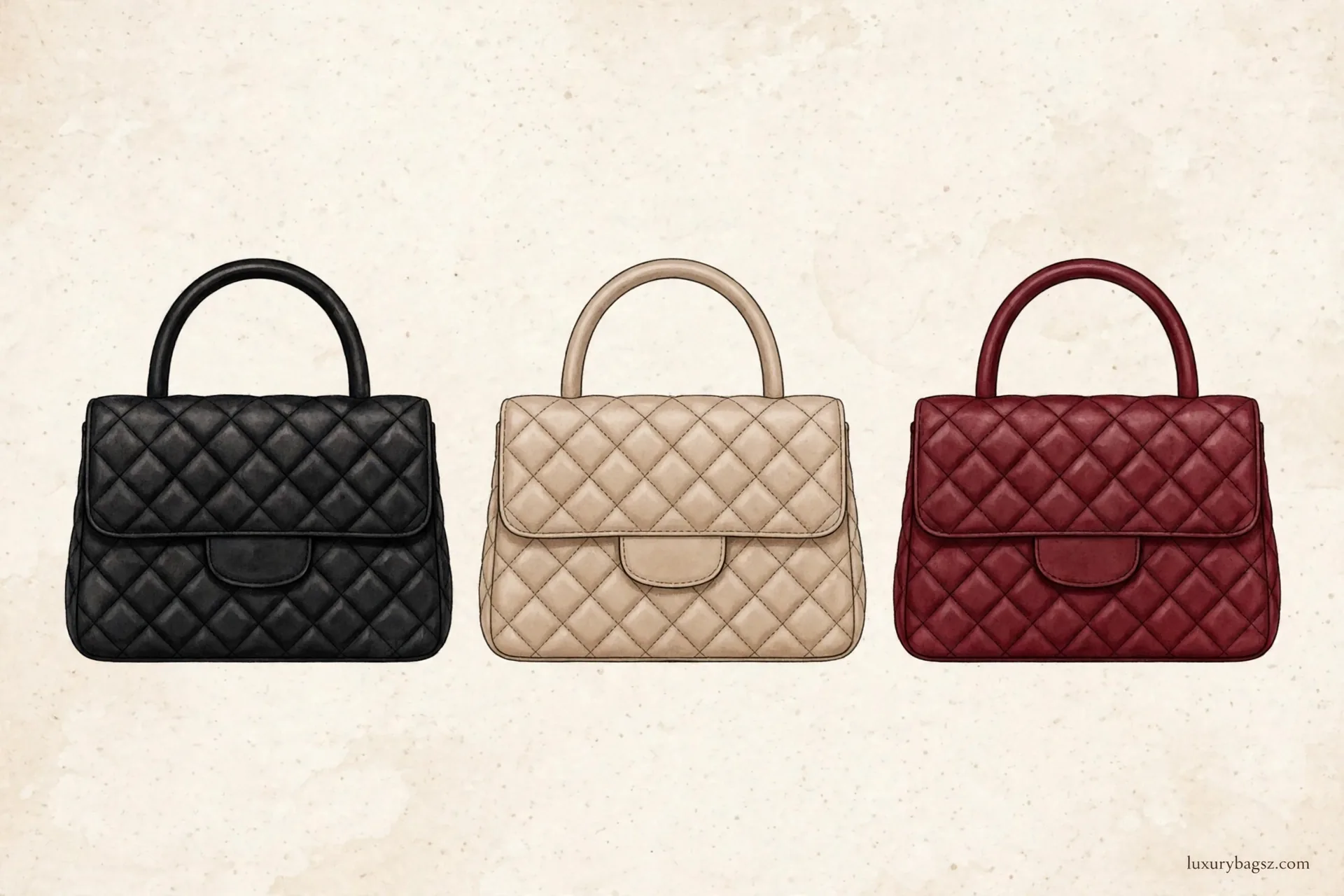
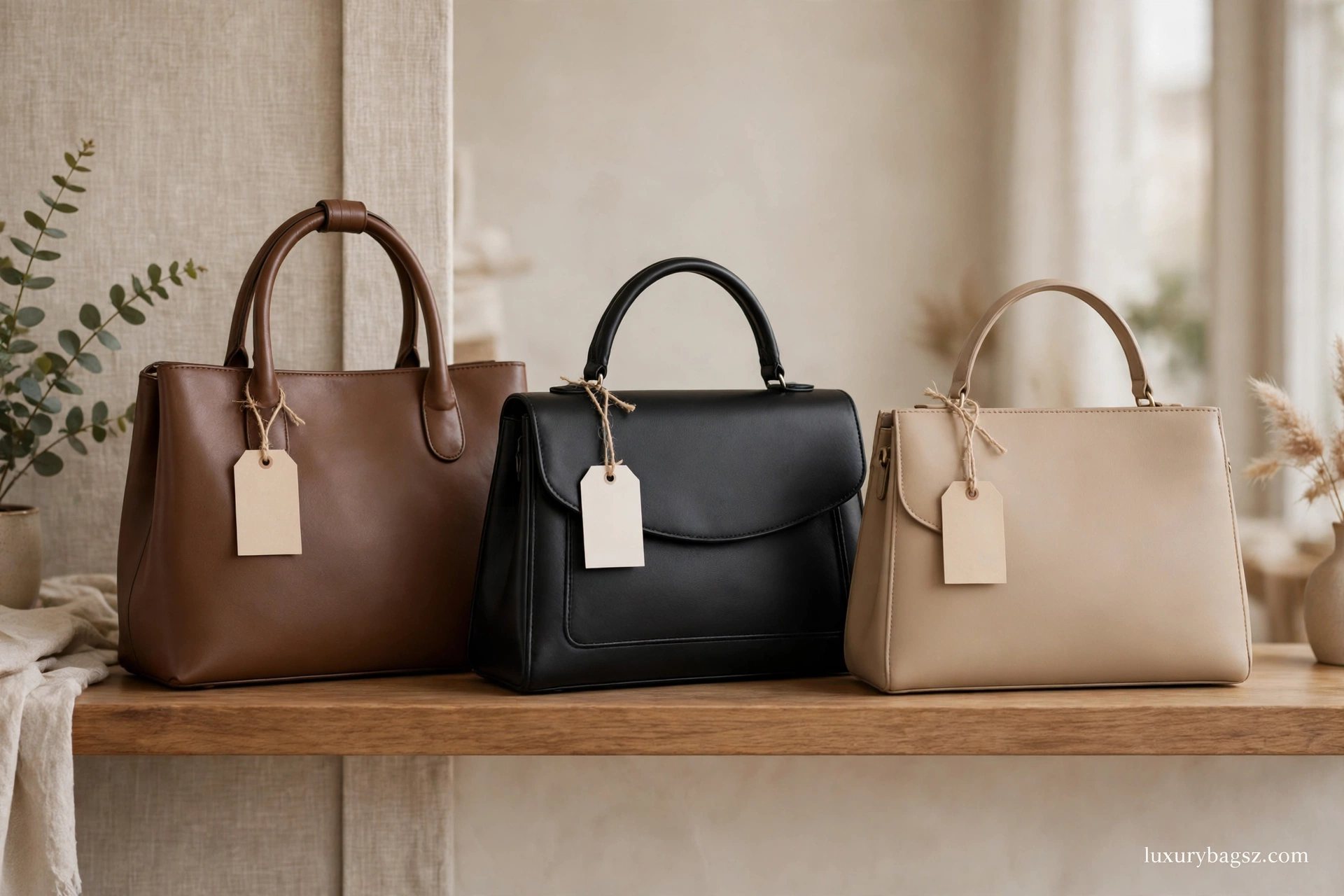
Bags need to survive weather and gloves. The styles in our round-up of winter white bags prove pale leather can work in winter if the finish is smooth and easy to wipe.
Hats follow one rule: they should suit the coat, not compete with it. A plain beanie in one of your palette colours finishes almost every outfit in this edit quietly.
Where to Spend and Where to Save
Spend on the coat and the boots. They are worn daily, seen constantly and expected to last for years, so cost per wear favours quality more here than anywhere else in the wardrobe.
Spend moderately on knitwear: good wool blends hold their shape and warmth, while the cheapest knits pill and thin within a season. Save on base layers, tights and trend-led accessories.
Set a simple rule before shopping: if a piece will be worn thirty times this winter, it can justify a real budget. If it will be worn three times, it cannot.
Sales change the maths, not the rule. A quality coat at a January reduction is still judged by wears per season, and the good ones pass the test even at full price.

End-of-Season Care and Storage
Wash and dry everything before it goes away. Moths target worn knitwear with traces of food and perfume, so clean storage is the single best protection you can give next year's wardrobe.
Leather needs feeding after months of wet pavements and central heating; the routine in our guide on how to care for leather after winter covers boots and bags step by step.
While you are at it, check hems, buttons and boot heels. Small repairs made in spring mean the wardrobe is genuinely ready when the first cold week lands.
Store coats on wide hangers, knits folded, and boots stuffed and standing. An hour of care in spring saves a morning of regret next November.
Finally, photograph your favourite outfits before packing the season away. Next winter's first cold morning is much easier with last year's proven combinations on your phone.
Frequently Asked Questions
How many coats does a winter wardrobe need?
Two covers most people: a long wool coat for smart and everyday wear, and a padded or quilted jacket for wet and very cold days. A third is optional.
What is the warmest way to layer?
Three layers: a fine base against the skin, an insulating knit in the middle, and a wind-blocking coat outside. Air trapped between layers does the warming.
Can I wear dresses in winter?
Yes. A knit dress with knee boots and warm tights is one of the easiest winter outfits, and a fine roll neck underneath extends lighter dresses into the cold months.
Which colours work best in winter?
A base of navy, charcoal, camel and cream mixes freely. Add one rich colour such as burgundy or forest green through a knit, scarf or bag for interest.
Are white bags practical in winter?
Smooth white or cream leather wipes clean and looks sharp against dark coats. Avoid suede and pale canvas in wet weather, and wipe off road salt the same day.
Where should I spend the most money?
On the coat and boots, the pieces worn daily for months. Their cost per wear is the lowest in the wardrobe even at higher prices, and quality lasts for years.
How do I make plain winter outfits less dull?
Mix textures: cable knit with smooth leather, brushed wool with corduroy, matte cloth with a polished boot. Texture adds the interest that winter light takes away.
What tights work with skirts in cold weather?
Opaque tights of a high denier, or fleece-lined styles on the coldest days. Pair them with knee boots so there is no cold gap between hem and footwear.
Can the same coat work from autumn to spring?
Yes, if it is a midweight wool coat with room to layer. Add or remove the base layer and knit weight underneath as the season shifts, and the coat stays constant.
How should winter clothes be stored?
Clean everything first, then hang coats on wide hangers, fold knitwear, and stuff boots so they stand. Clean storage is the best defence against moths and mildew.
Summary: Build the System, Then Stop Thinking About It
Coat, three layers, three formulas, warm accessories, money spent where it shows. Set the system up once and winter dressing becomes a two-minute decision, even on the darkest morning.