How to Authenticate a Miu Miu Wander Hobo: Checks That Work
The Short Answer on Wander Authentication
Authenticate the Wander in front of you, not the one in the listing photo. A satin Wander, a nylon Wander and a leather Wander share a silhouette but not every finish, so each check has to be run against the exact size and material in hand.
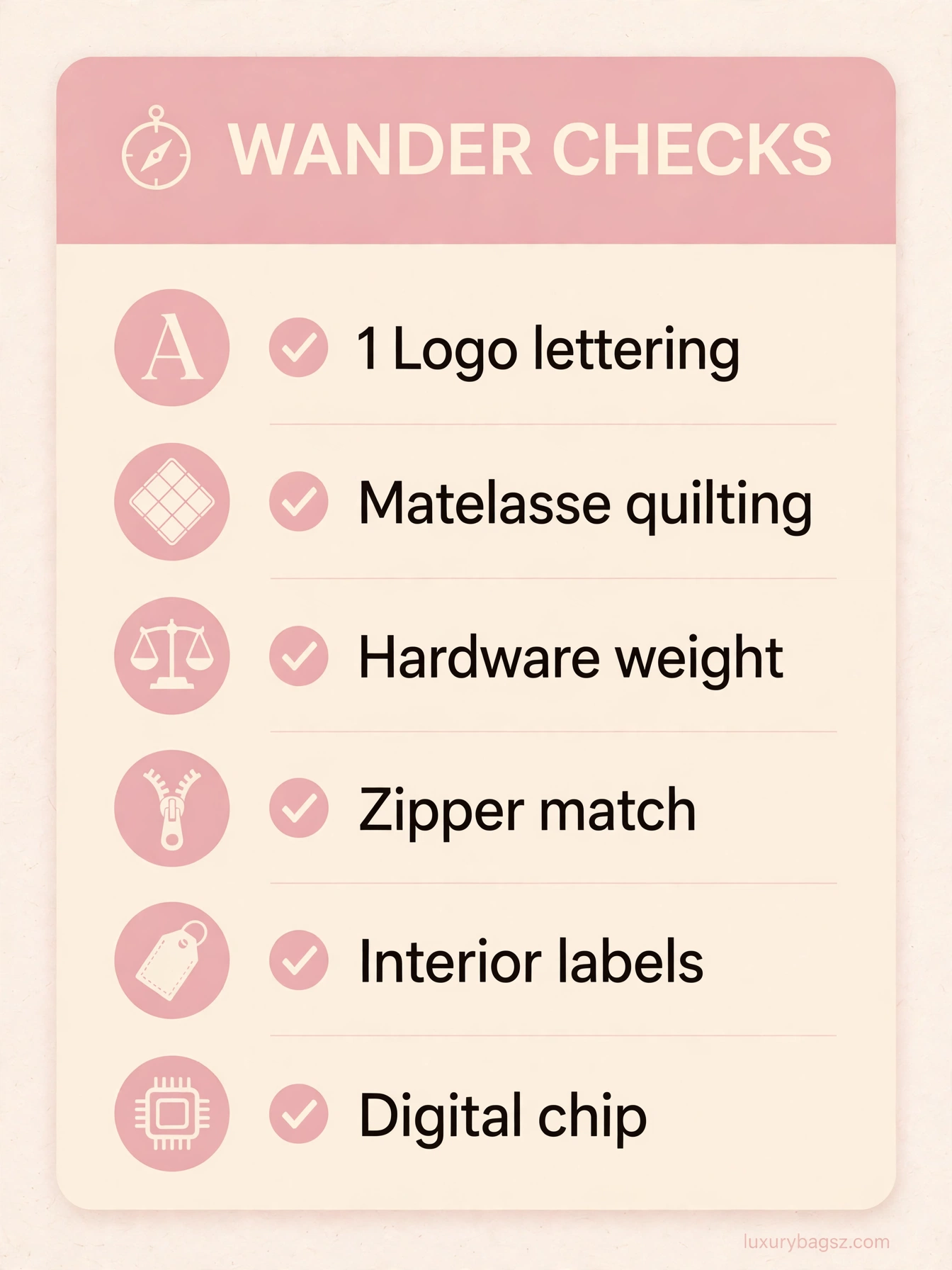
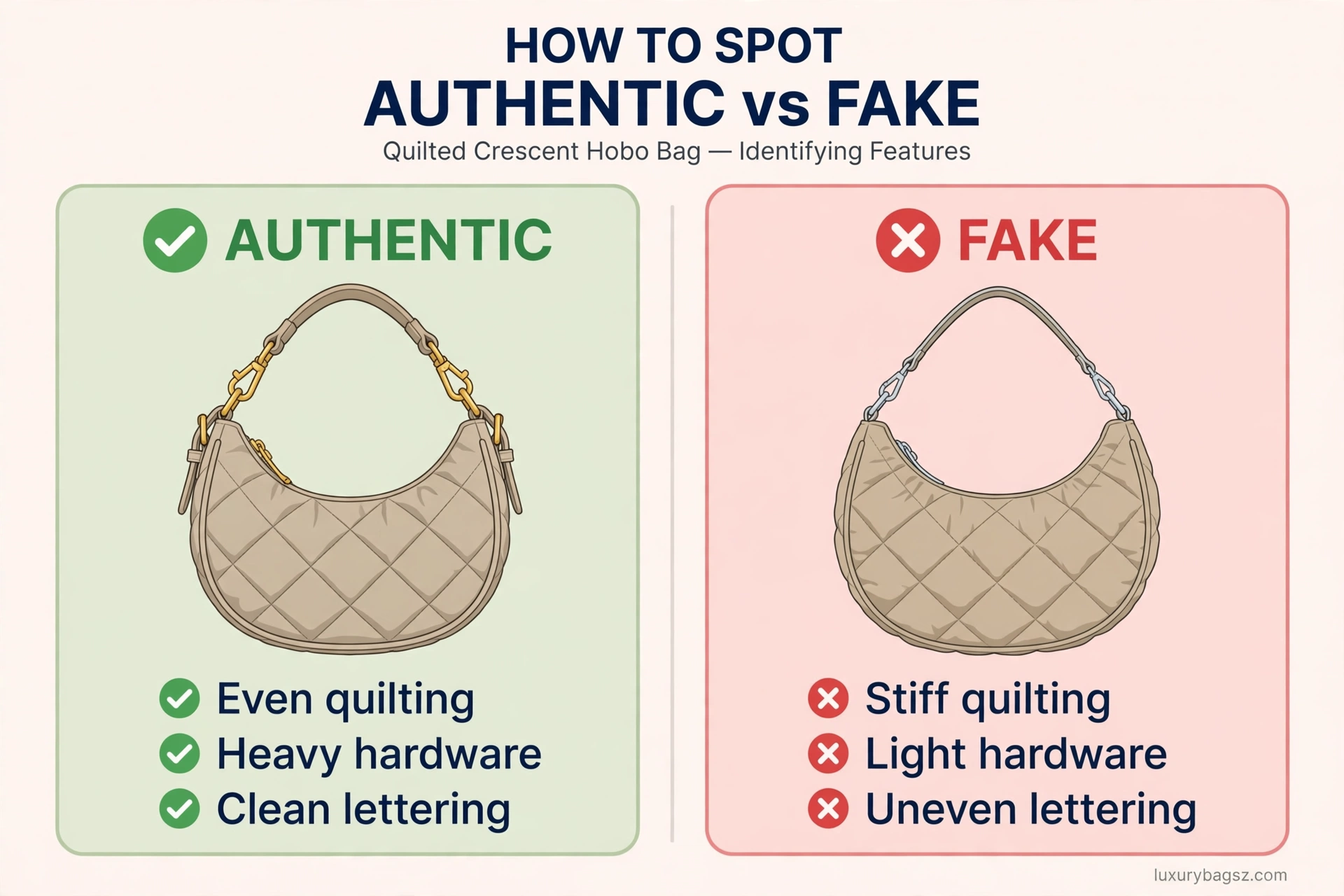
Five things carry the verdict: the logo lettering, the matelasse quilting, the hardware weight, the interior labels and the digital chip. Fakes rarely fail all five at once — which is precisely why the set, agreeing, is what counts. For the method behind the checks, see how we check bags.
If two or more checks fail, walk away or pay for a professional opinion before money changes hands. Our Miu Miu brand guide gives the wider house background behind these details.
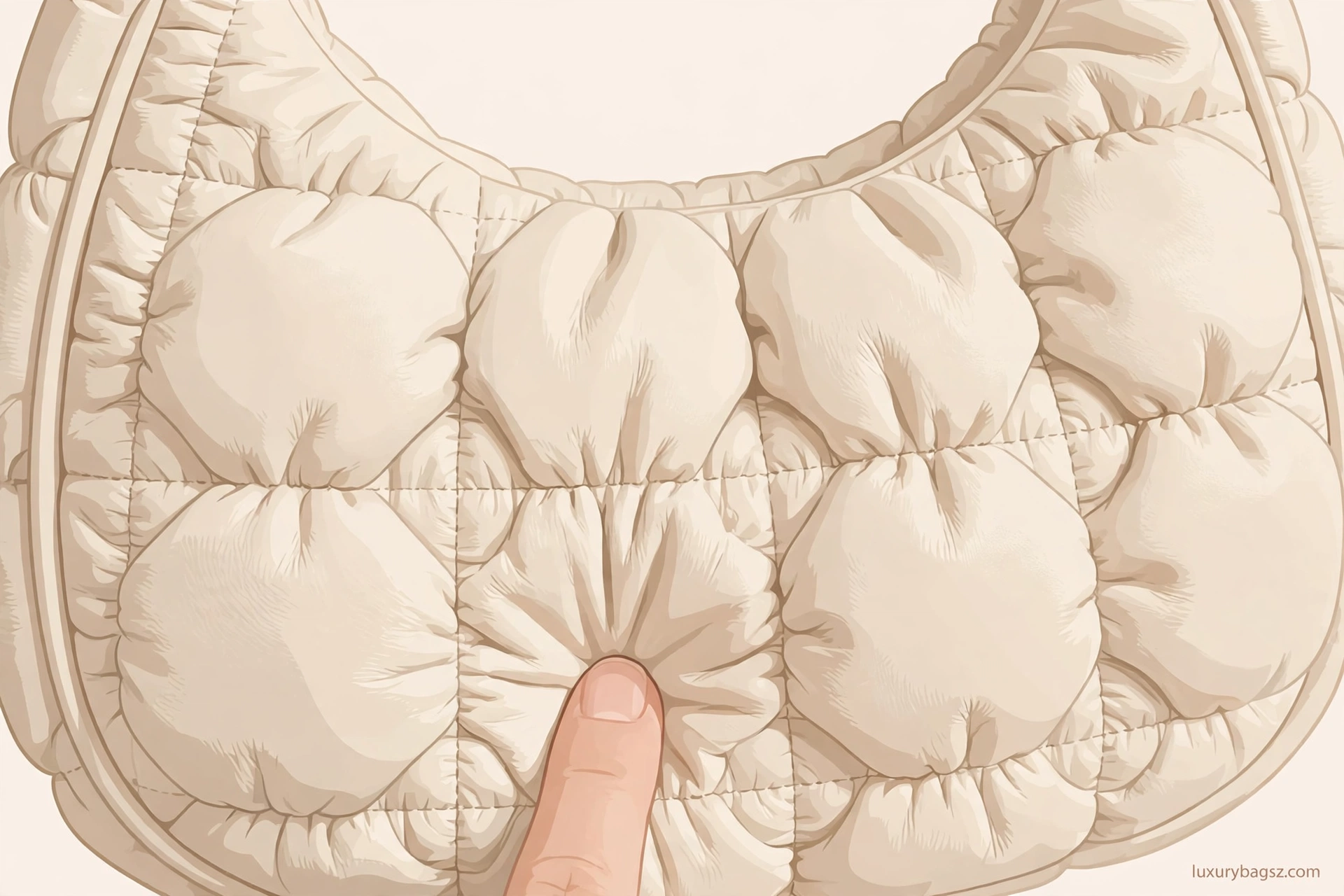
When a Miu Miu Wander lands in front of me, I start with the quilting, not the logo. I run a fingertip across the matelassé and press each padded channel: on a genuine bag the quilting feels evenly stuffed and springy, with no flat or lumpy patches where a copyist rushed the work. Only then do I move to the lettering and hardware, and if the bag carries the digital chip I scan it through the Entrupy app as a final cross-check. In more than ten years of handling bags, I have learned that the quilting is where a Wander tells the truth first.
Start With the Bag in Front of You
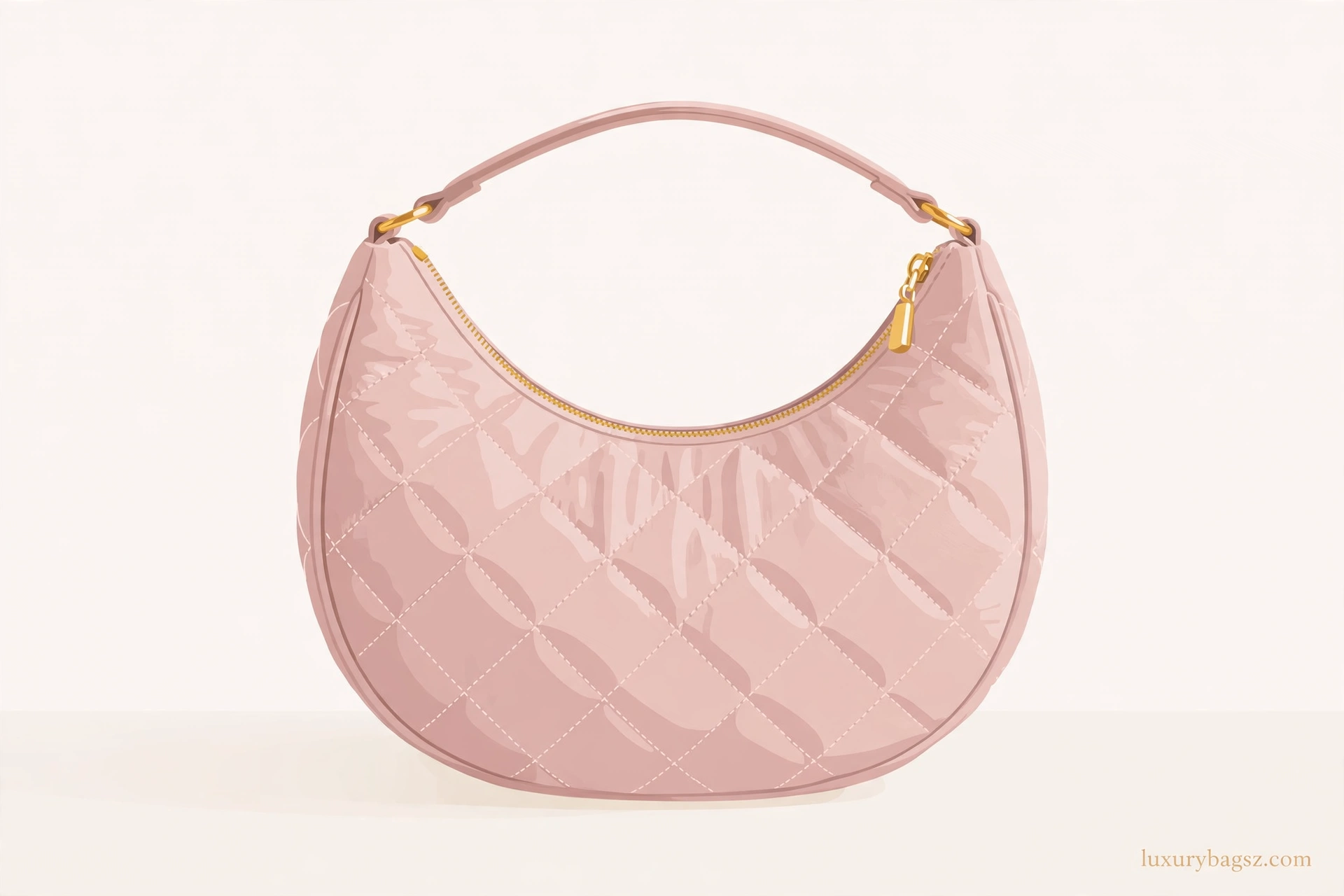
The Wander arrived in 2022, at the height of the Y2K hobo revival, and it became the comeback bag for the house almost at once. That popularity is exactly why copies appeared so quickly.
Before any detail work, confirm the basics: the size class, the material, the strap arrangement and the colour should all belong to a version the brand actually made.
Photograph the bag in daylight, front, back, base, inside and hardware close up. Good photos make every later check easier, and they are what a professional will ask for.
QC the Quilting First
Matelasse is the Wander's signature. The word describes a quilted, padded effect, and on this bag it is made with an elasticised pucker that gives the leather its cushy, gathered look.
On a real bag the quilting is even and symmetrical, and the leather rebounds softly when pressed. It should feel like a pillow, not a board.
Fakes often get this wrong in one of two ways: the puffs sit flat and stamped, or the leather feels stiff and plasticky with a chemical smell.
Compare the quilting across both sides and around the zip. The pattern should flow logically and stay regular at the edges, not warp or pinch.
The same matelasse family appears across the house, and our guide to the Miu Miu Madras bag shows how the finish looks on a different silhouette.
Read the Logo Lettering Closely
The front lettering is small, so use your phone camera and zoom in. On an authentic bag the letters are lowercase, sans-serif, and finished with squared-off corners.
Spacing matters: the gaps inside each word sit tighter than the gap between the two words. Rough edges, chipped plating or uneven spacing are warning signs.
Look at the M and the U. Authenticators note a subtle light line running through the middle of both letters, with the tops extending very slightly, giving a faint off-balance look.
Letters should sit level and be applied cleanly. Wobbly, thin or blurry lettering, or letters that seem joined together, point the wrong way.
Weigh the Hardware in Your Hand
Pick the bag up and judge the hardware by feel before looks. Real zips, clasps and pulls feel substantial; hollow, feather-light metal is a classic fake trait.
Look at your reflection in the metal. On good hardware it stays clear and undistorted. A warped, funhouse reflection suggests cheap plating.
Run the zip. It should glide smoothly, and its colour should match the rest of the hardware unless that version was designed with a deliberate contrast.
Check the pull thickness and the resin glazing along leather zip pulls, straps and interior patches. On a real bag the glazing is neat and even, never gloopy.
Inspect the Inside and Its Labels
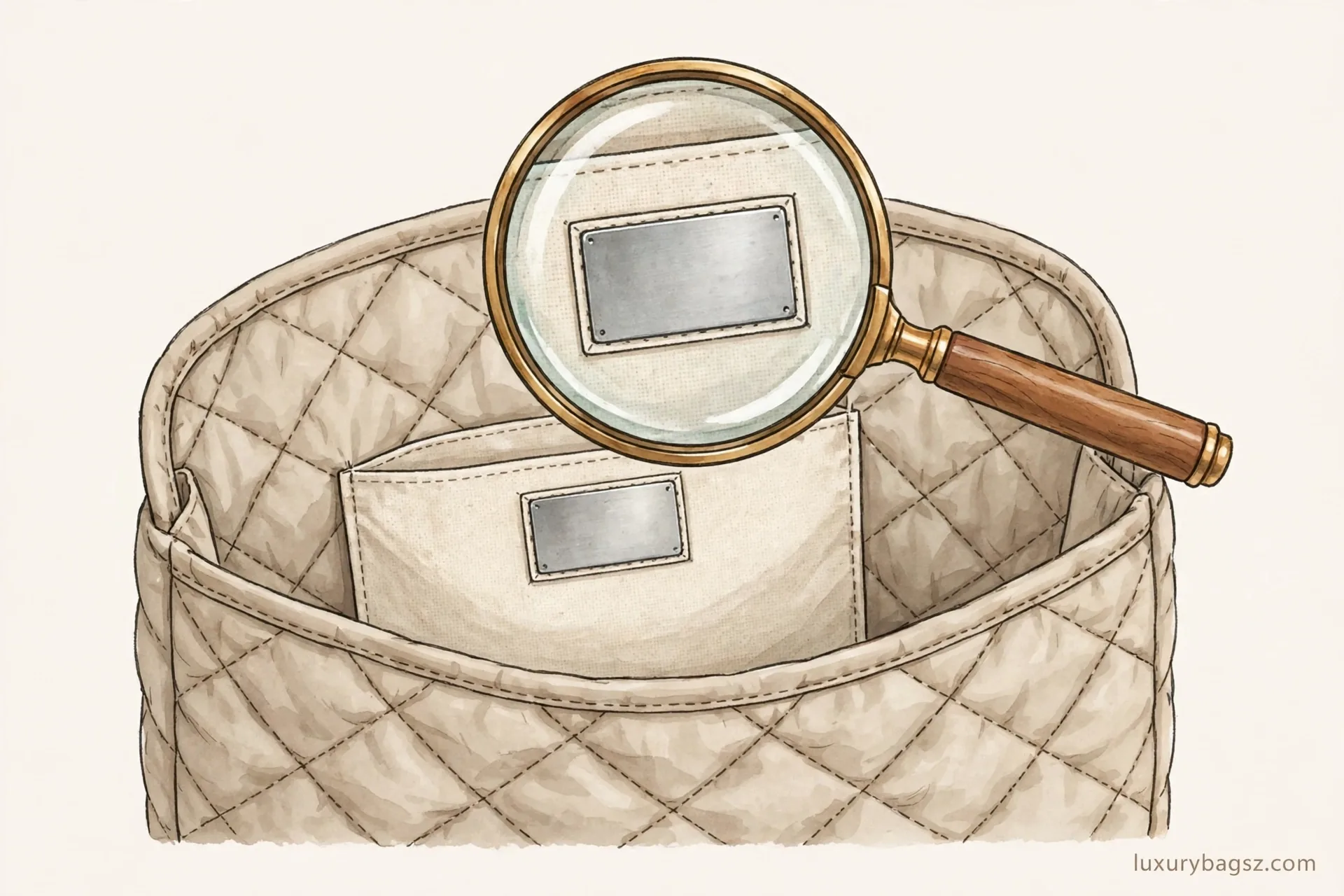
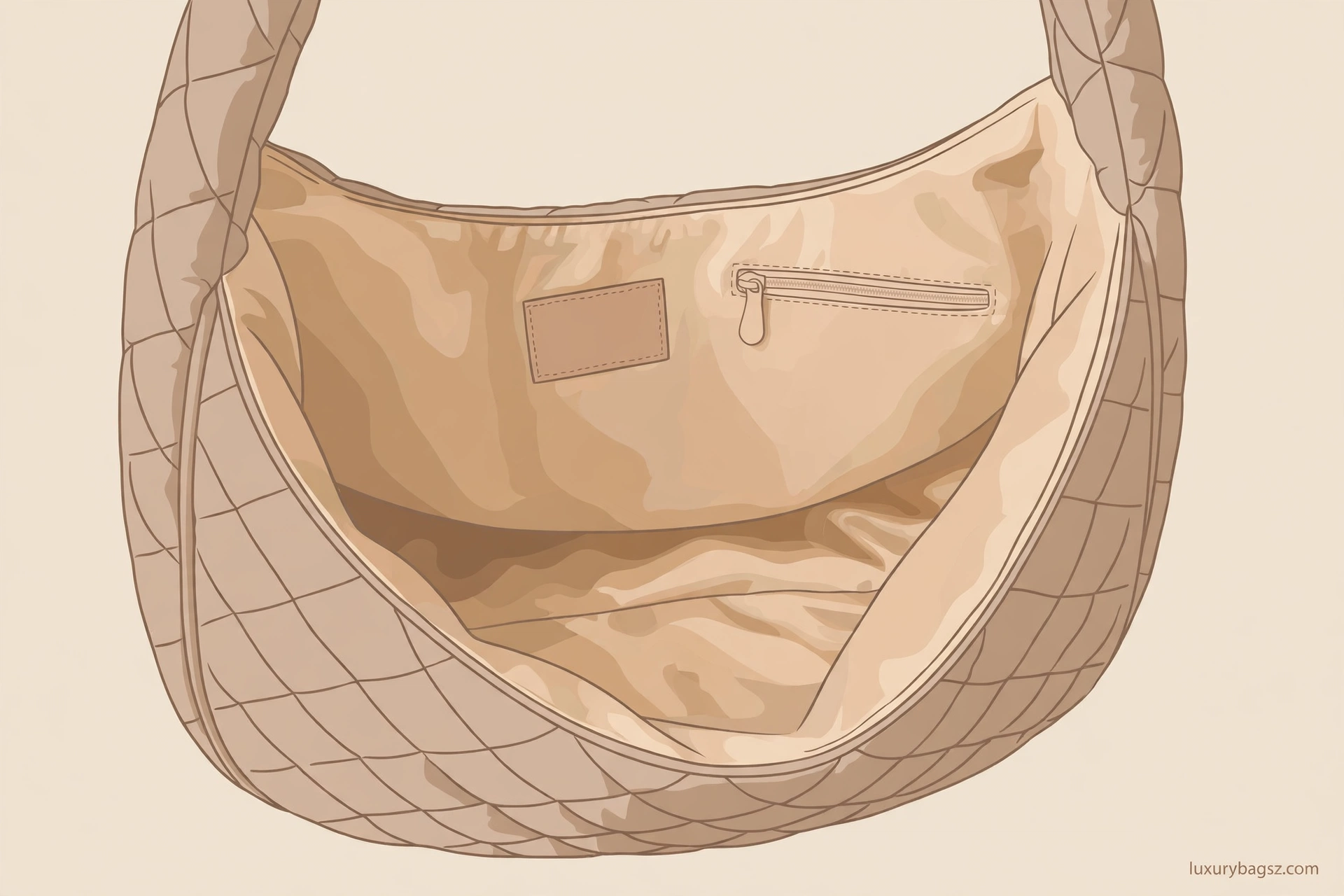
Open the bag and find the country-of-origin label sewn into the lining. Most leather Wanders read Made in Italy, while some newer production reads Made in Turkey or Made in Türkiye.
Neither wording is a problem on its own. What matters is clean stitching, a tidy label, and lining quality that matches the outside of the bag.
Inside the inner pocket, look for the small woven factory tag with a short number. It is easy to miss, and its absence on a bag that should have one is a concern.
A product card, when present, should agree with the bag on model, material and colour. A missing card on a pre-owned bag proves nothing; cards get lost.
Check the Digital Chip — Carefully
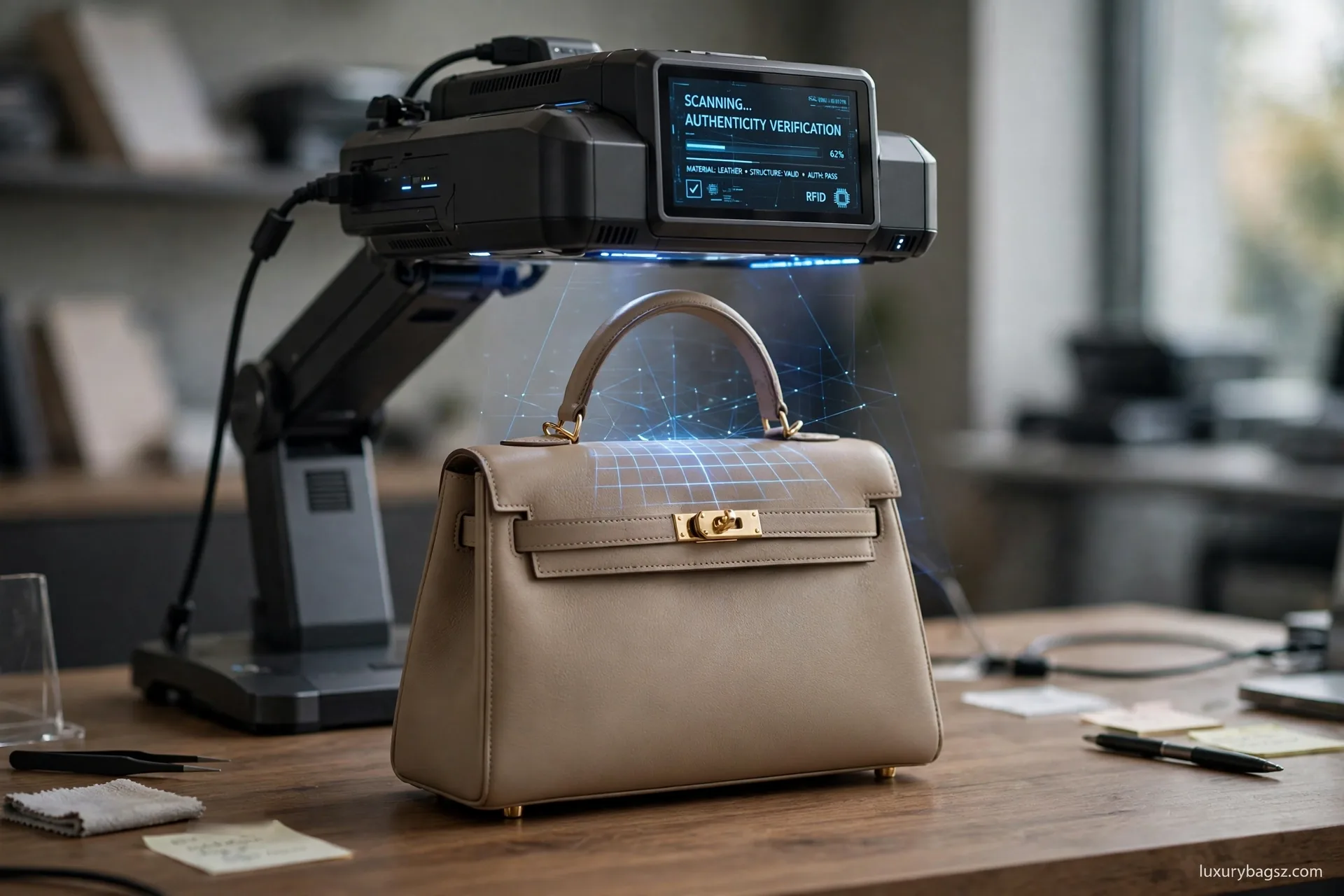
Because the Wander launched in 2022, most authentic examples carry a hidden digital chip linked to a certificate, placed there as the house moved towards digital authentication.
A phone scanning app may pick up a signal. A clean read that matches the bag is a good supporting point in the bag's favour.
Treat the chip as a witness, not a judge. Chips can fail or die over time, so no signal on an older or well-used bag is not, by itself, a verdict.
Be equally wary of the opposite trick: a cheap tag that simply pushes a web address at your phone is not how the genuine system presents itself.
Match the Size and the Version
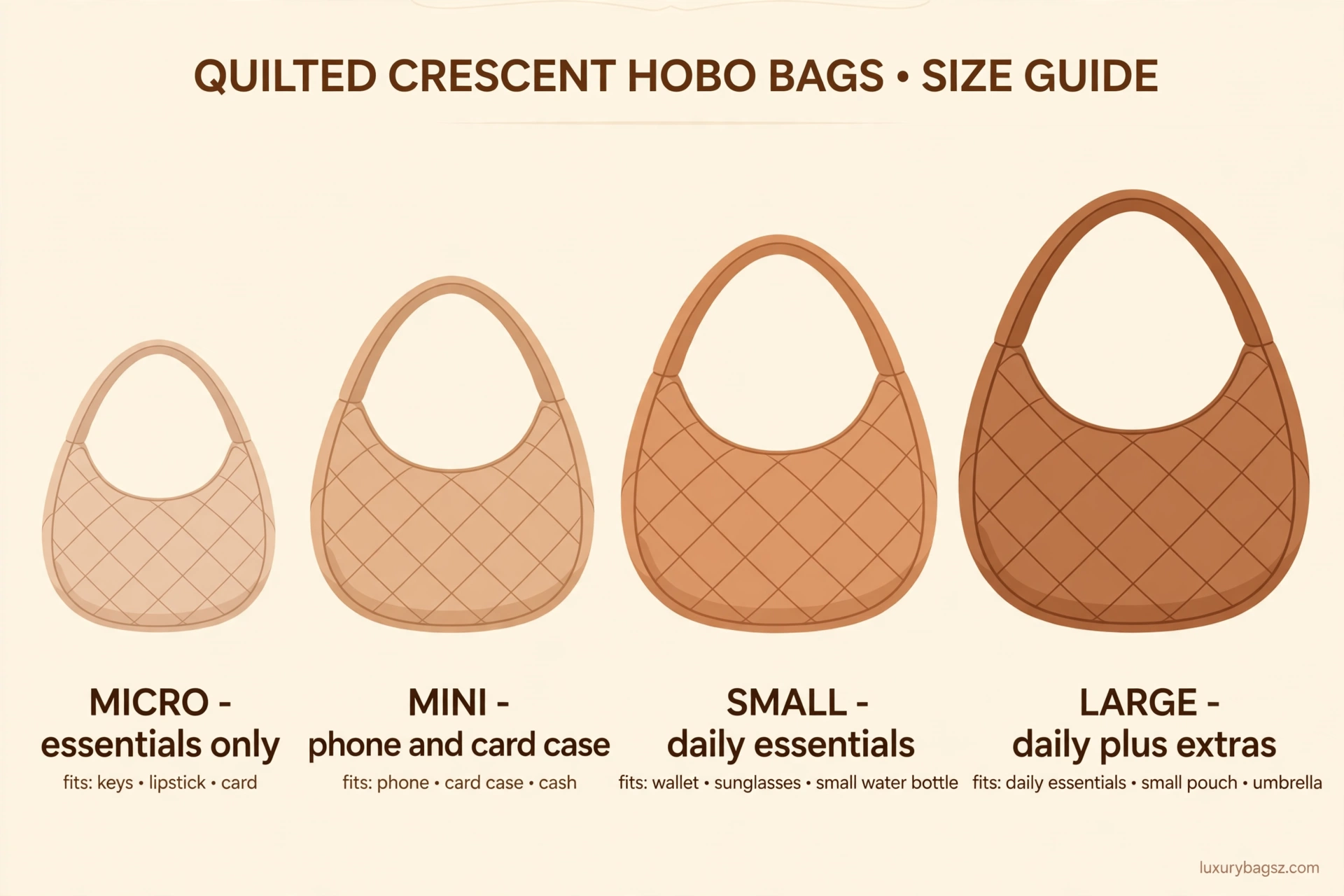
Wander sizing names vary between sellers, so judge by class and proportion rather than one measurement. The family runs from tiny micro hobos to roomy large versions.
A micro should hold little more than keys, a card and a lipstick. If a so-called micro swallows a large phone with room to spare, something is off.
Check that the strap style belongs to the size: smaller versions often carry differently from the larger hobos, and hardware scale should suit the bag.
Copies often borrow the crescent shape from one size and the details from another. That mix-and-match feel is one of the most useful tells of all.
When to Pay for a Professional Opinion
Do the home checks first, then escalate when the money is serious, the checks disagree, or the seller will not provide clear, dated photos of the actual bag.
A professional authenticator looks at dozens of points together, including stitch counts and construction choices that photos alone can hide.
Buy through sellers who state an authenticity guarantee in writing and give a return window long enough for an independent check after delivery.
If a deal depends on deciding in the next ten minutes, it is the wrong deal. A genuine Wander will still be genuine tomorrow.
Frequently Asked Questions
What is the fastest way to authenticate a Miu Miu Wander?
Start with quilting, lettering and hardware weight. If all three look and feel right, move to the interior labels and the chip. No single check decides alone.
Does every authentic Wander have a digital chip?
Most bags released since 2022 do, but chips can fail over time. A silent chip is a question to investigate, not automatic proof of a fake.
Are all Miu Miu Wander bags made in Italy?
No. Most leather versions are made in Italy, but some newer production is made in Turkey, shown as Turkey or Türkiye on the label. Judge the label quality, not just the country.
What does real matelasse quilting feel like?
Soft, pillowy and elastic, with even, symmetrical puckering that rebounds gently. Stiff, flat or plasticky quilting is one of the clearest warning signs.
How can I tell fake Wander hardware?
Fake hardware tends to feel hollow and light, reflects your face in a warped way, and often mismatches the zip colour. Pulls may also be the wrong thickness.
What should the Wander logo letters look like?
Lowercase, sans-serif, with squared corners, tight spacing inside each word, and a subtle line through the M and U. Blurry, thin or uneven letters are a red flag.
Is a missing product card a problem?
Not on its own. Cards are lost on pre-owned bags all the time. What matters is whether the bag itself passes the physical and digital checks.
Where is the factory tag on a Wander?
Look deep inside the inner pocket, near the bottom seam. It is a small woven tag with a short number, and it is easy to overlook at first glance.
Can I authenticate a Wander from photos alone?
You can screen out most fakes with sharp daylight photos of the quilting, lettering, hardware, labels and base. For a high-value purchase, an in-hand professional check is safer.
What if some checks pass and others fail?
Treat disagreement as a stop sign. Either walk away or get a paid professional opinion inside the seller's return window before keeping the bag.
Final Verdict
Authenticate a Wander by agreement, not by one magic detail: even pillowy quilting, clean lowercase lettering, heavy matched hardware, tidy interior labels and, on most bags since 2022, a working digital chip.
Check the bag in front of you against its own size and material version, and let a professional settle any bag where the checks disagree.