Monochrome Winter Style: The One-Colour Formula That Always Works

One Colour Head to Toe: Why It Works in Winter
Monochrome dressing means building one outfit from a single colour family, shade by shade. In winter it is the fastest route to looking polished, because coats, knits and boots in shared tones always agree with each other.
The rule is simple: pick a family, use at least three shades of it, and vary the textures. Do that and even a padded jacket and jeans look deliberate rather than thrown on.
Key Takeaways
- One colour family, three or more shades: that is the whole monochrome formula.
- Texture replaces contrast, so mix matte, brushed, ribbed and smooth finishes.
- Black is sharpest, cream is softest, grey is the most forgiving for daytime.
- Keep accessories inside the family, with metal as the only accent.
- A tonal outfit lengthens the silhouette and hides a multitude of rushed mornings.
The Formula in One Line
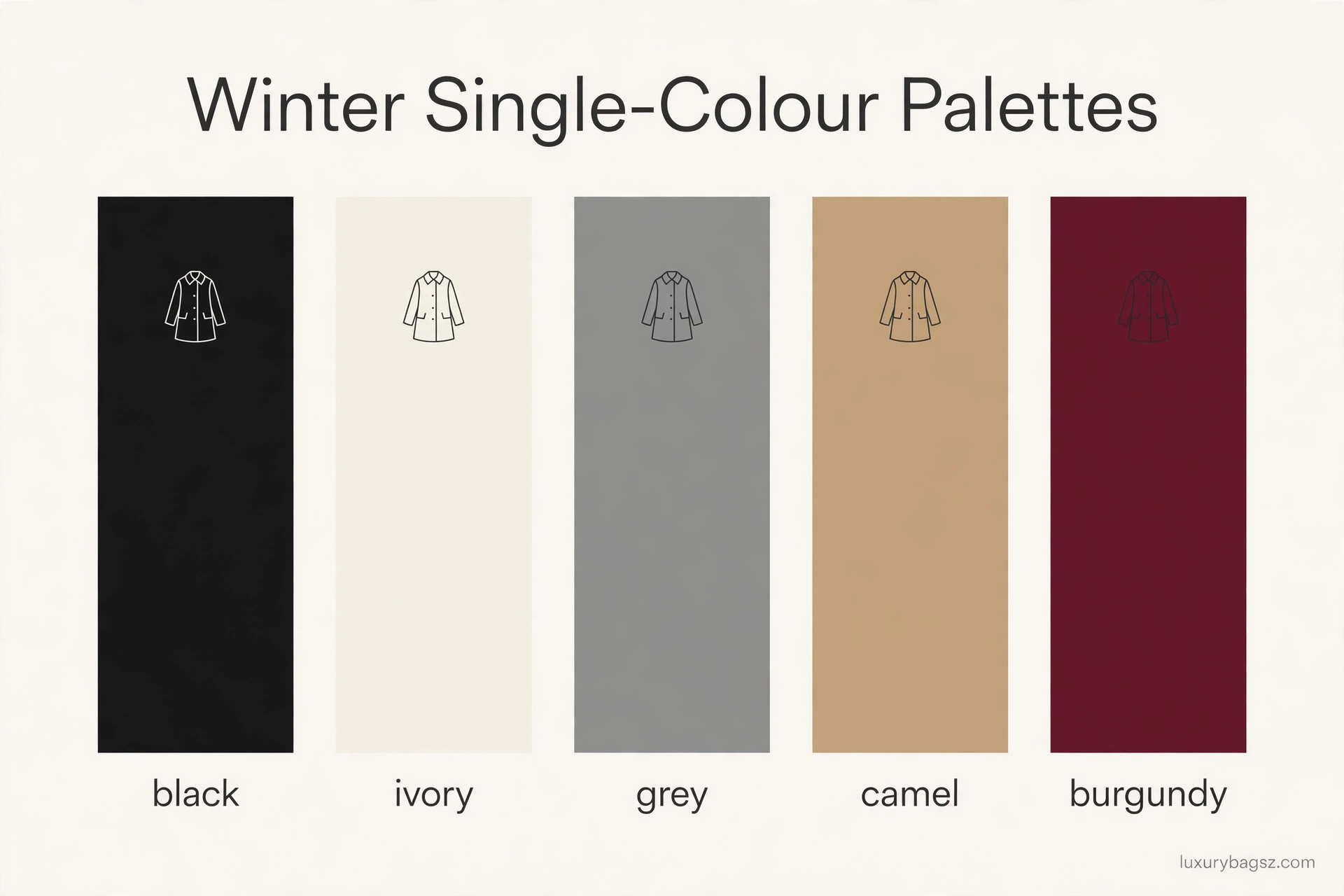
Choose the family first: black, ivory and cream, grey, camel and brown, or a deep colour like burgundy or navy. Every piece in the outfit must belong to that family, no exceptions for one bright scarf.
Then spread the shades. The lightest piece usually sits near the face or at the centre, the darkest at the feet or the outer layer, and the mid-tones fill the space between.
Finally, count textures. If two neighbouring pieces share a shade, they must differ in finish — a matte knit against a smooth coat, a ribbed scarf over a brushed jumper.
Shoes count as a shade step too. The gradient usually ends darkest at the feet, so boots or shoes in the family's deepest tone ground the whole outfit.
Five Shades Are Better Than One
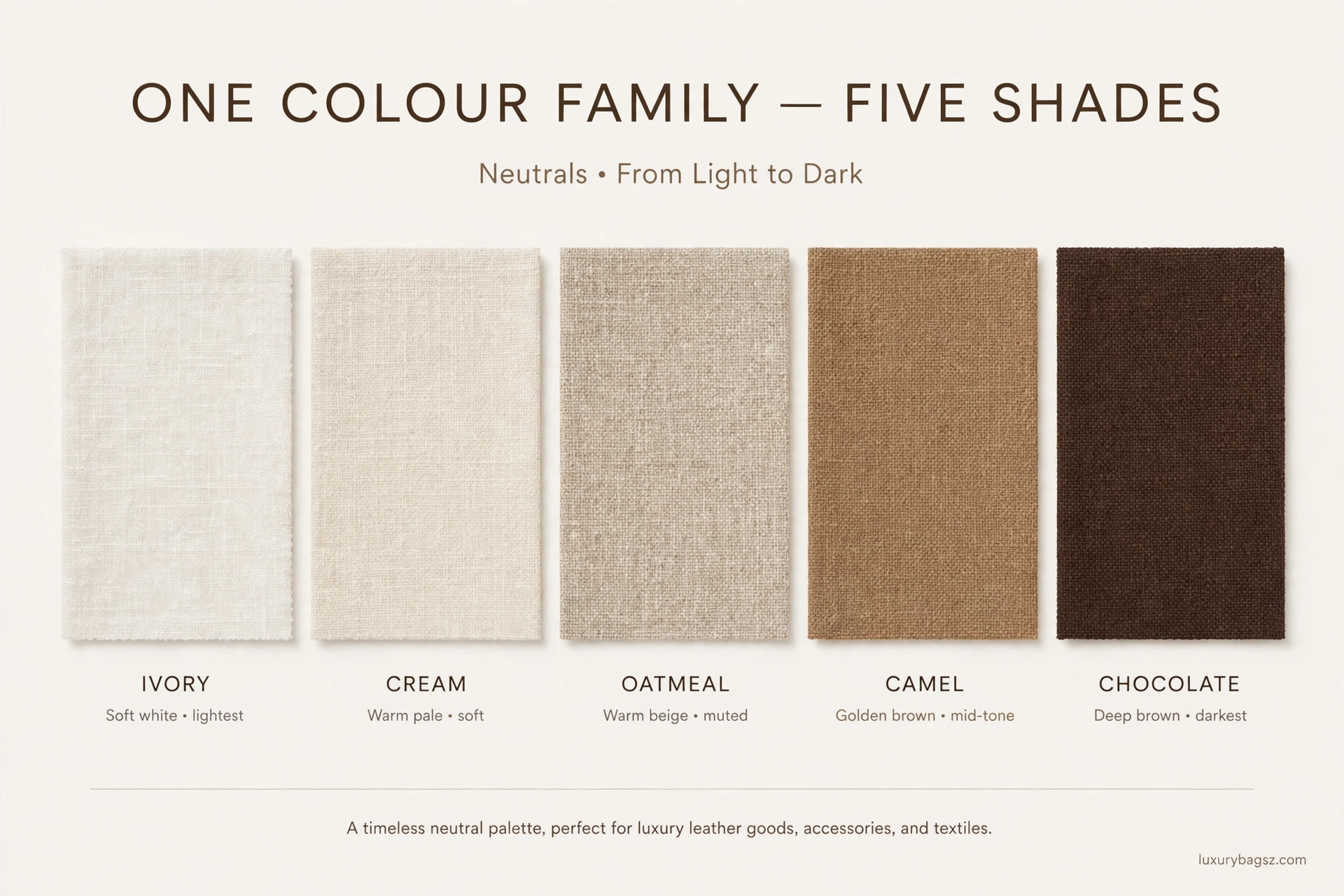
A single flat shade head to toe looks like a uniform. Five shades of one family look like a wardrobe. The journey from ivory through cream, oatmeal and camel to chocolate is one outfit's worth of depth.
Work light to dark when you lay the outfit out. Seeing the gradient on the bed tells you at once whether a piece belongs or whether it is secretly a different family.
Keep the family honest. A pink-leaning beige inside a yellow-leaning camel outfit will jar even though both are, technically, neutrals.
The Four Families That Carry Winter
Black is the classic: sharp, slimming and evening-ready. Its weakness is flatness, so black outfits need the strongest texture mix and a little skin or metal to break them up.
Cream and ivory give the soft, expensive look that winter editorials love. Our wider piece on the grey colour trend edit covers the cooler end of the neutral story, while cream sits at the warm end.
Grey is the daytime workhorse: softer than black, cleaner than brown, and kind to every skin tone somewhere along its scale from silver to charcoal.
Camel and chocolate are the warm option, pairing naturally with gold jewellery and tan leather. They flatter winter skin that finds black draining.
Navy deserves an honorary place here. Worn tonally from ink to mid-blue it behaves like a monochrome family and suits almost everyone who finds black harsh.

Texture Is the Real Styling
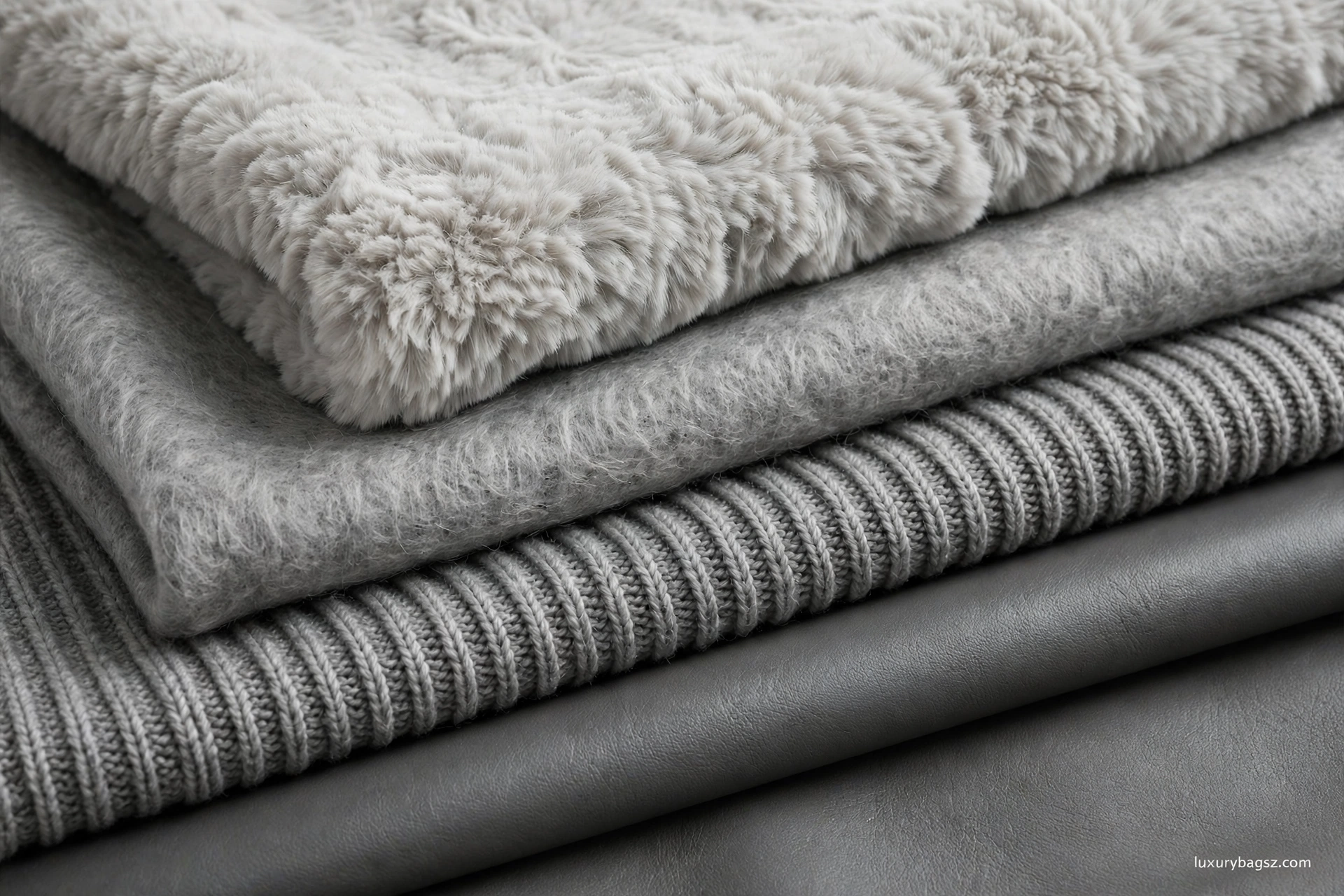
In a one-colour outfit, the eye reads surfaces instead of shades. That is why monochrome fails when every piece is the same flat jersey: there is nothing for the light to do.
Combine at least three finishes per outfit. Brushed wool, chunky rib knit, smooth leather, suede and a touch of sheen in a scarf or bag give one colour a full range of voices.
Daylight is the test. Check the outfit near a window: if the pieces separate clearly in natural light, the texture mix is right.
Photographs are the second test. A quick mirror photo flattens what the eye forgives; if shades merge into one block on screen, add a stronger texture contrast.
Three Formulas to Copy
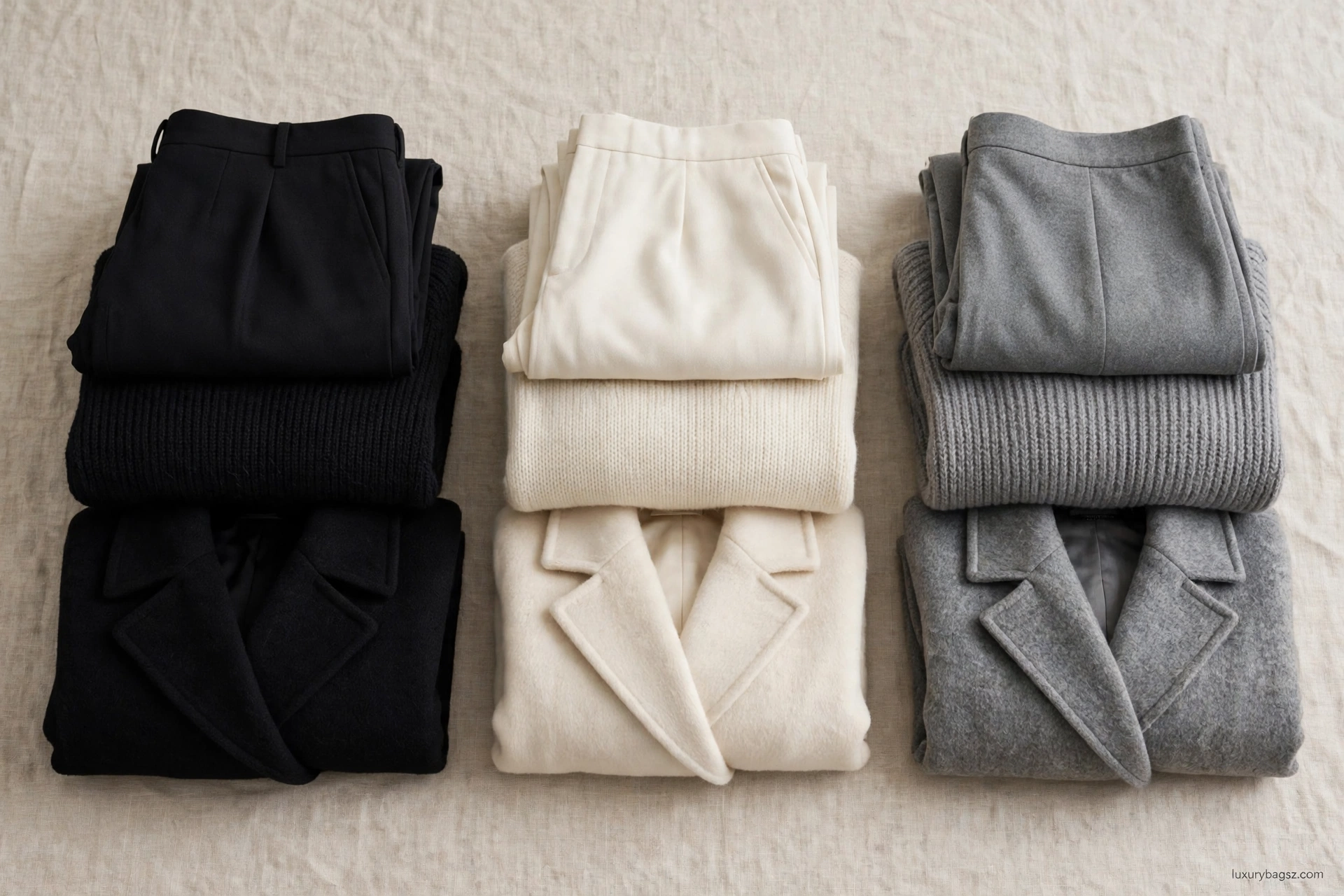
All black: padded or wool coat, black roll neck, black tailored trousers, polished ankle boots. The shine of the boot and a metal buckle keep it alive.
All cream: ivory coat, cream chunky knit, ecru wide trousers, pale trainers or boots. This is the softest formula and the one readers ask about most.
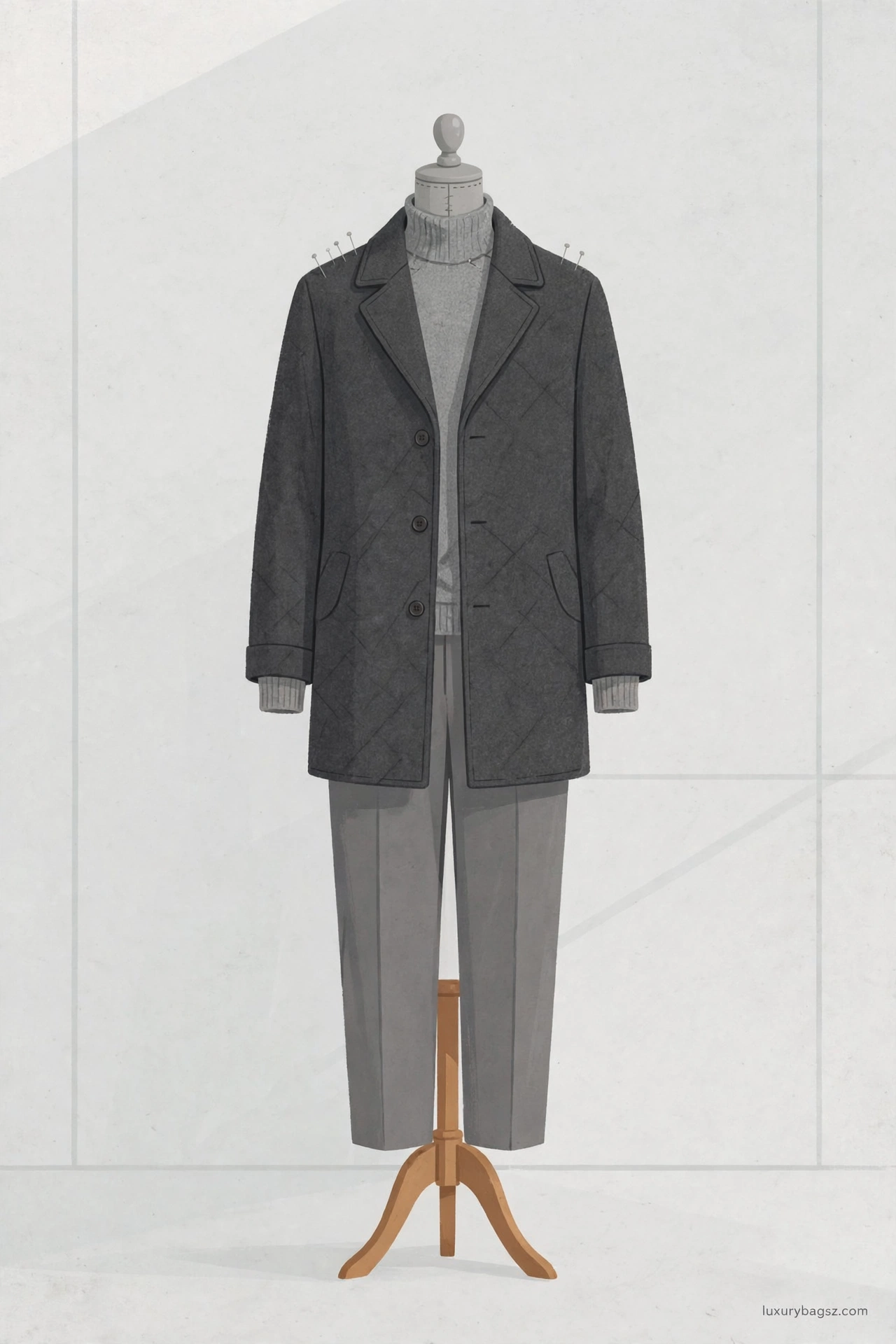
All grey: charcoal coat, mid-grey knit, grey trousers, grey Chelsea boots. A silver-grey scarf at the neck stops the darkest version feeling heavy.
Accessories Inside the Family
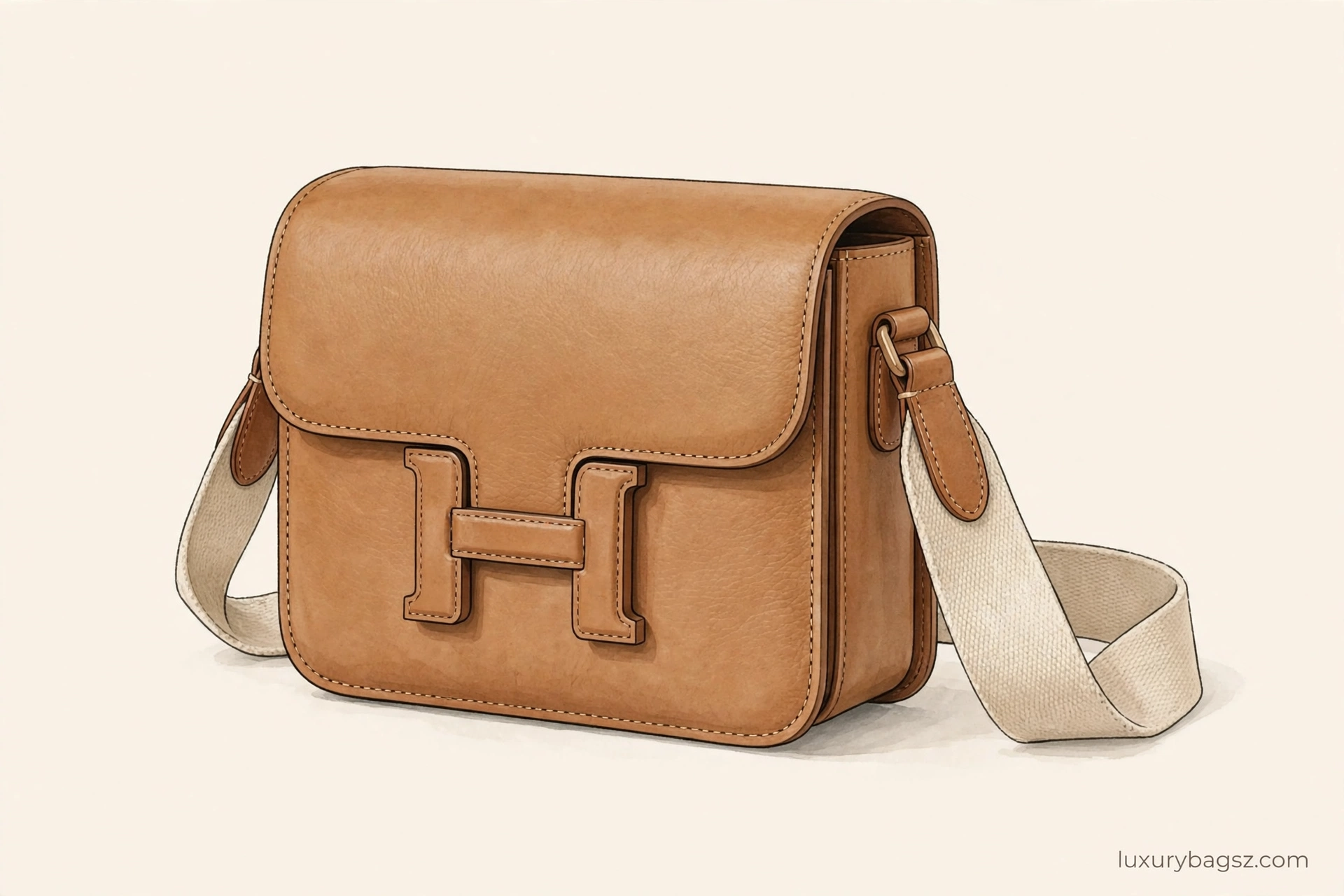
Accessories stay tonal: a black bag with the black outfit, a cream bag with the cream one. Our edit of winter white bags shows how pale bags hold their own against cream knitwear without stealing the scene.
Jewellery is the sanctioned exception. Gold warms camel and cream; silver sharpens grey and black. One metal, worn consistently, reads as an accent rather than a second colour.
Gloves, hats and scarves follow the family too. A tonal scarf in a different texture from the coat is the easiest upgrade in the whole system.
One exception is allowed: the bag may go a shade deeper than everything else. A near-black bag inside a charcoal outfit adds weight at the hand and looks intentional.
Choosing Your Family by Skin and Wardrobe
Start from what you already own most of. If your coat is camel, your family is probably camel; building a second family from scratch is a spring project, not a winter one.
Cool skin tones sit well in grey, black and true ivory. Warmer tones glow in cream, camel and chocolate. Hold the knit against your jaw in daylight and trust what you see.
Deep families — burgundy, forest, navy — suit anyone who finds neutrals dull. The rules are identical; the shades simply start darker.
Stretching One Family Across the Week
A single family in five shades gives a working mini-wardrobe: two coats' worth of outfits from one coat, three knits, two bottoms and two pairs of boots or shoes.
Rotate which shade leads. Monday's outfit can be dark-led with a cream scarf; Thursday's can flip to cream-led with the dark coat over it, and nobody reads them as the same clothes.
For the wider winter system this formula plugs into, see our winter fashion edit, which sets monochrome days inside a full season of dressing.
Keep one complete monochrome outfit ready at all times. On the mornings when nothing seems to match, the family outfit is the decision already made for you.
Frequently Asked Questions
Does monochrome mean exactly the same colour?
No. It means one colour family worn in several shades, from its lightest tint to its darkest tone. The shade range is what makes the outfit look rich rather than flat.
Which monochrome colour is most flattering?
Grey flatters the widest range of skin tones and suits daytime best. Cream is softest and most luxurious-looking; black is sharpest but needs texture and a little metal to lift it.
Can I wear a different coloured bag?
For a strict monochrome look, keep the bag inside the family. A pale bag with a cream outfit works well; a bright bag turns the outfit into a colour-block look instead.
How do I stop an all-black outfit looking dull?
Mix textures: a matte knit, a brushed wool coat, smooth leather boots and one metal detail. In natural light the surfaces separate and the outfit reads deep rather than flat.
Does monochrome suit petite frames?
Yes, it is one of the best tricks for shorter frames. One unbroken colour line from shoulder to shoe lengthens the silhouette and avoids the visual cuts that contrasting pieces create.
Can men use the same formula?
Absolutely. The grey and navy families work identically in menswear: coat, knit, trousers and shoes in graduated shades of one family, with texture doing the styling work.
What makeup suits an all-cream outfit?
Keep it warm and soft: a little bronzer or blush stops cream from washing you out. With all black, a stronger lip or defined eye balances the outfit's sharpness.
Is a patterned piece allowed?
A pattern inside the same family, such as a grey check or a cream fair-isle, keeps the system intact. The moment a second colour family enters the pattern, it stops being monochrome.
How many pieces do I need to start?
One coat, two knits, two bottoms and two pairs of shoes or boots in one family make a working rotation. Most people find they already own most of it.
Can I mix warm and cool neutrals?
Carefully. Warm cream with cool grey can look muddy together. Stay inside one temperature — warm family or cool family — until you are confident reading undertones.
Final Verdict: Pick a Family and Let Texture Talk
One colour, five shades, three textures. That is the entire discipline, and it pays out every dark morning when the wardrobe simply agrees with itself.