

What to Know About Goyard: History, Bags, Prices and Buying Guide
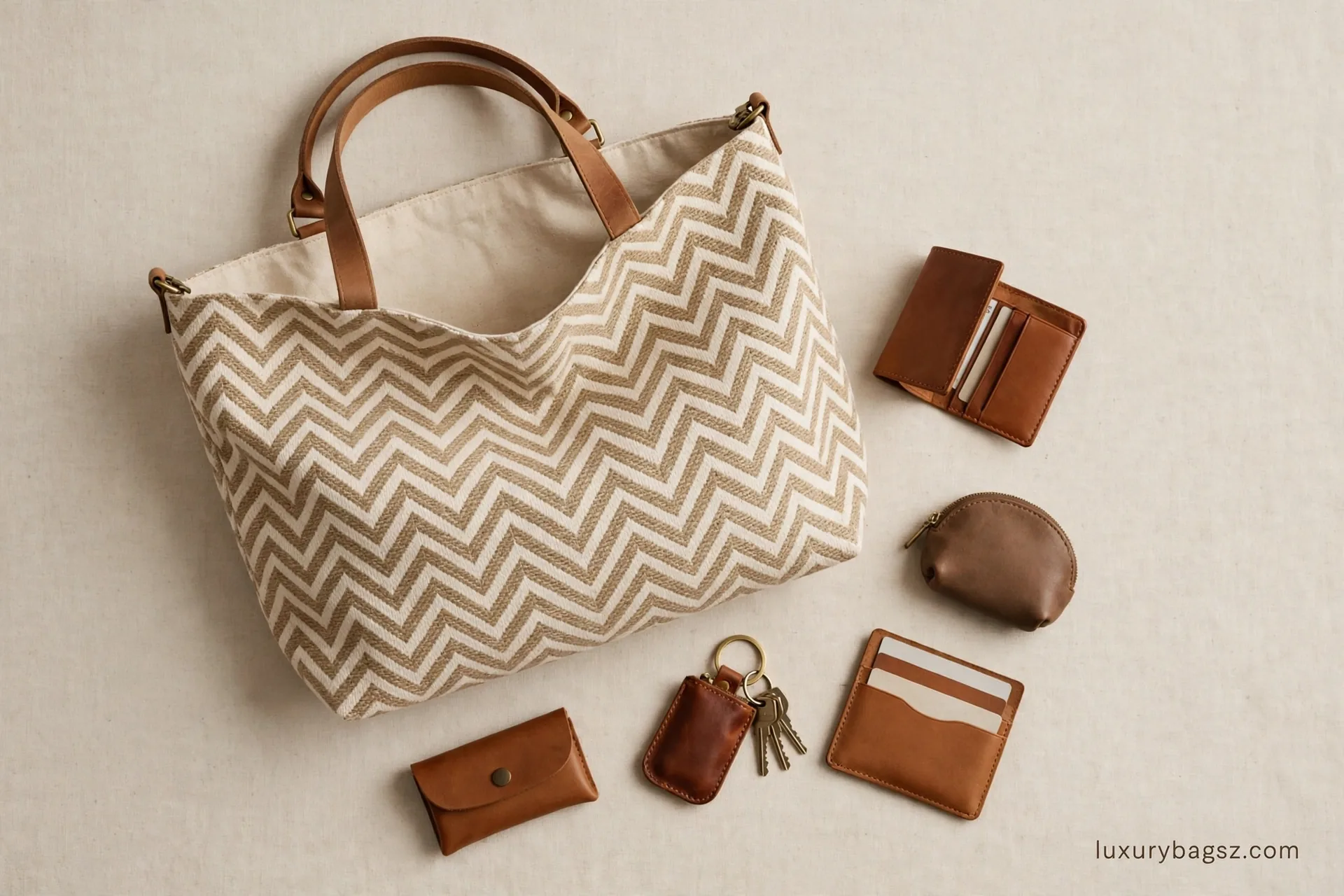
Goyard at a Glance
Goyard is a Paris trunk-maker turned luxury house, founded in 1853, best known for its hand-painted chevron canvas, its refusal to advertise, and its deliberately small boutique network. If you want a bag that signals wealth quietly rather than loudly, Goyard is often the first name collectors mention.
The house sells luggage, totes, handbags, small leather goods, and bespoke trunks, all built around the same coated canvas and leather trim. Prices sit firmly in luxury territory, yet below the very top of the market for most ready-made pieces, while bespoke trunks climb far higher.
Buying Goyard takes a little planning. There is no online shop for most pieces, stock varies by boutique, and the pre-owned market is full of convincing fakes. This guide covers the history, the materials, the full range, current price bands, and a safe way to buy.
Key Takeaways
- Goyard was founded in Paris in 1853 as a trunk-maker, making it older than Louis Vuitton and Chanel.
- Its signature is Goyardine canvas: cotton and linen coated and hand-painted with a chevron pattern.
- The house does not advertise and sells mainly through its own boutiques, which keeps distribution tight.
- The Saint Louis tote is the entry point for most buyers, followed by the Artois, Anjou, and Belvedere bags.
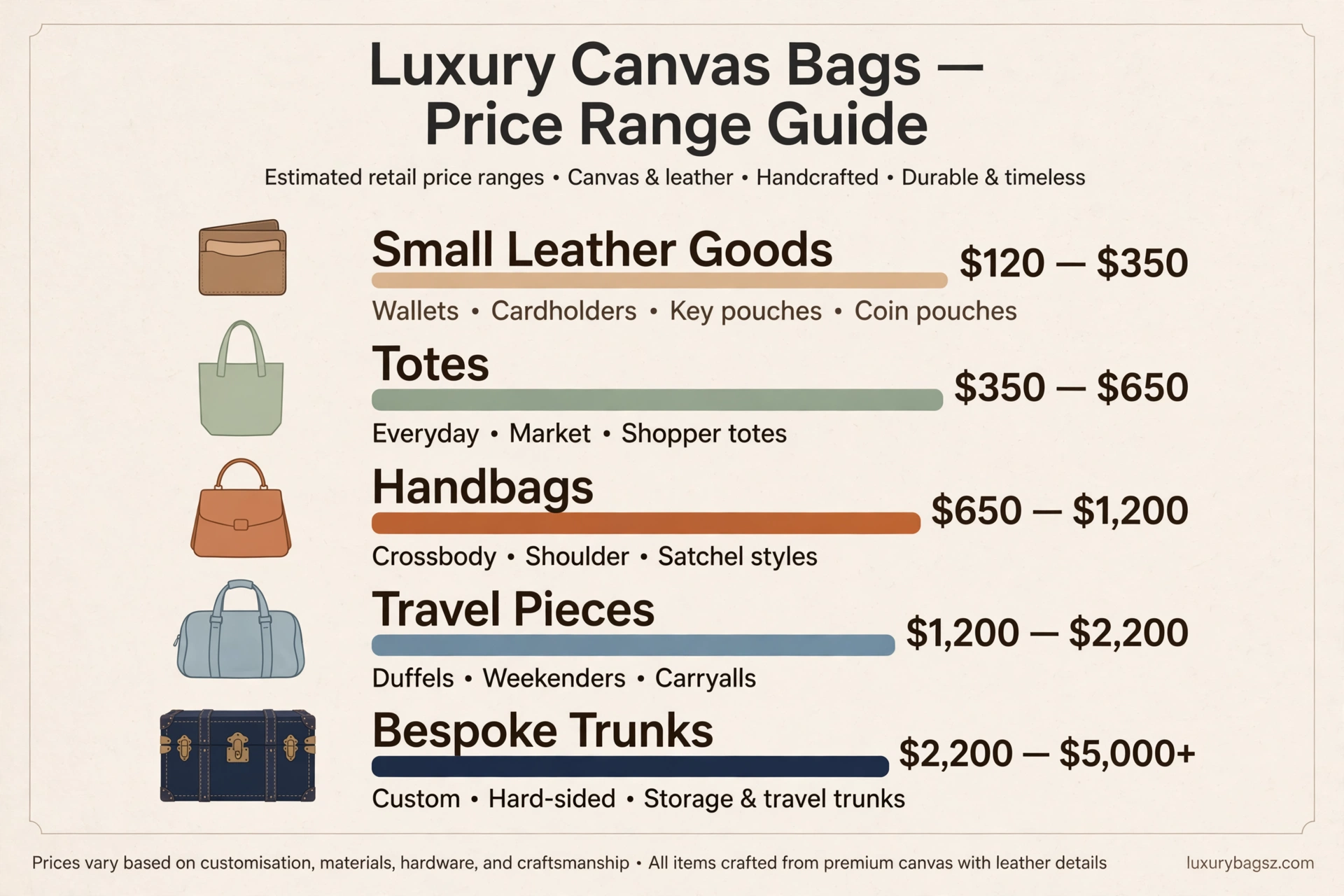
- Ready-made prices typically run from a few hundred pounds or dollars for small goods to several thousand for totes and travel pieces.
- Goyard rarely discounts, so a steep online discount is a warning sign, not a bargain.
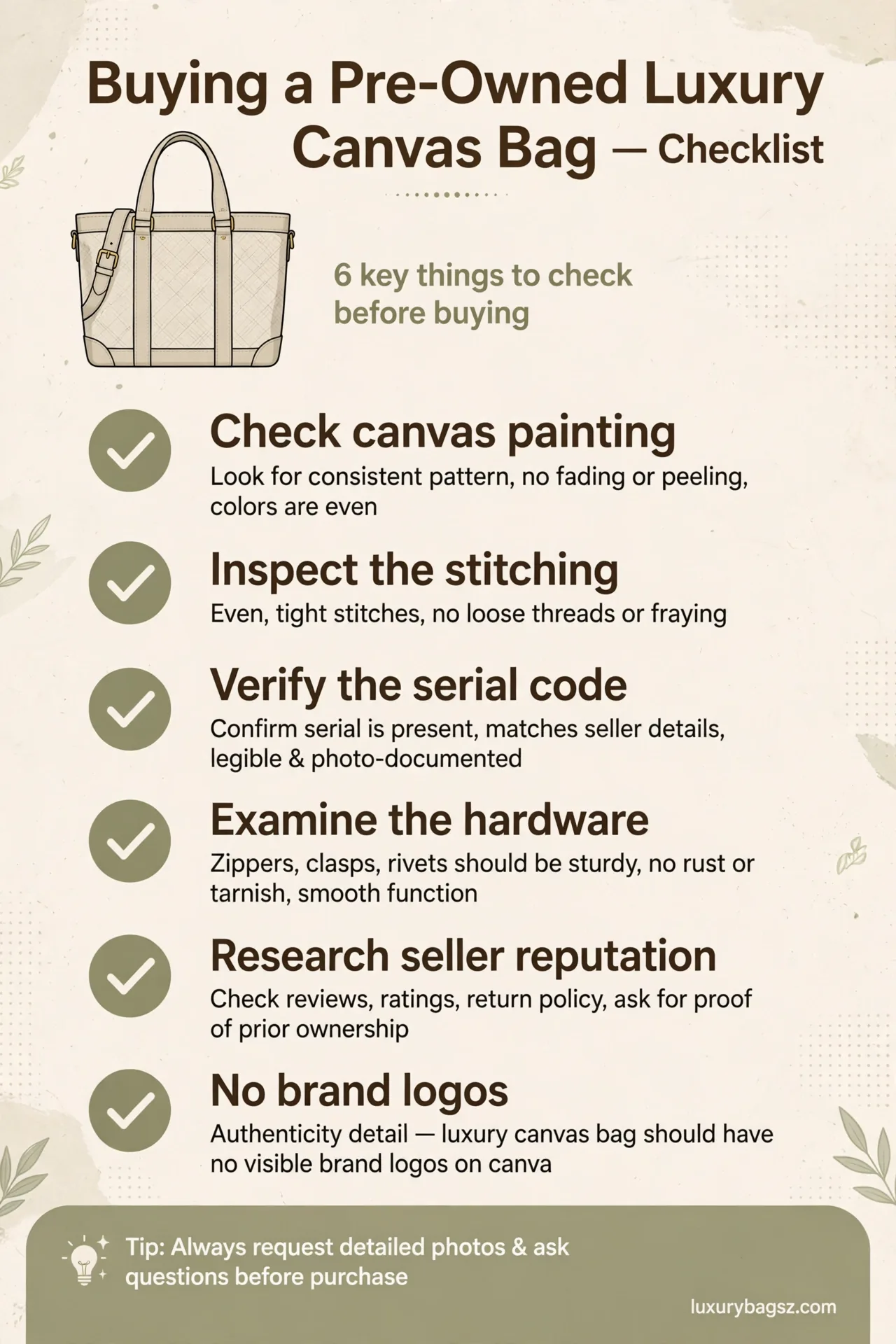
- Pre-owned buyers should check canvas painting, stitching, serial codes, and hardware, and buy from vetted sellers.
- Bespoke trunks and special orders remain the heart of the house for serious collectors.
A Trunk-Maker Older Than Its Famous Rivals
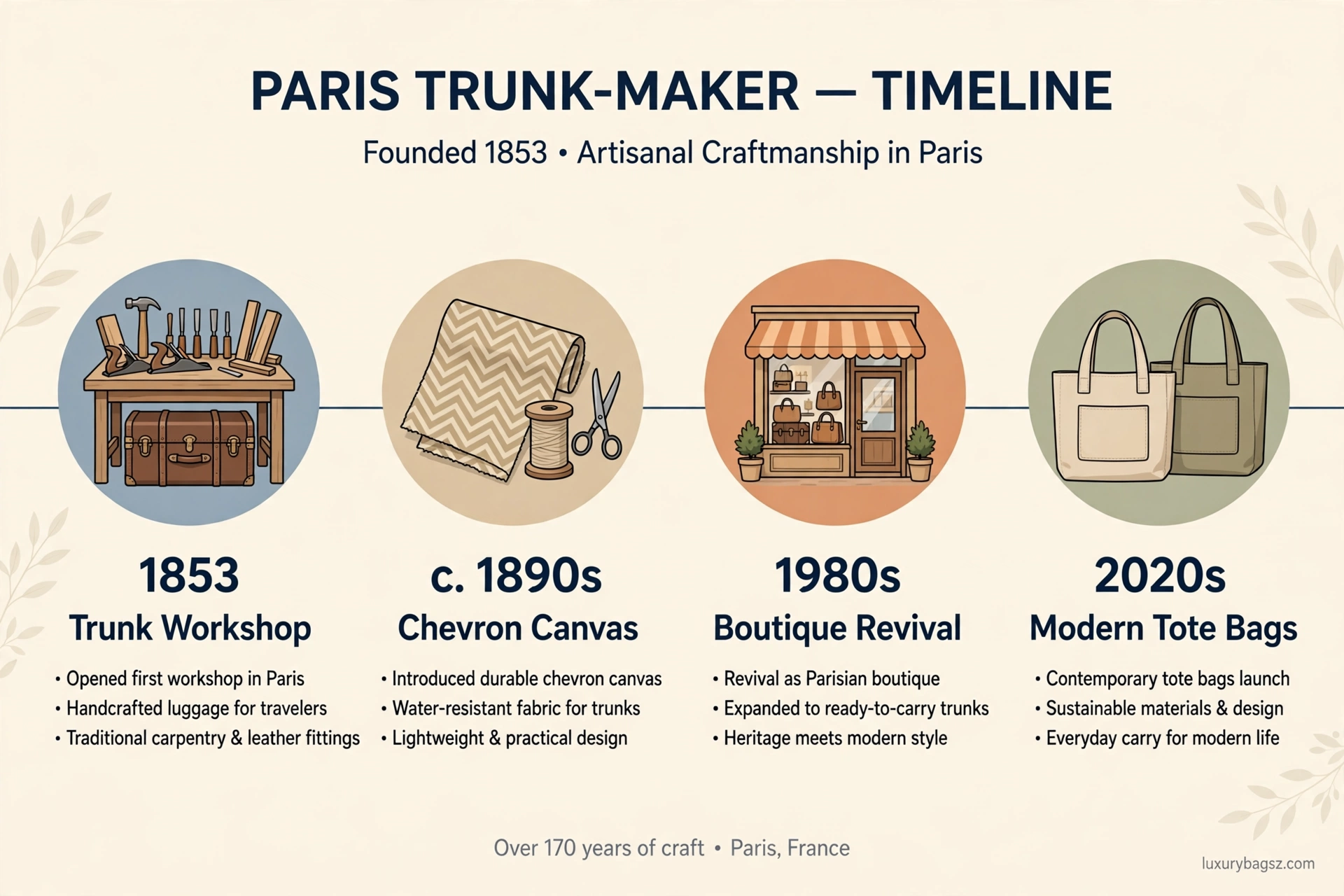
Goyard traces its roots to 1792, when the Martin family began making trunks and boxes in Paris, and to 1853, when Francois Goyard took over the business and gave it the name it still carries. That date matters because it places Goyard ahead of Louis Vuitton, founded in 1854, and decades ahead of the great Paris fashion houses of the twentieth century.
The early business was practical, not fashionable. Goyard made travelling trunks, hat boxes, and cases for a clientele that travelled by train and steamship and needed luggage that could survive rough handling. Durability, light weight, and clever interiors were the selling points, and those priorities still show in the modern range.
Francois Goyard's son Edmond took over in 1885 and pushed the house further upmarket. He expanded the workshops, refined the canvas, and built a reputation among aristocrats, royalty, and wealthy travellers. By the turn of the century, Goyard trunks were a familiar sight on grand tours and ocean liners.
The house also became known for special commissions. Clients ordered trunks fitted for everything from picnic sets to writing desks, and Goyard's craftspeople built interiors to match. That bespoke tradition never fully disappeared, even when ready-made bags became the main business.
The Quiet Decades and the Modern Revival
Goyard's twentieth century was uneven. The house survived two world wars and changing travel habits, but it never chased fashion the way its rivals did. While other houses hired star designers and launched seasonal collections, Goyard stayed small, family-run, and focused on luggage and canvas goods.
Ownership changed in 1998, when Jean-Michel Signoles bought the house and began a careful revival. He did not rebrand Goyard or flood the market. Instead, he restored the archives, reopened the emphasis on craftsmanship, and slowly expanded the boutique network while keeping the no-advertising rule.
That restraint is now part of the appeal. Goyard does not run glossy campaigns, does not sell through department stores in most markets, and does not chase celebrity endorsements. Word of mouth, collector communities, and the sight of a chevron tote in an airport do the marketing instead.
The revival also brought new bag styles built on old codes. The Saint Louis tote, the Artois, and the Belvedere turned trunk-making materials into everyday bags, and they brought a younger audience to a house that had once seemed like a well-kept secret.
What Goyardine Canvas Actually Is
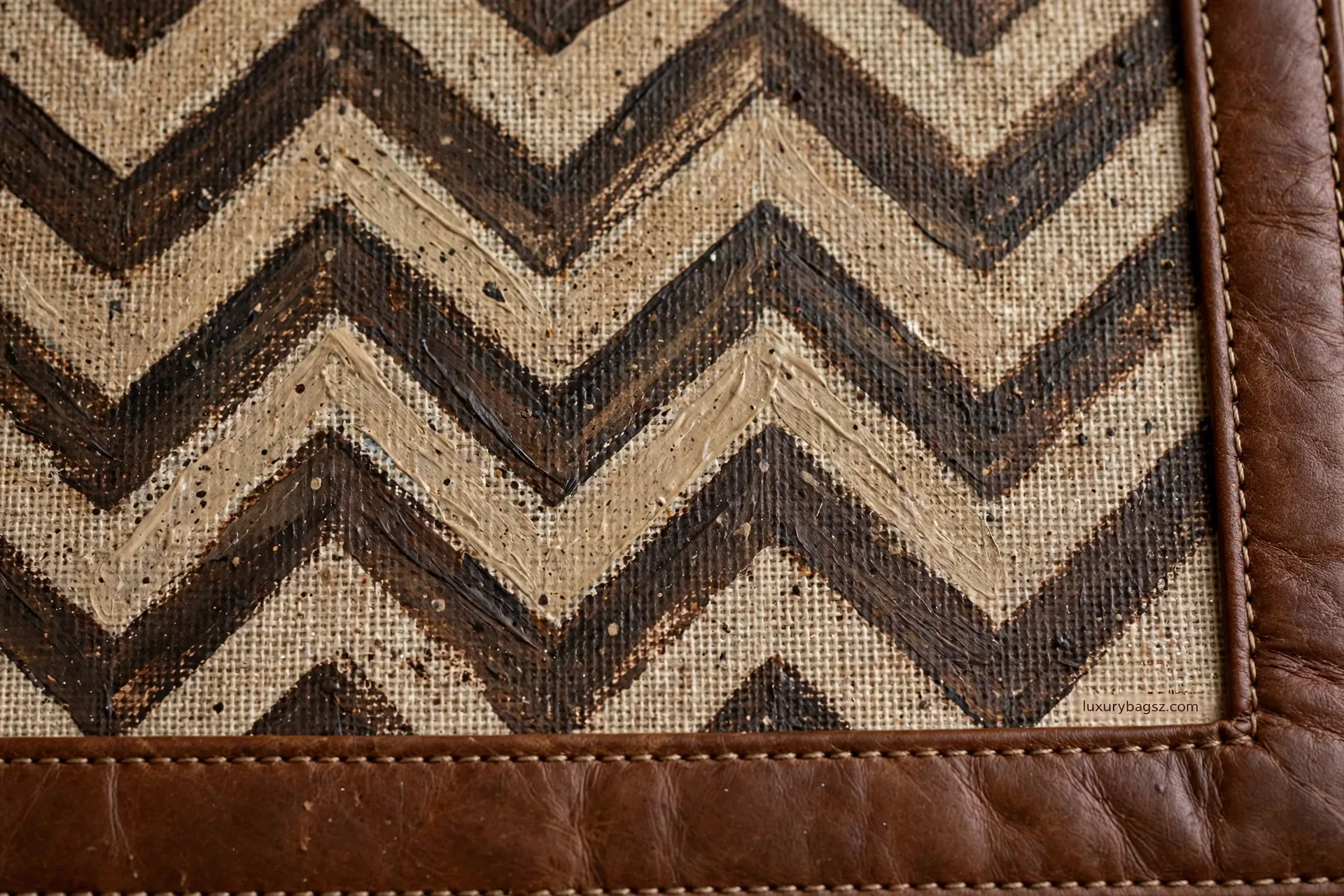
Goyardine is the house's signature material, and understanding it explains both the price and the look. It starts as a woven cloth of cotton and linen, which is then coated for water resistance and durability, and finally hand-painted with the chevron motif.
The chevron pattern is made of interlocking Y shapes, a reference to the Goyard family history and to the stacked logs of a trunk-maker's yard, depending on which house story you prefer. Each dot and line is painted by hand, which is why close inspection shows tiny variations that machines would not produce.
That hand-painting is also a key authenticity clue. On a genuine piece, the pattern is crisp but not mechanically perfect, and it aligns sensibly across seams without the stretched or blurred look of a printed copy. Fakes often print the pattern rather than painting it, which gives a flatter, more uniform surface.
Goyardine is lighter than leather and more resistant to rain and scuffs, which is why it suits totes and travel pieces so well. It is not indestructible, though. Corners wear, the coating can crack with heavy abuse, and light colours show dirt faster than the classic dark combinations.
Colours, Trims, and How to Choose
The classic Goyardine colours are black and tan, often called Black and Black/Tan, and they remain the easiest to resell. Beyond those, the house offers a rotating palette that has included red, green, blue, yellow, orange, white, grey, and burgundy, with availability varying by boutique and season.
Trims are usually leather, most often a smooth calfskin in a matching or contrasting tone. Handles, corner protectors, and closures are where leather quality shows, so check these areas first when comparing pieces in a boutique or in pre-owned photos.
Colour choice is partly personal and partly practical. Dark colours hide wear and suit daily use, while pale colours look striking but demand more care and show corner rubbing sooner. If you plan to carry a tote every day, a dark colour with dark trim is the low-maintenance choice.
Special colours and limited editions do appear, but Goyard does not announce them like seasonal fashion drops. Boutique staff will usually know what is available, and collectors track colour runs through forums and resale listings rather than official press releases.
The Core Bag Range, From Totes to Crossbody Bags
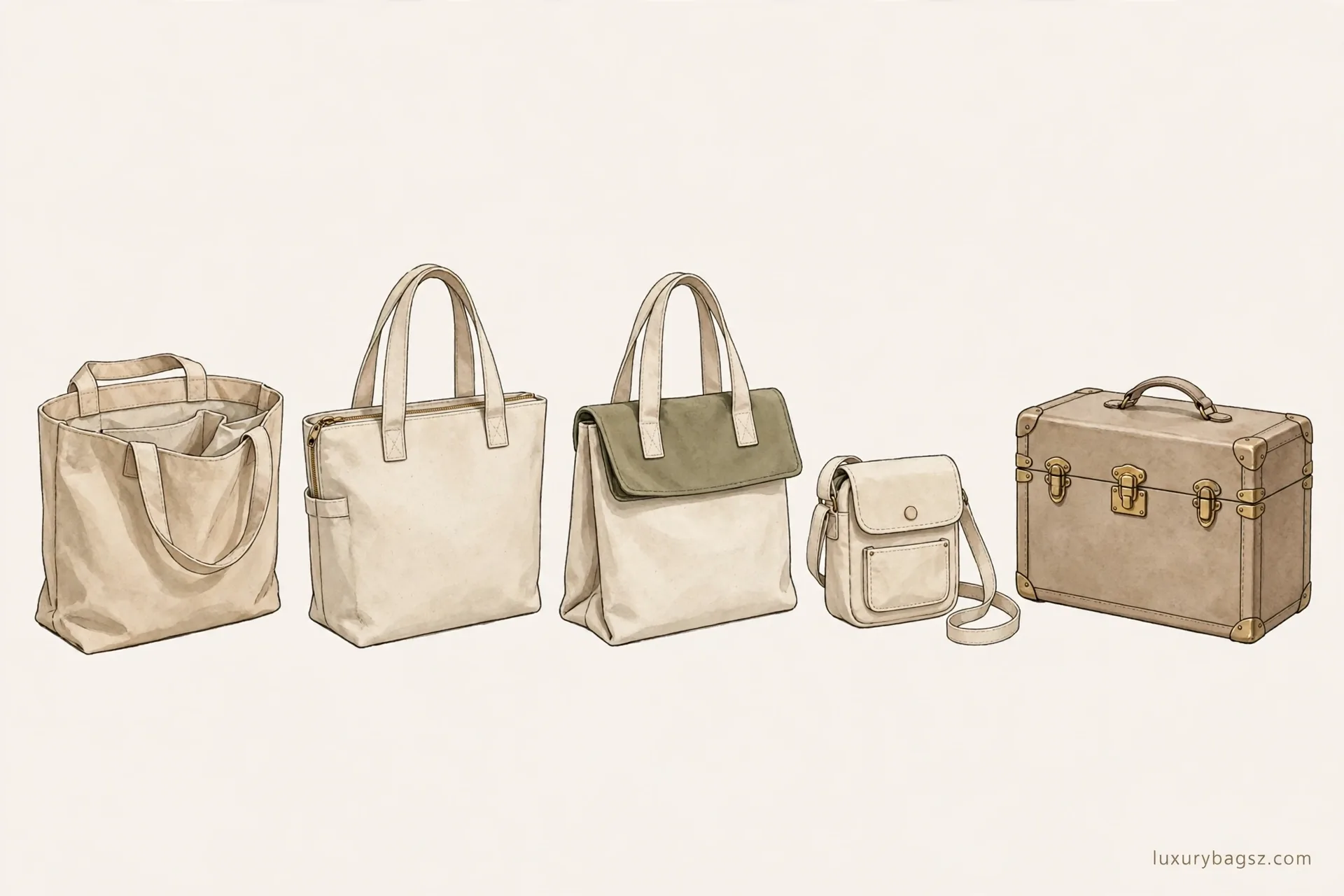
The Saint Louis tote is the best-known Goyard bag and the usual starting point. It is a lightweight, open-top tote with a detachable pouch, available in PM and GM sizes, and it folds flat for travel. Its simplicity is the point: it carries a lot, weighs little, and goes with almost anything.
The Artois is the Saint Louis with a zip, aimed at buyers who want the same shape with more security. It costs more, weighs a little more, and suits commuting and travel where an open tote feels exposed. Many buyers choose between these two models first and only then look at the rest of the range.
The Anjou is a reversible tote, canvas on one side and leather on the other, giving two bags in one. It appeals to buyers who want versatility and are happy to pay for a leather-lined interior. The Belvedere is a smaller crossbody bag, popular for hands-free days and evenings when a tote is too much.
Beyond those, the range includes the Saigon, a structured top-handle bag with a more formal feel, the Minaudiere and small evening pieces, and a wide set of pouches, wallets, card holders, and travel accessories. Luggage remains central too, from cabin cases to full trunks.
For a first purchase, the Saint Louis tote remains the sensible default, and our dedicated guide to that bag covers sizes and prices in detail. If you want a zip, look at the Artois; if you want hands-free, look at the Belvedere; if you want one bag that does two jobs, look at the Anjou.
Luggage, Trunks, and the Bespoke Heart of the House
Luggage is where Goyard's history is most visible. The house still makes rolling cases, duffels, and rigid trunks in Goyardine and leather, and these pieces are built to be used hard and repaired rather than replaced. A well-kept Goyard trunk can outlast its owner.
Bespoke work is the top of the range. Clients can commission trunks fitted for specific purposes, choose colours and stripes, and add painted initials or crests. Prices depend entirely on the commission, but they run far above ready-made luggage, and lead times stretch into months.
Stripes are a signature of Goyard bespoke and special-order pieces. Clients choose stripe colours that run alongside the canvas, and these stripes have become a collector shorthand for a special order. They also make a piece harder to copy convincingly, since stripe placement and painting quality are easy to get wrong.
If you travel often, a Goyard cabin case or duffel is worth considering, but try one in person first. Rigid trunks are beautiful and heavy, and modern travellers sometimes prefer the lighter rolling cases. Bespoke is for collectors and special occasions, not a first purchase.
Small Leather Goods and Everyday Accessories
Small leather goods are the most accessible way into Goyard. Card holders, zip wallets, coin purses, passport covers, and pouches all use Goyardine with leather trim, and they make good gifts because sizing is simple and the pattern is instantly recognisable.
Quality on small goods is worth checking closely. Stitching should be even, edges should be cleanly painted or finished, and zips should run smoothly without catching. These details separate a genuine piece from a copy more reliably than the pattern alone, because small goods are faked in large numbers.
Pouches deserve special attention. The Saint Louis includes a detachable pouch, and standalone pouches in several sizes are popular as bag organisers, evening clutches, and travel cases. They are also among the most counterfeited Goyard items, so buy them with the same care as a bag.
Accessories such as key rings, luggage tags, and pet accessories exist too, but they are not the reason most people come to Goyard. Start with a wallet or pouch if you want to test the material and the house before committing to a tote.
Prices, Value, and Why Goyard Rarely Discounts
Goyard prices vary by market and move over time, so treat any figure as a band rather than a promise. As a rough guide, small leather goods often start in the low hundreds, totes and handbags run into the low thousands, and travel pieces and trunks climb well beyond that.
Boutique prices are the baseline. Goyard does not hold public sales, and authorised stock is rarely discounted, so a new piece at a large discount from an unknown seller should raise questions. Pre-owned prices for popular totes often hold up well, especially in classic colours and good condition.
Value retention depends on model and colour. The Saint Louis in black or black/tan tends to resell more easily than an unusual colour in worn condition, and complete sets with pouch, dust bag, and receipt tend to sell faster. Bespoke and rare pieces can command premiums, but they appeal to a narrower audience.
Budget honestly before you buy. A tote is a daily tool, not an investment in the financial sense, and while resale values are reassuring, they should not be the main reason for a purchase. Buy the colour and size you will actually carry.

Where to Buy, and What to Expect in a Boutique
Goyard sells mainly through its own boutiques in cities such as Paris, London, New York, Tokyo, Hong Kong, and Singapore, with a small number of additional locations. There is no general online shop for bags in most markets, so most buyers visit in person or buy pre-owned.
Boutique stock varies. Popular totes in classic colours are usually available, but specific colours, sizes, and travel pieces may need ordering or waiting. Staff can advise on availability and lead times, and they can also help with personalisation such as painted initials on some pieces.
Service is traditionally low-key. Do not expect a fashion-show atmosphere or a hard sell; expect knowledgeable staff, a quiet room, and time to inspect the piece. Ask to see the bag in daylight if possible, check the pouch, straps, and corners, and confirm what is included before you pay.
If you cannot reach a boutique, reputable pre-owned dealers and auction houses are the safer alternative. Avoid social-media sellers with no verifiable history, and be wary of listings that use only stock photos or refuse to show the serial code and interior details.
Buying Pre-Owned Without Getting Caught Out
Pre-owned Goyard is a good route to a lower price or a discontinued colour, but it is also where most fakes circulate. Start with the seller, not the bag: a dealer with a long record, clear return terms, and independent authentication is worth more than a slightly cheaper listing from an unknown account.
On the bag itself, check the canvas painting first. Genuine Goyardine is hand-painted, so the pattern should look crisp with slight natural variation, not printed and perfectly uniform. Then check stitching, which should be even and tight, and hardware, which should feel solid and show clean engraving.
Serial codes and interior stamps help, but they are not proof on their own, because fakes copy them too. A code that does not match the expected format for the era, or a stamp that looks shallow or uneven, is a warning sign. When in doubt, get an independent opinion before paying.
Our guides on how to spot a fake Goyard bag, on buying pre-owned safely, and on how to authenticate a pre-owned designer bag walk through these checks in detail. Use them together, and never let urgency push you past a check you have not done.
Caring for Goyardine and Leather Trim
Goyardine is easier to care for than untreated leather, but it still benefits from simple habits. Wipe it with a soft, dry cloth, keep it out of prolonged direct sun, and avoid overloading a tote, which strains handles and corners over time.
Water is not the enemy it is for suede, but soaking is still unwise. Blot spills promptly, let the piece dry naturally away from heat, and do not use harsh cleaners or solvents on the painted canvas. Leather trim can be wiped gently, and a leather conditioner should only be used sparingly and tested on a hidden spot first.
Storage matters. Keep the bag in its dust bag, stuffed lightly to hold its shape, and away from damp or heat. Do not hang a heavy tote by its handles for months, and do not stack heavy items on top of a soft tote, which creases the canvas.
Repairs are possible through Goyard boutiques for many issues, including handle and corner wear, though costs and times vary. For pre-owned pieces, factor repair costs into the price, and ask the seller about wear on handles, corners, and the base before you commit.
Goyard Versus Its Closest Rivals
Buyers usually cross-shop Goyard with Louis Vuitton, and the comparison is fair: both are Paris houses built on coated canvas and travel heritage. Louis Vuitton offers a far wider range, more boutiques, and an online shop, while Goyard offers more exclusivity, quieter branding, and a smaller, more focused range.
Against Chanel and Hermes, Goyard plays a different role. It does not compete on quilted leather handbags or on the waiting-list culture of top-tier leather bags. It competes as an everyday luxury workhorse: lighter, more discreet, and easier to use daily than a formal leather bag.
Against newer quiet-luxury brands, Goyard has history on its side but less fashion novelty. Its designs change slowly, which some buyers love and others find dull. If you want a bag that looks current this season and dated next season, Goyard is the wrong choice; if you want a bag that looks the same in ten years, it is the right one.
Choose Goyard if you value discretion, durability, and heritage, and if you are happy to buy through boutiques or vetted pre-owned sellers. Choose a rival if you want a wider range, easier online buying, or a louder brand statement.
Choosing the Right Size the First Time
Size mistakes are the most common regret in Goyard buying, and they are easy to avoid with a little measuring. Before you visit a boutique, list what you carry every day: laptop size, water bottle, book, pouch, keys, and phone. Then compare that list with the internal dimensions of the bag, not just its name, because a PM and a GM can feel very different once loaded.
The Saint Louis PM suits a light daily load: wallet, phone, keys, small pouch, and a paperback. It looks neat on smaller frames and works well as a work tote when you do not carry a laptop. The GM swallows a 13-inch laptop, a jumper, and a water bottle, but it can look oversized on petite frames and tempts you to overload it, which strains the handles.
For travel, size up deliberately. A cabin case should fit your airline's limits, and a duffel should hold two to three days of clothes without bursting. Goyard's rigid trunks look wonderful in photos, but measure your car boot and your home storage before ordering one, because a trunk you cannot store becomes a problem, not a pleasure.
Try before you buy whenever possible. Load the bag with your own items in the boutique, walk around with it, and check how it sits on your shoulder and in your hand. A bag that feels fine empty can feel very different full, and a handle drop that is too short or too long will annoy you every day.
If you are buying pre-owned and cannot try the bag, ask the seller for exact measurements, photos of the bag loaded, and photos of it worn. Compare those with a bag you already own and like. A few centimetres matter more than most buyers expect, especially in handle drop and depth.
Special Editions, Stripes, and Collecting Goyard
Collectors prize Goyard for its special orders and striped pieces. Stripes, painted in the client's chosen colours, mark a piece as a special order and make it instantly recognisable to other collectors. They also add a personal story, which is why striped pieces often sell well pre-owned when the colours are classic and tasteful.
Limited colours appear from time to time, and some become sought after once they disappear from boutiques. Tracking these runs is a hobby in itself, with collectors noting which colours appeared in which years and which models carried them. If you chase a rare colour, verify it against known examples, because fakes often invent colour combinations that Goyard never made.
Collaborations and artist pieces exist but are rare, and they command high prices precisely because they are scarce. Do not pay a collaboration premium without proof: original receipts, boutique records, or a reputable dealer who can document the piece. A story without paperwork is just a story.
Collecting advice stays simple. Buy classic models first, add colour second, and only chase rarities once you know the standard range well. A collection of well-chosen everyday pieces will give you more pleasure, and better resale, than one impulse purchase of a rare colour you never carry.
Common Mistakes First-Time Goyard Buyers Make
The first mistake is buying the wrong model for the job. An open Saint Louis is a poor choice if you commute on crowded trains and worry about security, just as a small Belvedere is a poor choice if you need to carry a laptop. Match the bag to your day, not to a photo.
The second mistake is buying from the cheapest listing. Goyard's tight distribution means genuine bargains are rare, and the cheapest listing is often the riskiest. A vetted dealer, a clear return policy, and independent authentication are worth more than a small saving.
The third mistake is ignoring wear on pre-owned pieces. Corners, handles, base, and interior all wear first, and repairs cost money. Ask for close photos of each area, and price the bag with repairs in mind rather than hoping wear will not bother you.
The fourth mistake is over-personalising a first piece. Painted initials look wonderful, but they narrow resale and cannot be undone. Keep a first tote classic, and save personalisation for a piece you are sure you will keep.
The fifth mistake is neglecting care. Goyardine is tough, but it is not maintenance-free. A little regular wiping, sensible loading, and proper storage will keep a tote looking good for years, while neglect shows quickly on corners and handles.
Travelling With Goyard, and Making It Last for Decades
Goyard was built for travel, and its pieces still earn their keep on the road. A coated-canvas tote is light enough to carry through an airport, tough enough to survive overhead bins, and smart enough to take straight into a meeting. That combination is rare, and it explains why so many frequent travellers settle on Goyard as their default travel companion.
Packing a Goyard tote well makes a real difference. Use the detachable pouch for small valuables, keep heavy items low and central, and avoid sharp objects loose in the main compartment, which can mark the canvas from inside. A slim laptop sleeve protects both the laptop and the lining, and it stops the bag from sagging into an awkward shape.
For longer trips, pair a tote with a cabin case or duffel rather than overloading one bag. Goyard's travel pieces are designed to work as a set, with similar canvas and trim, and they stack and carry more comfortably than a single stuffed tote. If you travel with a trunk, remember that rigid cases need checking in and careful handling, while soft duffels and rolling cases suit cabin and car travel better.
Airports and hotels are where most damage happens. Keep the bag off wet floors, avoid dragging it across rough surfaces, and use the dust bag in hotel rooms rather than leaving the tote open on a luggage rack. Small habits like these add years to a bag's life, and they cost nothing.
Longevity is Goyard's quiet selling point. With sensible use, a Saint Louis can serve daily for a decade or more, developing a soft patina on leather trim while the canvas keeps its pattern. When handles or corners eventually wear, boutique repair can restore the piece, which is cheaper and more satisfying than replacing it.
Think of the purchase as a long-term relationship rather than a seasonal buy. Choose a colour you will still like in five years, a size that fits your real life, and a model you will reach for without thinking. That is how a Goyard bag earns its price, not in a single outing but in thousands of ordinary days.
Buying Goyard in 2026: What Has Changed and What Has Not
The Goyard market in recent years has stayed remarkably stable compared with fashion houses that raise prices sharply and rotate designs every season. Prices have risen, as they have across luxury, but the range itself has changed slowly, and classic models remain the core of the business. That stability is good news for buyers, because a bag bought today is unlikely to look discontinued tomorrow.
Pre-owned demand has grown as more buyers discover the house through resale platforms and collector communities. Popular totes in classic colours now move quickly when priced fairly, and complete sets with pouch and dust bag sell faster than bare bags. Sellers who provide thorough photos and honest condition notes tend to achieve better prices, which rewards careful buyers who ask good questions.
Authentication has also improved, with more dealers offering independent checks and detailed photo reports. That does not remove the need for caution, but it does mean a careful buyer has better tools than a few years ago. Use them: ask for extra photos, check the seller's history, and walk away from any listing that resists scrutiny.
One thing has not changed, and it is worth repeating. Goyard's appeal rests on discretion, durability, and heritage, not on hype. If you buy for those reasons, you will be happy with the bag for years. If you buy expecting a quick resale profit or a fashion moment, you may be disappointed, because Goyard's value lies in long, quiet use rather than short-term excitement.
Start with a boutique visit if you can, even if you later buy pre-owned. Handling the real canvas, feeling the weight, and seeing the colours in daylight will make every later decision easier, and it will sharpen your eye for fakes in a way that photos alone never can.
Frequently Asked Questions
Is Goyard a luxury brand?
Yes. Goyard is a Paris luxury house founded in 1853, with prices, craftsmanship, and distribution to match. Its low profile is a choice, not a sign of lower standing.
Why is Goyard so expensive?
The cost reflects hand-painted canvas, leather trim, workshop production, and tight distribution. You are paying for materials and making, plus the scarcity that comes from a small boutique network.
What is Goyardine made of?
Goyardine starts as a cotton and linen cloth, coated for durability and water resistance, then hand-painted with the chevron pattern. It is not leather, which is why it is lighter than a full leather bag.
What is the most popular Goyard bag?
The Saint Louis tote is the most popular and the usual first purchase. The Artois, Anjou, and Belvedere follow, each serving a slightly different need.
Can you buy Goyard online?
In most markets, Goyard does not sell bags through a general online shop. Buy in a boutique or through a reputable pre-owned dealer, and be cautious with unknown online sellers.
Does Goyard ever go on sale?
Goyard rarely discounts and does not hold public sales. A large discount on a supposedly new piece is a reason for caution, not celebration.
Is Goyard worth it compared with Louis Vuitton?
It depends on what you value. Goyard is more exclusive and discreet, while Louis Vuitton offers a wider range and easier buying. Both make durable coated-canvas bags.
How can you tell if a Goyard bag is real?
Check hand-painted canvas, even stitching, solid hardware, and a plausible serial code, and buy from a vetted seller. No single check is enough on its own.
Does Goyard personalise bags?
Yes, many pieces can be personalised with painted initials or stripes in boutiques, subject to availability and lead time. Personalisation can affect resale, so choose carefully.
How do you clean a Goyard bag?
Wipe with a soft, dry cloth, blot spills promptly, and avoid harsh cleaners and heat. For leather trim, use only gentle care and test any product on a hidden area first.
Summary
Goyard suits buyers who want luxury without noise: a house with real trunk-making history, a distinctive but discreet canvas, and bags built to be carried hard every day. Start with the Saint Louis or Artois in a classic colour, buy from a boutique or a vetted pre-owned seller, and check the canvas, stitching, and hardware before you pay. If you want easy online buying or a fast-changing fashion statement, look elsewhere.
If you want a quiet, durable classic, Goyard is hard to beat.






