

How to Become a Bootmaker: Apprenticeships, Schools, and a Realistic Path
How to Become a Bootmaker in Brief
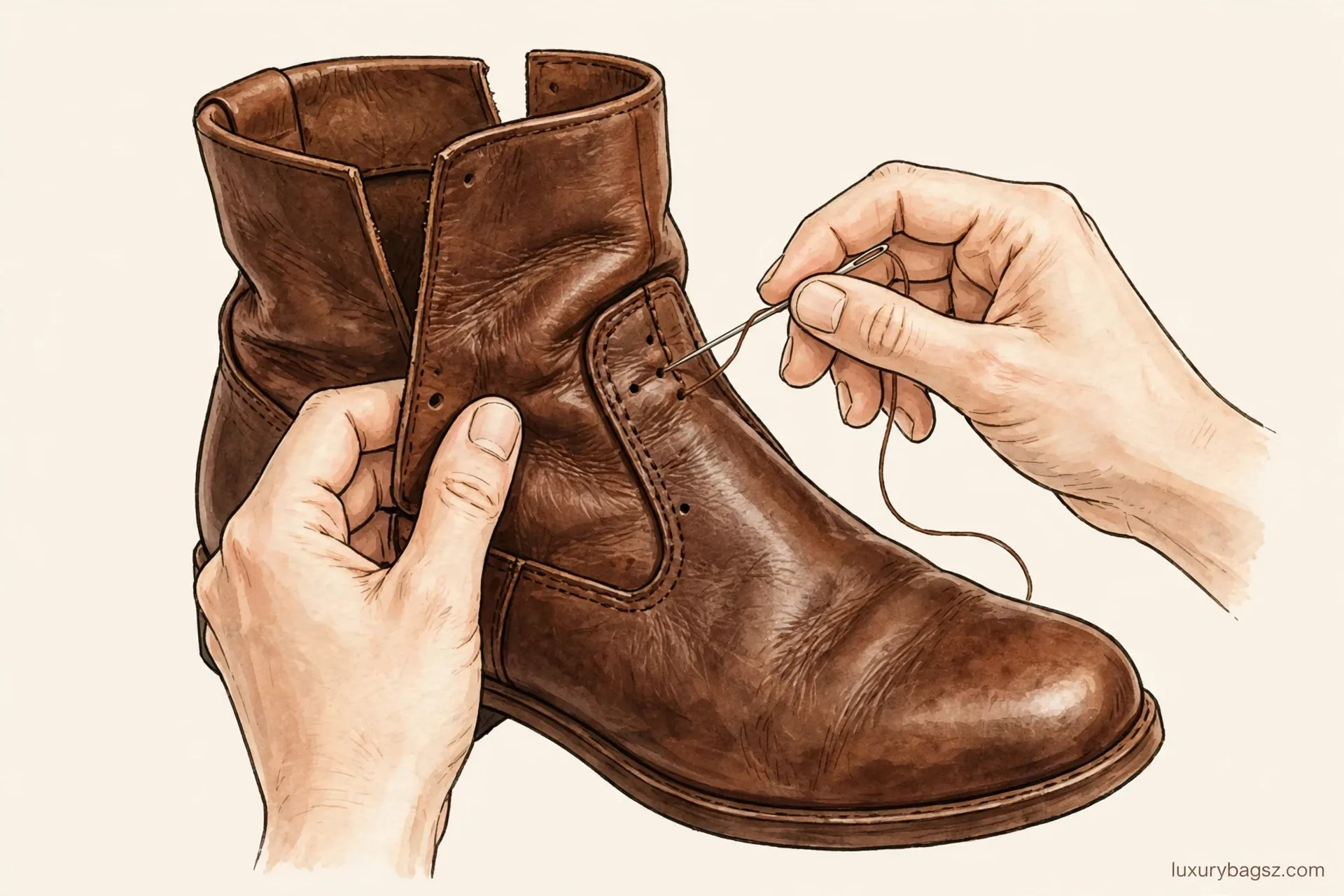
To become a bootmaker, learn the craft through an apprenticeship, a shoemaking school, or structured self-teaching, then build a portfolio of pairs that prove you can cut, sew, last, sole, and finish boots to a sellable standard. There is no single licence or degree that makes you a bootmaker; your pairs do.
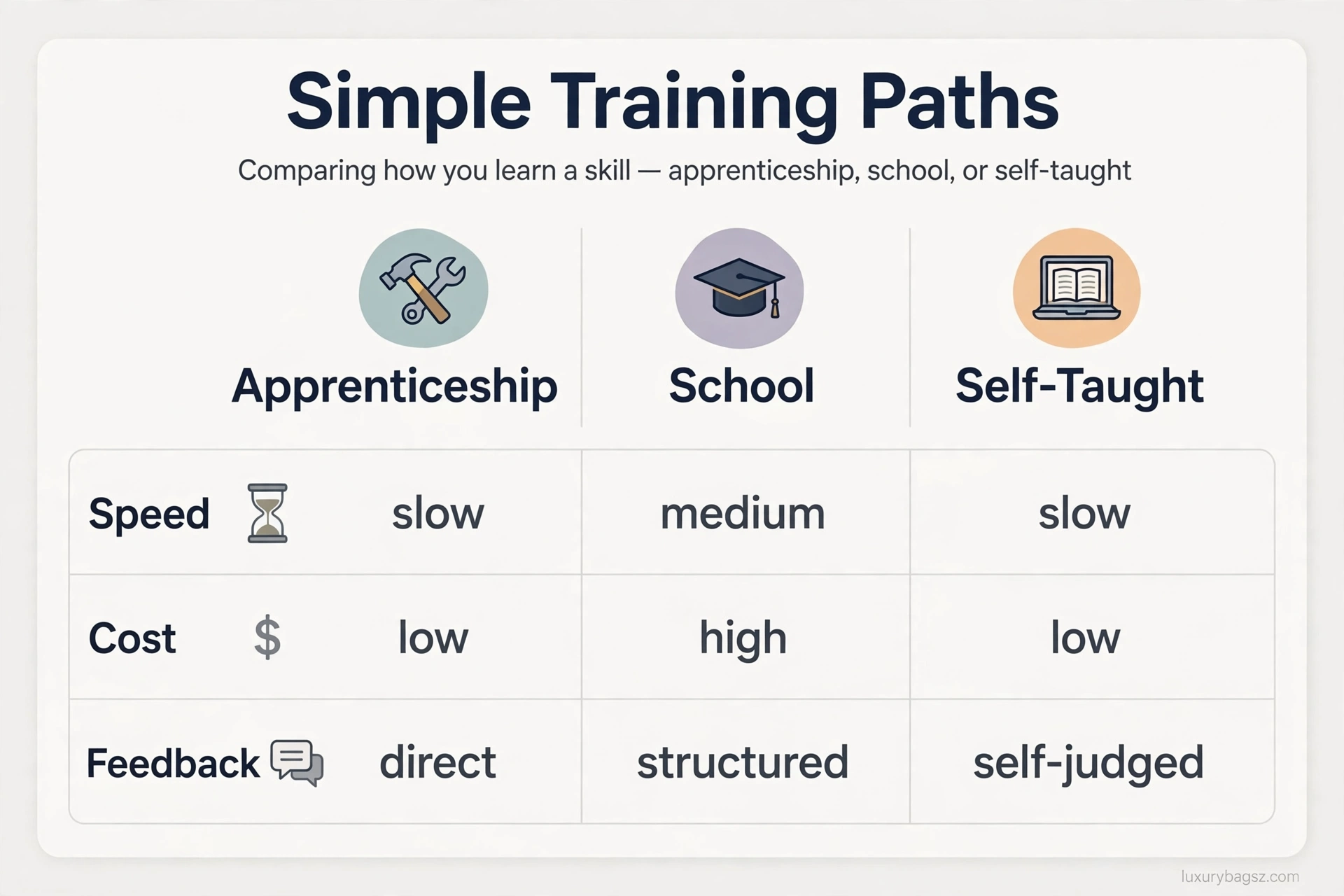
An apprenticeship is the traditional route and still the best, if you can find one. Schools teach faster and more systematically, but they cost money and cannot replace bench time. Self-teaching works for determined beginners, especially with online courses, but it takes longer and demands honest self-criticism.
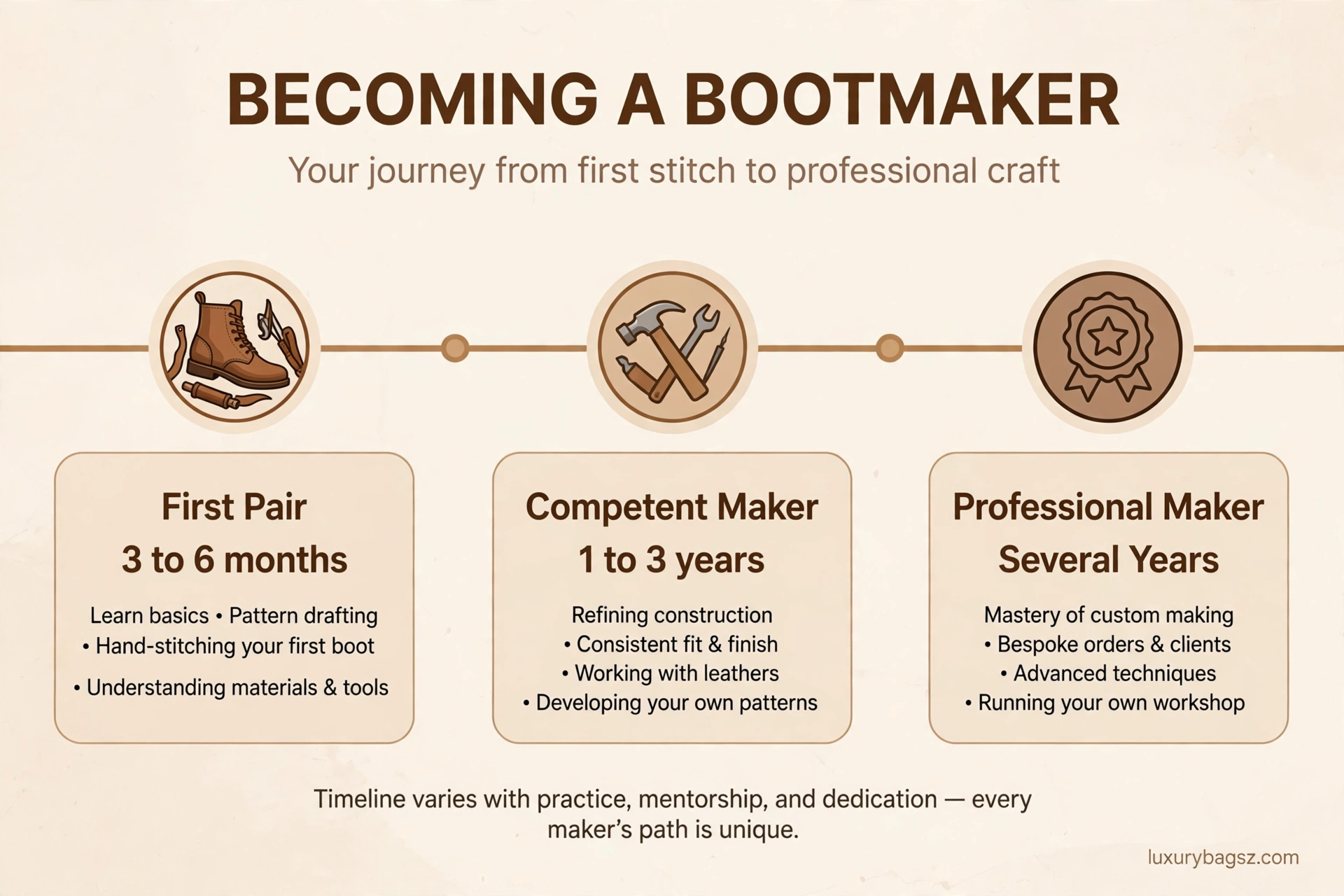
Expect three to six months to make a wearable first pair with guidance, one to three years to become competent, and several years of full-time work to become a professional whose boots command professional prices. Anyone promising mastery in a weekend is selling a course, not a craft.
Key Takeaways
- No degree is required; skill, portfolio, and reputation decide whether you can sell boots.
- Apprenticeships offer real bench time and repair work first, with low or no pay at the start.
- Schools such as the Chicago School of Shoemaking, I Can Make Shoes, and bespoke footwear courses teach structured basics.
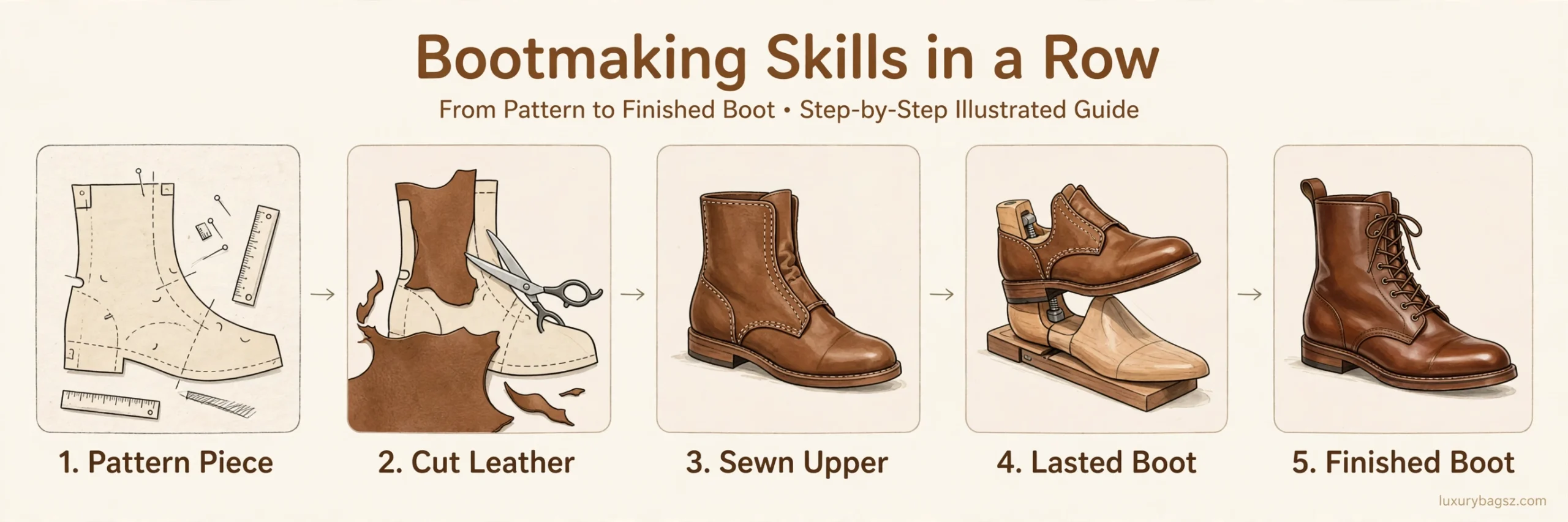
- Core skills are pattern making, cutting, closing, lasting, sole attachment, and finishing.
- Start with shoe repair: it teaches construction, fitting, and customer judgement fast.
- Budget for tools, lasts, leather, and a sewing machine before you expect income from boots.
What a Bootmaker Actually Does
A bootmaker designs patterns, cuts leather, sews uppers, shapes boots over lasts, attaches soles, and finishes pairs for customers. Some makers specialise in bespoke boots measured to one foot, while others make small ready-to-wear runs.
Many bootmakers also repair boots, which is both income and education. Repair shows you how boots fail, how different constructions age, and what customers actually complain about, all of which improves your own making.
Factory bootmaking is a different job. Factory roles split the process into cutting, closing, lasting, and finishing stations, while an independent bootmaker does every stage. Decide early which life you want, since the training paths differ.
The Three Training Paths Compared
Apprenticeship means working under a master maker, often starting with repair, cutting tops, and sewing practice before making full pairs. Pay may be low or absent at first, and places are scarce, but the learning is deep and practical.
School means a structured course, from weekend introductions to multi-year bespoke programmes. One UK bespoke orthopaedic course, for example, runs two years with weekly sessions plus at least five hours of weekly practice, and charges around £600 per term.
Self-teaching means books, videos, online courses, and practice pairs, often in a home workshop. It is cheapest and most flexible, but progress depends on your ability to spot your own mistakes, since no master is watching your bench.
Start With Repair, Whatever Your Path
Old masters traditionally started apprentices on repair work, and the advice still holds. Repairing boots teaches you to take a boot apart, see its construction, and put it back together so it holds.
Start by resoling, reheeling, and restitching worn boots for friends or a local cobbler. You will learn about lasts, adhesives, stitching, and leather behaviour far faster than by reading about them.
Repair also pays while you learn. A new maker who can resole well can earn workshop income long before their first bespoke pair is good enough to sell, which keeps the craft financially viable.
The Skills You Must Learn, in Order
Pattern making comes first: drafting a boot pattern from measurements and a last, then adjusting it for fit. A poor pattern cannot be saved by good sewing, so this skill deserves more study than beginners usually give it.
Cutting and closing follow: selecting leather, placing pattern pieces to avoid flaws, skiving edges, and sewing uppers cleanly. Lasting comes next, shaping the upper over the last, and our companion guide on hand lasting explains that step in detail.
Sole attachment and finishing complete the pair: welting or cementing, heel building, edge finishing, and polishing. Each stage has its own tools and failure modes, and competence means being able to diagnose a fault and trace it to the stage that caused it.
Tools and Workshop: What You Really Need
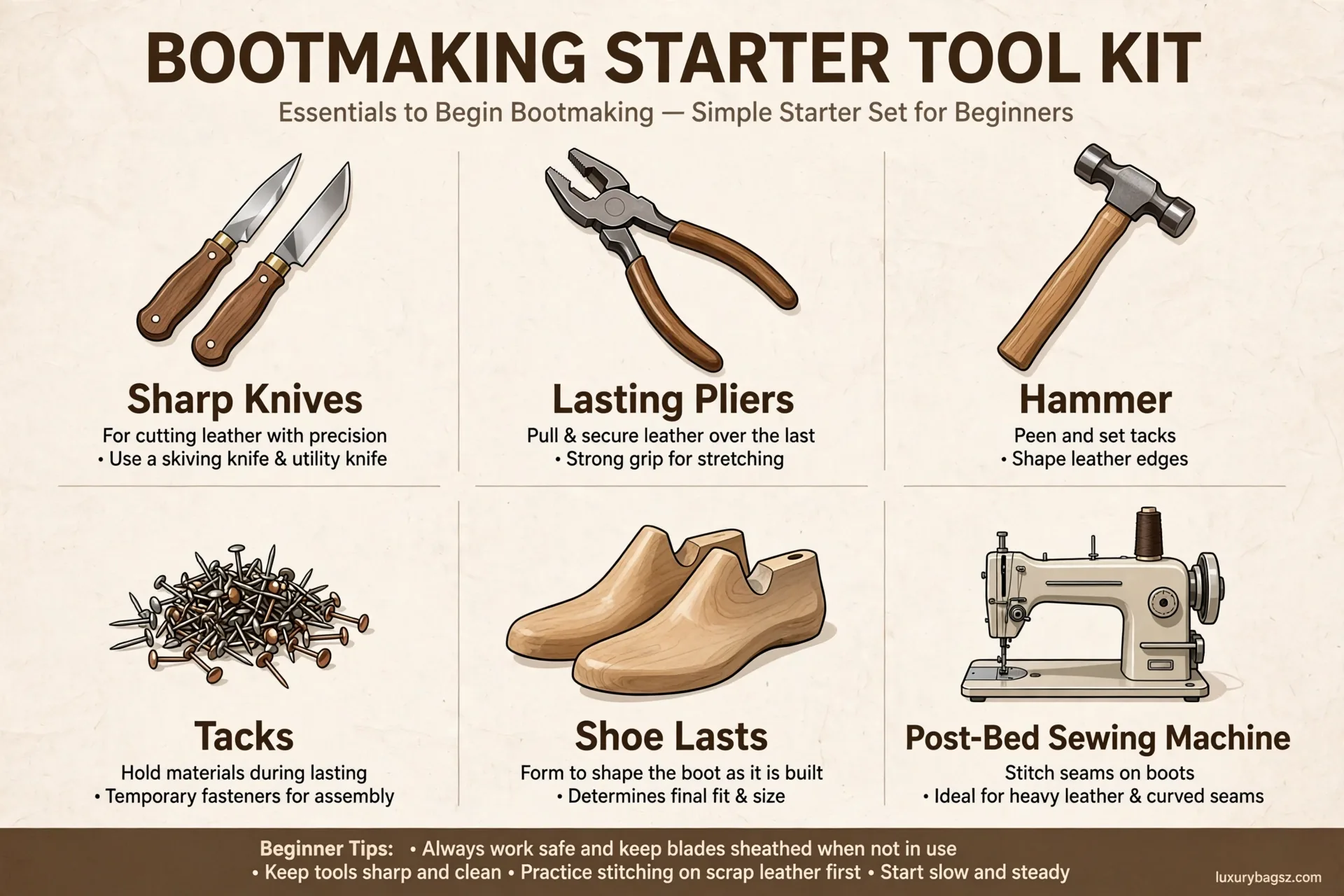
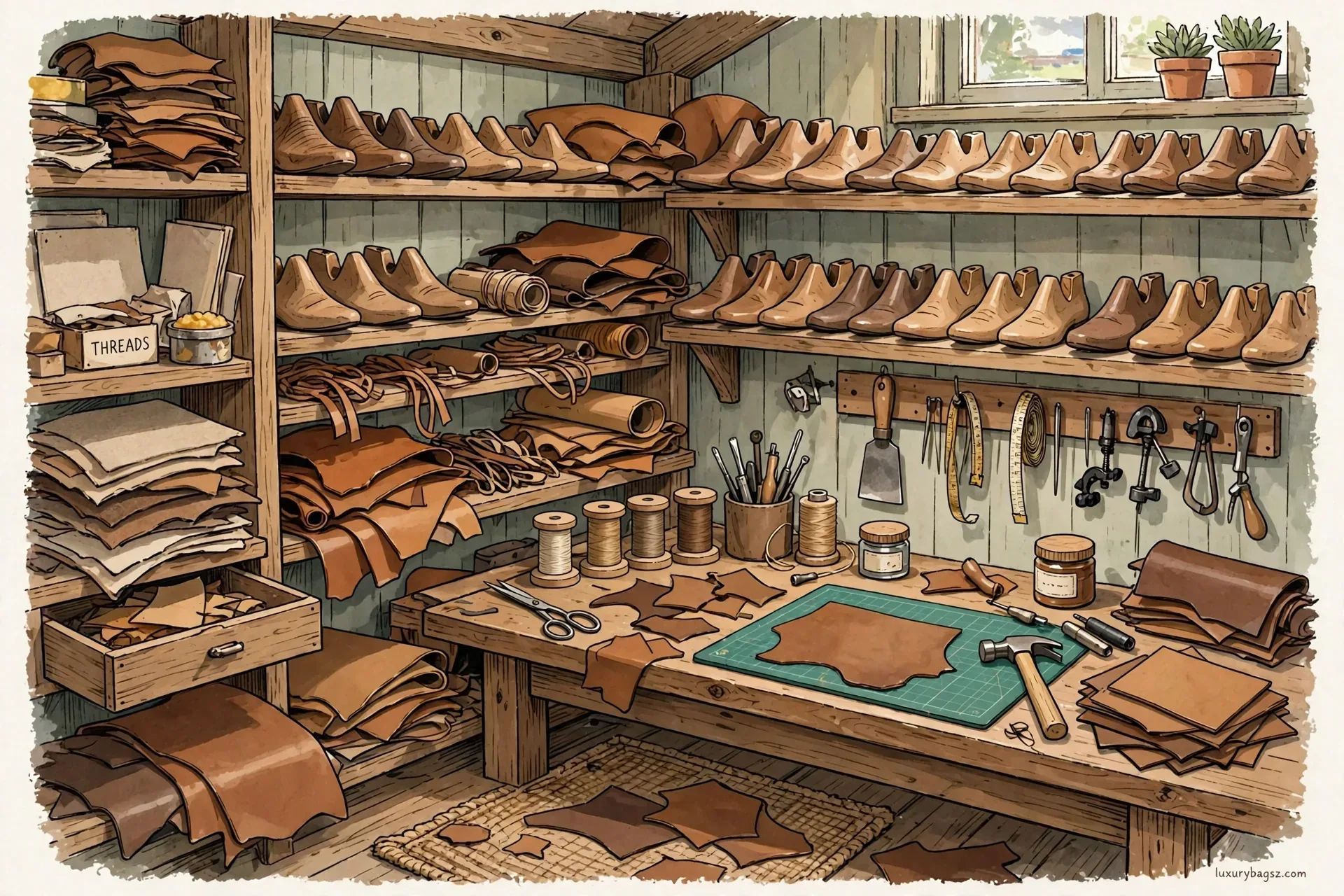
Hand tools come first: sharp knives, lasting pliers, a hammer, tacks, awls, needles, and edge tools. Buy good versions of a few tools rather than cheap sets of many, since dull tools cause more mistakes than missing tools.
A last for each size you make is essential, plus a post-bed sewing machine with a presser wheel for closing uppers. A finishing grinder, a skiving knife, and a sturdy bench complete the core kit for most beginners.
Leather costs add up fast, so practise on cheaper hides before cutting premium leather. Many schools require students to supply their own upper leathers, sole materials, and grindery, so budget materials separately from tuition.
How Long It Takes, Honestly
A first wearable pair is possible within three to six months of guided practice, though it will likely have visible flaws. That pair is a milestone, not a product, and should be worn, studied, and learned from.
Competence, meaning pairs you would happily sell to a stranger, usually takes one to three years of regular bench time. Professional standing, with a waiting list and professional prices, takes several more years of full-time work and reputation building.
Formal apprenticeships reflect that timeline. A UK footwear manufacturer apprenticeship typically runs 15 months plus a three-month assessment, while traditional bespoke apprenticeships often run far longer, with masters judging readiness by work, not by calendar.
Setting Up as an Independent Bootmaker
Most independent makers start part-time, making pairs evenings and weekends while keeping another income. That slow start is wise: it lets you build skill, photography, and a waiting list without betting your rent on your tenth pair.
Pricing must cover leather, lasts, tools, workshop rent, and your hours, not just materials. New makers often underprice badly, then burn out when they realise a pair that took 30 hours sold for less than minimum wage.
Marketing for bootmakers is mostly proof: clear photos of pairs, honest process posts, customer reviews, and boots worn hard over years. A single pair that survives three years of daily wear sells more boots than any advertisement.

Common Beginner Mistakes to Avoid
Rushing lasting is the classic mistake. Leather pulled too fast or unevenly will wrinkle, thin, or tear, and no amount of finishing hides a badly lasted boot. Slow down, rest the leather, and check symmetry constantly.
Buying premium leather too early is another. Expensive shells and hides punish mistakes expensively, while practice leather lets you repeat a step until it is right. Save the best leather for pairs you already know how to make.
Skipping fit testing is the third mistake. Always test-fit on the last, then on the foot, before finishing. A beautiful boot that pinches is a failed boot, whatever the stitching looks like.
Where to Find Training and Mentors
Start with shoemaking schools and short courses in your country, and ask graduates what they could actually make after the course. Look for courses that teach design and technical skills together, not design alone.
Contact independent makers and cobblers about shadowing, repair work, or short apprenticeships, and bring a portfolio of any leatherwork you have done. Makers respond to demonstrated commitment far more than to enthusiasm alone.
Join bootmaking communities, forums, and guilds, and attend footwear fairs and workshops. The craft is small, reputation travels fast, and a helpful reputation in a community often leads to the apprenticeship that no advertisement ever listed.
Frequently Asked Questions
How do I become a bootmaker with no experience?
Start with a short shoemaking course or repair work, learn pattern making and closing, then practise full pairs. An apprenticeship is ideal if you can find one, but structured self-teaching also works.
Do I need a degree to become a bootmaker?
No. Bootmaking is judged by skill and portfolio, not by a degree. A footwear design degree can help with design and industry contacts, but it does not replace bench skill.
How long does a bootmaker apprenticeship take?
Traditional apprenticeships often run several years, judged by work quality. A formal UK footwear apprenticeship typically runs 15 months plus assessment, while bespoke training can run two years or more.
How much does it cost to start bootmaking?
Costs vary widely, but budget for hand tools, lasts, a sewing machine, and practice leather before counting tuition. Many beginners spend several thousand pounds or dollars on a basic workshop over the first year.
Can I learn bootmaking at home?
Yes, with a suitable bench, a post-bed sewing machine, and structured courses or books. Home learning takes longer without a master to correct you, so seek feedback from experienced makers.
Is bootmaking a good career?
It can be rewarding but rarely lucrative at first. Independent makers earn well only after building skill and reputation, while factory and repair roles offer steadier, lower-paid work.
What is the first skill I should learn?
Pattern making and cutting, followed by closing. Without a good pattern and clean sewing, later stages cannot rescue a pair, so master the early stages first.
Should I start with shoes or boots?
Shoes teach the same core skills with less leather and simpler patterns, so many makers start there. Boots add shaft work and fitting challenges, so they suit a second stage.
Do bootmakers need to know leather tanning?
You should understand tanning types and leather behaviour, even if you buy finished leather. Knowing chrome versus vegetable tanning helps you choose leather for each boot's job.
How do I get my first customers?
Make pairs for yourself, friends, and family, photograph them honestly, and let wear over time prove quality. Repair work also builds a local customer base that trusts your hands.
Conclusion
Becoming a bootmaker is a slow, practical craft, not a quick career change. Find a master, a school, or a disciplined self-taught path, start with repair, master pattern and closing before chasing fancy leather, and let your pairs earn your reputation. Do that for a few years, and you will not need to call yourself a bootmaker; your customers will do it for you.






