

What Is a Balenciaga City Bag? History, Sizes, Prices, and Pre-Owned Checks
The Balenciaga City Bag, in One Clear Answer
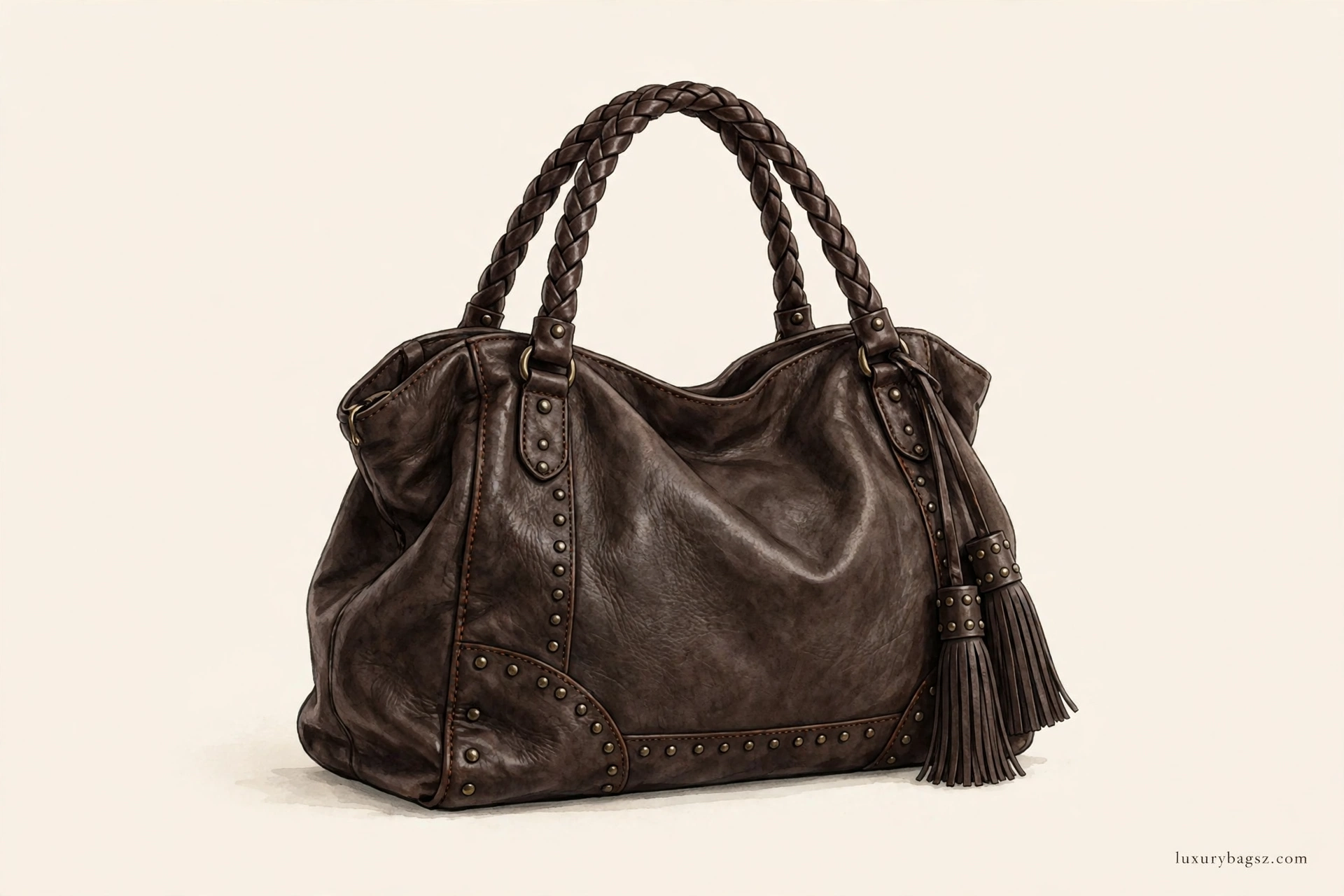
The Balenciaga City bag is a soft, slouchy leather handbag with braided top handles, studded hardware, hanging tassels, and no visible logo. It began as Nicolas Ghesquière's 2001 "motorcycle" design, was first rejected by Balenciaga's executives, and became one of the most famous bags of the 2000s after models and celebrities started carrying it.
It is also known as the Lariat, the Motorcycle bag, and, in its current reissue, Le City. Different names, same idea: a lightweight bag that looks lived-in from day one, in contrast to the stiff, logo-heavy bags that ruled fashion when it arrived.
That relaxed character is both its charm and its buying risk. Soft leather shows wear honestly, early versions used different leathers from later ones, and prices vary widely by size, era, and condition. This guide untangles the names, the sizes, the prices, and the pre-owned checks.
Key Takeaways

- The City bag began as Ghesquière's 2001 motorcycle prototype, rejected by executives, then gifted to models in a run of 25.
- It has several names: Lariat, Motorcycle, City, and the modern Le City reissue, plus the Neo Classic version from Fall/Winter 2020.
- Signature details: slouchy silhouette, braided handles, studs, tassels, and no visible logo.
- Early bags used distressed goatskin; the house switched to softer lambskin around 2007, and later versions use grained calfskin too.
- Current Le City pricing reported by guides runs roughly from $1,890 for mini to $3,250 for XL, with classic sizes around $2,390.
- Pre-owned City bags vary hugely by era, colour, and condition, so check the leather tag, stitching, and hardware before paying.
- Soft leather needs gentle care: wipe, condition lightly, stuff for storage, and keep it out of heat and rain.
The Bag Executives Rejected
In 2000, Balenciaga's parent company asked Ghesquière for a new accessory that could build a bag business. He returned with a prototype that broke every rule of the moment: light, logo-free, soft, slouchy, and finished with studs and tassels.
Executives were not impressed and refused to put it into retail production. At the time, luxury bags were stiff, structured, and loudly branded, and a bag that looked like a vintage flea-market find seemed like a gamble.
Ghesquière did not drop the idea. He persuaded the house to make just 25 pieces and give them to the models walking that season's show, reasoning that at least some people would be happy. That small gift run changed fashion history.
How 25 Gift Bags Became an Icon
Models, including Kate Moss, spotted the prototype in the studio and asked where it came from, mistaking it for a vintage find. Once they carried the gifted bags, demand followed, and executives gave the design the green light.
The bag then became one of the defining accessories of the 2000s. Style figures such as Nicky Hilton, Lindsay Lohan, Nicole Richie, and Sienna Miller carried it, and its slouchy, undone look spread far beyond the runway.
Two decades later, the City is still a house mainstay, surviving two creative-director eras. That staying power matters for buyers: this is not a one-season trend bag, but a design the house keeps returning to.
Names, Versions, and Sizes
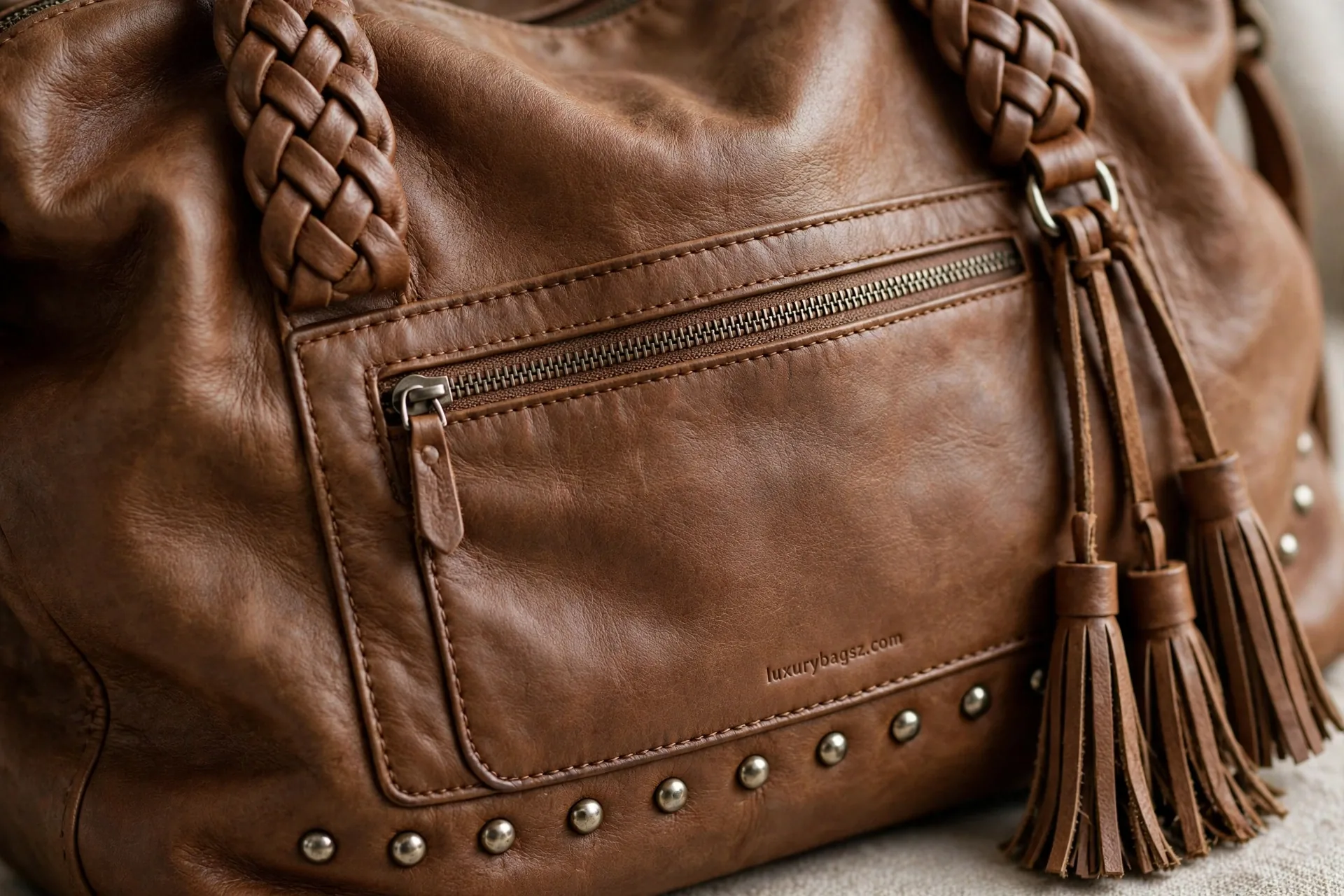
The naming confuses new buyers, so here is the map. "Lariat" was Ghesquière's own name for the design, "Motorcycle" describes the moto-inspired hardware family, and "City" is the size and style name most sellers use today.
"Neo Classic" is the remastered version that debuted for Fall/Winter 2020, keeping the slouchy shape with updated details. "Le City" is the 2024 reissue of the original motorcycle bag, again with the same slouchy lambskin, lariats, and studs.
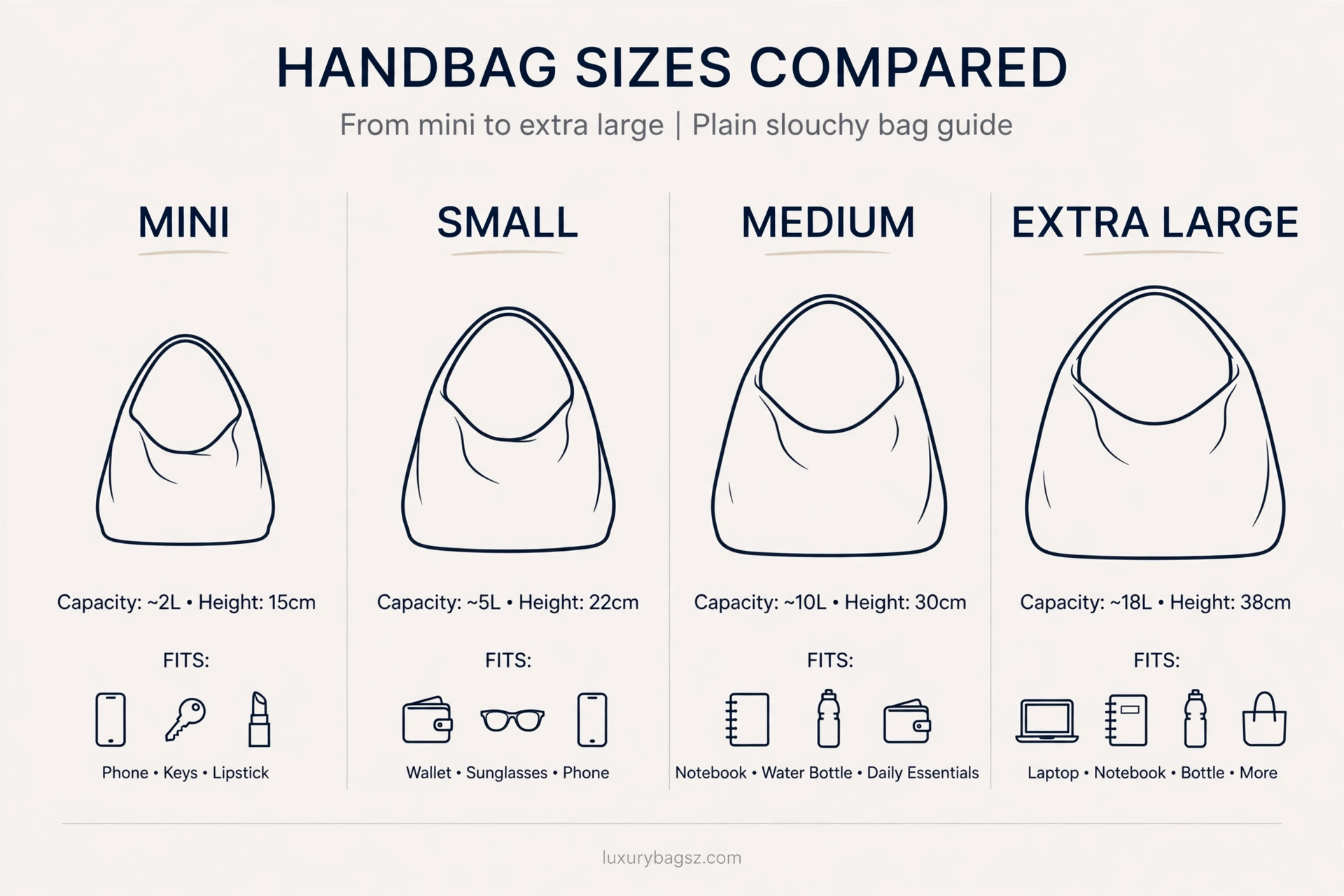
Sizes in the current Le City line run from Mini up to XL. Reported pricing from recent guides puts Mini around $1,890, Classic City around $2,390, and XL around $3,250, while other guides quote roughly $2,700 to $3,000 for current versions. Treat any single price as a snapshot, not a fixed rule, and check current retail before budgeting.
Leather Through the Years
Leather is where era knowledge pays off. Early moto-era bags used distressed goatskin with a deliberately worn, lived-in look, which is part of why early pieces still appeal to collectors.
Around 2007, the house moved toward softer, more durable lambskin, giving later bags a smoother, weightless feel. More recent versions also appear in grained calfskin, which resists scratches better than soft lambskin.
That change matters when you judge condition. Wear on distressed goatskin can look intentional, while the same scuffs on smooth lambskin read as damage. Know which leather your bag claims to be before you judge its wear, and ask the seller to confirm the leather type in writing.
How to Wear and Style the City
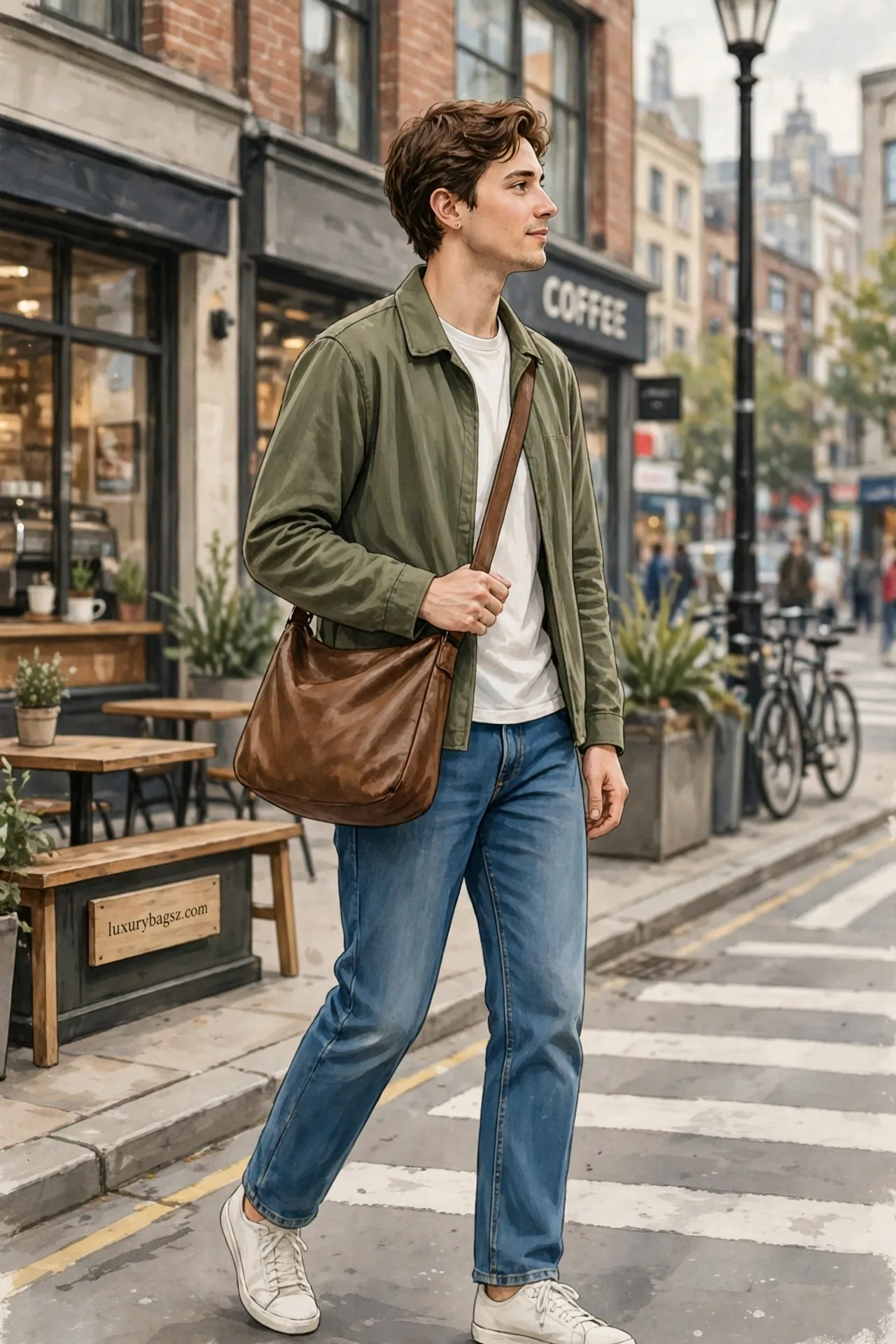
The City works best as an everyday bag with relaxed clothes. Its slouch carries jeans, simple jackets, and soft tailoring well, and the shoulder strap lets you wear it crossbody when you need both hands free.
Size choice shapes the look. Mini and small versions read as evening or light-day bags, while the classic size handles a full daily load without looking bulky. XL suits travel and heavy carry, but it can overwhelm a small frame, so try the size before committing if you can.
Colour changes the bag's character more than most designs. Black and neutrals disappear into any outfit, while the bright and neon colours of the 2010-era releases stand out and can command strong resale interest despite visible wear.
Buying Pre-Owned: Checks That Matter
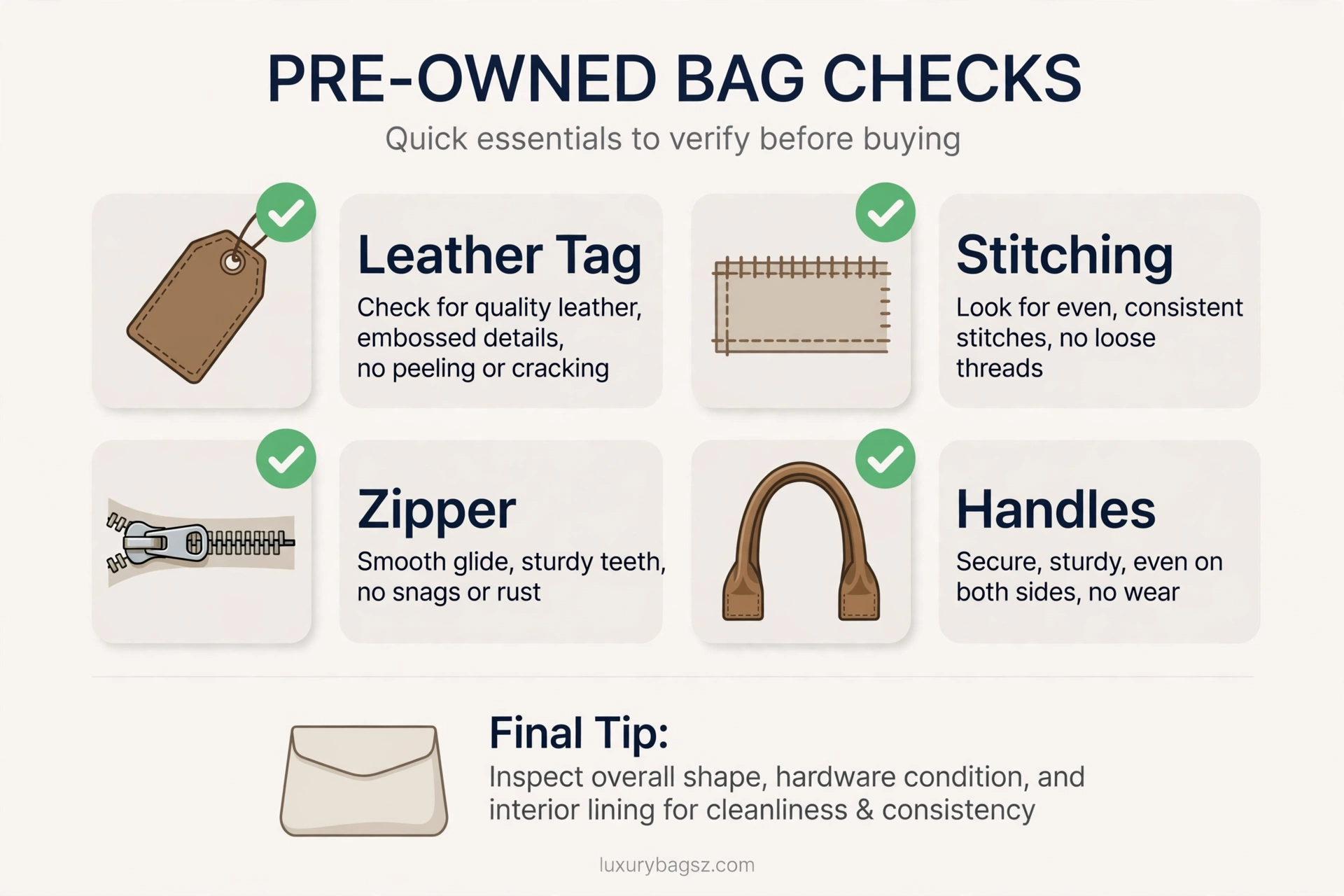
Pre-owned is where most City bags change hands, and it is where care pays most. Start inside: an authentic bag carries a leather tab stamped with letters and numbers, and the stamp style should match the bag's claimed era. If the tab and the era disagree, walk away.
Next, check the metal: rivets and bales should feel weighty with a finish right for the era, and zipper heads should match the period's hardware character. Then look at the handles, where the whip-stitching should be even, intact, and confident.
Condition and completeness set the price. Our guides on how to buy a pre-owned designer bag safely and how to authenticate a pre-owned designer bag lay out the full routine.
Our explainer on what affects a designer bag's resale value explains why colour, rarity, and condition move prices so much. Packaging alone never proves authenticity, since dust bags and cards are easy to source separately.
Caring for Soft Leather
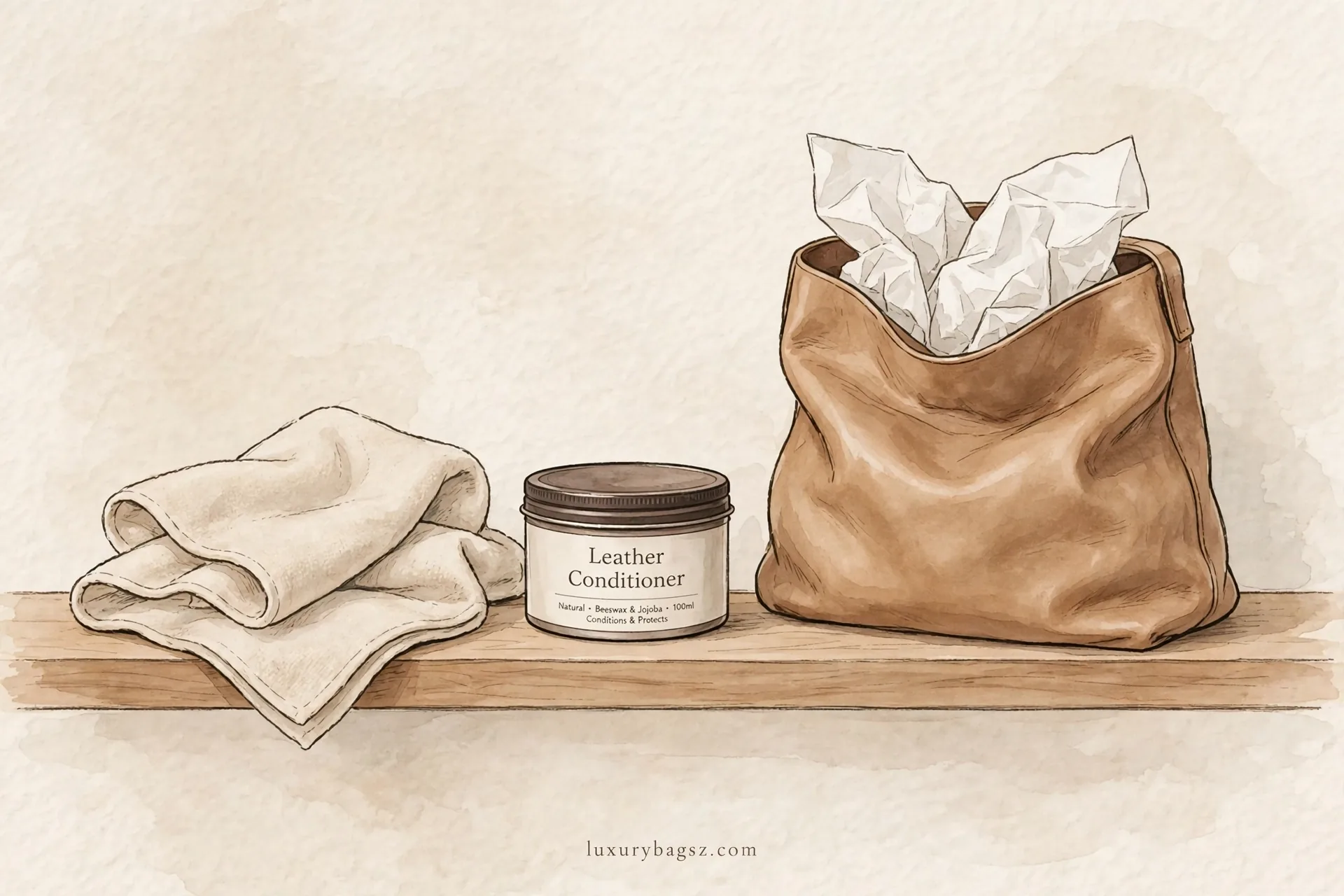
Soft lambskin rewards gentle care and punishes harsh treatment. Wipe with a dry, soft cloth after wear, keep the bag out of rain where you can, and let it air dry at room temperature if it does get wet, never with direct heat.
Condition lightly and only with a product suited to soft leather, testing first on a hidden spot. Heavy oils darken pale colours and can change the leather's feel, so less is more with this bag.
Stuff the bag with tissue paper for storage so the slouchy body does not collapse into deep creases, and store it in its dust bag away from sun and heavy items. Our guide to how to care for leather bags and shoes covers the wider routine, but the City's rule is simple: gentle, light, and consistent.
New or Pre-Owned: Which Route Suits You
Buying new gives you the current Le City or Neo Classic, full packaging, and a known leather, at full retail. It suits buyers who want a specific colour and size and do not want to study era details.
Buying pre-owned opens the moto era, rare colours, and far lower prices, with typical secondhand City bags often selling well below retail. It suits buyers who enjoy the hunt and can run the pre-owned checks, or buy from a seller who does.
Our comparison of buying vintage designer bags vs new weighs the trade-offs in full. Sources disagree on exact launch dating, with some guides saying 2000 and others 2001, since the prototype and the retail launch fall on either side of that line. Either way, the story is the same: a rejected prototype became the house's signature bag.
Hardware, Colour, and What Actually Fits
One choice shapes the whole look of a City: regular hardware or Giant hardware. Regular hardware uses smaller brass studs, rings, and buckles that sit quietly against the leather. Giant hardware, introduced as an option later, scales everything up, with oversized buckles and chunky rings that make the bag read bolder and more rock-and-roll.
Neither is better in itself, and the choice is mostly visual. Giant hardware adds weight and presence, and it tends to stand out more in photos and on the shoulder. Regular hardware suits buyers who want the moto shape without the shout, and it often pairs more easily with formal clothes.
Colour matters as much as hardware with this bag. Black is the classic and the most forgiving, since the distressed leather hides scuffs well. Bright seasonal colours look striking when new, but they show dye transfer from dark denim and wear at the corners faster, so inspect pale and vivid bags closely before buying pre-owned.
The leather itself develops a lived-in look with wear. Soft lambskin creases, slouches, and picks up a gentle sheen where it is handled most, which is part of the bag's character rather than a flaw. Buyers who want a pristine, structured look should look at newer, stiffer versions instead, since the classic City is meant to look broken in.
Capacity is the last practical check. The First is an evening bag that holds a phone, a card case, and keys, and little else. The medium City swallows a wallet, phone, keys, sunglasses, and a small pouch with room to spare. The Work adds a top handle and the space for a tablet or a slim laptop, which is why it suits workdays and travel.
Match the size to your real daily carry, not to the look you admire in photos. A City that is too small will be left at home, and one that is too large will be carried half empty, which spoils the slouch that makes the bag work.
Two small details deserve a final look. The zip pulls and tassels are signature City touches, and replacements are common on well-worn bags. Original pulls match the hardware in tone and weight, while replacements often feel lighter and look slightly off, which also affects resale value. Check the pulls and tassels in daylight photos before committing, since studio lighting hides mismatched tones. Ask the seller for a close photo of each pull if the listing shows only full-bag shots.
Frequently Asked Questions
What is a Balenciaga City bag?
A soft, slouchy leather handbag with braided handles, studs, tassels, and no visible logo, first designed by Nicolas Ghesquière as the motorcycle bag in 2001.
Is the City bag the same as the Motorcycle bag?
Yes, in essence. Motorcycle describes the hardware family, City is the size and style name, and Lariat was Ghesquière's own name for the same design.
What is Le City?
Le City is Balenciaga's 2024 reissue of the original 2001 motorcycle bag, with the same slouchy lambskin, lariats, and studded hardware.
What is the Neo Classic City bag?
A remastered City version that debuted for Fall/Winter 2020, keeping the slouchy shape with updated details under Demna Gvasalia's tenure.
How much does a Balenciaga City bag cost?
Recent guides report roughly $1,890 for Mini, $2,390 for Classic City, and $3,250 for XL in the Le City line, with other guides quoting about $2,700 to $3,000 for current versions.
What leather is the City bag made from?
Early bags used distressed goatskin, the house moved to softer lambskin around 2007, and recent versions also come in grained calfskin.
What size Balenciaga City bag should I buy?
Mini suits light days and evenings, Classic suits everyday carry, and XL suits travel or heavy loads, though XL can overwhelm a small frame.
How do I check a pre-owned City bag?
Check that the interior leather tab stamp matches the claimed era, that hardware feels weighty and era-correct, and that handle whip-stitching is even and intact.
Does a Balenciaga City bag hold its value?
Well-kept bags in sought-after colours can hold value well, and some rare colours sell above retail, but no bag guarantees a return, and condition drives resale most.
How do I care for a City bag?
Wipe with a soft cloth, condition lightly with a suitable product, keep it out of heat and rain, and stuff it with tissue for storage to prevent deep creases.
The City Bag: Era Checks Before Everything
The Balenciaga City bag is a rare fashion story: a rejected prototype, saved by 25 gifted bags, that became a house icon for over two decades. Its slouch, studs, and tassels still read as modern because they were never about logos in the first place.
Buy the size and leather that fit your life, run the era checks on any pre-owned piece, and care for the soft leather gently. Bought that way, the City is a daily bag with real history behind it.
The City is a bag I never judge from photographs alone. The leather tag, the stitching and the hardware have to agree with the era the seller claims — when they do not, the slouch will not save it. More than 500 bags into this work, era checks are the habit I trust most on any pre-owned icon.






