Sold a Fake Designer Bag: How to Get Your Money Back
Sold a Fake Designer Bag: How to Get Your Money Back
You Bought a Fake Bag: Act in This Order
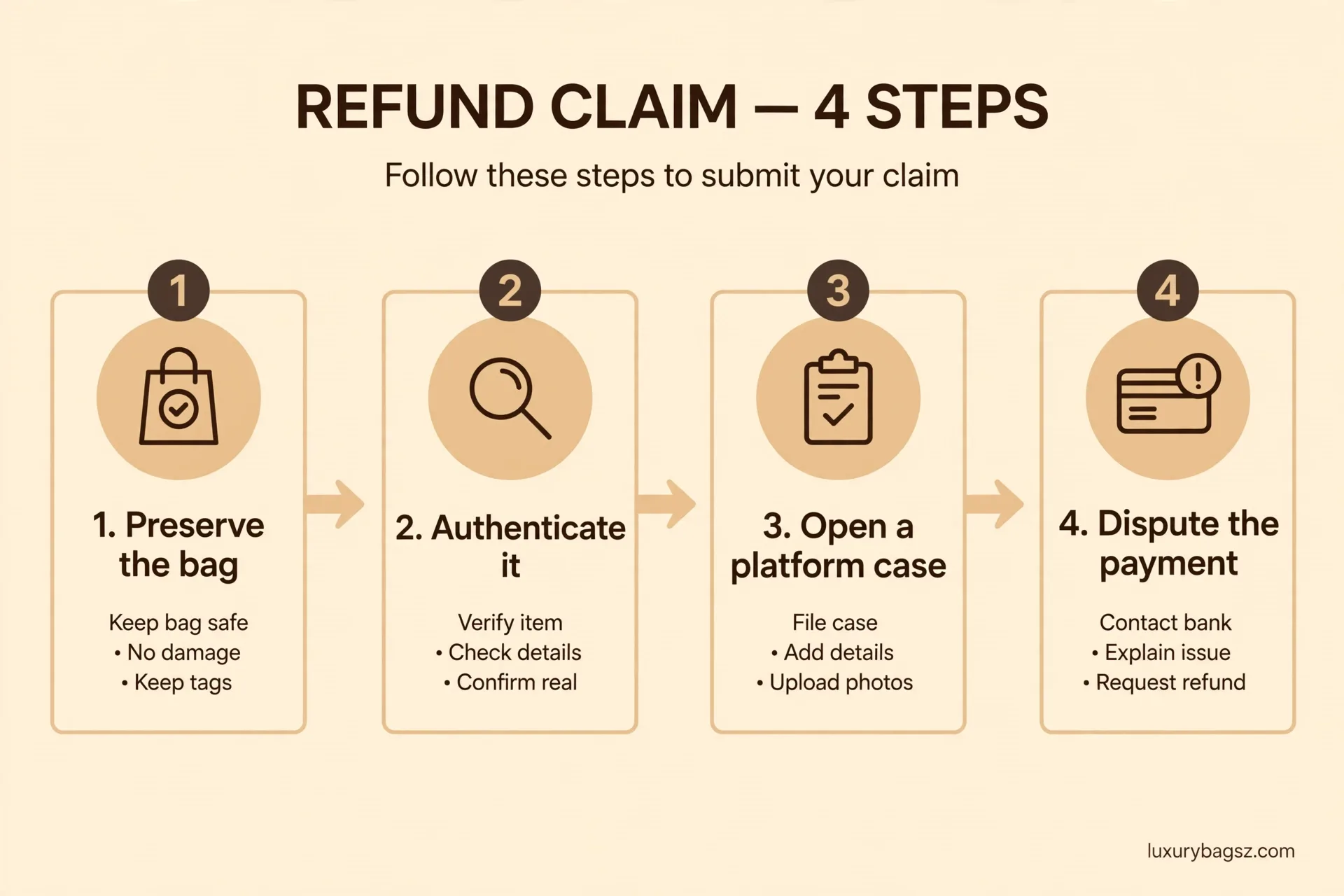
If you were sold a fake bag, what to do first is simple: stop using it, photograph everything, get written authentication, then open a platform case before that deadline closes. Keep your card dispute as your second, later safety net.
Do not post the bag back, clean it or argue at length with the seller before you have evidence. Most refunds are won on paperwork, dates and process, not on how certain you feel about the stitching.
Key Takeaways
- Keep the bag unused, untagged and unrepaired, with all packaging.
- Get a written statement from an independent authentication service.
- Open the platform case first; its deadline is the shorter clock.
- Prepare a card chargeback in parallel; its window is usually longer.
- Return only on the platform label, to the address it gives you.
- Photograph the sealed parcel and keep tracked proof of posting.
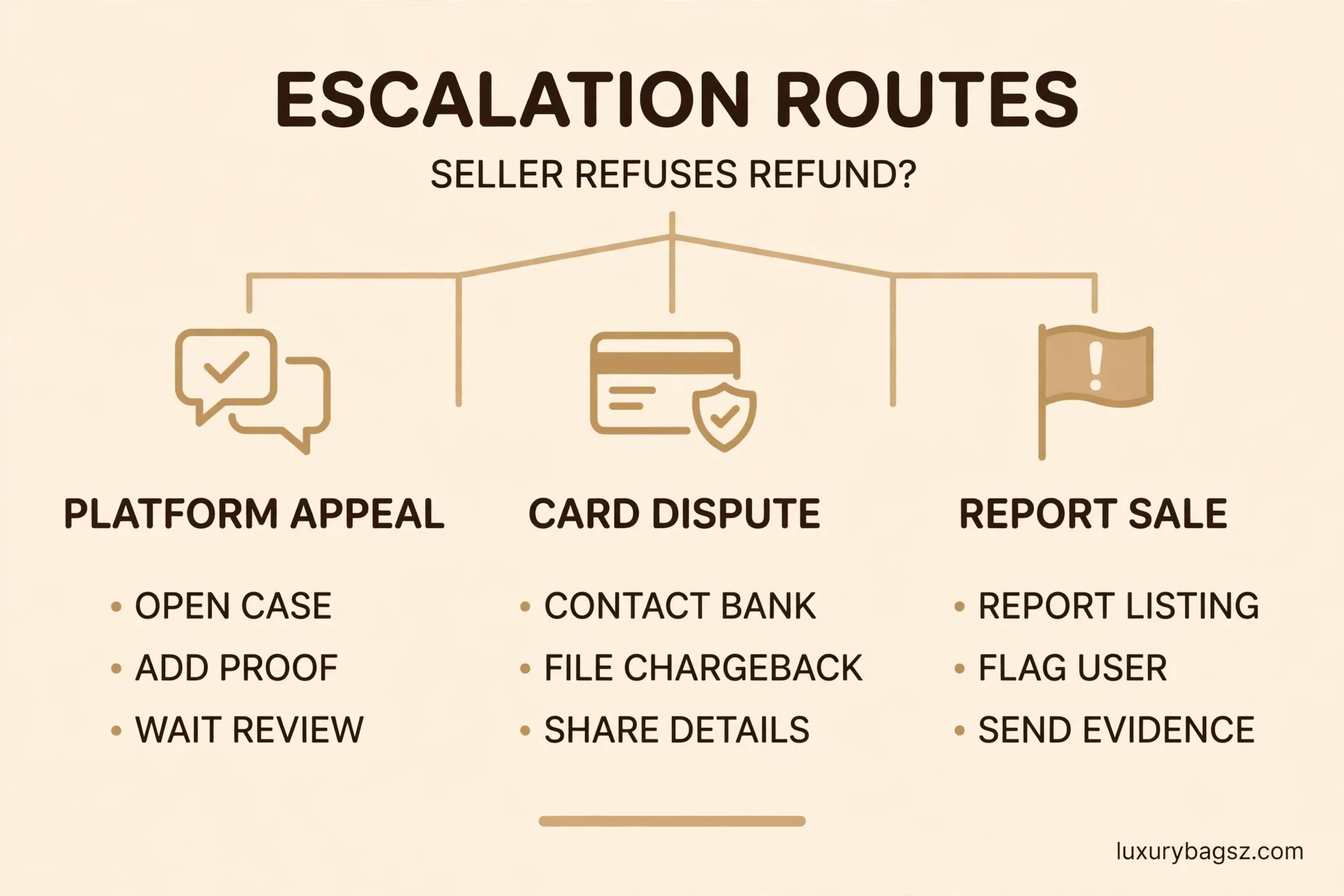
- If one route fails, escalate, charge back and report the sale.
Stop, Preserve and Photograph Everything
Put the bag down and leave it exactly as it arrived. Do not carry it, clean it, condition the leather, repair a zip or remove tags, dust bag or inserts. Any change lets a seller claim the item returned is not the item sent.
Photograph the bag in daylight from every side, then close up on logos, hardware, zips, stitching, lining, labels, date codes or serial stamps, and any flaw that first worried you. Photograph the parcel, labels and packaging too.
Save the listing before it disappears. Screenshot the title, photos, description, stated brand, condition claims, price, seller name and order page. Save receipts, delivery notices and every message in one folder, dated.
If you are still learning the checks, work through how to authenticate a pre-owned bag and note each point where your bag differs from the genuine model.
Get Written Independent Authentication
Your own opinion, however experienced, is rarely enough. Platforms and card issuers need a neutral expert in writing, because the seller will usually reply that the bag is genuine and the dispute becomes one word against another.
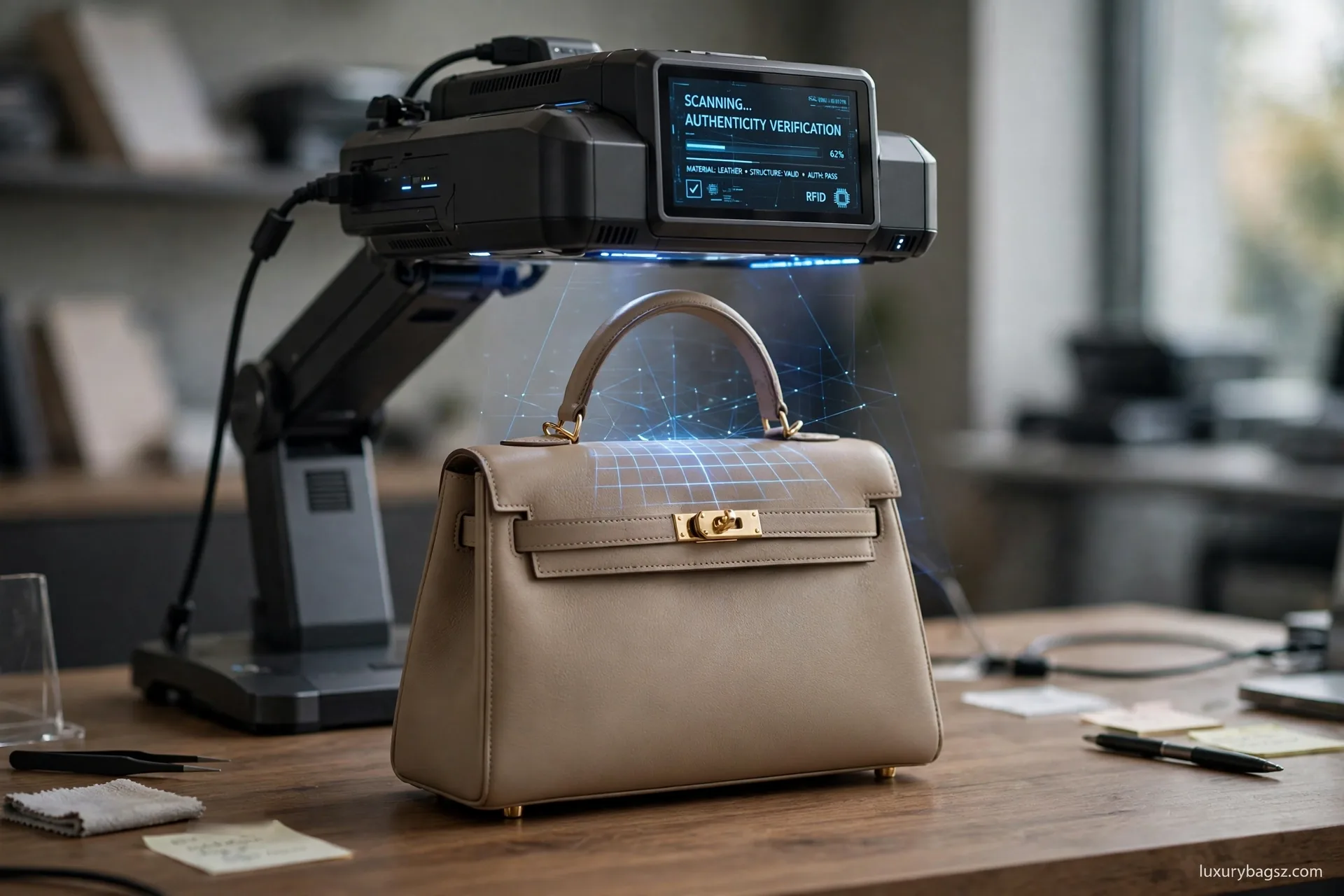
Use an established independent authentication service that offers a formal written statement for disputes, not just a quick yes-or-no verdict in a message. Ask before paying whether the statement can be used with platforms and issuers.
A useful statement names the service and authenticator, the brand and model examined, the date, the photos or physical inspection it was based on, the specific features that fail, and a clear conclusion that the item is not authentic. Add a reference number and verifiable contact details, and keep the invoice.
Our own authentication process explains what a careful examination covers. A brand boutique will seldom authenticate in writing, so do not waste your shortest deadline waiting for one.

The Two Clocks: Platform Deadline First, Card Deadline Second
Two separate deadlines run from the start, and mixing them up is the costliest error. The platform return or dispute window is short and closes first. The card dispute window is longer, but it is not a reason to wait.
| Clock | Starts | Typical length | Action |
|---|---|---|---|
| Platform case | Delivery or order date | Days to a few weeks, varies | Open case, upload evidence |
| Card dispute | Payment or delivery date | Typically 120 days | File chargeback with issuer |
| UK credit claim | Date of purchase | Check with your provider | Claim against card provider |
Card windows are approximate. Networks and issuers commonly work to around 120 days from payment or expected delivery, but your own issuer sets the exact date. Ask early and diarise the date it gives you.
A Worked Timeline Example
Say the bag arrives on 1 March and the platform gives you 14 days from delivery to raise a concern. Your platform date is 15 March. Your card window, if your issuer confirms 120 days from payment on 25 February, runs to late June.
So you photograph and authenticate in the first week, open the platform case well before 15 March, and follow its return steps. If it rules against you on 2 April, you still have most of your card window left to file.

Open the Platform Case First
Open the case inside the platform where you bought the bag, not only in private messages with the seller. Upload the written authentication, your dated photos, the listing screenshots and a short factual note of what was misdescribed.
Two rules apply almost everywhere. Never mark the order complete, confirm receipt as satisfactory, or leave positive feedback before your claim is settled, as that can close or weaken the case. And never return off your own bat.
eBay
On eBay, open a return from your purchases, choosing that the item does not match the description or is not authentic. A counterfeit is covered by eBay Money Back Guarantee even where a seller lists no returns, subject to its terms.
Vestiaire Collective and The RealReal
On Vestiaire Collective, report the concern from your order as soon as the bag arrives and before the re-listing or acceptance prompt runs its course. Keep the control tag attached, as removing it can end your right to return.
The RealReal handles authenticity complaints through its customer service and order process rather than a seller chat. Contact it at once, keep its tag on, and follow its return instructions exactly, as its standard return window is short.
Poshmark and PayPal
On Poshmark, open a case from the order within its short window after delivery and do not accept the order first. Funds are held while a case is live, so speed matters more here than on any other platform listed.
If you paid through PayPal, open a dispute in its Resolution Centre for an item significantly not as described, then escalate it to a claim within the deadline PayPal gives you. A dispute left unescalated can close without a decision.
Wherever you bought, return only on the platform label, to the address on that label. Photograph the bag inside the open parcel, the sealed parcel and the label, and keep the tracked receipt until the refund clears.
Build Your Chargeback Evidence Pack
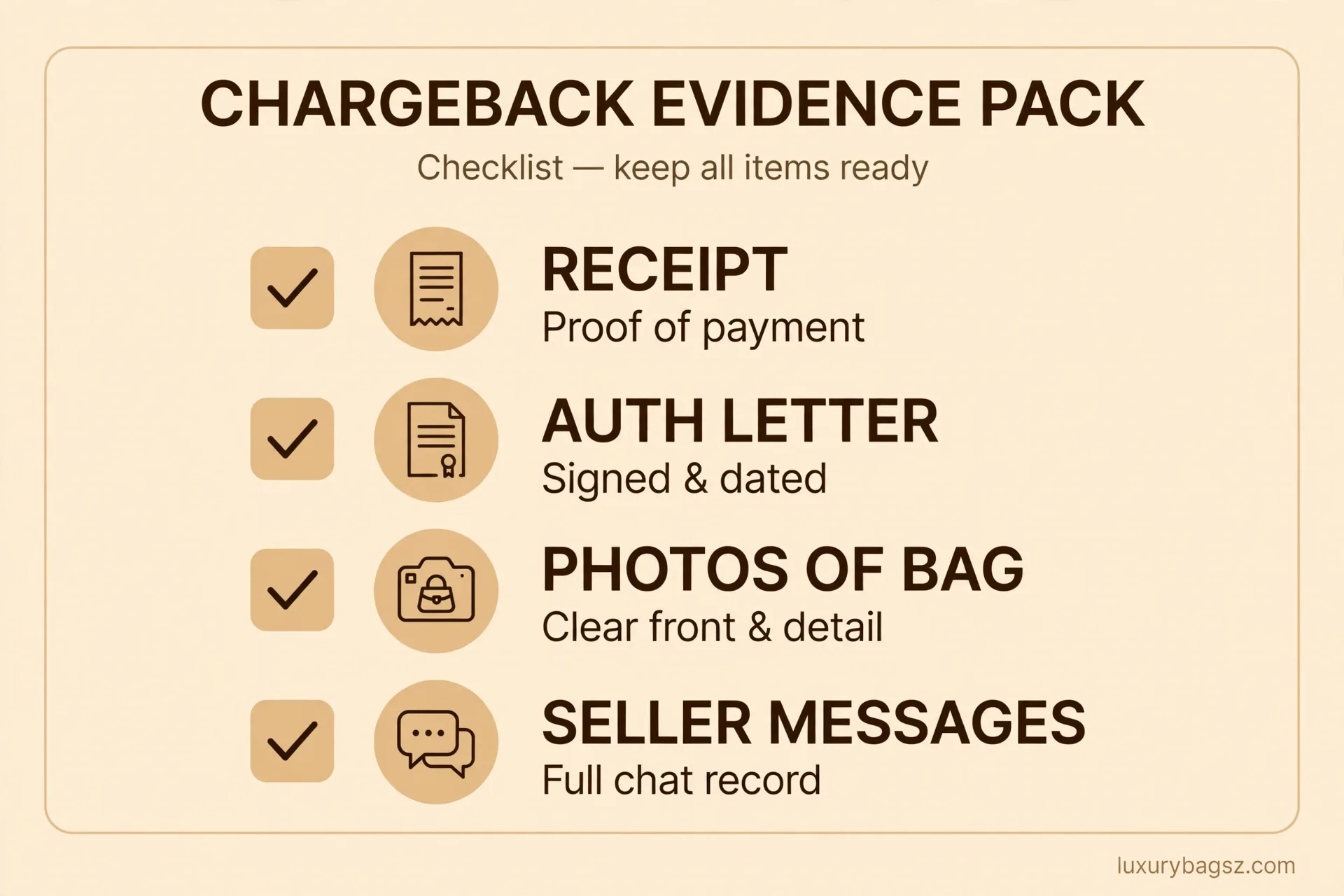
If the platform route fails, or you bought from a website with no real dispute process, go to the bank or card issuer that took your payment. Ask to dispute the transaction because the goods were counterfeit and not as described.
- Order confirmation, receipt and proof of payment amount and date.
- Listing screenshots showing the bag sold as a genuine branded item.
- Written independent authentication statement and its invoice.
- Your dated photos of the bag, labels, packaging and faults.
- Copies of messages with the seller and the platform case outcome.
- Proof of return, tracking and delivery, if a return was approved.
- A short dated timeline of purchase, delivery, discovery and claim.
Some issuers ask for proof that the bag was destroyed or returned, because counterfeit goods should not go back into circulation. Do not destroy or return anything until the issuer tells you in writing which it needs.
If You Paid by Credit Card in the UK
For a credit card purchase over £100 and up to £30,000, you may be able to claim against the card provider as well as the seller under Section 75 of the Consumer Credit Act, because the bag was misrepresented as genuine.
That route can help even when the seller has vanished, and it can cover a single item even if only part of the price went on the card. If the provider refuses, ask for a final response and consider the Financial Ombudsman Service.
If You Paid by Debit Card, or You Are in the US
Debit card payments are not covered the same way, but your bank can usually try a chargeback under the card network rules for goods not as described. Ask promptly, as the same approximate 120-day thinking often applies.
In the US, credit card billing error and dispute rights let you challenge a charge for goods that were not as described. Write to the issuer, keep proof of posting, and also dispute inside its app or by phone so the date is logged.
A Message You Can Copy and Adapt
Keep the first message short, polite and factual. Long arguments about fakes in general help no one. Send it through the platform so it forms part of the case record, and adapt the brackets to your order.
Hello, the bag from order [number], delivered on [date], is not authentic. An independent authentication service examined it on [date] and concluded in writing that it is not genuine, for the reasons in the attached statement.
The listing described the bag as an authentic [brand and model], so I am asking for a full refund of [amount] to my original payment method. I have kept the bag unused, with its tags and packaging, ready to return as instructed.
Please confirm the approved return method by [platform deadline date]. If I do not hear from you by then, I will ask the platform to step in and will dispute the payment with my card issuer. Thank you.
When the Seller Refuses, Disappears or Wins the First Decision
Seller Refuses or Disappears
Stop negotiating and move up a level. Ask the platform to step in, file the card dispute with your evidence pack, and report the seller account. A vanished seller is exactly the situation card protection was designed for.
Platform Sides With the Seller
Appeal once if the platform allows it, adding anything genuinely new, such as a fuller authentication statement. Then file your card claim without waiting for the appeal to drift, and tell the issuer a platform case was refused.
You Paid Off-Platform or by Bank Transfer
This is the hardest case, as transfers carry little buyer protection. Contact your bank at once and ask it to try a recall and flag the receiving account as fraud. Report the sale, keep every message, and do not pay any recovery fee.
It is also why buying a pre-owned bag safely means staying on the platform and on card. A discount for paying privately is the oldest trick in counterfeit selling.
The Return Window Has Already Closed
Still open a case and ask; some platforms treat counterfeits differently from change-of-mind returns. If it refuses, your card clock may still be running, so file there. In the UK, a seller who sold a fake has also misled you as a consumer.
Seller Demands Return to a Different Address
Do not do it. Returning to an address the seller gives in messages, instead of the platform label address, can leave tracking that the platform cannot accept, and your refund can be refused. Insist the return goes through the case.
Mistakes That Can Kill a Valid Claim
- Using the bag, even once, or removing tags and seals.
- Cleaning, conditioning or paying for a repair before claiming.
- Posting it back without approval, tracking or the platform label.
- Accepting the order or leaving positive feedback too early.
- Arguing for weeks while the platform deadline quietly expires.
- Re-selling the bag on as genuine to recover the money yourself.
Knowingly re-selling a fake as genuine is unlawful, so an unrefunded bag is a loss, not stock. For your next purchase, use the checks in where to buy designer fashion and favour sellers and platforms with a written authenticity guarantee and a clear returns route.
Report the Fake So It Stops With You
Report the listing and seller inside the platform, even after a refund. In the UK, report the seller to Trading Standards through Citizens Advice and report suspected fraud to Action Fraud. Keep your case references together.
In the US, report the sale at ReportFraud.ftc.gov. Most major brands also run counterfeit reporting pages or tip lines, and a report with listing links and seller names helps them remove repeat sellers and copycat shops.
Frequently Asked Questions
Can I Get a Refund If I Bought the Bag Weeks Ago?
Often, yes. The platform window may have closed, but your card dispute window is usually longer, typically around 120 days. Check the exact date with your issuer and file with your written authentication and timeline.
Do I Have to Return a Fake Bag to Get a Refund?
Sometimes. Follow the platform or issuer instruction exactly and return only on an approved, tracked label. Some issuers instead ask for proof of destruction, as counterfeit goods should not be recirculated or re-sold.
Will a Seller Refund Me Without Proof It Is Fake?
A good seller may, but many will not, and platforms rarely rule for a buyer on opinion alone. A written statement from an independent authentication service is the single piece of evidence that most changes outcomes.
What If I Paid by Bank Transfer or in Cash?
Ask your bank to attempt a recall at once and report the sale as fraud. Recovery is far less likely than with a card, which is why large bag purchases should always stay on a platform and on a card.
Is Selling a Fake Bag Illegal for the Seller?
Selling counterfeit goods as genuine breaches consumer and trade mark law in the UK and the US. That is why reporting to Trading Standards, Action Fraud or the FTC, and to the brand, is worth doing even after a refund.
Final Verdict
Refunds for fake designer bags are rarely won by the buyer who argues loudest. They are won by the buyer who preserved the bag, got authentication in writing, beat the platform deadline and kept the card route ready.
Work the order in this guide and do not let a first refusal end the claim. With evidence and both clocks on your side, most buyers have a real route to their money.