What Is Selvedge Denim? Sanforized, Unsanforized, and One-Wash Explained
Selvedge, Sanforized, and One-Wash in Brief
Selvedge denim is denim woven on old shuttle looms in narrow widths, with a self-finished edge that will not fray. Sanforized denim is denim that has been mechanically pre-shrunk, so it barely shrinks after you buy it. One-wash denim is denim, usually unsanforized, that has been washed once by the maker to remove its first shrinkage before sale.
These three terms describe different things, and mixing them up causes most sizing mistakes. Selvedge describes how fabric is woven. Raw describes whether it has been washed. Sanforized and one-wash describe how shrinkage has been handled.
For a first pair, buy sanforized or one-wash selvedge. You get the selvedge look and the raw fade potential without the shrink-to-fit gamble. Unsanforized, or loomstate, denim suits experienced buyers who enjoy soaking, measuring, and breaking in a stiff pair from scratch.
Key Takeaways
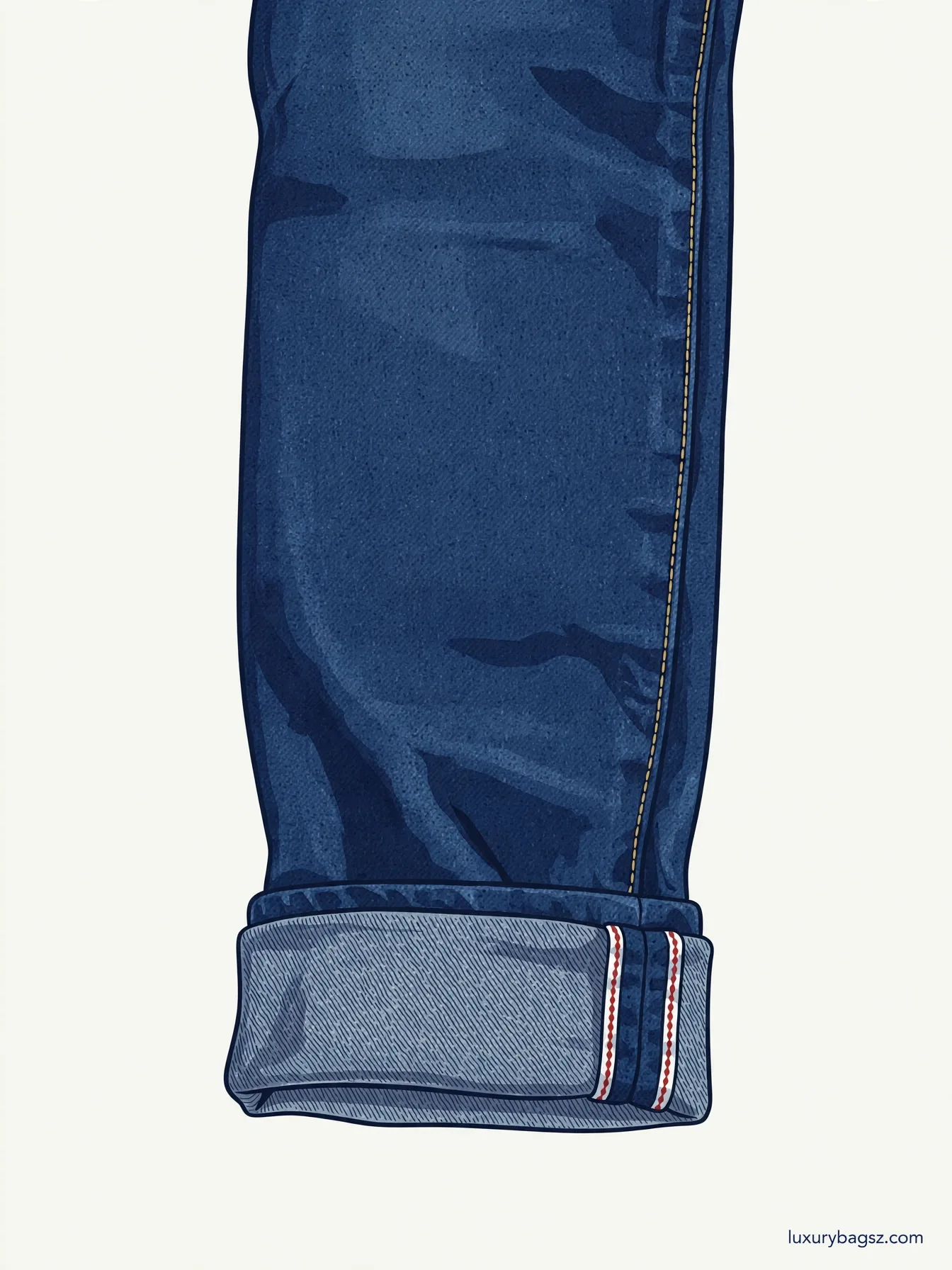
- Selvedge means self-edge: shuttle-loom denim with a finished edge, usually visible on a turned-up cuff.
- Raw means unwashed, not selvedge: raw denim can be selvedge or non-selvedge, and selvedge can be washed.
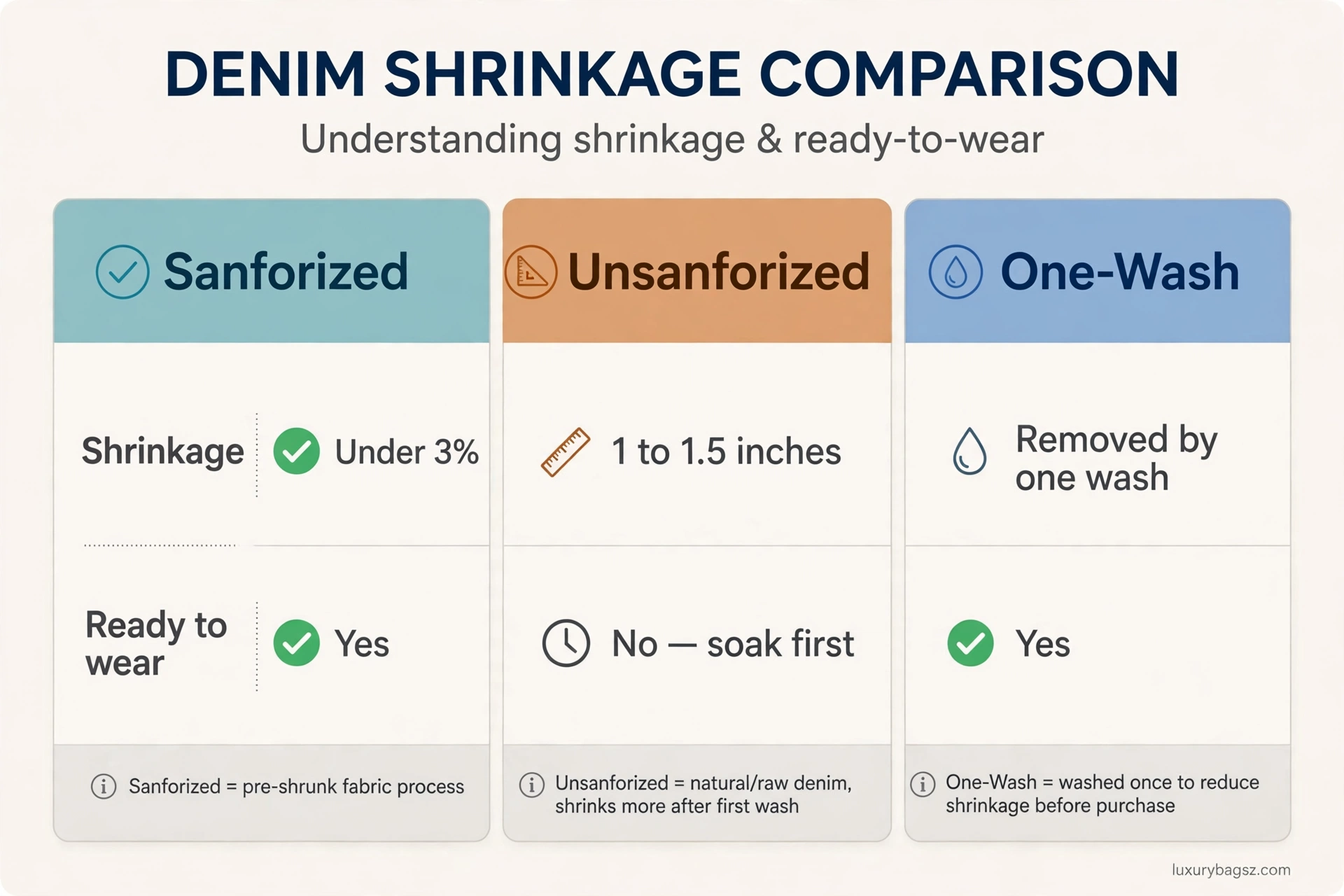
- Sanforized denim is mechanically pre-shrunk with heat, steam, and pressing, limiting later shrinkage to under 1 to 3 percent.
- Unsanforized denim, or loomstate, has had no pre-shrinking and can shrink 1 to 1.5 inches in waist and length.
- One-wash denim has been washed once to remove initial shrinkage while keeping raw character and texture.
- One-wash is not stonewashed: stonewashing artificially ages denim, while one-washing only removes shrinkage.
What Selvedge Actually Means
Selvedge comes from self-edge. On a shuttle loom, a single weft yarn travels back and forth across the fabric, looping at the edge instead of being cut. That looped edge finishes itself, resists fraying, and often carries a coloured thread, classically white with red, for identification.
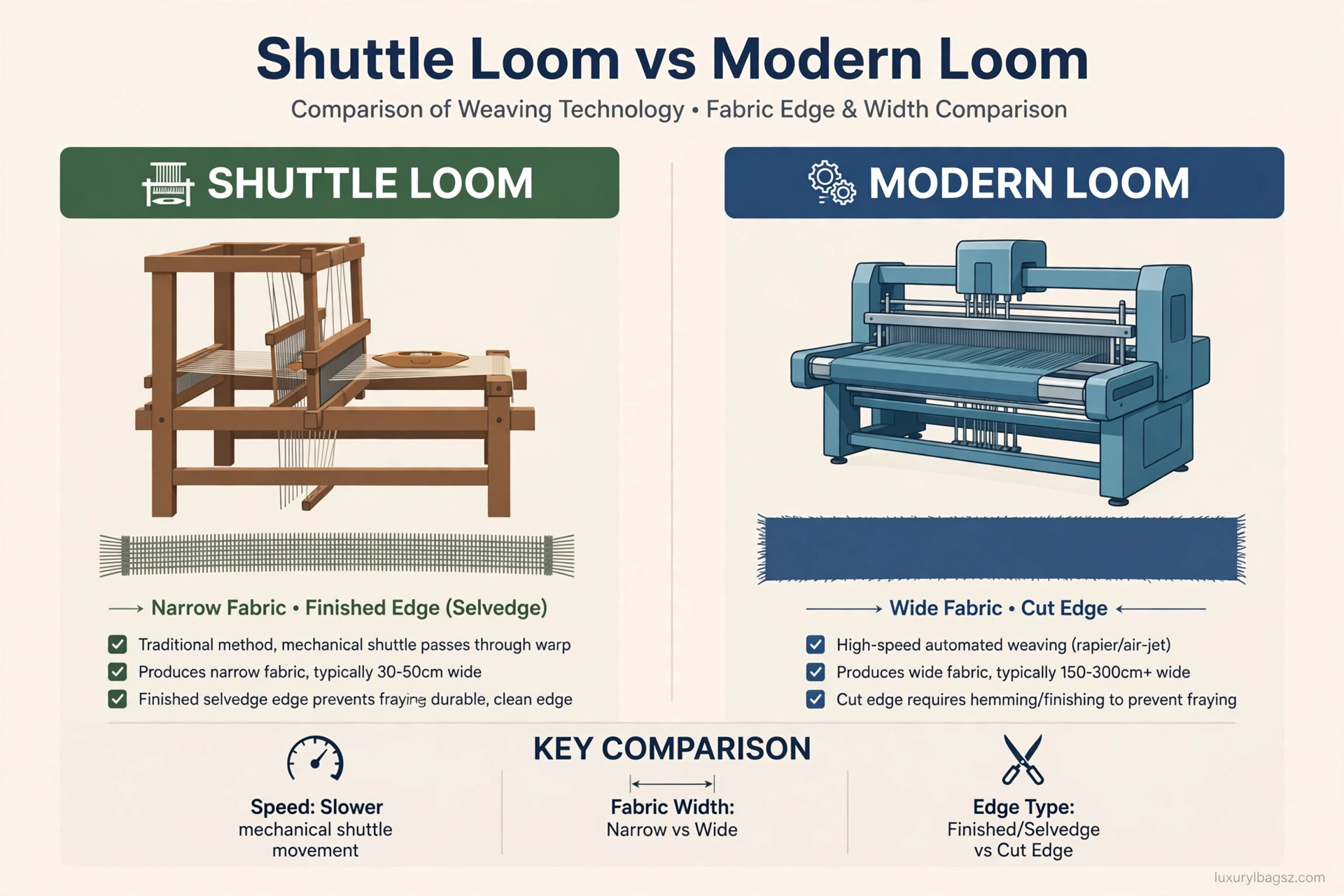
Shuttle looms weave slowly, in narrow widths of around one yard, compared with modern projectile looms that weave wide fabric fast. That slowness costs more, which is why selvedge jeans cost more, and why makers charge a premium for the edge alone.
The continuous weft also makes selvedge slightly stronger than wide-loom denim, since the edge yarn does not end at the seam. In practice, the strength difference is small; the real value of selvedge is the look, the heritage, and the slower, denser weave.
Shuttle Looms vs Modern Looms
Modern looms prioritise speed and width. They cut the weft at each pass, leaving raw edges that must be overlocked or hidden in seams. That is perfectly functional, and it is how most jeans in the world are made.
Shuttle looms prioritise edge and density. Their slow shuttle produces a tighter, more characterful fabric, with slight irregularities that enthusiasts prize. Japanese mills kept shuttle looms alive when most Western mills scrapped them, which is why Japanese selvedge dominates the premium market.
Do not assume selvedge automatically means better jeans. A well-made non-selvedge jean in good denim beats a poorly cut selvedge jean every time. Selvedge is a fabric choice, not a quality guarantee.
What Raw Denim Means, and Why It Confuses Buyers
Raw, also called dry denim, means denim that has not been washed or distressed at the factory or mill. It is stiff, dark, and starchy at first, then softens and fades with wear into a pattern unique to its owner.
Raw is not the same as selvedge, and selvedge is not the same as raw. Most selvedge denim is sold raw, and most truly raw denim is selvedge, because the same buyers like both, but the terms describe different stages: weaving versus washing.
Also note that not all unfaded jeans are raw. Most high-street jeans, even dark ones, have been washed at the factory to remove starch and soften the hand. If a jean feels soft and lived-in from day one, it is probably not raw, whatever the colour suggests.
Sanforized Denim: Pre-Shrunk and Ready to Wear
Sanforization, invented in the 1920s, is a mechanical process that pre-shrinks fabric before cutting. Fabric is moistened, stretched, steamed, and pressed through a sanforizing machine, locking in expanded dimensions so later washing shrinks it far less.
Sanforized denim typically shrinks under 1 to 3 percent after purchase, which means the fit you try on is close to the fit you keep. After washing, sanforized jeans often stretch slightly back to body shape within a few wears.
The trade-off is texture. Sanforization can smooth denim slightly, softening the hairy, loomstate character that purists love. For most first-time buyers, that is a price worth paying for predictable sizing.
Unsanforized Denim: Loomstate and Shrink to Fit
Unsanforized denim skips sanforization entirely. It leaves the loom in its loomstate form, stiff, textured, and full of future shrinkage, and it is the form Japanese artisan makers most often favour for character.
Expect shrinkage of roughly 1 to 1.5 inches in waist and length on the first soak or wash, with variation by fabric. That is why unsanforized jeans are often sold as shrink to fit: you buy large, soak, and let them shrink to your size.
The reward is texture and fade. Unsanforized denim keeps its original hairiness and develops high-contrast fades that sanforized denim rarely matches. The cost is homework: measuring, soaking, and accepting that the first fit is a guess, not a promise.
One-Wash Denim: The Middle Path
One-wash denim is made from selvedge, usually unsanforized, that is cut, sewn, and then washed once by the maker. That single wash removes the initial shrinkage, softens the starch, and leaves the raw character largely intact.
One-wash is not the same as washed or stonewashed denim. Stonewashing uses stones, enzymes, or bleach to artificially age and fade fabric. One-washing uses a careful rinse to take shrinkage out, without trying to age the jean.
For many buyers, one-wash is the sweet spot. You keep the unsanforized texture and fade potential, but you buy your true size and wear the jeans immediately, with no soaking ritual and no sizing gamble.

Sizing Each Type Without Guesswork
For sanforized raw denim, buy your true waist size, or size down one if the maker advises, since raw denim stretches with wear. Check the maker's size chart, since vanity sizing varies wildly between brands.
For one-wash denim, buy your true size. The maker has already removed shrinkage, so the jean should fit as tried on, then stretch slightly at waist and knees before settling.
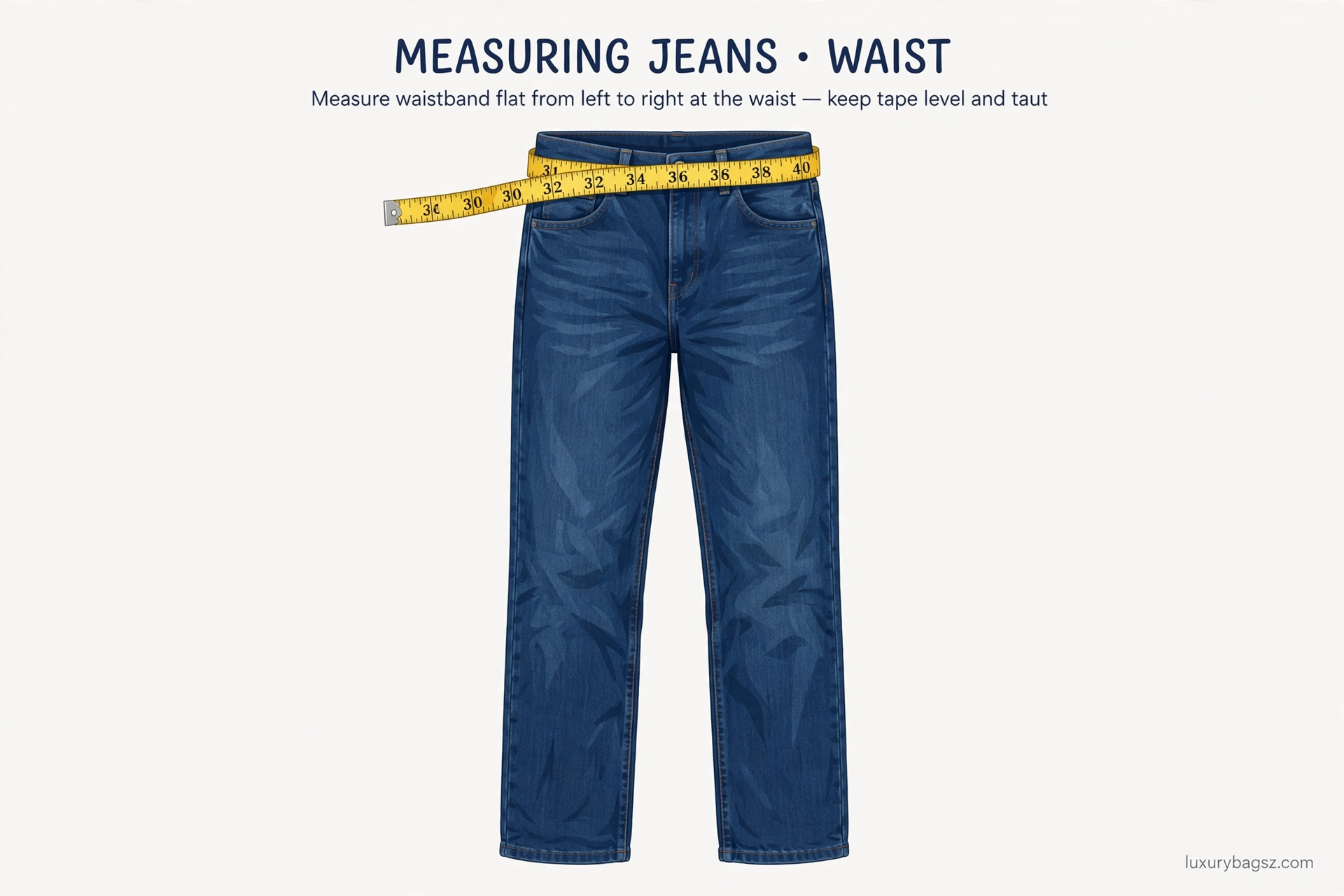
For unsanforized denim, follow the maker's shrink-to-fit guidance, usually buying one to two sizes up in waist and length, then soaking in warm water and air drying. Measure before and after, and never put a first soak in a hot dryer unless you want maximum shrinkage.
Fading, Care, and How Long Raw Denim Lasts
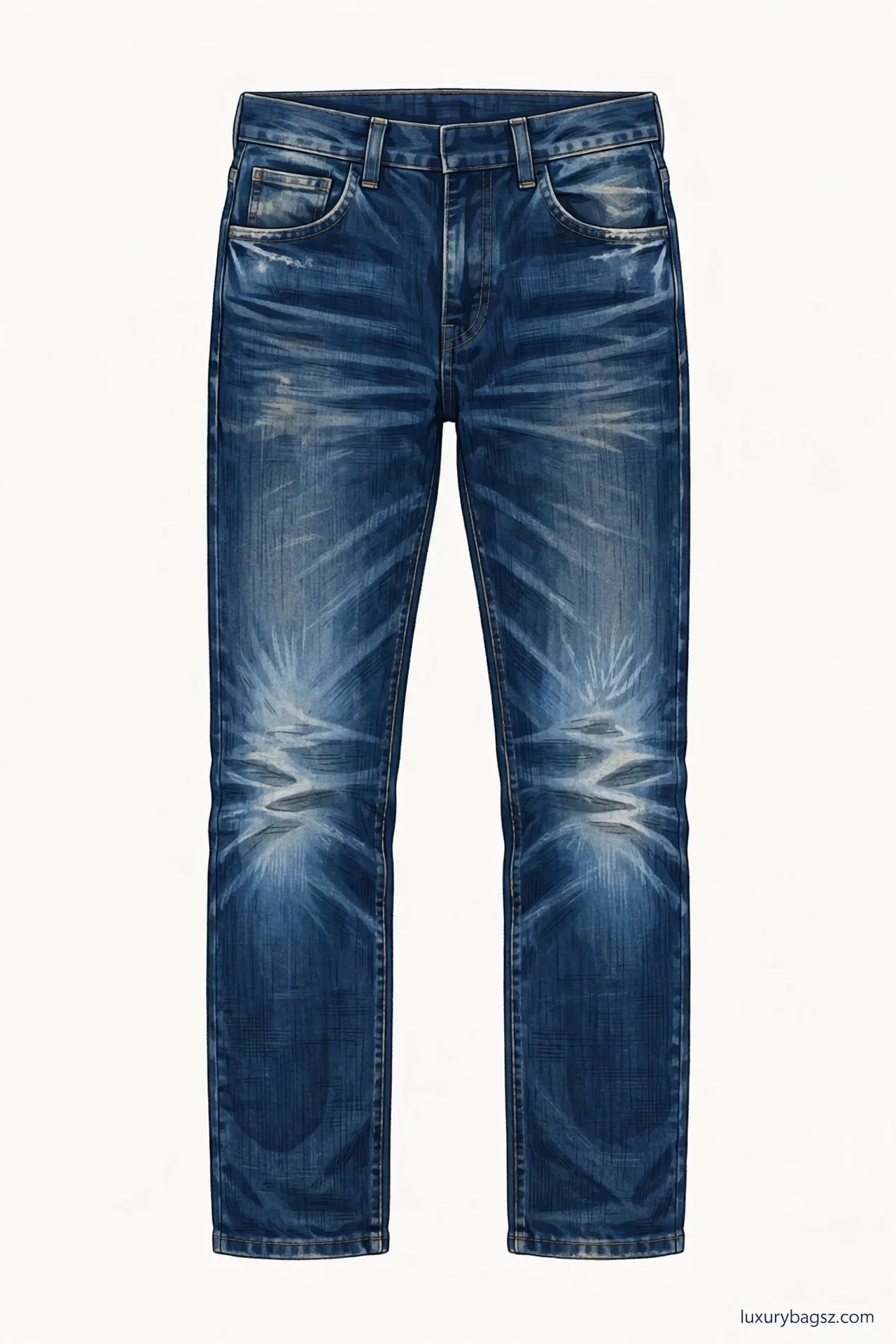
Raw denim fades where it bends and rubs: whiskers at the hips, honeycombs behind the knees, and wallet and phone marks at the pockets. That fade map is personal, which is why raw enthusiasts wear jeans for months before the first wash.
Wash raw denim sparingly, inside out, in cold water, and air dry. Each wash removes indigo and softens texture, so washing monthly versus yearly produces very different jeans from the same starting pair.
With care, selvedge jeans last many years and can be repaired, patched, and resewn rather than replaced. The selvedge edge itself rarely fails first; knees, pockets, and crotch wear usually decide a jean's life, whatever loom wove it.
Which Should You Buy First?
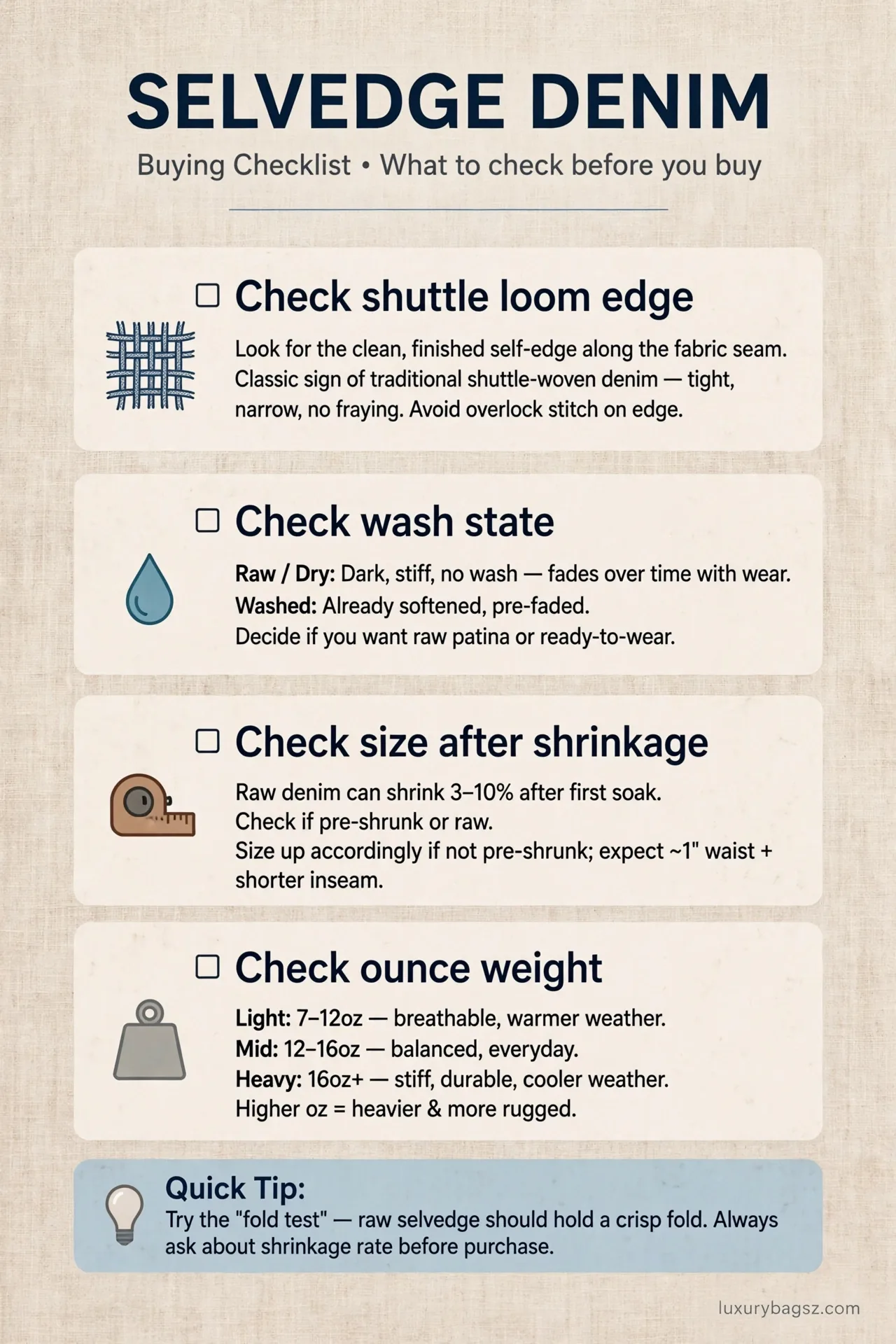
Buy sanforized selvedge if you want selvedge style with the least fuss. It fits predictably, fades well, and teaches you raw denim care without a sizing experiment.
Buy one-wash selvedge if you love unsanforized texture but dislike soaking rituals. It is the recommendation most experienced sellers give first-time selvedge buyers, and it rarely disappoints.
Buy unsanforized only if you enjoy the process itself: measuring, soaking, breaking in stiffness, and watching high-contrast fades develop. If that sounds like a chore, it will feel like one, and sanforized or one-wash will make you happier.
Frequently Asked Questions
What is selvedge denim?
Selvedge denim is woven on shuttle looms with a self-finished edge that will not fray, usually visible when you turn up a cuff. The edge often shows a coloured thread, classically white with red.
Is selvedge denim better quality?
Not automatically. Selvedge describes the loom and edge, not the cut, stitching, or fit. A well-made non-selvedge jean can beat a poorly made selvedge jean.
What does sanforized mean?
Sanforized means mechanically pre-shrunk with heat, steam, and pressing before cutting, so later washing shrinks the fabric only slightly, usually under 1 to 3 percent.
What is unsanforized denim?
Unsanforized, or loomstate, denim has had no pre-shrinking treatment. It is stiff and textured, and it shrinks significantly, often 1 to 1.5 inches in waist and length, on its first wash.
What is one-wash denim?
One-wash denim has been washed once by the maker to remove initial shrinkage while keeping raw character. It is not stonewashed, which artificially ages denim.
Is raw denim the same as selvedge?
No. Raw means unwashed, while selvedge means shuttle-loom woven. Most selvedge is sold raw, but the terms describe different things and can appear separately.
How much will unsanforized jeans shrink?
Typically 1 to 1.5 inches in waist and length on the first soak, though exact shrinkage varies by fabric. Always follow the maker's guidance and measure before and after.
Should I size up for selvedge jeans?
For sanforized or one-wash, buy your true size. For unsanforized shrink-to-fit jeans, buy one to two sizes up as the maker directs, then soak to shrink them to fit.
Does selvedge denim fade better?
Selvedge denim, especially unsanforized, often develops high-contrast fades because of its dense weave and texture. Fading depends more on wear and washing than on the selvedge edge itself.
How do I wash raw selvedge jeans?
Wash sparingly, inside out, in cold water, and air dry. Frequent hot washing removes indigo faster and softens the texture that raw buyers want to preserve.
Summary
Selvedge tells you how denim was woven, sanforized tells you it was pre-shrunk, and one-wash tells you it was washed once to remove shrinkage. Keep those three ideas separate, buy sanforized or one-wash for your first pair, and save unsanforized loomstate denim for when you enjoy the ritual as much as the result. Your jeans, and your waist measurement, will thank you.