Office Wardrobe Essentials: The 12-Piece Work Edit That Mixes and Matches
The Office Edit in Brief: Twelve Pieces, Weeks of Outfits
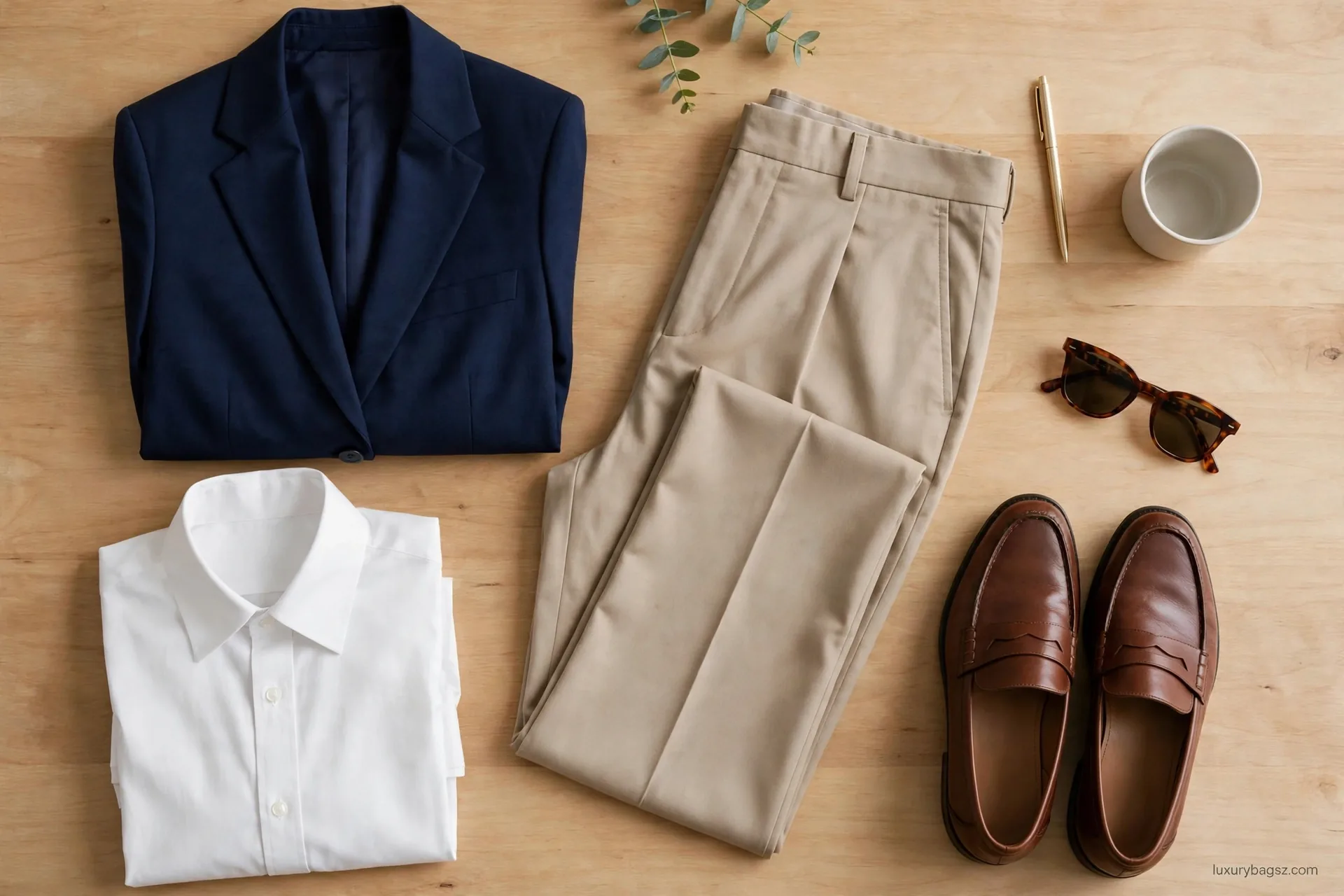
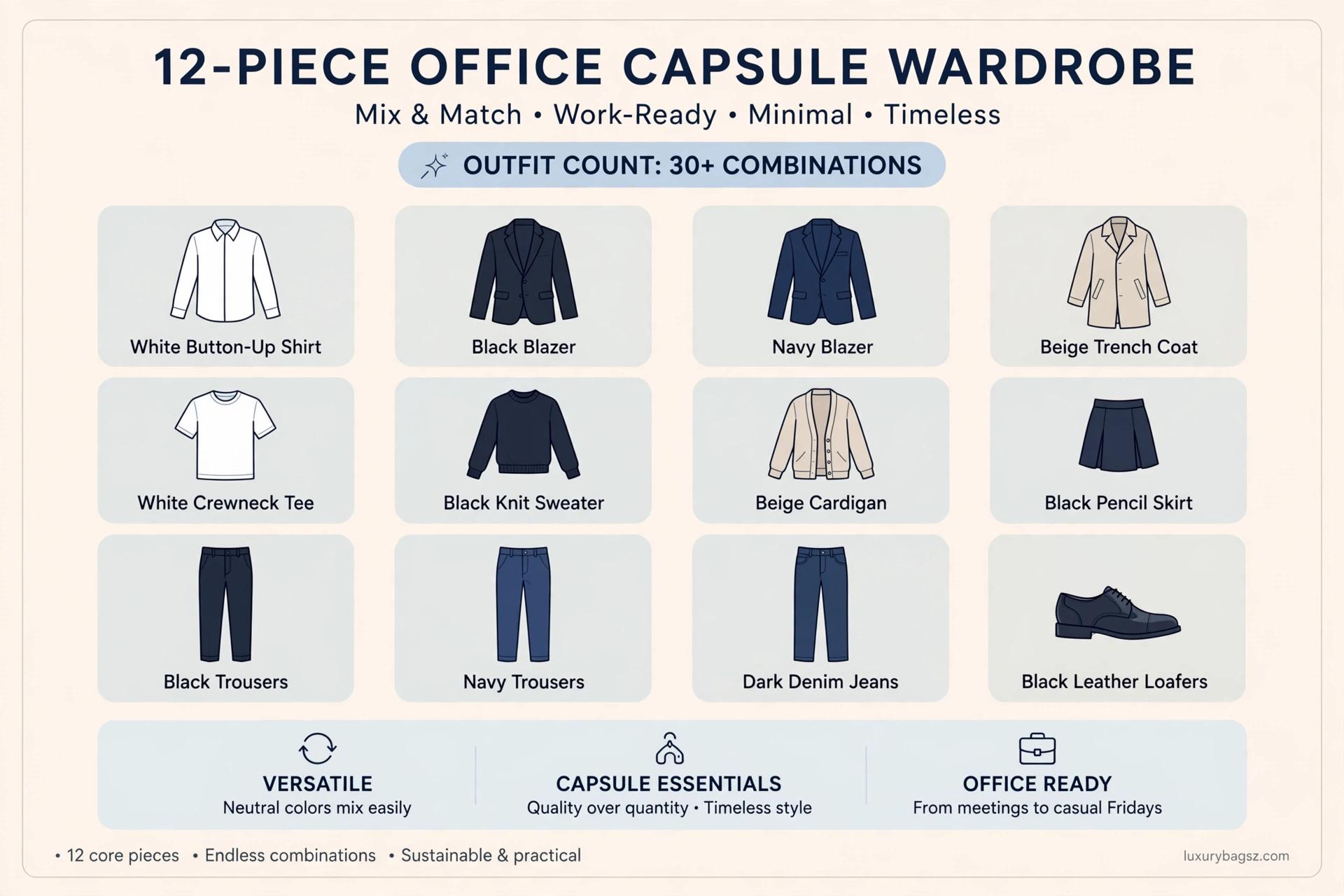
A working office wardrobe needs about twelve well-chosen pieces: two blazers, three bottoms, four tops, one dress, one coat and two pairs of shoes, all in a shared palette, will mix into weeks of distinct outfits.
Buy fit and fabric before labels. Wool blends that resist wrinkles, flat-front trousers and shirts that stay tucked will look sharper by Friday than trend pieces bought for Monday.
This shopping edit sets out the twelve pieces, the palette that joins them, typical prices, and a five-day rotation to prove the maths.
Key Takeaways
- Twelve pieces in one palette make 30 or more office outfits.
- Palette first: navy, black, grey, white and one accent colour you love.
- Spend most on the blazer, trousers and shoes; save on tees and knit tops.
- Wrinkle-resistant wool blends and cotton with stretch survive the week best.
- Fit checks: blazer shoulders, trouser break, shirt cuffs and shoe comfort.
- Rotate shoes daily and rest garments between wears to extend their life.
The Palette That Makes Everything Mix
Choose three neutrals — for most people navy, black or grey, plus white — and build every piece inside them. Mixing becomes automatic.
Add one accent colour that suits you, in a knit, a scarf or a dress. One accent is a signature; three accents are a jigsaw.
Patterns should stay quiet: pinstripes, small checks and fine textures read professional and combine without clashing.
If your office is creative, widen the palette modestly. The system stays the same; only the colours loosen.
Write the palette down before shopping and take it with you. Most failed capsules failed at the rail, one lovely off-palette piece at a time.
Skin tone and hair colour decide which neutrals flatter: navy softens where black hardens, and grey splits the difference for many people.
Keep the accent consistent across seasons. A recognisable colour becomes part of how colleagues picture you, in a good way.
Video calls have a palette too: mid tones and clean necklines read best on camera, which is now an office surface.
Pieces 1 to 3: Blazers and the Coat
Blazer one is your anchor: single-breasted, in navy or black wool blend, fitted at the shoulder with sleeves to the wrist bone.
Blazer two adds variety — a different colour or a softer, unlined cut for warmer months and smart-casual days.
The coat should fit over both blazers without pulling, in a neutral that covers your palette. A classic trench or a straight wool coat does this job.
Structured dresses can replace a blazer day entirely; our designer formal dresses edit covers the work-dress end of the wardrobe.
Blazer fit is decided at the shoulder and the button: the seam on your shoulder bone, the button closing without a pull across the front.
Sleeve length on a blazer should show a sliver of shirt cuff. Longer sleeves read borrowed; shorter ones read outgrown.
The coat earns a fitting over your thickest knit, not over a tee. Winter layering is its actual working condition.
A second-hand premium blazer, tailored once, will usually outlast and out-look a new budget one at the same total cost.

Pieces 4 to 6: Trousers, Skirt and Denim Rules
Trouser one: a flat-front, mid-rise pair in your main neutral, hemmed to a clean break over your work shoes.
Trouser two adds a second neutral or a subtle check. Skirt three — pencil or A-line to the knee — covers the days trousers feel stale.
Denim depends entirely on your office code. Our answers on are jeans business casual set out where dark, plain denim passes and where it does not.
Buy bottoms in fabrics with a little elastane for sitting comfort, but not so much that knees bag by lunchtime.
Trouser hems should be cut for the shoes you wear most: a break that works with loafers will pool over heels and vice versa.
Waistbands with a little hidden elastic at the back transform sitting comfort without changing the tailored front view.
A second skirt in a different cut — A-line if the first is a pencil — doubles the skirt outfits from the same tops.
Fit both trousers seated as well as standing: office life is lived in a chair, and a waistband that only works upright will punish you daily.
Pieces 7 to 10: Shirts, Knits and the Dress
Two shirts — one white, one in your accent or a fine stripe — carry formal days. Look for collars that sit well under blazer lapels.
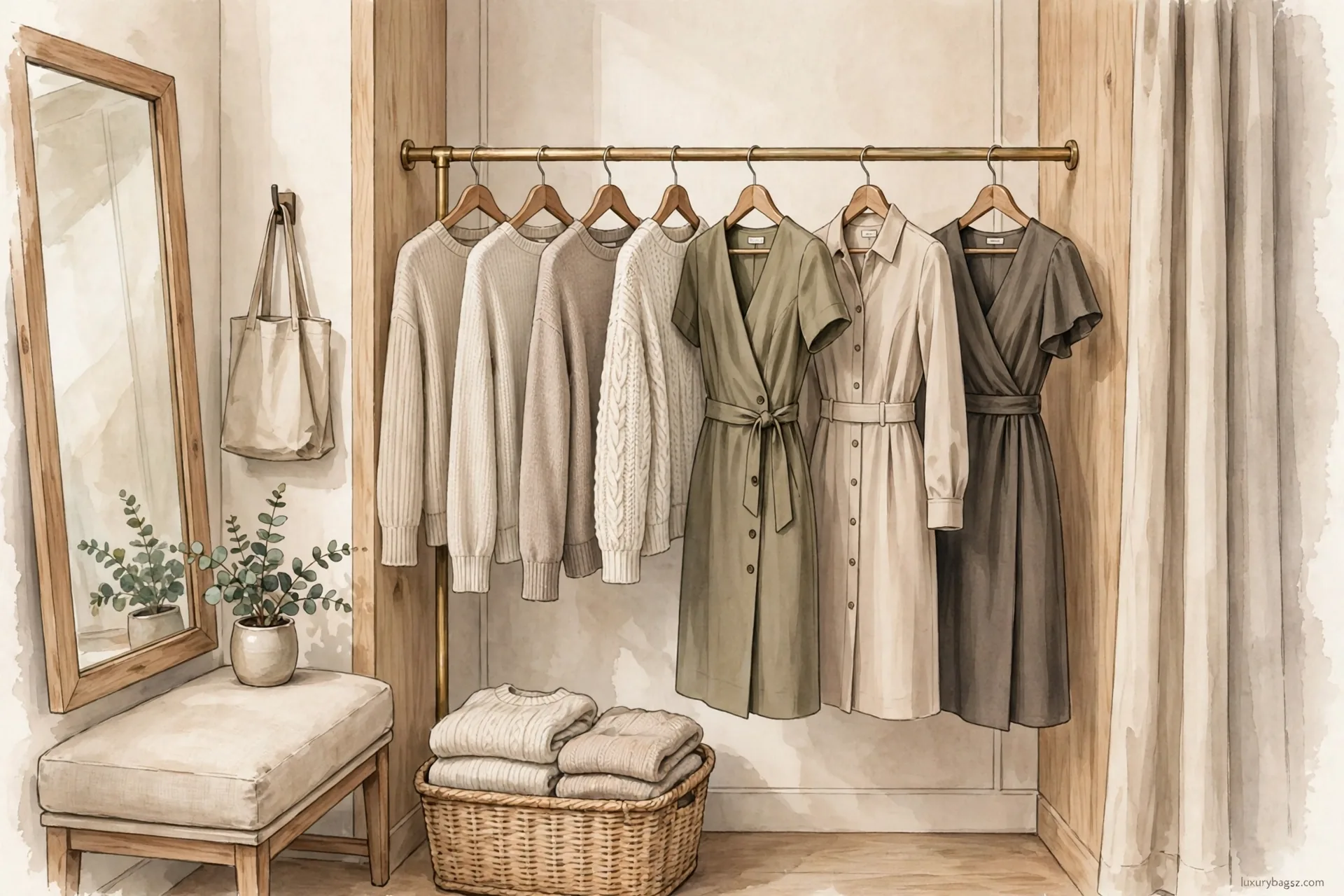
Two fine knits in merino or cotton blends layer over shirts and under blazers, and soften suit dressing on colder days.
The dress is your one-piece answer for rushed mornings: knee length, in a palette neutral, with sleeves or a layer that suits your office.
Tops are where to save. Well-cut high-street shirts and knits in the right palette outperform one expensive logo piece worn weekly.
Shirt collars deserve attention: they frame your face in every meeting and video call you will ever sit in.
Knit colours should include one that matches each blazer. A knit that pairs with only one jacket is a part-time piece in a full-time system.
The dress doubles as its own outfit and as a base under both blazers, which is why its colour must sit dead centre of the palette.
Keep one formal upgrade in the drawer — a silk shirt or a better watch — for the days a meeting suddenly matters more.

Shoes and the Finishing Pieces
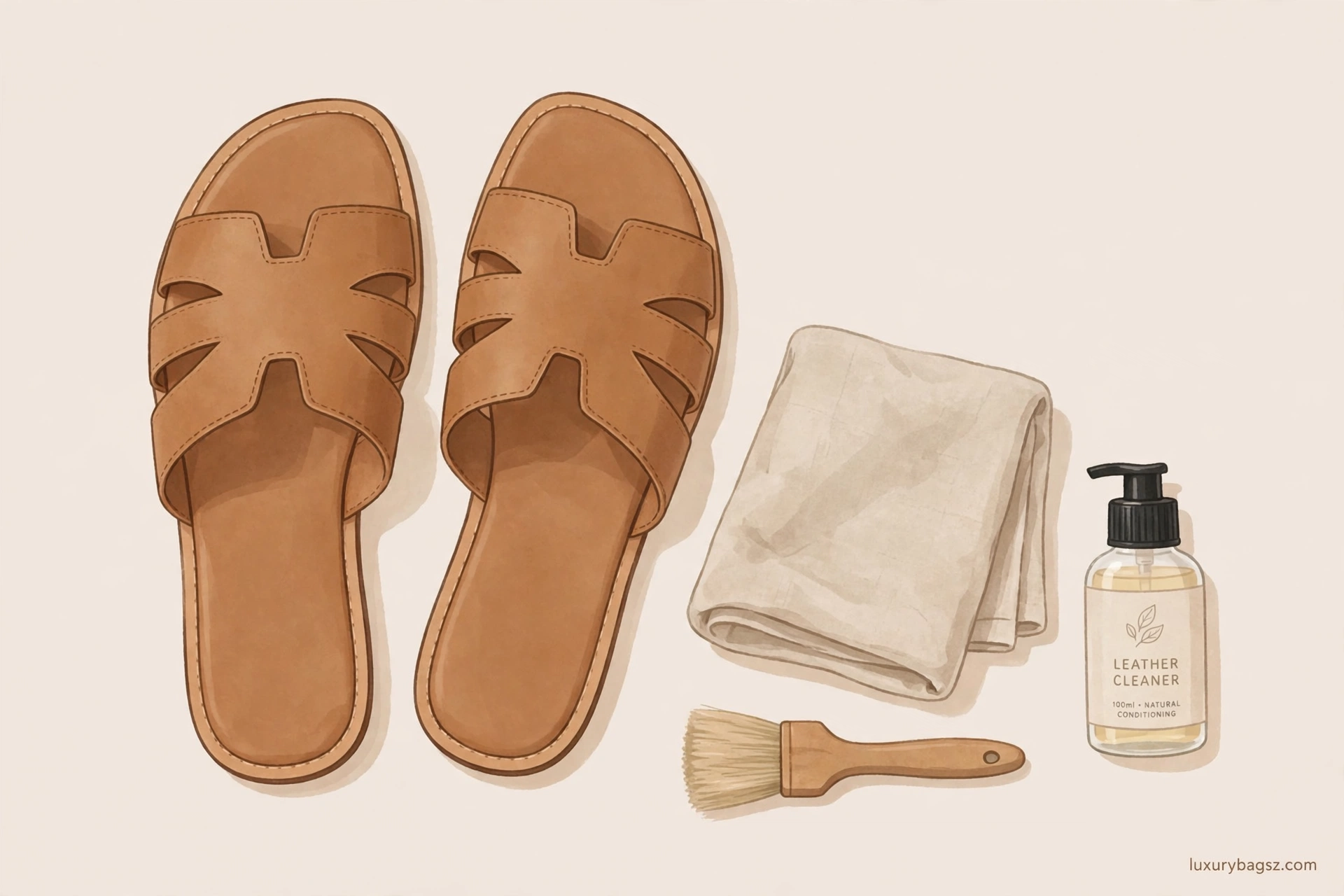
Two pairs of work shoes, rotated daily, outlast four pairs worn in bursts. One black, one in your second neutral or tan, covers the palette.
Comfort is a work specification, not a luxury: you will walk, stand and commute in these. Our best womens shoes for work guide compares the main styles by comfort and formality.
A simple watch, stud earrings and one good belt finish the system without daily decisions. Keep jewellery quiet enough to forget you are wearing it.
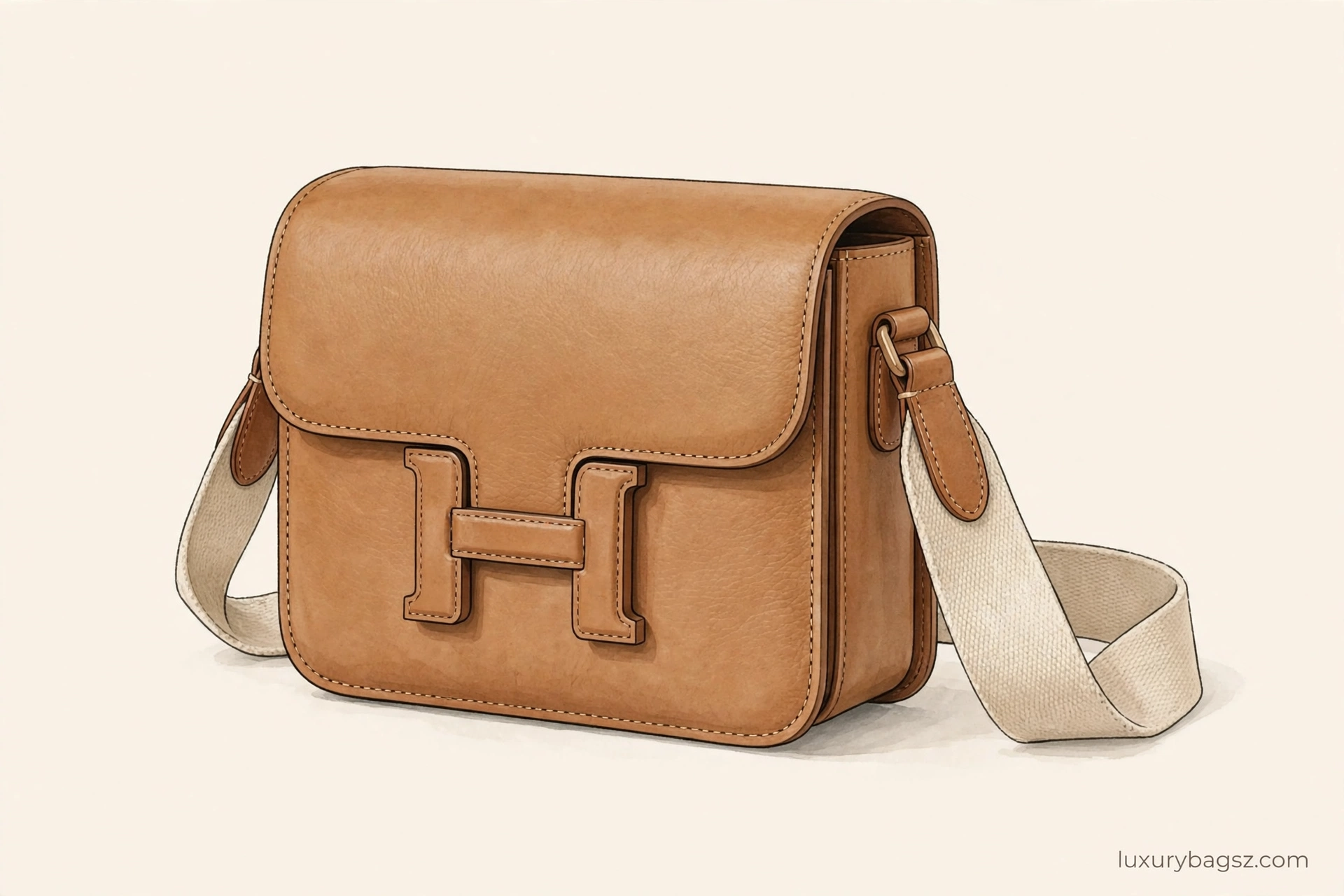
Your bag is part of the uniform too, and it deserves its own decision — size, laptop fit and straps — rather than an afterthought purchase.
Heel height is a health decision across a career: alternate heights between your two pairs so feet and posture get variety.
A structured tote in a palette neutral is the usual finishing piece; slim enough for meetings, large enough for the commute load.
Keep a small repair kit at your desk — needle, thread in palette colours, a spare button. Small failures should not end an outfit's day.
Shoe trees or simple tissue keep work shoes in shape overnight; unshaped shoes age twice as fast at the toe.
Fabrics That Survive the Working Week
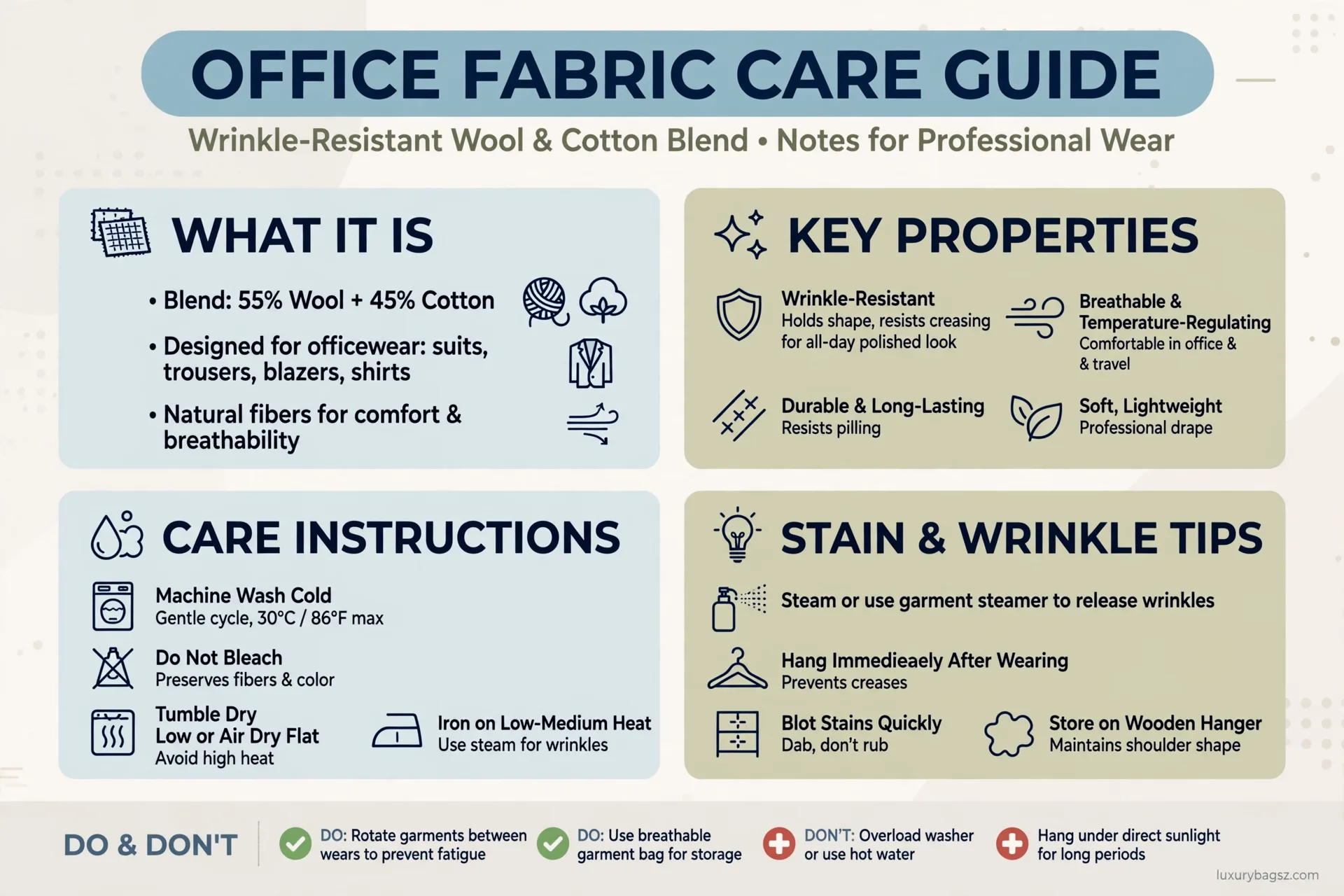
Wool and wool blends resist wrinkles, regulate temperature and shed light rain. They are the backbone fabric of office dressing for good reason.
Cotton shirts need a touch of stretch or a wrinkle-resistant finish to survive a commute and still look pressed at 4 pm.
Avoid pure linen for formal offices; it creases by the first meeting. Linen blends in casual offices are the workable compromise.
Check care labels before buying five of anything. A capsule that all needs dry cleaning costs more to run than it saved to buy.
Performance blends have improved beyond recognition: a wool with a little stretch and a wrinkle-resistant finish travels and commutes superbly.
Test a new fabric on one piece before committing the capsule to it. Skin sensitivity to wool blends usually shows within one wearing.
Seasonal swaps keep the system fresh: the coat and heavy knits rest in summer while a linen-blend blazer and lighter trousers rotate in.
Ironing is the capsule's hidden labour: a steamer by the wardrobe cuts it to five minutes a week.
Prices: Where to Spend and Where to Save
As a rough guide, expect the anchor blazer and coat to take the largest share — typically a few hundred pounds each in good wool blends.
Trousers and the dress sit in the middle of the budget. Shirts, knits and tees are the sensible places to economise.
Cost per wear rewards the boring buys. A £300 blazer worn twice a week for three years costs under £2 a wear.
Pre-owned tailoring in classic cuts is excellent value, provided shoulders fit; nearly everything else on a blazer can be altered.
Alterations belong in the budget from the start: trouser hems and blazer sleeves tailored once will out-earn another new piece.
Cost the capsule across a year, not a shopping trip. Bought in the right order over three months, the same twelve pieces feel painless.
Sales suit this system well because the list is fixed: you are hunting known items in known colours, not browsing for inspiration.
Track wears in a phone note for one month. The true cost per wear of each piece will change what you buy next.
The Five-Day Rotation and Care Rhythm
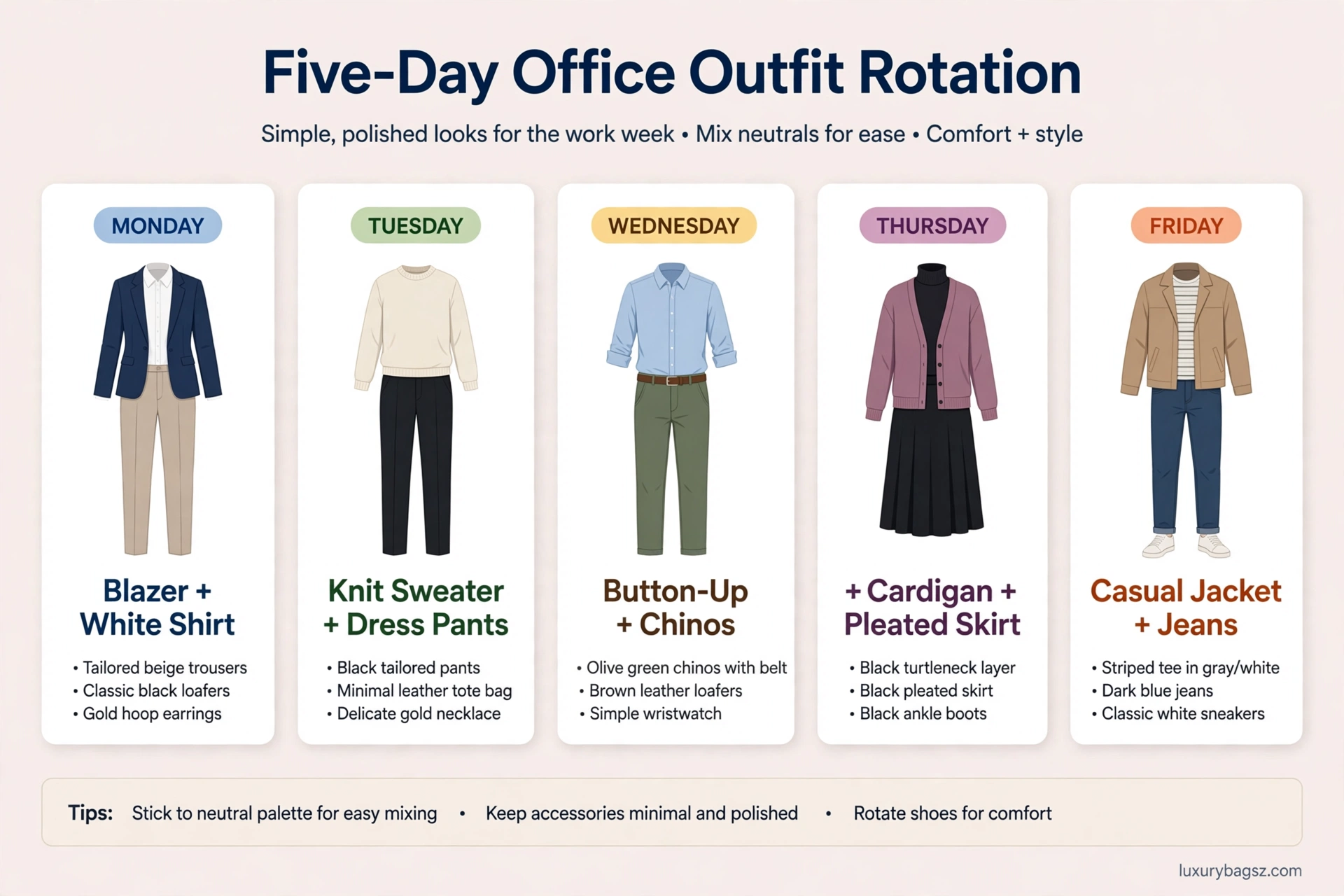
Monday: anchor blazer, white shirt, trouser one. Tuesday: knit and skirt with blazer two carried for meetings.
Wednesday: the dress with the coat and shoe two. Thursday: shirt two, trouser two, anchor blazer. Friday: knit, dark denim where allowed, blazer two.
Rest each garment at least a day between wears, hung in air. Shoes rest on alternate days with trees or tissue inside.
Steam rather than wash where you can, and launder shirts after one wear, knits after two or three, trousers weekly in rotation.
Photograph each week's outfits once. The album shows which pieces truly rotate and which are passengers, and the next purchase writes itself.
A capsule also packs itself: the same twelve pieces fill a work-trip case with outfits for every day and no decisions at the hotel mirror.
Leave one wildcard slot in the rotation — a Friday piece with more personality — so the system never feels like a uniform.
Frequently Asked Questions
How many office outfits does a 12-piece capsule make?
Thirty or more, once shoes and layers are counted. The pieces are chosen so that every top pairs with every bottom and both blazers.
What is the best colour palette for work clothes?
Navy, black or grey, white, plus one accent that suits you. Neutrals do the mixing; the accent stops the wardrobe feeling like a uniform.
Which piece should you spend most on?
The anchor blazer, followed by trousers and shoes. These carry the most wears and the most visible fit, so quality shows here first.
Are jeans acceptable in an office capsule?
Only where your dress code allows, and then dark, plain, well-fitted denim with no distressing. Keep a tailored trouser ready for formal days.
What fabrics wrinkle least for commuting?
Wool blends first, then wrinkle-resistant cotton and quality synthetics blended with natural fibres. Pure linen wrinkles fastest of all.
How many work shoes do you need?
Two pairs, rotated daily, is the practical minimum. Resting shoes between wears doubles their comfortable life.
Can a capsule wardrobe suit a creative office?
Yes. Keep the same twelve-piece system and widen the palette and textures. The structure is what saves time, not the conservatism.
How do you keep white shirts white?
Wash whites separately, treat collars before washing, and retire shirts when the white turns grey — no styling rescues a tired shirt.
Should office clothes be dry cleaned?
Blazers and coats, occasionally. Shirts, knits and most trousers should be home washable in a working capsule, or running costs climb fast.
What bag completes an office wardrobe?
A structured tote or satchel that fits your laptop with room to spare, in a palette neutral. Size and strap comfort matter more than branding.
Conclusion: A Small Wardrobe That Works Daily
Twelve pieces, one palette, honest fabrics and a simple rotation: that is the whole system, and it survives busy weeks better than a rail of unrelated buys.
Fill any gaps in the order given here — palette, blazer, bottoms, tops, shoes — and every later purchase will have something to pair with on day one.