Paris Fashion Week Trend Report: How to Read the Season That Sets the Agenda
How to Tell a Lasting Paris Trend From a Stunt
Trust an idea only when rival Paris houses repeat it and it reappears across many looks, on the street and later in shops. Hermès, Saint Laurent, Louis Vuitton, Dior and Chanel matter most because Paris closes the month and their collections are stocked and reported at the largest scale.
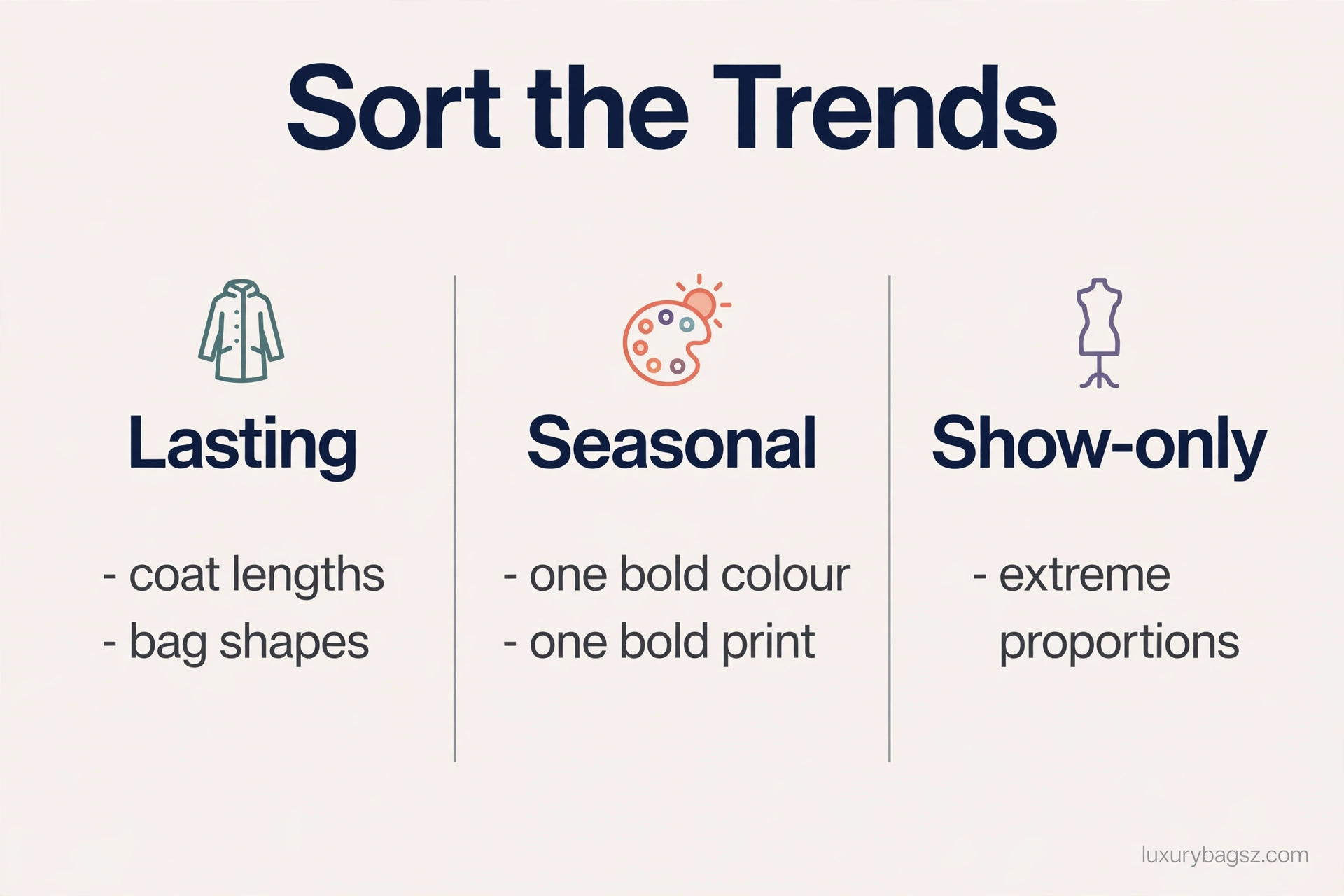
Sort everything else into three piles. Lasting shifts change a basic such as coat length, trouser width, heel height or bag shape. Seasonal colour and print are real but brief, so buy them cheaply or pre-owned. Extreme proportions and camera-only pieces are show dressing. Ready-to-wear gives the buying signal; couture is about craft and fantasy.
Key Takeaways
- Paris closes fashion month, so its trends are the season's final, loudest word.
- Chanel, Dior, Louis Vuitton, Saint Laurent and Hermès carry the most trend weight.
- Trust trends repeated across rival houses; doubt trends seen at only one show.
- Couture week and ready-to-wear week send different signals and should not be merged.
- Paris bags and shoes often matter more commercially than Paris clothes.
- Wait for confirmation in shops and street style before spending on any Paris trend.
Why Paris Trends Carry Further
Paris hosts the largest concentration of historic luxury houses in one week. When several of them move the same way, buyers and magazines treat it as settled direction. Paris also benefits from position. Coming last, it can answer New York, London and Milan, and its answers are what most trend reports end up printing. Our multi-city fashion week trend reports show that pattern clearly: early cities experiment, Paris edits and amplifies. None of this makes Paris infallible. It makes Paris influential, which is a different thing, and the gap between the two is where smart readers save money.
The Houses That Set the Agenda
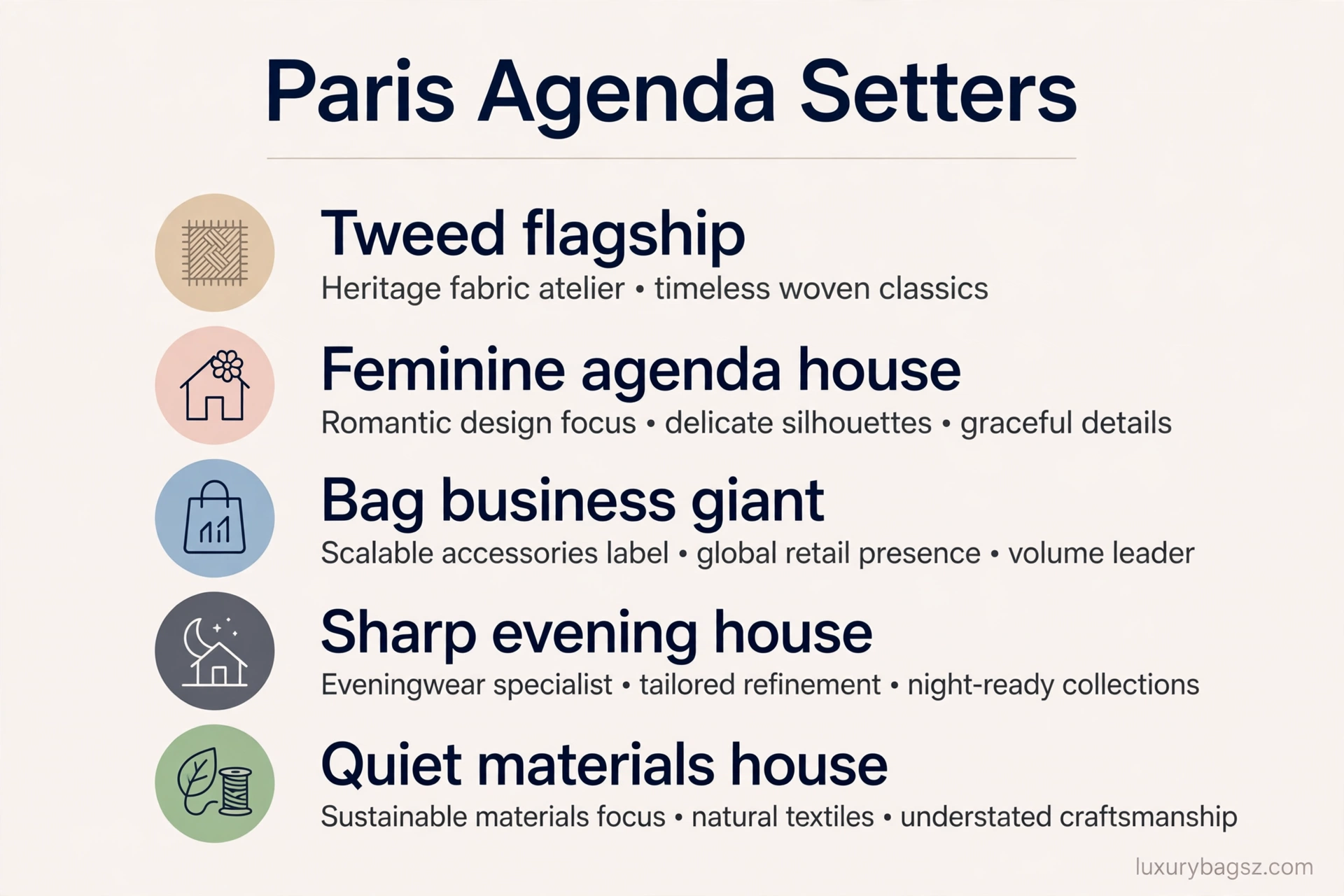
Chanel is the week's centre of gravity, with a vast set, a full accessory story and tweed reinvented often enough that its shifts register worldwide. Dior sets the feminine agenda in most eras, and our guide to Dior runway shows under Maria Grazia Chiuri shows how one director's themes can run for years. Louis Vuitton brings scale and the week's strongest bag business, while Saint Laurent owns the sharp, black, evening end of Paris dressing. Hermès plays a longer game: quieter shows, extraordinary materials and pieces designed to be sold for decades, not seasons. Its trends are slow, and therefore durable.
Reading a Show Like an Editor
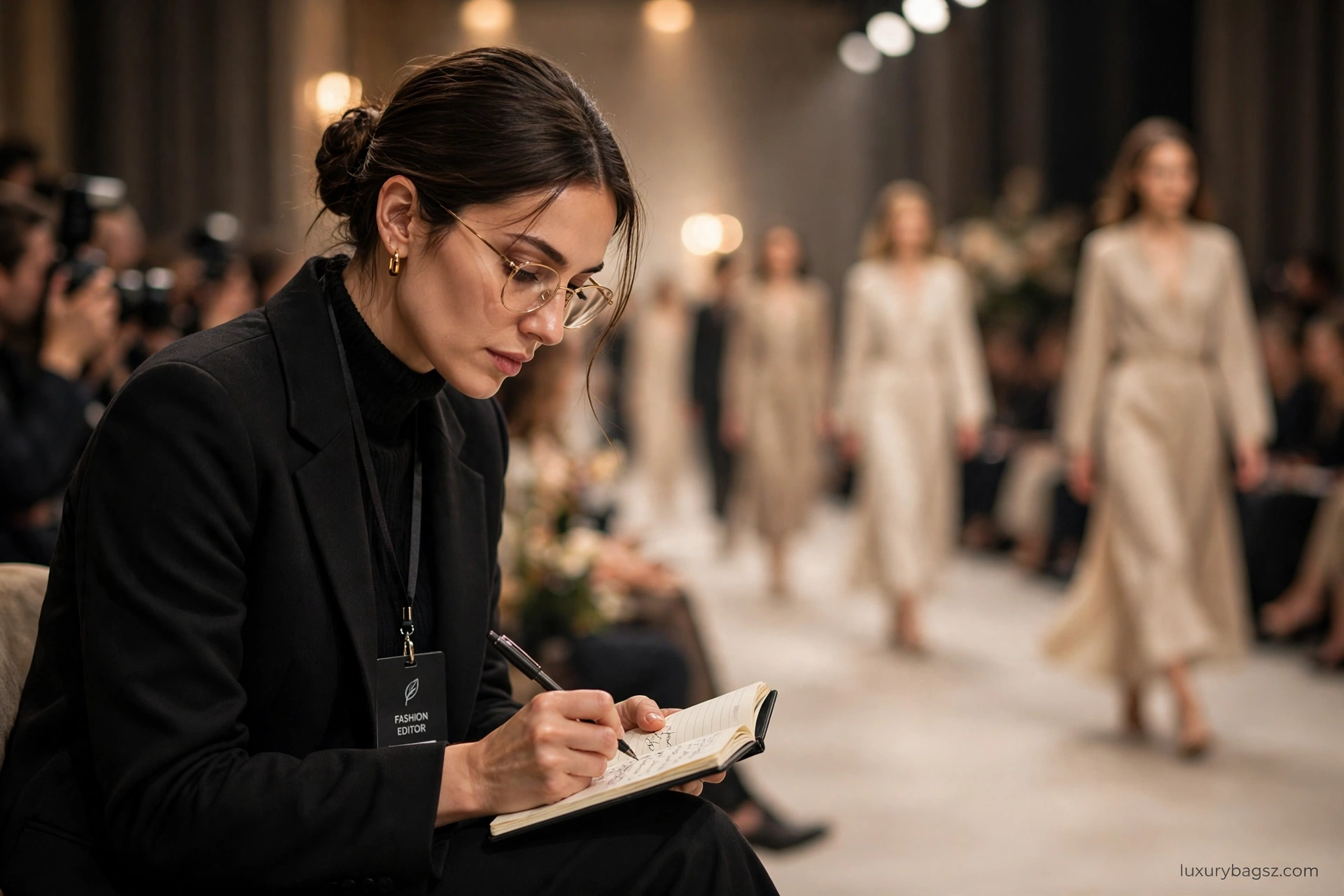
Editors separate the styling from the garment. A hat, glove or layering trick may be pure theatre, while the plain coat underneath is the real product. They also count repetition inside one collection. A shape shown twenty times is a house commitment; a shape shown once is a photograph looking for a headline. Guest and casting choices send signals too, but they are marketing signals. Note them, enjoy them, and do not let them grade the clothes for you. Finally, editors watch the exits as much as the entrances: what guests carry and wear leaving Paris often predicts the next season's accessory market.
Couture Week Is a Different Signal
Paris runs haute couture weeks separately from ready-to-wear, and trend reports that blend the two mislead their readers. Couture shows craft at its limit: handwork measured in hundreds of hours, made for a tiny client base and for the house's image. Its trends are about technique and fantasy. Ready-to-wear is the commercial signal. What walks there, in wearable form, is what shops will stock and what high streets will translate months later. Use couture for inspiration and awe, and ready-to-wear for wardrobe decisions. Confusing the two is how readers end up hunting for clothes that were never for sale.

Sorting Trends: Lasting, Seasonal, Show-Only
Lasting trends change a wardrobe basic: a coat length, a trouser width, a heel height or a bag shape that then holds for several years. Seasonal trends are real but brief: a colour, a print or a styling move that one strong season can exhaust. Buy these cheaply or second-hand. Show-only trends exist for cameras: extreme proportions, transparent everything, or accessories no pavement could survive. Applaud them and move on. A good Paris report labels all three honestly. If every trend is called major, the report is selling excitement, not information.
Paris Street Style as Confirmation
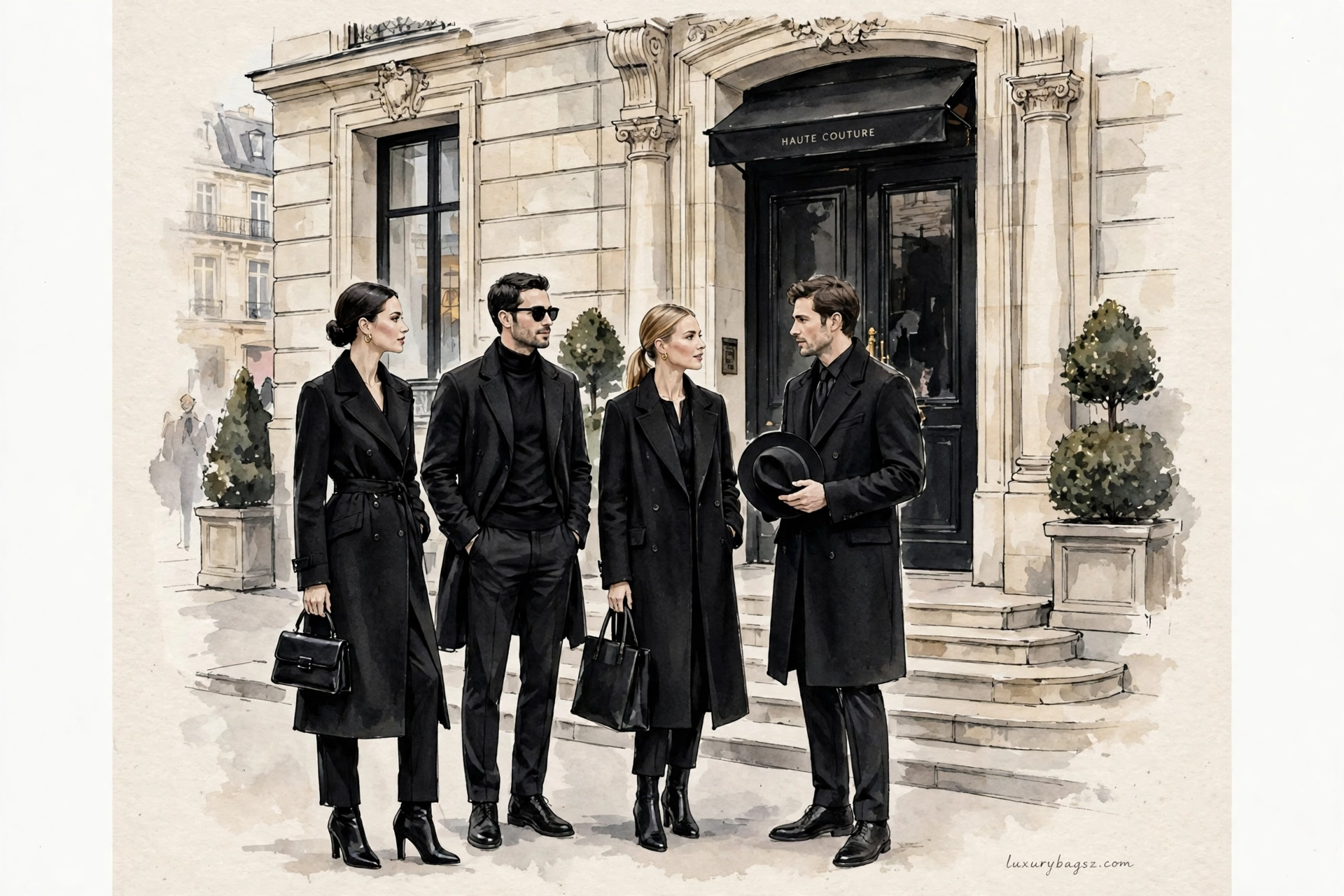
What guests wear in Paris is the trend report's fact-check. If a runway idea appears on editors and buyers within the same week, it has real momentum. Paris street style leans polished: black tailoring, classic bags, strong coats and one statement piece, worn with the confidence of long practice. It also previews price reality. The bags carried outside the shows, often current or archive pieces, show what the market actually values right now. Copy the logic, not the labels: sharp coat, quiet base, one excellent accessory. That formula photographs as Parisian at almost any budget.
Bags and Shoes: Paris's Real Export
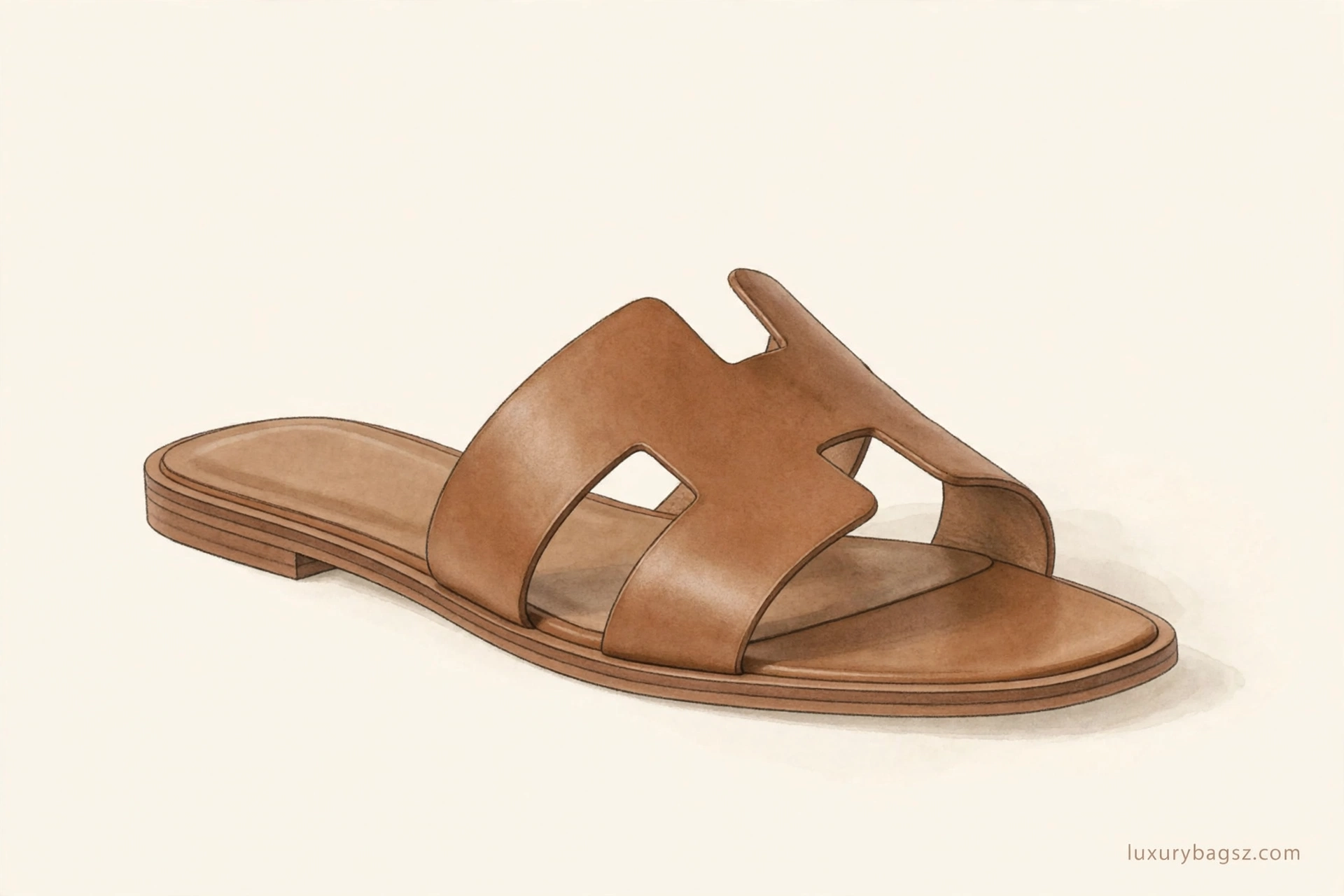
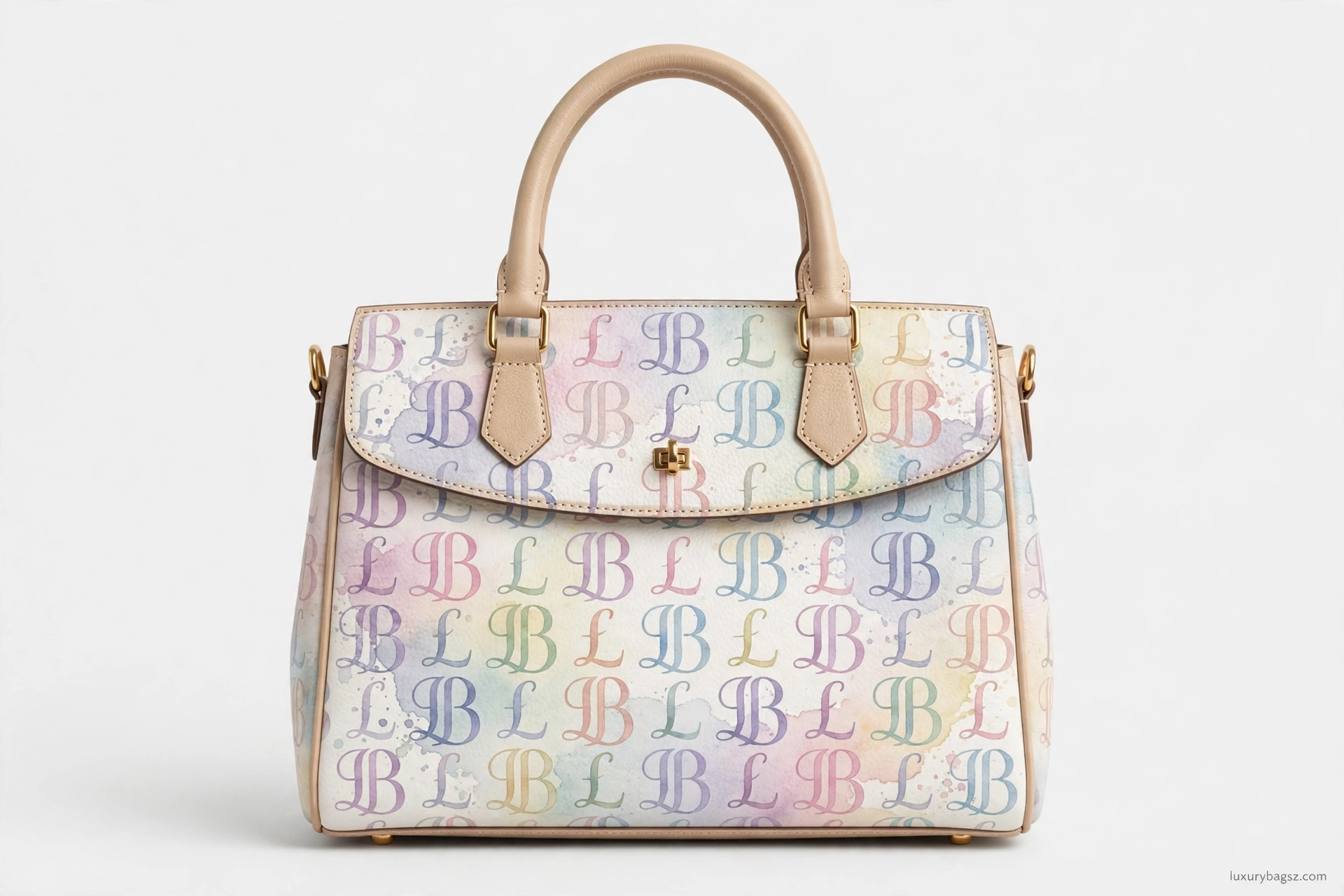
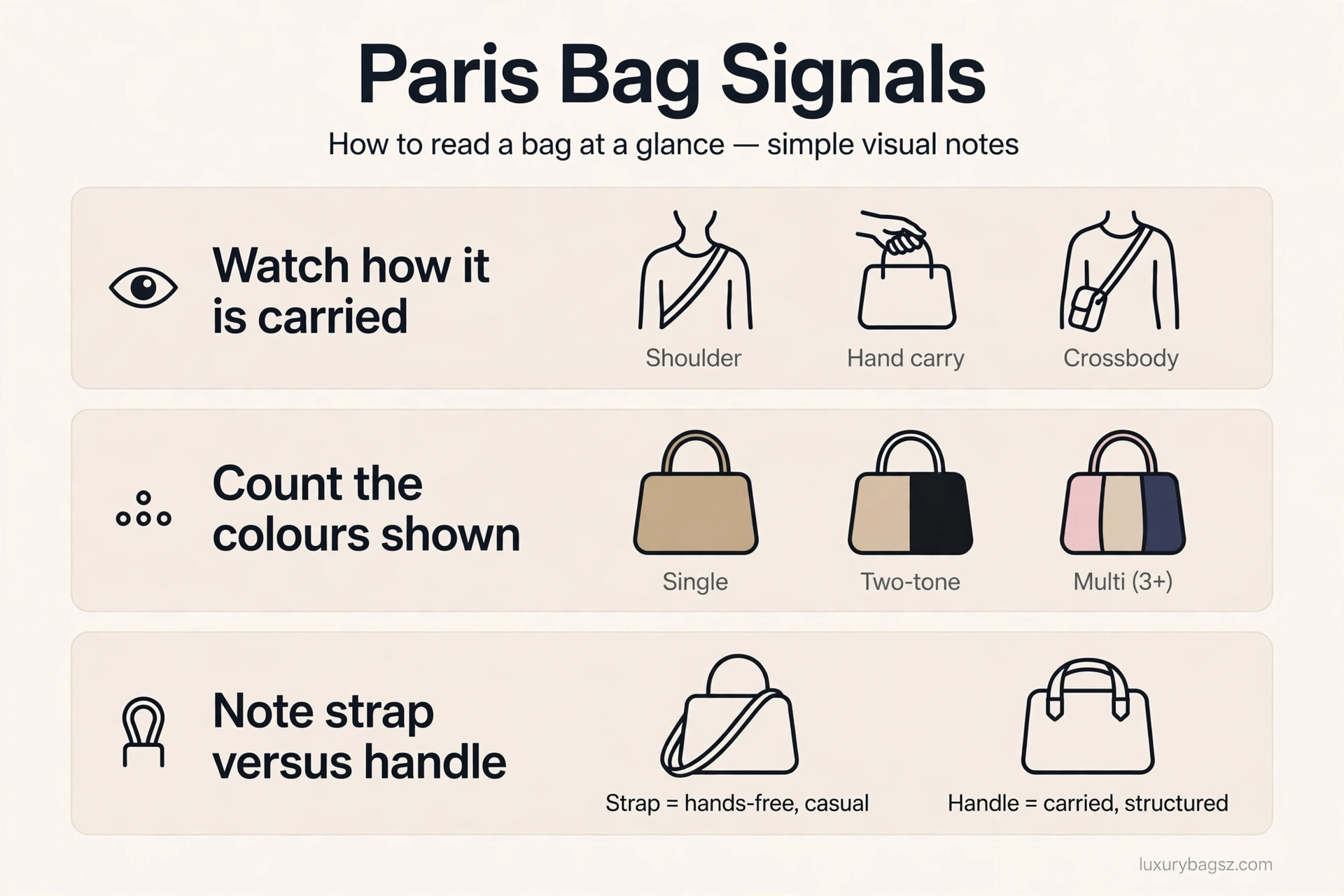
Paris trends travel furthest on feet and shoulders. A new heel shape or bag family from a major house can reset accessory markets within a single season. The flap bag's long reign is the standing example, and our Chanel Classic Flap sizes guide shows how one Paris design can anchor decades of demand. Watch how a runway bag is carried, not just how it looks. Handles versus straps, worn crossbody or in hand, predict how the style will be used and resold. For buyers, Paris accessories deserve earlier attention than Paris clothes. The right bag bought in its first strong season often outlasts the entire trend cycle around it.
Turning a Trend Report Into Buys
Wait a few weeks after Paris before spending. By then, the repeated trends have separated themselves from the one-show wonders, and prices have not yet peaked. Compare Paris with the earlier cities using our Milan Fashion Week recap: ideas confirmed in both capitals are the safest buys of the season. Buy lasting shifts new if you will wear them hard. Buy seasonal colour and print pre-owned, where last season's enthusiasm becomes this season's fair price. And keep one rule above all: a trend earns your money only when it suits your body, your climate and your life, not when it tops a report like this one.
Frequently Asked Questions
When does Paris Fashion Week happen?
Ready-to-wear shows usually run in late February to early March and late September to early October, closing fashion month. Couture weeks sit separately, typically in January and July.
Which Paris houses set the biggest trends?
Chanel, Dior, Louis Vuitton, Saint Laurent and Hermès carry the most weight, because their collections are reported globally and stocked at the largest scale.
How can I tell a real trend from a show stunt?
Count houses and count looks. A shape repeated across rival houses and across many exits in one collection is a trend; a single photographed outfit is a stunt.
What is the difference between couture and ready-to-wear signals?
Couture shows craft, image and technique for a tiny client base. Ready-to-wear shows what shops will actually sell, so it is the signal to follow for wardrobe buys.
Are Paris trends worth following at all?
The lasting ones are: coat lengths, trouser widths, heel and bag shapes. Seasonal colour and show-only extremes are entertainment unless bought cheaply.
Why do Paris bags matter so much?
Paris houses run the largest bag businesses in fashion. A new Paris bag family can reset demand and resale values faster than any clothing trend that season.
When should I buy after Paris Fashion Week?
A few weeks later, once repeated trends are clear. For seasonal pieces, wait for resale, where prices drop as the next season's reports arrive.
What do Paris guests wear to the shows?
Polished classics with one statement: black tailoring, strong coats, classic bags and confident shoes. Paris street style is the most refined of the four cities.
Does Paris always agree with Milan and London?
No, and the disagreements are the story. Paris often edits or rejects earlier cities' ideas, which is why its final word shapes most trend reporting.
How many Paris trends should I adopt each season?
One or two at most. Choose the lasting shift that suits your wardrobe and one seasonal pleasure, and let the rest pass as viewing entertainment.
Final Verdict: Read Paris for Direction, Not for Orders
Paris writes the season's loudest headlines, but the wise reader sorts them: lasting shifts bought well, seasonal colour bought cheaply, show-only drama simply enjoyed. Use Paris as a compass, and your wardrobe will thank you for the restraint.