Mother and Daughter Fashion: Matching and Coordinated Outfits for Every Age
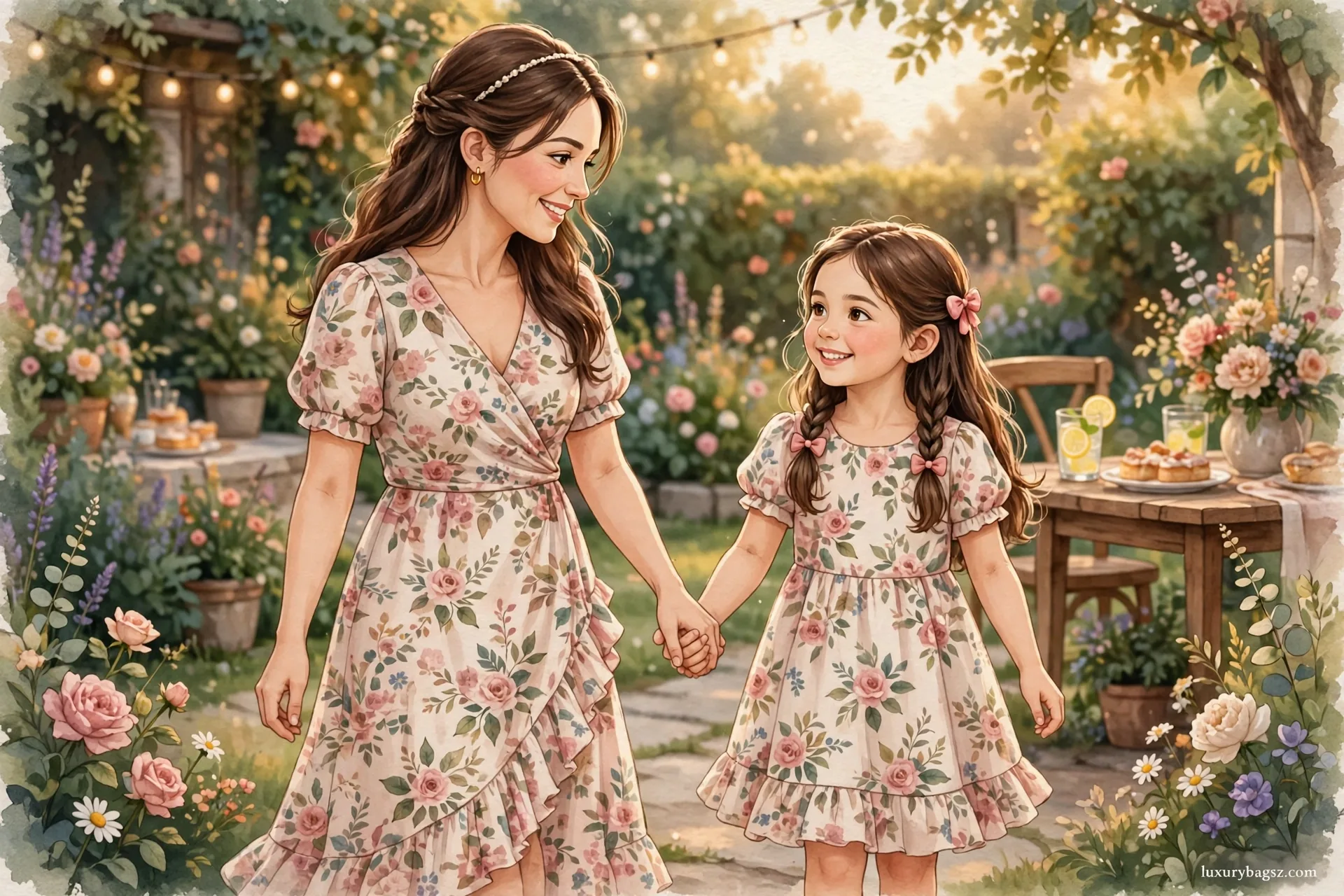
Twinning, Done Tastefully: Match the Mood, Not Just the Dress
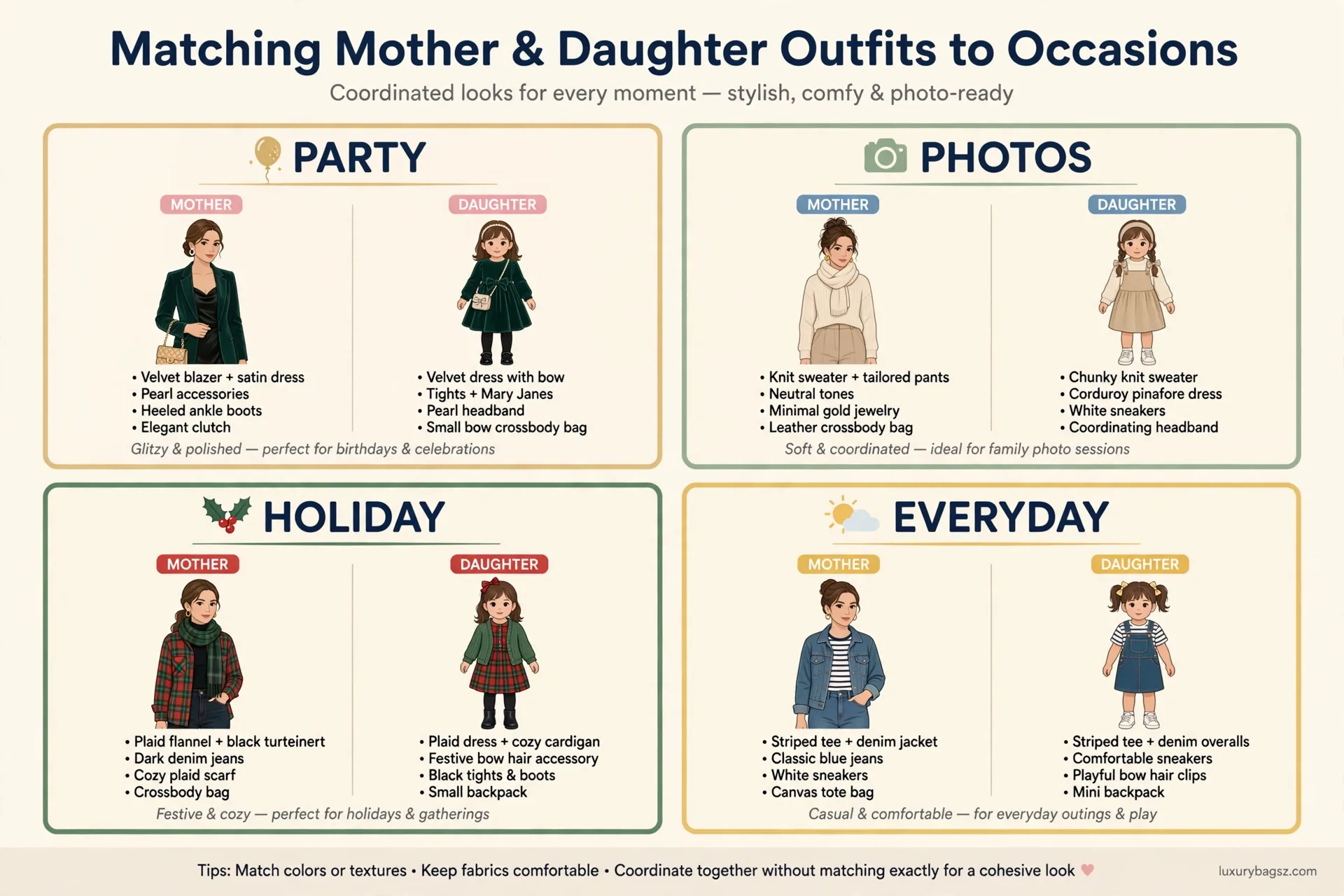
The most wearable mother and daughter fashion is coordinated, not identical: share a colour, a print or a mood, and let each outfit suit its wearer's age. Exact matching is best saved for photos, parties and holidays.
For young daughters, comfort and growing room decide everything; for adult daughters, the pairing becomes two grown-up outfits with a deliberate echo between them.
This guide covers the three levels of matching, the occasions each suits, and the sizing and fabric checks that keep both of you comfortable.
Key Takeaways
- Coordinate first: a shared colour or print echo looks stylish at any age.
- Save exact matching dresses for photos, parties and festive days.
- Children's comfort rules: soft seams, room to move, room to grow.
- Adult daughters pair best as two distinct outfits with one shared element.
- Natural, washable fabrics survive real family days better than delicate occasion cloth.
- Plan the photo test: sit, walk and play in the outfits before the event.
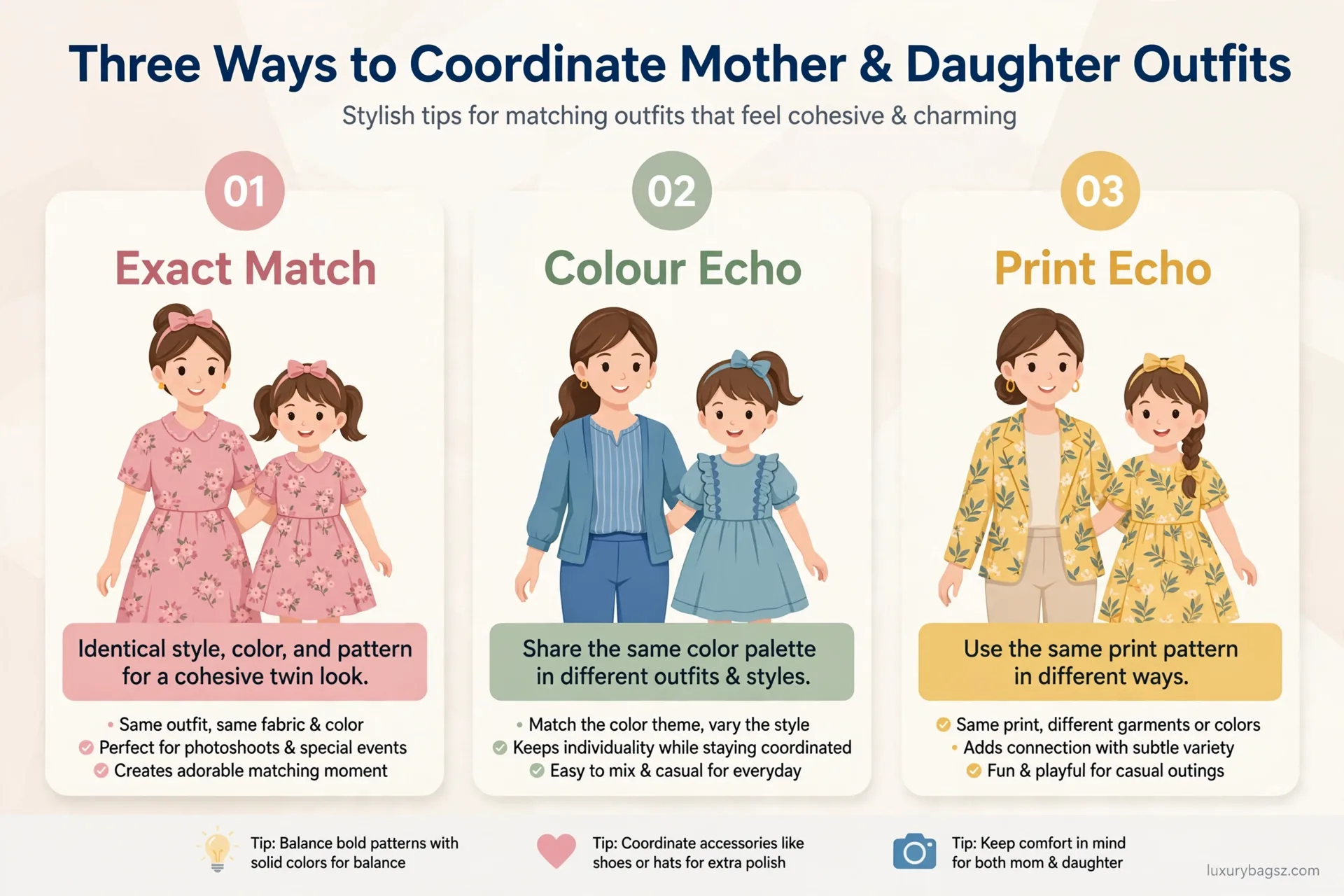
The Three Levels: Exact Match, Colour Echo, Print Echo
Exact matching — the same dress in two sizes — is the boldest level. It charms at parties and in photos, and feels like a costume on ordinary days.
A colour echo shares a palette in different garments: a mother's navy dress with a daughter's navy-trimmed frock. It reads coordinated in person and in pictures.
A print echo repeats the same print at different scales or on different pieces, such as a floral dress for mother and a floral skirt for daughter.
Most families live happily at levels two and three, and visit level one for birthdays, holidays and the annual photograph.
Budget shapes the level too: one shared print across two simple garments costs less than two full occasion dresses bought to match.
Keep a small family palette that you return to — navy, white and one floral, for example — and future pairings assemble themselves.
Young Daughters: Comfort and Growing Room First
For children, choose soft linings, covered zips and seams that do not scratch. A dress that itches will be removed before the cake arrives.
Buy with a little growing room in the body, but not at the shoulders or neckline, where extra cloth looks sloppy and slips.
Adjustable waists, stretch panels and straps extend the life of a party dress across a growth spurt or two.
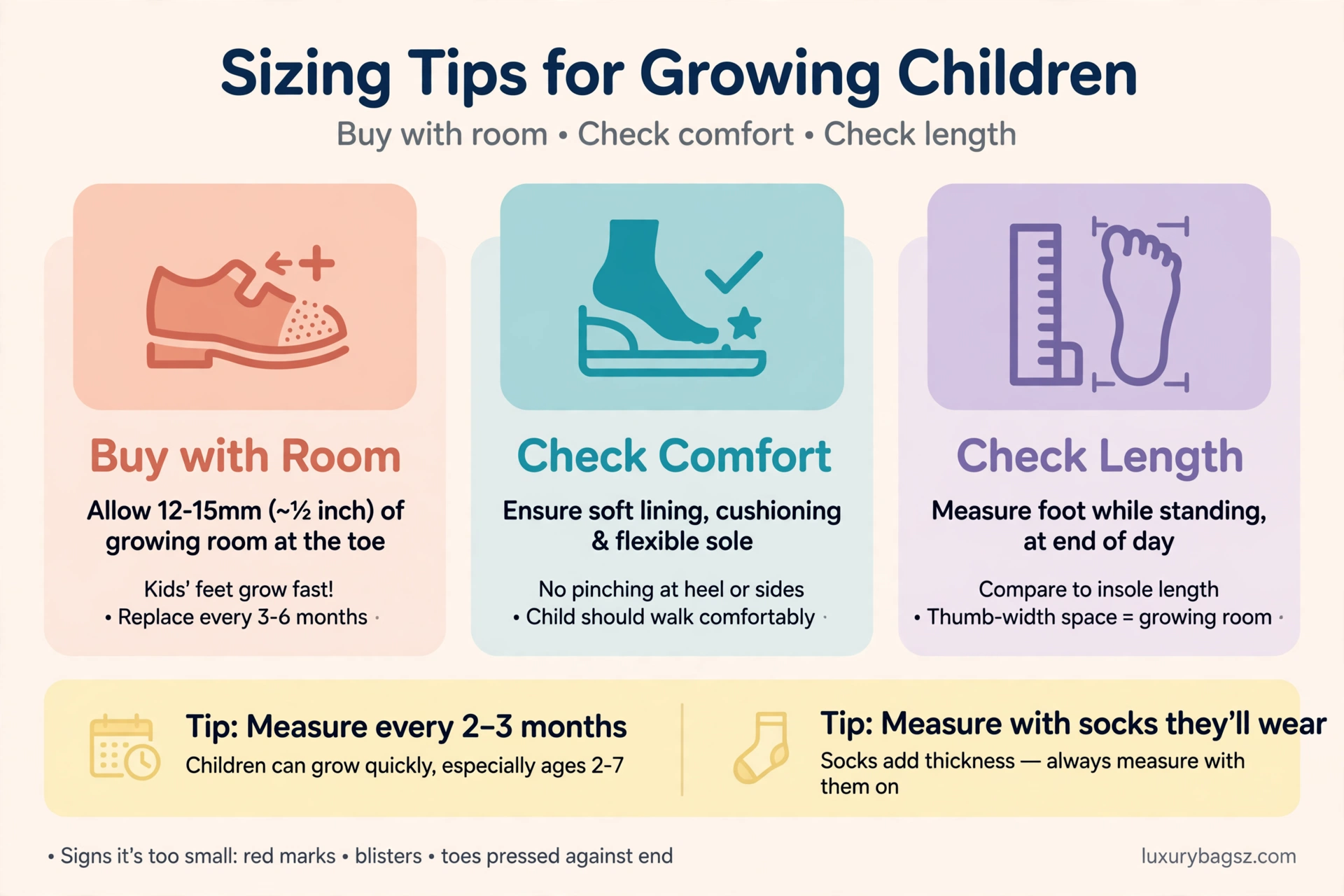
Shoes need the same care as the dress: room at the toe, a secure fastening and a sole a child can actually run in.
Fastenings should be manageable by the child where possible. A dress a five-year-old can partly dress herself in builds the day's confidence.
Labels and tags itch small wearers disproportionately. Cut them out and keep the care details photographed on your phone instead.
Teen and Adult Daughters: Two Outfits, One Echo
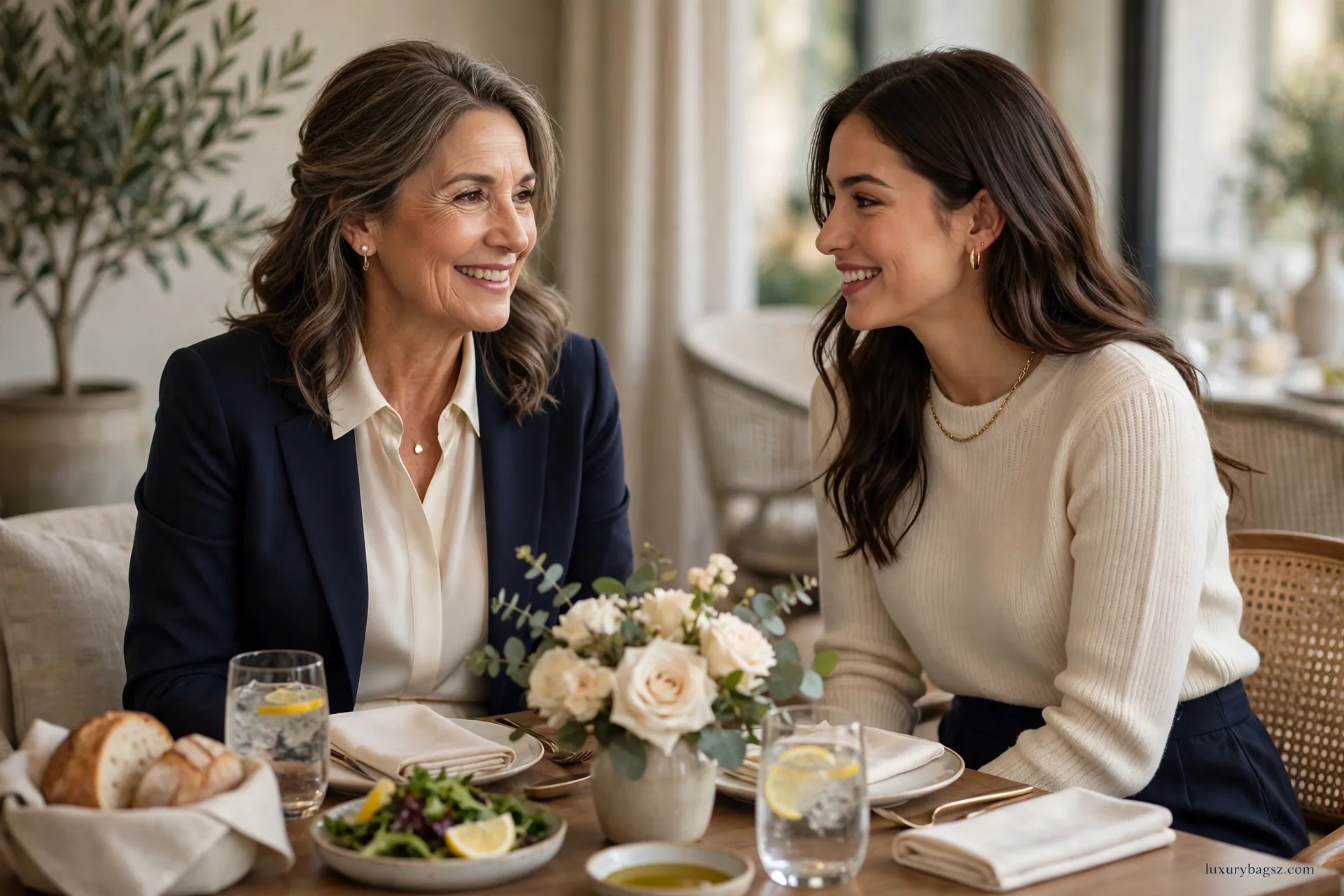
With older daughters, drop the matching dress entirely. Coordinate as adults: shared colour family, shared metal in jewellery, or the same fabric in different cuts.
A mother's tailored dress beside a daughter's softer version in the same colour photographs beautifully without either looking dressed as the other.
Let each person keep her own style signatures. The echo should be a nod between outfits, not a uniform.
For petite mothers or daughters in the pairing, our petite fashion guide keeps proportions right on the smaller frame.
Grandmothers joining the pairing extend the idea kindly: three generations in one colour story makes a photograph worth framing.
Sons and fathers can echo the same palette in a shirt or tie, which includes the whole family without a full matching wardrobe.
Occasions: Parties, Photos, Holidays and Weddings
Parties forgive the most matching. Birthdays and family celebrations are the natural home of the exact-match dress.
For photographs, mid-tone colours and one shared print beat bright white and black, which fight the camera's exposure at both ends.
Festive days have their own dressing codes; our christmas dresses edit shows the richer colours and fabrics that suit the season for both generations.
As wedding guests, coordinate with each other but never with the bridal party's colours, and keep white and ivory for the bride alone.
For weddings as guests, match the formality, not each other's hemlines. A mother's long dress beside a daughter's short party dress is perfectly coordinated.
Holiday photographs on cards are planned earlier every year. Booking the outfits by early autumn avoids the December size shortage.

Fabrics and Practicality for Real Family Days
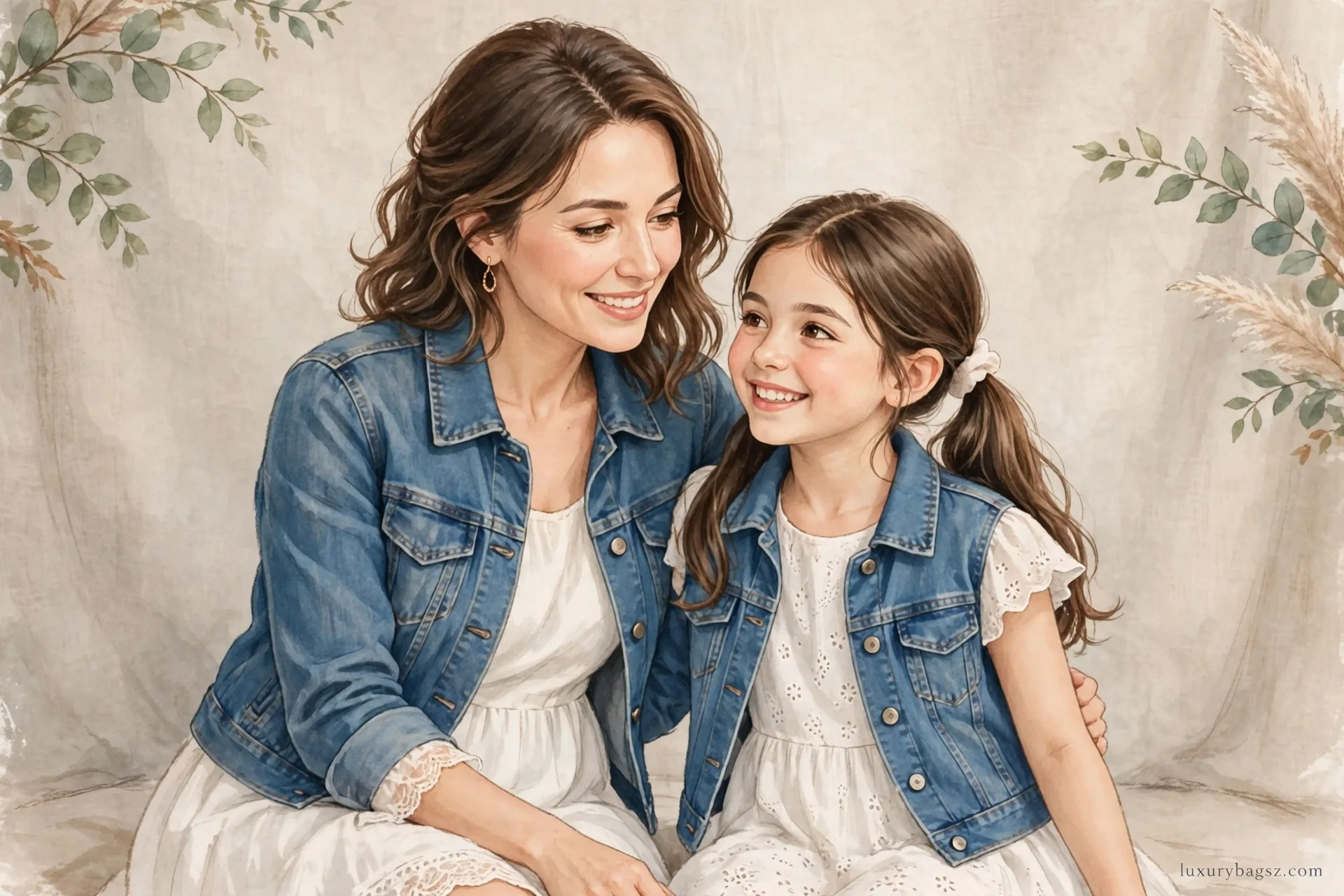
Cotton, cotton blends and washable jersey survive playground detours, ice cream and grass. Save silk and sequins for short, seated events.
Wrinkle resistance matters more than luxury hand feel when a small person will nap, climb and be carried during the day.
Holiday dressing follows the same logic; the swim and cover-up pairings in our designer beachwear guide work well as a mother and daughter set.
Pack a spare layer in the shared colour. Family days run long, and a cardigan that matches the pairing keeps the look intact into the evening.
Stain strategy is real styling: darker prints for toddlers at table, lighter colours for older children who sit through a meal.
Carry a small stain pen in the shared-colour cardigan's pocket. Family days forgive a treated mark; they remember a changed outfit.
Where to Buy Matching and Coordinated Sets
Some brands cut the same print across women's and children's lines, which is the easiest route to a true print echo.
Department stores and occasionwear labels often release family edits around holidays and wedding season; shop early for both sizes.
Pre-owned matching sets are common because children's party dresses are outgrown quickly and worn once. Check zips, hems and stains carefully.
If exact sets fail, buy separates in one colour story from different shops. A disciplined palette makes mixed sources look like one collection.
Rental is worth considering for one-off exact-match party dresses, especially in children's sizes that fit for a single season.
When buying new, choose the shop by its returns policy. Children's sizes bought ahead are the most returned items in family fashion.
Sizing, Fittings and the Photo Test
Measure children close to the event; a size bought six months ahead is a gamble at most ages under ten.
Fit both outfits a week before, not the night before. You need time for a strap lift, a hem, or a shoe swap.
Do the photo test in daylight: sit, stand and walk together, then look for slipping straps, gaping necklines and clashing undertones.
Comfort shows in photographs. Two relaxed people in simple coordinated outfits beat two uncomfortable people in perfect matching dresses.
Weather is the final fitting factor: try the outfits with the coats and cardigans the day will actually involve, not just the dresses.
A practice wear at home — an hour of play in the party dress — reveals every itch, slip and trip hazard while there is still time to fix them.
Keeping the Pieces Useful Afterwards
Choose the mother's outfit to work alone after the event. A dress that only functions as half of a pair will not be worn again.
Children's pieces in classic colours hand down well. Store them clean, with any matching accessories kept together.
Keep one photograph of each pairing you loved. It becomes your reference the next time an invitation arrives.
As daughters grow, retire levels of matching gracefully toward colour echoes. The tradition survives by changing its form.
Photograph the backs as well as the fronts. Family pictures are often taken from behind at events, and a matched ribbon or colour at the back carries the theme.
Frequently Asked Questions
What is the difference between matching and coordinating?
Matching means the same garment or print in both outfits. Coordinating means different outfits linked by a shared colour, print or mood — subtler, and easier to wear at any age.
At what age does matching stop working?
There is no fixed age, but most families move from exact matching to colour echoes as daughters reach their teens, when personal style becomes part of the fun.
What colours photograph best for family pictures?
Mid tones — navy, burgundy, sage, dusty blue — with one shared print or colour linking the outfits. Avoid pure white and head-to-toe black, which strain exposure.
How much growing room should a child's party dress have?
A little ease in the body and an adjustable waist are ideal. Avoid extra length at shoulders and neckline, which looks untidy and can slip.
Can mothers and daughters match at a wedding?
Yes, coordinated as guests — shared colours or an echo — but never in white or ivory, and not in the bridal party's colours unless you are in it.
Where can you buy matching mother and daughter dresses?
Brands that cut one print across women's and girls' lines, department store family edits at holiday time, and pre-owned occasion sets, which are plentiful and barely worn.
What fabrics are best for children's occasionwear?
Soft, washable cotton and blends with covered fastenings. Save delicate silk and heavy embellishment for short events with older children.
How do adult daughters coordinate without matching?
Share one element: a colour family, a fabric, or jewellery metal. Two distinct, well-fitting outfits with that single link read as intentional and elegant.
What shoes work for young daughters at parties?
Secure, closed shoes with growing room at the toe and a sole made for running. Match the colour family to the outfit rather than seeking an exact pair.
How do you keep a matching dress useful after the event?
Choose the mother's version in a cut and colour she would wear alone, and the child's in a classic style that hands down or resells well.
Final Verdict: Coordinate With Love, Dress for the Day
Let the occasion set the level: exact matching for the photograph and the party, colour and print echoes for everything else.
Comfort for the child, identity for the adult, one shared thread between you — that formula keeps mother and daughter dressing joyful at every age.