

Nike Air Max Sneakers: The Classic Models, Fit Guide and What to Pay
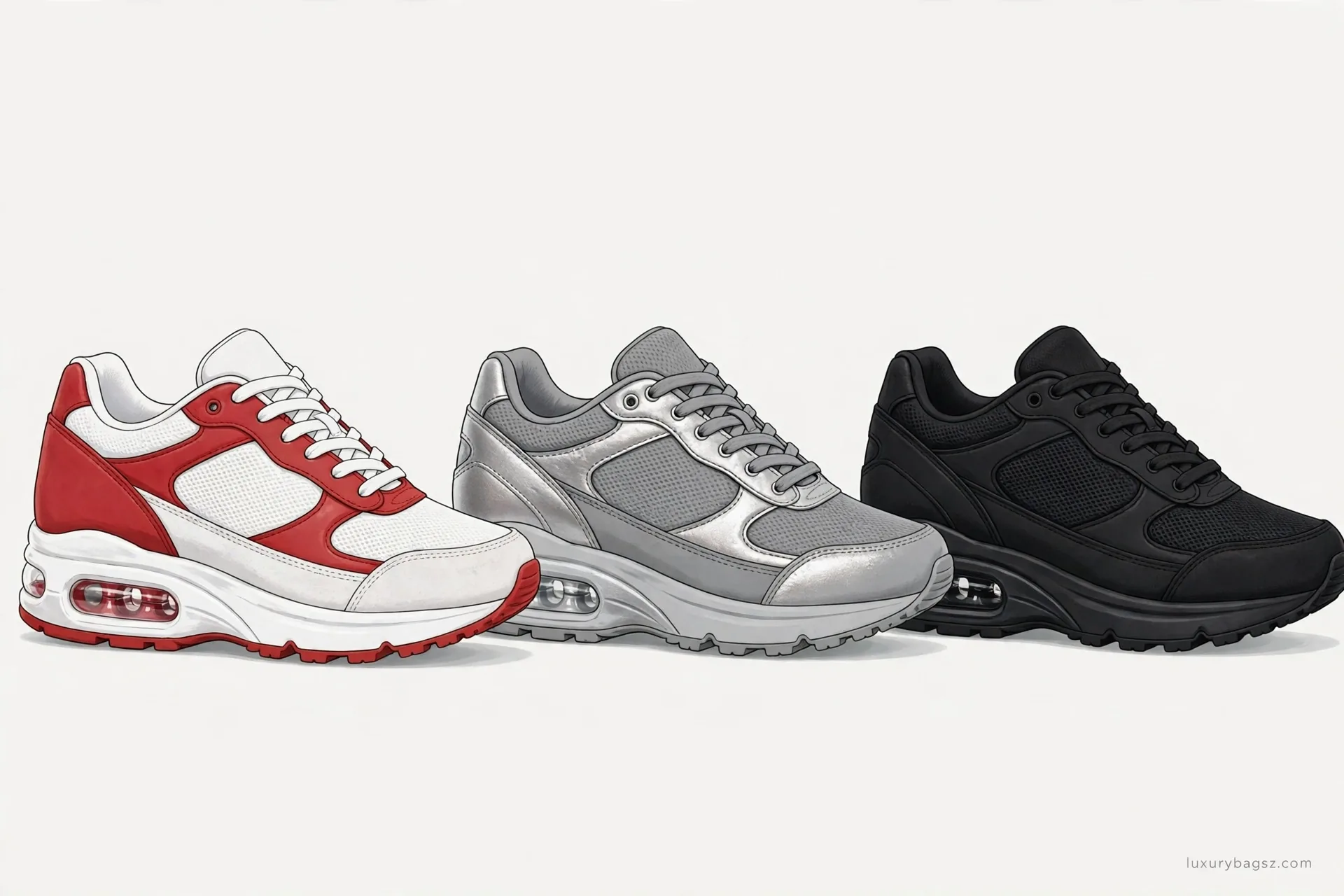
Four Models Carry the Whole Line
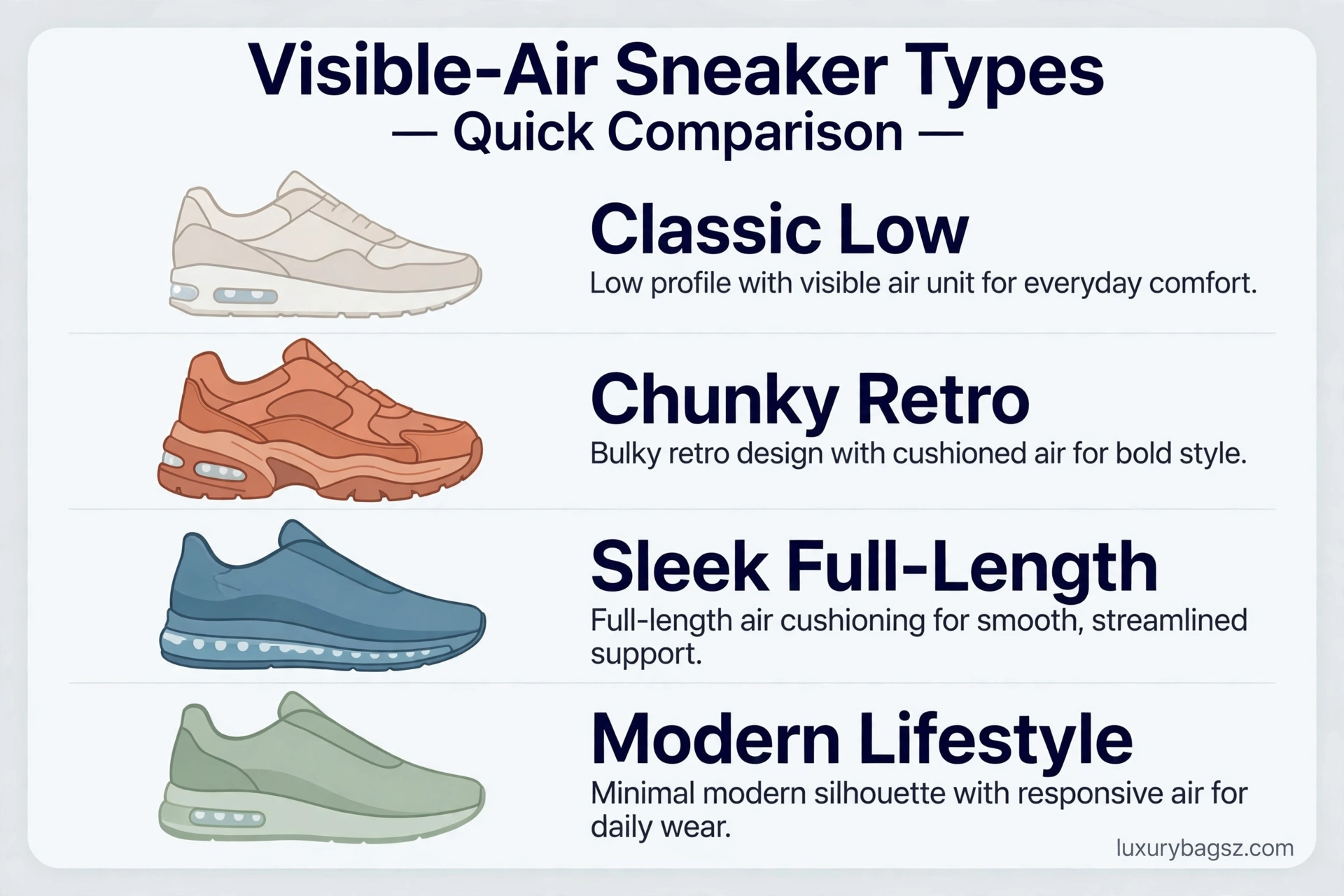
Most Air Max buying comes down to four silhouettes. The Air Max 1 is the original and the neatest. The Air Max 90 is the chunkier everyday favourite. The Air Max 95 layers up for a bolder look, and the Air Max 97 runs sleek and full-length.
All four use visible Air cushioning, the idea that made the line famous in 1987. Prices for standard colourways typically sit around £110–£160 at retail. Fit is generally true to size, with the 95 and 97 feeling snugger than the 1 and 90 for many feet.
Key Takeaways
- The Air Max 1, 90, 95 and 97 cover nearly every taste and outfit.
- Visible Air began in 1987; full-length Air arrived with the 97 in 1997.
- Standard pairs usually cost around £110–£160; special editions cost more.
- Most models fit true to size; the 95 and 97 can feel narrow.
- Old pairs need air-unit and midsole checks before you pay vintage prices.
- Everyday comfort is good for walking, but they are lifestyle shoes now.
A Short History of Visible Air
Nike Air cushioning existed inside soles before anyone could see it. The turning point was 1987, when the Air Max 1, designed by Tinker Hatfield, cut a window into the midsole and showed the Air unit. The shoe was a runner first and a fashion item second.
The idea escalated quickly. The Air Max 90 in 1990 made the window bigger and the shape bolder. The Air Max 95 in 1995 added visible forefoot Air and layered, muscle-inspired uppers. The Air Max 97 in 1997 ran the Air unit the full length of the shoe.
Since then the line has split into retros of those classics and newer lifestyle models. For most buyers the classics are the story: they return in fresh colourways every season, and the shapes have barely changed because they never needed to.
How the Air Cushioning Evolved
Each generation answered the same question differently: how much Air can you show? The 1 has a modest heel window. The 90 enlarges it and adds more sculpted foam around it, which is why it feels chunkier underfoot than it looks.
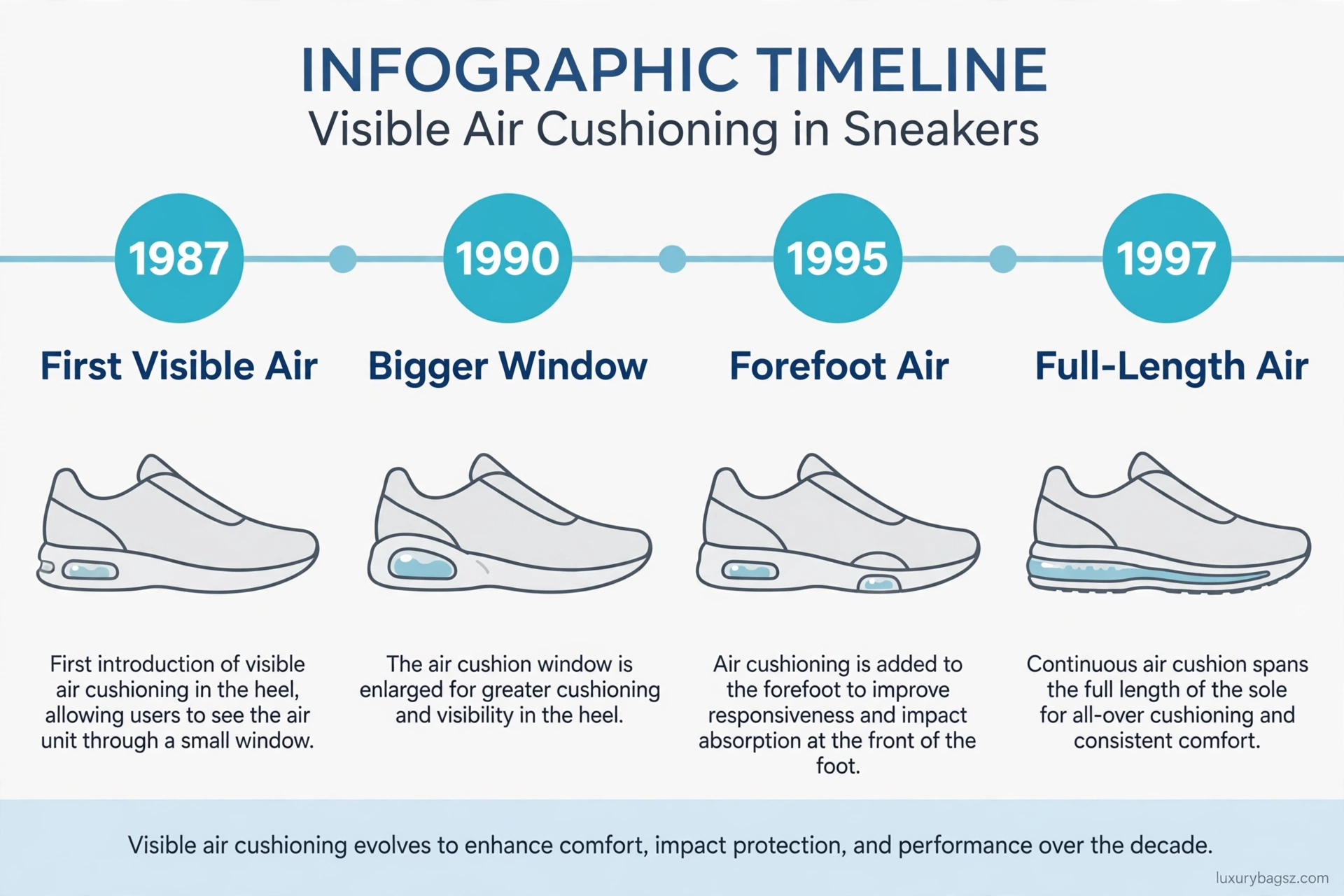
The 95 put Air in the forefoot too, giving a firmer, more even ride. The 97's full-length unit feels the smoothest of the classics, with a flatter transition from heel to toe. None of them rival modern running foam, but all are comfortable for daily miles.
Newer offshoots keep experimenting with bigger and more exposed units. They are fun, but the classics hold value and outfits better. If you are buying one pair, buy the shape you love looking at; the cushioning differences are smaller than the styling ones.
The Classic Models Compared
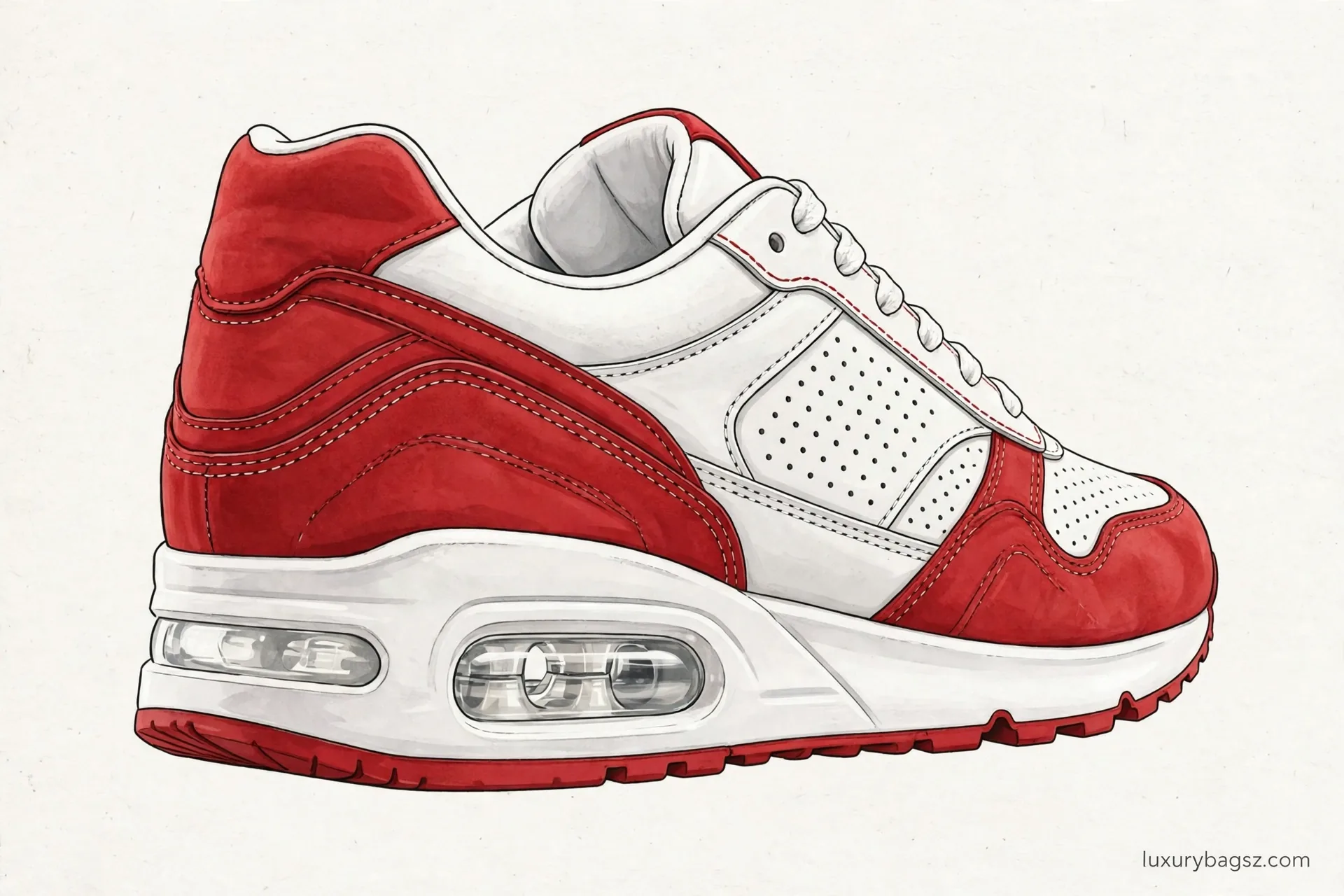
The Air Max 1 is the lightest and lowest of the four, with a retro runner shape that suits slim trousers and shorts. Original colourways in white and red remain the safest buys. It is the easiest Air Max to dress up slightly.
The Air Max 90 is the volume seller: chunkier, more padded, and happy with almost anything casual. The Air Max 95 is the boldest, with layered panels that take colour gradients well but can feel warm and snug. Choose it for statement outfits.
The Air Max 97 is the sleek one, with wavy full-length lines inspired by water ripples and a reflective finish on many versions. It runs a little narrow and long for some feet. Of the four, it dresses up best with black denim and minimal outfits.

Sizing and Fit
Most Air Max models fit true to UK size for most people, which makes them simpler than many fashion sneakers. The exceptions are the 95 and 97, where a snugger midfoot leads some buyers, especially wider feet, to take half a size up.
Our broader best sneakers buying guide explains why centimetre charts beat letter sizes. With Air Max, compare your usual Nike size first; the line is consistent enough that your last Nike pair is a good predictor.
Try retros late in the day and walk, not just stand. The Air unit raises the heel slightly, so check that your heel sits securely rather than lifting. A little room in front of the toes is right; pressure across the midfoot panels is not.
Comfort for Walking and Daily Wear
For daily walking, the 90 and 97 are the usual favourites: more cushioning, more padding, fewer pressure points. The 1 is fine for moderate days but its smaller Air unit and thinner foam show on long, hard-pavement walks.
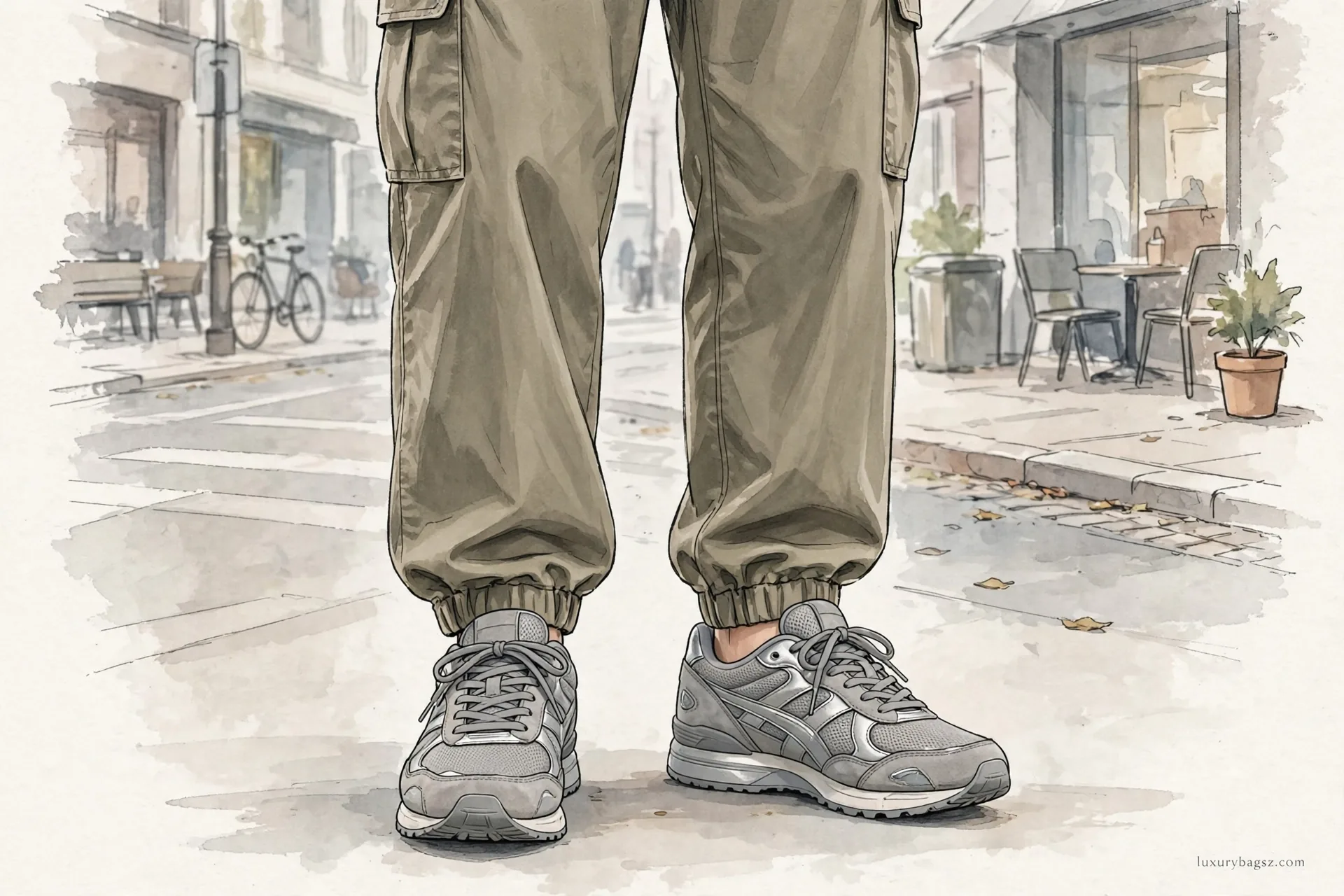
These are lifestyle shoes now, not training shoes. They handle commuting, travel days and weekend mileage happily. For actual running, buy a current running model; the retro shapes are heavier and their foams are older technology.
Break-in is short. Most pairs feel right within a few wears as the foam settles. The 95's layered upper is the slowest to soften. If a pair still pinches after a week of short wears, the size is wrong rather than the shoe being stubborn.
Prices, Colourways and Resale
Standard colourways of the classic models usually retail around £110–£160, with the 95 and 97 at the higher end. Seasonal colours are discounted regularly. Collaborations and anniversary editions launch higher and can resell above retail.
Our explainer on how luxury sneaker reselling works covers the mechanics behind those premiums. With Air Max, the pattern is predictable: the famous original colourways hold value, while loud seasonal colours often fall below retail within months.
Buy the colourway you will wear weekly, not the one with the best resale graph. A standard white, grey or black pair worn two hundred times is better value than a hyped pair worn twice and sold at a small profit.
Buying Older and Pre-Owned Pairs Safely
Age is the hidden cost in vintage Air Max. Polyurethane midsoles break down over years, even in unworn pairs: they can crumble, crack or separate on early wears. Air units can also crack or deflate. Always ask the age and storage history of older pairs.
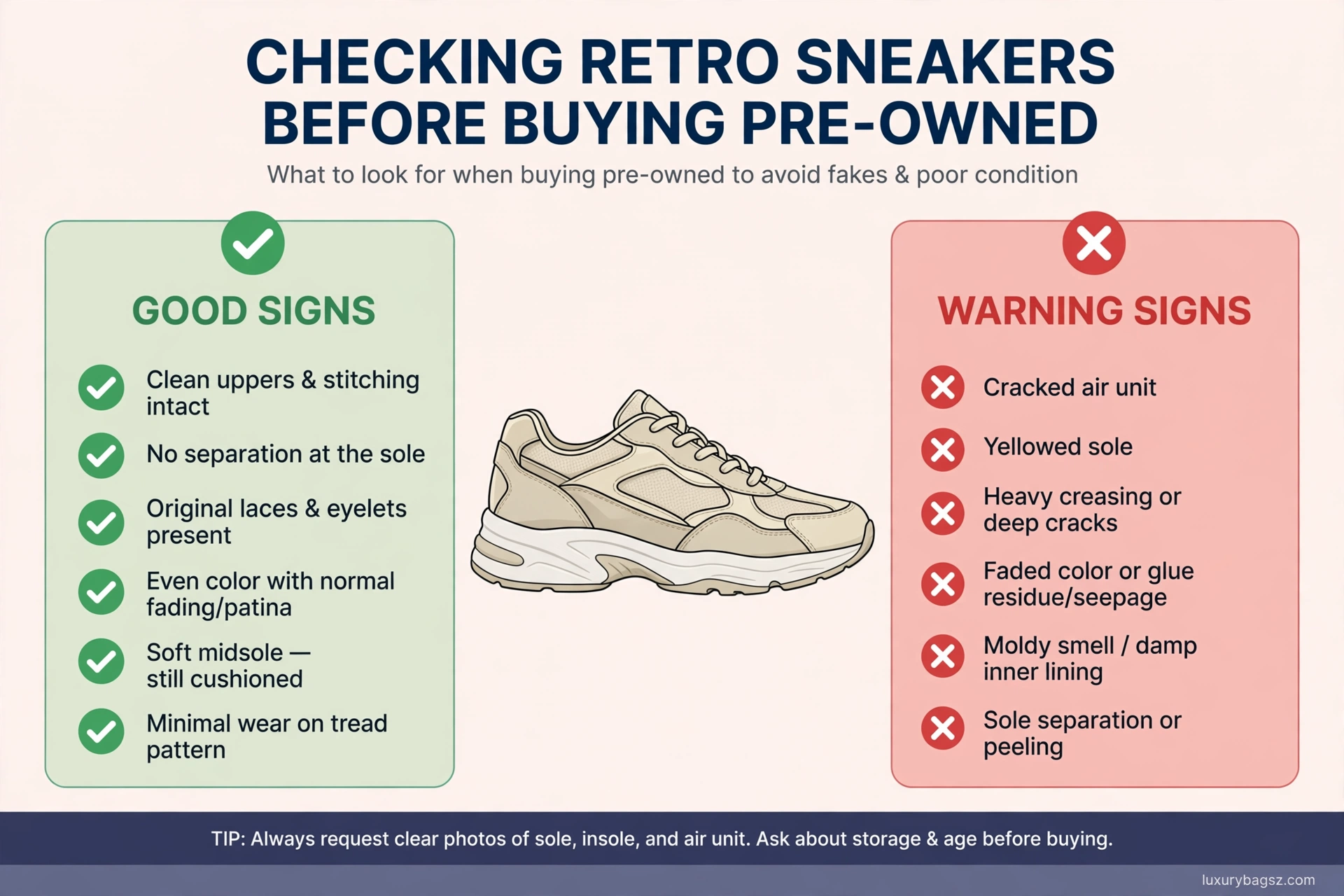
Flex the shoe gently in photos or in hand and look for midsole cracking, especially on 90s and 95s. Press the Air window; it should feel firm and even. Yellowed soles are cosmetic, but crumbling foam is terminal.
For authenticity on hyped Nike pairs, the checks in our guides to how to spot fake Air Dior Jordan sneakers and how to spot fake Off-White Nike sneakers transfer well: label fonts, box labels, stitching and shape tell most of the story.
Care and How Long They Last
Wipe uppers after wear and wash laces separately. Mesh and synthetic panels clean with a soft brush and mild soap; leather and suede colourways need their own gentler routine. Keep pairs away from radiators, which age the foam and glue faster.
Rotation extends life more than any product. Foam needs a day to recover between long wears. Stored cool, dry and out of sunlight, a current pair should give years of casual use; the soles will usually outlast the cushioning feel.
Resoling is rarely an option on this line. Our guide to whether you can resole sneakers explains why sealed Air Max soles are effectively life-of-shoe parts. Buy them expecting to replace the pair, not rebuild it, when the midsole dies.
Frequently Asked Questions
Which Air Max model should I buy first?
The Air Max 90 is the easiest first pair: comfortable, padded and simple to style. Choose the Air Max 1 for a neater retro look, the 95 for boldness, and the 97 for a sleeker line with black outfits.
Do Air Max fit true to size?
Mostly yes. The 1 and 90 fit true for most feet. The 95 and 97 feel snugger through the midfoot, so wider feet often prefer half a size up. Your size in other Nike trainers is a reliable guide.
Are Air Max comfortable for walking all day?
Yes, for lifestyle walking. The 90 and 97 cushion commuting and travel days well. They are not running shoes, and modern running foam is softer for very long distances, but for daily city mileage they are a proven choice.
How much do Air Max cost?
Standard colourways of the classic models typically retail around £110–£160. Seasonal colours are often discounted. Collaborations and anniversary editions cost more at launch and may resell higher still.
Can old Air Max fall apart?
Yes. Polyurethane midsoles degrade with age, even unworn, and can crumble or separate. Air units can crack too. Check age, flex and the Air window carefully before paying vintage prices for older pairs.
What is the difference between the Air Max 90 and 95?
The 90 has a bigger heel Air window, chunkier padding and a simpler upper. The 95 adds forefoot Air and layered panels, feels snugger, and looks bolder. Both are comfortable; the choice is mostly style and fit.
Are Air Max 97s reflective?
Many 97 colourways include reflective piping that lights up under headlights and flash photos. Not every version has it, so check the product details if that feature matters to you.
How do I clean Air Max without ruining them?
Brush off dry dirt, clean uppers with a soft brush and mild soap, and air-dry at room temperature. Avoid machine washing and heat, which can damage foams, glues and the Air unit windows.
Do Air Max hold their value?
Original colourways of the 1, 90, 95 and 97 tend to hold value best. Loud seasonal colours usually fall below retail. Condition and box completeness matter, but wearability matters more to most buyers.
Can Air Max be resoled?
Practically, no. The sealed sole units with embedded Air are not designed for cobbler resoles. Some specialists attempt sole swaps on rare pairs, but for everyday pairs, plan to replace rather than rebuild.
Final Verdict
Pick your silhouette first — neat 1, chunky 90, bold 95 or sleek 97 — buy your usual Nike size, and favour the classic colourways. Treat older pairs as consumables with an expiry date, and an Air Max will give you years of easy, comfortable wear.






