

Classic Yeezy Shoes: The Models That Defined an Era, Fit and Resale Reality
A Retrospective, Not a Sales Pitch
The classic Yeezy story is finished, and that is what makes it interesting. adidas ended its partnership with Kanye West in October 2022 and sold remaining stock through 2024. Today these shoes exist only on the resale market, at prices set by nostalgia and condition.
The models that matter are the Boost 350 and 350 V2, the 700 with its chunky wave sole, the 500, and the high-top 750 that started the adidas era in 2015. Before all of them came the Nike Air Yeezy of 2009. This guide treats them honestly as collector and comfort buys, not current retail products.
Key Takeaways
- Yeezy production has ended; all buying today is resale buying.
- The 350 V2 is the most common, comfortable and affordable classic.
- The 700 and 500 use different cushioning and suit chunkier styling.
- 350 V2s typically run small; many buyers take half a size up.
- Fakes are widespread, so knit pattern, heel tab and labels matter.
- Condition decides value more than colourway once a shoe is worn.
From Nike Air Yeezy to the adidas Era
The line began at Nike. The Air Yeezy I arrived in 2009 as a high-top collaboration, followed by the Air Yeezy II in 2012, whose Red October colourway became a resale legend. Both are now deep collector items with prices to match.
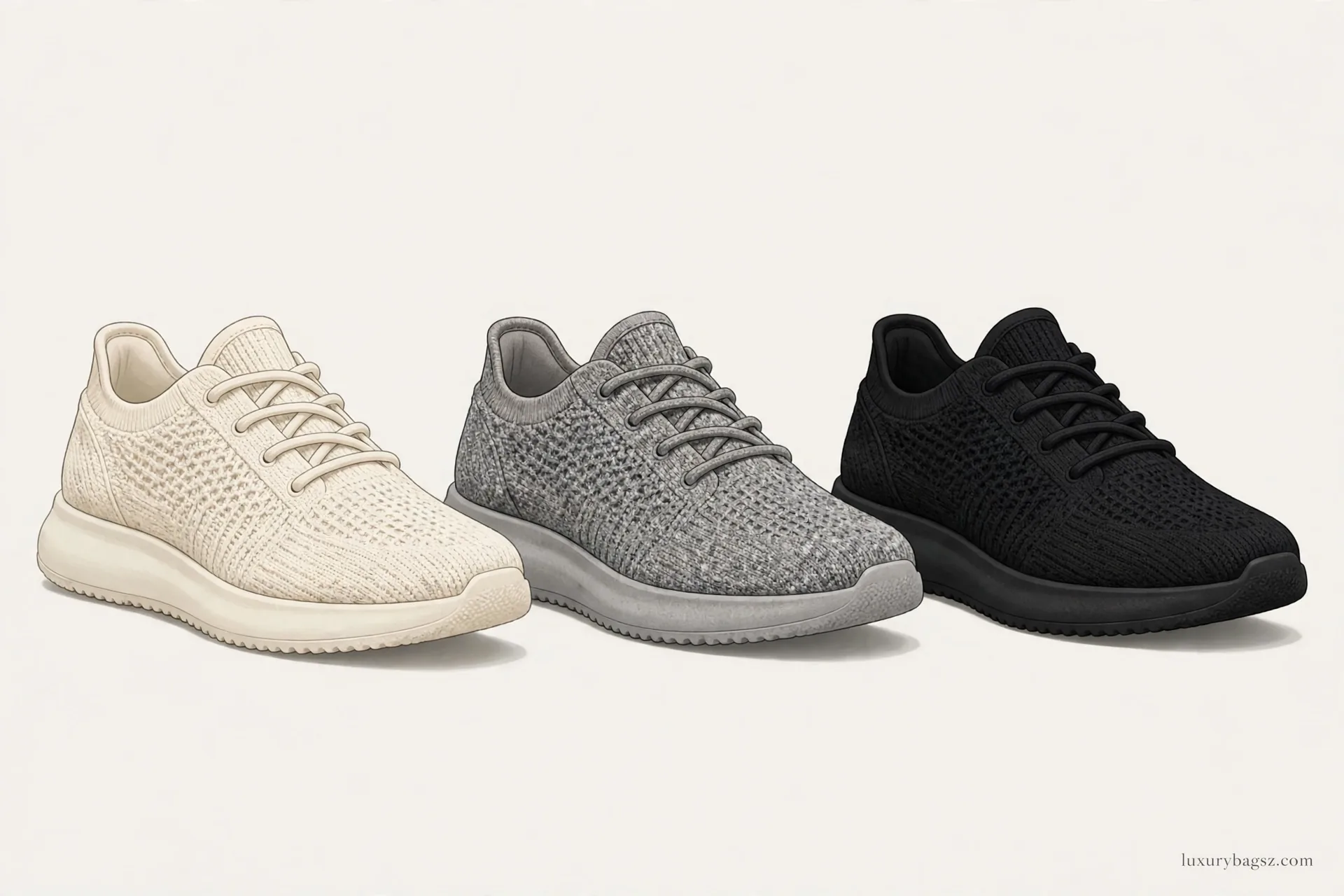
The adidas era opened in 2015 with the Boost 750, a suede high-top, then the Boost 350 in the Turtle Dove colourway. The 350's Primeknit upper and full-length Boost foam sole defined the look and feel that the rest of the decade copied.
The partnership ran until October 2022, when adidas ended it. Remaining inventory was sold in batches through 2024, after which the line closed. Any pair offered as new today is old stock or resale stock, and should be priced and checked as such.
The Models That Defined the Line
The 350 V2, launched in 2016 with the Beluga colourway, is the definitive Yeezy: low knit upper, side stripe on early versions, Boost sole in a translucent or solid shell. Dozens of colourways followed, which is why it is the easiest classic to find and buy.
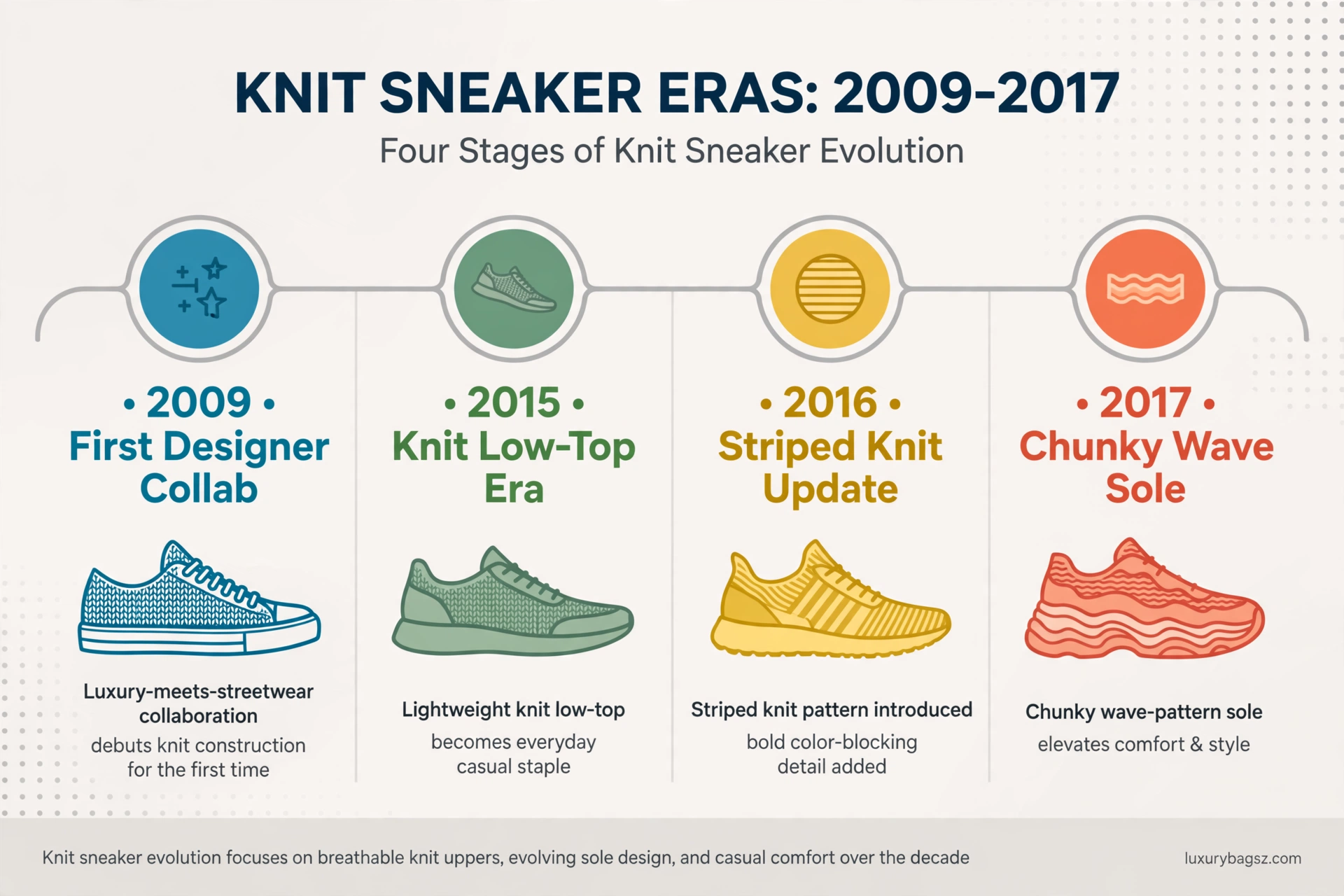
The 700, nicknamed the Wave Runner after its 2017 debut colourway, went the opposite way: bulky layered upper, sculpted sole, reflective details. The 500 used adiPRENE cushioning instead of Boost and a suede-mesh upper with a distinctive rounded sole.
Around them sat the wider family: 380s, slides and foam runners in later years. Collectors concentrate on the 350s, 700s and 500s because they carried the era's design language furthest and still wear well with modern clothing.
What They Feel Like On Foot
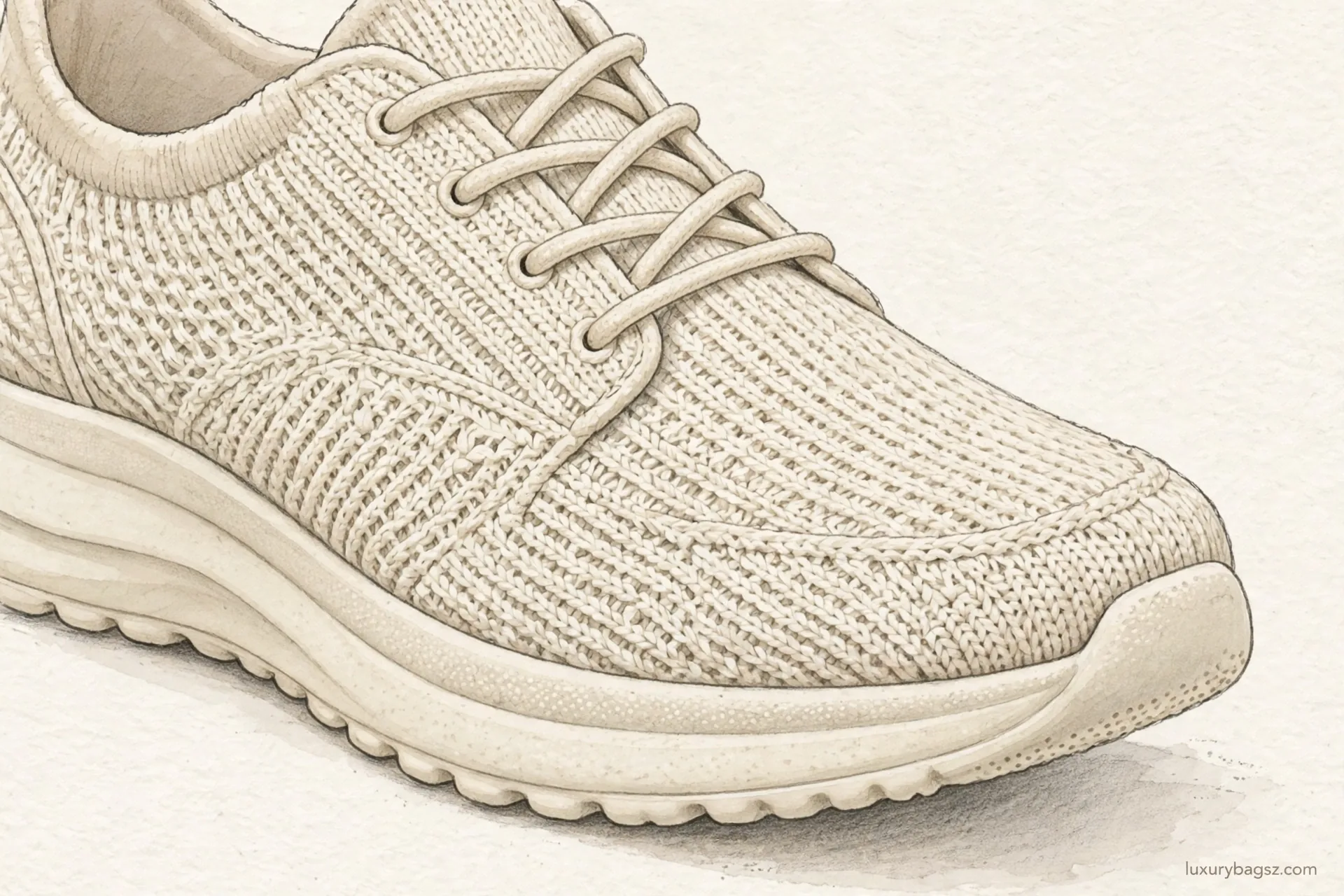
Boost foam is the reason the 350s remain popular as actual shoes. It feels soft and springy, with a knit upper that hugs like a sock. Long walks are easy, although the soft setup offers little structure for anyone who needs support.
The 700 feels firmer and more stable, with a conventional trainer shape under the drama. The 500 is the firmest of the three, with a lower, flatter ride that suits people who dislike the 350's bounce. Try before you buy where possible; the three feel genuinely different.
Age matters more each year. Knit stretches, Boost yellows and loses some life, and older soles harden. A lightly worn 2019 pair can feel better than an unworn pair stored badly since 2016. Condition, as ever, beats the date on the box.

Sizing: The Half-Size Question
The 350 V2 is famous for running small. Most buyers take half a size up from their usual trainer size, and wide feet sometimes a full size. The original 350 fits a little roomier. The 700 is closer to true, and the 500 slightly snug.
Our best sneakers buying guide explains the centimetre method, and it matters here because resale returns are harder. Measure your foot, compare the insole length in the listing, and ask for it if it is not shown.
Knit uppers forgive width but not length. If your toes press the end in a knit shoe, they will keep pressing; the knit gives sideways far more than forwards. When between sizes on resale, choose the larger and add a thin insole if needed.
Styling the Classics Now
The 350 V2 works best with the clothes it grew up with: joggers, tapered denim, shorts and oversized layers. Neutral colourways — creams, greys, blacks — have aged far better than the loudest patterns and slot into current wardrobes without effort.
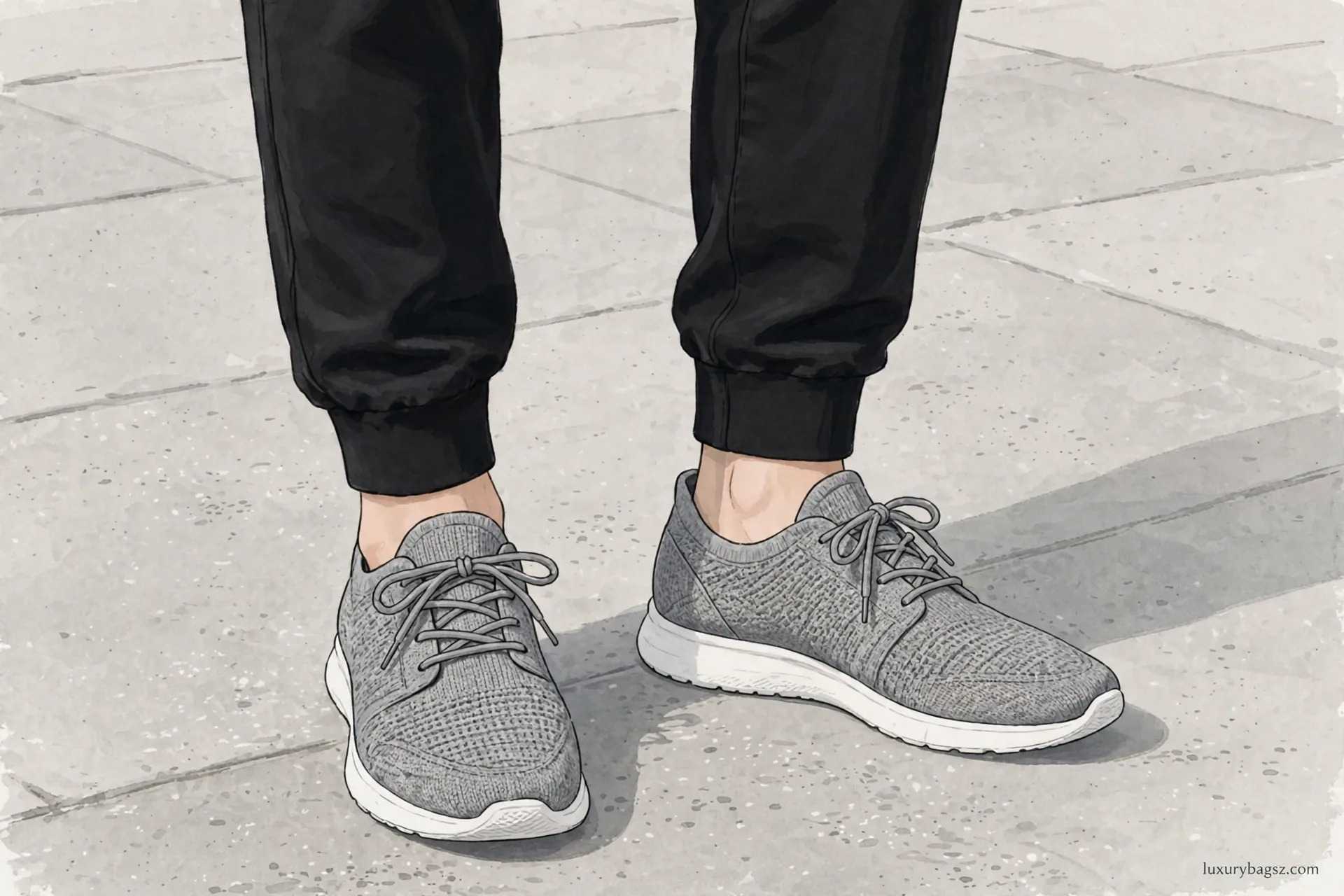
The 700 needs volume below the waist to balance its sole: wider trousers, cargos and longer coats. The 500 sits between the two and pairs well with workwear tones. All three look wrong with slim tailoring; they are casual shoes and dress best when treated that way.
Colour discipline is what keeps them current. One colourway, worn often with simple clothes, reads as a personal uniform. Rotating five loud pairs reads as a collection. Neither is wrong, but only one of them looks effortless in 2026.
Resale Prices and What Is Fair
Prices have settled far below the peak years. Common 350 V2 colourways in good used condition often trade in the low hundreds of pounds, sometimes near or below their original retail. Rare early pairs, the Zebra among them, hold a premium but not the frenzy of 2017.
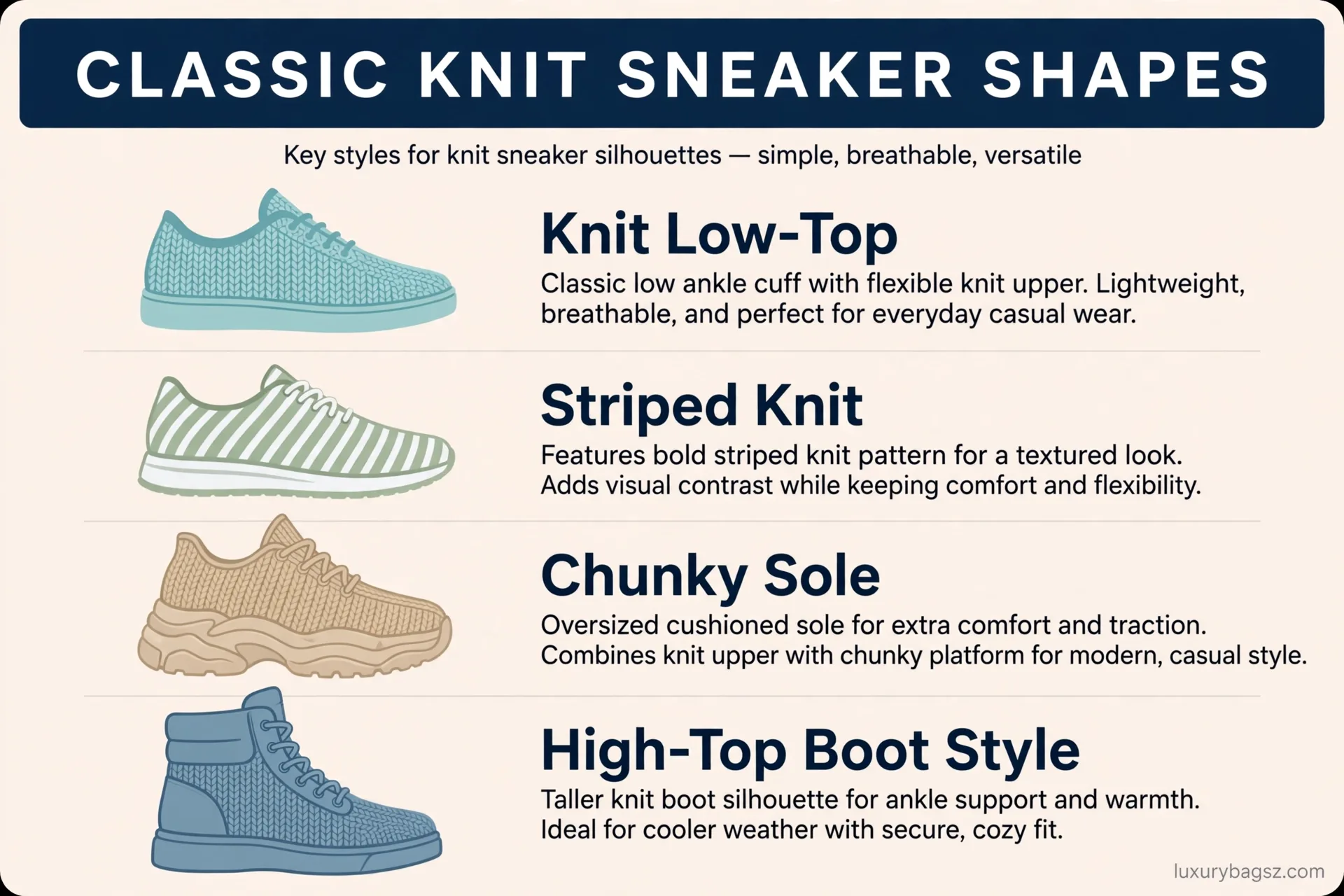
Our explainer on how luxury sneaker reselling works shows why the end of production did not send prices up: supply was already huge, and demand cooled with the hype. That is good news for buyers who actually want to wear them.
Price by condition first, colourway second. A pristine common pair is a better buy than a beaten rare one at the same money. Check completed sales, not asking prices, on resale platforms before making an offer.
Authenticity: The Checks That Matter
Yeezys were among the most copied shoes ever made, and replicas improved fast. Start with the knit: genuine Primeknit patterns are tight, even and symmetrical between the pair. The heel tab stitching, size label font and box label should all match reference photos of the exact colourway.
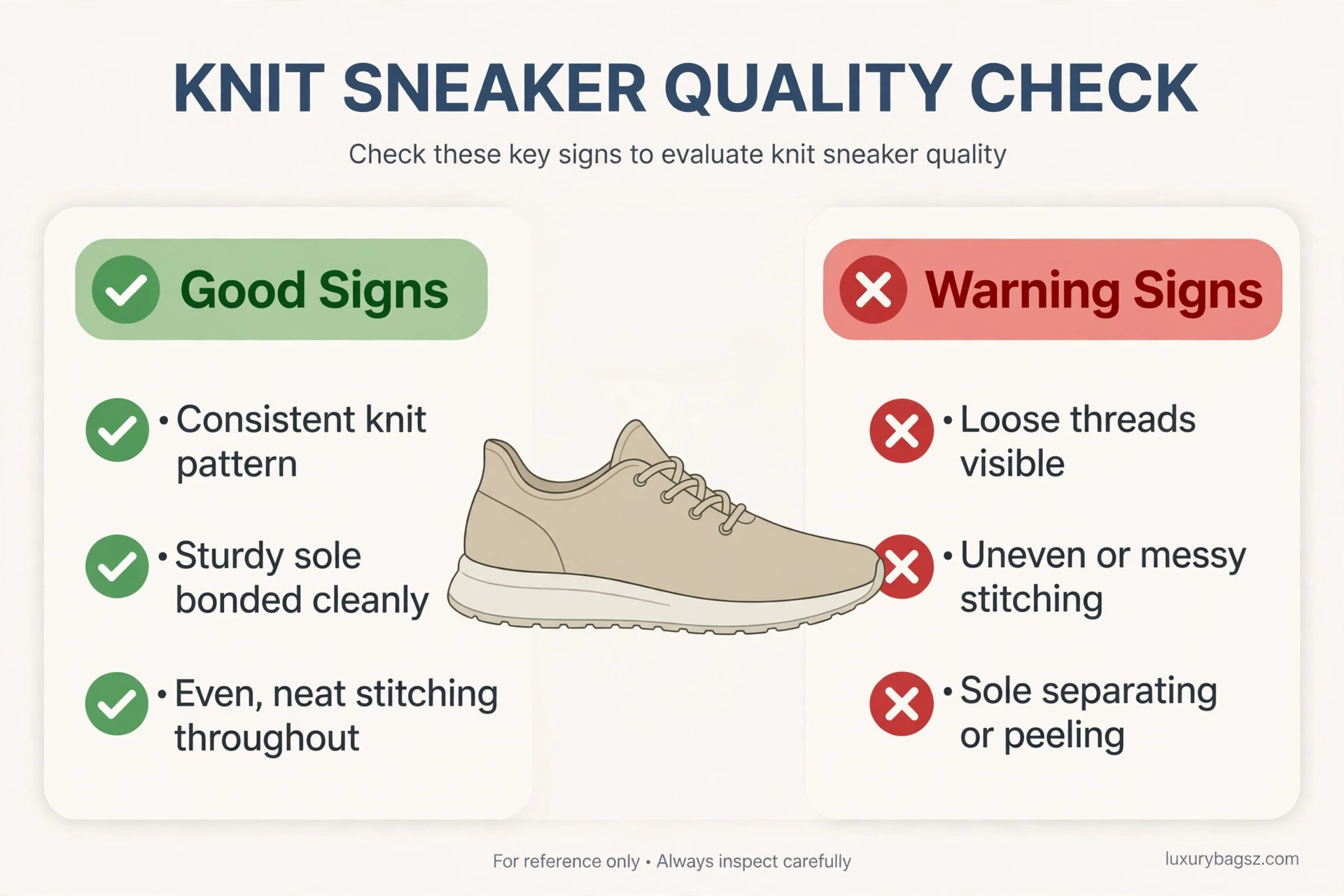
The general method in our guide to how to spot fake Off-White Nike sneakers applies here too: labels, fonts and finishing reveal more than any single logo point. On 350s, check the Boost texture as well; real Boost has a distinctive pebbled look and spring.
For used pairs, combine authenticity with condition grading. Our walkthrough on how to grade designer shoe condition helps you price wear honestly. If a deal needs you to skip checks, walk away; supply is plentiful.
Should You Still Buy a Pair?
Yes, if you want the comfort and the look, and you buy them as used-era shoes rather than investments. The 350 V2 remains one of the most comfortable knit trainers ever sold, and at current resale prices it competes fairly with new mid-range trainers.
Buy the best condition you can, in a neutral colourway, from a seller who photographs everything. Our guide to pre-owned luxury condition grades explained sets out what each grade should mean in practice.
Skip pairs with cracked soles, stretched-out knit or missing boxes at collector prices. The era produced millions of pairs, so patience is rewarded. The right pair at a fair price is a genuinely good buy; the wrong one is a museum ticket.
Frequently Asked Questions
Are Yeezys still being made?
No. adidas ended the partnership in October 2022 and sold remaining stock through 2024. Everything available now is resale or old stock, so condition checks and fair resale comparisons matter more than retail prices.
Which Yeezy model is the most classic?
The Boost 350 V2 is the defining model, especially early colourways like Beluga and Zebra. The 700 Wave Runner is the second icon. The Nike Air Yeezy models are older and rarer, and sit in a different price world.
Do Yeezy 350 V2s run small?
Yes, most buyers take half a size up from their usual size, and wide feet sometimes a full size. The knit stretches in width but not much in length, so toe room is the deciding factor.
How much should a used pair cost?
Common 350 V2 colourways in good used condition often sell in the low hundreds of pounds, varying with size and colour. Check completed listings for your exact size rather than relying on headline asking prices.
How can I tell if Yeezys are fake?
Check knit symmetry, heel tab stitching, size and box label fonts, and the pebbled Boost texture. Compare against reference photos of the exact colourway, and use platforms with authentication where the value justifies it.
Are the Nike Air Yeezy models worth buying?
Only as collectibles. The 2009 and 2012 Nike models command very high prices and are rarely bought to wear. For wearing, the adidas-era 350, 700 and 500 offer the same design story at a fraction of the cost.
Does Boost foam wear out?
It ages slowly. Boost can yellow and lose some spring over years, and badly stored pairs harden. Lightly worn, well-stored pairs usually feel close to new; heavy mileage pairs feel noticeably flatter.
Which colourway is easiest to wear?
Neutral ones: cream, grey, black and earth tones. They pair with almost everything and have held their appeal best. Loud patterns date faster and are harder to match, although they can be cheaper for that reason.
Can Yeezys be cleaned easily?
Knit uppers clean with a soft brush and mild soap solution, worked gently and air-dried. Avoid machine washing and heat. Suede 500 and 750 uppers need suede-specific care and a lighter touch with water.
Will Yeezys go up in value again?
Nobody can promise that, and buyers should not count on it. Supply is large and the hype era has passed. Buy them because you want to wear one of the defining shoes of the 2010s, at a fair price.
Summary
The classics — 350, 350 V2, 700 and 500 — are now resale-only shoes with settled prices and plentiful supply. Size up in the 350 V2, check knit, labels and Boost carefully, pay for condition rather than hype, and they remain excellent, comfortable buys.






