

Luxury Brands by Asian Designers: The Names, Regions and Smart Ways to Shop Them
The Short Answer: Start With the Region, Then the Designer
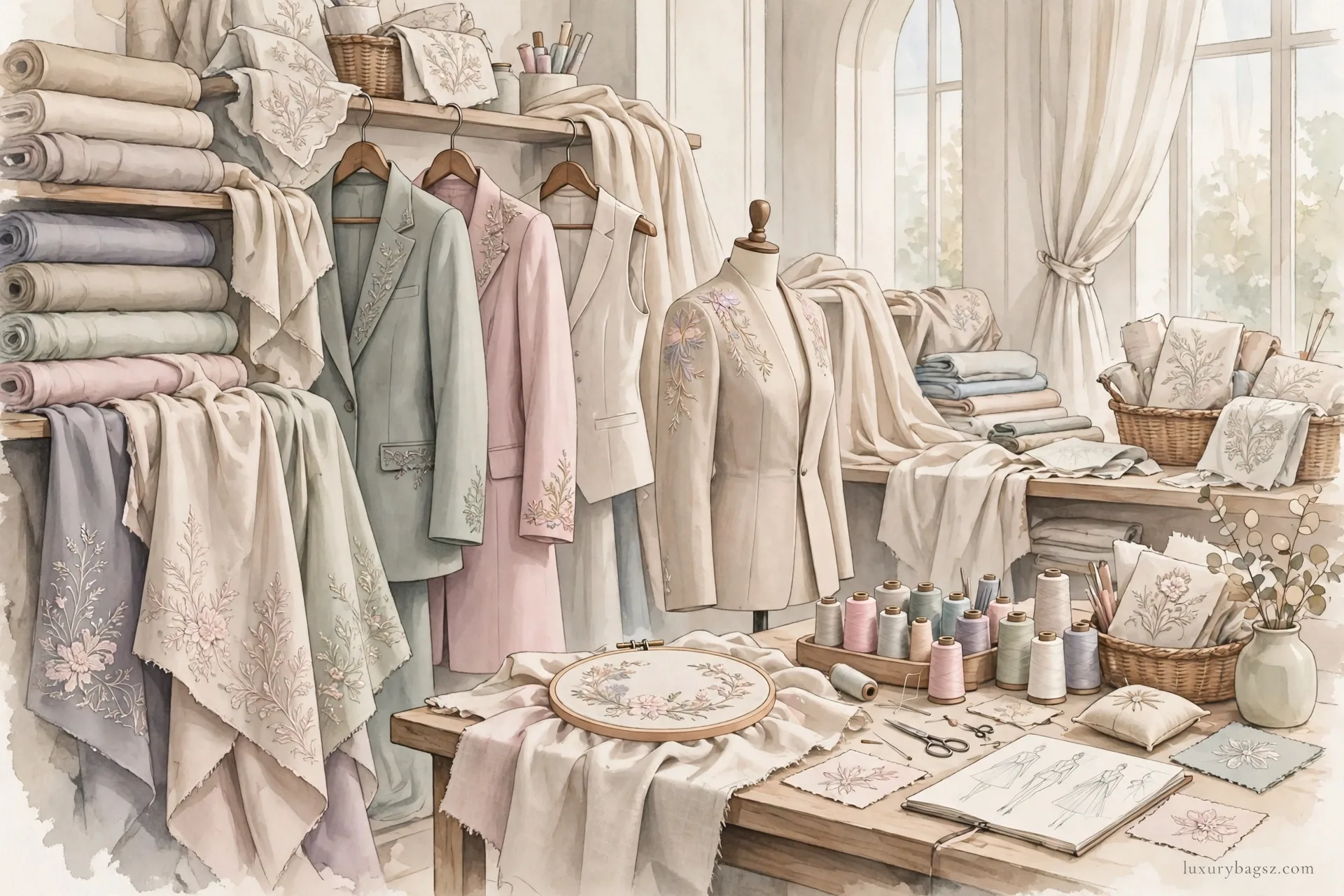
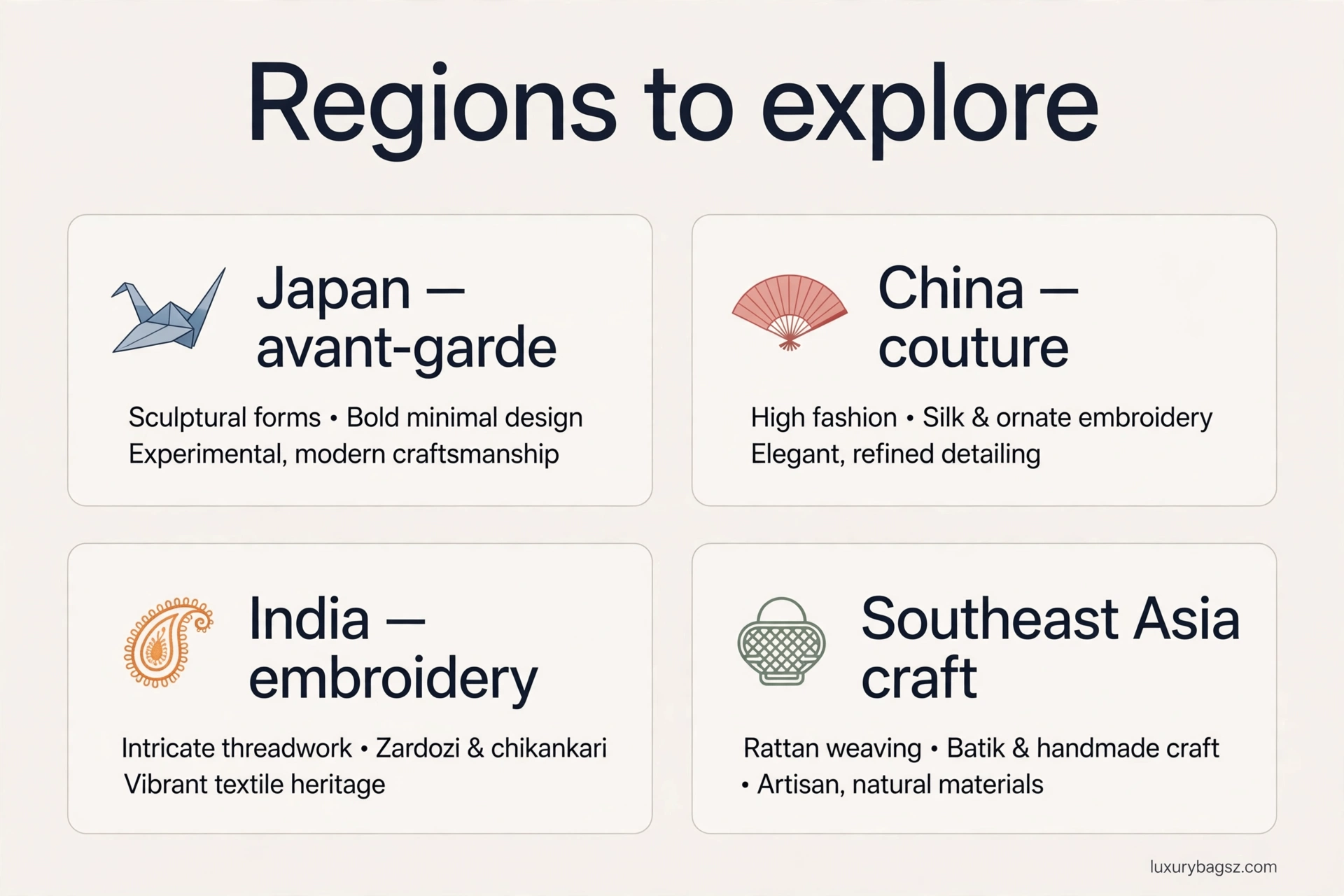
Luxury brands by Asian designers are not one style. Japan is known for avant-garde cutting, China for couture and fast-rising contemporary labels, India for embroidery and handloom craft, and Southeast Asia for textile-led, climate-aware design.
The smart way in is to pick one region that matches your wardrobe, learn two or three names well, and check sizing, fabric and returns before you buy. One strong, well-made piece will serve you better than a scatter of unfamiliar labels bought on impulse.
Key Takeaways
- Japan: Yohji Yamamoto, Comme des Garçons, Issey Miyake and Sacai lead avant-garde and pleated design.
- China: Guo Pei for couture, plus Shanghai labels such as Uma Wang, Ms Min, Shushu/Tong and Angel Chen.
- India: Sabyasachi, Rahul Mishra and Anita Dongre show embroidery, handloom and bridal craft at luxury level.
- Southeast Asia: labels in Vietnam, Indonesia, the Philippines, Malaysia and Singapore build on batik, weaving and tailoring.
- Check sizing carefully, as fits vary by brand and region, and buy from authorised stockists or trusted retailers.
- Care for embroidery, pleats and handwoven fabric exactly as the label directs, not by guesswork.
Japan: Avant-Garde, Pleats and Quiet Radicalism
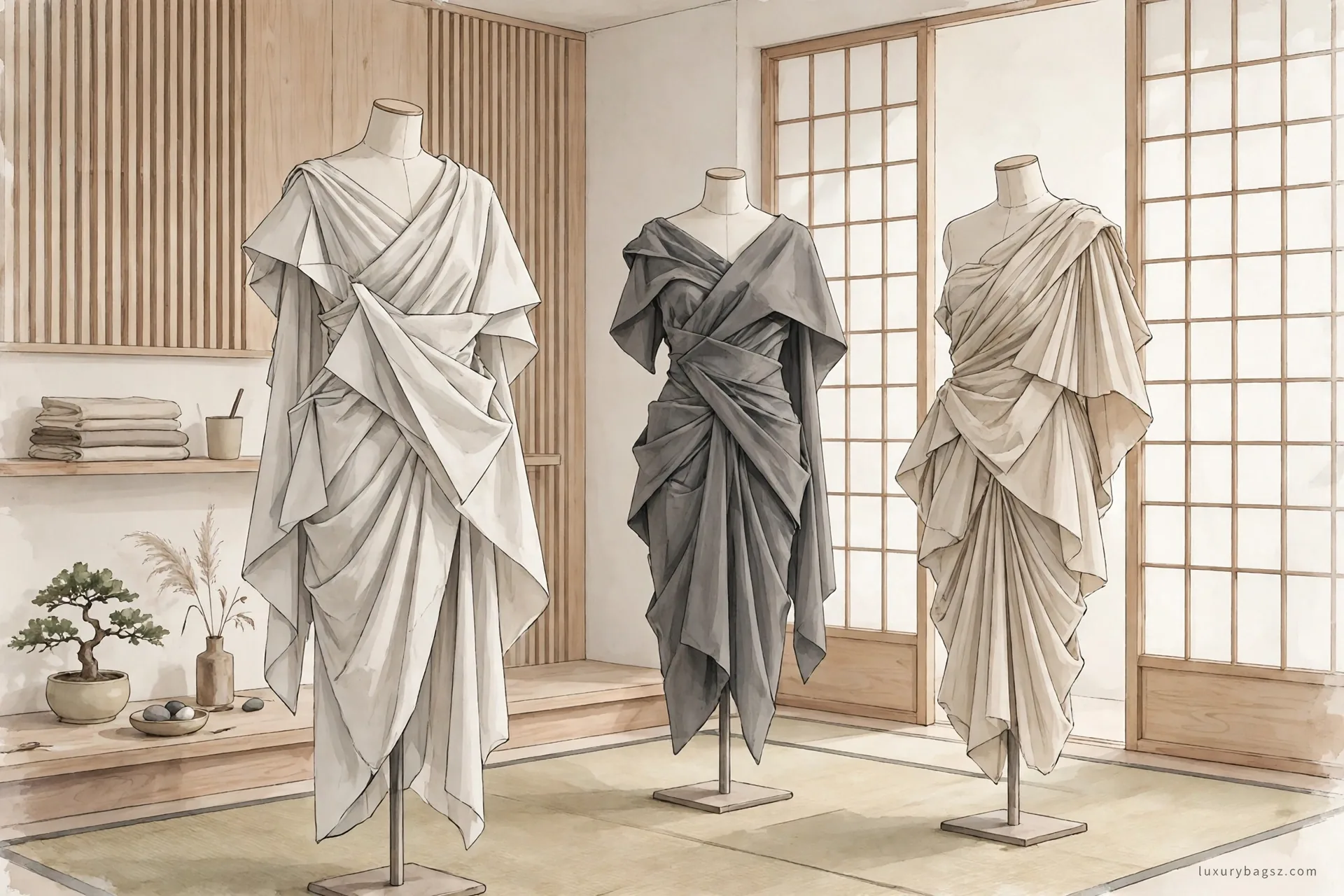
Japanese designers changed luxury fashion by questioning Western tailoring itself. Yohji Yamamoto, Rei Kawakubo of Comme des Garçons and Issey Miyake each built a language around drape, volume, asymmetry and fabric innovation rather than decoration alone.
Yamamoto is known for dark, oversized tailoring and a poetic, intellectual mood. Comme des Garçons is known for deconstruction, unexpected shapes and runway ideas that challenge what a garment should be. Miyake, famous for pleats, made movement and lightness into a luxury idea, with pleated pieces that pack, travel and flatter many bodies.
For a first buy, Miyake pleats are often the easiest entry: they are recognisable, practical and relatively easy to wear. Yamamoto and Comme des Garçons reward a try-on, because volume and proportion matter more than a size label. That restrained, craft-first mood also sits close to quiet luxury, where quality shows in cut and cloth rather than in a logo.
China: Couture Grandeur and Shanghai Contemporary
Chinese luxury design spans two very different worlds. At the top end, Guo Pei is a couture name known for spectacular, embroidered gowns worn on red carpets and at major cultural events. Her work draws on Chinese history, mythology and imperial dress, made with extraordinary handwork.
At the contemporary end, Shanghai and Beijing labels such as Uma Wang, Ms Min, Shushu/Tong, Chen Peng and Angel Chen offer wearable luxury with a strong design point of view. Uma Wang is known for textured knits and layered silhouettes. Shushu/Tong plays with feminine, doll-like proportions. Chen Peng is known for bold, voluminous outerwear.
Shang Xia, founded by Jiang Qiong-er with Hermès backing, sits between these worlds, pairing Chinese craft such as lacquer, silk and cashmere with modern furniture, clothing and objects. When shopping Chinese labels, check whether you are buying couture, ready-to-wear or a diffusion line, because price, fit and availability differ sharply.
India and South Asia: Embroidery, Handloom and Bridal Luxury
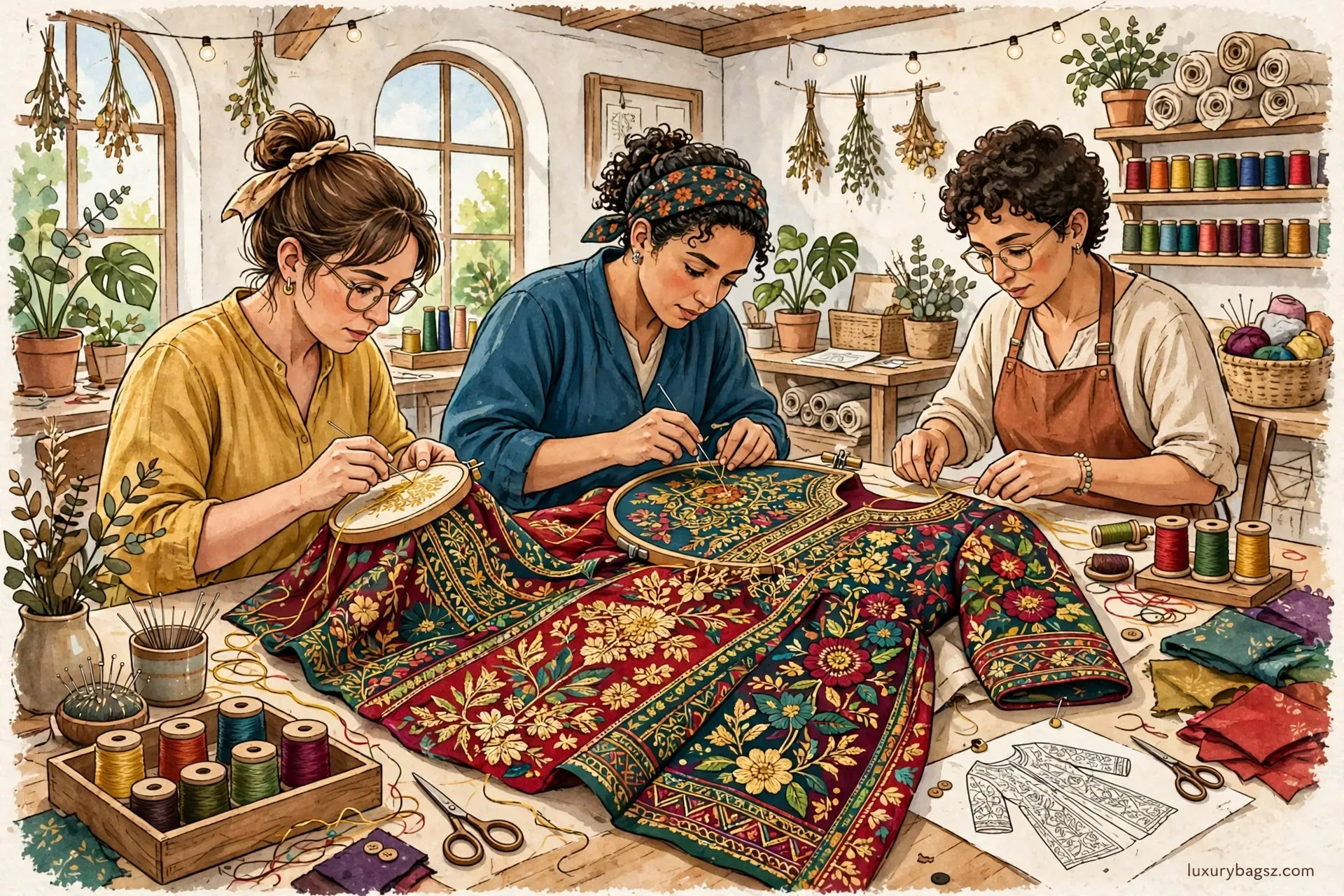
Indian luxury is built on hand skills that go back centuries: handloom weaving, block printing, zardozi embroidery, mirror work and fine silk and cotton. Sabyasachi Mukherjee is the best-known name internationally, famous for rich bridal lehengas, intricate jewellery and heritage-inspired ready-to-wear.
Rahul Mishra brings handloom and embroidery to Paris couture, with surfaces that look like paintings made in thread. Anita Dongre blends Rajasthani craft with modern, wearable silhouettes. In Pakistan, designers such as Hussain Rehar, Shehla Chatoor and Faraz Manan are known for couture bridal and embellished ready-to-wear, often sold in the Gulf as well as at home.
The practical point is care. Embroidered and handwoven pieces usually need dry cleaning, gentle handling and careful storage. Ask the seller about cleaning before you buy, and budget for it. A beautiful lehenga that cannot be cleaned safely is a poor purchase, however striking it looks in photographs.

Southeast Asia: Textiles, Tailoring and Tropical Luxury
Southeast Asian luxury is often quieter and more textile-led. Indonesian labels work with batik and handwoven cloth, turning heritage techniques into modern dresses and separates. Vietnamese labels such as Lespoir favour minimal, structured design, while Fancì Club leans into bold, feminine glamour.
In the Philippines, designers work closely with local artisans on soft tailoring, piña and woven fabrics, and slow, intimate collections. Singapore and Malaysia add refined, city-ready labels built on clean lines, neutral palettes and careful fit for warm, humid climates.
This region is a good place to look if you want luxury that works in heat. Look for breathable natural fabrics, relaxed but polished cuts, and pieces that move from day to evening. A handwoven dress or a well-cut linen suit from this region can feel more luxurious than a heavy European wool piece you rarely wear.
How to Shop: Sizing, Authenticity and Returns
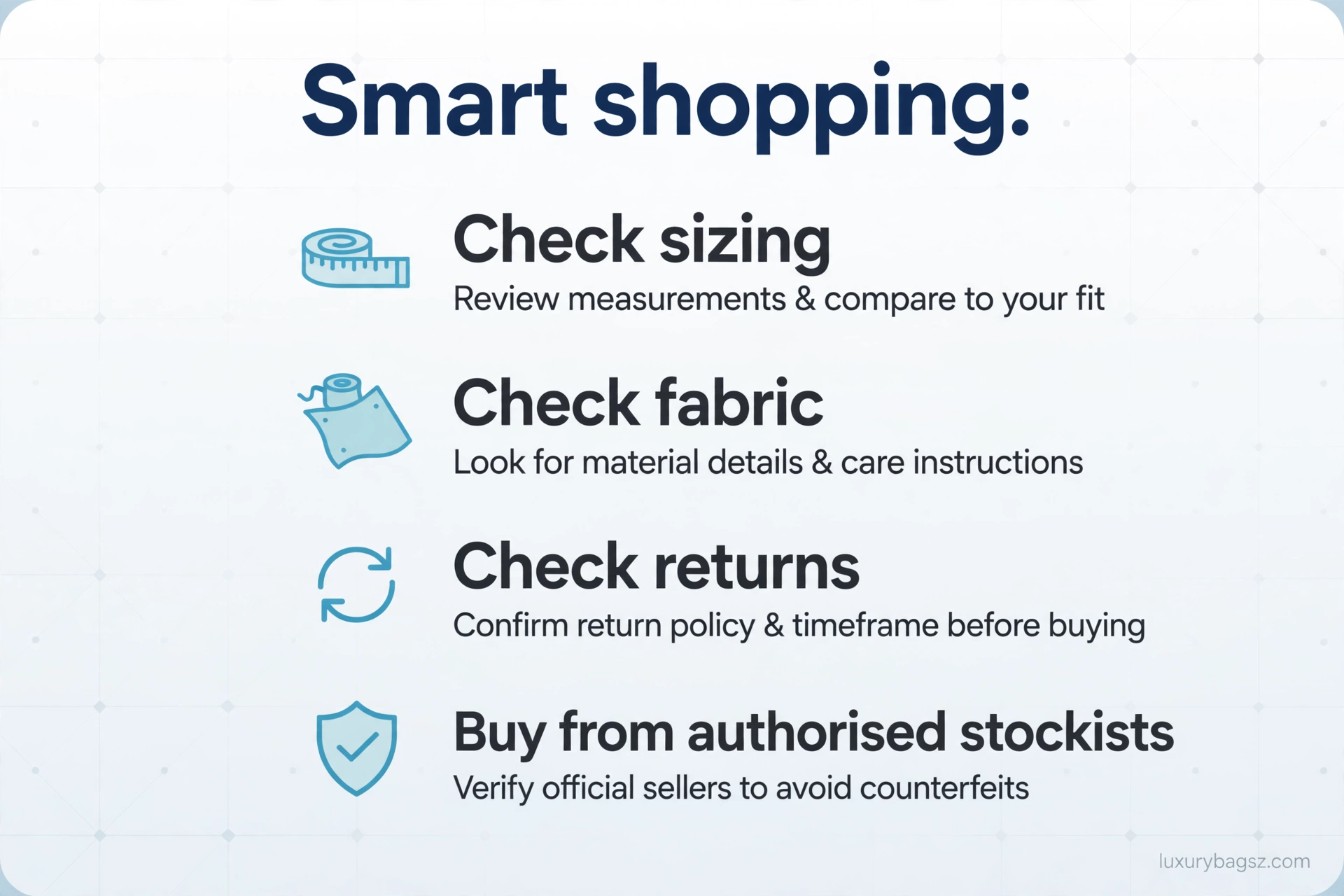
Sizing is the biggest trap. Asian designer sizing does not follow one rule, and some labels cut small, oversized or to a specific body ideal. Always check the brand's own size chart, compare your measurements in centimetres, and read retailer notes on whether a piece runs true to size.
Buy from the brand's own site, a known department store or a trusted platform such as SSENSE, FARFETCH, Net-a-Porter or Mytheresa, where they stock the label. For pre-owned pieces, use the same care you would for any designer purchase and follow a pre-owned buying safely approach: seller history, clear photographs, labels, condition notes and a return policy.
Before paying, check fabric composition, country of delivery, duties and returns. International shipping can add tax and make returns expensive, so a piece that is only slightly right can become a costly mistake. Learn to judge quality craftsmanship in seams, lining, buttons and finishing, because those details separate luxury from a good copy.
How to Wear It Without Looking Like a Costume
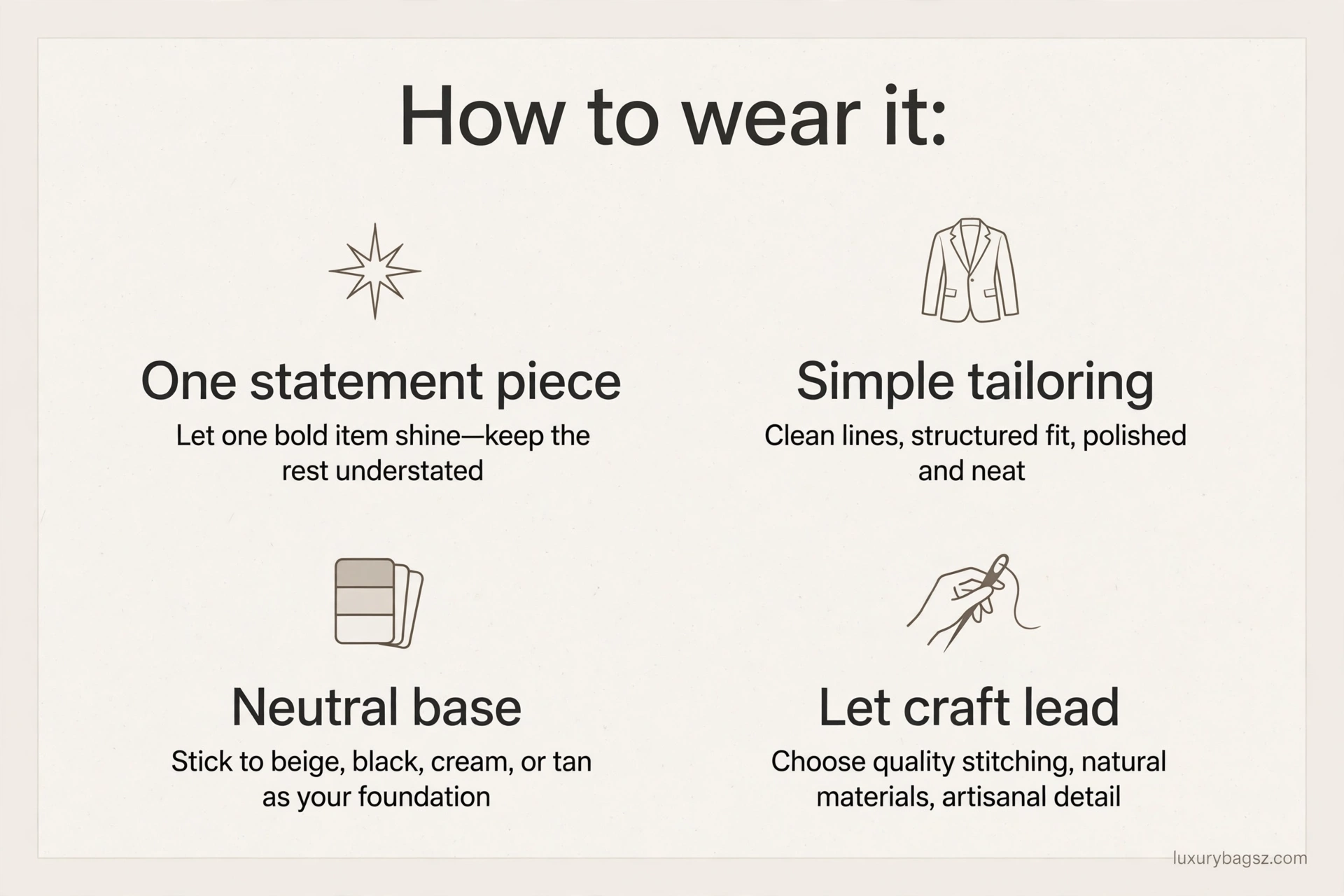
The rule is simple: let one piece lead. Pair a Yamamoto coat with plain trousers, a pleated Miyake top with a simple skirt, or an embroidered Indian jacket with dark denim or tailored trousers. The craft should be the focus, not a pile of competing statements.
Avoid mixing too many heritage references at once. A batik dress, an embroidered bag and ornate jewellery together can look like a theme rather than an outfit. Choose neutral shoes, simple jewellery and clean hair and makeup, and let the designer piece do the talking.
Finally, wear these pieces in real life, not only for special occasions. Pleats travel well, handwoven cotton suits warm days, and a well-cut jacket works at work and at dinner. For longevity, follow the label's designer clothing care guidance, store embroidered pieces flat or padded, and repair small issues early.
What to Avoid and What to Ask Before Buying
Avoid buying a label only because it is trending on social media. Trends pass, while a well-made coat, pleated dress or handwoven piece lasts. Avoid unknown sellers offering a famous name at a deep discount, and avoid pieces with no fabric, care or return information.
Ask three questions before you pay: does it fit my real measurements, can I clean and store it properly, and will I wear it at least ten times? If the answer to any is no, wait. The best Asian designer purchases are the ones that join your regular rotation, not the ones that stay in a wardrobe as a souvenir.
Frequently Asked Questions
Who are the most famous Asian luxury designers?
Yohji Yamamoto, Rei Kawakubo, Issey Miyake, Guo Pei, Sabyasachi and Chitose Abe of Sacai are among the most internationally known.
What is Sacai known for?
Sacai, founded by Chitose Abe, is known for hybrid garments that combine two pieces, fabrics or silhouettes into one design.
Is Shang Xia a Chinese luxury brand?
Yes. Shang Xia was founded by Jiang Qiong-er and pairs Chinese craft with modern design, with early backing linked to Hermès.
Do Asian designer sizes run small?
It varies by brand. Some cut small, some oversized, so always check measurements rather than relying on a letter size.
Where can I buy Asian designer brands outside Asia?
Brand websites and major retailers such as SSENSE, FARFETCH, Net-a-Porter and Mytheresa stock many labels, subject to region.
Are Indian embroidered pieces hard to care for?
They often need dry cleaning and gentle storage. Ask about cleaning before buying and budget for professional care.
What makes Japanese avant-garde design different?
It often prioritises drape, volume, asymmetry and fabric innovation over conventional Western tailoring and decoration.
Is Southeast Asian luxury only resort wear?
No. The region also produces structured tailoring, minimal city wear and handwoven evening pieces, not only holiday clothes.
How do I spot a fake designer piece?
Check seller reputation, labels, stitching, lining and hardware, buy from authorised stockists, and be wary of deep discounts.
Which Asian designer piece is best for a first buy?
A pleated Miyake piece, a well-cut contemporary Shanghai label, or a simple handwoven separate is usually the easiest first step.
Conclusion: Choose Craft You Will Actually Wear
Luxury brands by Asian designers offer some of the most original craft in fashion today, from Japanese pleats to Indian embroidery and Southeast Asian weaving. Start with one region, learn its names, check sizing and care honestly, and buy the piece you will wear again and again. Visit a stockist in person when you can, try the fit, feel the fabric, and ask about cleaning before you commit. That is how a beautiful label becomes a lasting part of your wardrobe. Keep notes on which brands fit you well, because that record saves time, returns and disappointment on your next order.






