

Judith Leiber Bags History: Crystal Minaudières, the Chatelaine and Collecting Today
The Short Answer: A Crystal Evening Bag Born From a Mistake
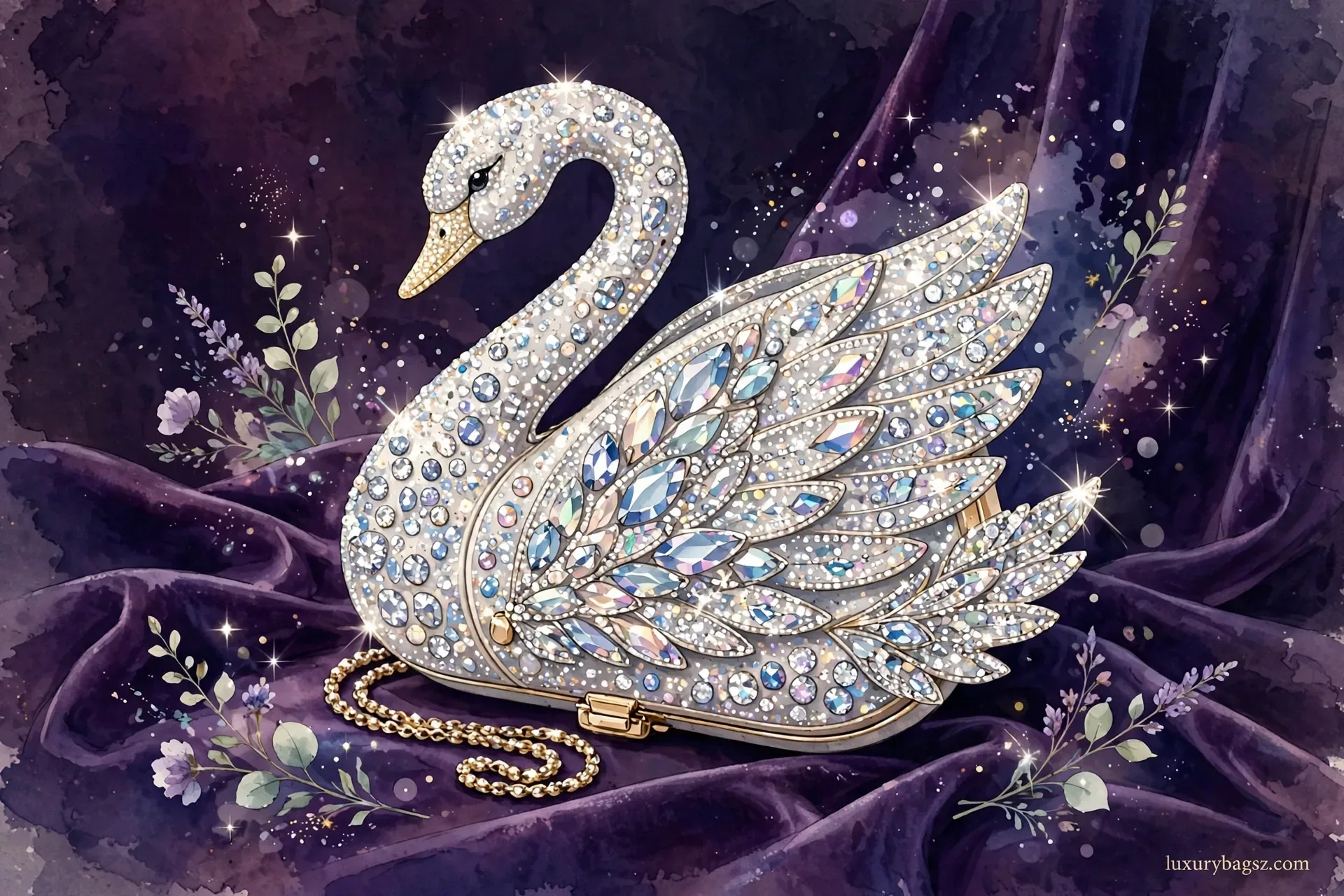
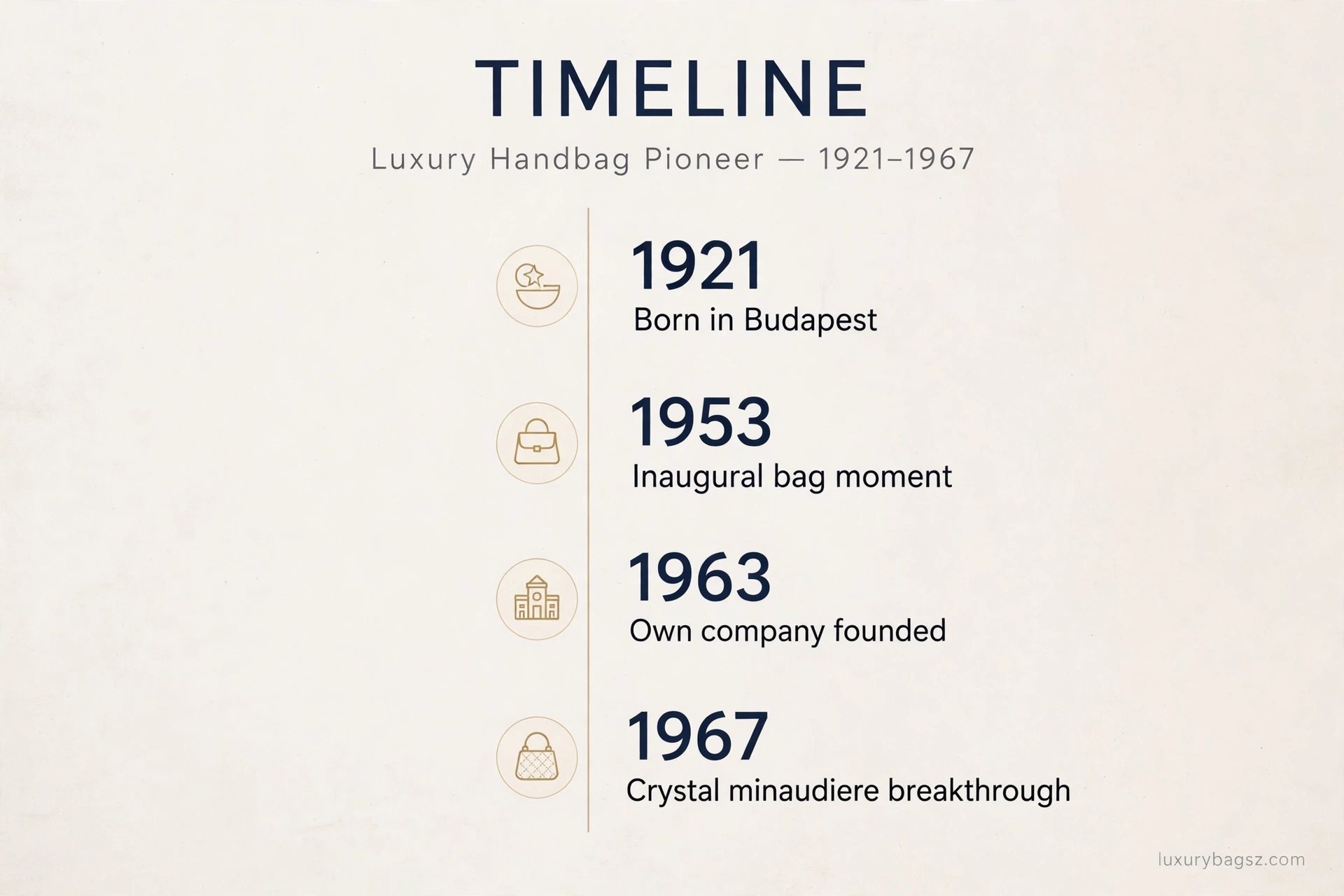
Judith Leiber turned a small evening bag into a jewel. Born Judith Peto in Budapest in 1921, she founded her own company in New York in 1963 and became famous for minaudières: tiny, hard-cased evening bags covered by hand in thousands of crystals.
Her most famous breakthrough came in 1967, when a batch of metal bag cases arrived discoloured. Instead of sending them back, she covered the flaws with rhinestones. That accident created her signature look, and collectors still chase those crystal animals, foods, flowers and novelties today.
Key Takeaways
- Judith Leiber was born Judith Peto in Budapest in 1921 and died in 2018, aged 97.
- She became the first woman apprentice at the prestigious Pessl handbag firm in Budapest.
- A bag she designed was worn by Mamie Eisenhower at the 1953 inauguration, while Leiber worked for Nettie Rosenstein.
- She founded Judith Leiber Inc. in New York in 1963, after 12 years with Rosenstein.
- The crystal minaudière breakthrough followed discoloured metal cases in 1967, with the Chatelaine as an early example.
- Each minaudière can take days to weeks to make, with thousands of hand-set crystals.
- Her work is in museum collections including the Metropolitan Museum of Art and the Smithsonian.
- Pre-owned prices vary widely by rarity, condition and completeness, so check crystals, clasp and provenance.
From Budapest to New York
Judith Peto was born in Budapest in 1921. She first studied chemistry in London, hoping for a career in cosmetics, but war changed her path. Back in Budapest, she joined Pessl, the leading handbag maker, and rose from apprentice to journeyman to master craftswoman, reportedly the first woman to do so there.
She learned the trade from start to finish: pattern making, cutting, framing and stitching. That hands-on training shaped her later insistence on precision. She did not simply sketch an idea and hand it over; she understood how a bag was actually built.
In 1946 she married Gerson Leiber, an American soldier and later a painter and sculptor, and moved to New York. The couple would remain together for 72 years, dying within hours of each other in 2018, a detail that often surprises readers new to her story.
The Rosenstein Years and the 1953 Inauguration
In New York, Leiber joined the fashion house Nettie Rosenstein, starting as an assistant pattern maker and rising to oversee much of the factory. She stayed for 12 years, learning American fashion production at a high level.
Her breakthrough moment came in 1953, when Mamie Eisenhower wore a Leiber-designed handbag to President Dwight D. Eisenhower's inauguration. The bag matched Rosenstein's gown and was decorated with rhinestones and pearls. For a designer still building a name, dressing a First Lady at an inauguration was a career-making event.
Later, other First Ladies would carry her work, including Nancy Reagan and Barbara Bush. A minaudière shaped like Barbara Bush's dog Millie became a famous example of Leiber's playful, personal approach. She also made pieces for opera singer Beverly Sills, who reportedly collected more than 300 Leiber bags.
Founding Judith Leiber Inc. in 1963
In 1963, at the age of 42, Leiber left Rosenstein and founded her own company with her husband. She controlled design and production standards, and at its height the New York factory employed around 100 people and produced thousands of pieces a year.
Early work included leather, satin, animal-skin and fabric bags, but the metal minaudière would define her. A minaudière is a small, hard evening case, just large enough for essentials such as lipstick, keys, a card and a phone in modern terms, though older examples were made for even less.
The word comes from the French verb minauder, meaning to charm, and the form drew on small metal purses from the 1930s. Leiber elevated it with colour, humour and jewel-like surfaces, turning a practical evening case into a conversation piece. Evening bags of this kind sit in a distinct collecting world, as any guide to clutches and minaudieres shows.

The Crystal Breakthrough: The Chatelaine Story
The story Leiber herself told is simple and memorable. In 1967 she ordered metal bag cases from Italy. When they arrived, the plating was spotted or greenish and looked terrible. Returning them would have cost time and money, so she covered the flaws with rhinestones.
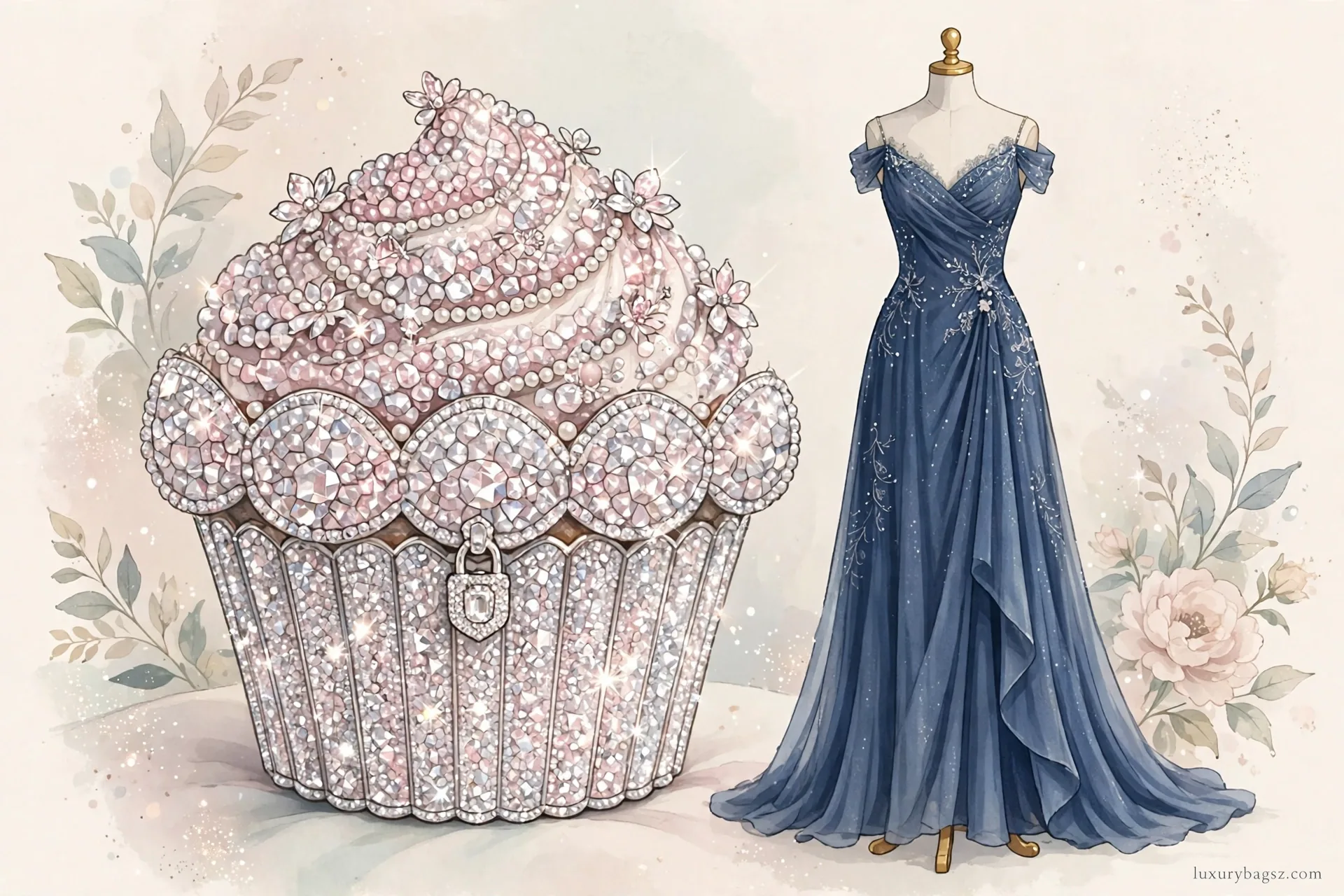
The result was a success. The Chatelaine, a graceful drop-shaped metal purse, became an early example of the new direction. From there, crystal-covered bags became her trademark, with designs shaped as swans, cupcakes, ladybirds, penguins, elephants, watermelon slices, hot-air balloons and even a lipstick or a wad of cash.
Sources differ slightly on the exact year and on whether the problem was tarnish, spots or a greenish tinge, but they agree on the core story: a manufacturing flaw became a design signature. Leiber also drew inspiration from artists such as Mondrian, Sonia Delaunay and Braque, which explains why some pieces feel like small abstract paintings in crystal.
How a Minaudière Is Made, and What It Costs
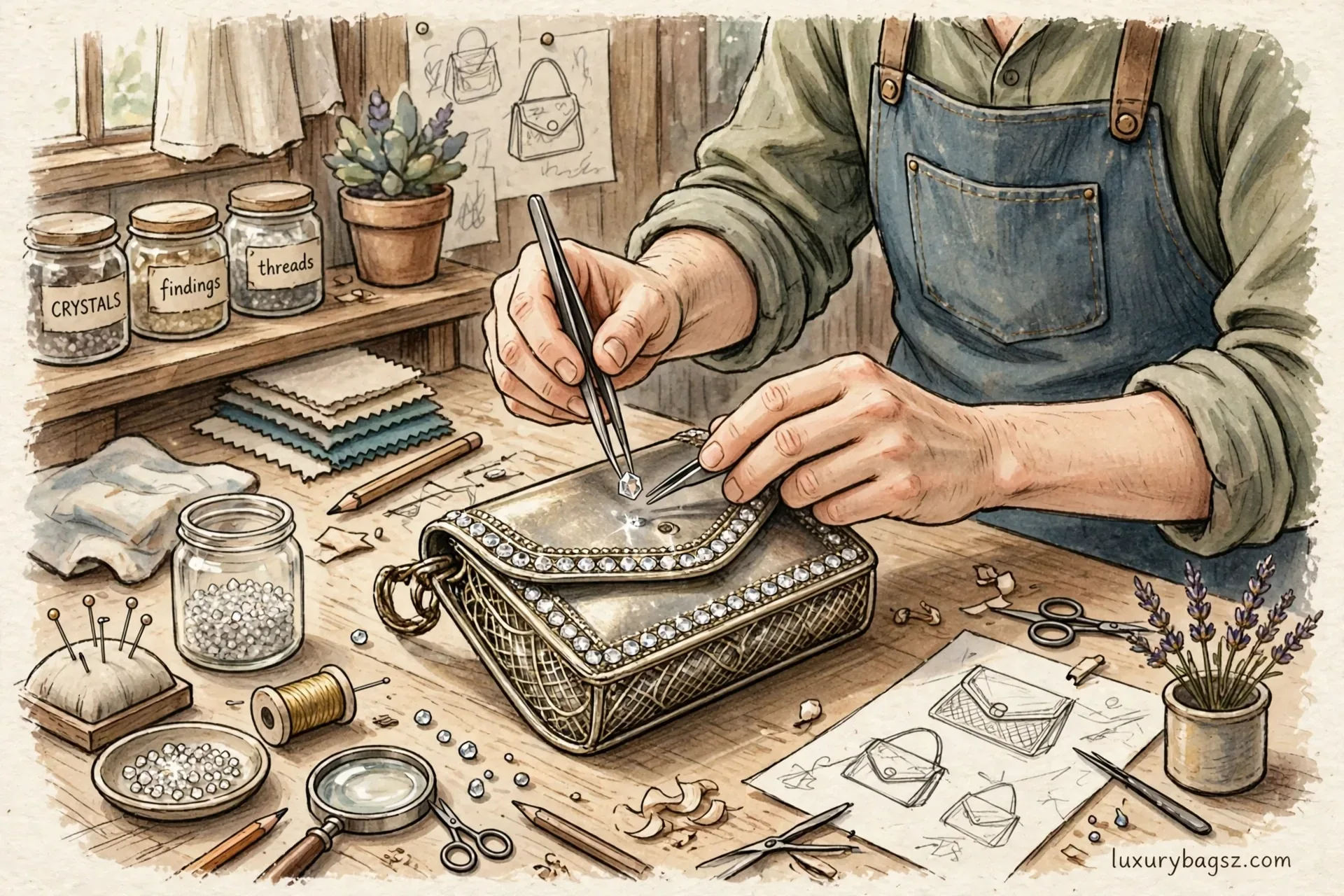
Making a Judith Leiber minaudière is slow, skilled work. The metal shell is cast and shaped, often with prototypes made in Italy, then painted, plated and decorated in New York. Artisans set thousands of crystals by hand, a process that can take several days and, for complex pieces, up to two weeks.
Reports put the crystal count at several thousand per bag, with some accounts citing 5,000 to 10,000 depending on design. Up to 20 artisans may handle a single piece. That labour is why new and vintage prices are high: many crystal minaudières sell for several thousand dollars, with some early or rare examples higher, and more ordinary pre-owned pieces in the hundreds.
Leiber is said to have designed more than 3,500 bags over her career, with her last bag designed in 2004, a blue-green peacock minaudière. In 1993 she won the Council of Fashion Designers of America Lifetime Achievement award, the first handbag designer to do so, according to brand histories.
Buying Pre-Owned: Checks That Actually Matter
Pre-owned Leiber bags are common, but condition varies enormously. Start with crystals: look for missing, loose, darkened or replaced stones, especially on edges and points that catch on clothing. A few missing crystals can be hard to match, so factor repair into the price.
Check the clasp, hinge and kiss-lock closure, the lining, the interior mirror if present, and any maker's mark. Ask for photographs in daylight, close-ups of the clasp and base, and the dust bag or box if the seller claims completeness. Compare the design with known examples, because novelty shapes are copied and reissued in different eras.
Use the same discipline as for any designer purchase: buy pre-owned bag safely, learn how to authenticate a pre-owned bag, and judge condition grades honestly rather than by the seller's adjectives. If provenance is claimed, such as a celebrity or museum connection, ask for evidence.

Care, Storage and Wearing a Crystal Bag Today
A crystal minaudière is an evening bag, not a daily bag. Carry only essentials, and avoid overstuffing, which strains the hinge and clasp. Keep it away from perfume, hairspray and water, and wipe it gently with a soft, dry cloth after use.
Store it in its pouch or box, upright and protected from knocks, and do not stack heavy items on top. Keep it out of damp rooms and strong sunlight. If crystals loosen, stop wearing it and seek a specialist repairer rather than gluing stones at home with the wrong adhesive.
For styling, let the bag be the jewel. Pair a crystal animal or cupcake with a simple black dress or a plain evening outfit, and keep other jewellery restrained. That is how Leiber's pieces work best: one witty, sparkling object, not a competition of shine.

Frequently Asked Questions
Who was Judith Leiber?
Judith Leiber (1921–2018), born Judith Peto in Budapest, was a Hungarian-American handbag designer famous for crystal-covered minaudières.
What is a minaudière?
A minaudière is a small, hard-cased evening bag, just large enough for bare essentials, often decorated as a jewel-like object.
When did Judith Leiber found her company?
She founded Judith Leiber Inc. in New York in 1963, after 12 years working for Nettie Rosenstein.
How did the crystal bags start?
In 1967, metal bag cases arrived discoloured, and Leiber covered the flaws with rhinestones. The result became her trademark.
What is the Chatelaine bag?
The Chatelaine was an early metal bag from 1967, a graceful drop-shaped purse that helped launch the crystal-covered style.
How long does a minaudière take to make?
Reports range from several days to up to two weeks, with thousands of crystals set by hand.
How many bags did Judith Leiber design?
Brand histories put the total at more than 3,500 designs over her career, with her last bag designed in 2004.
Are Judith Leiber bags in museums?
Yes. Her work is in permanent collections including the Metropolitan Museum of Art and the Smithsonian, and the Leiber Collection museum opened in East Hampton in 2005.
How much do pre-owned Judith Leiber bags cost?
Prices vary widely, from hundreds for common pre-owned pieces to several thousand for rare, complete or mint examples.
How should I store a crystal minaudière?
Keep it in its pouch or box, upright, protected from knocks, damp and sunlight, and wipe it with a soft, dry cloth after use.
Final Verdict: Small Bags, Lasting Sparkle
Judith Leiber's history is a story of craft, accident and wit. A Budapest-trained maker who dressed a First Lady, founded her own house at 42 and turned a flawed batch of metal cases into a crystal signature left behind bags that are still collected, worn and displayed today. Buy for condition and design you love, care for the crystals gently, and let one sparkling minaudière do the talking.






