John Galliano Facts: From Gibraltar to Dior, Margiela and the 2024 Artisanal Show
The Short Answer: Fashion's Great Theatrical Storyteller
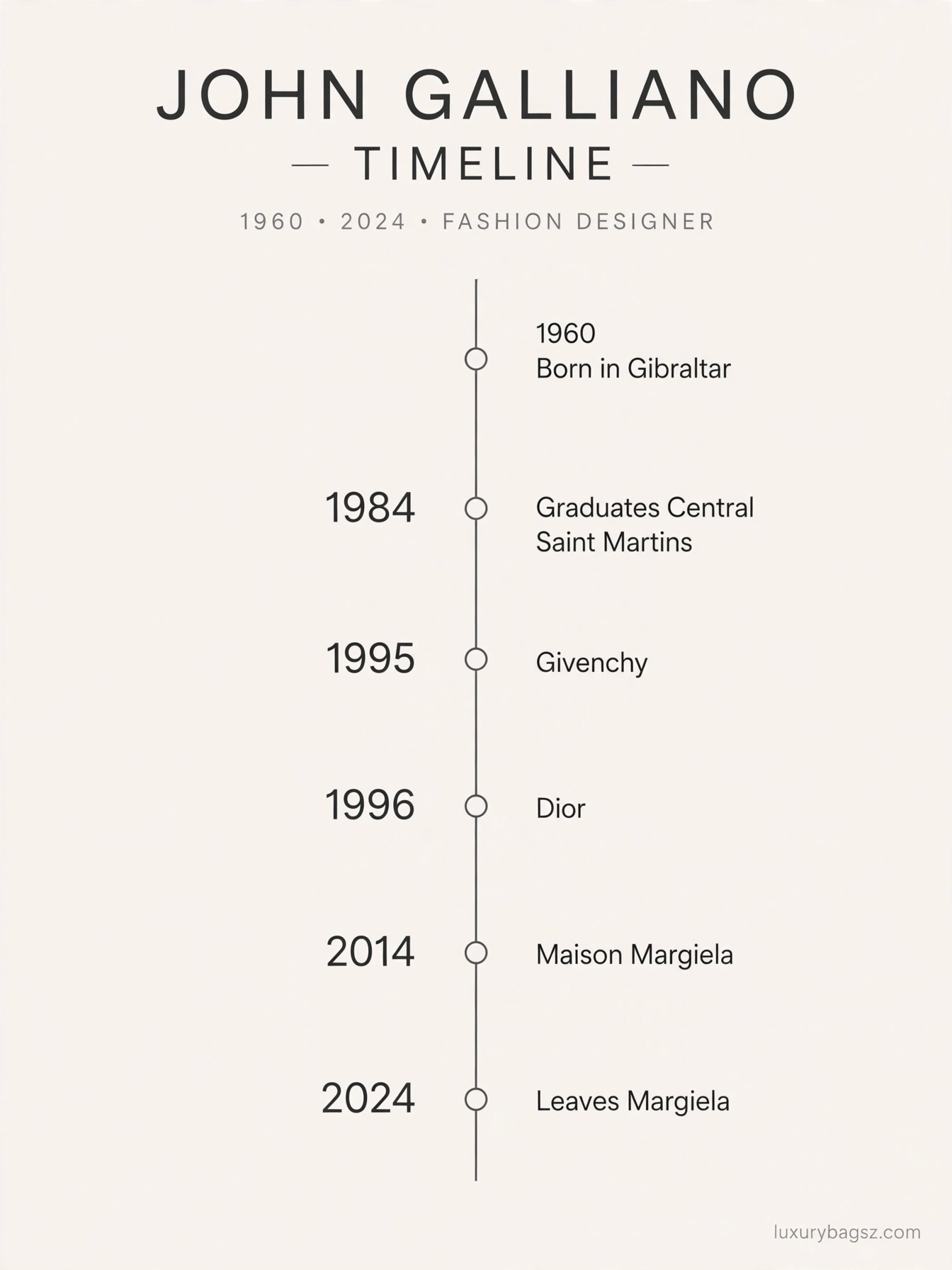
John Galliano, born in Gibraltar on 28 November 1960, is one of the most influential and controversial designers of modern fashion. He led Givenchy, then Christian Dior for almost 15 years, was dismissed in 2011, and rebuilt his career at Maison Margiela from 2014 to 2024.
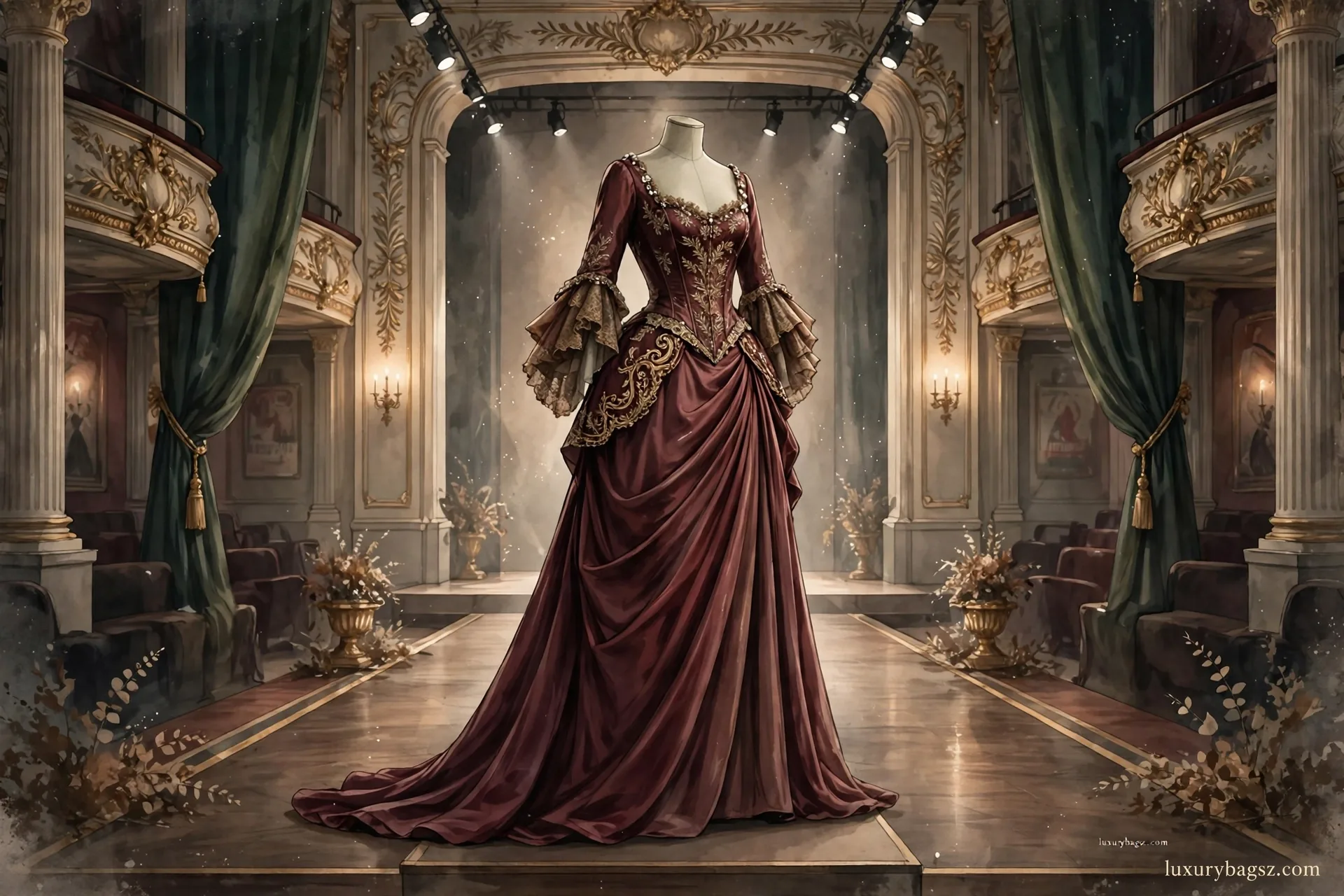
His signature is theatre: historical costume, bias cutting, corsetry and runway shows that felt like plays. His comeback signature is different: quieter, craft-led deconstruction, crowned by the widely discussed Spring 2024 Artisanal show for Margiela.
Key Takeaways
- John Charles Galliano was born on 28 November 1960 in Gibraltar, to a Gibraltarian father of Italian descent and a Spanish mother.
- He graduated from Central Saint Martins in 1984 with a first-class honours degree; his graduate collection was Les Incroyables, inspired by the French Revolution.
- He led Givenchy in 1995–1997, then Dior from 1996/1997 to 2011, and Maison Margiela from 2014 to December 2024.
- He has been named British Designer of the Year four times.
- At Dior he created era-defining pieces including the Saddle Bag and newspaper-print designs.
- In 2011 he was dismissed after antisemitic remarks in Paris, was convicted in France, apologised and later returned to fashion.
- His Spring 2024 Artisanal show for Margiela, with porcelain-doll makeup by Pat McGrath, became one of the most discussed couture shows of recent years.
Early Life and Central Saint Martins
Galliano was born John Charles Galliano in Gibraltar, and has also given his full name as Juan Carlos Antonio Galliano-Guillén. His father worked as a plumber, and the family moved to South London when Galliano was six. He grew up in a strict, Catholic household, an experience he has later described as shaping his sense of theatre, identity and escape into imagination.
He studied at Central Saint Martins in London and graduated in 1984 with a first-class honours degree in fashion design. His graduate collection, Les Incroyables, drew on the French Revolution and the flamboyant survivors of that era who dressed in exaggerated, theatrical style. The collection was bought by London boutique Browns, a rare honour for a graduate, and launched his name.
Early London years were brilliant but financially fragile. Galliano built a reputation for romantic, historically inspired collections, yet his small label struggled commercially. That tension between art and business would follow him throughout his career.
Givenchy, Then Dior: The Big Break
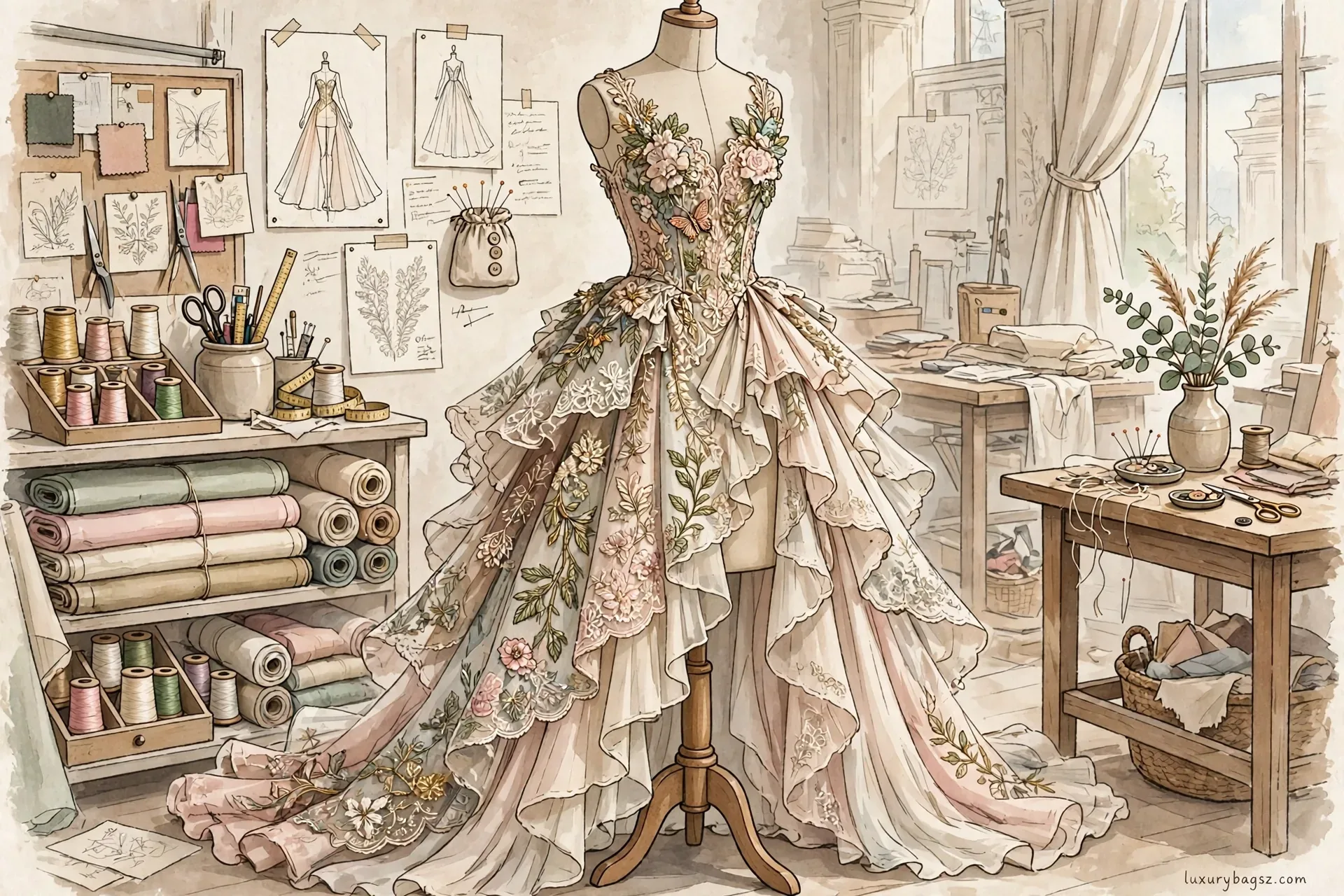
In 1995, Galliano became creative director of Givenchy, succeeding Hubert de Givenchy and becoming the first British designer to lead a French haute couture house. A little over a year later, in 1996, he moved to the larger and more powerful role at Christian Dior, where he oversaw haute couture and ready-to-wear.
At Dior, Galliano aimed to bring a younger audience to couture without losing its craft. His shows were spectacles: models as characters, historical references from Marie Antoinette to 1930s Hollywood, bias-cut dresses that moved like liquid, and embroidery of extraordinary detail. Commercial hits followed, including the Dior saddle bag and newspaper-print pieces that became street-level icons.
His Dior years also built the modern luxury show as entertainment. For a full picture of the house he transformed, see this Dior brand guide. Galliano was awarded the French Legion of Honour in 2009, at the height of his Dior fame.
The 2011 Dismissal and the Long Return
In 2011, Galliano's Dior career ended abruptly. Videos emerged of him making antisemitic remarks while intoxicated at a Paris bar, La Perle. He was dismissed from Dior and from his own namesake label, and was later convicted in France over the remarks. The fall was total and public.
Galliano apologised, sought treatment for addiction, and spent several years out of a leading role. He worked quietly, including a short residency at Oscar de la Renta in 2013, before his return was announced in October 2014: he would become creative director of Maison Margiela, under the OTB Group.
That appointment was controversial, and it was also a test. Could a designer known for spectacle work inside a house known for anonymity, white labels and deconstruction? The answer, over the next decade, was yes, but on Margiela's terms as much as his own.

Maison Margiela: Craft Over Spectacle
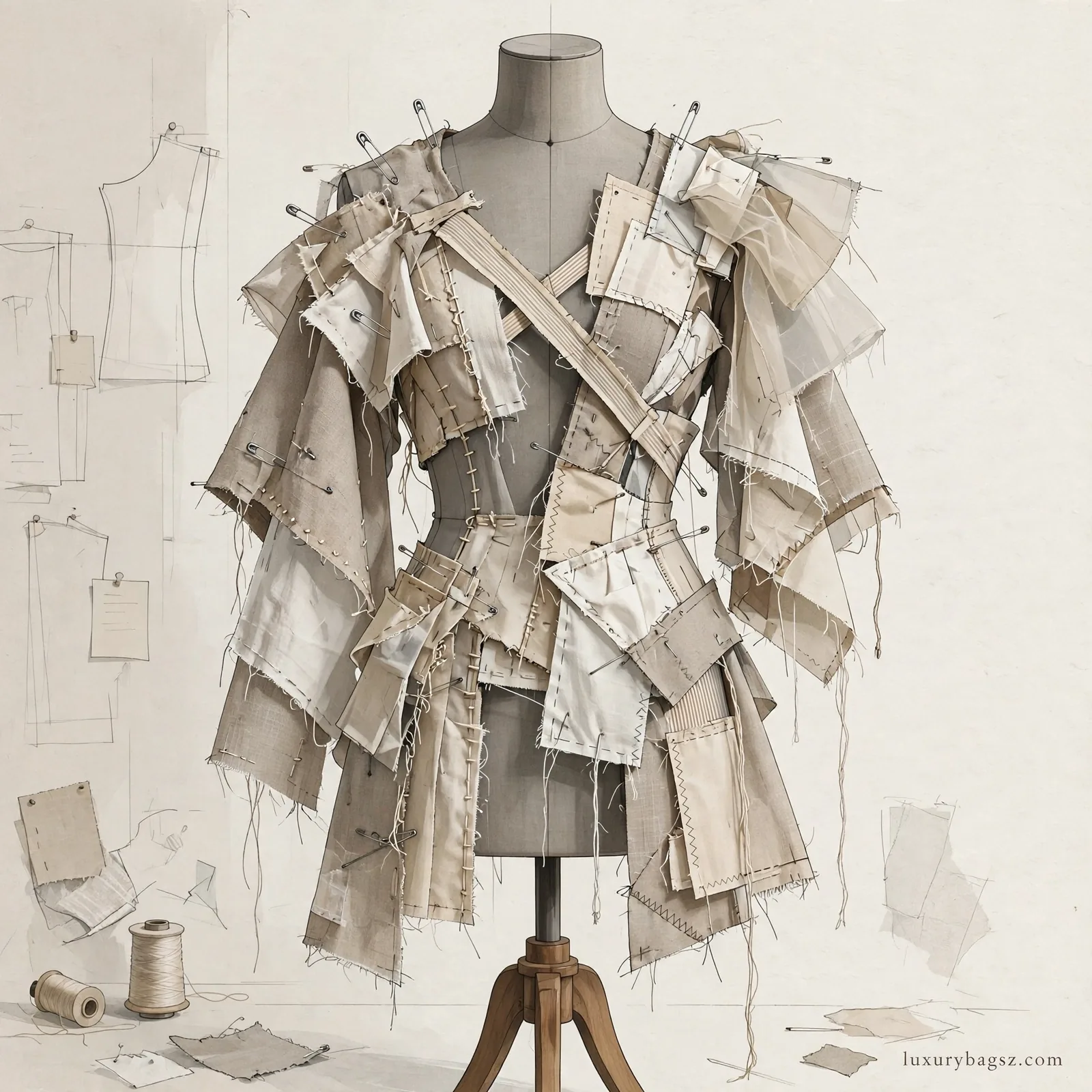
At Margiela, Galliano kept his love of character and history, but channelled it into cutting, layering and unfinished-seeming finishes. Garments were deconstructed, inverted and rebuilt, with seams, linings and construction details made visible rather than hidden. In 2018, the house showed its first men's collection under Galliano.
The peak was the Spring 2024 Artisanal show, staged under a Paris bridge, where models appeared as porcelain dolls thanks to Pat McGrath's makeup, with a moonlit, Belle Époque atmosphere. Fashion writers called it one of the defining couture moments of the decade, not for shock alone, but for the sheer technical control of fabric, silhouette and movement.
Galliano left Maison Margiela in December 2024, closing a ten-year chapter. Later reports in 2026 described a new two-year creative project with Zara, reimagining its archives, though details should be checked against current announcements before treating them as a full collection launch.
Signature Styles to Recognise
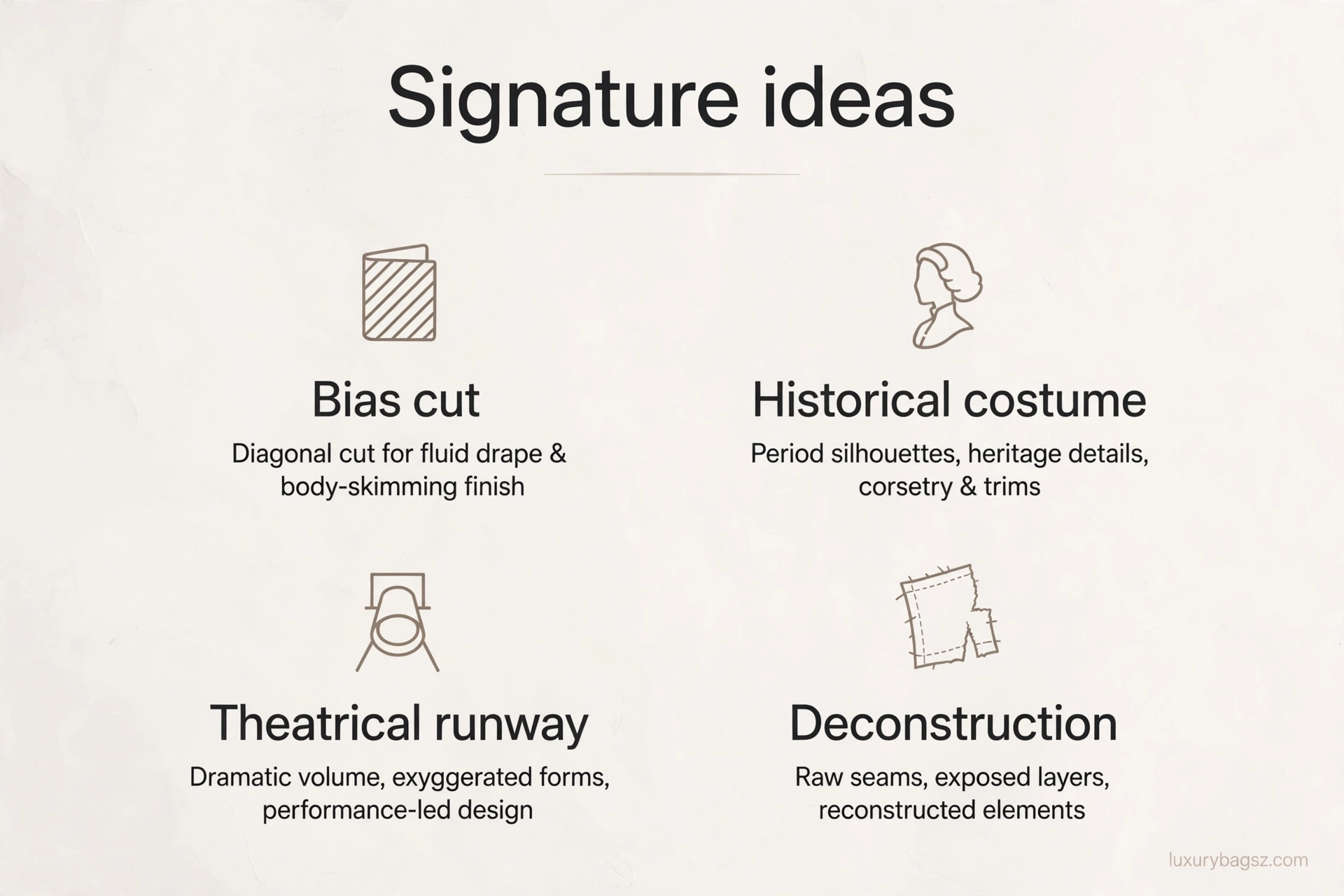
Galliano's work is recognisable by a few ideas. First, bias cutting: fabric cut diagonally so it drapes and clings, giving dresses their liquid fall. Second, historical costume: corsets, crinolines, 18th-century silhouettes and 1930s glamour, filtered through a modern, often provocative lens.
Third, character-led design: each collection tells a story, and models are cast and styled as people in that story, not as blank hangers. Fourth, at Margiela, deconstruction: garments taken apart, reversed, layered and left with visible workings, so craft itself becomes decoration.
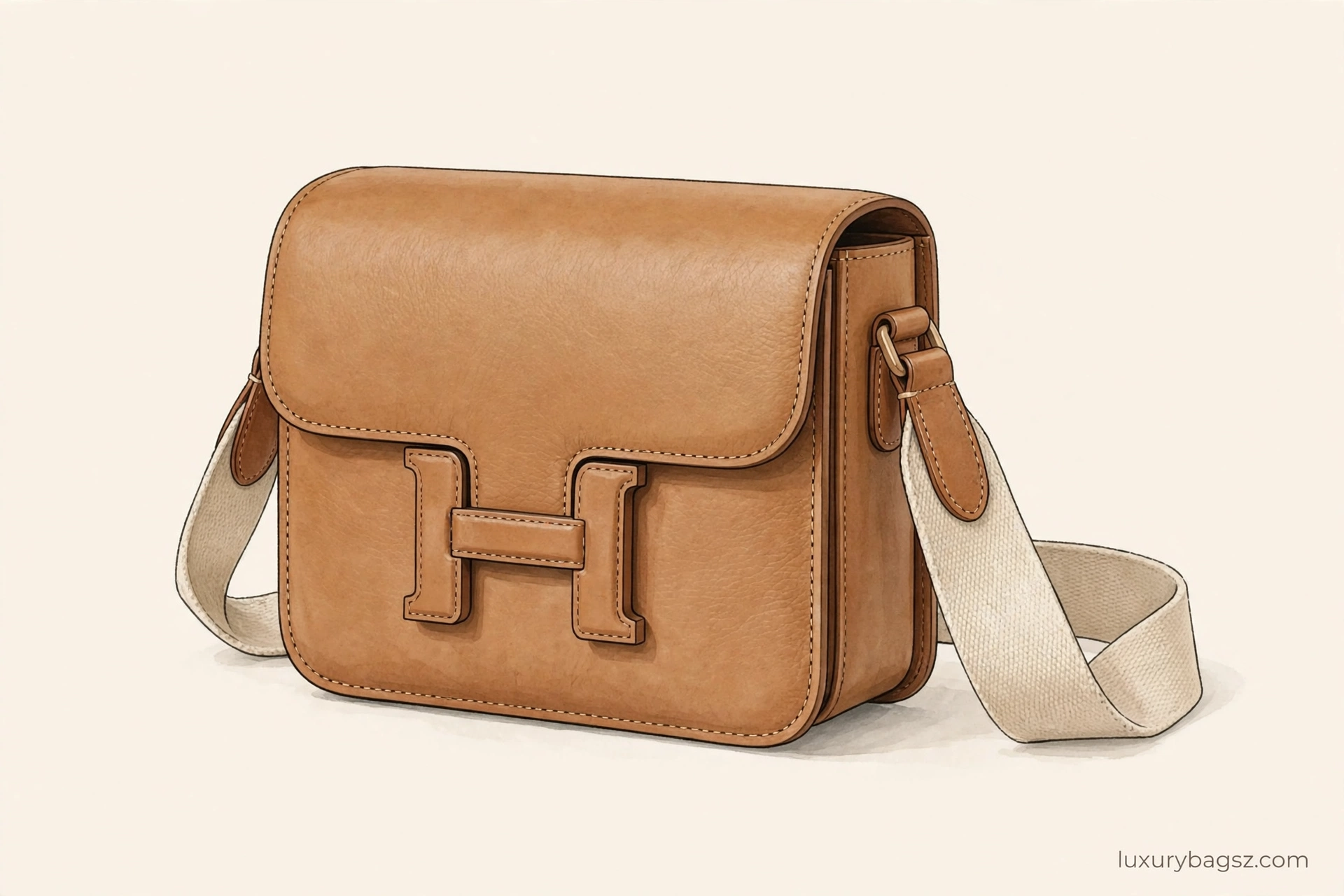
For bags, the Dior Saddle Bag is the clearest Galliano-era icon, while later Margiela work is more about clothing and couture technique. If you are choosing between Dior-era pieces, compare sizes and everyday use in a practical guide such as the Dior book tote sizes guide, rather than buying on runway glamour alone.
Collecting Vintage Galliano: What to Check
Vintage Galliano-era Dior is highly collected, and therefore widely faked. Check labels against the era: Dior, Givenchy and Margiela labels changed over time, so a label that does not match the claimed year is a warning sign. Check stitching, hardware weight, lining and print quality, especially for newspaper-print and Saddle styles.
Ask for clear photographs of labels, hardware engravings, interior tags and any date codes, and buy from sellers with a strong history and a return policy. Use detailed fake Dior bag checks before paying for a bag, and be wary of a rare piece at a price far below market.
Condition matters as much as authenticity. Bias-cut dresses are delicate, embroidery can snag, and vintage couture often needs professional cleaning and storage. Budget for that care, and store pieces padded, out of sunlight and away from damp.

Why Galliano Still Matters
Galliano matters because he changed what a fashion show could be, and because his Margiela years proved that a fallen designer could return through craft rather than noise alone. His career also raises harder questions about talent, addiction, accountability and forgiveness in fashion, questions the 2024 documentary High & Low explores without excusing his remarks.
For readers, the useful lesson is to separate the work from the myth. Judge a Galliano piece by its cut, construction and condition, learn its era, and wear or collect it with eyes open about both its brilliance and its history. Start with one well-documented piece, learn how its label and construction should look, and only then branch into rarer runway or couture examples.
Frequently Asked Questions
When was John Galliano born?
John Galliano was born on 28 November 1960 in Gibraltar.
Where did John Galliano study?
He studied at Central Saint Martins in London, graduating in 1984 with a first-class honours degree.
What was his graduate collection called?
Les Incroyables, inspired by the French Revolution, which was bought by London boutique Browns.
When did Galliano lead Dior?
He was appointed to Dior in 1996 and remained creative director until his dismissal in 2011.
Why was Galliano dismissed from Dior in 2011?
He was dismissed after videos showed him making antisemitic remarks while intoxicated at a Paris bar. He was later convicted in France.
When did Galliano join Maison Margiela?
He was announced as creative director of Maison Margiela in October 2014, and led the house until December 2024.
What is the 2024 Artisanal show famous for?
The Spring 2024 Artisanal show, staged under a Paris bridge, featured porcelain-doll makeup by Pat McGrath and was widely praised for couture craft.
What is Galliano's most famous bag design?
The Dior Saddle Bag, created during his Dior years, remains his most recognisable bag icon.
Has Galliano won British Designer of the Year?
Yes, he has been named British Designer of the Year four times.
Is Galliano still designing in 2026?
Reports in 2026 described a two-year creative project with Zara, after his Margiela departure in December 2024. Check current announcements for details.
Final Verdict: Brilliance, Fall and a Craft-Led Comeback
John Galliano's facts tell a story few designers match: a Gibraltar-born student who became the theatrical heart of Dior, lost everything in 2011, and rebuilt his reputation at Margiela through patience and craft. Collect his work for its cutting and construction, learn its era carefully, and remember both the brilliance and the controversy that shaped it. That balanced view is the best way to enjoy Galliano's fashion without ignoring the history behind it. Keep a record of label, era and seller for each vintage piece, so future buyers and valuers can trace its story with confidence. His Margiela years, in particular, reward close looking, from seam finishes to silhouette, rather than a quick glance at a runway photograph.