Designer Coats to Invest In: The Five Shapes That Earn Their Price
Buy Once, Wear for a Decade: The Investment Coats in Brief
The designer coats worth investing in are five classic shapes in serious cloth: the camel coat, the trench, the wrap coat, the tailored wool coat and a well-made long puffer for real cold. What makes them investments is not the label. It is cost per wear: natural cloth, clean cutting and a silhouette that ignores trends, worn a hundred times over ten winters without dating.
Key Takeaways
- Invest in shapes first: camel, trench, wrap, tailored wool, long puffer.
- Cloth decides lifespan: wool, camel hair and cashmere blends beat synthetics.
- Fit over knitwear, with sleeves and shoulders right, is the key check.
- Neutral colours earn the most wears; one bold coat is a second buy.
- Designer prices buy cutting, cloth and finishing, not magic or status.
- Care and storage protect the investment more than the brand name does.
What Makes a Coat an Investment
An investment coat is worn often, for years, without its style expiring. That demands a classic shape, cloth that recovers from wear, and construction that survives dry cleaning and repair. The test is arithmetic. A £1,500 coat worn 150 times costs £10 a wear; a £200 coat worn twice costs £100. Expensive is not the same as costly, and cheap is not the same as value. Length matters to the maths. Our explainer on coat versus jacket shows why a true coat, covering the knee, out-earns shorter pieces in a winter wardrobe.
The Five Shapes Worth Your Money
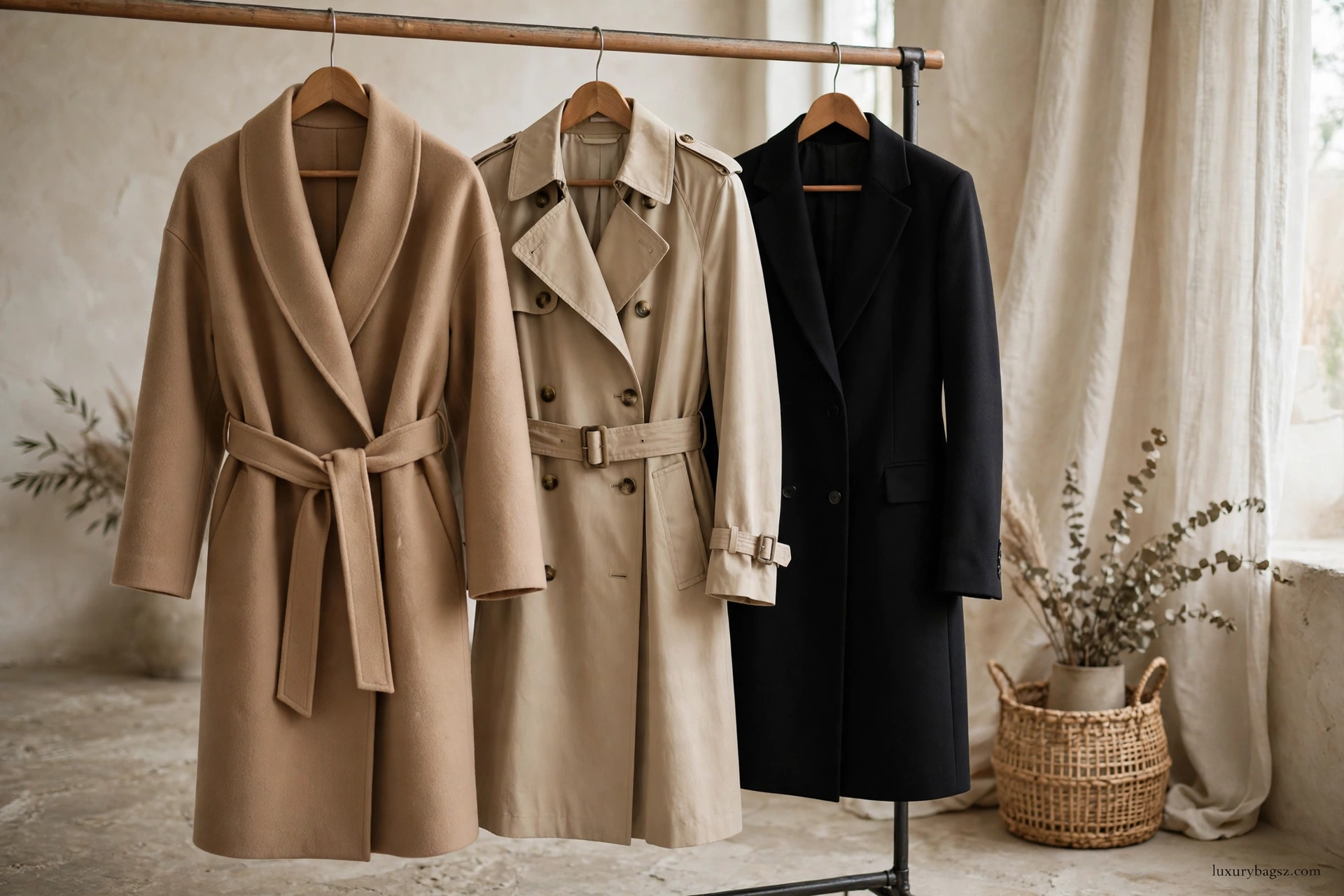
The camel coat is the flagship: long, soft-shouldered, in camel, vicuña tones or deep tan. Max Mara built a house on it, and its 101801 style, launched in 1981, is still sold today. The trench is the rain-proof classic, the wrap coat the forgiving one, the tailored wool coat the formal one, and the long puffer the honest answer to serious cold. Buy them in that order if you are building from zero. Most wardrobes need the first two urgently and the fifth only where winters truly bite.
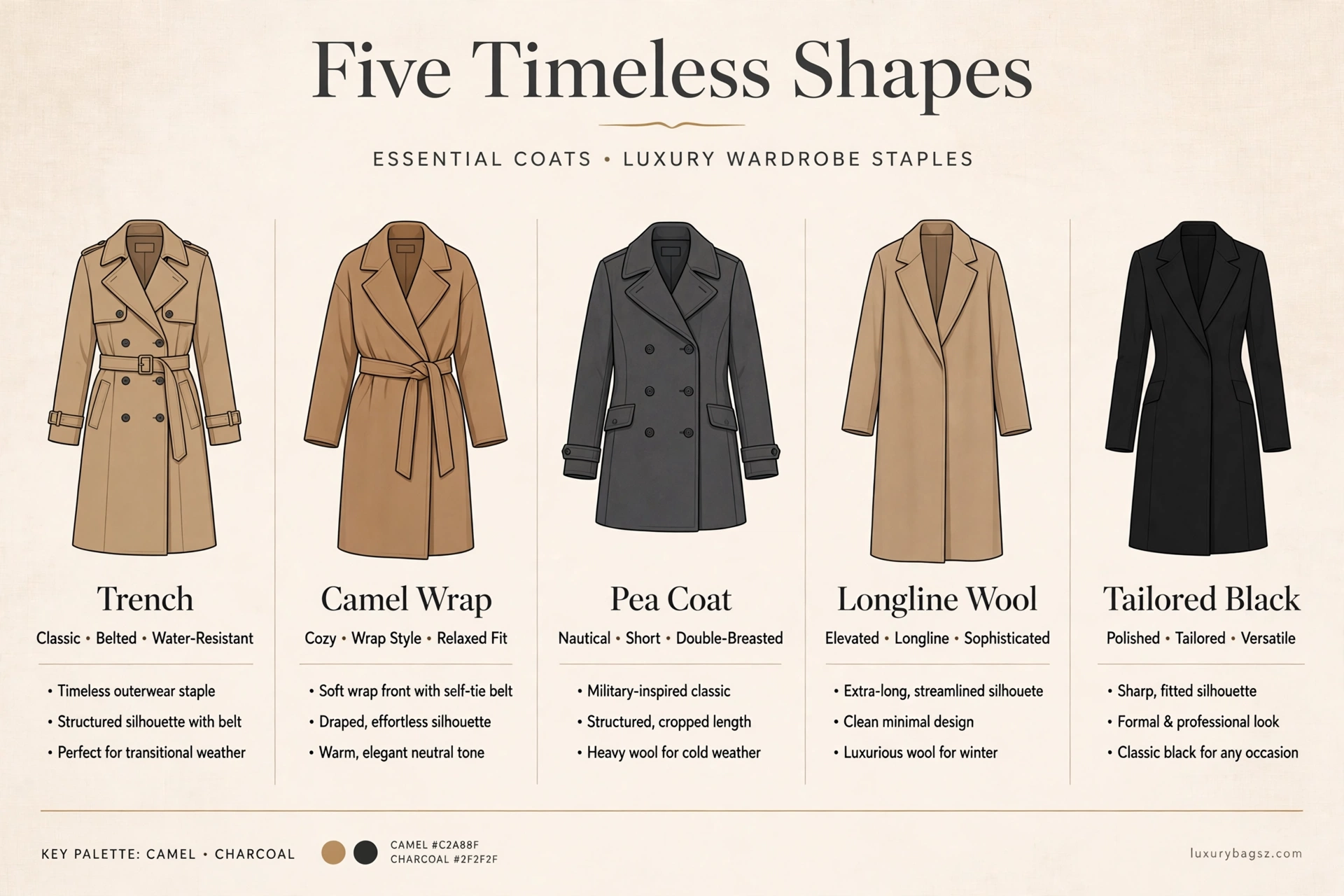
The long puffer deserves its defence here. In serious cold, a well-filled, knee-length puffer in matte cloth is worn more than any tailored coat, and wear is the whole investment test.
Choose it as you would tailoring: plain colour, clean quilting, a proper hood or collar, and no fashion hardware. Bought that way, it ages as slowly as its tailored cousins.
The Camel Coat and the Trench in Detail
A great camel coat is about cloth and drape: wool with camel hair or cashmere, a shoulder that sits softly, and a length that moves. It dresses up denim and finishes tailoring equally well. The trench earns its place differently, through weather. Gabardine sheds rain, the belt shapes it, and the story in our Burberry check story shows how a military coat became a civilian icon. Both coats share a virtue: they were perfected decades ago, so no season can improve or expire them. That is precisely what investment dressing means.
Wrap Coats, Tailored Wool and the Quiet Mood
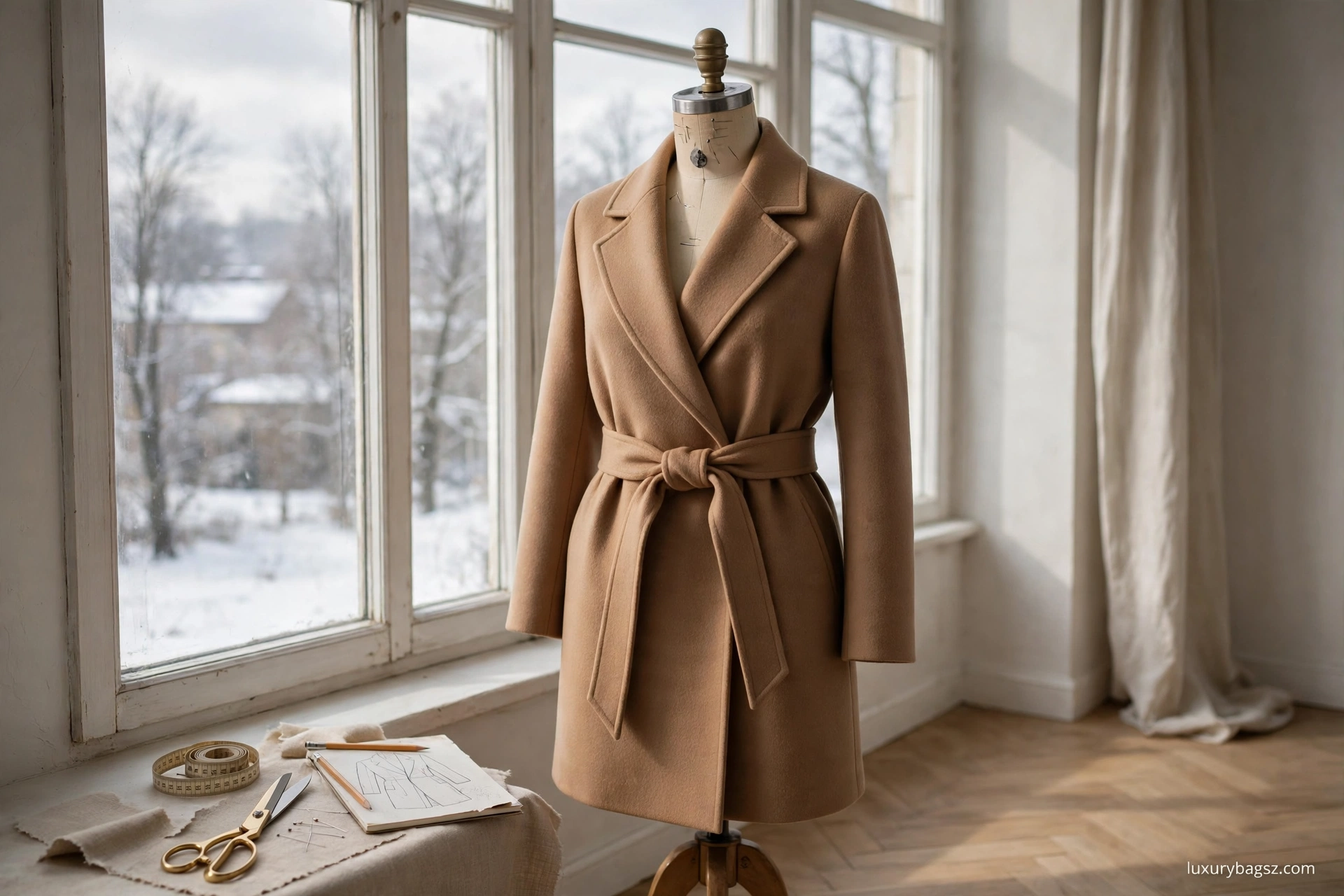
The wrap coat flatters almost everyone because the belt, not a fixed waist, decides the shape. In double-faced wool it feels like tailored loungewear and looks like money. A tailored wool coat in navy or charcoal is the boardroom and funeral and wedding-guest coat: straight, sober and endlessly appropriate. Buy it a touch longer than fashion suggests. Both suit the mood described in our piece on what is quiet luxury: no logos, fine cloth, and confidence that never needs to announce itself.
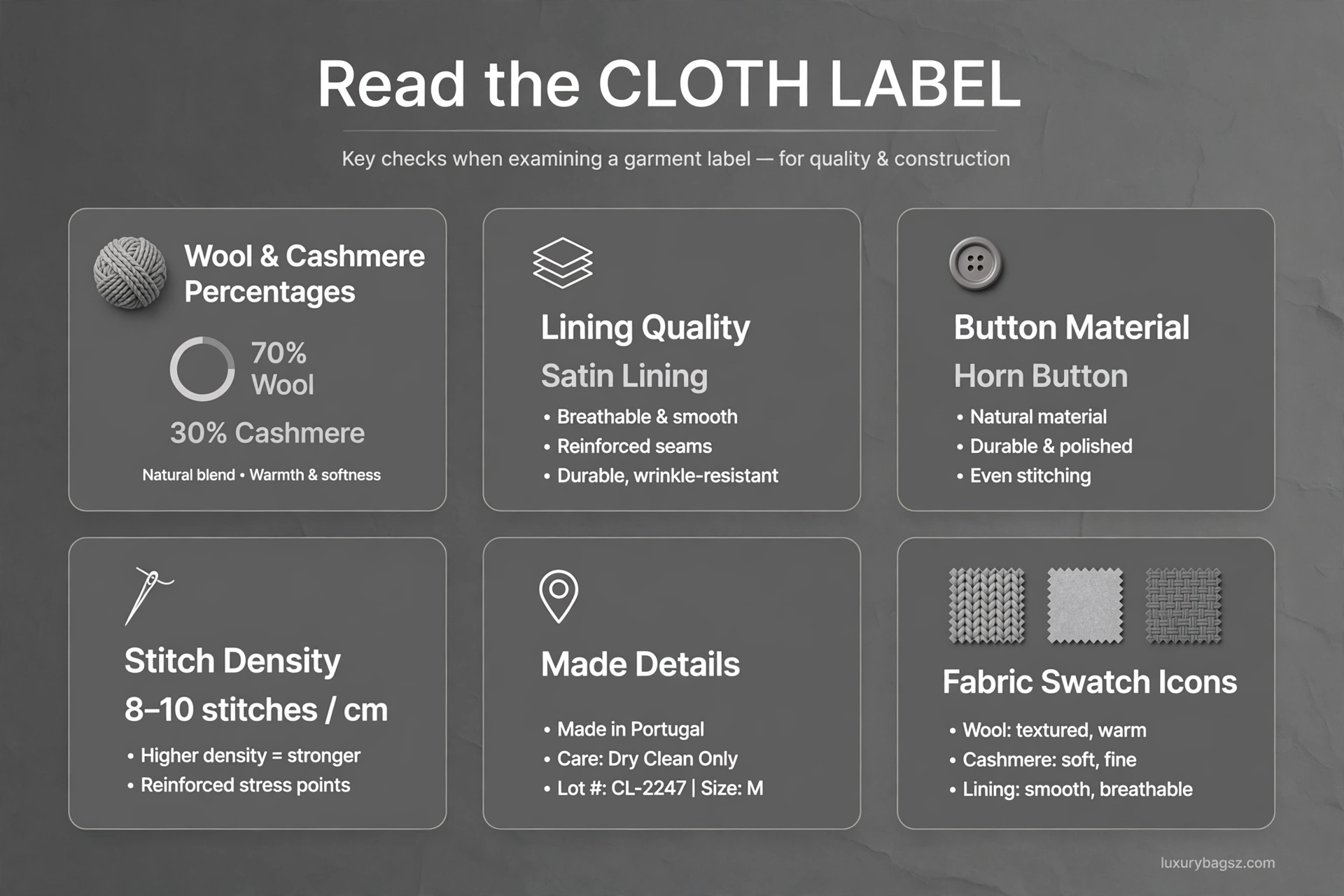
Cashmere content needs honesty checks. A whisper of cashmere in mostly synthetic cloth is marketing, not warmth; look for meaningful percentages and say so when a label hides them.
Double-faced wool, where two cloths are joined and edges hand-finished, is the connoisseur's marker. It signals the hand work that separates flagship coats from lookalikes.

Cloth: Where the Money Should Go
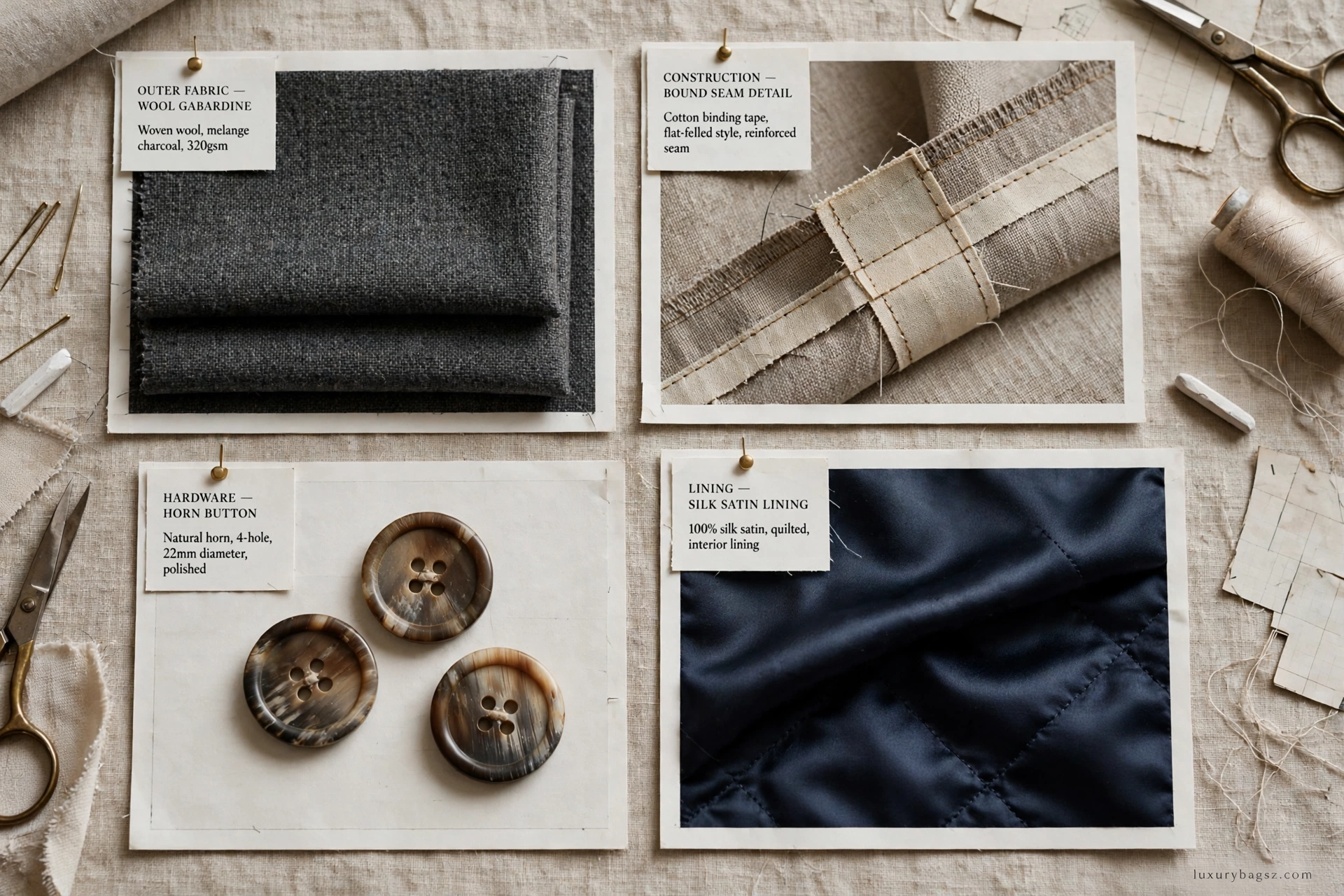
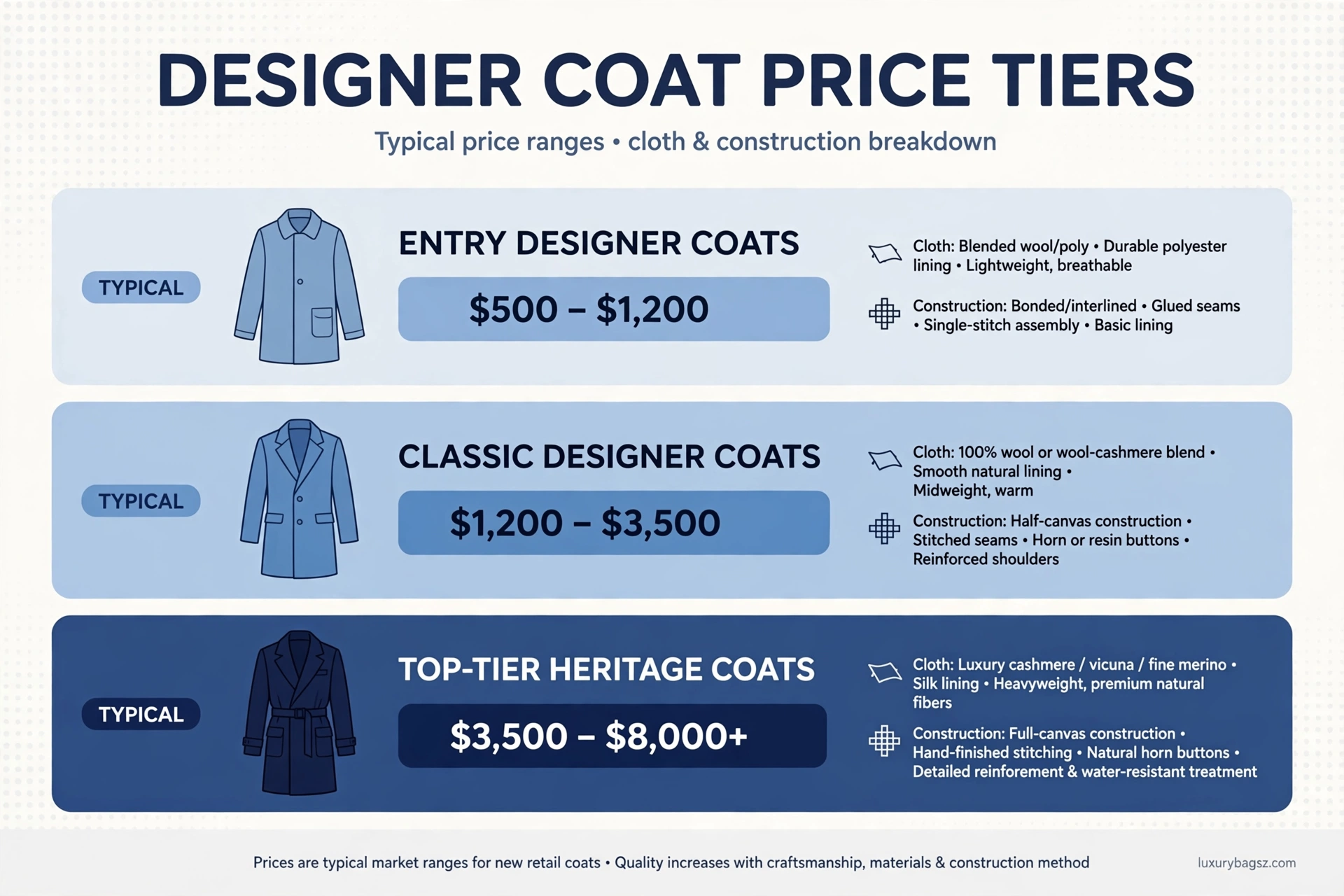
Read the label before the brand name. High wool content, camel hair and cashmere blends wear warmer, drape better and repair more kindly than polyester-heavy cloth at any price. Weight matters as much as fibre. A winter coat should feel substantial; thin cloth in a long coat is a warning sign, however famous the house on the label. Linings tell the truth too. A smooth, fully lined coat glides over knitwear and lasts longer inside, where cheap coats quietly fail first.
Fit Checks That Decide Everything
Try the coat over your thickest jumper. Shoulders should sit at your shoulders, sleeves should cover the wrist bone, and you should be able to hug yourself without strain. Walk, sit and lift a bag in it. A coat is outerwear, not a portrait; if it only works standing still in the shop, it will only work standing still in life. Check button stance and belt height against your waist, and look at the back vent: it should hang closed, not splay. These small misfits are what tailors charge most to fix.
Cost per wear should include care. Budget for cleaning, a good hanger, storage and one mid-life repair — buttons, lining, a re-hem — across the coat's decade of service.
Even with those costs counted, a flagship coat usually beats a cycle of cheap replacements on price alone, before style and warmth enter the argument at all.
What Designer Coats Cost, Honestly
Typical designer coats run from around £800 for entry styles to £2,500 and beyond for flagship camel and cashmere pieces, with famous icon coats sitting at the top of that range. Pre-owned changes the maths completely. Last decade's classic coat in good cloth often sells for a third of retail, and a tailor can refresh its fit for modest money. Sales also reward patience: coats are among the deepest-discounted designer categories in January. Never pay full price in December for a coat you can buy in the sale.
Care That Protects the Investment
Rest a coat between wears, brush it down, and hang it on a wide, shaped hanger that supports the shoulders. Crowded rails crush good cloth faster than weather does. Clean only when needed, with a cleaner you trust, and store summer-long in a breathable cover with cedar or lavender. Our guide on how to care for designer clothing covers the full routine. Repair early: a loose button or worn lining fixed now costs little and prevents the small damage that makes owners fall out of love with a coat worth a decade.
One last rule settles most shop-floor doubts: if you would not wear the coat three times this month, in your real weather, it is not an investment for you, whatever its cloth.
The right coat disappears into your life. You stop admiring it and start relying on it, which is exactly what the money was for.
Frequently Asked Questions
Which designer coat should I buy first?
The camel coat, if your winters are dry-cold, or the trench, if they are wet. Both pair with everything, ignore trends and deliver the lowest cost per wear in most wardrobes.
Why do Max Mara coats get mentioned so often?
The house specialises in coats, and its 101801 camel style, in production since 1981, is the modern benchmark for cloth, cut and longevity in this category.
Is a designer coat really better than a high-street one?
In cloth, cutting and finishing, usually yes, and the gap shows after several winters. A good high-street coat in pure wool can still beat a poor designer coat in blended cloth.
What cloth is best for an investment coat?
Wool with camel hair or cashmere for warmth and drape; gabardine cotton for a trench. High natural-fibre content is the label line that matters most.
How long should an investment coat be?
At or below the knee for most buyers. Longer coats look deliberate, keep dresses and legs warmer, and date far more slowly than cropped seasonal shapes.
Should I buy in a neutral or a colour?
Neutral first: camel, navy, black or charcoal will earn three times the wears. A red or checked coat is a joyful second investment once the base is covered.
When is the best time to buy a designer coat?
January sales, and pre-owned at any time of year. Coats discount deeply at season's end, and classic shapes lose nothing by being bought a year after launch.
How can I judge construction in the shop?
Check linings, button attachment, pattern matching at seams and the weight of the cloth. Then sit, walk and lift your arms in it; fit faults hide from mirrors, not movement.
Do designer coats hold resale value?
Icon coats in classic colours hold value best, especially in pure natural cloth and popular sizes. Obscure shapes and bold colours resell more slowly and for less.
How many investment coats does a wardrobe need?
Two covers most lives: one tailored or camel coat and one weather coat, trench or puffer. Add a wrap coat later for softness, and the coat wardrobe is complete.
Conclusion: Cloth, Cut and a Hundred Wears
Invest in the five classic shapes, spend on natural cloth, fit the coat over real knitwear, and buy in the January sales or pre-owned where you can. A designer coat earns its price the slow way — a hundred good wears over ten winters — and judged that way, the best of them are bargains.