Gloria Steinem Style: An Archival Look at a Purposeful Wardrobe
A Wardrobe That Was Never the Point — and Still Endures
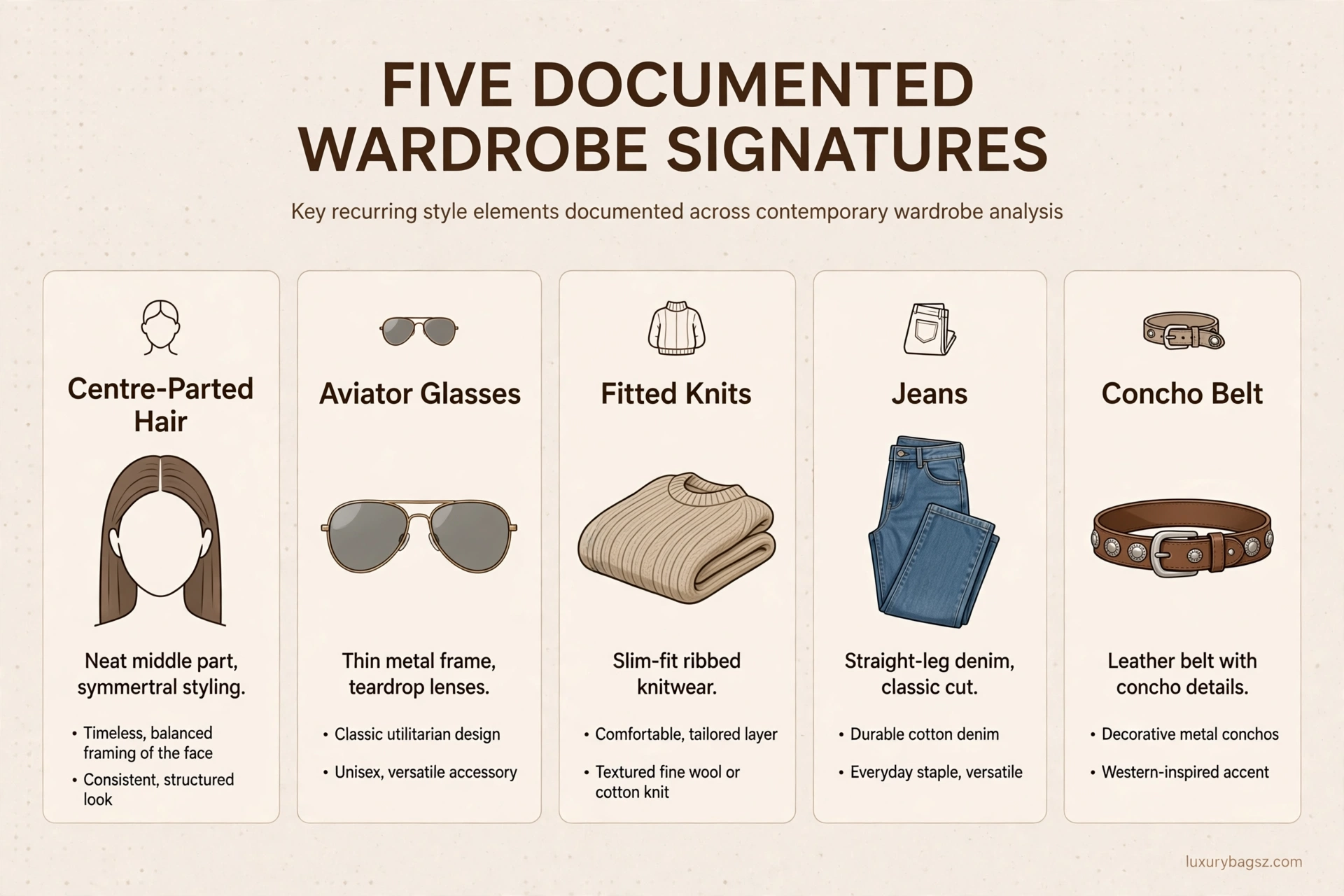
Gloria Steinem's recognisable look — long centre-parted hair, aviator glasses, fitted sweaters, jeans and a wide concho belt — was a by-product of a working life, not a fashion project. She said fashion should mean finding oneself rather than conforming. This archival-style account keeps to documented pieces and photographs, and treats the clothes as evidence of that idea.
Key Takeaways
- Her signatures were consistent for decades: hair, aviators, knits, jeans, belt.
- The look mixed feminine and practical pieces without chasing trends.
- She resisted being reduced to her appearance, and said so publicly.
- Her personal archive, shown with What Goes Around Comes Around, grounds the story.
- The wardrobe lesson is purpose: clothes chosen for a life, worn on repeat.
- This account stays factual and avoids inventing credits for specific outfits.
Why Her Style Is Studied at All
Steinem belongs in any honest account of influential women who changed fashion precisely because she was not a fashion figure by trade. As a journalist and co-founder of Ms. magazine in the early 1970s, she became one of the most photographed women in public life, and photographs preserve the wardrobe. Her image demonstrated, visually, that feminism and an interest in appearance could coexist — a point made repeatedly in reporting of the era. She also pushed back against appearance-led coverage, noting the unfairness of looks being credited for work. Both facts belong in the record.
The Documented Signatures
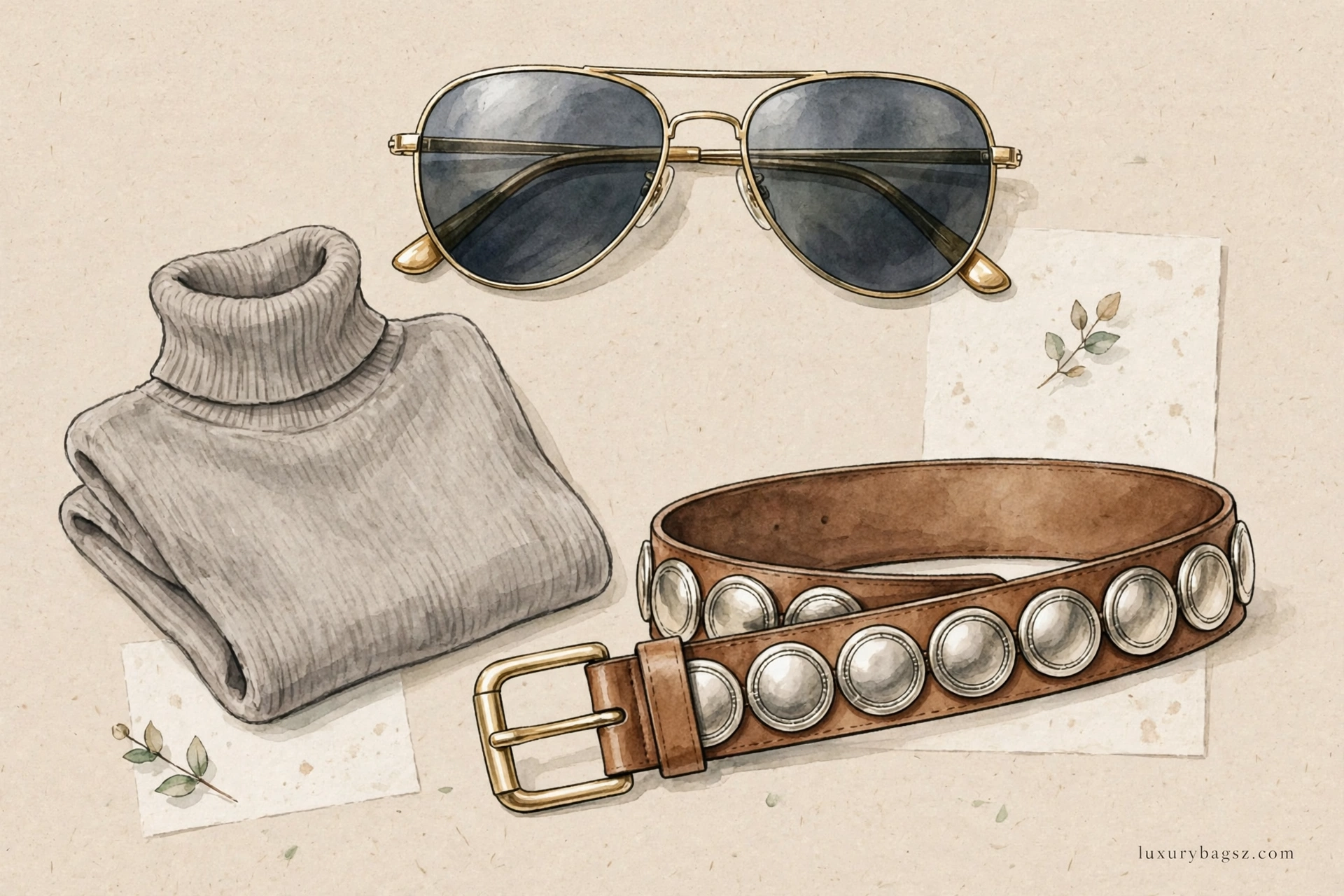
Photographs across decades show the same elements: long hair with lighter streaks, parted in the centre, and large aviator-style glasses as the most recognised accessory. Fitted sweaters and turtlenecks appear constantly, worn with jeans — often flared in the 1970s — or with skirts in earlier years. The wide belt with round metal concho details is the other recurring piece, worn at the waist or low on the hips over knits and denim. Later decades show the same grammar in softer form: dark trousers, simple tops, scarves and the glasses, adapted rather than abandoned.
The Concho Belt and Western Detail
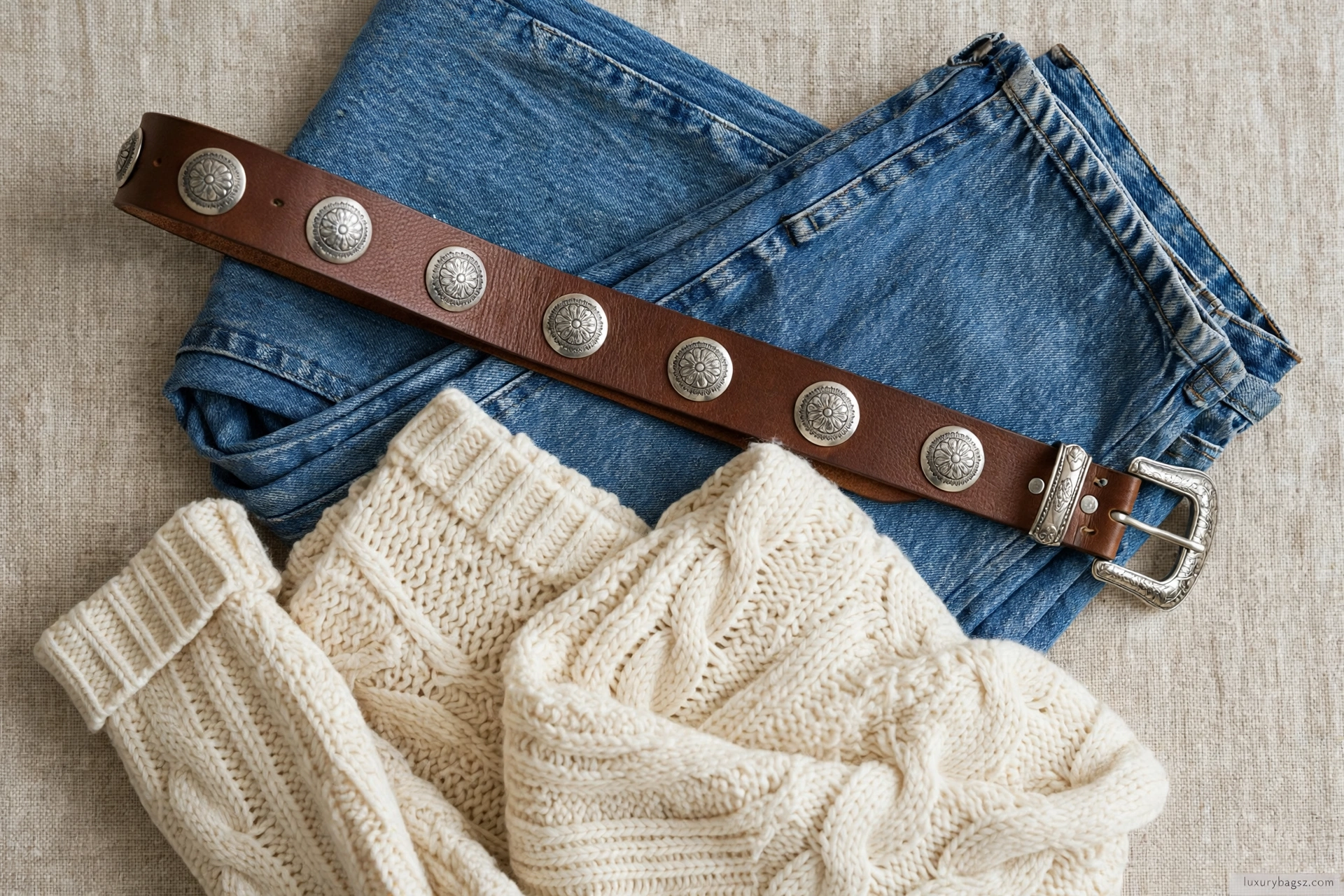
The concho belt is the wardrobe's most distinctive object: a leather belt set with round, worked-metal discs, rooted in Southwestern craft traditions. Worn over a plain sweater and jeans, it did the work jewellery does in other wardrobes — one strong, personal detail against simple clothes. Reporting on her archive has highlighted such belts among her kept pieces, which suggests they were favourites rather than styling accidents. For readers, the transferable point is narrow: one crafted, personal accessory, worn for years, identifies a wardrobe better than a rotation of novelties.
Jeans, Turtlenecks and Working Clothes
Much of her photographed life was spent travelling, speaking and organising, and the clothes fit that life: denim, knits, flat or low-heeled shoes and layers. Miniskirts appear in 1960s photographs, reflecting the era; the 1970s settled into the jeans-and-sweater uniform that became her public image. Nothing in the record suggests costume changes for effect. The same pieces recur because they were her clothes, not a stylist's rail. That ordinariness is the archival interest. A wardrobe built for work, preserved by fame's cameras, shows its owner's priorities clearly.
The Personal Archive, Shown Publicly
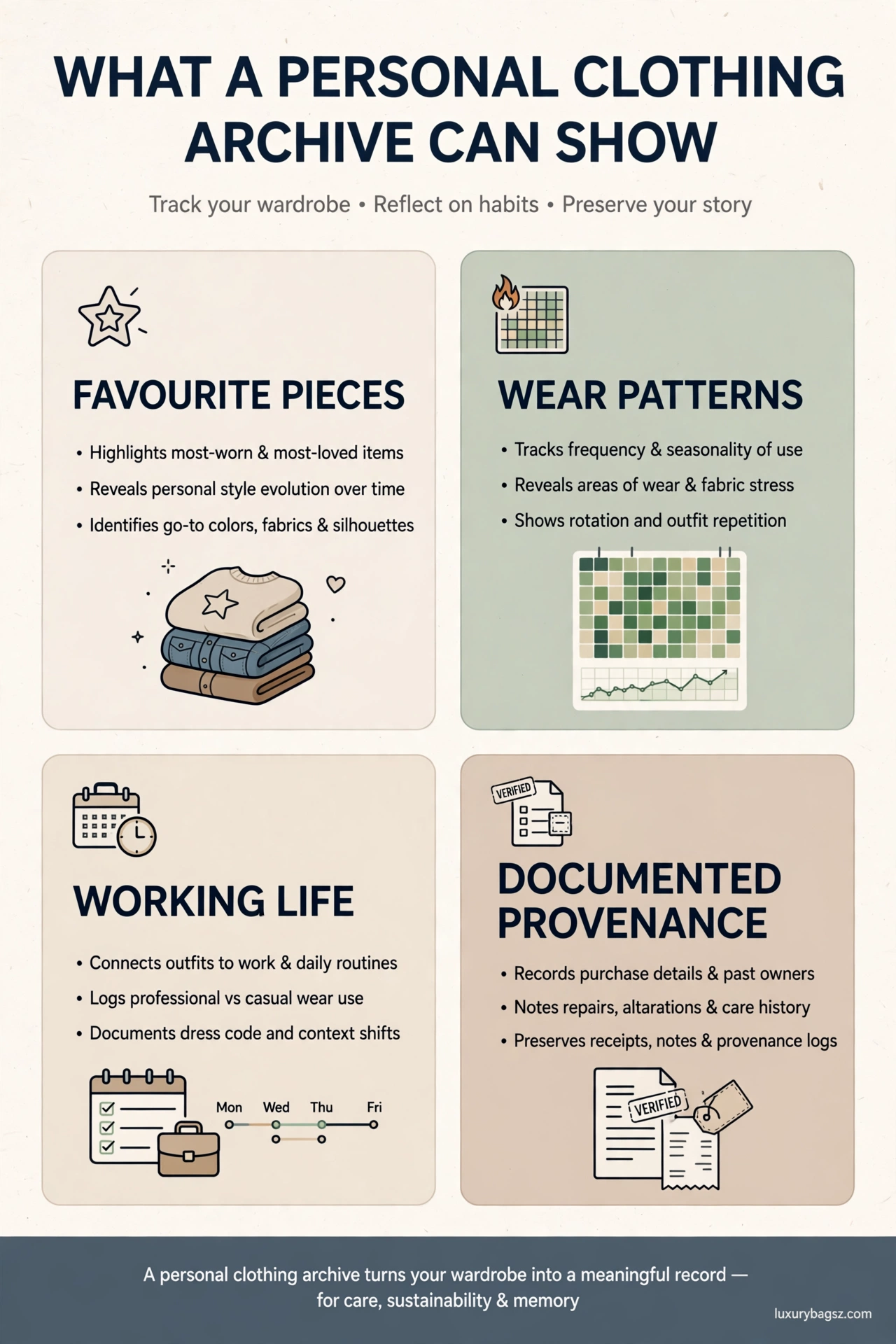
In recent years, pieces from Steinem's personal wardrobe have been presented with the vintage house What Goes Around Comes Around, in support of her foundation's work, as widely reported. Such presentations matter because they replace myth with objects: real garments, with wear, that can be examined rather than imagined. The route resembles how luxury consignment works, where documented provenance gives old clothes a second, verifiable life. For this article, the archive's lesson is restraint: we describe categories and documented favourites, and we do not assign designers to outfits without evidence.

Wearing the Influence, Respectfully
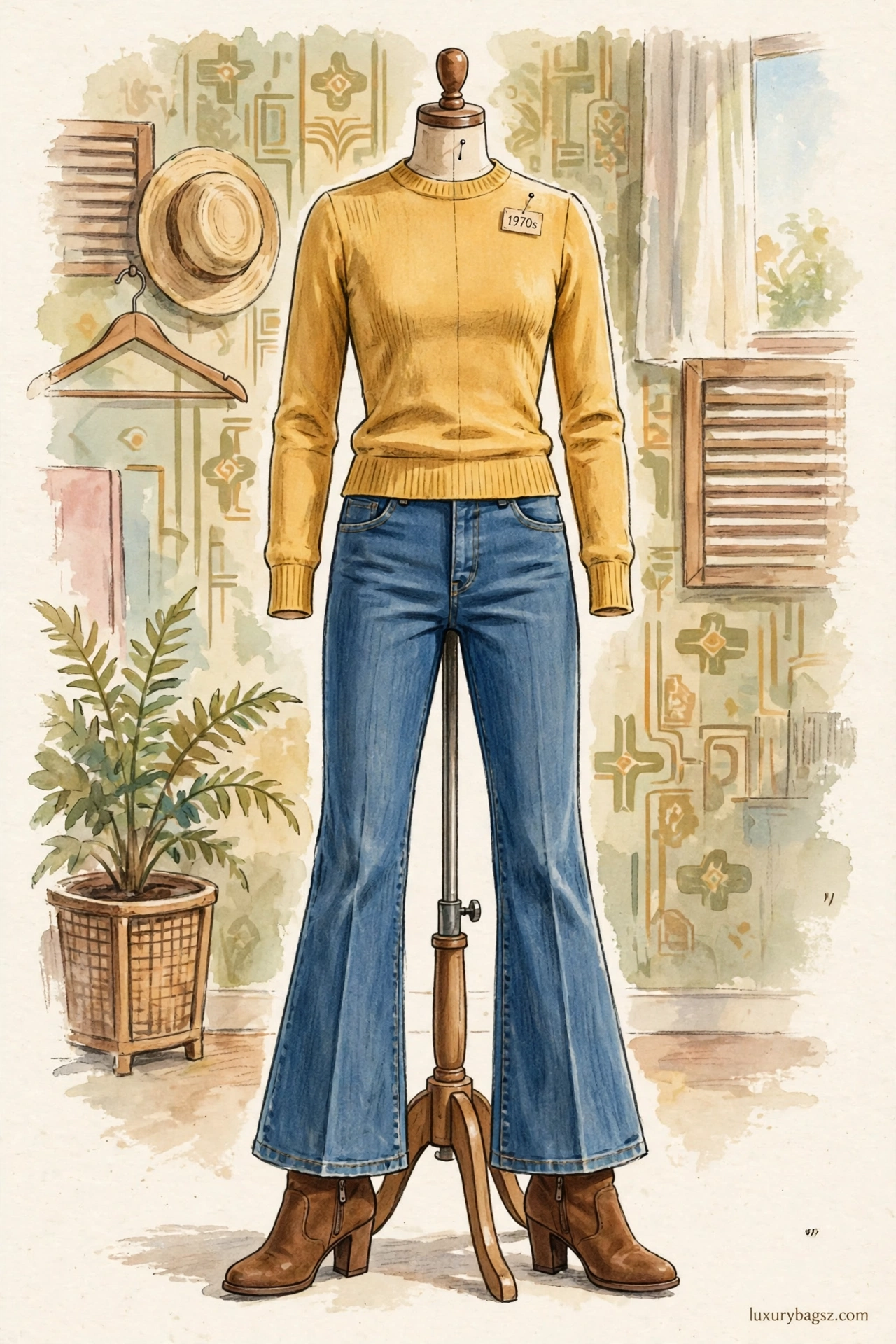
A modern nod is simple: flared or straight jeans, a fitted knit, heeled boots and one wide belt with metal detail, finished with plain sunglasses. Keep the rest unadorned. The historical look works because the base clothes are plain; adding prints and jewellery layers moves it into a different, later style. This is influence, not impersonation. Hair and glasses copied literally turn tribute into costume, which the original wardrobe never was. Choose the principle instead: a small set of repeatable pieces, one personal detail and clothes that let you get on with your day.
Four Lessons in Purposeful Dressing
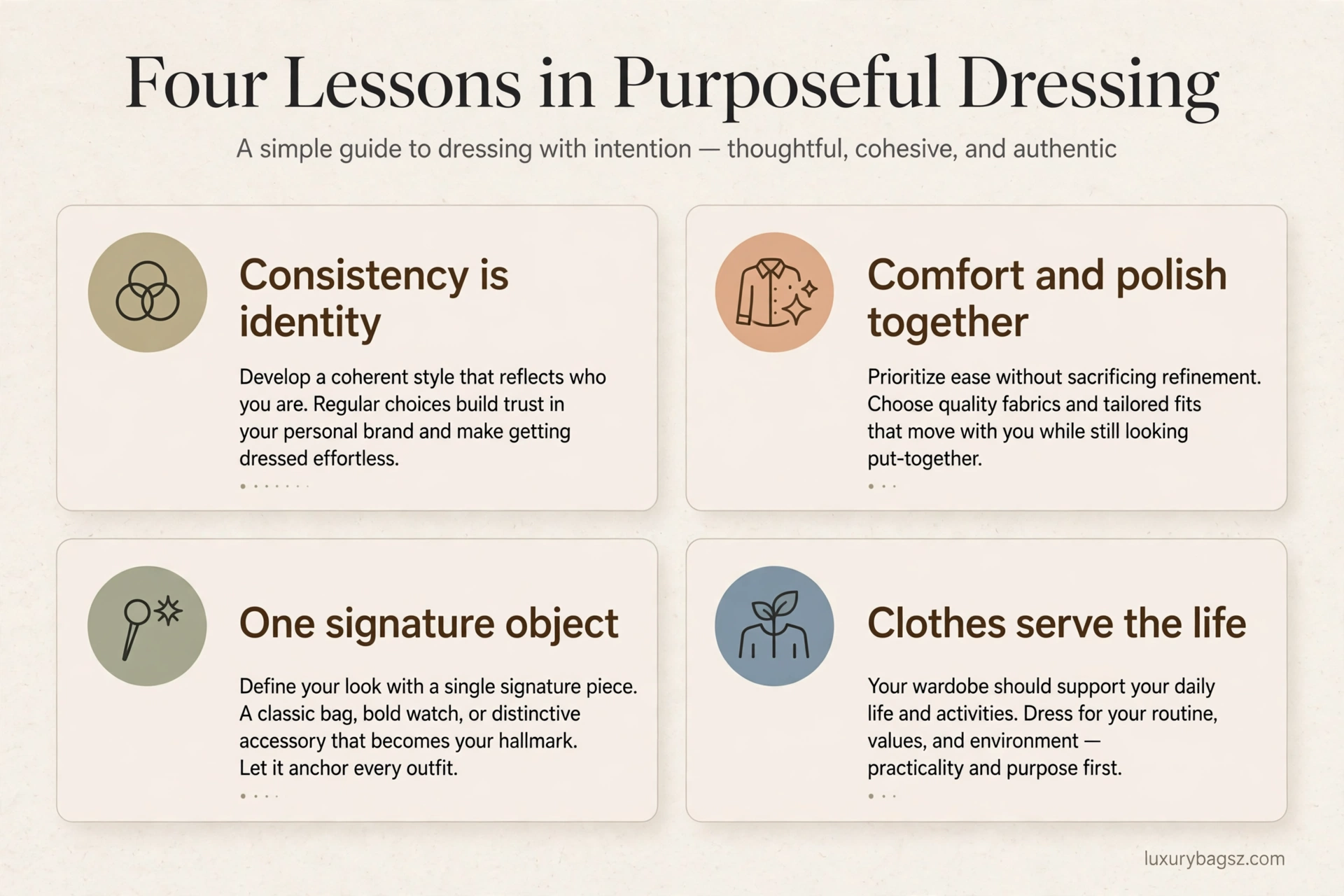
First, consistency is identity. Wearing similar clothes for decades made her recognisable without logos or novelty. Second, comfort and appearance are not enemies. Her knits, denim and practical shoes were chosen for long working days and still photographed well. Third, one signature object can carry a wardrobe. The belt and glasses did more for recognition than any single dress. Fourth, clothes can support a message without becoming it. Her work was the story; the wardrobe simply refused to get in its way.
Placing Her Among Her Contemporaries
Her 1970s jeans-and-belt silhouette sits near, but apart from, the polished boho-glam of the Rachel Zoe style story: similar era pieces, opposite levels of finish. Where glam styling adds layers and shine, Steinem's photographs subtract: fewer pieces, plainer surfaces, one belt doing the decorative work. Both approaches have lasted, which is a useful reminder that personal style is a position, not a trend cycle. Read her wardrobe as she framed dressing itself: not conformity, and not performance — a way of being recognisably yourself in public.
Frequently Asked Questions
What was Gloria Steinem's signature look?
Long centre-parted hair with lighter streaks, large aviator-style glasses, fitted sweaters or turtlenecks, jeans and a wide concho belt, repeated across decades of photographs.
Why are her aviator glasses so associated with her?
She wore large aviator-style glasses consistently from the early 1970s onward, including on the 1971 Newsweek cover that introduced her to a national audience.
What is a concho belt?
A leather belt decorated with round, worked-metal discs called conchos, rooted in Southwestern craft traditions. Hers became a recurring personal signature over plain knits and denim.
Did Steinem care about fashion?
She addressed it directly, saying fashion should mean being unique and finding oneself rather than conforming. She also criticised coverage that credited her looks for her work.
What happened to her personal wardrobe?
Pieces from her personal archive have been presented with vintage house What Goes Around Comes Around in support of her foundation, as reported in recent coverage.
Which era defines her style most?
The 1970s: jeans, fitted sweaters, the concho belt and aviators, photographed constantly during the height of her Ms. magazine and speaking years.
Can I reference her style today without costume?
Yes: plain knits, straight or flared jeans, one wide belt with metal detail and simple sunglasses. Borrow the principle of repetition, not a literal copy.
Did a stylist create her look?
There is no widely documented stylist behind her everyday wardrobe. The consistency across decades suggests personal habit rather than professional styling.
Why avoid naming designers for her outfits?
Because credits for specific appearances are rarely documented. Honest description of the garments is more accurate than assigning houses without evidence.
What is the main lesson of her wardrobe?
Purposeful consistency: a few practical pieces, one personal signature and no interest in novelty for its own sake. The clothes served the life, visibly.
Summary: Clothes in Service of a Life
Steinem's archival style is a record of priorities: practical clothes, repeated for decades, with a belt and a pair of glasses doing the identifying work. It endures as proof that a wardrobe does not need to perform to be remembered.