

Elisabetta Franchi Brand Guide: Tailoring, Dresses, Sizing and Buying
Elisabetta Franchi in Brief: Confident Italian Tailoring First
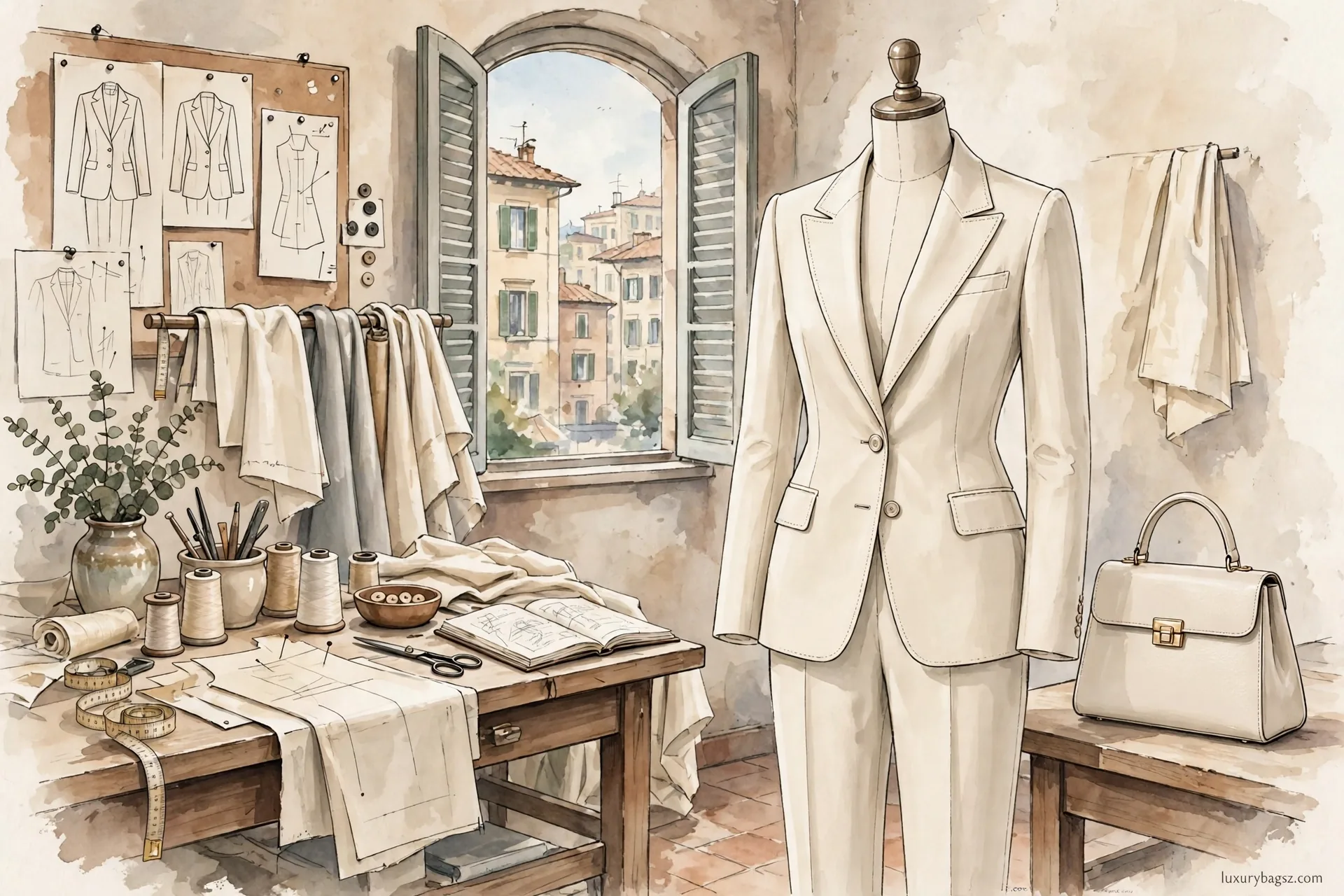
Elisabetta Franchi is an Italian fashion house built around feminine, structured tailoring with a glamorous edge. If you buy one piece first, make it a tailleur, the fitted suit that is the brand's signature, in a colour you already wear to work and out. It is the fastest way to learn whether the brand's close, confident fit suits your body and your life.
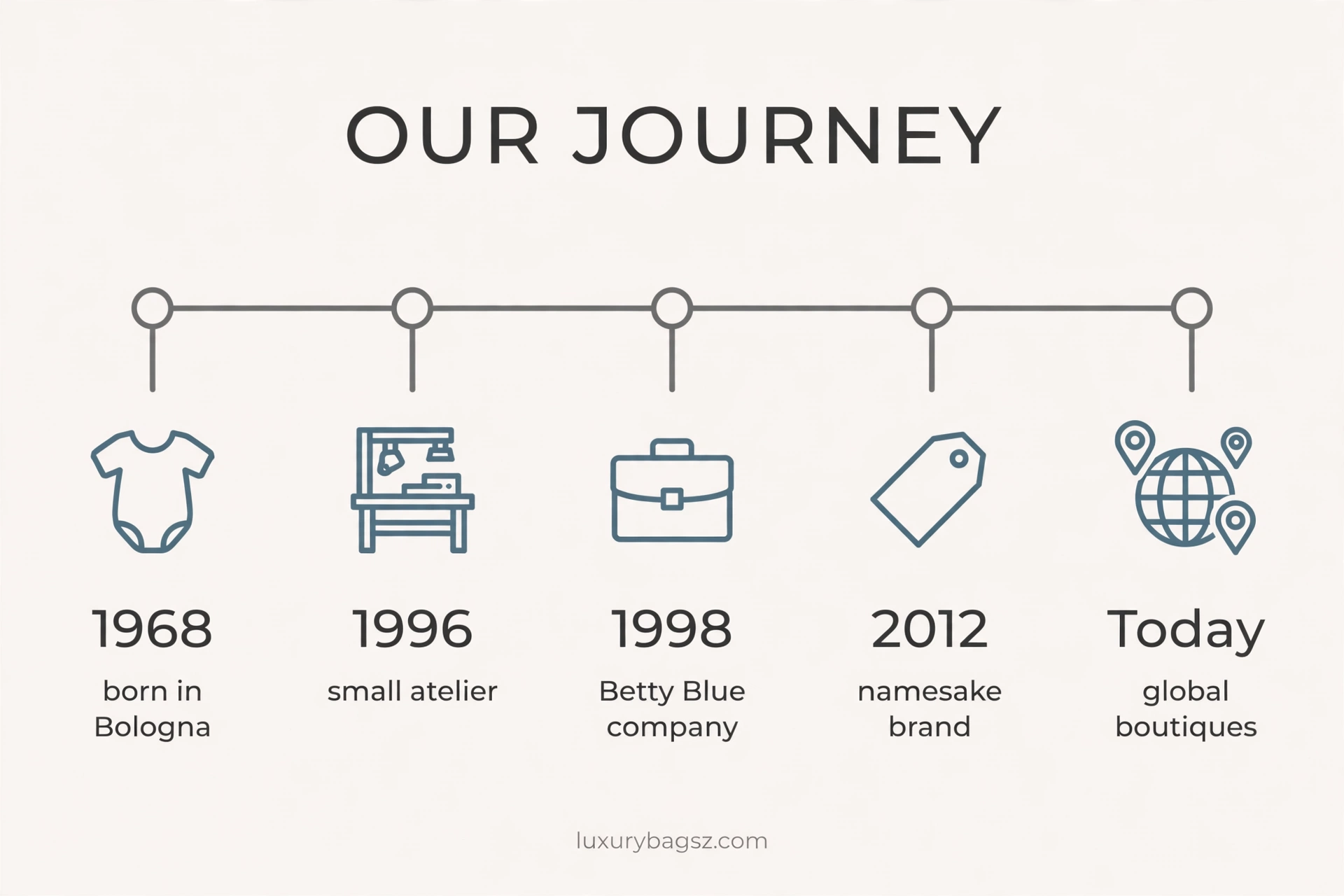
The designer, Elisabetta Franchi, was born in Bologna in 1968 and opened a small atelier in 1996 with a tiny team. The company behind the brand, Betty Blue S.p.A., followed in 1998, and the label took her own name in 2012. Since 2015 the brand has shown at Milan Fashion Week, and it is now sold through boutiques and multi-brand stores around the world.
Key Takeaways
- Elisabetta Franchi was born in Bologna in 1968 and opened her first atelier in 1996.
- The namesake brand dates to 2012, following the earlier Celyn b. line and the Betty Blue company.
- The tailleur, a sharply fitted suit, is the signature piece, alongside structured dresses and eveningwear.
- The brand is known for fur-free, animal-friendly positioning and for supporting women's and animal welfare causes.
- Fit runs close and structured, so check waist, bust and shoulder measurements before ordering.
The Story Behind the Designer
Elisabetta Franchi grew up in Bologna as the fourth of five children in a family of modest means, raised largely by her mother. She studied at the Istituto Aldrovandi Rubbiani in Bologna and worked in fashion boutiques before opening her own small atelier in 1996. That start matters, because the brand has always spoken to women building a polished wardrobe piece by piece rather than buying a whole look at once.
The early line was called Celyn b., with the "b" standing for Betta, the designer's nickname, and it drew on a Parisian sense of polish. In 1998 Betty Blue S.p.A. was established, and the business grew steadily through Italian manufacturing and careful attention to fit and fabric. In 2006 Franchi bought a former pharmaceutical site that became the house headquarters in 2008, a move that signalled serious, long-term ambition.
The rename to Elisabetta Franchi in 2012 gave the brand a clearer identity as it expanded internationally. By 2017 revenue had passed 100 million euros, according to brand histories, and the label now counts roughly 1,100 multi-brand retailers and around 80 monobrand boutiques in many accounts. Figures vary by year and source, so treat store counts as approximate rather than exact, but the direction is clear: a small Bologna atelier became a global Italian name.
The Tailleur: The Piece That Defines the Brand
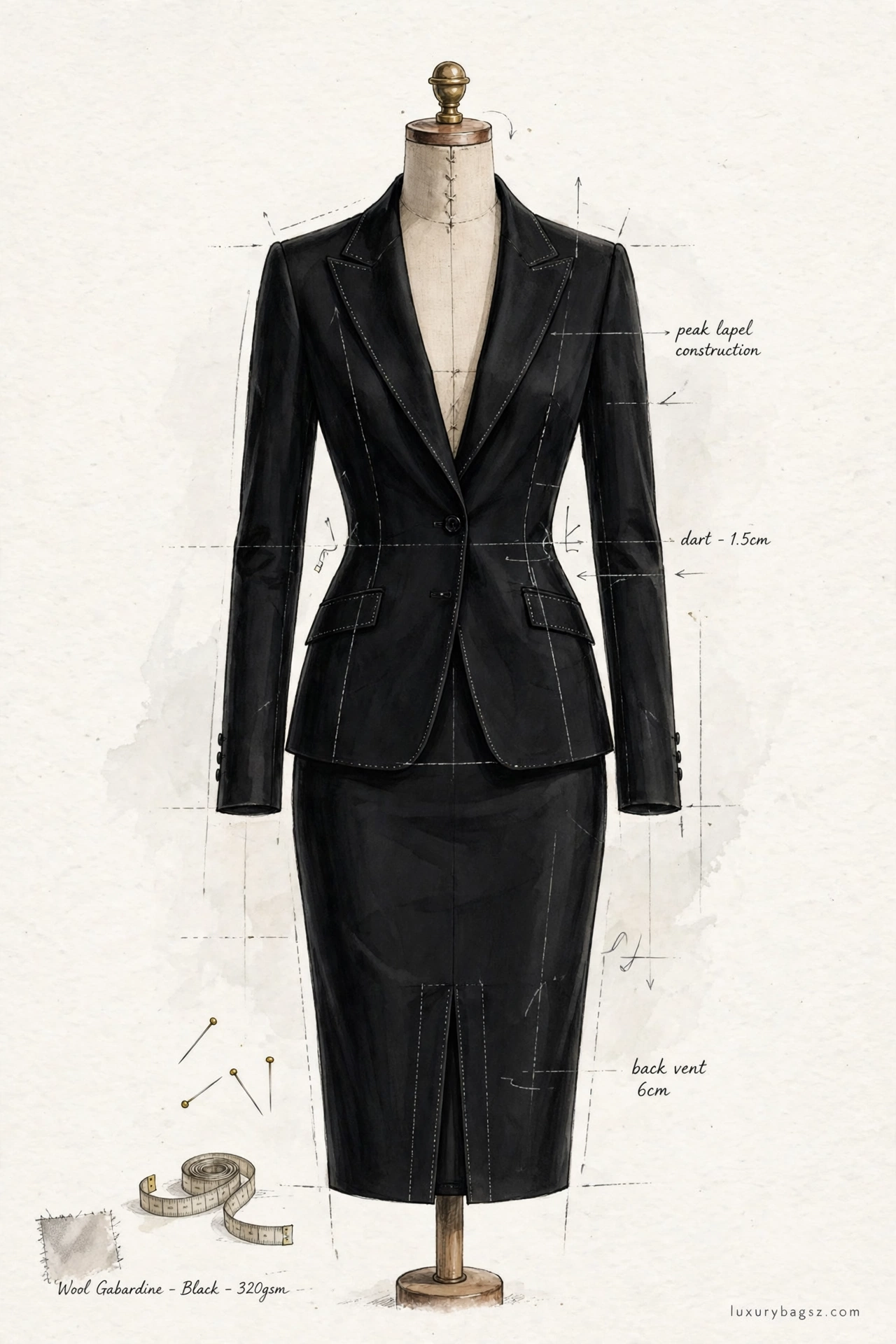
Tailleur is simply the French-derived word for a tailored suit, but at Elisabetta Franchi it means something specific: a fitted jacket with a defined waist and shoulder, paired with a pencil skirt or slim trousers. The suit is designed to make the wearer look polished and in command, with structure doing the work that looser tailoring leaves to accessories.
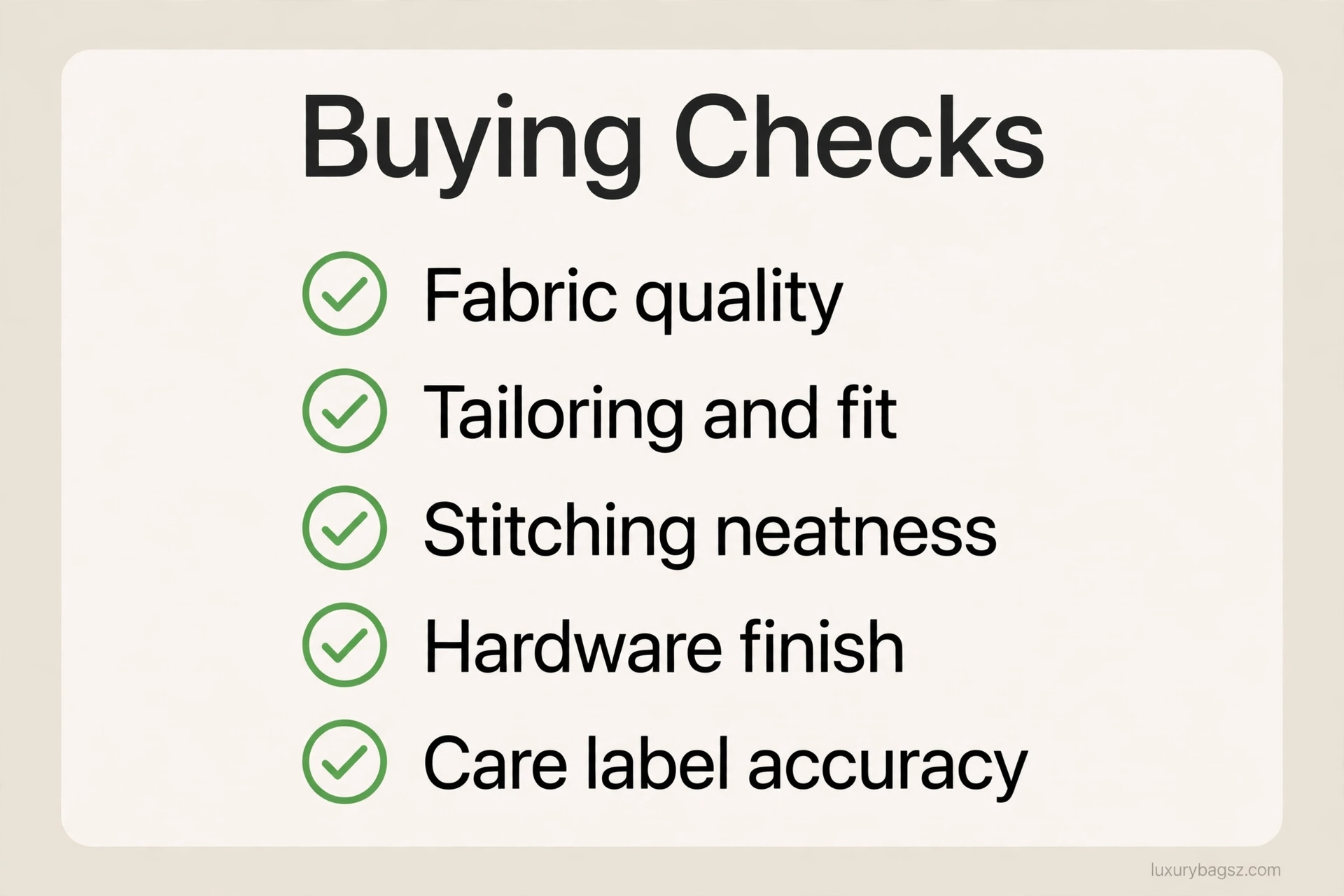
When trying a tailleur, check four points before anything else. The jacket should close without pulling across the bust, the shoulder seam should sit at your natural shoulder, the waist should nip without gaping when you sit, and the skirt or trousers should allow a normal stride. If two of those four fail, try another size or another cut rather than hoping tailoring will rescue a poor fit.
Colour choice changes the suit's life dramatically. Black and navy are the safest first buys, because they work for work, dinners and events with a change of shoes and bag. Rich red, gold-toned neutrals and patterned versions are beautiful second suits, but they demand more planning and repeat less invisibly. Buy the workhorse first, then the statement.
Dresses, Eveningwear and the Wider Range
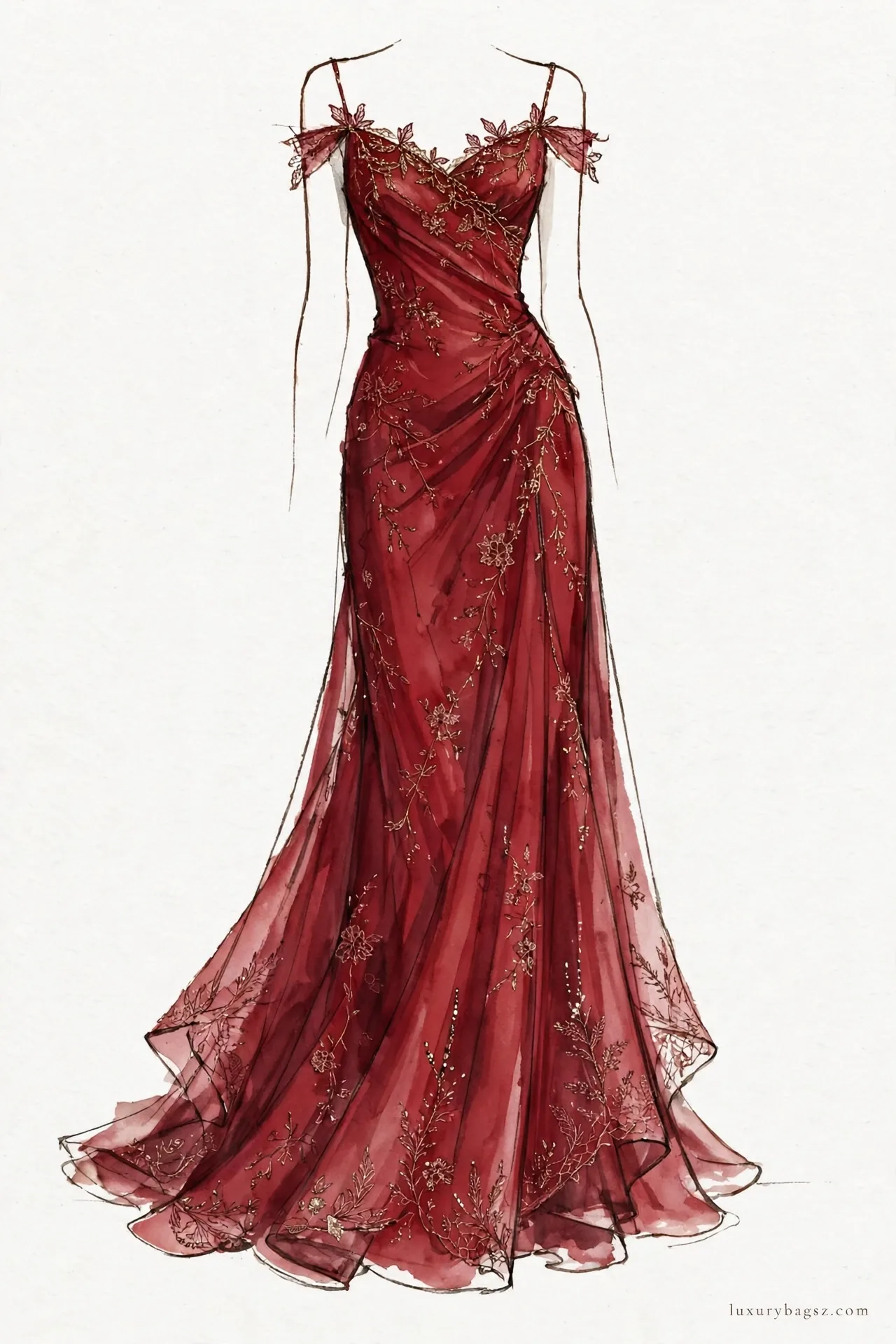
Beyond suiting, Elisabetta Franchi is known for structured dresses, jumpsuits, blouses, skirts and outerwear that share the same philosophy: feminine silhouettes, defined waists and refined detailing. Day dresses tend to be fitted through the bodice with a skirt that moves, while evening pieces add embellishment, sheerness or a longer line without losing structure.
Eveningwear is where the brand's glamour shows most plainly. Long gowns, embellished cocktail dresses and corset-influenced pieces are designed to be noticed, and they photograph well at events. Before buying eveningwear, be honest about how often you attend such events, because a beautiful gown worn once is a poorer buy than a versatile cocktail dress worn ten times.
The handbag range, often called Borsa, mirrors the clothing: structured top-handle bags, shoulder bags and evening clutches in polished leathers. Treat bags as supporting players rather than the main event, and choose one neutral structured bag that works with both suiting and dresses. A bag that only matches one outfit is a luxury, not a foundation.

Sizing, Fit and What the Labels Mean
Elisabetta Franchi uses Italian sizing, so a UK or US buyer must convert rather than assume. Italian sizes run numerically higher than UK sizes for the same garment, and the brand's fitted cuts leave less forgiveness than relaxed brands. Always compare the garment's bust, waist and hip measurements with your own, and with a garment you already own that fits well.
Fit varies by piece, which is the part most buyers miss. A fitted jacket may need one size, while a stretch dress in the same label may need another, because fabrics and cuts behave differently. Read the product's fit notes, check whether the fabric has stretch, and favour retailers with clear returns for a first order in a new style. If you are between sizes, the safer choice for structured tailoring is usually the larger size, since taking in is easier than letting out.
Petite and taller buyers should pay special attention to jacket length, sleeve length and skirt length. A tailleur that fits at the waist but ends at the wrong point on the leg changes the whole proportion, and that is harder to fix than a simple waist adjustment. Note your preferred lengths from a suit you love, and compare them before ordering.
Buying New and Pre-Owned
Buy new from the brand's boutiques, its website or authorised retailers when you want the current size run, a reliable return and the full packaging. Prices vary by fabric, embellishment and collection, and older guides quickly go out of date, so check the live listing for the exact piece rather than trusting a remembered price. Sale pieces are worth watching, but check that the size and colour are ones you would buy at full price.
Pre-owned Elisabetta Franchi appears on resale platforms, especially tailleurs and dresses in popular sizes. Read our guide to pre-owned designer bag safety for the general principles, and apply the same discipline to clothing: ask for flat measurements, close photos of seams, zips, linings and any embellishment, and a clear statement of wear, cleaning and alterations. Learn the language of pre-owned condition grades before you judge a listing's "excellent" claim.
Alterations deserve a direct question, because a well-altered suit can be a bargain and a badly altered one can be a trap. Ask whether hems, waists or shoulders have been changed, and whether the original fabric or hem is still available. If the seller cannot answer, price the risk into your offer or walk away.
Styling, Care and Making Pieces Last
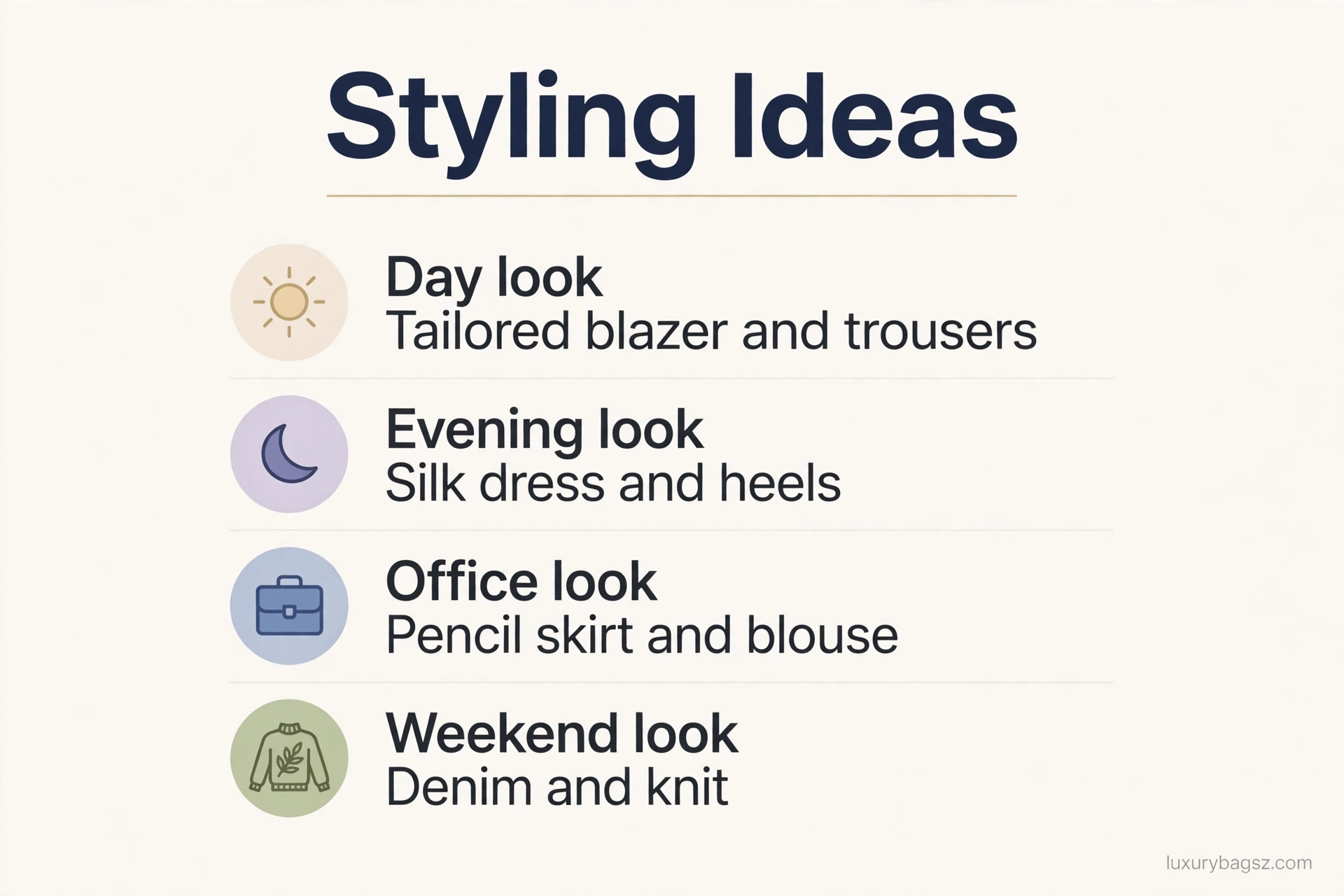
Styling Elisabetta Franchi works best with one hero piece at a time. Let a tailleur carry the outfit with simple shoes and a plain bag, or let an embellished dress carry the evening with minimal jewellery. Two strong pieces competing for attention usually weaken both, while one strong piece with quiet support looks intentional and expensive.
Fabric care depends on the piece, so always read the care label before washing anything. Many structured pieces need dry cleaning, while simpler cotton or viscose pieces may allow gentle washing. Our advice on designer clothing care covers storage, rotation and professional cleaning, and our notes on natural fabric care help with cotton, linen and silk pieces in the range. When in doubt, dry clean a structured garment rather than risking its shape in a home wash.
Store tailleurs on shaped hangers, buttoned or zipped, with room to breathe, and keep embellished pieces away from anything that can snag them. Steam rather than iron where possible, and deal with stains promptly through a professional cleaner. Small habits, repeated over years, are what keep a fitted suit looking sharp rather than tired.
Values, Animal-Friendly Positioning and What to Avoid
Elisabetta Franchi is notable for its animal-friendly stance. In 2012 the designer launched a collection in collaboration with LAV, the Italian animal-protection league, and joined the Fur Free programme. The brand presents itself as fur-free and cruelty-conscious, and its foundation supports women, children and animal welfare causes. Buyers who care about those issues will find the positioning genuine and long-standing rather than a single-season campaign.
Avoid two common mistakes. First, do not buy a tailleur purely for a single event if the fit is not right, because a structured suit that does not fit will not improve with wishful thinking. Second, do not assume embellishment equals quality: check that beads, sequins and trims are securely attached, evenly placed and backed by neat finishing on the inside. Loose or uneven embellishment is a sign of a tired or poorly made piece, whatever the label says.
What holds up best is the core: well-fitted tailleurs in classic colours, structured day dresses in good fabric, and one neutral bag. Those pieces work across seasons, pair with things you already own, and resell most easily because the next buyer recognises their purpose at once.
Frequently Asked Questions
1. Who is Elisabetta Franchi? Elisabetta Franchi is an Italian fashion designer born in Bologna in 1968, founder of the namesake brand known for feminine, structured tailoring.
2. When was the Elisabetta Franchi brand founded? The designer opened her first atelier in 1996, the Betty Blue company followed in 1998, and the label took her own name in 2012.
3. What is a tailleur? A tailleur is a tailored suit, usually a fitted jacket with a pencil skirt or slim trousers, and it is Elisabetta Franchi's signature piece.
4. Does Elisabetta Franchi use Italian sizing? Yes, so UK and US buyers should convert sizes and compare garment measurements with their own before ordering.
5. Is Elisabetta Franchi fur-free? The brand joined the Fur Free programme in 2012 and presents itself as fur-free, with a long-standing collaboration with animal welfare organisation LAV.
6. Where is Elisabetta Franchi made? The brand is Italian, with its headquarters in Bologna and a strong emphasis on Italian manufacturing and craftsmanship.
7. How do I care for a Franchi tailleur? Read the care label, usually dry clean structured pieces, store on shaped hangers, and use a professional cleaner for stains.
8. Is pre-owned Elisabetta Franchi worth buying? Yes, when measurements, seam and embellishment photos and alteration history are clear, and the seller offers a return window.
9. What should I buy first? A tailleur in black or navy is the safest first buy, because it works for work, dinners and events with simple changes of shoes and bag.
10. Does the brand show at Milan Fashion Week? Yes, Elisabetta Franchi has shown at Milan Fashion Week since presenting its spring/summer 2015 collection there.
Summary: Buy the Suit That Fits Your Real Life
Elisabetta Franchi is at its best when tailoring meets real life: a suit that fits at the shoulder and waist, a dress you can sit and walk in, and a bag that works with both. Check measurements, question alterations, care for structure, and buy the classic colour before the statement one. Do that, and the brand's confident Italian polish becomes a wardrobe asset rather than a beautiful risk.






