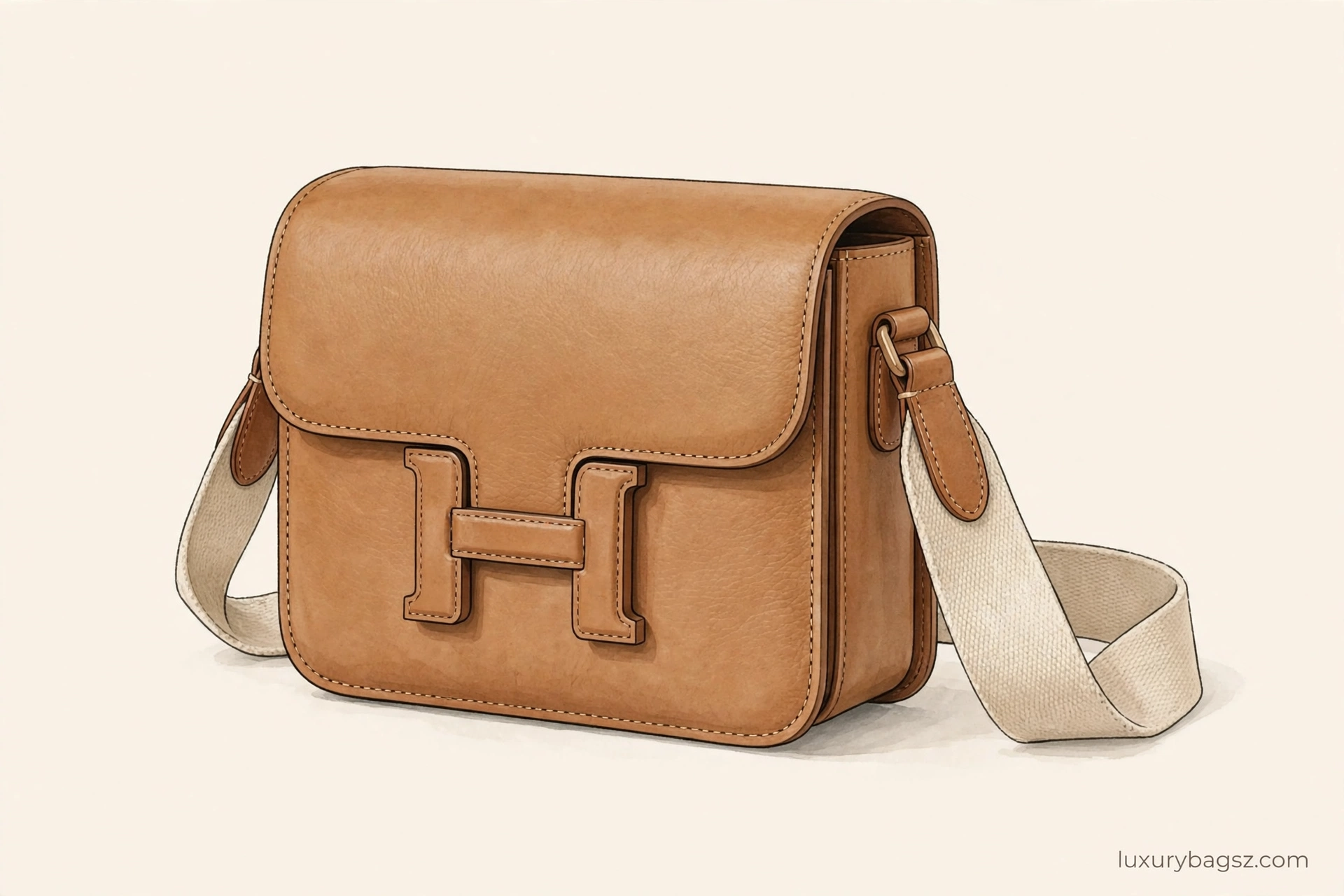
Breaking Fashion Trends: How Trends Break, Spread and Fade, Explained
When a Trend Breaks: The Method in Brief
A fashion trend breaks when the same new idea shows up in three places at once: on runways, on the street and in ordinary shops. One catwalk look is a proposal; three sightings in three worlds is a trend starting. The skill is not spotting it first. It is judging whether it will last, whether it suits your life, and testing it cheaply before any designer money moves. This guide gives you that method, not invented headlines.
Key Takeaways
- A trend breaks when runway, street style and retail all show it at once.
- Speed is a warning sign: the faster a look saturates, the faster it dates.
- Test with one low-cost piece worn three ways before buying designer.
- Trends that solve a real dressing problem outlast trends that only photograph well.
- Keep a small trend budget apart from your classic-pieces budget.
- Skip loudly and happily when a trend fights your body, job or climate.
What Breaking Actually Means in Fashion
Breaking does not mean new. Almost every trend is a return: a silhouette, colour or detail coming back with a fresh fabric, proportion or pairing. It breaks at the moment of spread. Editors wear it, photographers shoot it outside shows, high-street buyers copy it, and suddenly it is in three price worlds at once. Until that spread happens, treat a runway moment as a designer's suggestion. Fashion houses propose dozens of ideas each season, and most quietly disappear. Learning the difference saves money. You stop chasing proposals and start buying only the ideas that have already proved they can travel.
History helps calibration. The mini bag, the trench and the loafer all arrived as breaking news once. Asking what a new idea resembles from the past tells you quickly whether it is a costume or a classic being born.
The Cycle Every Trend Travels
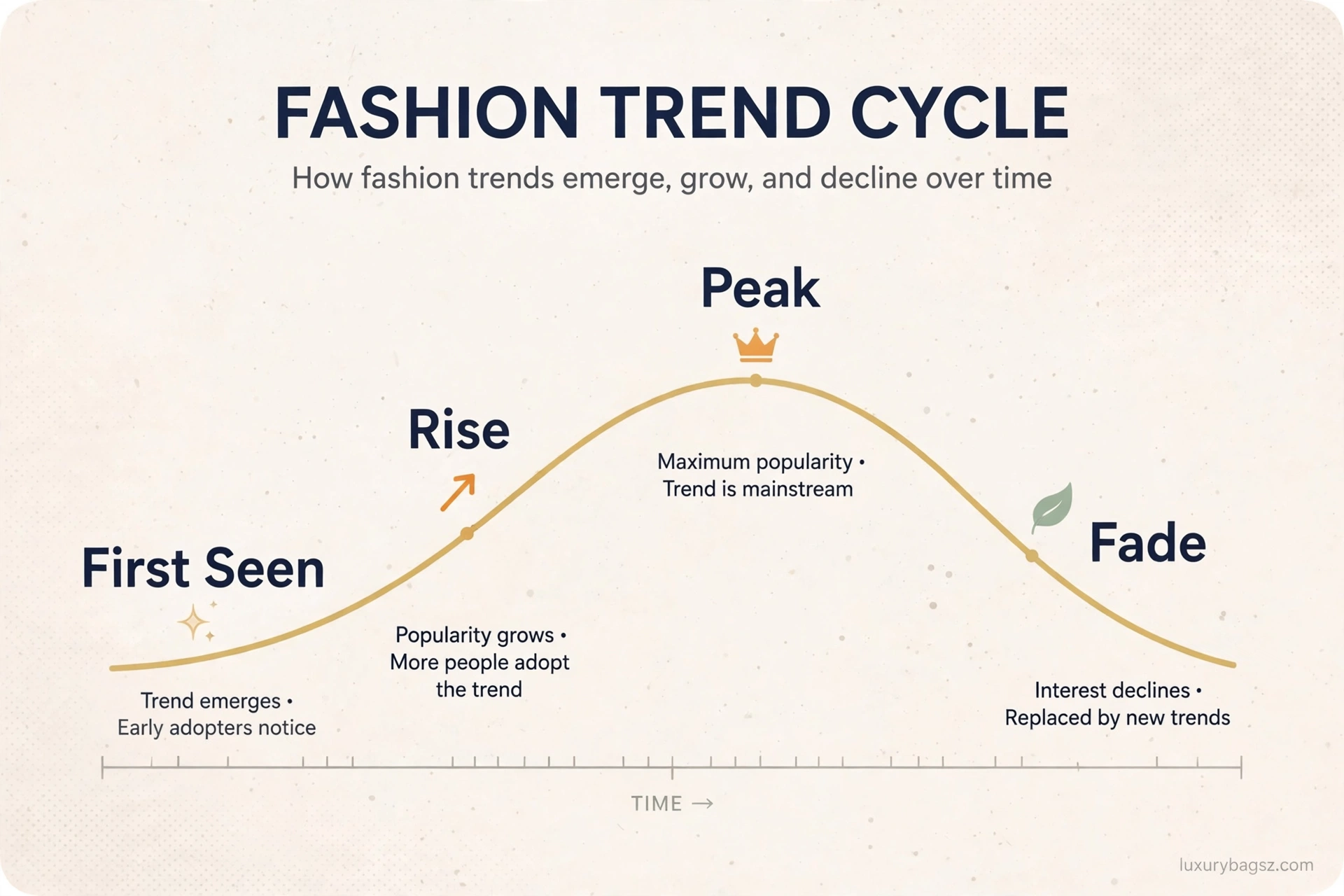
First sighting: a designer, a stylist or a celebrity wears the idea while it still looks odd. This is the cheapest moment to buy and the riskiest. Rise: more houses and shops adopt it, prices and choice improve, and the look stops raising eyebrows. This is usually the sensible buying window. Peak: everyone owns a version, jokes appear, and the look starts to signal last season. Late buyers here get the least wear for their money. Fade or settle: most trends fade. A few settle into the classic wardrobe, the way loafers, trench coats and crossbody bags once did after their own loud arrivals.
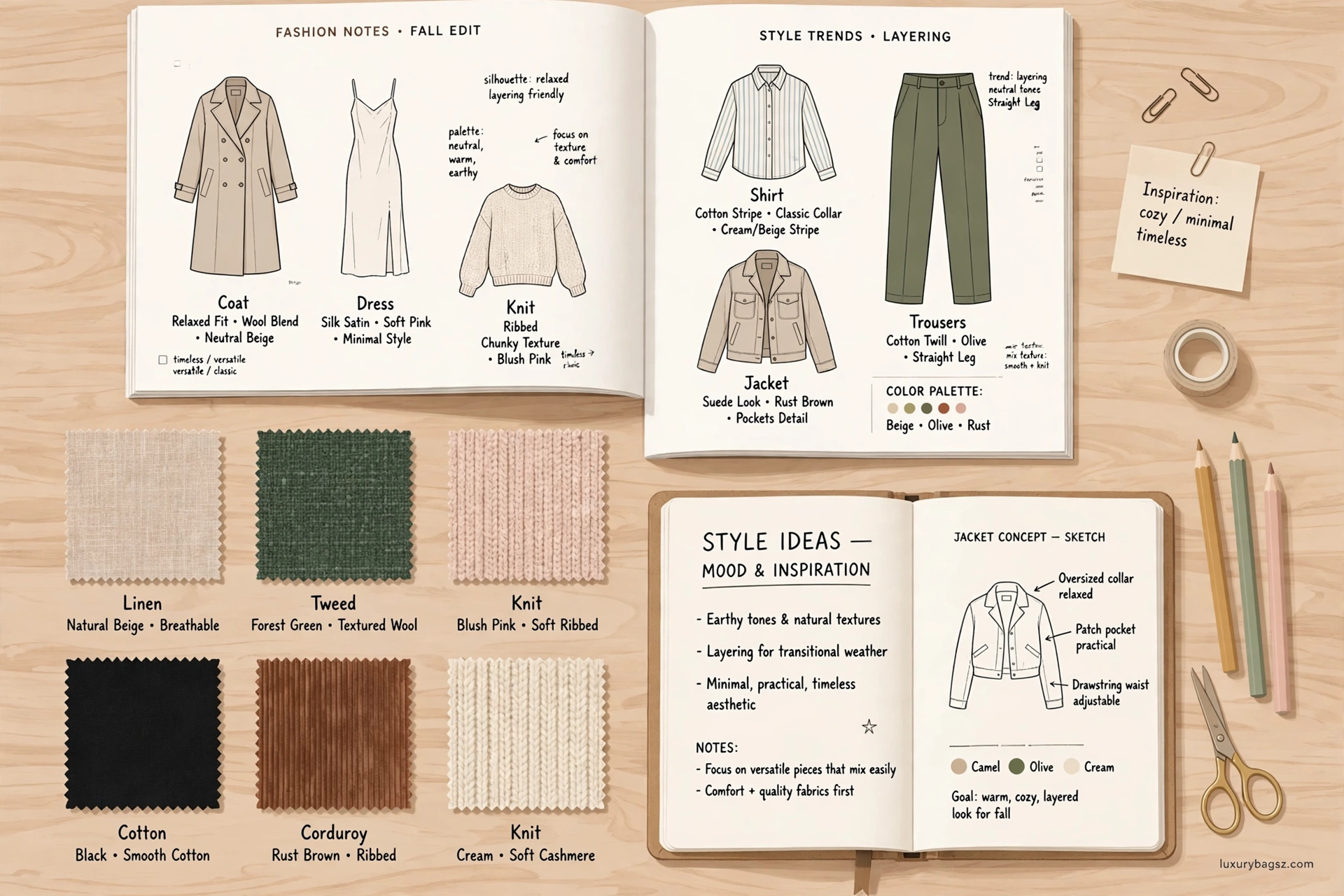
Notice what forecasters actually do: they watch music, sport, work and street life for pressure points, then translate them into colour, cloth and shape. Trends with a social cause underneath them tend to outlast pure decoration.
Signals That Separate Keepers From Fads
Check the fabric test. Trends built on a real material or craft, like a new leather finish or hand-loomed cloth, tend to last longer than print-only novelties. Check the problem test. A trend that fixes something, like hands-free bags or walkable heels, has a reason to survive after the photographs stop. Check the range test. If the idea works in luxury, mid-range and vintage versions, it has depth. Our digest of seasonal trend reports shows how to read those signals across a whole season. Beware the single-source trend: one viral clip, one celebrity, one shop. That is a spike, not a movement, and spikes collapse without warning.
A fourth signal is language. When ordinary shop assistants, not editors, start using a trend's name unprompted, the idea has crossed into the mainstream, and its experimental phase is already over.
Where to Watch Without Drowning
Runway reports tell you what is proposed. Street photographs outside the shows tell you what stylists actually chose to wear, which is a stronger signal. Retail tells you the rest: when mid-range shops commit floor space, buyers with sales targets have judged the idea commercial. That is data, not hype. For bags specifically, our round-up of designer handbag trends tracks which shapes keep reappearing across houses, a useful cross-check before spending. Set one short weekly browse, not a daily scroll. Trend-watching should feel like reading the weather, not chasing it.
Celebrity dressing is the noisiest channel and the least reliable alone. One famous wearer may be a paid placement. Wait for the idea to appear on people whose job is dressing well, not being photographed.

The Low-Cost Test Before Designer Money
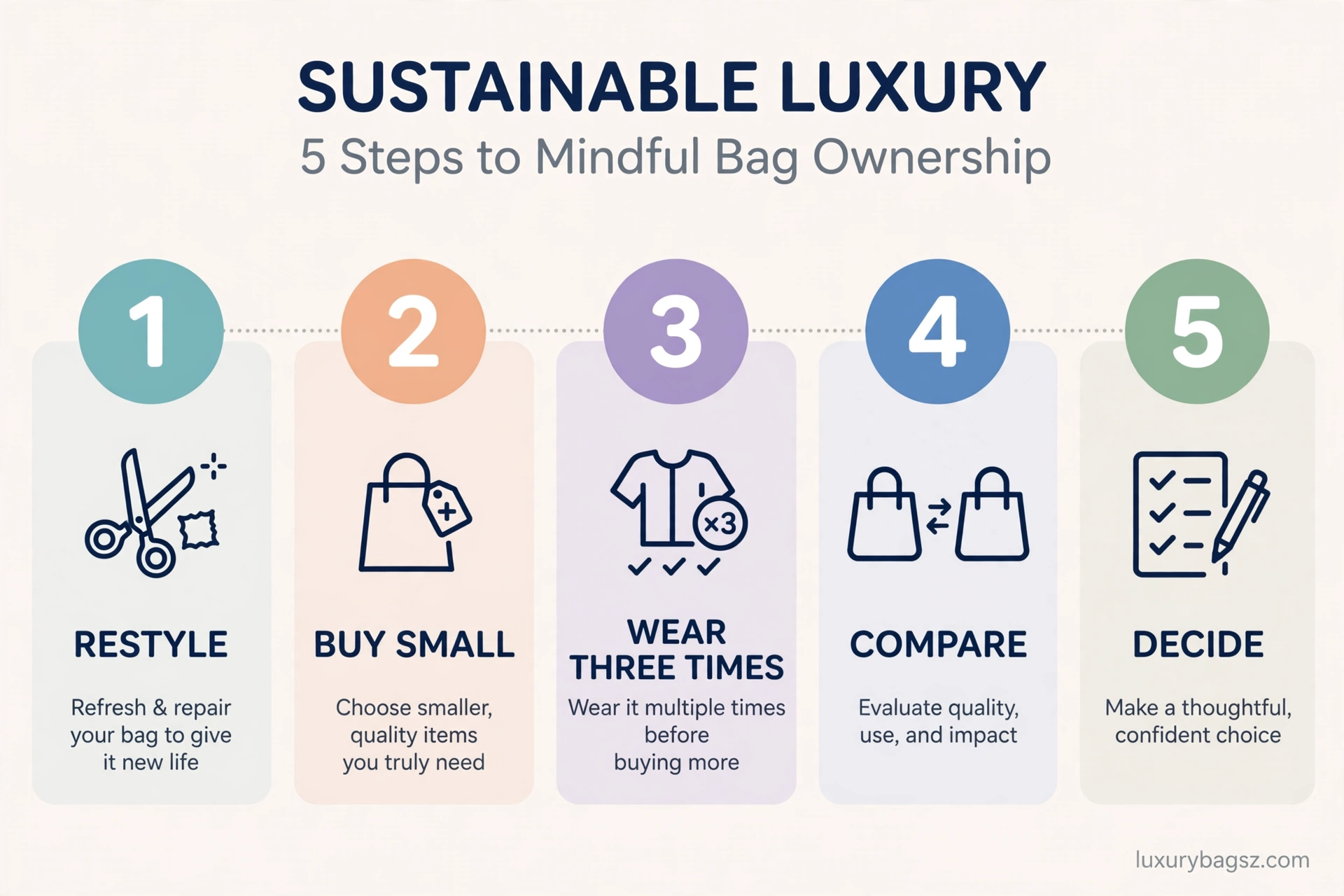
Step one: borrow the idea first. Restyle what you own in the trend's shape or colour and wear it out once. If you feel costumed, stop there. Step two: buy one inexpensive version and wear it three times in a fortnight. Trends that survive three real days usually suit your life. Step three: only then price the designer version, and compare pre-owned first. A trend that has lasted a season often appears second-hand in fine condition. Keep the receipt rule: if you would not buy it at full price after the test, do not buy it in a sale either. Discounts do not extend a trend's life.
Keep a simple trend diary on your phone: date, idea, where seen. Three entries for the same idea in a month is your personal spread signal, and it costs nothing but attention to collect.
Wearing One Trend at a Time
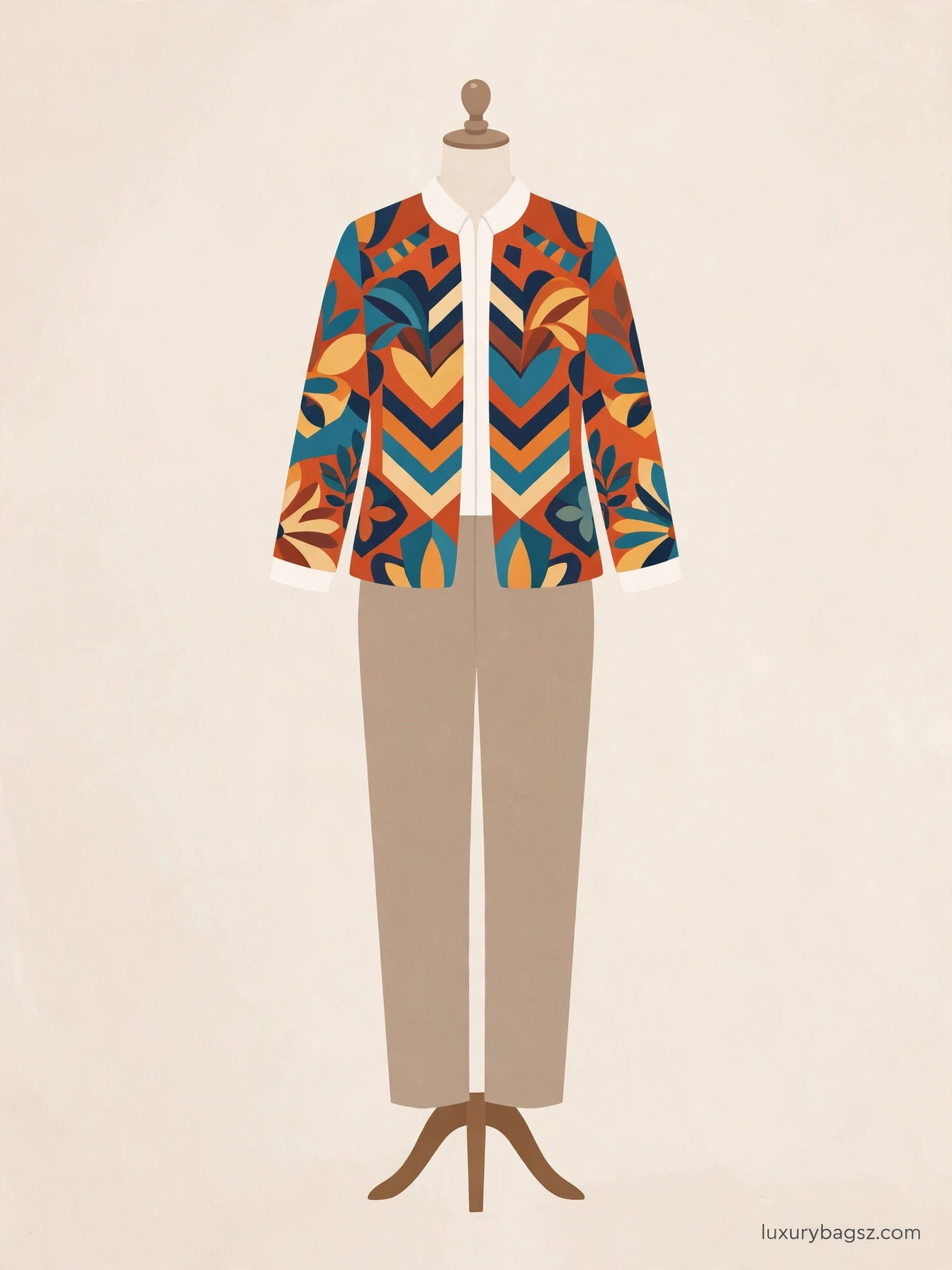
One trend piece per outfit is the reliable dose. A current bag with a classic coat, or a new colour worn as a knit under a blazer, reads modern, not themed. Head-to-toe trend dressing dates fastest, because every element carries the same season stamp. Classics around the trend piece give it room to look fresh. Our edit of trending designer pieces now picks the current shapes that pair most easily with an existing classic wardrobe. Fit still outranks newness. A trend worn in the wrong size looks like a mistake, while a five-year-old classic worn well looks like a choice.
Accessories are the safest trend vehicle of all. A current bag, shoe or scarf updates ten classic outfits at once, and when the wave passes, one drawer holds the evidence instead of a whole wardrobe.
Budgeting So Trends Never Eat the Classics
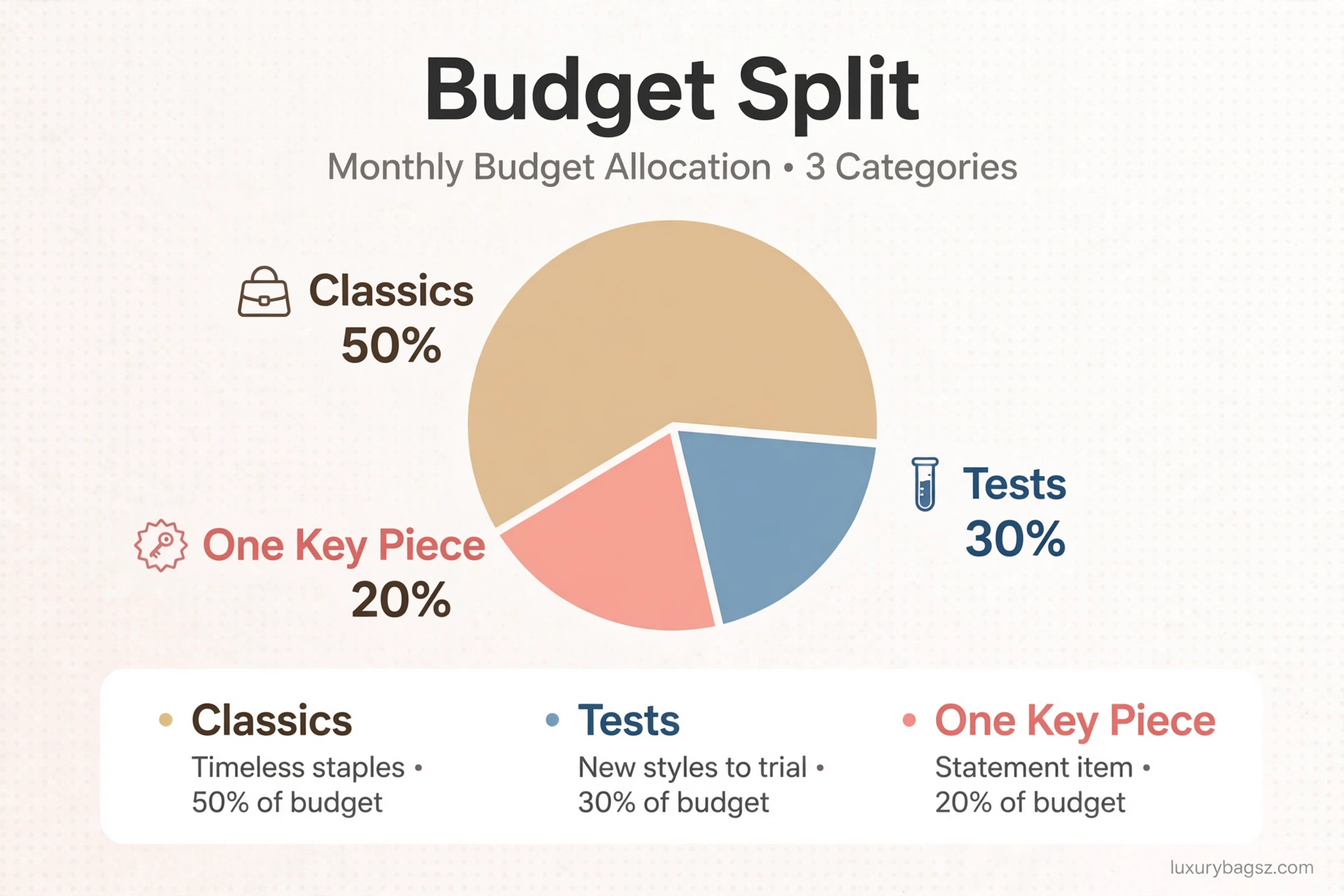
Split your spending on purpose: the large share for long-life pieces, a small ring-fenced share for trends. When the trend fund is empty, watching is free. Cost per wear predicts regret. A trend piece worn twice costs more per outing than a classic coat worn two hundred times, whatever the tickets said. The philosophy behind what is quiet luxury is a useful brake here: quality and fit keep value when noise fades. Sell or swap faded trend pieces promptly while others still want them. Resale value falls off a cliff once the peak passes, so timing matters.
Renting deserves a place in the trend budget for occasion pieces. One rental of a dramatic current dress teaches you more about whether the trend suits you than a dozen photographs of other people wearing it.
When to Sit a Trend Out Proudly
Sit out trends that fight your proportions. No cycle is obliged to suit every body, and the next one is always a few months away. Sit out trends your job cannot wear. A wardrobe that only works at weekends is an expensive hobby, not a working closet. Sit out repeats you already lived through once, unless the new version genuinely improves the fabric, cut or comfort. Nostalgia is not a fit check. Skipping is a skill, not a failure. The best-dressed people in any room are usually wearing one current idea at most, and often none at all.
Keep a short list of trends you sat out and revisit it yearly. Seeing your own good skips in writing builds the confidence to skip the next wave calmly, which is the whole skill this guide is teaching.
Frequently Asked Questions
How can I tell if a trend will last?
Look for spread across runways, street style and retail, a practical reason to exist, and versions at several price levels. Longevity hides in that spread.
What is the difference between a trend and a fad?
A fad spikes from one source and collapses fast. A trend spreads through many sources, adapts as it goes, and may settle into the classic wardrobe.
When is the best time to buy a trend piece?
During the rise, once shops offer real choice but before peak saturation. You get the longest wearing window for your money at that point.
How much should I spend on trends?
Keep a small, separate trend fund and let classics take the large share. If a trend piece would eat a coat budget, it is the wrong purchase.
Can I wear trends after forty or fifty?
Of course. Dose and fit matter, not age. One well-fitted current piece with classics reads sharper than a full trend outfit at any age.
How do I test a trend cheaply?
Restyle what you own first, then buy one low-cost version and wear it three times in two weeks. Only price the designer version after it passes.
Why do old trends keep coming back?
Silhouettes cycle as generations rediscover them and fabrics improve. A return usually tweaks proportion or material, which is why it feels new again.
Should I buy trend pieces pre-owned?
Yes, once a trend has lasted a season. Early owners resell lightly worn pieces, and you skip both the peak price and the peak-saturation look.
What trend types date the fastest?
Logo-heavy pieces, extreme proportions and single-print novelties. They carry one season's stamp so loudly that everyone can read the date.
How many trends should I wear at once?
One per outfit is the reliable rule. Let classic pieces carry the rest, and the single current piece looks deliberate instead of costumed.
Summary: Watch Calmly, Buy Slowly
Trends break by spreading, not by shouting. Watch for the idea in three worlds at once, test it cheaply, wear one piece at a time and keep its budget small and separate. That method lets you enjoy every new wave without rebuilding your wardrobe, or your bank balance, each time one rolls in.