Why the Slip Dress Became a 90s Favourite: From Underwear to Icon
The Undergarment That Walked Out of the Bedroom
The slip dress became a 90s favourite because it arrived at exactly the right cultural moment: a decade tired of 80s excess, ready for minimalism, and open to wearing underwear as outerwear. A simple silk shape, cut on the bias with thin straps, said everything the decade wanted to say about ease, confidence, and restraint.
It did not appear from nowhere. Slips had been worn under clothes for generations, and film had teased their allure for decades, from Elizabeth Taylor in a slip in the 1958 film Cat on a Hot Tin Roof onwards. What changed in the 90s was permission: designers, models, and musicians wore slips in daylight, and the public followed.
The result was a dress that could be glamorous, grungy, bridal, or everyday, depending only on what went with it. That adaptability is why it outlasted most 90s trends and why it still returns to the shops every few years without ever quite leaving.
Key Takeaways
- The slip dress moved from underwear to outerwear when 90s minimalism and grunge rejected 80s excess.
- Its design is simple: thin straps, silk or satin, a bias cut, and usually a midi length in the 90s.
- Kate Moss, Carolyn Bessette Kennedy, and Princess Diana gave it three very different public faces.
- Grunge styling layered slips over tees with boots, while minimalism wore them alone with heels.
- Today it works as a standalone dress, a layering piece, and a strong pre-owned buy if straps and seams check out.
What a Slip Dress Actually Is
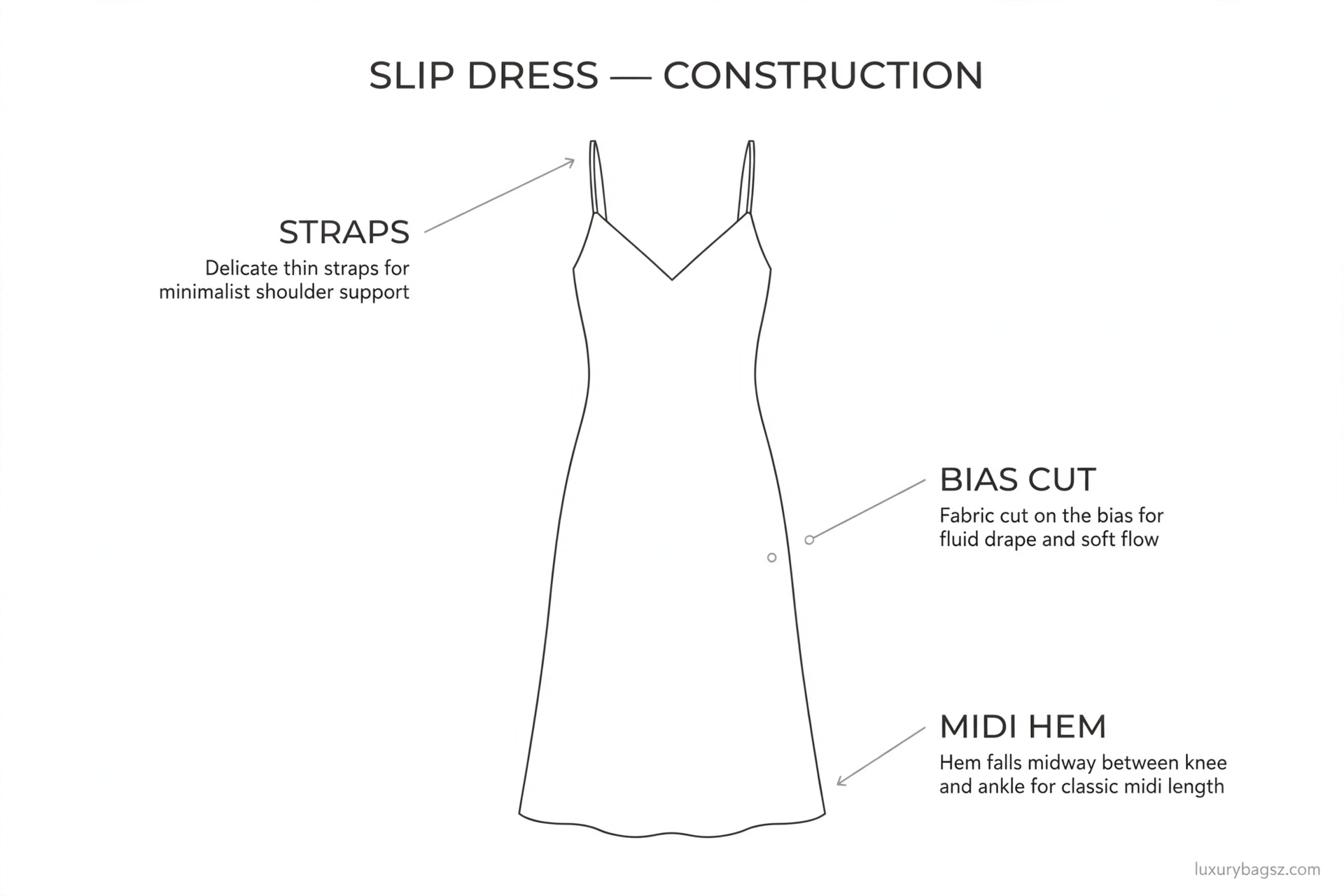
A slip dress is a simple, sleeveless dress modelled on the slip once worn under clothes. It usually has thin spaghetti straps, a straight or V neckline, a bias cut that lets the fabric drape and move, and little or no embellishment. Silk and satin are the classic fabrics, with lace trim appearing on some versions.
The bias cut is the technical heart of the dress. Cutting fabric at a diagonal to the weave gives it stretch and fluidity without elastic, so the dress skims the body and moves with it. That drape is why a slip dress looks effortless and why a stiff, straight-cut copy rarely captures the same effect.
Length varied in the 90s, but the midi reigned. Midi slips sat below the knee and above the ankle, long enough to read as a dress rather than lingerie, short enough to move easily. Modern versions play with mini and maxi lengths, but the midi remains the most faithful to the 90s original.
A slip dress is not a nightdress, though the confusion is understandable. Nightdresses are made for sleep, with softer construction and no thought for outdoor wear. Slip dresses made as outerwear use stronger straps, finished hems, and fabrics chosen to be seen, not slept in.
From Hidden Layer to Fashion Object
Slips began as practical undergarments, protecting outer clothes from body oils, preventing static, and smoothing the line of a dress. They were made to be invisible, and for most of their history they stayed that way, hidden beneath the fashion of the day.
Film kept the slip in public imagination long before fashion did. A slip on screen carried glamour and intimacy at once, and audiences remembered those moments even when the garment itself stayed private. By the late 80s, designers were already testing lingerie-inspired shapes on the runway, though few reached the high street.
The shift needed a cultural trigger, and the 90s supplied two at once. Minimalism stripped fashion back to clean lines and quiet luxury, while grunge did the opposite, dragging intimate and thrifted pieces into daylight as a deliberate statement. Both movements found a use for the slip, which is rare for a single garment.
Madonna's earlier move of wearing corsets as outerwear had already cracked the rule that underwear stays hidden. Once that rule broke, the slip was the natural next step: softer, simpler, and easier to wear than a corset, yet carrying the same charge of turning private clothing public.
The 90s Moment: Supermodels, Minimalism, and Grunge
The supermodel era gave the slip dress its most famous wearers. Kate Moss wore slips on red carpets and in daily life through the decade, including a sheer maxi slip to a party in 1993 that became one of the decade's defining images. Her way of wearing them, casually and without fuss, made the dress feel accessible rather than untouchable.
Minimalist designers gave the slip its fashion credibility. Calvin Klein's clean, pared-back collections made a simple silk dress feel like the height of sophistication, and the slip became shorthand for 90s restraint. Carolyn Bessette Kennedy's wedding slip dress in 1996 showed the same idea at its most refined: quiet, unadorned, and widely copied.
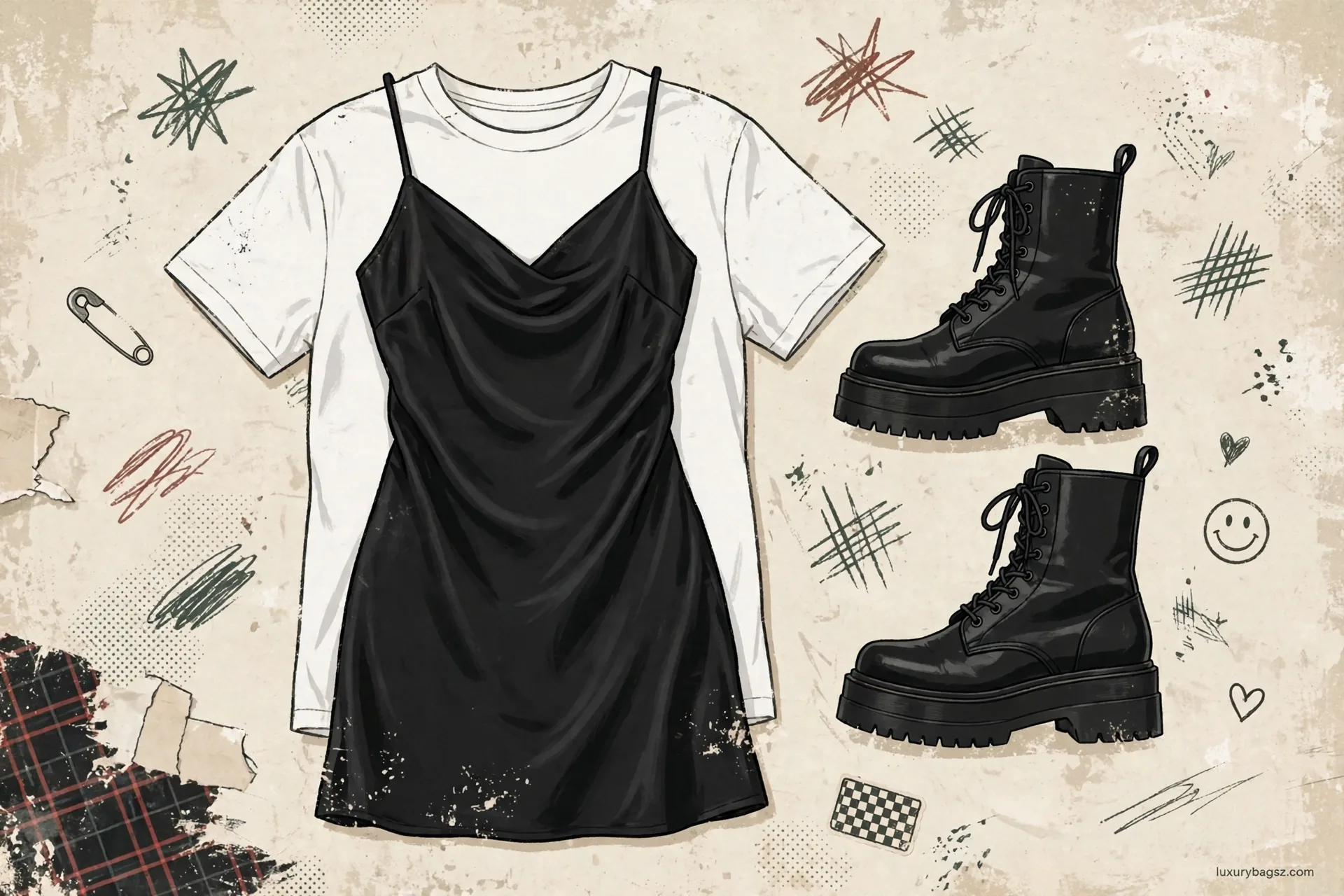
Grunge gave the slip its rebellious edge. Courtney Love and the Seattle scene layered slips over band tees and worn knits, pairing silk with boots and messy hair. The contrast was the point: delicate fabric against tough styling, intimacy against indifference, high fashion against thrift shop finds.
Princess Diana added a third face to the story. Her Dior slip dress at a reception showed the dress working as diplomatic glamour, polished and grown-up rather than rebellious or waifish. Between Moss, Bessette Kennedy, and Diana, the slip proved it could be almost anything its wearer needed it to be.
Why It Worked: Comfort, Versatility, and Reaction
Comfort was the slip's secret weapon. After a decade of shoulder pads, stiff tailoring, and heavy embellishment, a dress that felt like almost nothing was a relief. The bias cut moved freely, the straps stayed out of the way, and the whole outfit took seconds to put on.
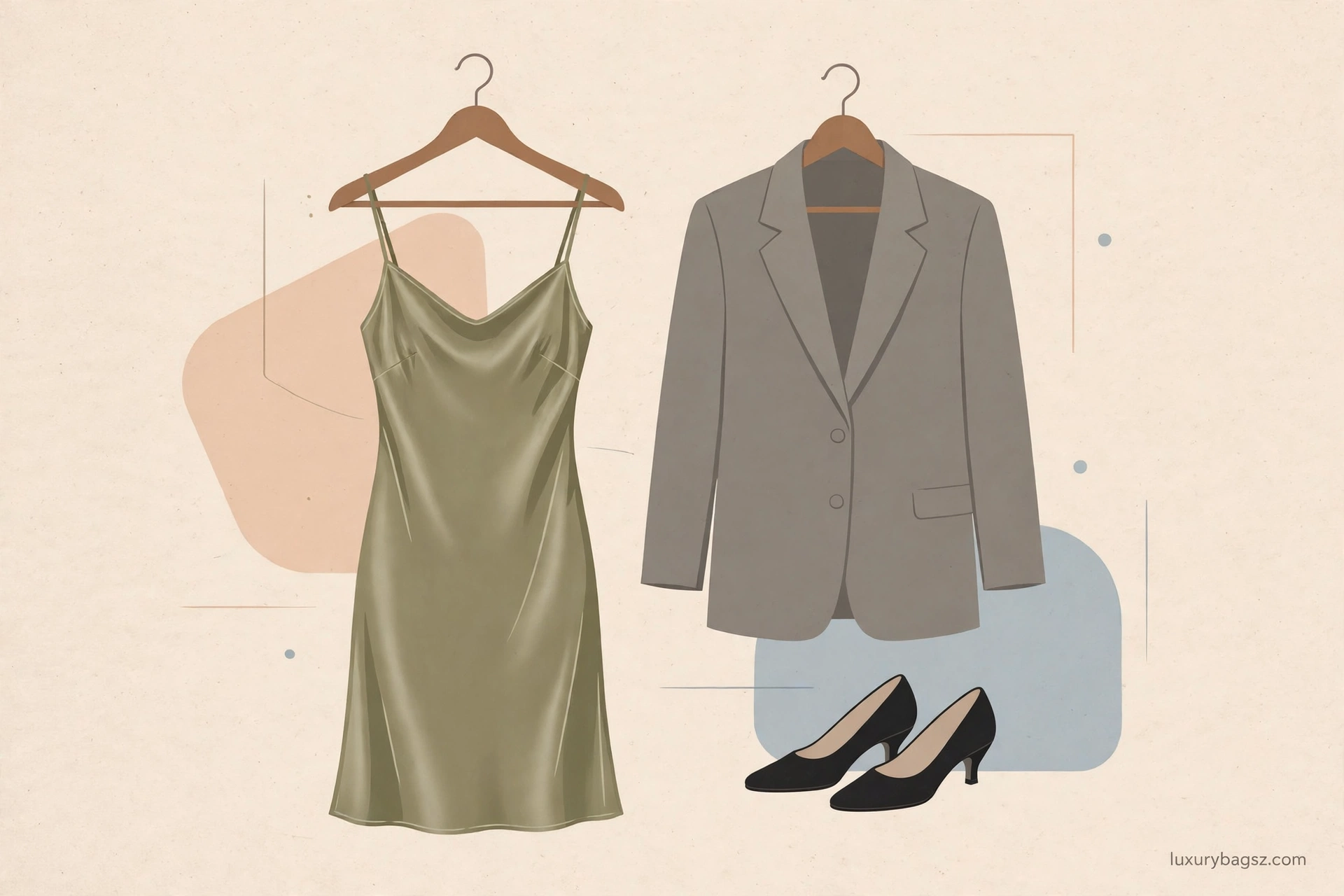
Versatility kept it in wardrobes once the novelty faded. The same dress worked alone with heels for evening, over a tee with boots for daytime, under a blazer for work, and over a turtleneck in winter. Few 90s pieces crossed that many settings, and fewer still did it without looking like a compromise.
Reaction mattered too. The slip rejected the polished excess of the 80s without replacing it with a new set of rigid rules. It said the wearer did not need armour, logos, or obvious wealth to look good, which suited a decade that prized authenticity, or at least the appearance of it.
Finally, the slip was genuinely accessible. Thrift shops were full of real slips, so anyone could try the look without designer money, and the grunge version actively celebrated that thrifted route. A trend that works at both designer and secondhand prices spreads faster than one locked behind a single price point.
Wearing a Slip Dress Today, and Buying One Pre-Owned
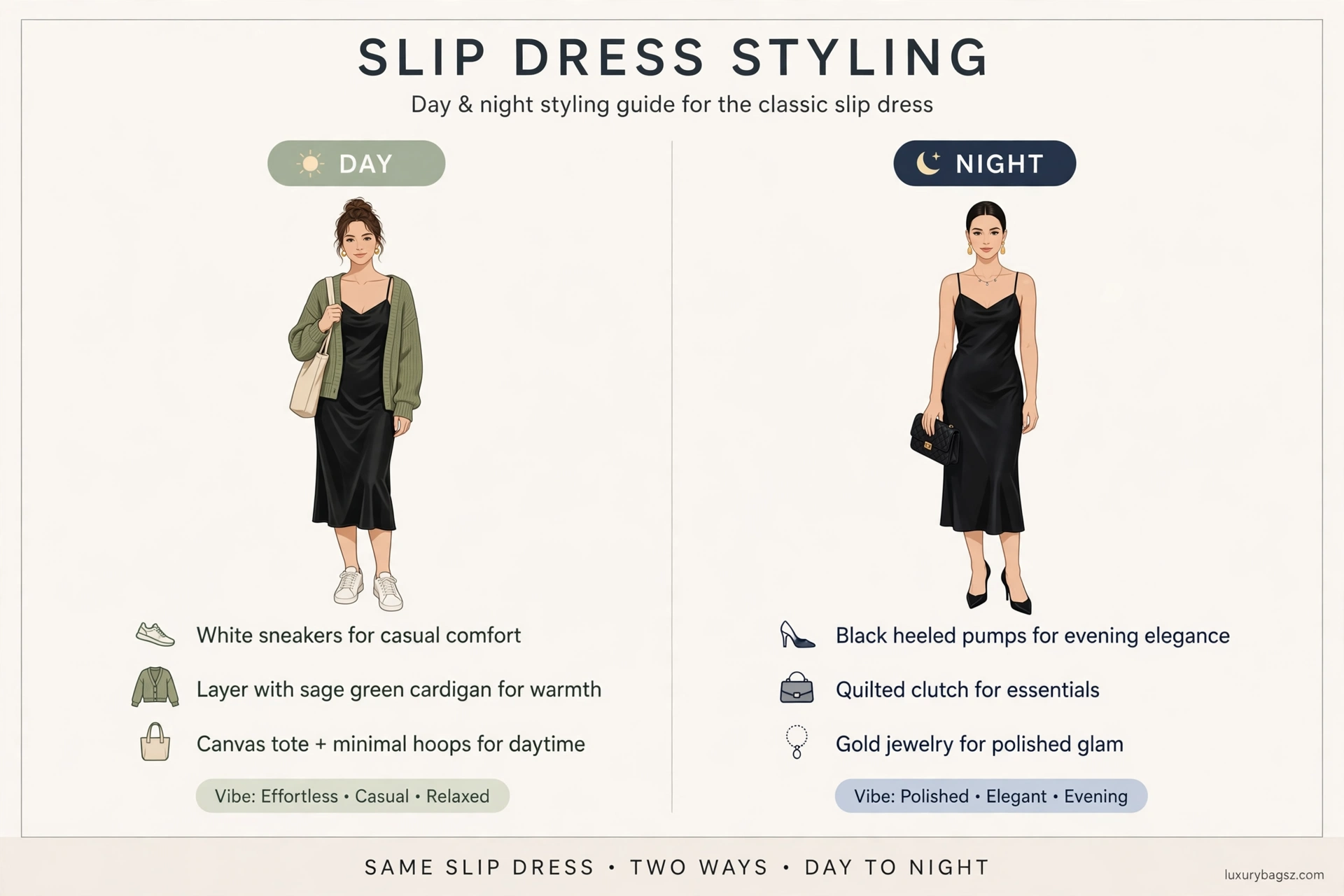
Today's slip dress works best when the styling picks a lane. For a clean, 90s-minimal look, wear it alone with strappy heels, a small bag, and minimal jewellery. For a modern casual look, layer it over a fitted tee or under an oversized blazer, and finish with trainers or boots.
Fit is the make-or-break detail. The dress should skim without pulling across the hips, the straps should stay put, and the hem should fall evenly. Silk and satin slips show every fit flaw, so try before you buy, and size up if the fabric grips rather than drapes.
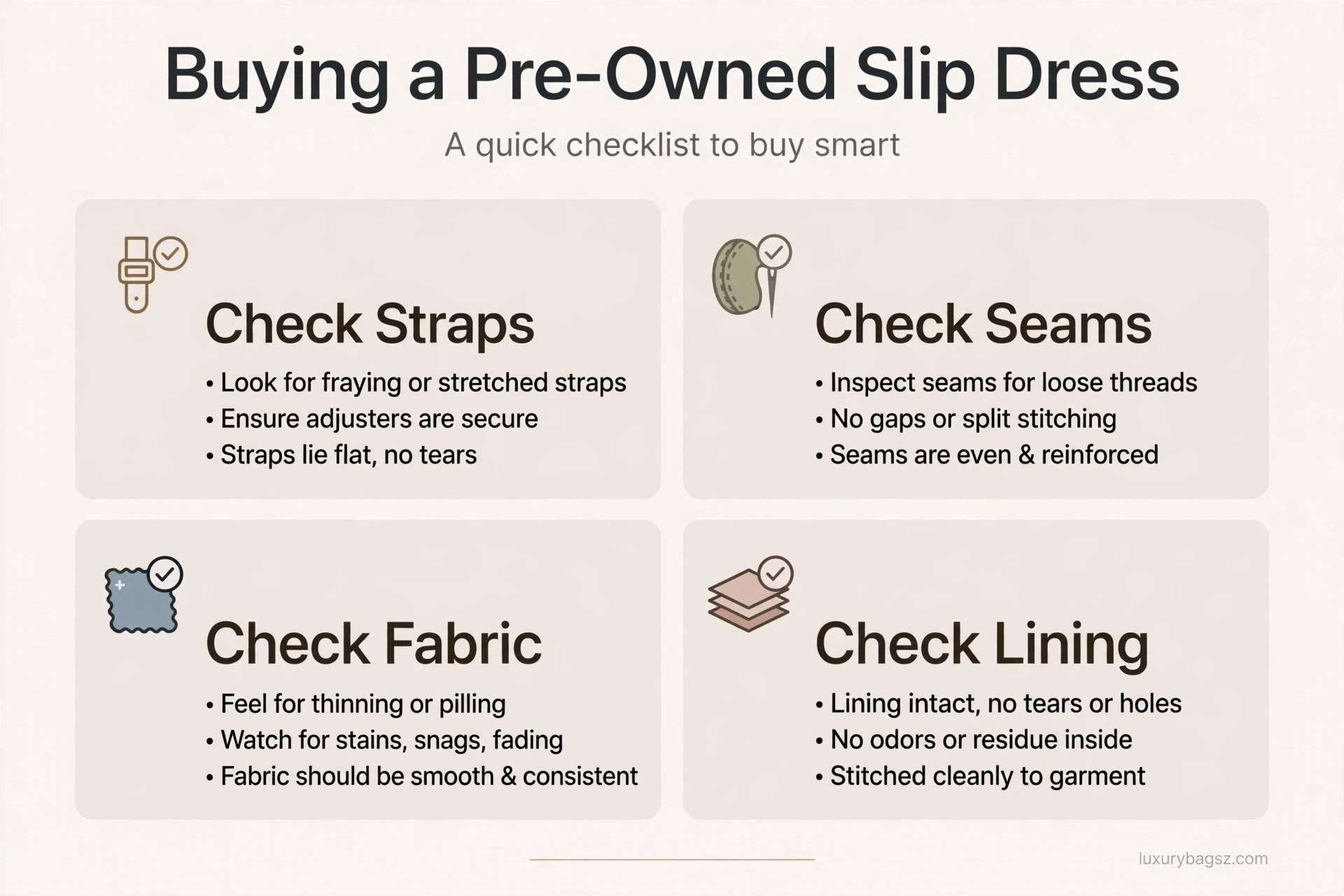
Pre-owned slips are plentiful, and the checks are simple. Look at strap joins, since thin straps bear the whole dress and fray first. Check seams for loose stitching, look for water marks or fading on silk, and ask for photos in natural light. A 90s original in good condition can be a better buy than a new copy in thin fabric.
The same care applies to the rest of a pre-owned outfit. Our guide to buying vintage designer bags vs new covers value and condition checks that translate well to clothing, and our guide to buying secondhand designer pieces explains what to ask a seller before you commit.
Styling Rules That Keep It From Looking Like Lingerie
The line between slip dress and lingerie is mostly styling, and a few choices keep you firmly on the dress side. Wear a length that reads as a dress, usually midi or longer for evening, and pair it with outerwear or shoes that belong outdoors, such as a blazer, boots, or heels.
Layering is the easiest safeguard. A tee underneath, a knit over the top, or a blazer over the shoulders all signal that the dress is an outfit, not sleepwear. Sheer fabrics need extra care: if the slip is see-through, a lining, a slip beneath, or a layer on top is not optional.
Fabric quality does much of the work. A medium-weight silk or satin with a clean drape reads as a dress, while very thin, shiny fabric with flimsy straps reads as underwear. Hold the dress up before buying: if it falls smoothly and holds its shape, it will behave as a dress in wear.
Occasion sense finishes the job. A slip dress suits dinners, parties, weddings as a guest, and smart days with the right layers. It does not suit offices with strict dress codes, very formal ceremonies, or days where you will be active, since thin straps and silk are not built for either.
The Legacy: Why the Slip Dress Keeps Coming Back
The slip dress never truly left, which is unusual for a trend. It cycled through the 2000s and 2010s, returned strongly in the 2020s, and appears in designer collections most seasons in some form. Designers now make slips specifically as outerwear, with stronger straps and linings, closing the gap between lingerie and ready-to-wear.
Its staying power comes from the same qualities that made it famous: simplicity, comfort, and adaptability. Fashion cycles through maximalism and minimalism, but a simple silk dress works in both, dressed up when the mood is glamorous and dressed down when it is not.
Cultural memory helps too. The slip carries the 90s with it, and each revival lets a new generation borrow that decade's ease without copying it exactly. Modern versions add longer lengths, richer colours, and better construction, while keeping the thin straps and bias drape that define the original.
For a wardrobe, that makes the slip a low-risk classic rather than a trend gamble. Buy a well-made midi in a neutral colour, learn the layering that suits your life, and the dress will outlast the next three trend cycles, just as the 90s original outlasted its own decade.
Frequently Asked Questions
What is a slip dress?
A slip dress is a simple sleeveless dress based on the slip once worn under clothes. It has thin straps, a bias cut for fluid drape, and is usually made in silk or satin with little embellishment.
Why did the slip dress become popular in the 90s?
It matched two 90s movements at once: minimalism, which prized clean and simple shapes, and grunge, which wore intimate and thrifted pieces as outerwear. Supermodels and designers then carried it into the mainstream.
Who made the slip dress famous?
Kate Moss is most closely linked with it, wearing slips through the decade on carpets and in daily life. Carolyn Bessette Kennedy, Princess Diana, and designers such as Calvin Klein gave it minimalist and glamorous credibility.
Can you wear a slip dress casually?
Yes. Layer it over a tee with trainers or boots, or under an oversized blazer, for a daytime look. The same dress works alone with heels for evening, which is part of its appeal.
How do you stop a slip dress looking like lingerie?
Choose a midi or longer length, a medium-weight fabric with a clean drape, and outdoor shoes or layers such as a blazer. Avoid very sheer fabric without a lining or layer, and keep straps sturdy.
What shoes go with a slip dress?
Strappy heels for evening, boots for a grunge-leaning look, trainers for casual days, and pointed flats for smart days. Shoes set the tone, so pick them to match the occasion, not just the dress.
Can you wear a slip dress in winter?
Yes. Layer it over a turtleneck or fitted long-sleeve top, add tights and boots, and top it with a coat or chunky knit. The slip becomes the base layer rather than the whole outfit.
Is a slip dress suitable for a wedding guest?
Usually, yes, with the right length and colour. A midi slip in a muted or rich tone suits most weddings, but avoid white or ivory and check the dress code before choosing a very sheer style.
How do you buy a vintage slip dress?
Check strap joins first, since thin straps fray, then seams, fading, and water marks on silk. Ask for natural-light photos, confirm measurements rather than relying on the label size, and check the return terms.
Why does the slip dress keep coming back?
Because it is simple, comfortable, and adaptable. It works dressed up or down, suits many occasions with only styling changes, and carries 90s nostalgia without needing an exact copy of a 90s outfit.
Final Verdict
The slip dress became a 90s favourite because it was the right dress for a decade that wanted less: less structure, less excess, and less fuss. Minimalism made it elegant, grunge made it rebellious, and its wearers made it personal. That combination of comfort, versatility, and cultural timing is why it became an icon then, and why it still earns a place in wardrobes now.