Top 10 Handbags for Winter: The Shapes That Survive the Season
The Structured Tote Tops the Winter Ten
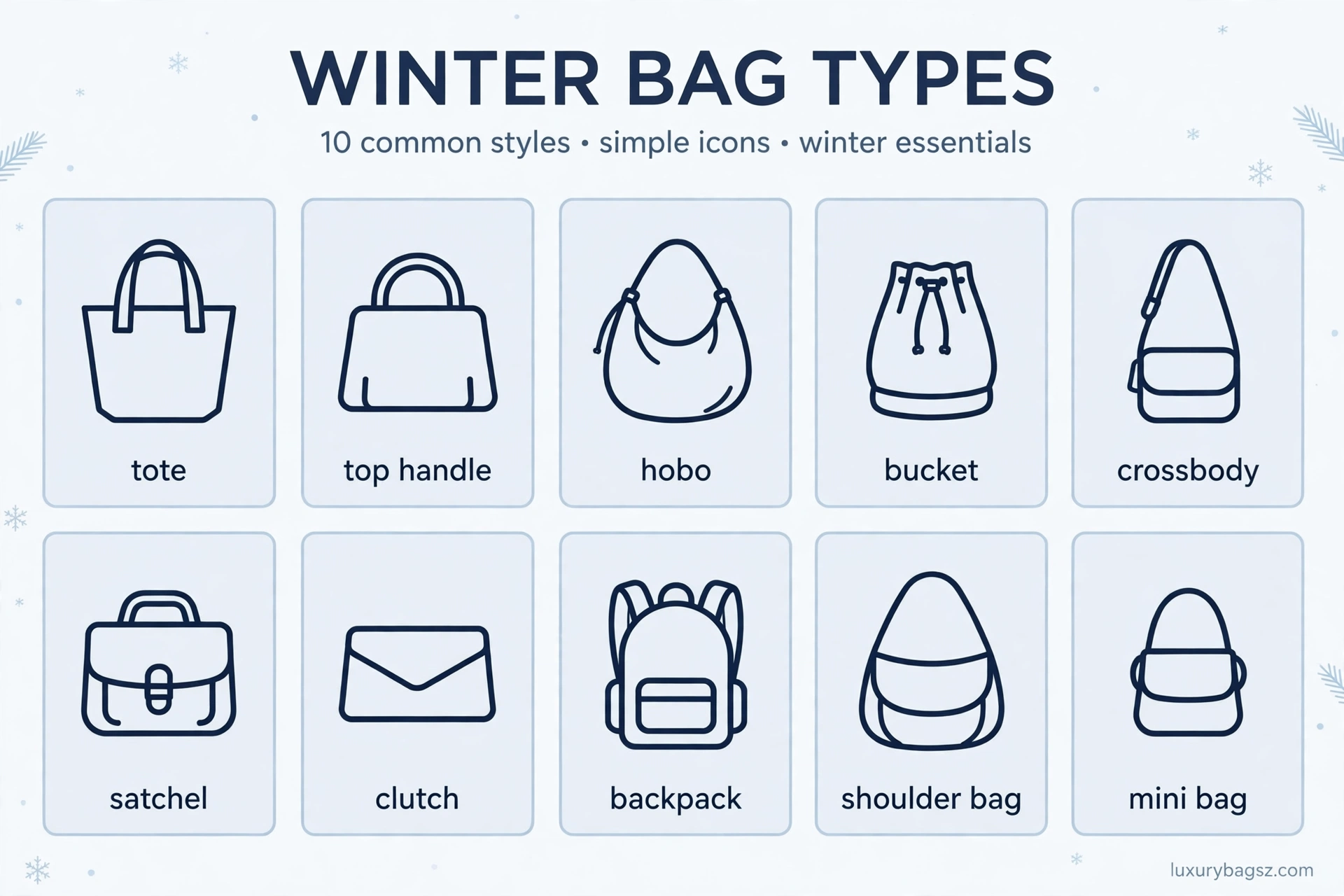
The structured tote ranks first for winter, followed by the top-handle bag in second place and the hobo in third. A bucket bag comes fourth, with crossbody, shoulder bag and backpack next, while mini bags and clutches sit at the bottom as evening-only options.
All ten were judged on room for gloves and a scarf, tolerance of wet weather, comfort over a heavy coat, and versatility. Smooth leather or coated finishes cope best with rain and salt, so save suede for dry days and rotate two bags through the season rather than relying on one alone.
The Winter Ten: Bags Chosen by Shape, Not Hype
Winter is the hardest season a handbag faces: rain, road salt, bulky gloves and a coat that swallows small straps. The ten shapes below survive it, and each earns its place for a different job.
The countdown runs from everyday workhorses to evening pieces. Every entry notes what the bag realistically carries in winter, because a bag that cannot fit gloves is a bag that stays home.
Key Takeaways
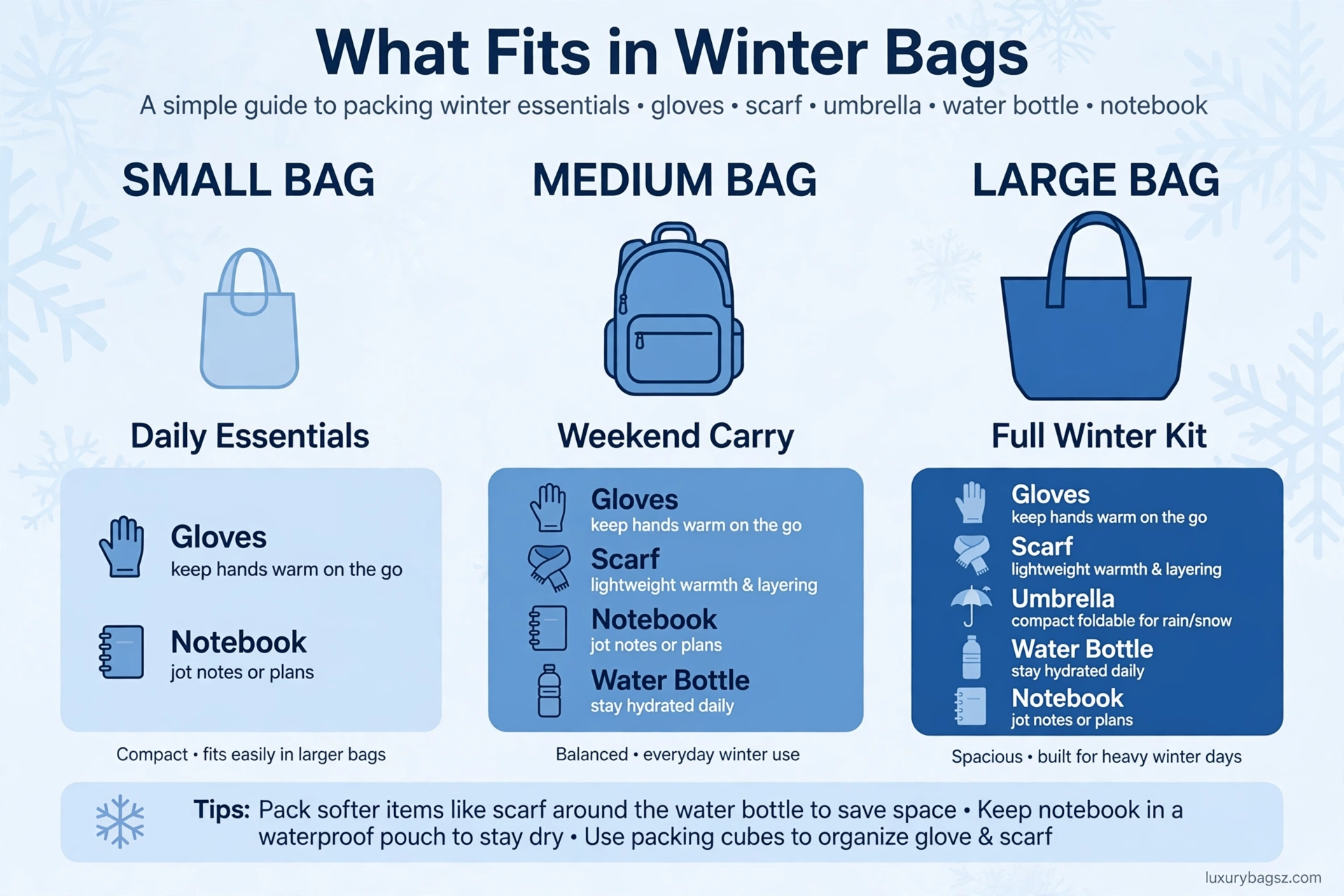
- Winter bags must fit gloves, a scarf and often a compact umbrella, not just a phone.
- Structured totes and top-handle bags lead for work; hobos and buckets carry weekends.
- Smooth leather and coated finishes survive wet weather; suede needs dry days.
- Crossbody straps free up hands for gloves, tickets and icy pavements.
- Rotate two bags through the season so neither faces every storm alone.
How This List Was Built
Each shape was judged on four things: winter capacity, weather tolerance, how it sits over a coat, and how many outfits it completes. Brand heat was not one of the criteria.
For where these shapes sit in the wider market, our overview of designer handbag trends tracks which styles houses keep pushing season after season.
A note on sizes: winter capacity means the summer load plus gloves and a scarf at minimum. Anything smaller was judged as an evening or second bag, not a main one.
Materials were judged just as hard. Every shape below exists in a wet-weather-friendly finish, because a beautiful bag that fears rain will spend the season in its dust bag.
Numbers 10 to 8: The Supporting Cast
Number 10, the mini bag, is the evening-only entry. It fits a phone, a card holder and lipstick, and it earns its place at parties where a coat is checked and loads are light.
Of the three supporting shapes, the mini bag and clutch are evening tools, judged on polish rather than capacity. The backpack below them is judged on entirely different terms.
Number 9, the clutch, follows the same logic with more polish. A winter clutch in smooth leather or a jewel tone finishes evening outfits that a day bag would drag down.
Number 8, the backpack, is the practical commuter pick. Worn over a padded coat it spreads weight evenly and leaves both hands free for rails, gloves and coffee.
Structured leather versions have moved the backpack a long way from its schoolyard image. In a plain colour with clean hardware it now sits happily in a boardroom.
Numbers 7 to 5: The Flexible Middle
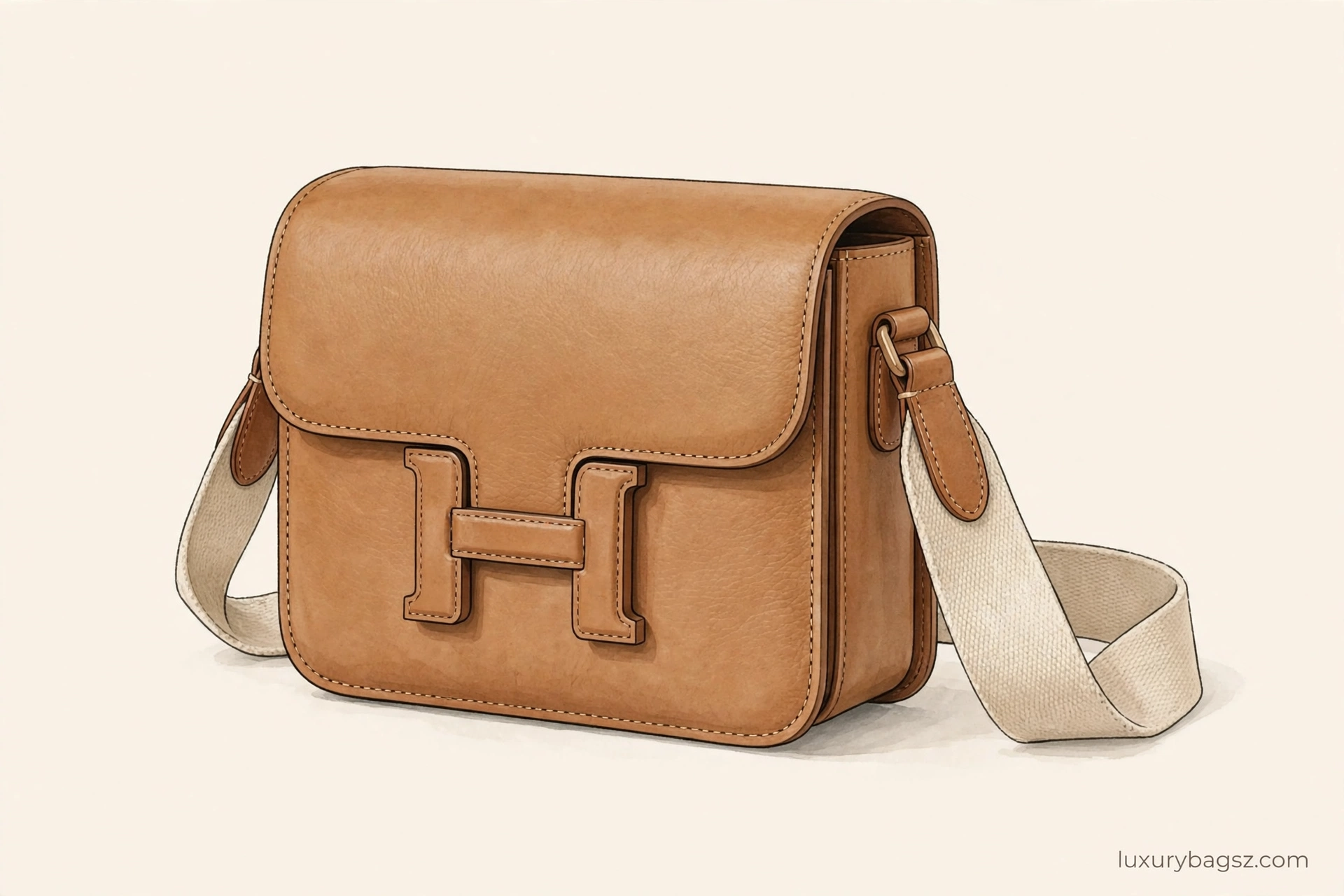
Number 7, the crossbody, is the hands-free champion. A strap long enough to sit over a coat — check this in the shop, wearing your thickest layer — makes it the market-day and travel favourite.
Choose a wider strap if the bag will carry weight. Narrow straps dig through coat padding on long days, while a broad strap spreads the load kindly.
Number 6, the shoulder bag, is the classic all-rounder, provided the drop of the strap clears a coat sleeve. Short-drop styles that sit in the armpit over summer clothes can fail completely in January.
A word on straps across this whole middle group: test them over your thickest coat before buying. A strap that only just fits in the shop will not fit at all in a January wind.
Number 5, the satchel, brings structure with a softer edge than a top-handle bag. Its flap and strap combination suits creative offices and weekends that still want polish.
Number 4: The Bucket Bag
The bucket bag is winter's quiet overachiever. Its drawstring top closes against rain and prying eyes, the round base swallows gloves and a folded scarf, and it reads relaxed without looking careless.
It is also the most forgiving shape for changing loads. Half empty it slouches politely; stuffed with shopping it simply rounds out, with no strained seams.
Carried by hand or on the shoulder, it suits the less formal half of the week. Our seasonal round-up of fall handbag trends shows the bucket returning in deeper colours each cold season.
Choose one with a lined interior and a base that holds its shape when set down. Unlined buckets age fast once winter grit gets inside.
Size guidance: a medium bucket around 25 to 30 centimetres tall carries the winter load without swinging against your hip at every step.

Number 3: The Hobo
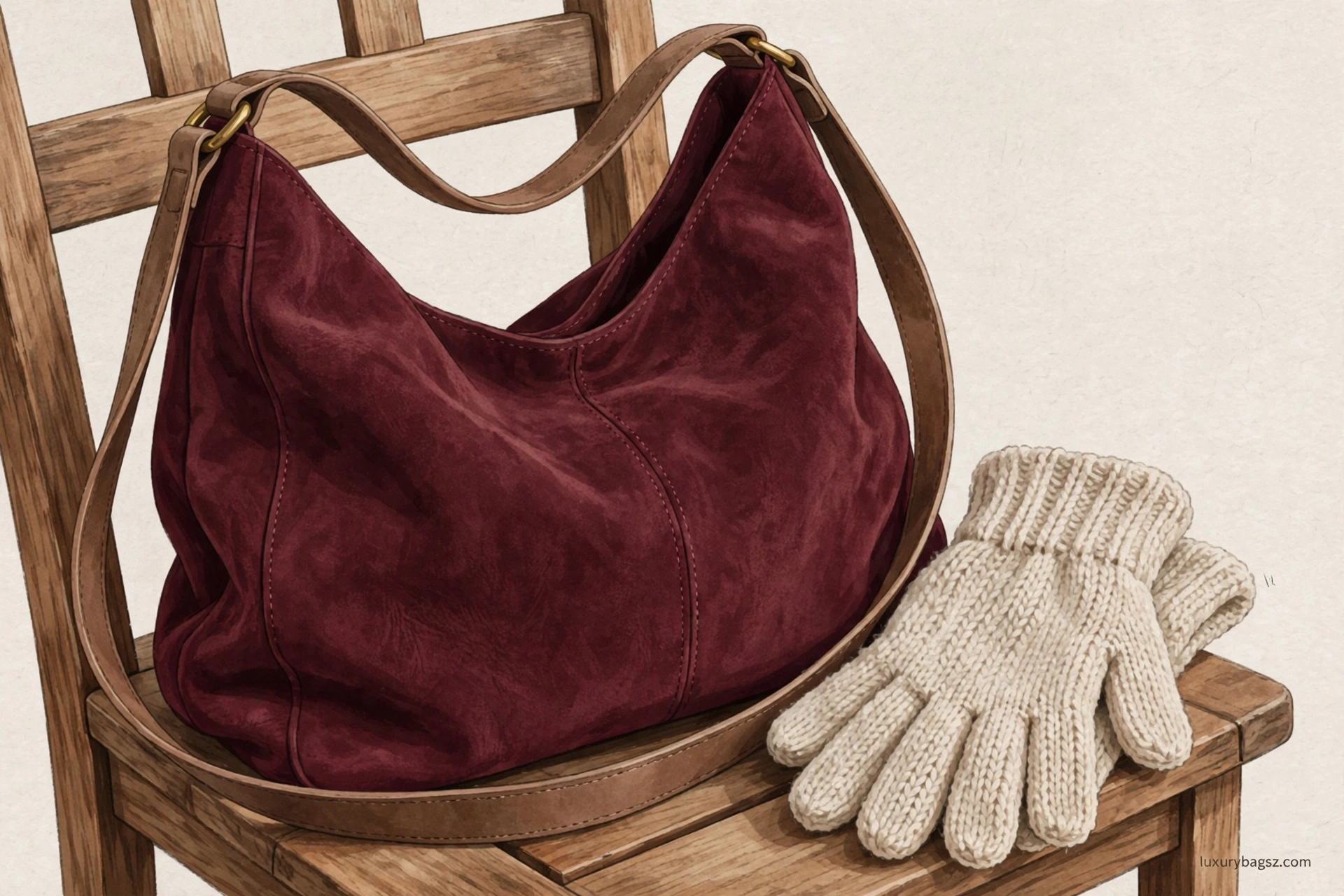
The hobo's soft crescent sits comfortably under the arm even over a thick coat, which is where many structured bags fail. It carries a surprising amount: purse, gloves, scarf, paperback, small umbrella.
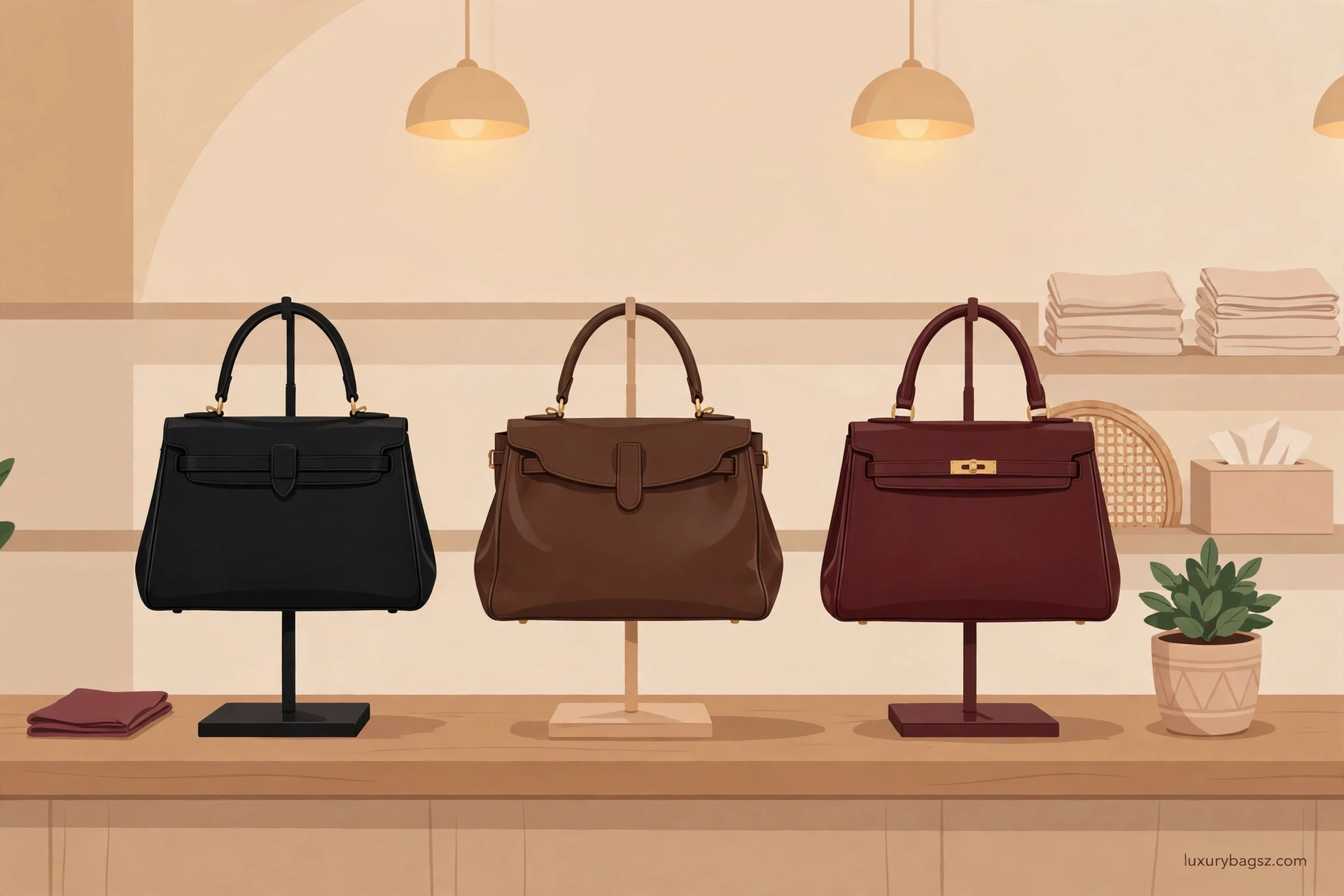
In suede-look or soft leather finishes it gives winter outfits the slouch that balances heavy coats and chunky boots. Keep the colour deep — burgundy, chocolate, black — so weather marks stay invisible.
The hobo asks one thing in return: stuff it in storage. That soft shape collapses into creases if it spends spring empty and folded in a drawer.
Look for a zip or magnetic closure under the slouch. Open-top hobos spill their contents the first time the bag slides off a car seat, which in winter is often.
Number 2: The Top-Handle Bag
The top-handle bag is the polished winter standard. Carried in the hand or the crook of the arm, it never fights with coat shoulders, and its structure keeps papers, a tablet and a small umbrella upright.
This is the shape with the longest pedigree in fashion, and the one most winter outfits are secretly built around. It suits work, lunches and any day that ends somewhere smarter than it began.
Watch the weight when empty. A heavy structured bag plus winter contents plus a day on your arm adds up; the right one feels balanced, not burdensome, in the shop.
Hardware matters here more than in any other shape. Clasps and feet take the knocks of winter pavements, so solid metal beats plated plastic in the long run.
Number 1: The Structured Tote
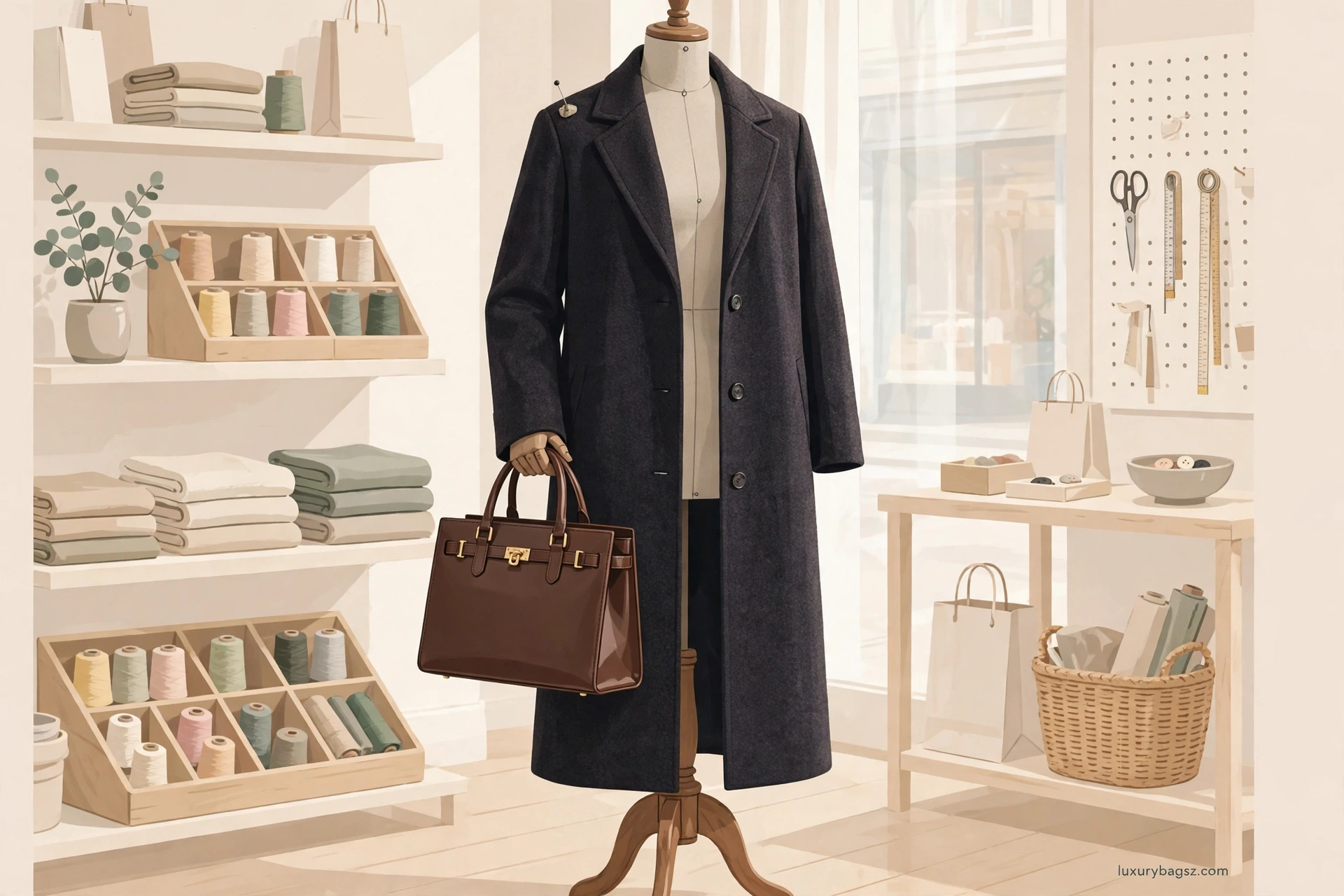
The winner is the structured tote, because winter asks the most of a bag and the tote answers the most of it. Laptop or files, gloves, scarf, umbrella, a bottle of water: it takes the full load without changing silhouette.
Choose smooth leather or a coated finish that wipes clean, a zip or a closed top for security in crowds, and handles long enough for a coat sleeve. Pale colours work too — our edit of winter white bags proves a light tote can survive the season with basic care.
If you buy one winter bag this year, this is the shape that will be carried on the most days, in the worst weather, with the least complaint.
Internal organisation is the tie-breaker between good totes. One zipped pocket for keys and cards saves the daily excavation through gloves, scarf and umbrella.
Keeping All Ten Alive Through Winter
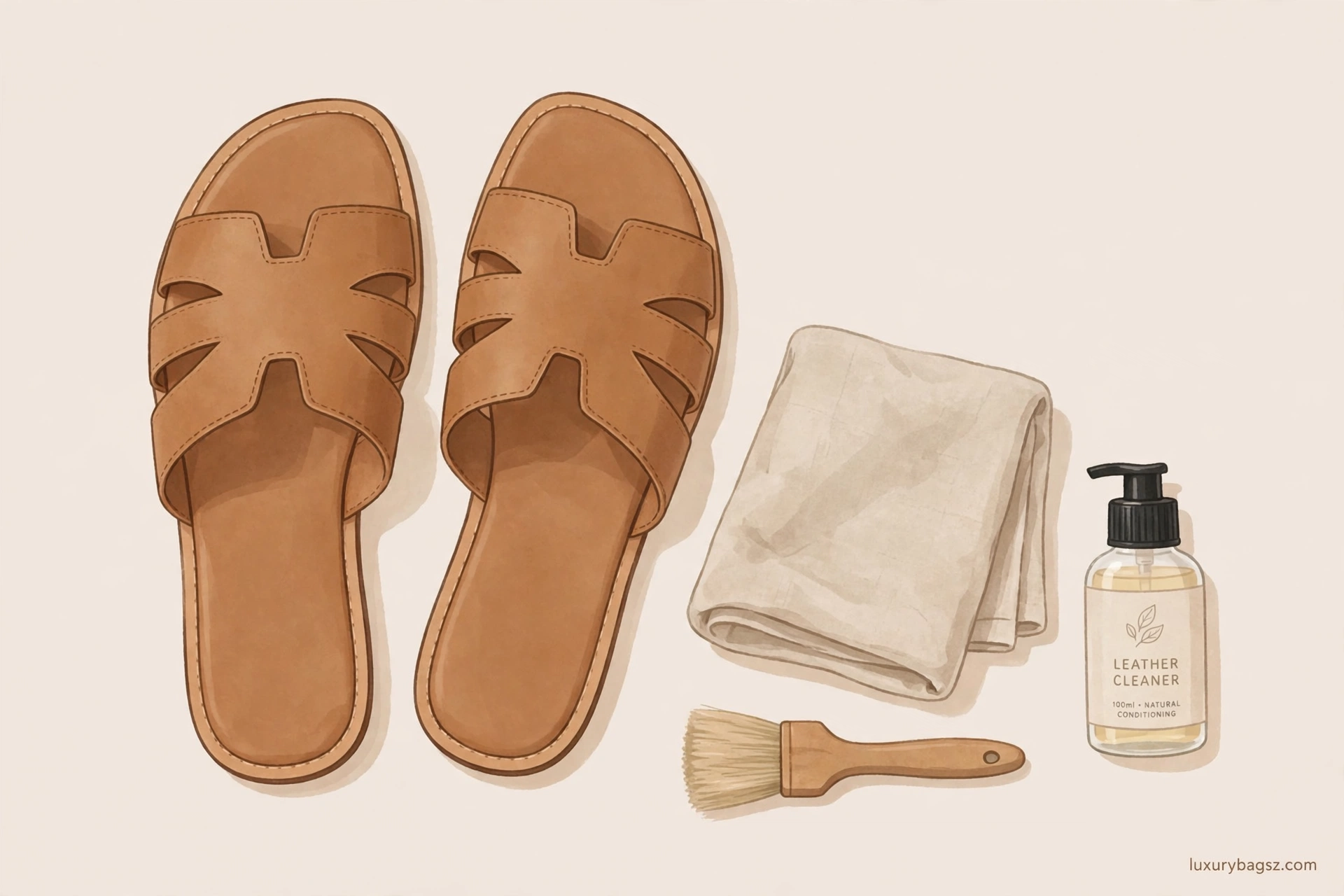
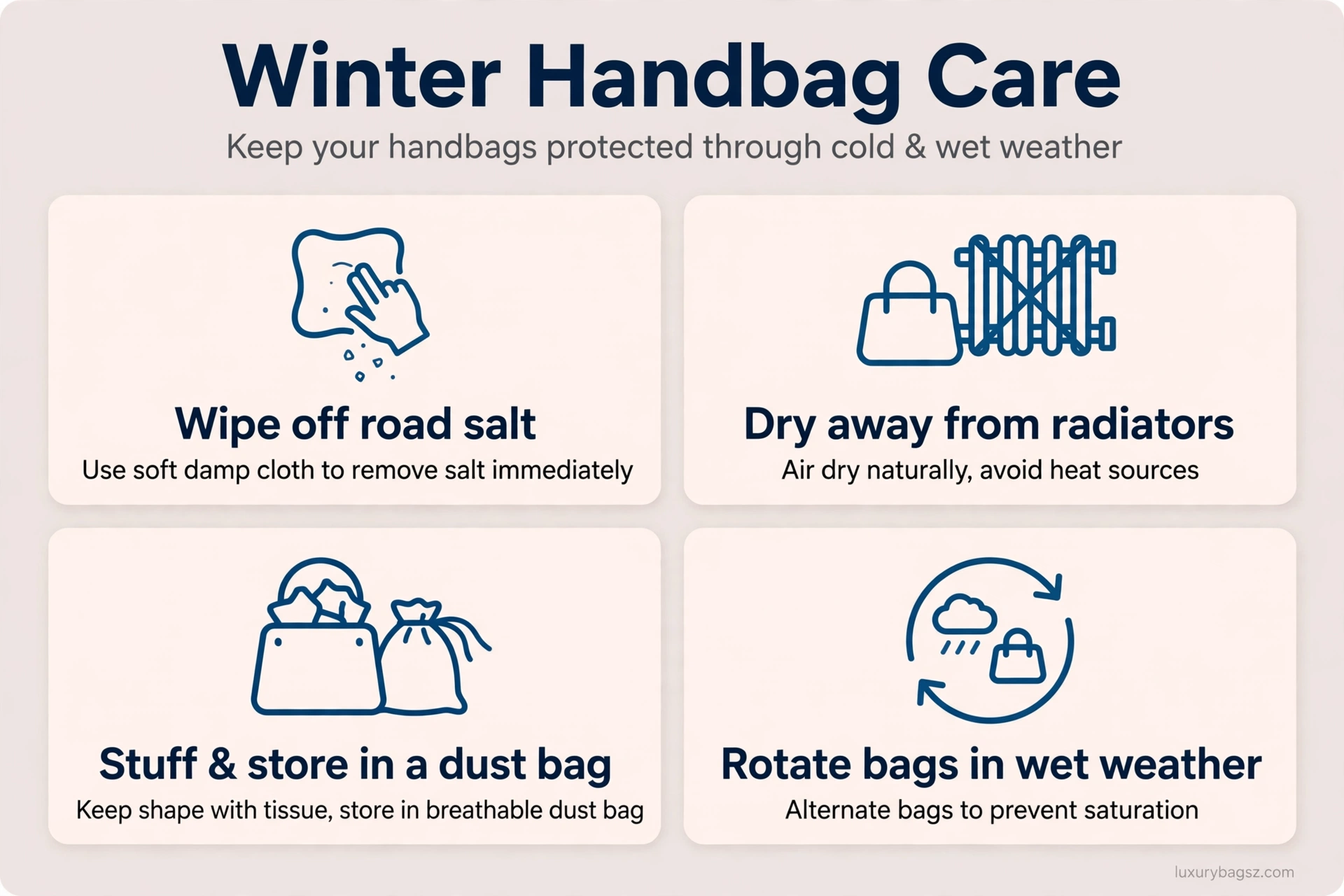
Wipe road salt off leather the day it lands, with a soft, barely damp cloth. Dry wet bags at room temperature away from radiators, stuffed with tissue so the shape survives the drying.
Rotate your main bags so each gets rest days, and store the resting ones stuffed inside their dust bags. The shapes in our guide to iconic designer handbags have lasted decades largely because owners treated them this way.
A final habit: empty the bag weekly. Winter pockets breed tissues, receipts and grit, and grit inside a lining does quiet damage all season long.
Frequently Asked Questions
What size handbag is best for winter?
A medium-to-large bag that fits your daily load plus gloves and a scarf. In practice that usually means a tote, hobo or bucket around 30 to 38 centimetres wide.
Which material survives winter weather best?
Smooth, finished leather and coated canvas cope best with rain and salt, and both wipe clean. Suede and unfinished leathers mark easily and are better kept for dry days.
Can I carry a white bag in winter?
Yes. Smooth white or cream leather wipes clean and looks sharp against dark coats. Wipe off salt marks promptly and avoid pale suede in wet weather.
Why does my shoulder bag slip off in winter?
Coat fabrics are smoother and more padded than summer clothes, so straps slide. Choose a longer strap worn crossbody, a textured strap underside, or carry a top-handle style instead.
Is a mini bag useless in winter?
Not useless, just specialised. It works for evenings when your coat is checked and you carry only a phone, cards and lipstick. It cannot be your only winter bag.
How many winter bags do I actually need?
Two in rotation covers most people: one structured day bag and one softer or smaller option. Rotation also extends the life of both, since leather rests between wears.
Should a winter bag have a zip?
A closed top — zip, flap or drawstring — is strongly advised. It keeps out rain and keeps contents safe in crowded shops and on busy transport.
What colour winter bag goes with everything?
Black is the safest, but chocolate brown and burgundy run it close and look richer with camel, cream and grey coats. Choose by the coat you wear most.
How do I protect a bag from road salt?
Wipe salt off the same day with a soft damp cloth, let the bag dry away from heat, and apply a suitable leather protector before the worst of the season.
Are backpacks smart enough for work?
A structured leather backpack in a plain colour reads professional in most offices and is the kindest option for a heavy commute. Avoid sporty nylon styles for formal settings.
Conclusion: The Tote Wins, but the Rotation Matters More
Buy the structured tote if you buy one bag; add a hobo, bucket or crossbody for the days it feels too formal. Two shapes, rotated and wiped down, will outlast any single expensive bag carried through every storm.