

Tod’s Gommino Loafers: The Driving Shoe Guide to Fit, Prices and Care
The Gommino in Brief: Soft, Pebbled and Unmistakably Italian
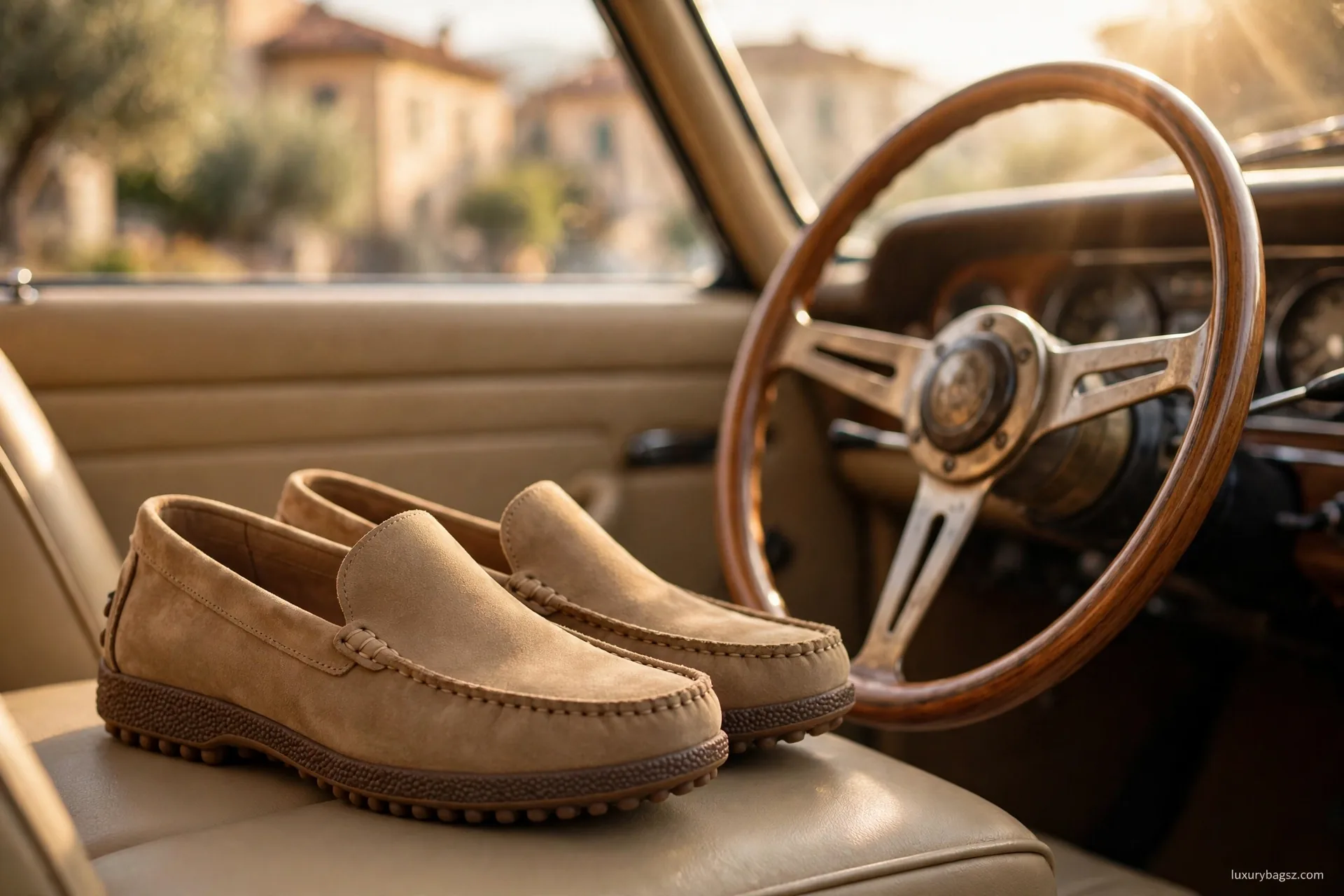
The Gommino is Tod's soft driving loafer, recognised by the rubber pebbles that dot its sole and heel — 133 of them on the classic design. Buy it for relaxed polish, not for hard pavement miles. It suits drivers, travellers and anyone who wants a loafer that feels like a slipper yet still looks deliberate. In suede or smooth leather, it is the quiet centre of the range covered in our Tod's brand guide.
Key Takeaways
- The classic Gommino sole carries 133 rubber pebbles set into the leather.
- Suede is the most loved finish; smooth leather reads smarter and lasts longer on pavements.
- Fit should start snug, because the soft upper moulds to your foot.
- Pebbles wear down with heavy street use, so treat it as a light-duty shoe.
- Typical new prices sit in the mid hundreds of pounds, varying by finish.
- Pre-owned value depends most on pebble wear and suede condition.
What the Gommino Actually Is
The Gommino began as a driving shoe, built soft so a driver could feel the pedals. That origin explains everything about it: the flexible build, the low profile and the pebble sole. Tod's, founded in Italy's Marche region, turned that niche shoe into a luxury staple. Diego Della Valle's family firm still makes the style by hand in Italy, with many steps of cutting and stitching in each pair. The name comes from those little rubber studs, the gommini. They wrap up the back of the heel as well, which protects the leather when your foot works the pedals. It is not a formal loafer and never pretends to be. Think of it as the smart end of casual: chinos, linen, knitwear and unstructured tailoring are its natural company. Women's versions follow the same idea, with loafers and ballerina takes on the pebble sole sitting alongside the classic moccasin shape. That breadth is part of the appeal. A household can own three Gommino forms, for three kinds of day, and each still reads as the same shoe.
The Pebble Sole, Explained Honestly
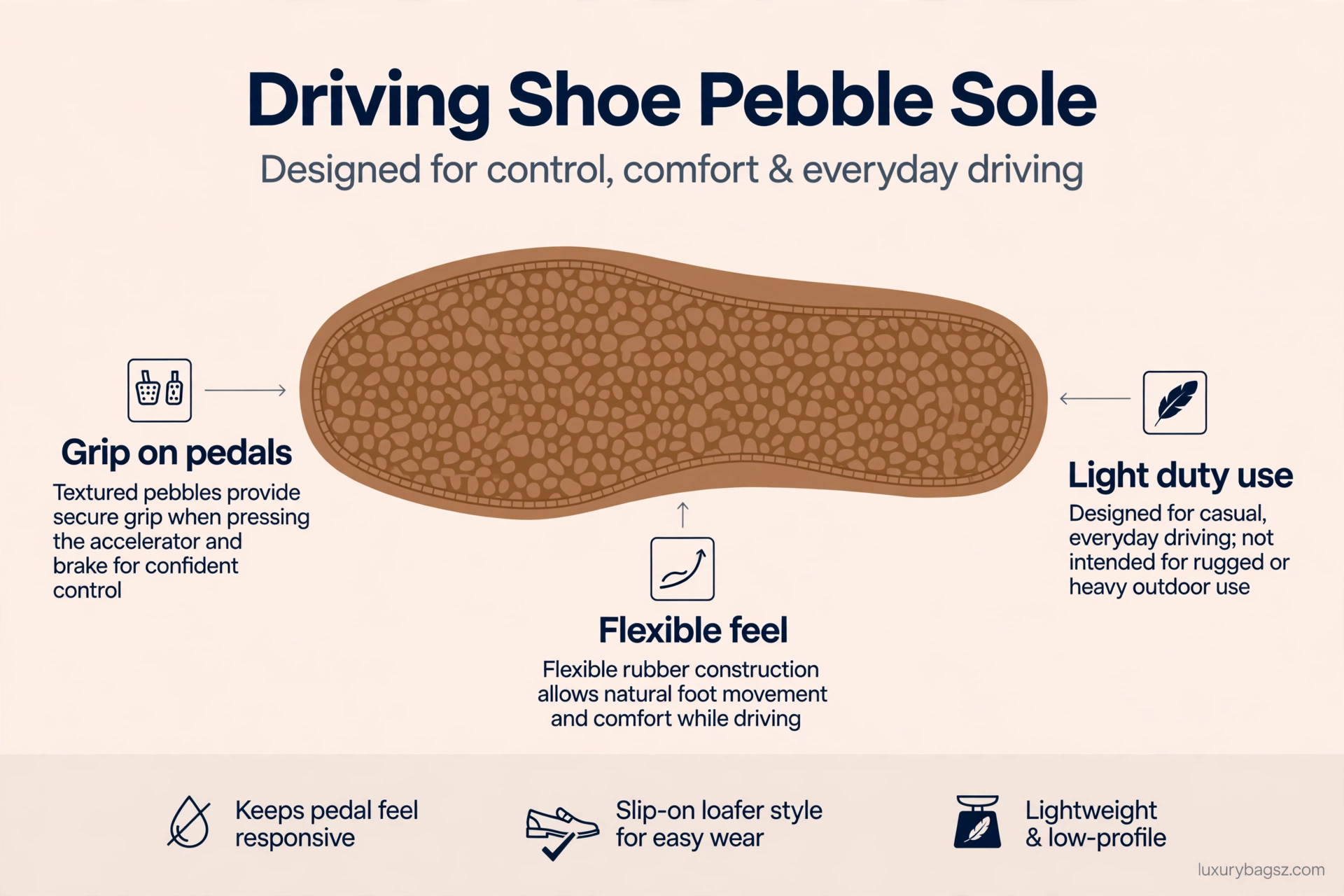
Each pebble is a small rubber stud pushed through the sole leather. Together they grip pedals and dry ground, and they let the shoe flex in a way a stiff sole never could. The trade-off is wear. Pebbles are not deep lugs, and long walks on rough city pavements grind them down, especially at the heel edge where your stride lands hardest. Wet stone and smooth marble can also feel slippery once the pebbles polish smooth. This is a fair-weather, light-duty sole, and honest owners plan around that. Newer spin-offs add a fuller rubber sole under the same look. If you walk miles daily, those versions suit you better than the classic pebble build.
Leather, Suede and Finishes
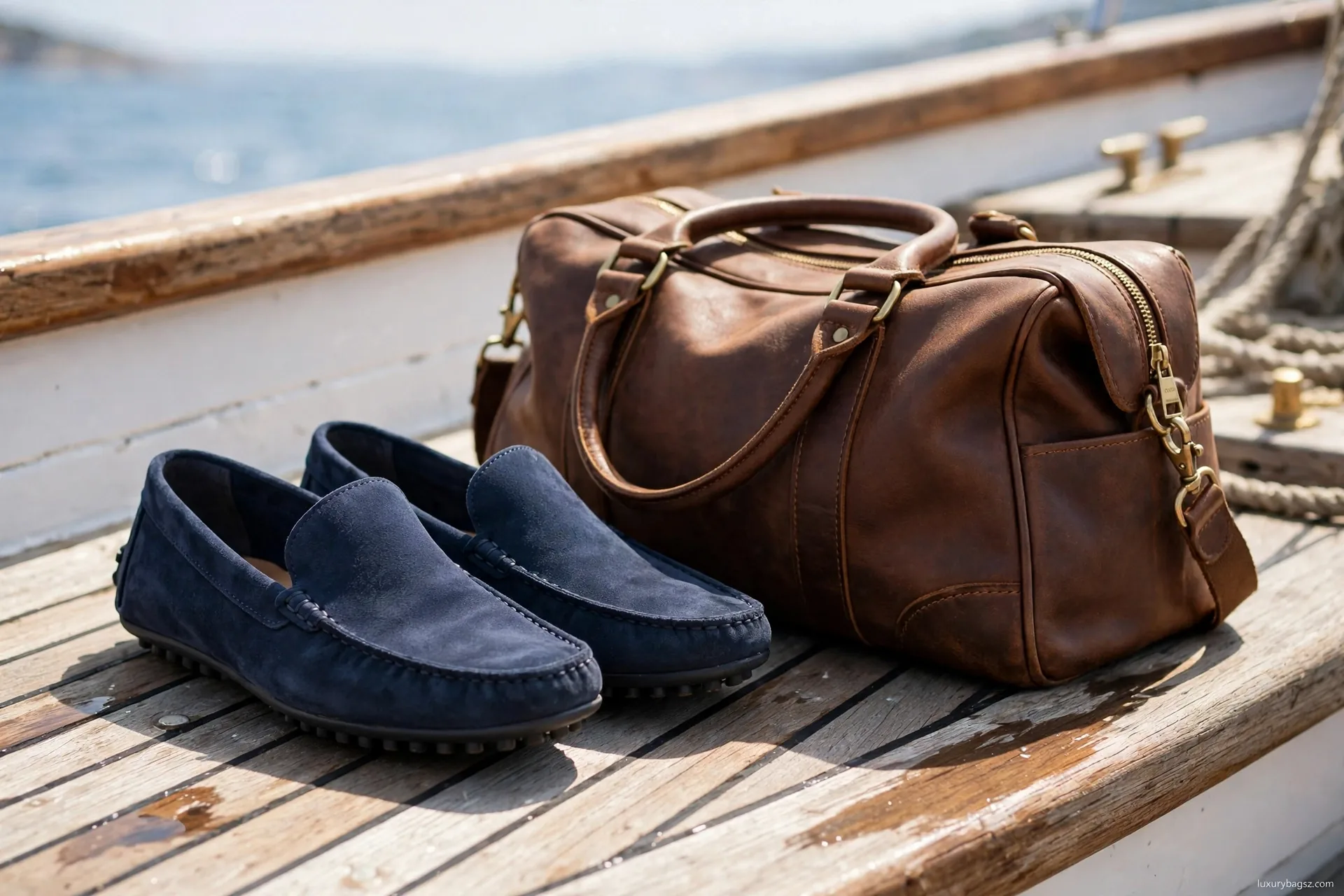
Suede is the signature finish, in tan, chocolate, navy and seasonal colours. It looks richest, scuffs most easily and asks for a protector spray before the first wear. Smooth calf leather is the pragmatic pick. It shrugs off light rain better, polishes up neatly and hides the small marks that show at once on suede. Patent and polished finishes appear in the women's range, alongside loafers with metal bits, chains and the small bow that marks many Gommino pairs. Whichever finish you choose, colour decides versatility. Tan and chocolate suede cover most casual wardrobes; black leather is the one to pick if the shoe must meet a blazer.

Sizing and Fit
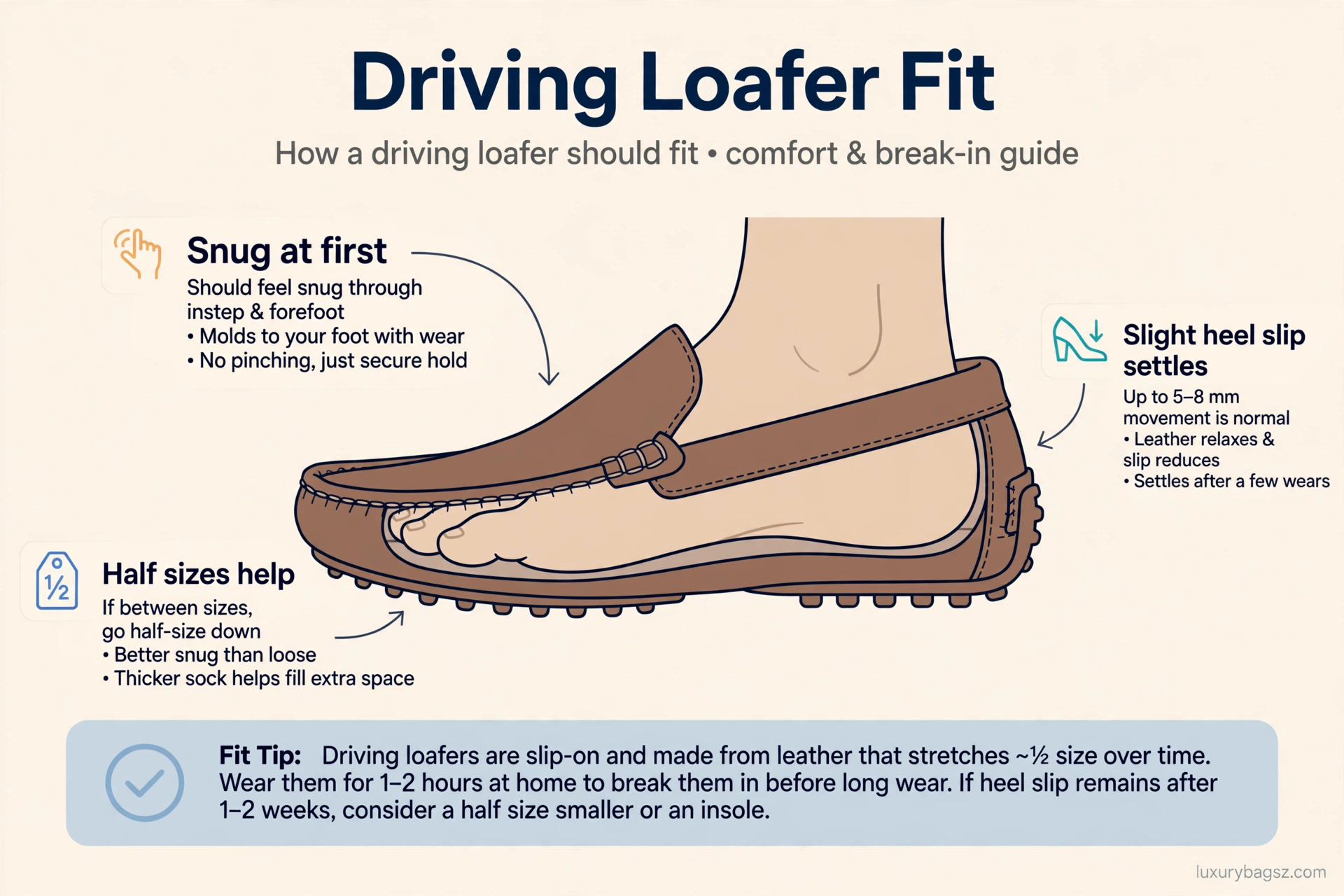
Start from your usual loafer size, then judge the shoe by its first hour. A new Gommino should feel close and a touch snug across the top of the foot. The soft, unlined feel means the upper gives quickly. A pair that starts loose will likely end sloppy, with heel slip that no insole fully cures. Our how loafers should fit guide gives the general tests: a thumb's ease at the heel at most, and no pinching across the toes. Half sizes exist in much of the range, which helps because the shoe has no laces to fine-tune the fit. Between sizes, most wearers do better going down in suede and staying true in stiff leather.
Styling the Gommino Well
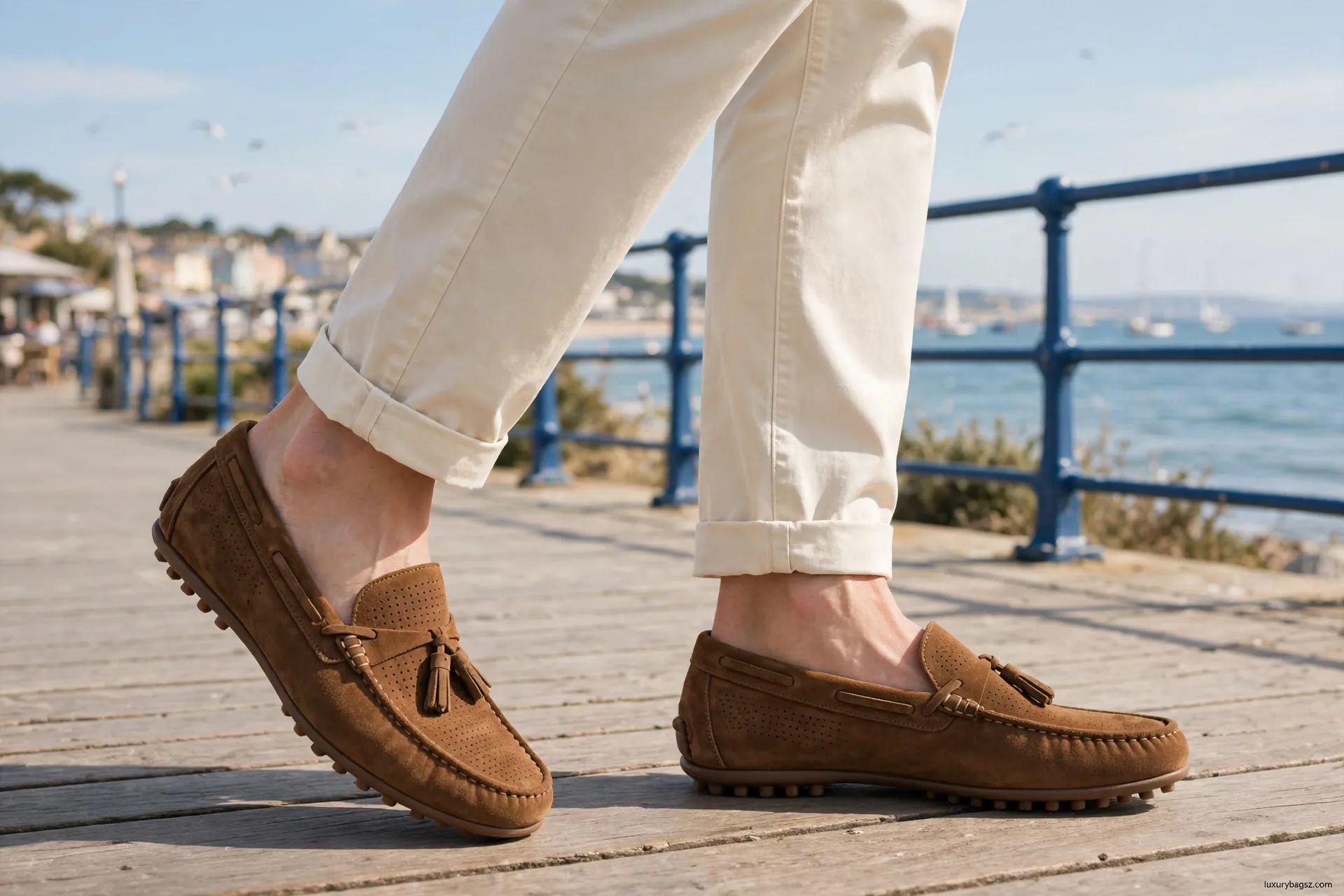
The classic look is sockless or near enough: suede Gomminos, cropped chinos and a knit polo or open-collar shirt. It is a Riviera formula that still works because it is simple. Our Gucci Jordaan loafers guide covers the smarter horsebit route; the Gommino sits one notch more relaxed, which is exactly its charm. Denim works too, as our wearing loafers with jeans guide shows, provided the jean hem stays slim and short enough to show the shoe. In cooler months, follow our wearing loafers with socks guide and choose fine ribbed socks in a tone near the trouser, never sport socks.
Prices and Where the Money Goes
New Gomminos typically sit in the mid hundreds of pounds, with suede at the lower end and special leathers, bits and platform soles costing more. Part of the price is the handwork: many pairs pass through well over a hundred making steps, and the leather quality is a clear step above high-street driving shoes. Sales and outlet stores discount past-season colours regularly. Core tan, brown and black suede rarely drop far, so a discount on those is worth taking when it appears. Pre-owned pairs vary wildly. A lightly worn pair in a core colour holds value well, while bright seasonal suede sells for far less, however clean it is. Airport and travel use is where the shoe quietly shines. It slips off at security, packs nearly flat and still looks intentional at the other end. That travel case explains many repeat buyers. The first pair is bought for driving; the second is bought because the first kept winning suitcase space.
Pre-Owned Checks That Matter
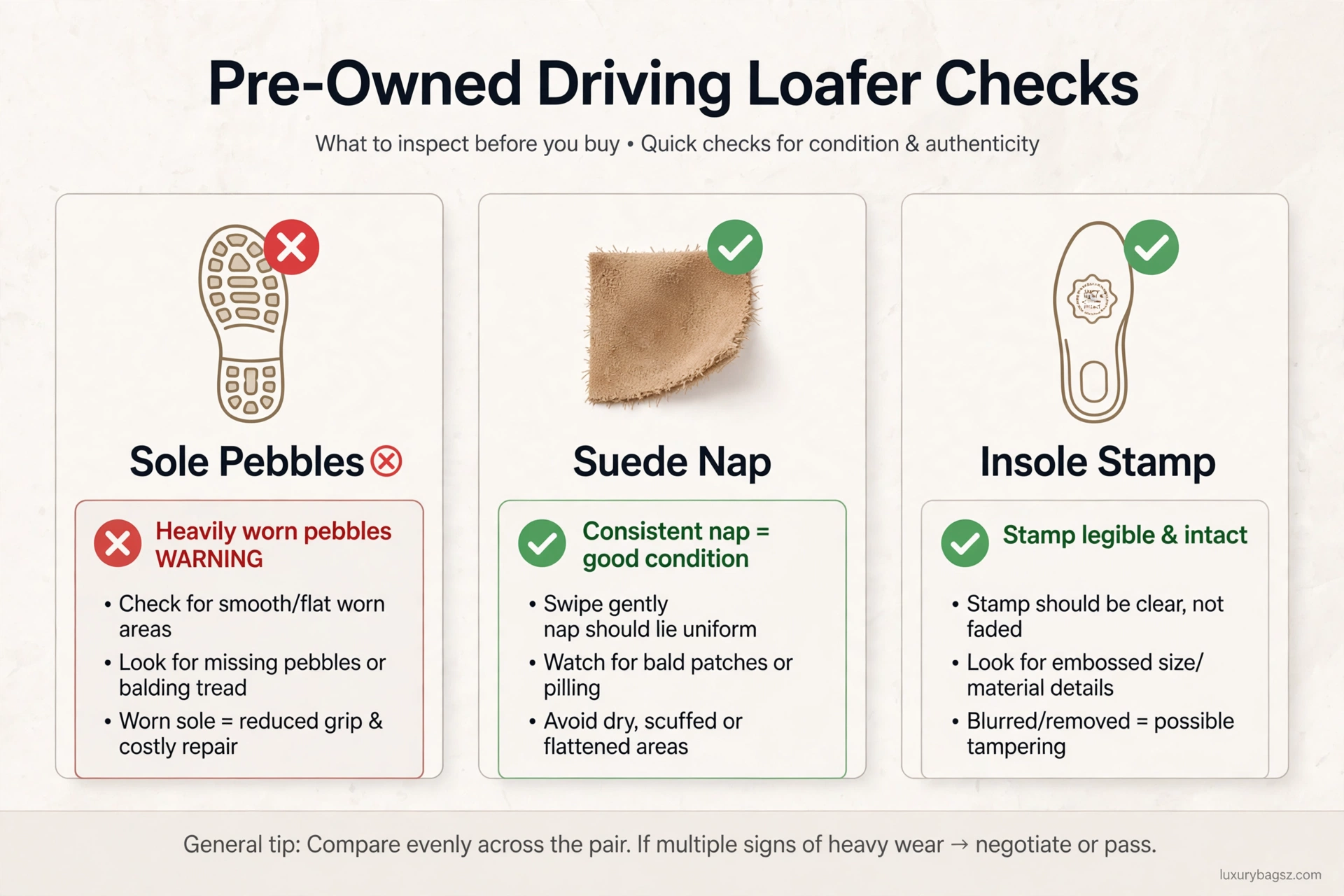
Turn the shoe over first. Pebble height tells the truth about mileage: flattened, shiny pebbles at the heel mean the best of the sole is already spent. Check the heel wrap, where the pebbles climb the back. Driving wear concentrates there, and cracked leather between the studs is costly to disguise. On suede, look for bald patches at the toe and heel, and dark polished areas where feet have rubbed. Suede can be brushed back, but bald spots stay bald. Inside, a clean insole with a clear size stamp matters, and both shoes should match in colour. Sun-faded display pairs often hide one shoe lighter than the other.
Care That Keeps It Alive
Rest the shoes between wears and keep cedar trees in them. The soft build moulds to your foot, and a rest day lets the leather dry and hold that shape. Brush suede after wear and use a protector spray before wet weather. Smooth leather wants a light cream now and then, never heavy wax that stiffens the soft upper. Our leather bags and shoes care guide covers safe products for both finishes. Never machine wash, never dry them on a radiator, and keep the pebble sole for its real job. Treated kindly, a Gommino is a five-year shoe, not a one-summer fling.
Frequently Asked Questions
How many pebbles does a Gommino have?
The classic design is known for 133 rubber pebbles across the sole and heel. Some newer variations change the layout slightly, so count is a guide, not a strict test.
Are Gommino loafers true to size?
Mostly, yes, but the soft upper stretches. Many wearers take their usual size, while those between sizes often prefer the smaller one in suede.
Can I walk long distances in Gomminos, and are they suitable for actual driving?
They are driving shoes first. Short walks feel lovely, but long pavement miles wear the pebbles down fast and offer little support for a full day on foot.
Yes, that is their original purpose. The pebbles grip pedals well and the soft build lets you feel them, which is why the style began in the first place.
Which finish is most versatile?
Tan or chocolate suede suits most casual wardrobes. Black or dark brown smooth leather is better if the shoe must pair with tailoring more often.
How much do Gommino loafers cost, and how can I tell a genuine pair pre-owned?
Typical new prices sit in the mid hundreds of pounds. Suede usually costs less than special leathers, and past-season colours often appear in sales.
Check pebble evenness, clean stitching, a clear insole stamp and matching colour across both shoes. Very cheap pairs with shiny, uneven pebbles deserve suspicion.
Do the pebbles wear out quickly, and can a worn Gommino be resoled?
On rough pavements, yes, faster than a normal sole. Rotating the shoes, avoiding long wet walks and using them lightly keeps the pebbles alive far longer.
Not in the usual cobbler sense, because the pebbles sit in the leather itself. That is why sole condition matters so much when buying pre-owned pairs.
Should I wear socks with Gomminos?
Either works. Bare ankles or hidden socks suit summer looks, while fine ribbed socks in a matching tone carry the shoe into cooler weather neatly.
Final Verdict: Buy It for Ease, Wear It Lightly
The Gommino earns its fame honestly: a soft, handsome driving loafer that makes casual outfits look considered. Choose suede for character or leather for stamina. Respect the pebble sole, buy the fit snug, and it will repay you with years of easy, polished comfort.






