

Rolex Resale in the GCC: How Selling and Buying Pre-Owned Really Works
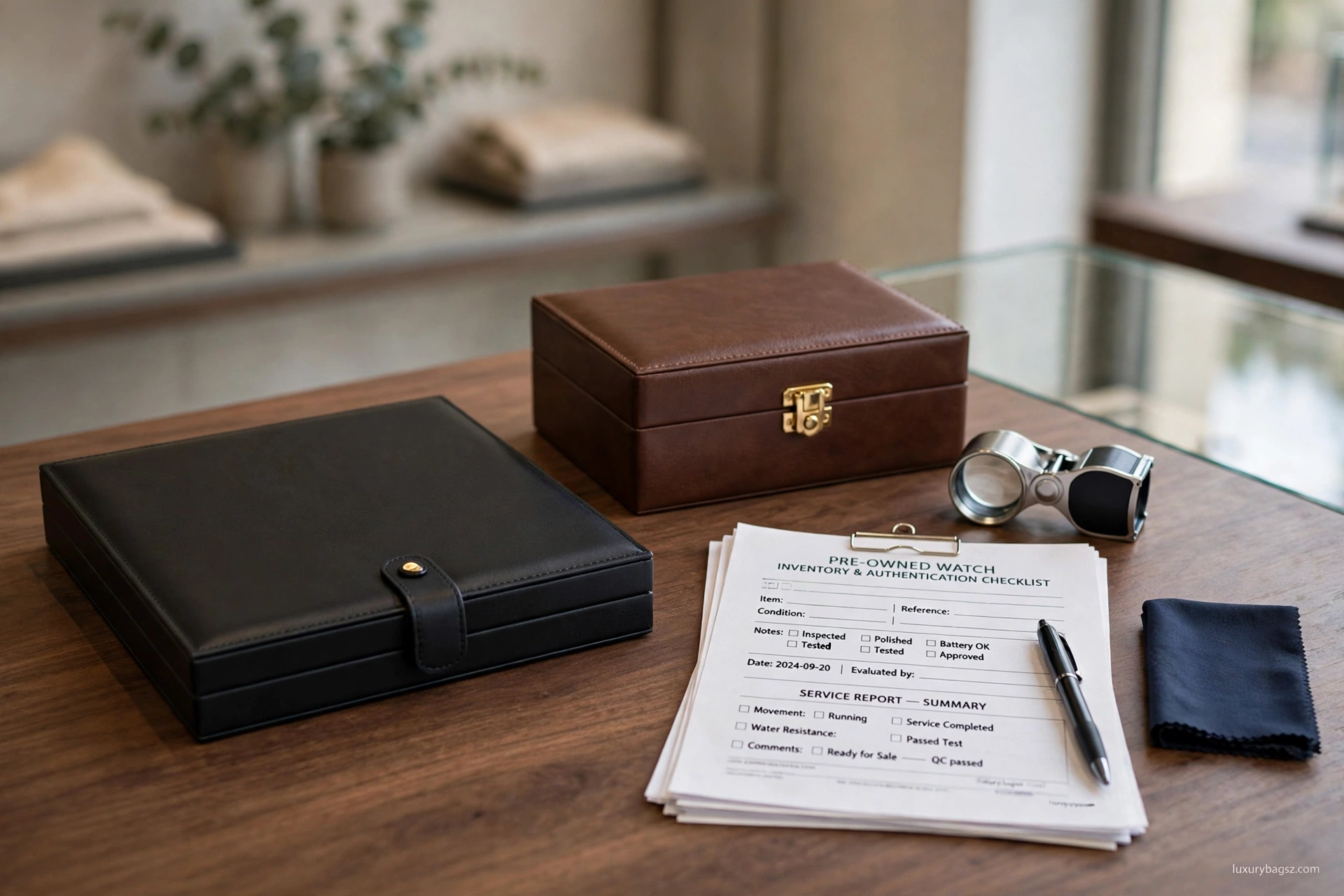
The Mechanics First: GCC Rolex Resale in Brief
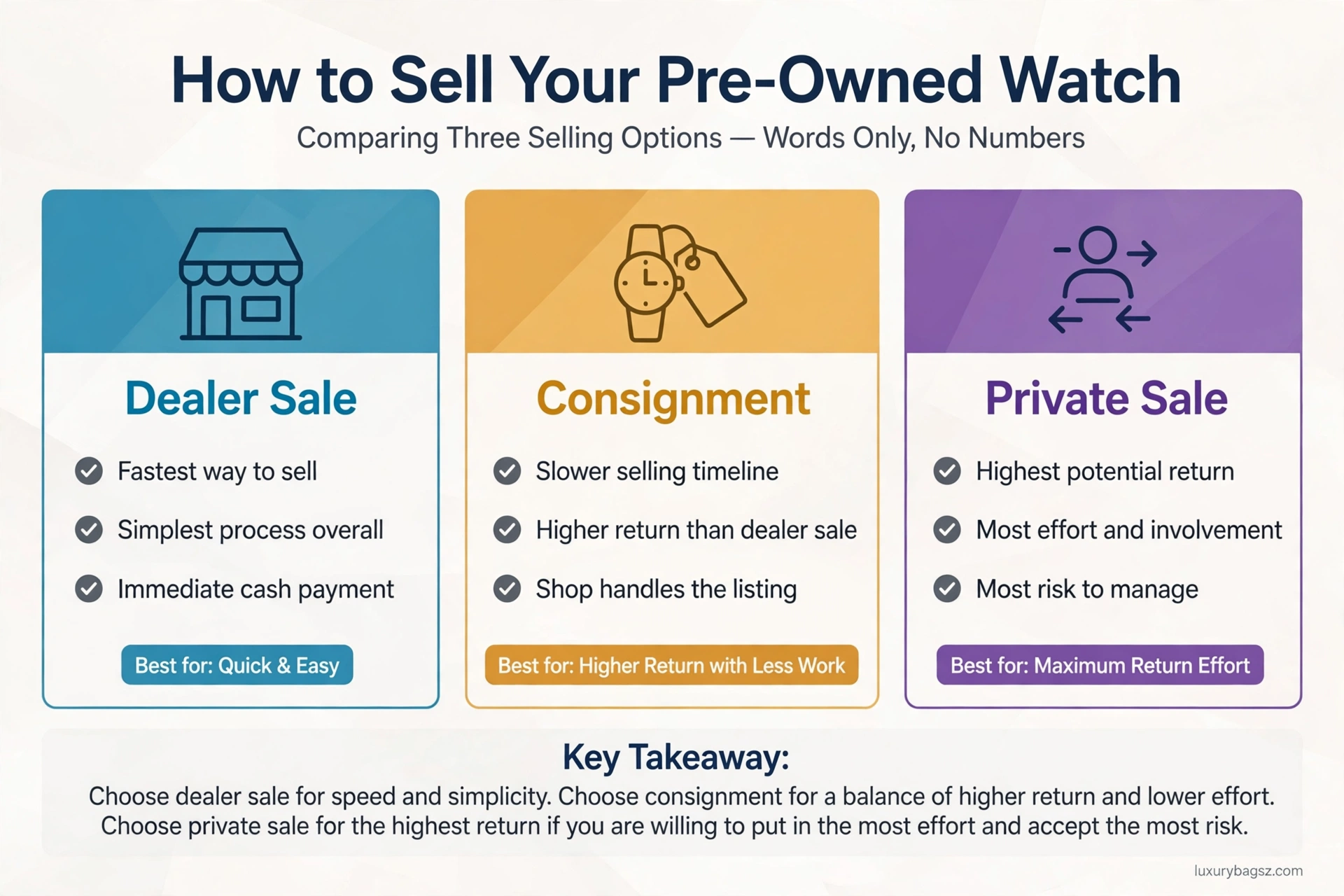
In the GCC, a pre-owned Rolex sells through three main routes: an outright sale to a dealer for immediate money, consignment for a higher but slower return, or a private sale that pays most and carries the most risk. Condition, completeness and the exact reference decide the offer far more than the city you sell in. Dubai is the region's trading hub, with the deepest bench of dealers and buyers, but the same rules apply in Abu Dhabi, Doha, Riyadh and Kuwait City. Get two or three written valuations before you commit to any of them.
Key Takeaways
- Dealers pay less than private buyers because they carry authentication, warranty and stock risk.
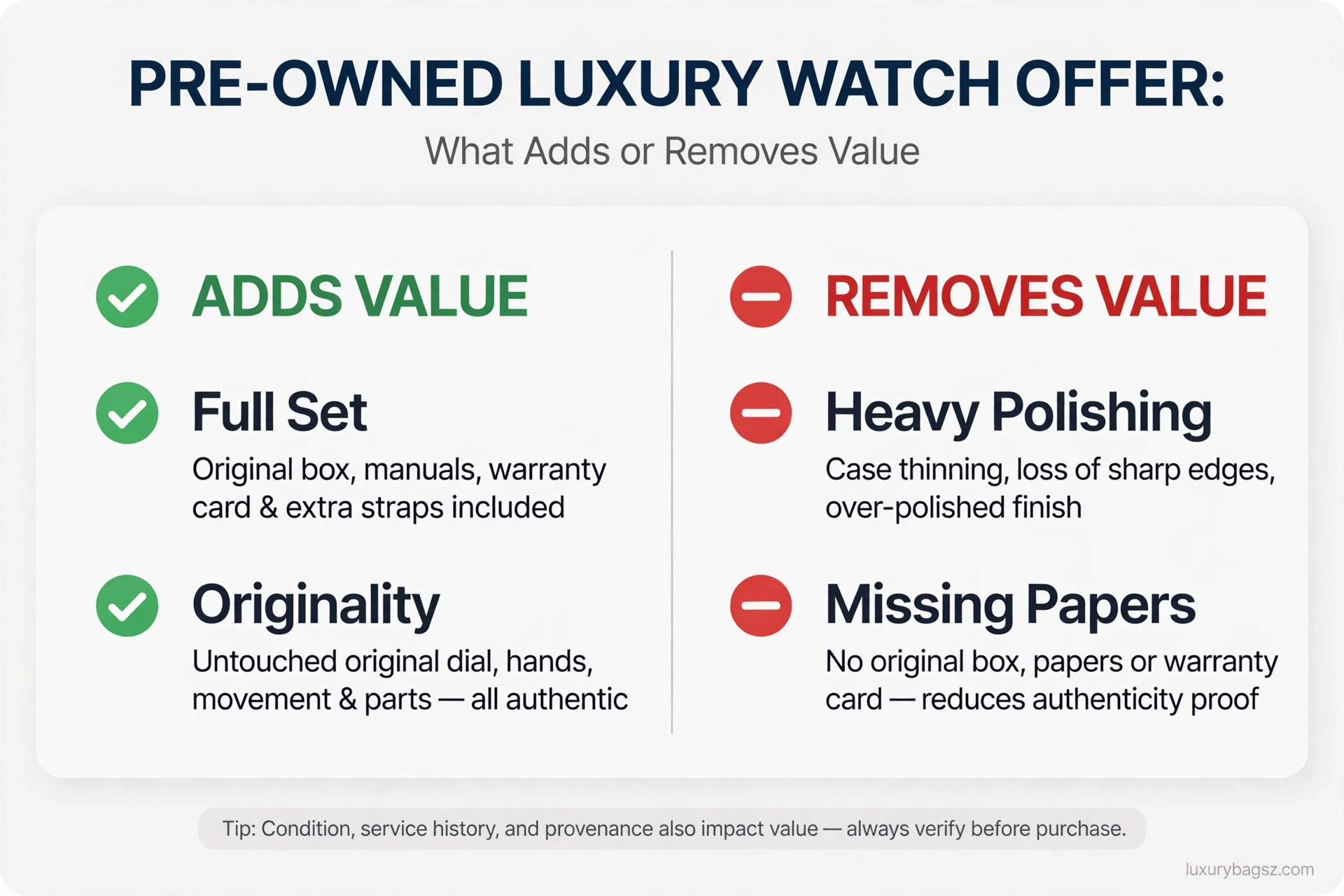
- A full set — box, card, booklets, tags — typically strengthens an offer; missing papers weaken it.
- Condition means originality: unpolished cases and correct parts beat shiny, altered watches.
- Popular steel sports models are the most liquid; niche references take longer everywhere.
- Never rely on a single valuation, a headline index, or a social-media asking price.
- Meet in safe, public, verifiable places and use payment methods you can confirm on the spot.
How the GCC Market Is Organised
The Gulf's pre-owned watch trade clusters in Dubai, where gold souks, mall boutiques and specialist pre-owned dealers sit within a short drive of each other. That concentration makes price comparison unusually easy for sellers. Around it, smaller dealer scenes in other Gulf capitals serve local clients, and a busy online layer of regional platforms and dealer websites advertises stock across borders. Always confirm where a watch actually is before travelling to see it. Customs and tax treatment differ between GCC states and change over time. If a deal involves moving a watch across a border, check the current rules rather than assuming a neighbour's practice applies.
The Three Ways to Sell
An outright dealer sale is fastest: the dealer inspects, authenticates and pays, and the watch becomes their stock and their problem. Expect the offer to sit below the retail asking price you see for the same reference, because the margin is the dealer's business. Consignment leaves the watch with a dealer who markets it and takes a commission when it sells. Our explainer on how luxury consignment works covers the paperwork any good arrangement should include. A private sale can return the most, but you handle enquiries, authentication worries, payment risk and personal safety yourself. For a first sale, most owners are better served by a dealer or consignment.
Authentication Is the Whole Game
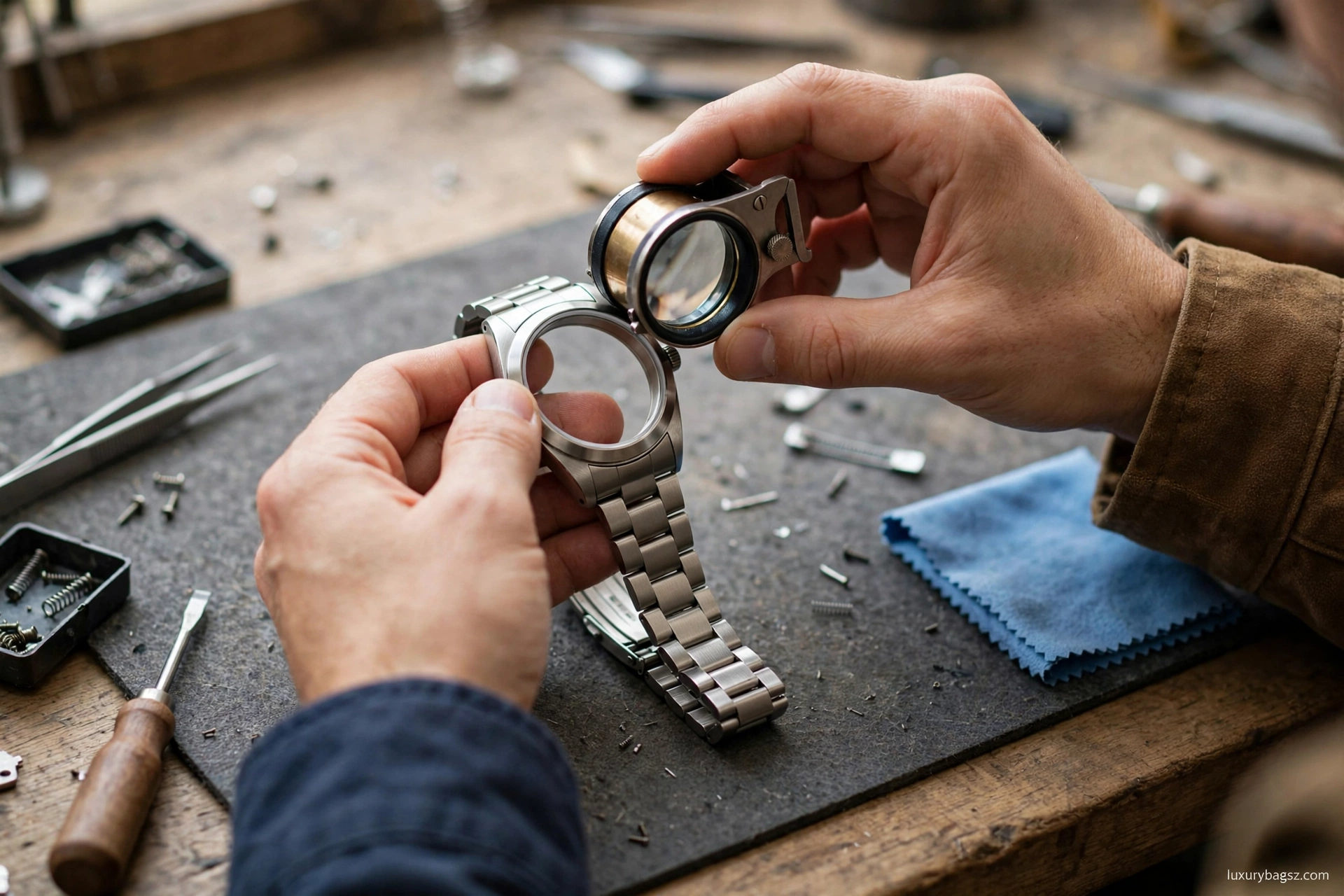
Every serious buyer will open the conversation with originality: correct dial, hands, bezel and bracelet for the reference and year, an untouched movement, and numbers that match the paperwork. Anything replaced or refinished changes the conversation. Our guide on how to spot a fake Rolex walks through the common tells, and the Rolex serial number check explains what the numbers can and cannot prove. Be honest about service history and parts. Dealers find out within minutes under a loupe, and a watch described accurately sells faster than one with surprises.
Timing plays a smaller role than sellers hope. Demand for the most liquid references is steady across the year in the Gulf, and waiting rarely transforms an offer the way condition and completeness can. Regional preferences exist, though: larger sports models and gold dress watches both find ready audiences in the Gulf, while very small vintage pieces lean more on visiting collectors and online buyers.
What Actually Moves the Offer
Reference first: steel sports models with long waiting lists at retail are the easiest to sell, while smaller, precious-metal or unusual references need the right buyer and more time. Liquidity, not just desirability, sets the speed of a sale. Condition second: sharp case edges, a tight bracelet and an unmarked dial support strong offers. Heavy polishing rounds edges and is hard to undo, so many collectors prefer a lightly worn, original watch to a gleaming, altered one. Completeness third: box, warranty card, booklets, tags and service receipts form the full set buyers ask about. Papers matter most on modern references, where buyers expect them to exist.

Prices Without the Hype
Treat every headline figure with care. Asking prices online are wishes, not results; the same reference can be listed at several levels in the same week, and only completed sales show what buyers truly paid. Values also move. The pre-owned market rose sharply in the early 2020s and then corrected, which is why this guide gives no percentages: any fixed figure printed here would age badly and could mislead a real negotiation. Your best evidence is local and current: two or three written dealer valuations for your exact watch, in its exact condition, gathered within the same fortnight.
Buying Pre-Owned in the Gulf
Buy the seller before the watch. Established dealers offer authentication, a written invoice and usually a limited warranty on the movement; our pre-owned luxury watches buyer's guide lists the questions to ask any seller. Inspect in person where you can, in daylight, with the bracelet sized to your wrist. Check the timekeeping over a day if the seller allows a holding deposit arrangement in writing. Factor servicing into the price. A watch due a service needs that cost counted, and a recent service receipt from a reputable watchmaker is a genuine selling point.

Insurance values are not resale values, and the difference surprises owners. An insurance appraisal prices replacement at retail; a dealer's offer prices what a buyer will pay this month, and the two numbers serve different purposes.
Safety, Payment and Paperwork
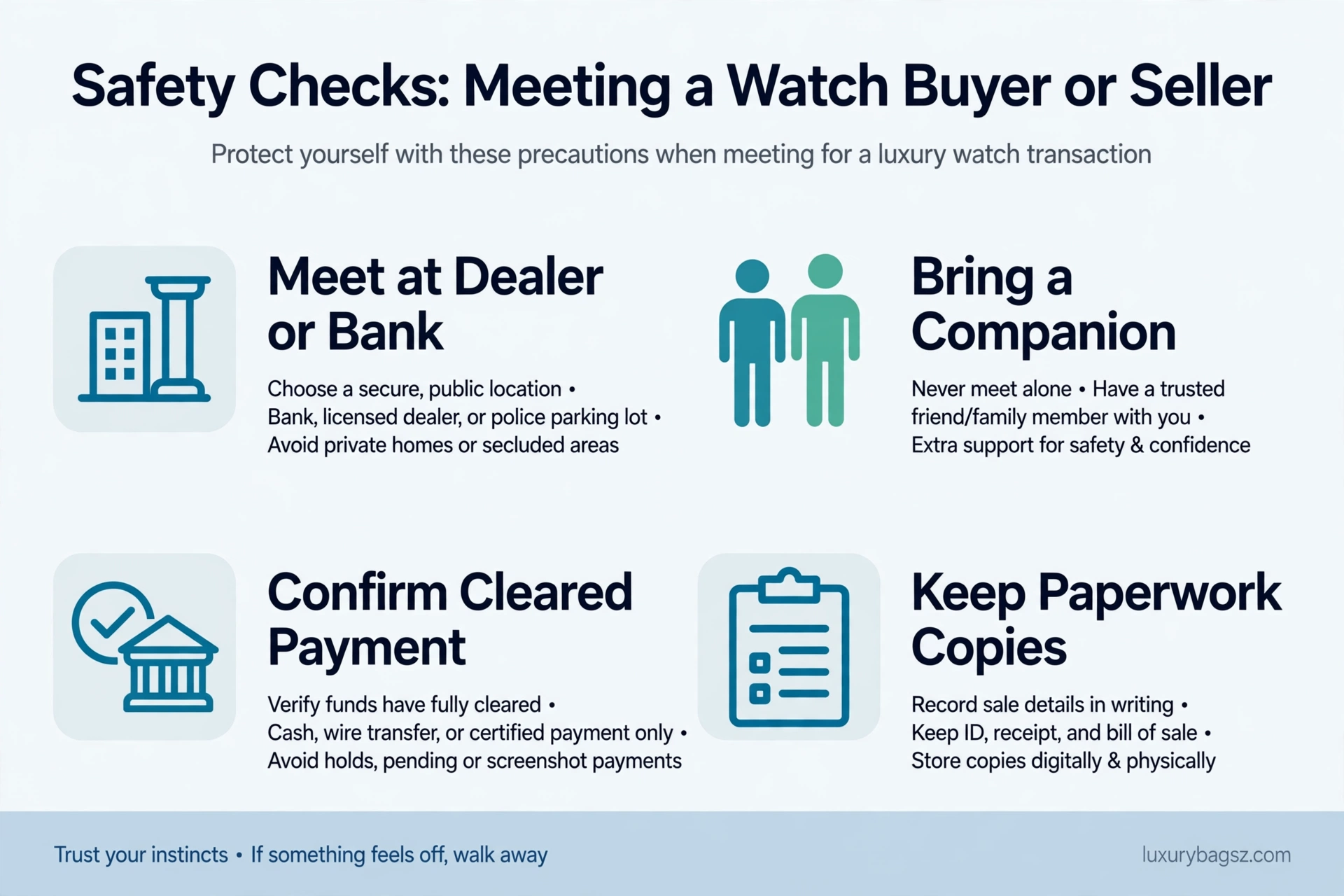
Meet at the dealer's premises, a bank, or another secure public place — never at a private address with a high-value watch and a stranger. Bring a companion for private deals. Confirm payment has cleared in your account before the watch changes hands, and be wary of screenshots, overpayment stories and last-minute changes of plan. Those patterns are common to fraud everywhere, not just the Gulf. Keep copies of everything: the invoice, the watch's numbers, photographs and the correspondence. Good paperwork protects you if a question arises later, and it strengthens your own future sale.
Keeping a Watch Resale-Ready
Wear and enjoy the watch, but keep the set together: box, card, booklets, spare links and receipts in one dry place. Removed bracelet links are small, valuable and very easy to lose. Service sensibly and keep the receipts. When a service is due, discuss polishing openly with the watchmaker; many owners now ask for the case to be left unpolished to protect originality. Photograph the watch yearly, including the clasp code and case sides. If you ever sell, those dated pictures tell the condition story before you walk into the first valuation.
Frequently Asked Questions
Where is the best place to sell a Rolex in the GCC, and is consignment better than selling to a dealer?
Dubai has the deepest choice of dealers, so it is the easiest place to gather competing valuations. Established dealers in other Gulf capitals work the same way; the route and the watch matter more than the city.
It can return more, because the dealer takes a commission rather than buying the stock outright, but payment waits until the watch sells. An outright sale is immediate and certain. Choose by how much you value speed.
Should I polish my watch before selling, and does servicing help resale value?
Generally no. Many collectors prefer original, unpolished cases with sharp edges, and heavy polishing is widely seen as reducing originality. A gentle clean is fine; leave refinishing decisions to the buyer.
A recent service by a reputable watchmaker, with a receipt, reassures buyers about the movement. Keep the paperwork, and discuss polishing in advance, because an over-polished case can work against you.
Does a full set really change the offer, and are online asking prices a reliable guide?
No. Asking prices are starting points, not results. Use written valuations for your exact watch and, where you can find them, records of completed sales of the same reference in similar condition.
Usually, yes, especially on modern references. Box, warranty card, booklets and tags reassure buyers and widen the resale audience, while missing papers on a recent watch raise questions you will have to answer with price.
How do I avoid fakes when buying in the Gulf?
Buy from established dealers who authenticate in writing and offer a warranty, inspect the watch in person, and check numbers against paperwork. If a price looks far below every other offer, treat that as information, not luck.
What paperwork should I keep as an owner?
The warranty card, purchase receipt, service receipts, booklets, hang tags and spare links, stored together and dry. That bundle is the full set a future buyer will ask about first.
Do all Rolex models sell equally fast?
No. Popular steel sports models are usually the most liquid. Smaller sizes, precious metals and unusual references can be wonderful watches that simply need more time and the right audience.
Is it safe to sell privately?
It carries the most risk of the three routes. If you do it, meet in a secure public place, take a companion, and confirm cleared payment before handing over the watch. Many owners prefer a dealer's certainty.
Conclusion: Sell the Watch You Actually Have
GCC Rolex resale rewards preparation, not optimism. Know your reference, keep its set complete and original, gather competing written valuations, and choose the route that matches your appetite for speed and risk. Do that, and the Gulf's deep market will price your watch fairly.






