Petite Fashion Guide: Proportions, Lengths and Styles That Fit Shorter Frames
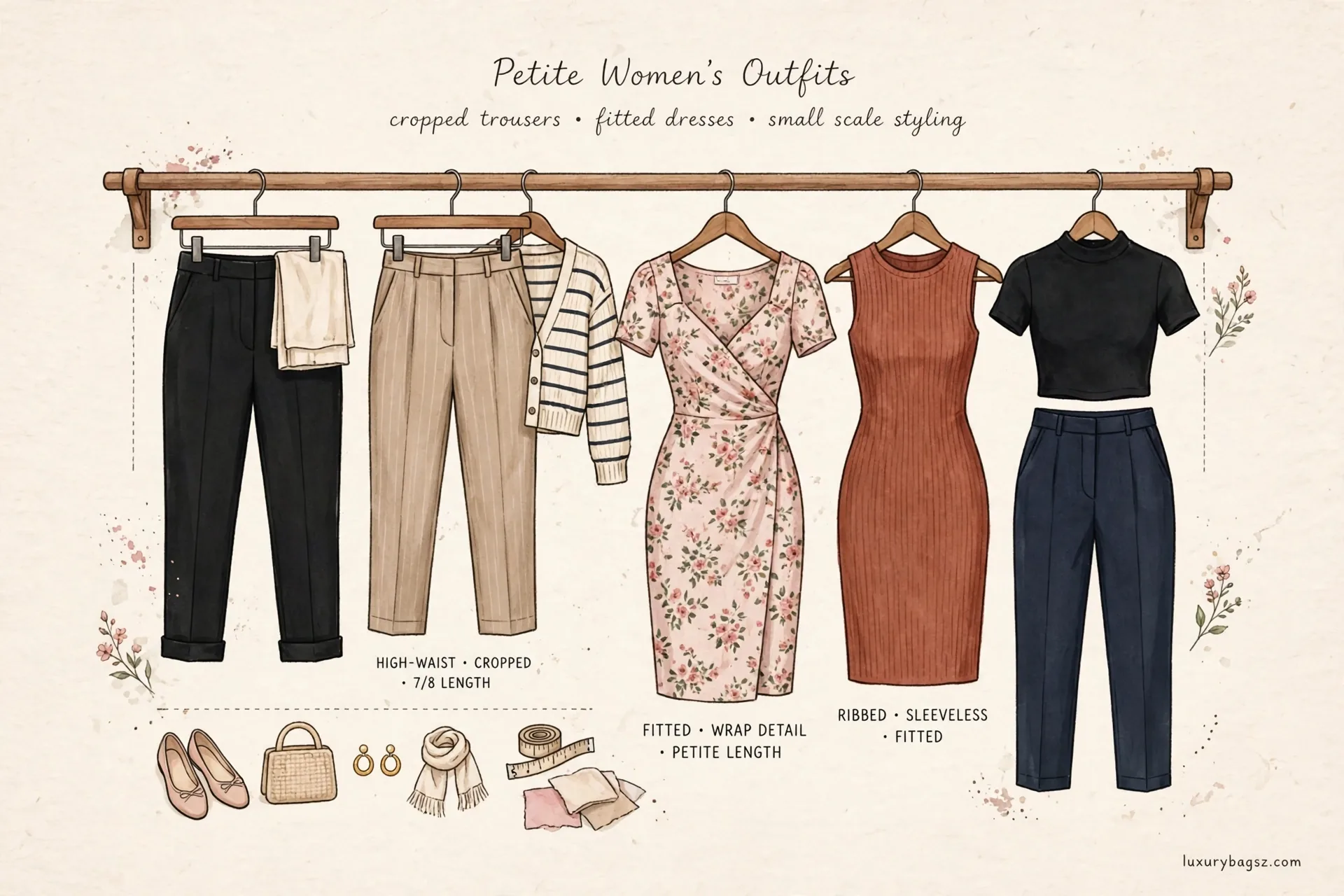
Petite Dressing in Brief: Proportion Over Height
Petite fashion is about proportion, not height tricks: if you are around 5ft 4in (163 cm) or under, clothes cut for your frame — shorter rises, lengths and scaled details — will fit better than standard sizes worn cuffed and belted.
True petite ranges adjust the whole garment, not just the hem. That is why a petite midi sits at the midi point on you, instead of arriving as an accidental maxi.
This guide covers proportions, the lengths that matter, scale for prints and bags, and when standard sizes plus tailoring beat the petite rail.
Key Takeaways
- Petite means frame proportions — rise, torso and sleeve — not just shorter hems.
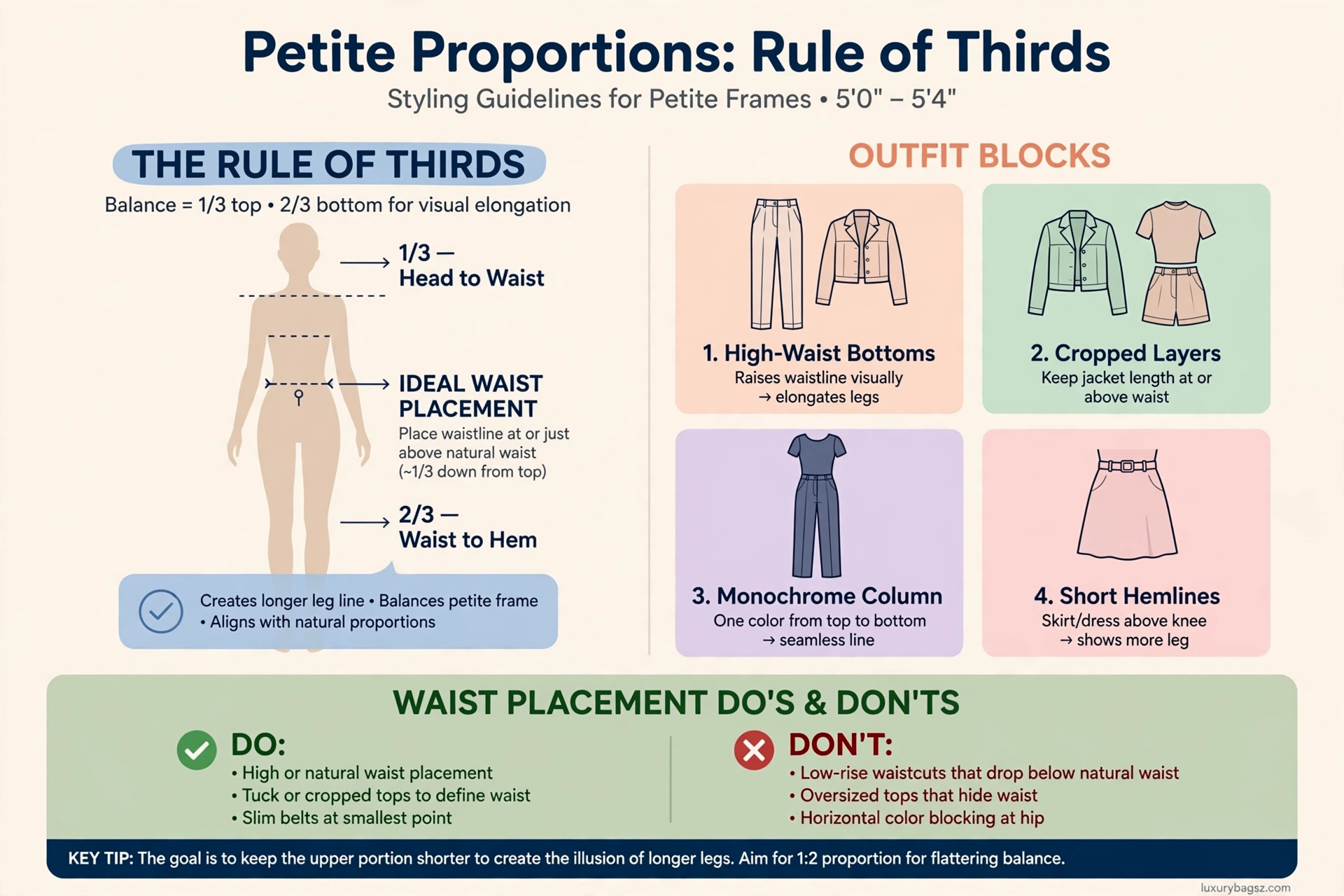
- Aim for a one-third to two-thirds split in outfits to keep the leg line long.
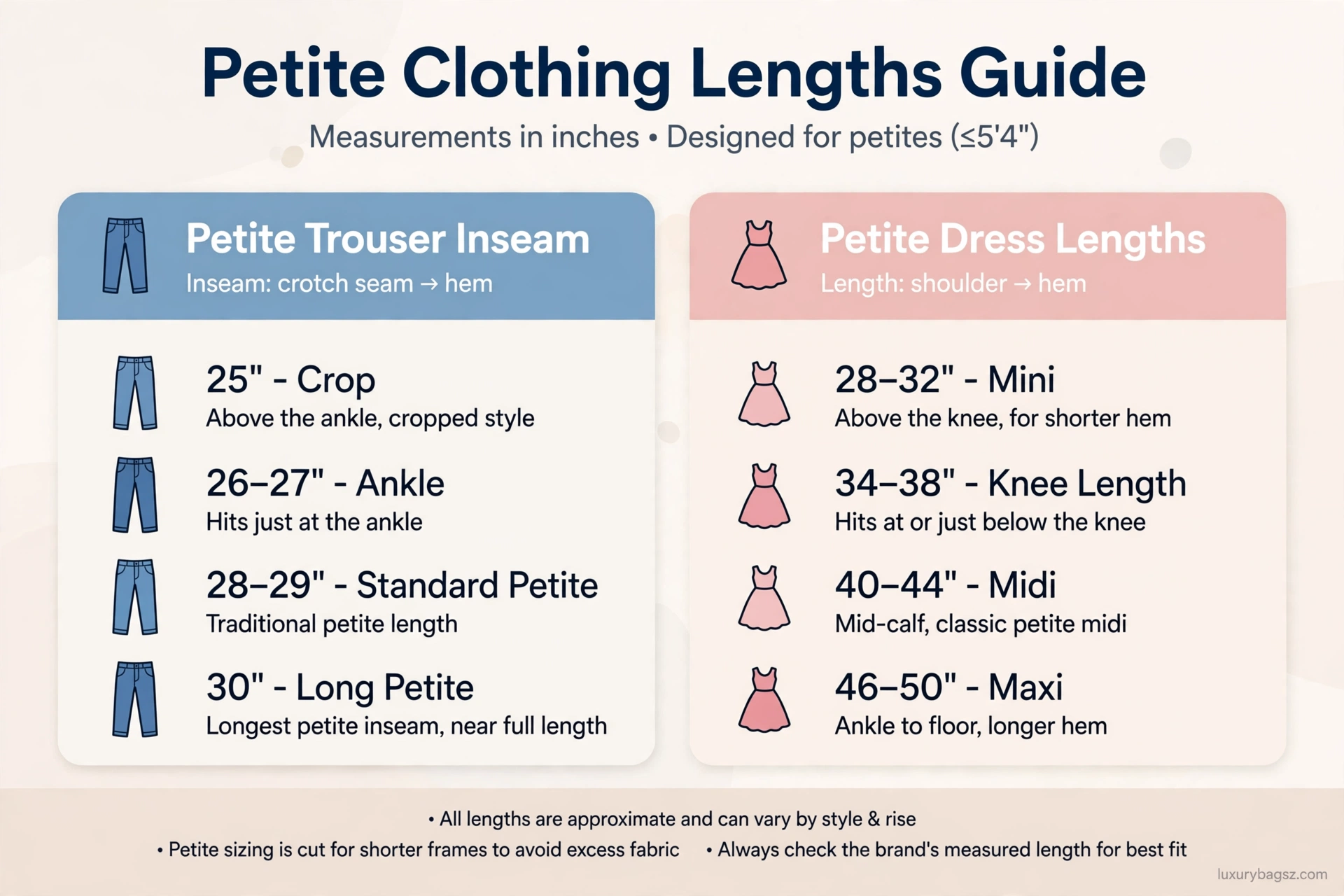
- Petite trouser inseams typically run 25 to 30 inches; check the number, not the label.
- Scale prints, bags and jewellery down a notch so they do not wear you.
- Monochrome and tonal outfits create one unbroken, lengthening line.
- Budget for small alterations: sleeve and strap fixes make standard buys work.
What Petite Actually Means in Clothing
Petite sizing is cut for frames roughly 5ft 4in and under, with shorter torsos, rises, sleeves and lengths built into the pattern.
A petite body can be any shape or dress size. Our how to dress for your body shape guide pairs with this one: shape first, then petite proportions.
The label matters because hemming alone cannot fix a rise that is too long or a waist that lands at the wrong point.
If standard clothes need every part adjusted, you are a petite fit whatever your dress size says.
Petite is also a shoe and accessory category in some ranges, with narrower bag straps and smaller watch faces cut for smaller wrists.
Bodies differ within petite too: two women of the same height can need different rises. Your own measurements outrank any height chart.
The Rule of Thirds and Waist Placement
Outfits read best in uneven proportions: about one third top and two thirds bottom, or the reverse. Half-and-half splits shorten the look of the legs.
Place your waistline high: high-rise trousers, cropped tops and jackets, and belts at the natural waist all raise the visual starting point of the legs.
Tuck tops in, or choose ones that end at the waist. A long top over trousers erases the waist and the leg length with it.
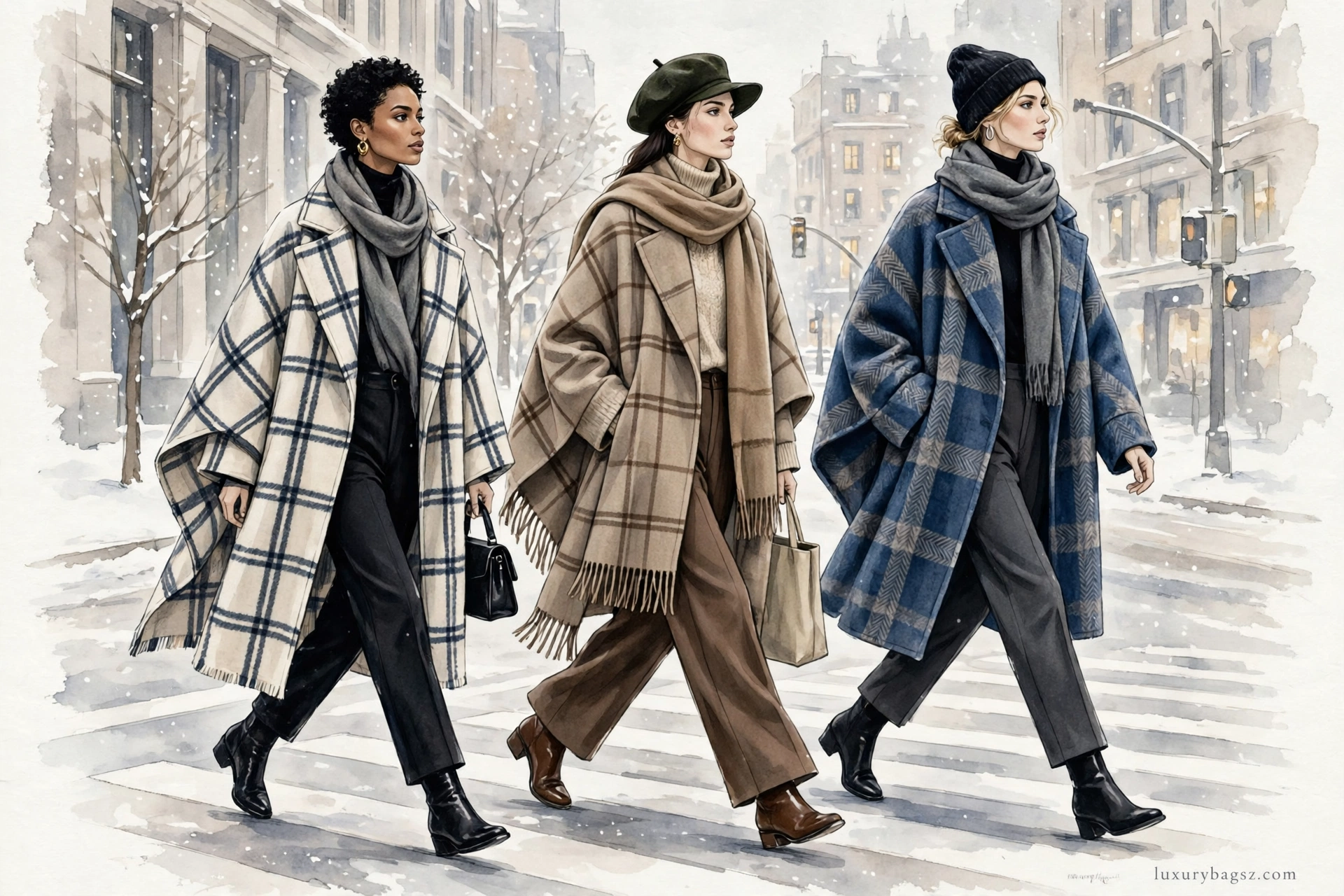
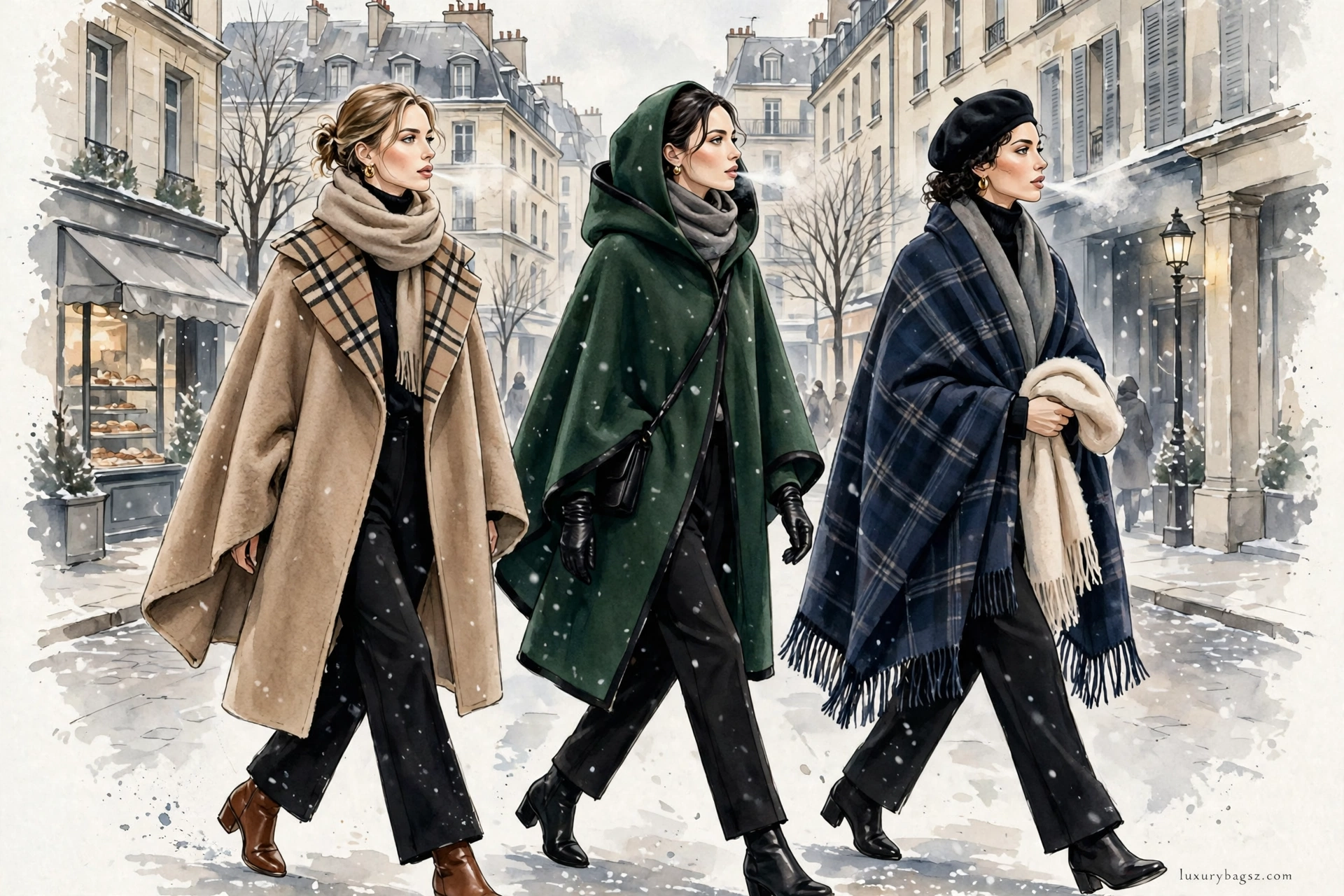
Long coats still work when worn open over a high waistline, because the open front keeps the thirds visible.
The tuck is a tool, not a rule. A full tuck shows the waistline best; a front-only tuck gives the same signal with a softer finish.
Belts should be slim — roughly 2 to 3 cm — so the belt marks the waist without cutting the torso in half visually.
Colour blocking can build the thirds for you: a darker bottom and lighter top in a two-to-one split does the proportion work automatically.
A V neckline is a vertical line you wear: it lengthens the torso visually on petite frames more than any print can.
Lengths That Matter: Inseams, Skirts and Dresses
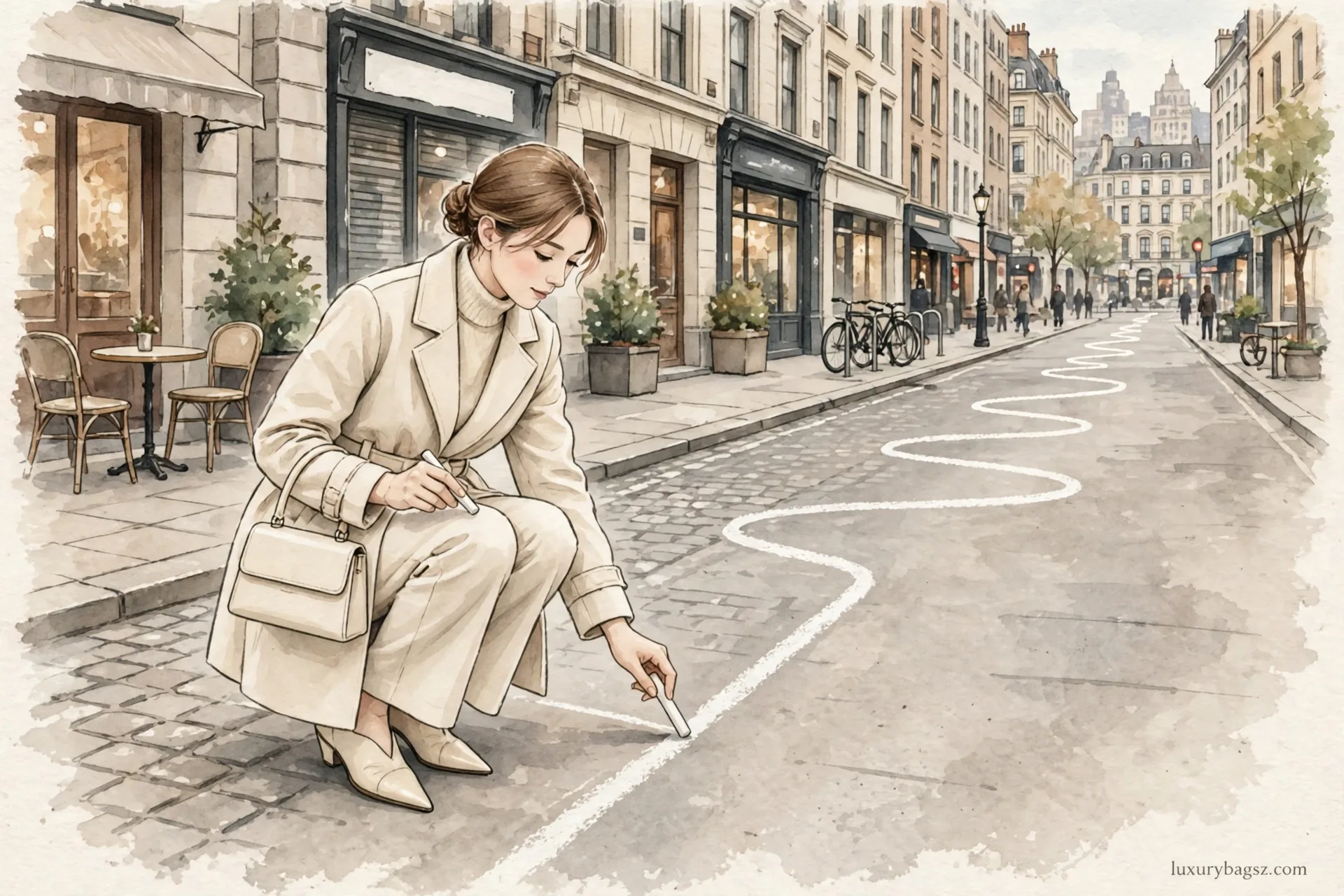
Petite trouser inseams usually run from about 25 inches cropped to 30 inches full length. Measure your own inside leg and shop by the number.
Petite midi dresses end around the calf as intended, roughly 40 to 44 inches from the shoulder. Standard midis often land at the ankle on petite frames.
Mini and knee lengths are safe in standard ranges, since a little extra length rarely harms them. Maxi dresses almost always need the petite cut or a hem.
Skirt guidance by cut and length sits in our designer skirts guide; read its lengths against the petite numbers here.
Dress lengths from the shoulder are the reliable measure, because petite bodices are shorter: a standard knee dress may measure longer overall on you.
For trousers, rise is as petite-specific as inseam. A high rise cut for standard frames can reach the ribcage on a short torso.
Culottes and wide legs work in petite cuts when the hem clears the floor and the waist sits high; in standard cuts they usually swamp.
Tops, Jackets and Sleeves in Proportion
Cropped and waist-length jackets are the petite default. They finish where your legs begin, which is the whole point.
Sleeves should end at the wrist bone. Push long sleeves up if you must, but plan a cheap sleeve shortening on any jacket you love.
Shoulder seams matter even more on small frames: a dropped shoulder reads as borrowed clothing, not relaxed styling.
The jacket shapes in our best jacket for your body type guide apply directly — just read every length one step shorter.
Necklines sit higher on petite torsos in standard tops, so a scoop can arrive as a crew. Check the depth against your own frame, not the model photo.
Cardigans should end at the waist or hip bone. The long boyfriend cardigan in a standard cut is the piece that most often swamps petite dressers.
Buttons and pockets are placed for a longer torso in standard garments; a chest pocket landing at the waist is the tell-tale sign.
Shoulder pads, when used, should be minimal and neat; heavy padding tips a small frame into costume territory.

Prints, Bags and Jewellery at Petite Scale
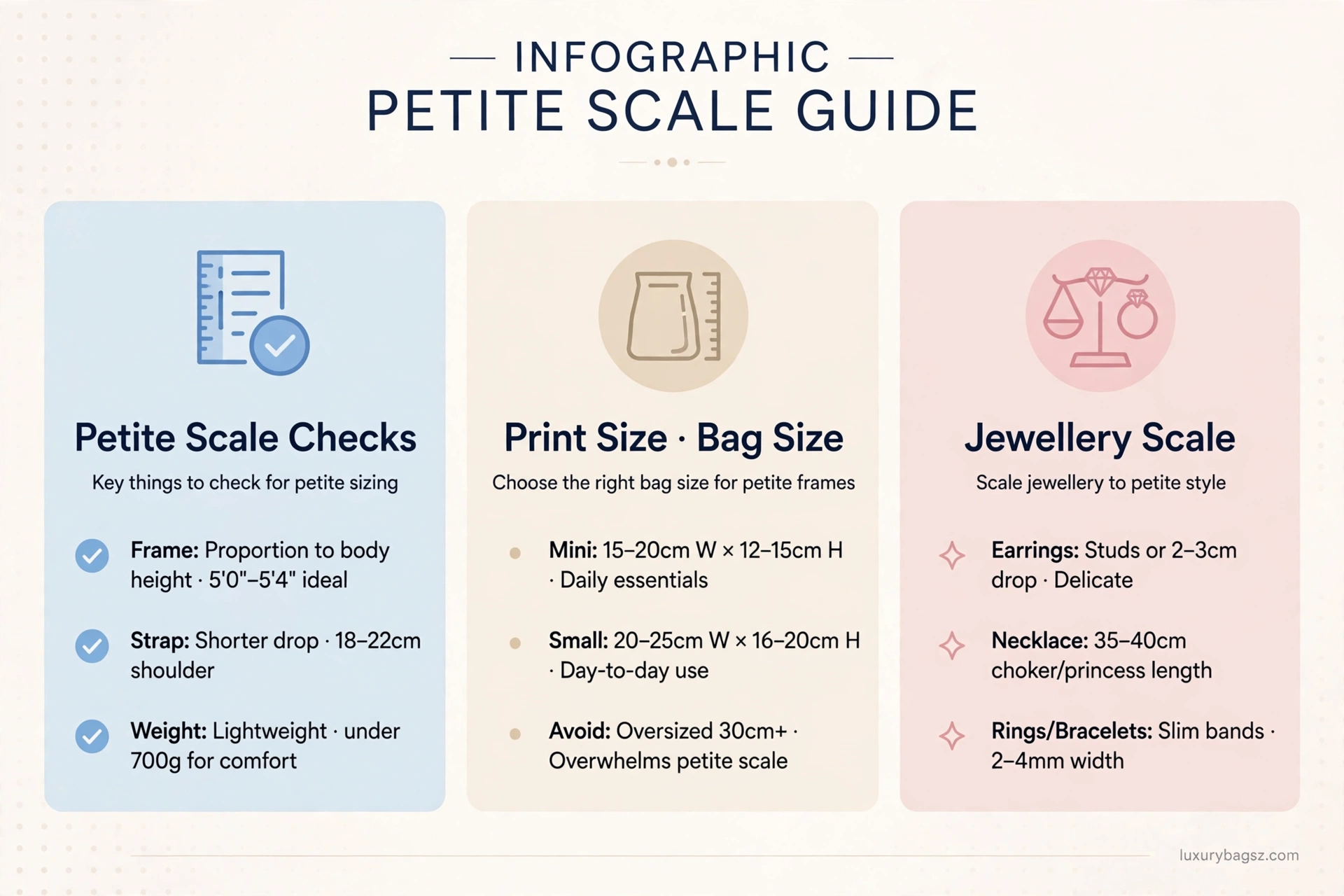
Small to medium prints keep their pattern readable on a smaller canvas. Very large prints can look like they are wearing you.
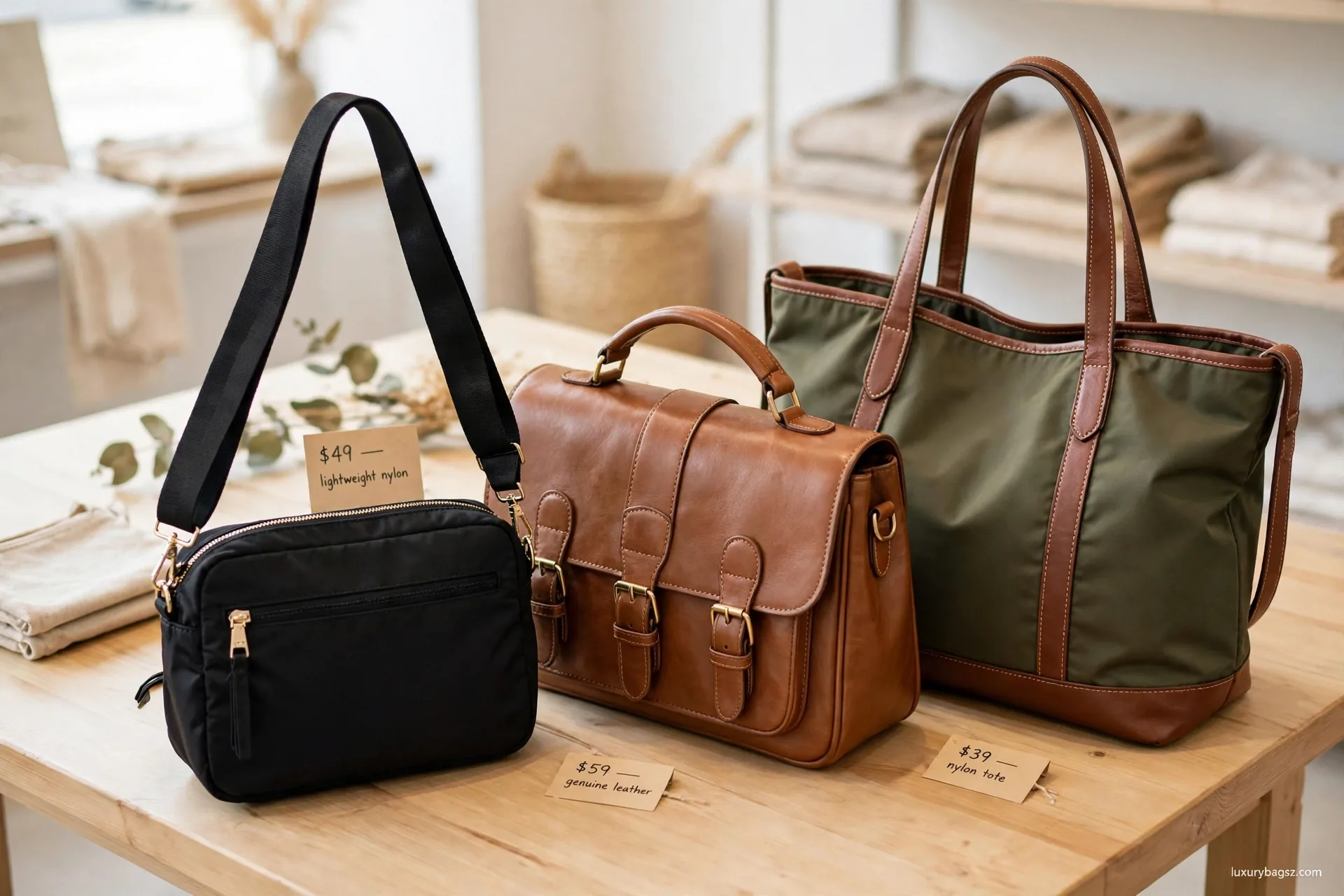
Choose small to medium bags for daily wear. An oversized tote dwarfs a petite frame and throws the whole outfit's balance off.
Jewellery in delicate to medium scale suits most petite dressers, though one bold piece worn alone can still work as a deliberate statement.
Vertical details — long necklaces, open cardigans, centre creases — all feed the lengthening line without any heel at all.
Hair and hats play a part in petite proportion too: volume at the crown adds visual height, while wide brims need a moderate width.
One bold accessory at a time keeps scale in balance. A statement necklace plus a large bag plus wide cuffs compete on a small canvas.
Shoes and the Leg Line
Pointed toes extend the leg visually more than any heel height. Even a flat pointed shoe lengthens the line.
Match shoe colour to trousers or tights for an unbroken leg. A hard contrast at the ankle cuts the line short.
Ankle straps and boots that end mid-calf shorten the leg; nude-tone or tonal footwear softens the break when you wear them.
A modest heel helps with long dresses, but proportion styling does most of the work. Height is optional, not required.
Kitten heels and low block heels give lift with all-day comfort, and suit petite frames that find high stilettos overpowering.
Avoid shoes that cut the leg at its widest: mid-calf boots are the classic offender, especially in a contrasting colour.
Sock and tight colours count as shoe colour for the leg line. Matching tights to shoes lengthens even in flat footwear.
A nude-toned shoe that matches your skin extends the leg almost as well as one matching your trousers.
Shopping: Petite Ranges, Standard Buys and Tailoring
Dedicated petite ranges save alteration costs on trousers, coats and maxi or midi dresses — the garments where proportion is hardest to fake.
Standard ranges are fine for tees, knits, mini skirts and accessories, where cut differences are smallest.
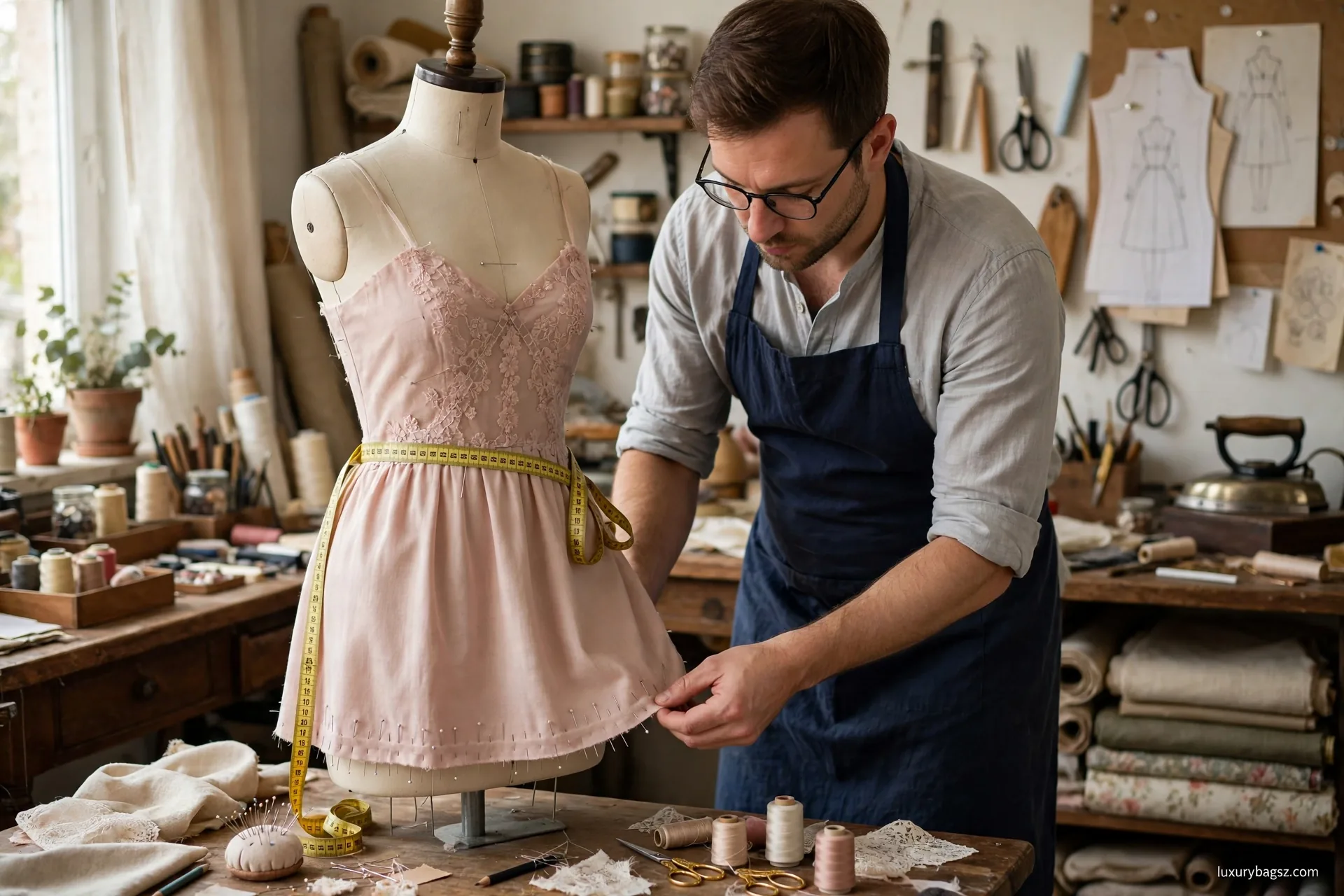
Keep a tailor's number in your phone. Sleeve shortening, strap lifting and waist nips are quick jobs that rescue otherwise perfect finds.
Try petite and standard versions of the same item when both exist. The difference at the rise and waist is often obvious in seconds.
Alteration costs stay modest for hems and sleeves, but moving a waistline or shoulder is major surgery. Buy those two points right and alter the rest.
Keep a note of your best measurements — inseam, rise, sleeve, shoulder — in your phone. Shopping becomes a comparison, not a guess.
Second-hand petite tailoring is a quiet bargain: petite ranges are smaller, so resale choice is thinner but prices are often kinder.
Sign up for petite range alerts at two or three labels you trust: petite runs sell through in common sizes first.
Common Petite Mistakes to Skip
Drowning in volume: oversized everything at once removes all proportion. Keep one voluminous piece per outfit at most.
Skipping the waist: long tops over long bottoms with no marked waist is the fastest way to look shorter than you are.
Buying maxi lengths unaltered. A hem dragging below the intended point cheapens the whole dress and trips you on stairs.
Assuming petite means childish styles. The petite cut is a fit category; the styling can be as sharp and grown-up as you like.
Following petite creators who share your height is worth more than general trend advice: you see the garment at your scale before spending.
Remember the point of it all: clothes that fit your frame let people see your style first and your height second, which is the correct order.
Sort your wardrobe by proportion rather than category for a month: the pieces you reach for will teach you your own rules.
Frequently Asked Questions
What height counts as petite in fashion?
Most brands cut petite for women around 5ft 4in (163 cm) and under. It is about frame proportions, so some women slightly above that height still fit petite cuts better in the torso.
Are petite sizes just smaller sizes?
No. Petite is a different cut — shorter rise, torso, sleeve and length — offered across the full size range. A petite 12 is not a standard 10.
What inseam should petite trousers be?
Typically 25 to 30 inches depending on style: cropped near 25, ankle near 26 to 27, and full length near 28 to 30. Measure your inside leg and compare.
Can petite women wear maxi dresses?
Yes, in a petite cut or hemmed to finish at the ankle bone. A standard maxi worn unaltered usually pools on the floor and overwhelms the frame.
Do petite women have to wear heels?
No. High waistlines, pointed flats, tonal dressing and cropped jackets lengthen the look without any heel. Heels are an option, not a rule.
What prints suit petite frames best?
Small to medium prints, and vertical patterns. Very large, bold prints can dominate a smaller frame unless the garment is otherwise very simple.
Are long coats okay for petites?
Yes, worn open over a high, defined waist, ideally in a slim cut. Closed, bulky long coats are the version that swamps smaller frames.
Where do standard clothes fail petites most?
At the rise of trousers, the waist placement of dresses, and sleeve length on jackets. Those three points are what petite patterns actually change.
Should petite bags be small?
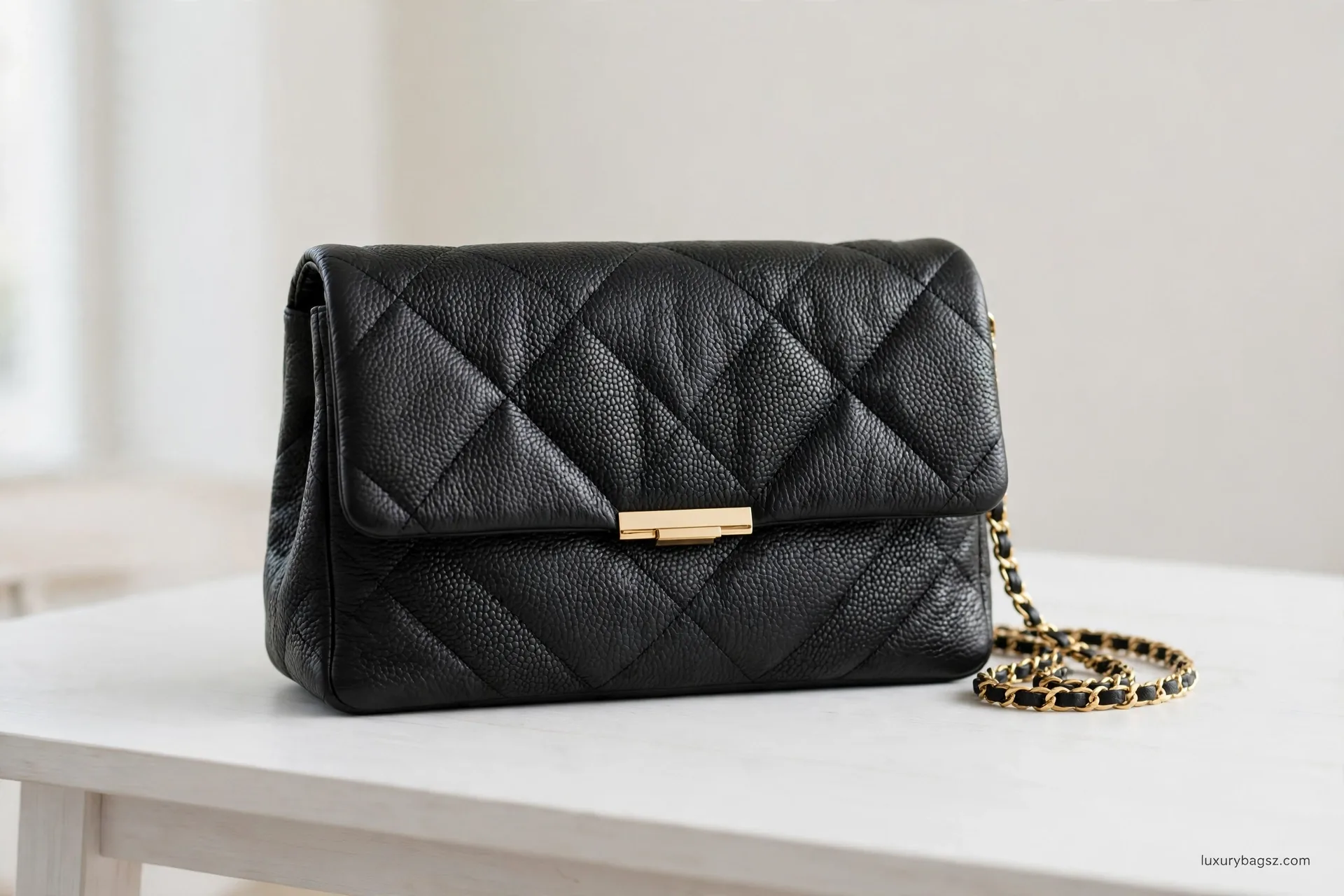
Small to medium suits daily proportions best. A structured medium bag keeps the polish of a larger tote without dwarfing your frame.
Is tailoring worth it for petite shoppers?
Almost always. Hemming, sleeve shortening and waist adjustments are inexpensive, and they convert standard-range finds into clothes that look cut for you.
Conclusion: Fit the Frame, Keep the Style
Shop by proportion: petite cuts where rise and waist matter, standard cuts where they do not, and a tailor for everything in between.
Keep your waist placed high, your scale in check and your lines unbroken, and height stops being the thing anyone notices about your outfits.