What Is Hermès Petit H? The Upcycled Collection of One-Off Objects
Creation, Run in Reverse
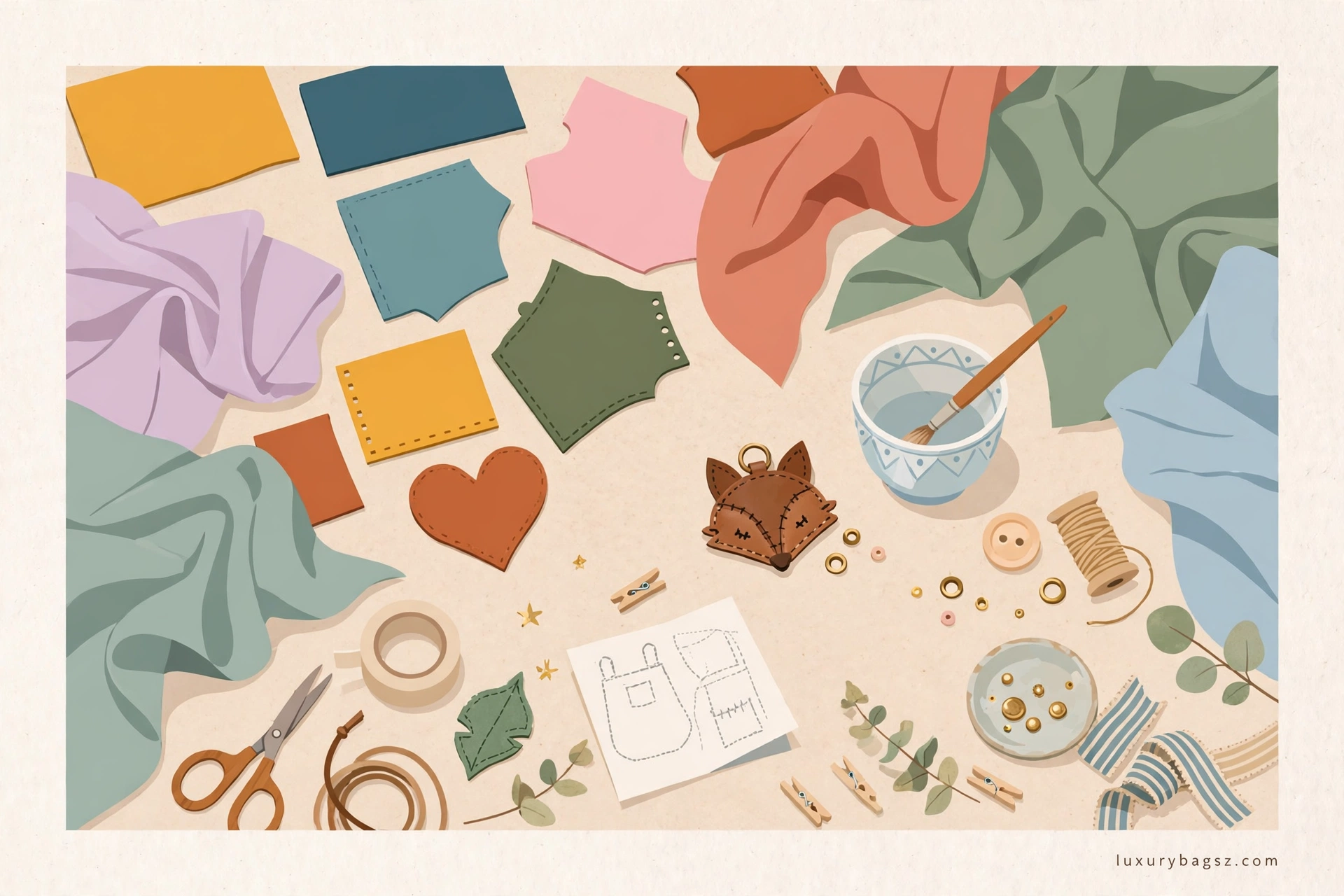
Petit h hermes is the house's most unusual workshop: instead of designing an object and sourcing materials, its artisans start from leftover materials — leather offcuts, silk remnants, crystal and porcelain — and invent the object the material suggests.
Hermès calls this reverse creation. The result is a stream of one-off or tiny-run objects: charms, doorstops, small furniture, decorative curiosities, each made to full house standards of craft.
Nothing at petit h is quite repeatable, and that is the point. This guide explains how it works, what it makes and how you can actually buy a piece.
Key Takeaways
- Petit h gives dormant Hermès materials a second life: leather scraps, silk remnants, crystal and porcelain.
- Its method is reverse creation: start from the material, not from a sketch or a brief.
- Designers, artists and artisans collaborate, so pieces mix whimsy with six generations of house savoir-faire.
- Output ranges from small charms and accessories to furniture and decorative objects, often unique pieces.
- Sales happen through travelling, ephemeral stopovers and the petit h area of the official site.
- Prices span widely because every piece differs; small objects start the range, furniture ends it.
The Idea: Start from the Material
In a normal workshop, a design comes first and materials are ordered to fit. At petit h the order is reversed, and Hermès says so plainly: creation begins from the material itself.
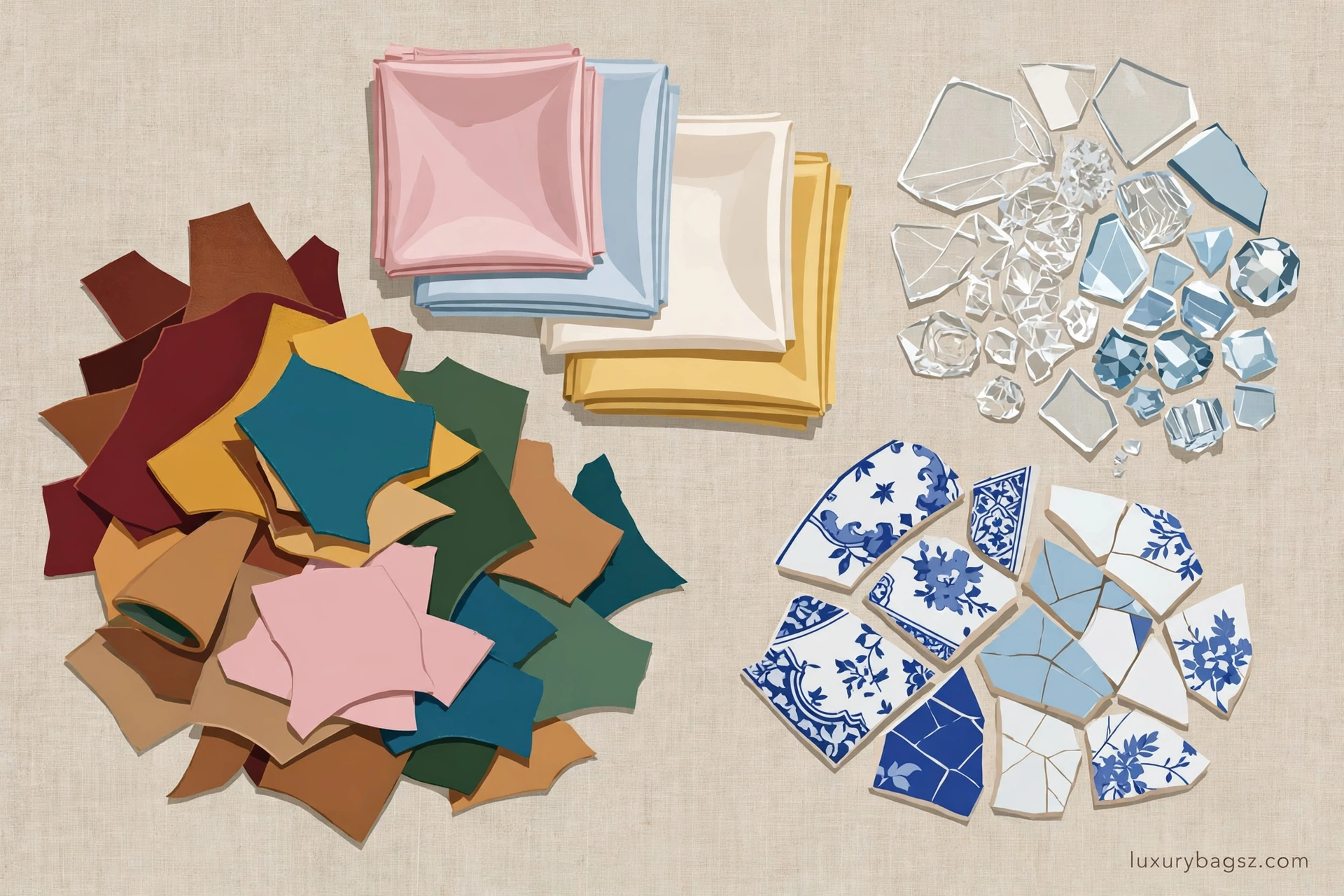
The workshop collects what the other métiers cannot use: leather offcuts too small for bags, silk remnants, crystal and porcelain pieces left over from production.
From those fragments, ideas are proposed in the workshop like a laboratory. A stirrup might be wrapped; silk might be woven into something structural; a crystal piece might become a paperweight with a past.
Upcycling, the Hermès Way
Plenty of brands upcycle; petit h differs in who does it and to what standard. The freedom of tone is backed by artisanal skill passed down through six generations at the house.
That means a playful object is still finished like a Hermès object: edges dressed, stitching exact, materials honoured rather than disguised. The humour sits on top of serious craft.
For the wider fashion context, see our piece on why upcycling clothes is taking off; petit h is the luxury proof that the idea reaches the very top.
What Petit H Makes
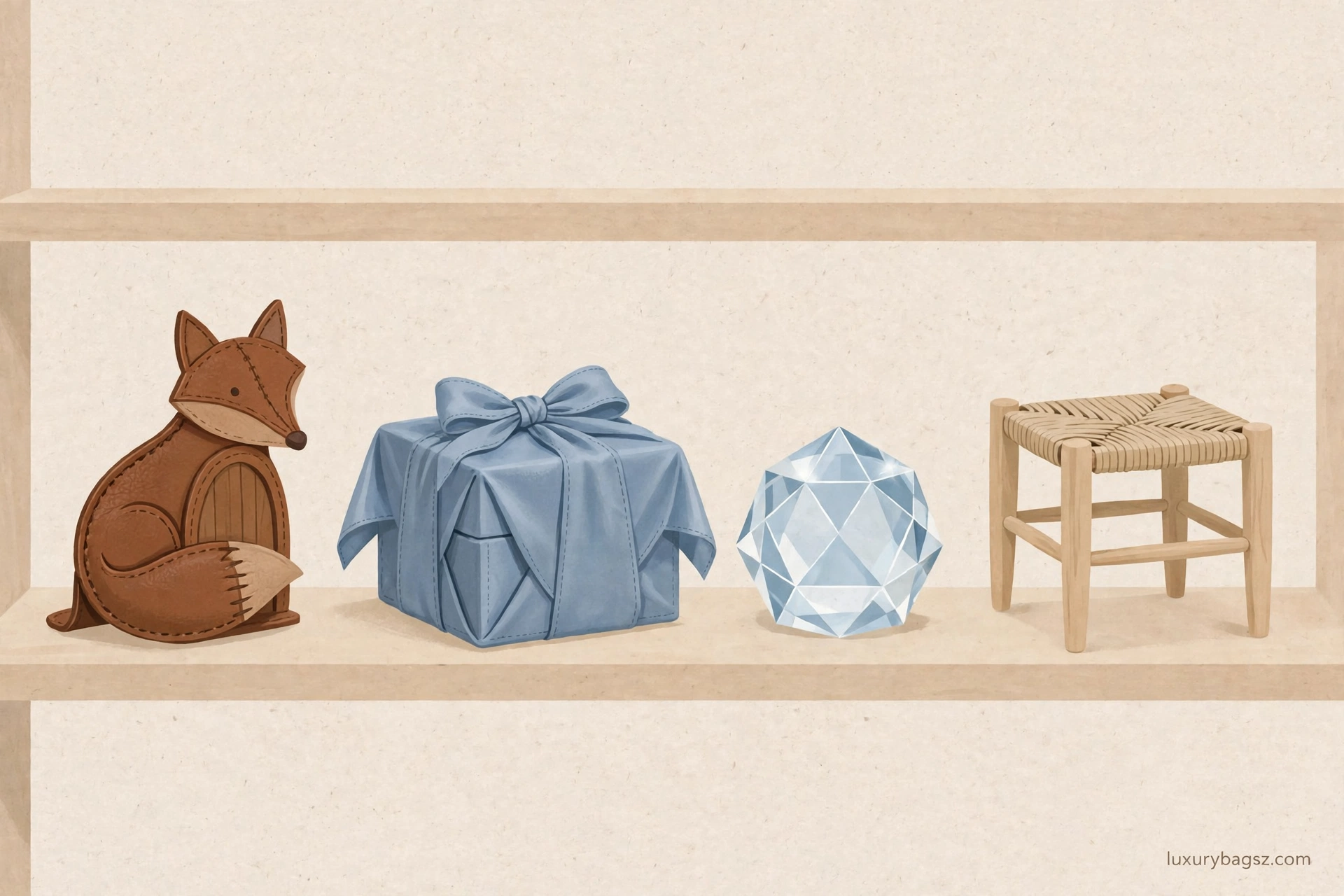
The catalogue is a cabinet of curiosities: fashion accessories, bag charms, small leather animals, doorstops, boxes, small furniture and decorative objects that defy categories.
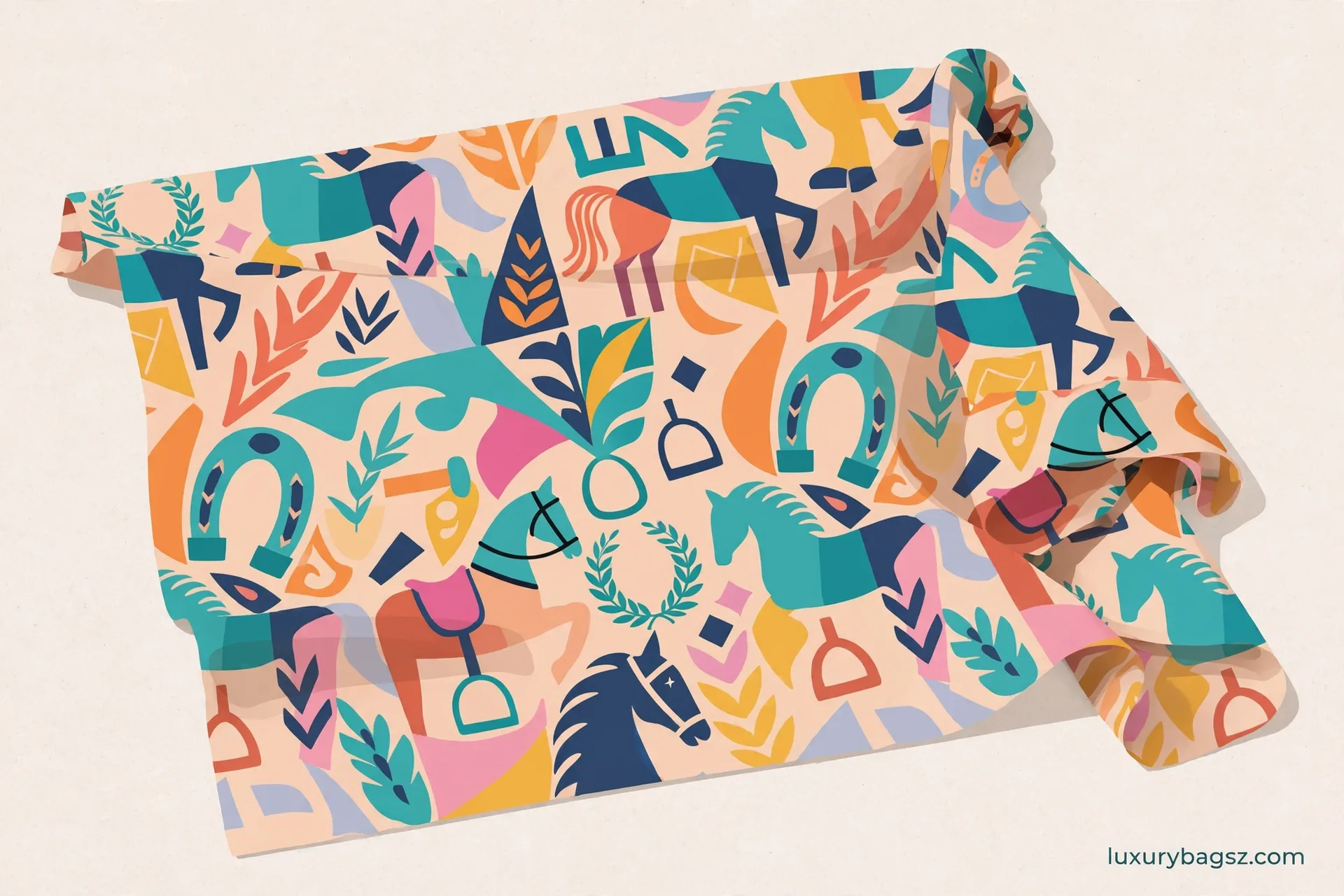
Equestrian DNA runs through it, as you would expect from a house whose story starts in our Hermès saddle guide: stirrups, straps and bridle leather reappear in new roles.
Pieces are often unique or made in tiny numbers, shaped by the size and character of the fragment they began from. When a material runs out, the design ends with it.
Reverse Creation, Step by Step
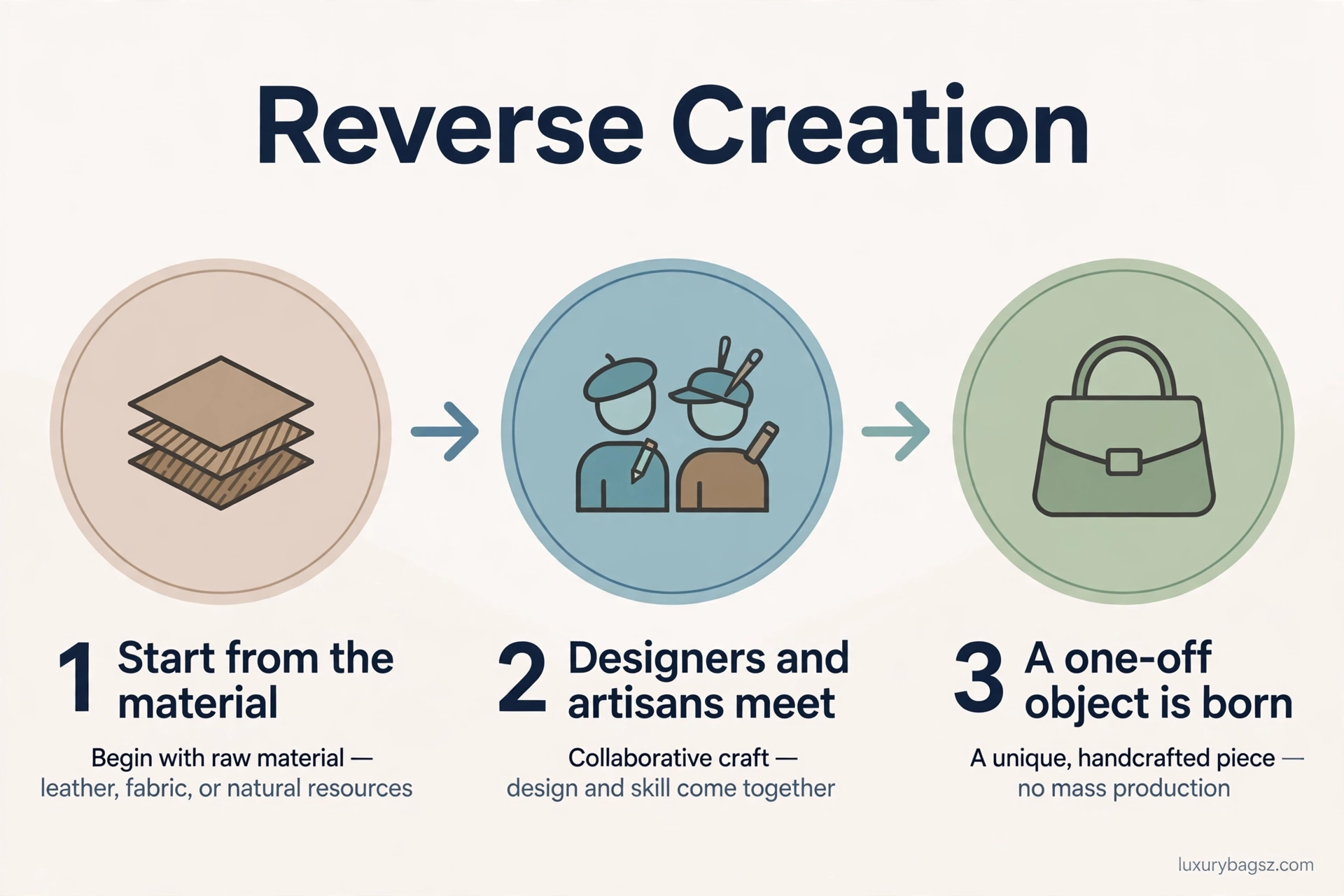
First, materials arrive from the house's workshops and are sorted by the petit h team: leathers by colour and weight, silks by pattern, hard materials by form.
Next, designers and guest artists meet the artisans. Ideas are sketched around a specific pile of fragments, not around an abstract product plan, and prototypes follow quickly.
Finally, the piece is made and finished by hand. Because the starting material differs each time, even a repeated idea emerges as a variation rather than a copy.
The People Behind It
Petit h is structured as a meeting point: house artisans provide the technique, while invited designers and artists bring outside eyes and a licence to be strange.
That collaboration explains the tone. Objects are poetic and sometimes funny, yet never slapdash; the artisan's hand remains, as Hermès puts it, the pivot of the adventure.
Guest involvement also means the range changes character over time. Two stopovers a few years apart can feel like different shops that share a philosophy.
The workshop sits inside the house rather than outside its rules. Pieces carry the same finishing scrutiny as mainline objects, which is why collectors treat petit h as Hermès proper, not as a diffusion line.
How and Where to Buy
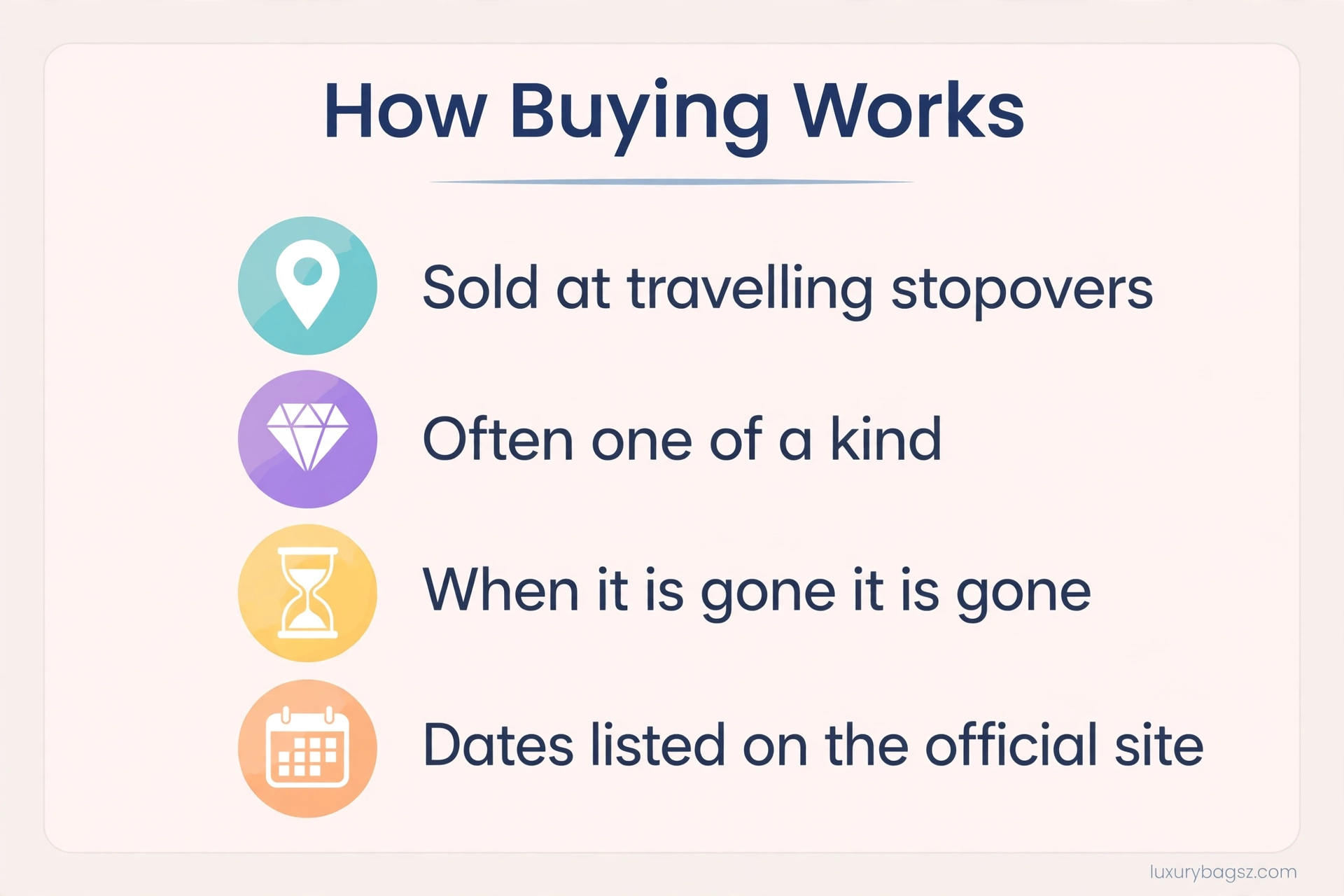
Petit h is sold as an event. Hermès stages each sale as an ephemeral, staged stopover: a temporary installation in a city, designed as total immersion in the workshop's spirit.
A selection also appears through the petit h area of the official website, where pieces are listed with their materials and stories while stock lasts.
Because pieces are one-offs, there is no waiting list logic and no re-order button. If a piece speaks to you at a stopover, that is usually your only chance.
What Petit H Costs
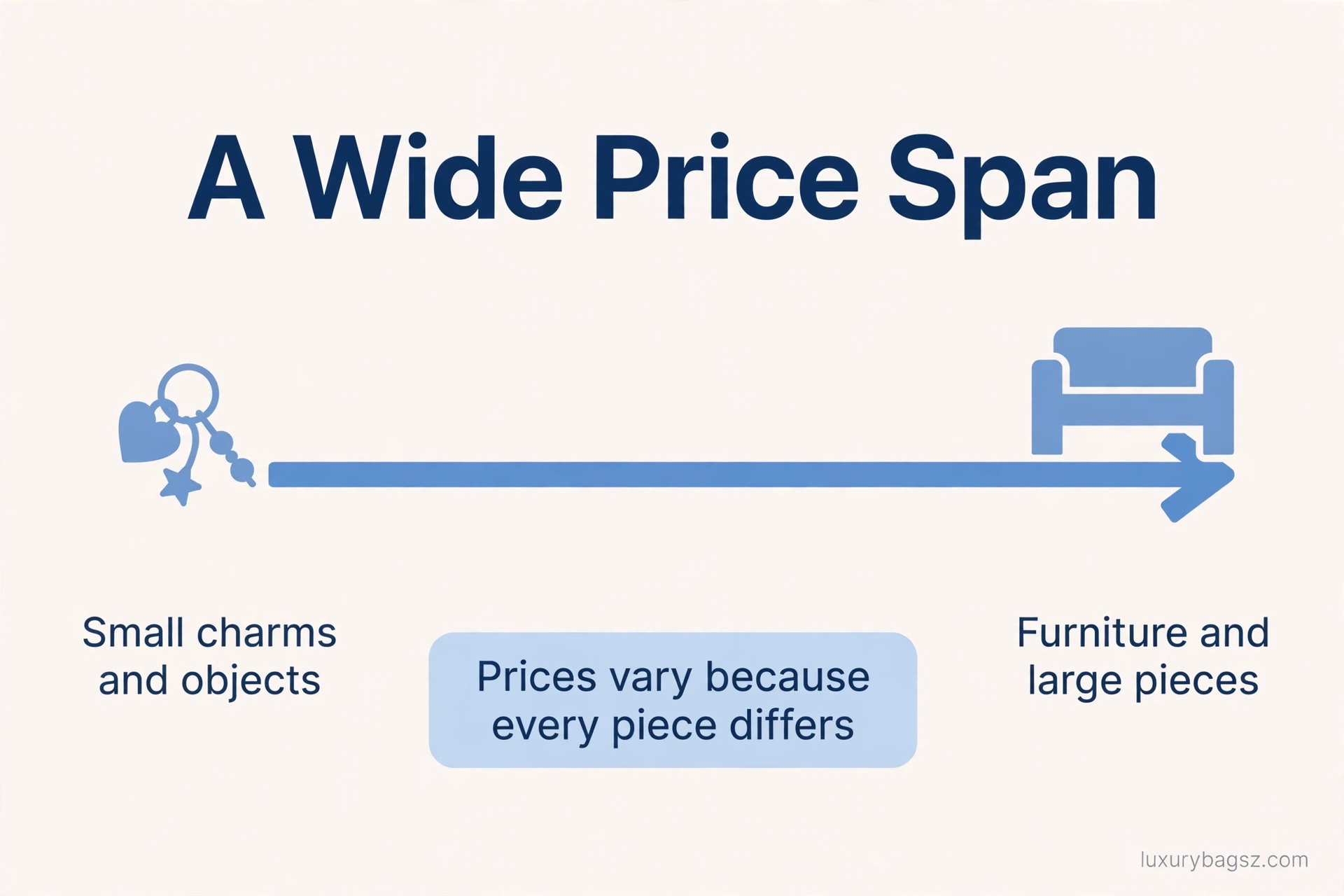
Pricing follows the object, not a formula: a small charm built from a silk remnant sits at the accessible end, while furniture and large one-off pieces command serious money.
Expect the span to feel wide because it is. You are paying for artisan time and uniqueness more than for material, which was, after all, already paid for once.
Resale exists but is thin, precisely because owners buy petit h pieces for love. Provenance — the stopover, the story, the materials note — is part of what you keep.
Collectors have noticed. Distinctive petit h pieces increasingly appear in design coverage and at design-led resale, framed less as accessories and more as small works with a famous workshop behind them.
That framing suits the objects. A petit h piece on a shelf starts conversations the way art does, because its recipe — material, artisan, one decision — can never be run again.
Why Petit H Matters to Hermès
Petit h protects the house's material conscience. Offcuts from the most wasteful end of luxury are shown a second life instead of a quiet disposal.
It also protects the craft itself: artisans practise invention, not just repetition, and young makers learn to think from material outward, as the founders did.
Set against the long arc in our history of Hermès, petit h looks less like a side project and more like the workshop remembering how it began.
Frequently Asked Questions
What does petit h mean?
Little h: the small sibling of the house. The name signals a playful, small-scale workshop within Hermès rather than a separate brand.
Is petit h made from real Hermès materials?
Yes. Hermès describes giving a second life to the house's dormant materials: leather scraps, silk remnants, crystal and porcelain from its own production.
Are petit h pieces one of a kind?
Many are unique, and the rest are made in very small numbers limited by the available material. Exact repeats are not the model.
Where can I buy petit h?
At travelling petit h stopovers staged by Hermès in different cities, and through the petit h area of the official website while pieces last.
How much do petit h pieces cost?
The span is wide: small charms and objects at the lower end, furniture and large one-offs at the top. Each price reflects the piece and its making time.
Is petit h sustainable?
It is upcycling at the highest craft level: existing luxury materials are reused rather than discarded. It is not mass sustainability, but it is a genuine second-life system.
Who designs petit h objects?
House artisans working with invited designers and artists. The collaboration between outside ideas and in-house savoir-faire defines the range's character.
Does petit h make bags?
Occasionally small accessories and one-off pieces appear, but petit h is not a bag line. Expect objects, charms, furniture and curiosities instead.
Can I commission a petit h piece?
No. The model is the opposite of commission: the material decides. You choose from what the workshop has imagined, at the stopover or online.
Do petit h pieces hold value?
Thin resale makes values unpredictable. Buy for the object and its story; documented provenance from a stopover helps if you ever sell.
Summary
Petit h is Hermès thinking backwards on purpose: material first, object second, and a one-off result that no production line could repeat.
Catch a stopover if you can. It is the most joyful corner of the house, and the most honest about where luxury materials go.