Met Gala Looks and Themes: A History of Fashion’s Biggest Night
The Met Gala in Brief: A Fundraiser That Became a Fashion Final
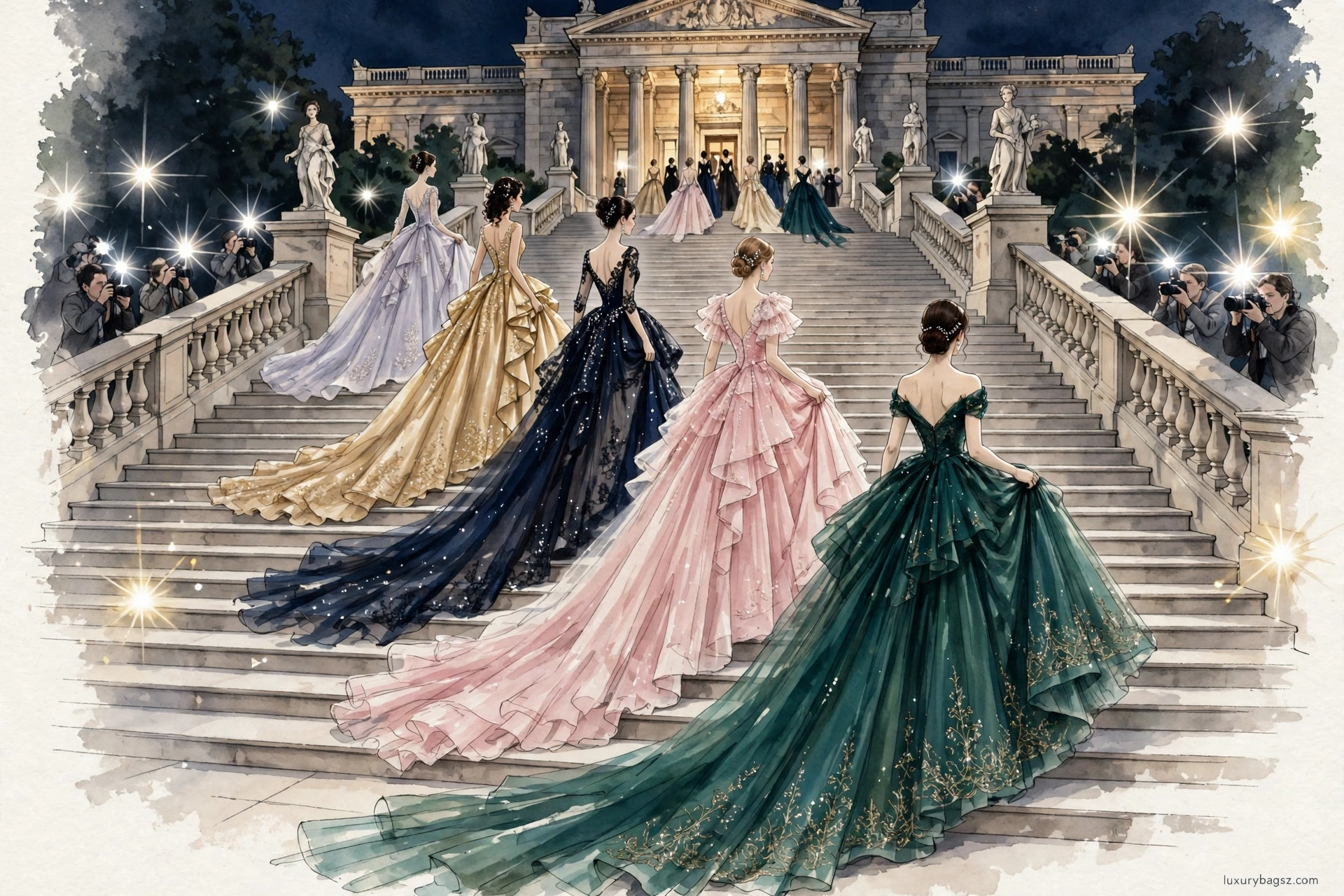
The Met Gala is the Costume Institute's annual fundraiser at the Metropolitan Museum of Art in New York, held on the first Monday in May, where each year's exhibition theme becomes a dress code for the most photographed red carpet in fashion. Its looks are not normal red carpet dressing. Guests are briefed to interpret a theme, designers build one-off pieces for months, and the best outfits read as wearable arguments about the exhibition itself.
Key Takeaways
- The gala began in 1948 as a modest fundraiser and grew into a themed spectacle.
- The theme comes from the Costume Institute exhibition; the dress code interprets it.
- Diana Vreeland made themes central in the 1970s; Anna Wintour made the guest list global.
- Heavenly Bodies, Camp, Punk and the Lagerfeld tribute are landmark modern themes.
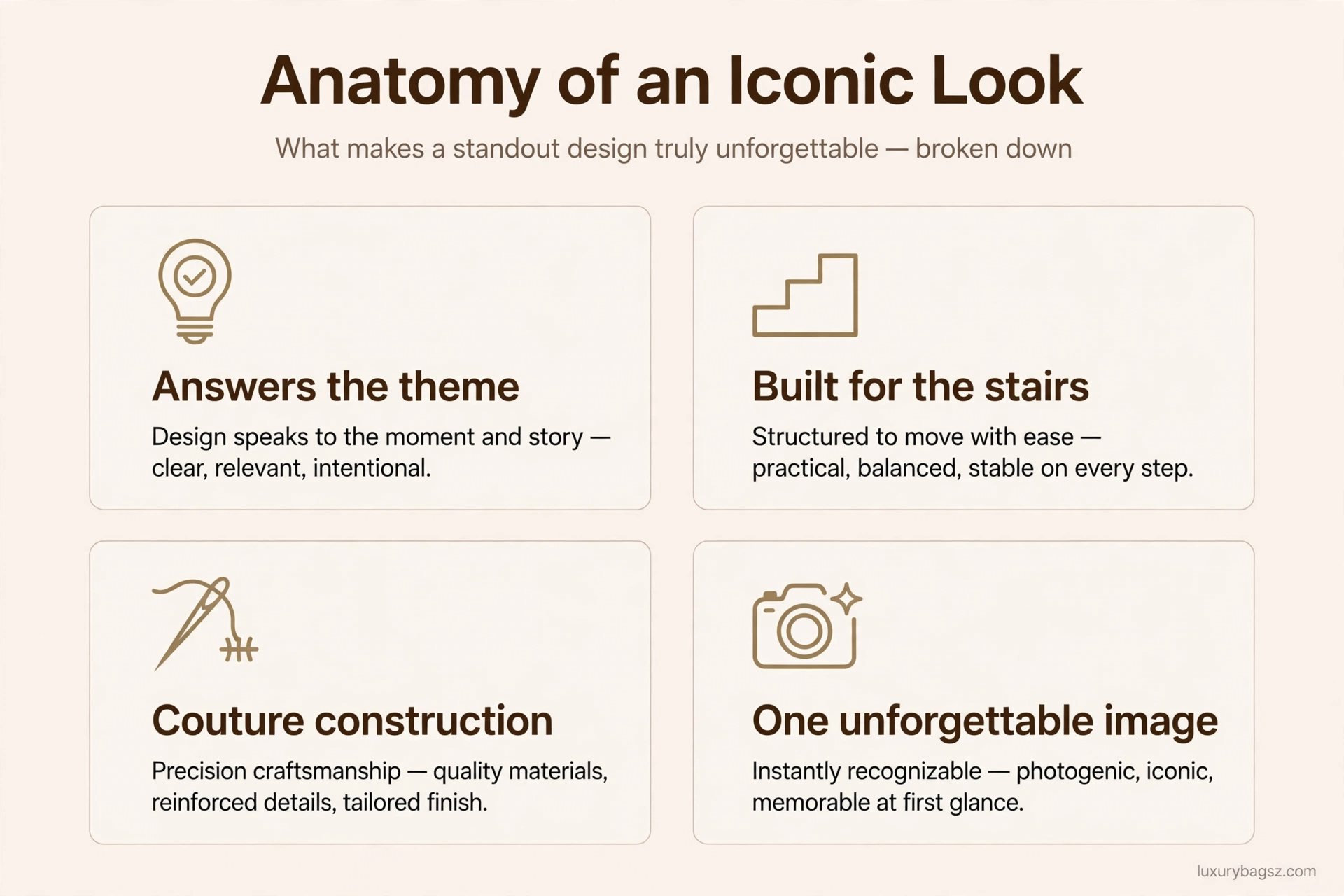
- Iconic looks succeed by answering the theme, not merely by being dramatic.
- The staircase is the stage: trains, capes and volume are built for those steps.
What the Met Gala Actually Is
The gala raises money for the Costume Institute, the Met's fashion department, which must fund itself. The party opens the institute's spring exhibition each year. Unlike fashion week shows, nothing here is for sale on the night. Our fashion week trend reports cover the selling season; the gala is fashion as exhibition and theatre. Guests are invited, and designers often host tables, dressing the celebrities and figures who will carry their interpretation of the theme up the stairs. That structure explains the looks: each outfit is a collaboration between a famous wearer, a design house and a brief that most red carpets never set.
From 1948 Dinners to Themed Spectacle
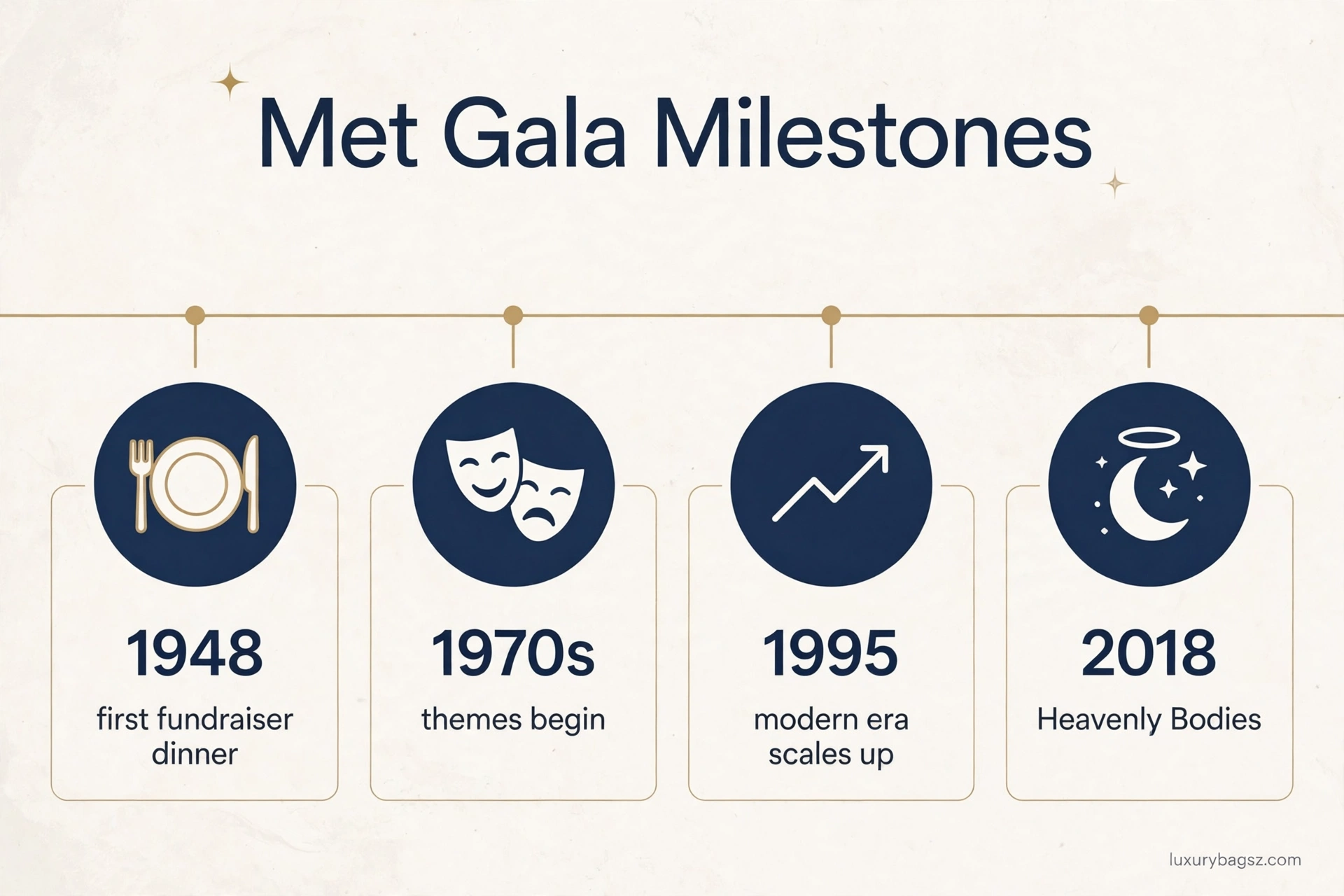
The first gala in 1948 was a midnight dinner organised by fashion publicist Eleanor Lambert to fund the new Costume Institute, a modest society event by today's measure. The transformation began in the 1970s under Diana Vreeland, the former Vogue editor who became the institute's special consultant and built exhibitions around bold themes. Themes turned the party into an idea. Guests stopped wearing simply their best dress and started dressing towards a subject, from royal style to the world of a single designer. From the mid-1990s, Anna Wintour's chairmanship scaled everything up: earlier dates in May, a global celebrity guest list and a red carpet broadcast to the world.
How the Night Works: Theme, Code and Stairs
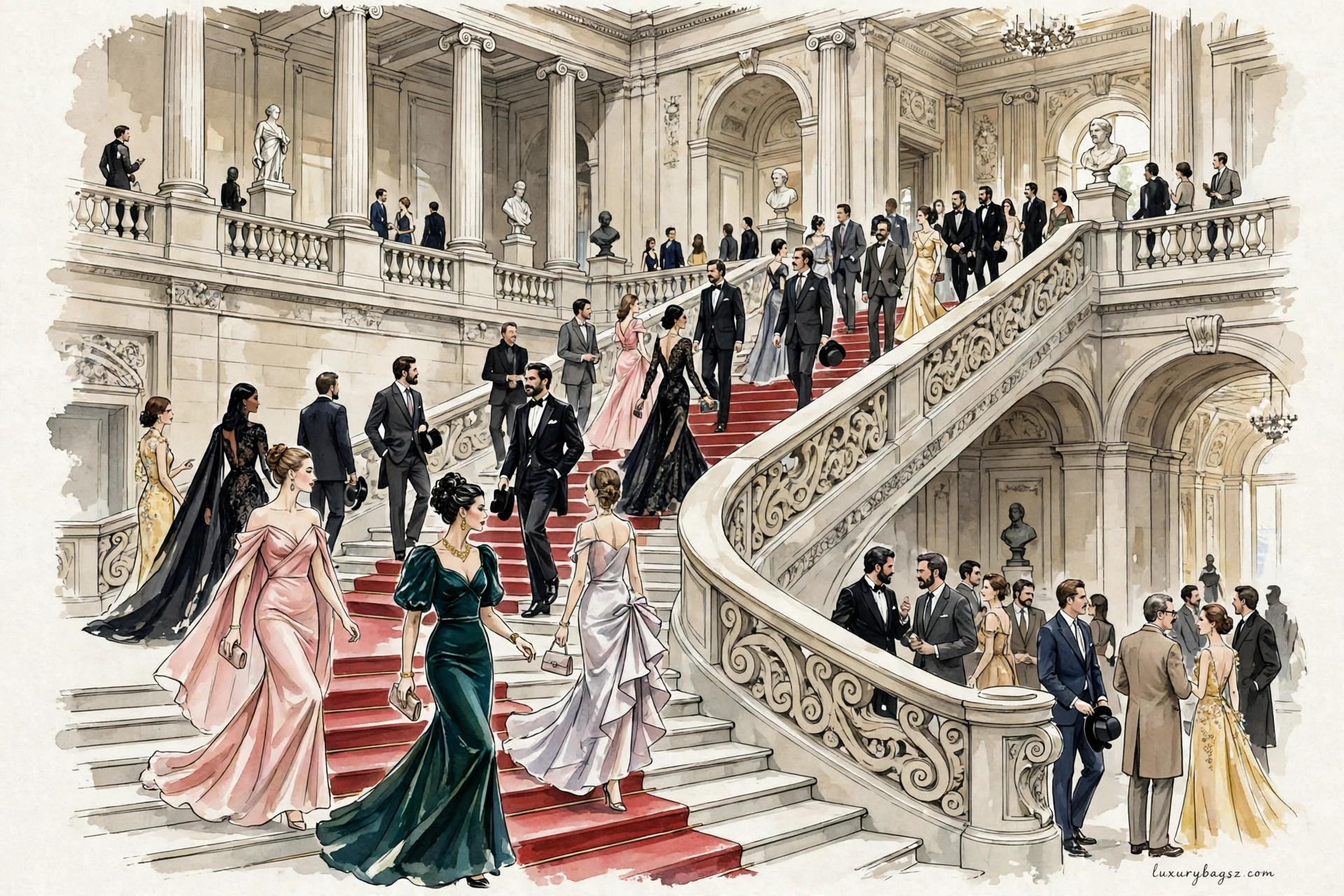
The museum announces an exhibition title, and the gala's dress code translates it for guests. The two are linked but not identical, which is where many outfits succeed or fail. Guests arrive on the Met's steps, the famous staircase photographs, then view the exhibition and sit for dinner inside. The public never sees beyond the stairs. That staircase shapes the fashion. Trains pool on steps, capes read from below, and sculptural shapes hold their outline against one of the world's most recognisable backdrops. Looks designed without the stairs in mind often fall flat, however costly. The building is a co-author of every successful Met Gala outfit.
Landmark Themes of the Modern Era
Punk in 2013 gave guests permission for spikes, tartan and torn glamour, and produced one of the most energetically dressed nights of the modern gala. China: Through the Looking Glass in 2015 paired a vast exhibition with richly embroidered looks, including a vast yellow cape gown that became the year's defining image. Heavenly Bodies in 2018, exploring fashion and Catholic imagery, is widely judged the modern high point: crowns, halos, wings and gilded detail, matched by a serious exhibition. Camp in 2019 asked for deliberate excess, and Karl Lagerfeld: A Line of Beauty in 2023 turned the carpet black, white and pearl-toned in tribute to one designer.
The Looks That Defined Their Years
Rihanna's yellow Guo Pei cape in 2015 is the modern benchmark: a train so large it needed handlers, perfectly on theme and impossible to forget. Cher's feathered Bob Mackie looks of the 1970s set the early template for gala daring, while Princess Diana's 1996 appearance in a navy slip dress by John Galliano for Dior remains the royal reference. Sarah Jessica Parker built a reputation for research, arriving in pieces that answered each theme with scholarly precision, including matching tartan with Alexander McQueen in 2006. Blake Lively's colour-changing Versace gown in 2022, unfurling from copper to blue on the stairs, showed the modern formula at its best: theme, theatre and craft in one gesture.

Dressing to a Theme: How Designers Do It
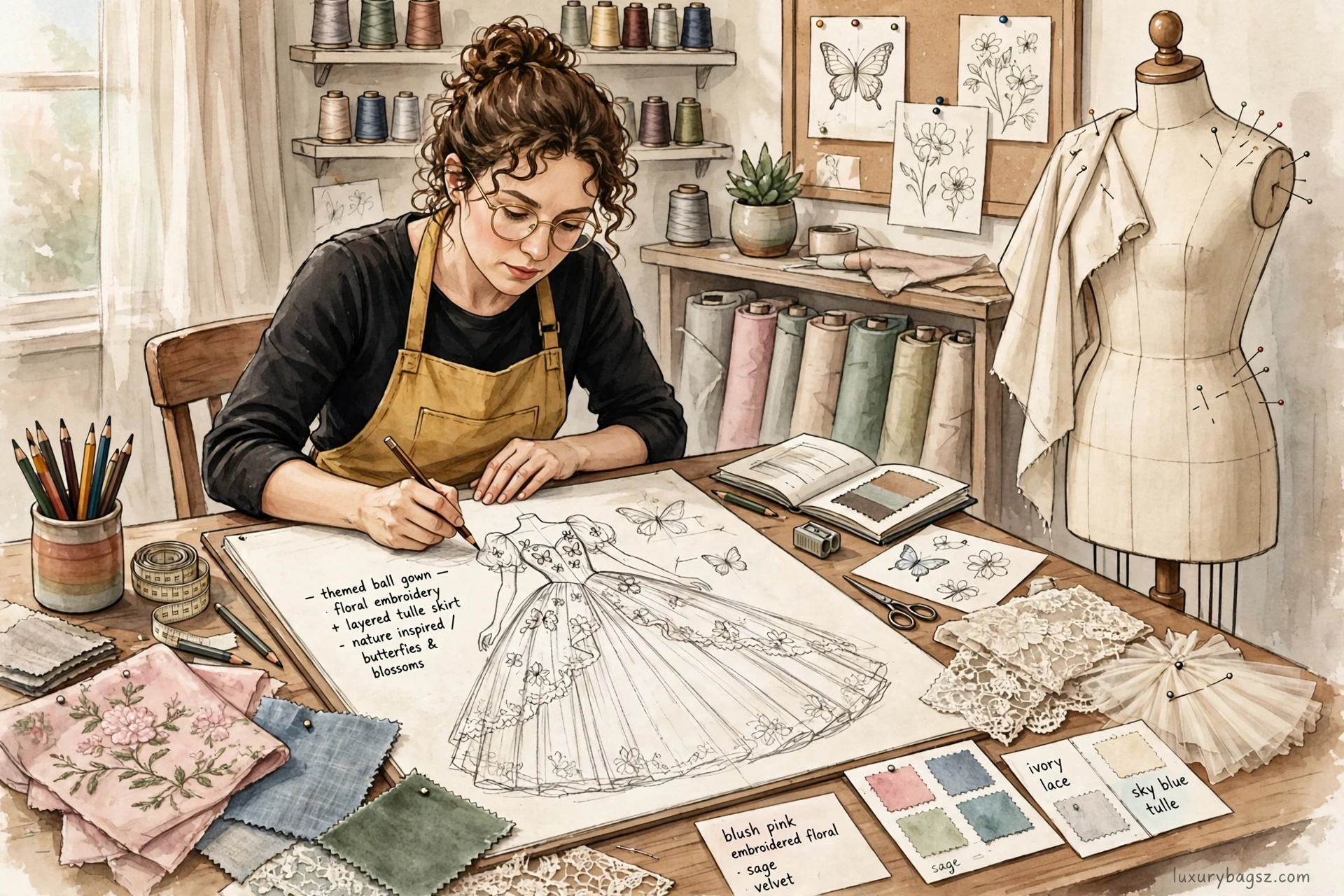
Designers begin with the brief, then the archive. Many landmark looks quote a house's own history, reworked to answer the year's subject in cloth, embroidery or silhouette. Fittings run for months, and the construction is closer to couture than to red carpet hire: internal structures hold the trains, capes and sculptural shapes upright. The best interpretations balance legibility and beauty. A stranger should grasp the theme in seconds, yet the piece should still flatter its wearer in still photographs. Failures teach the same lesson in reverse. Ignoring the theme entirely now reads as a misstep, however fine the gown, because the brief is the whole point of the night.
Bags and Jewels on the Night
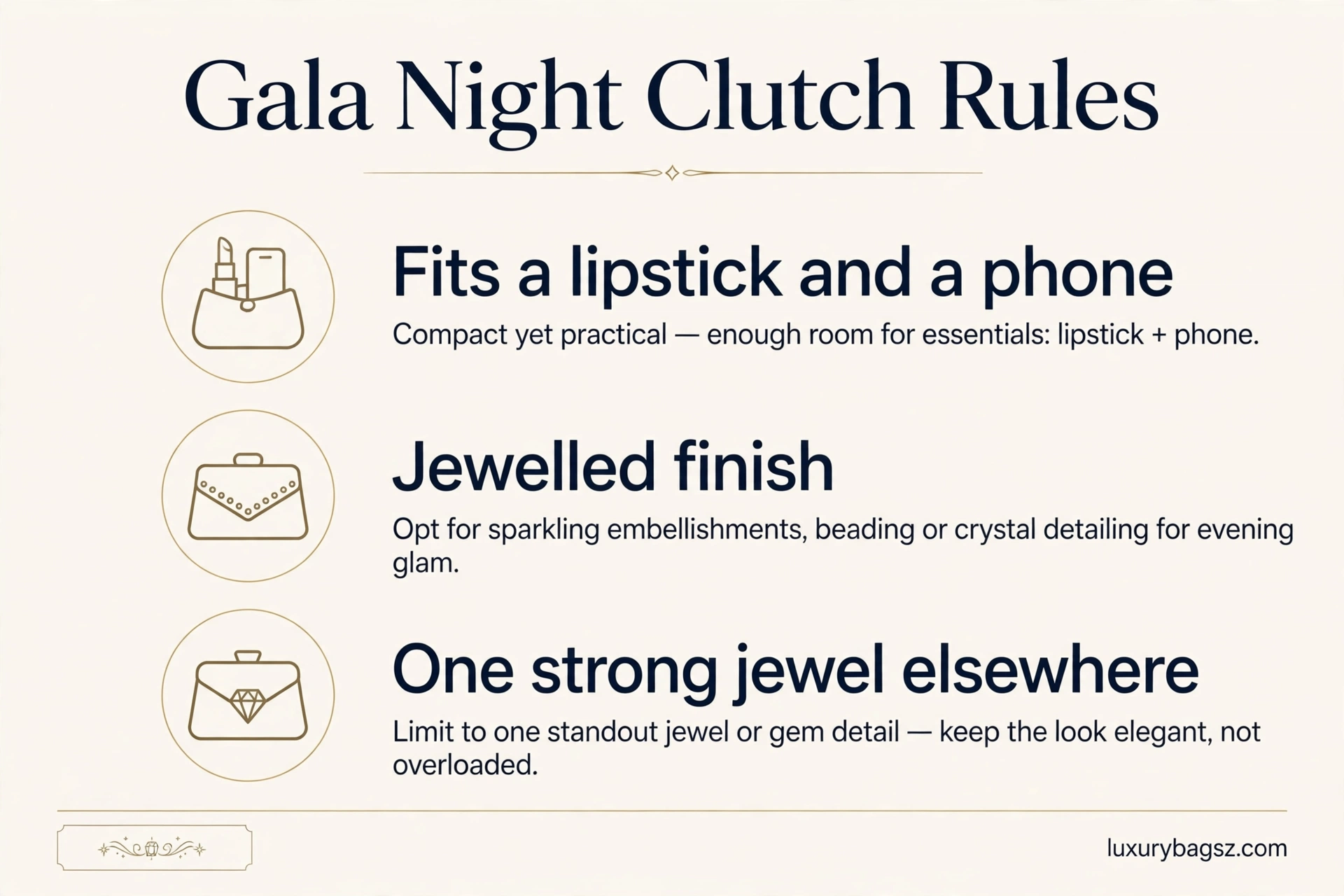
Hands are busy with trains, so bags shrink to the miniature: minaudières, tiny clutches and jewel-box styles that hold little more than a lipstick and a phone, if that. Our guide to designer party bags and the edit of the best party and event bags show the shapes that dominate nights like this. Jewellery carries real weight instead: historic diamonds, tiaras in theme years and archive pieces loaned under guard for a single evening's photographs. For ordinary gala dressing, copy the ratio and not the carats: one small structured clutch, one strong jewel, and nothing that fights the dress for attention.
Watching the Gala Like a Critic
Grade every look against the theme first. Fashion's biggest night is an exam with one question, and the best dressed lists reward the guests who answered it. Then grade the craft: structure, finish and how the piece moves on stairs. A look that only works in one still pose has failed half its job. Note the houses as well as the wearers. Our luxury clutches guide shows how the same small shapes return yearly, re-skinned for each new theme. Finally, remember the purpose beneath the spectacle. The dresses fund an institute that preserves fashion history, which is why this party, alone among red carpets, belongs in a museum.
Frequently Asked Questions
What is the Met Gala?
The annual fundraising gala for the Metropolitan Museum of Art's Costume Institute in New York, opening its spring exhibition. It is held on the first Monday in May.
When did the Met Gala begin?
In 1948, as a midnight dinner organised by Eleanor Lambert to raise funds for the newly formed Costume Institute. Themes became central under Diana Vreeland in the 1970s.
Who chooses the theme?
The Costume Institute sets the exhibition theme, and the gala dress code interprets it for guests. Recent landmark themes include Heavenly Bodies, Camp and the Lagerfeld tribute.
What was the most iconic Met Gala look?
Rihanna's 2015 yellow Guo Pei cape gown is the modern benchmark, famous for its enormous embroidered train. Cher's Mackie looks and Diana's 1996 slip dress lead the earlier eras.
Why do guests wear such extreme outfits?
The brief demands interpretation, not just elegance. Designers build one-off, couture-level pieces for months so guests can answer the theme theatrically on the museum stairs.
Can the public buy tickets?
In practice, no. Attendance is by invitation, with designers and benefactors hosting tables. The public watches the staircase arrivals, which are broadcast and photographed worldwide.
What bags do guests carry at the Met Gala?
Tiny ones: minaudières and miniature clutches, often jewelled, holding almost nothing. Trains and gowns occupy the hands, so the bag becomes a jewel in its own right.
Which theme produced the best dressed night?
Heavenly Bodies in 2018 is the critics' favourite, uniting a major exhibition with crowns, halos and gilded looks that answered the brief beautifully across the guest list.
How is the Met Gala different from fashion week?
Fashion week sells collections to buyers and press. The gala sells nothing on the night; it funds a museum department and opens an exhibition, with fashion as its language.
How should I judge a Met Gala look?
Theme first, craft second, beauty third. A look that answers the brief, is beautifully built and flatters its wearer is the rare complete success the night exists to produce.
Final Verdict: The Brief Is the Beauty
The Met Gala endures because it asks fashion a harder question than any other carpet: not just look wonderful, but say something. The themes give the looks their meaning, the stairs give them their stage, and the best of them become fashion history on the night they are worn.