

Louis Vuitton Crocodile Bag Guide: Exotic Skins, Care and Buying Checks
The Louis Vuitton Crocodile Bag in Brief
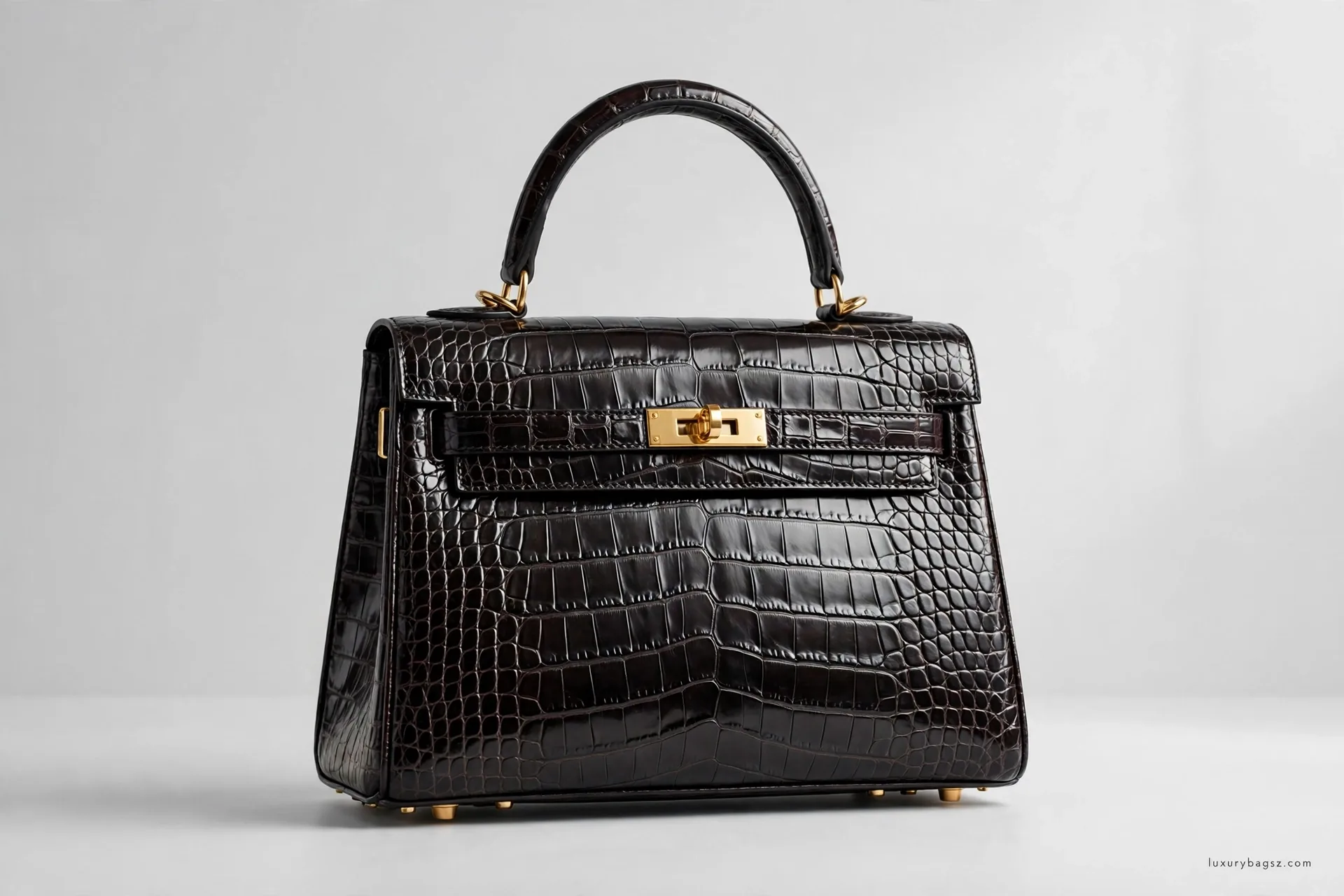
A Louis Vuitton crocodile bag sits at the top of the house range. It pairs familiar shapes with rare skins, skilled finishing and very limited availability.
These bags are usually made to order or released in small numbers. That scarcity, plus the work involved, explains their position above canvas and calfskin versions.
Crocodile is not a casual daily material. It needs gentle handling, careful storage and specialist care, and it rewards that care with a striking finish.
The illustrations in this article are generic AI illustrations. They show the style and scale texture, not photographs of a real Louis Vuitton piece.
Key Takeaways

- Louis Vuitton exotic skins include crocodile, python, lizard, ostrich and mink, with crocodile among the rarest.
- Porosus saltwater crocodile and Niloticus crocodile are the best-known skins used for luxury bags.
- Crocodile versions include the Capucines, Alma BB, City Steamer and Twist in selected sizes.
- Care rules are strict: blot water at once, avoid sunlight and alcohol-based products, and use no ordinary leather creams.
- Authenticity needs a whole-bag check, including scale pattern, stitching, hardware and paperwork.
Why Crocodile Sits at the Top
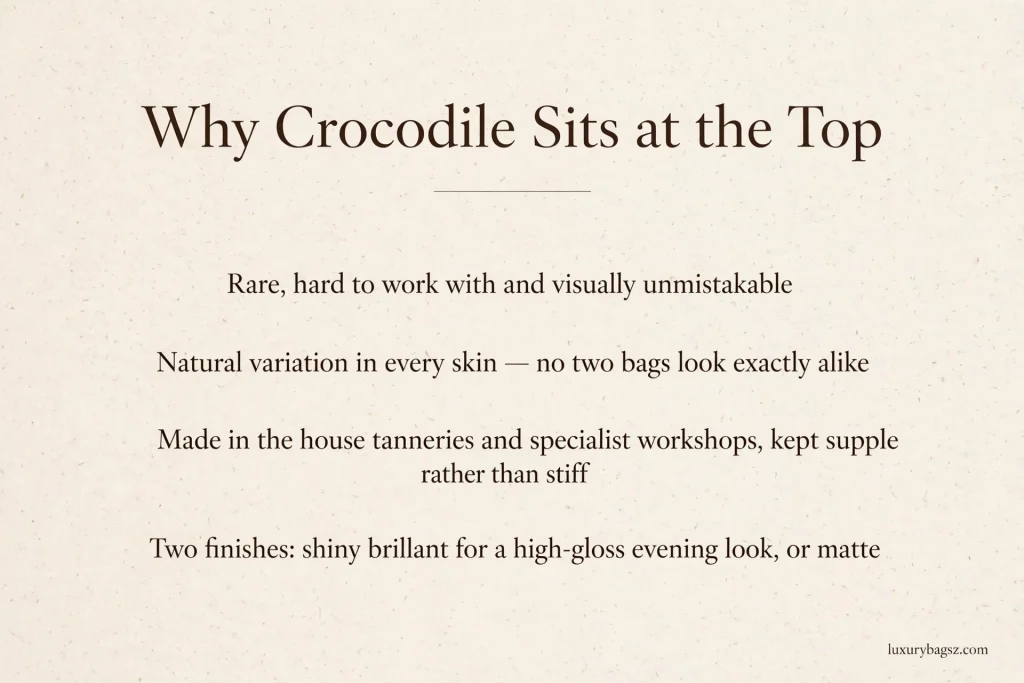
Crocodile skin is rare, hard to work with and visually unmistakable. Each skin has natural variation, so no two bags look exactly alike.
That variation is part of the appeal. Collectors value the pattern, the sheen and the way light moves across the scales.
Louis Vuitton describes its exotic range as hand-crafted pieces made by expert artisans, destined to last a lifetime and beyond.
The house also uses its own tanneries and specialist workshops for exotic skins. That control helps keep the finish supple rather than stiff.
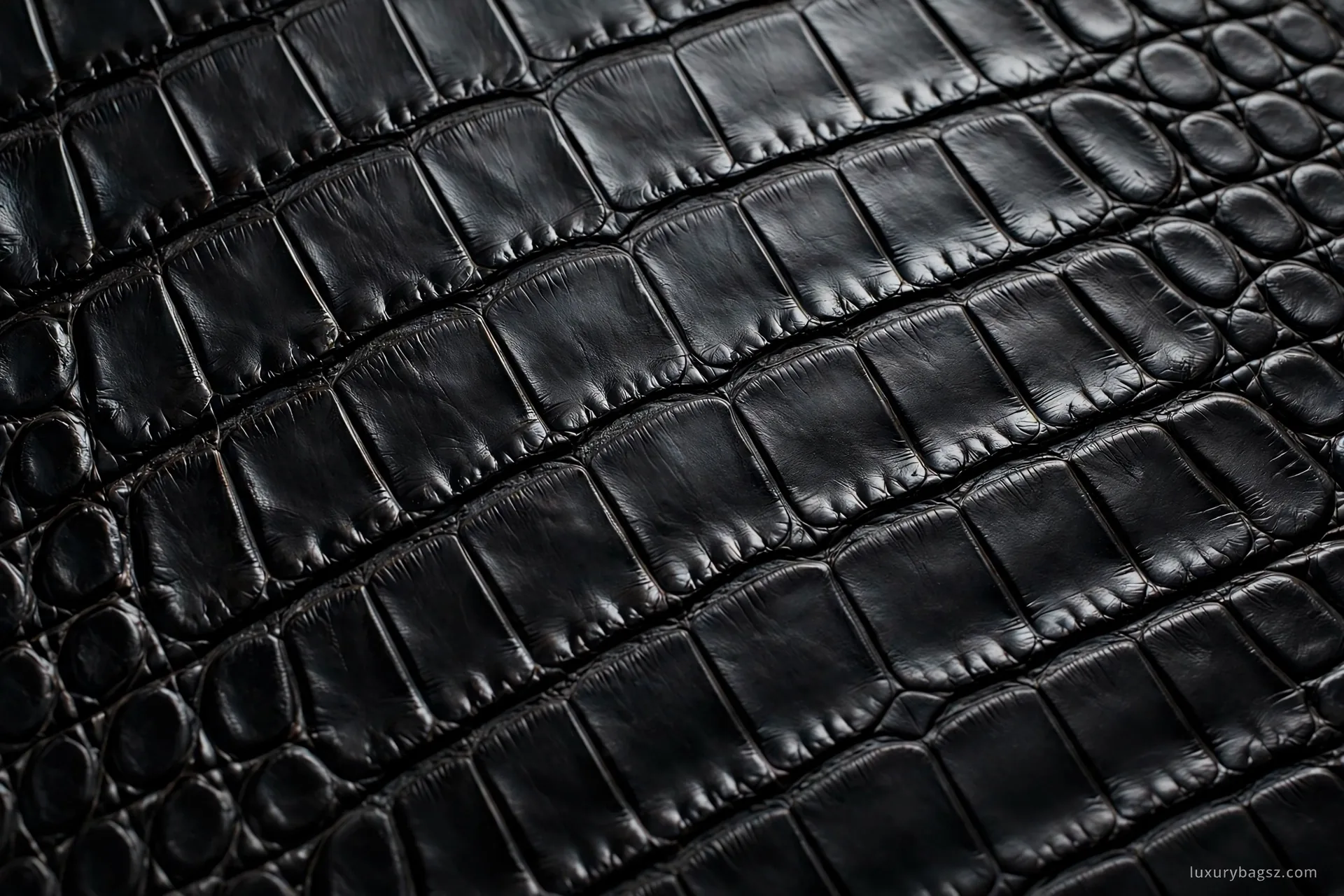
Shiny and matte finishes both appear. Shiny crocodile, often called brillant, gives a high-gloss evening look, while matte finishes feel more discreet.
Colour ranges from classic black to deep greens, blues and seasonal shades. Dark colours show the scale pattern clearly, while pale shades need even gentler care.
Availability is limited by design. Many crocodile bags are offered through boutiques to established clients, rather than sitting openly on shelves.
The Main Crocodile Styles
The Capucines is a natural home for crocodile. A Capucines GM in crocodilian leather pairs a spacious shape with jewel-like handle rings.
Its flap can be worn two ways, which lets the owner choose between a discreet look and a more decorated finish.
The Alma BB in shiny crocodile is a smaller, dressier option. It moves easily from office to evening, with a lambskin lining and shining hardware.
City Steamer versions in crocodilian leather draw on a travel bag from 1901. The PM size keeps the shape practical while the skin adds luxury.
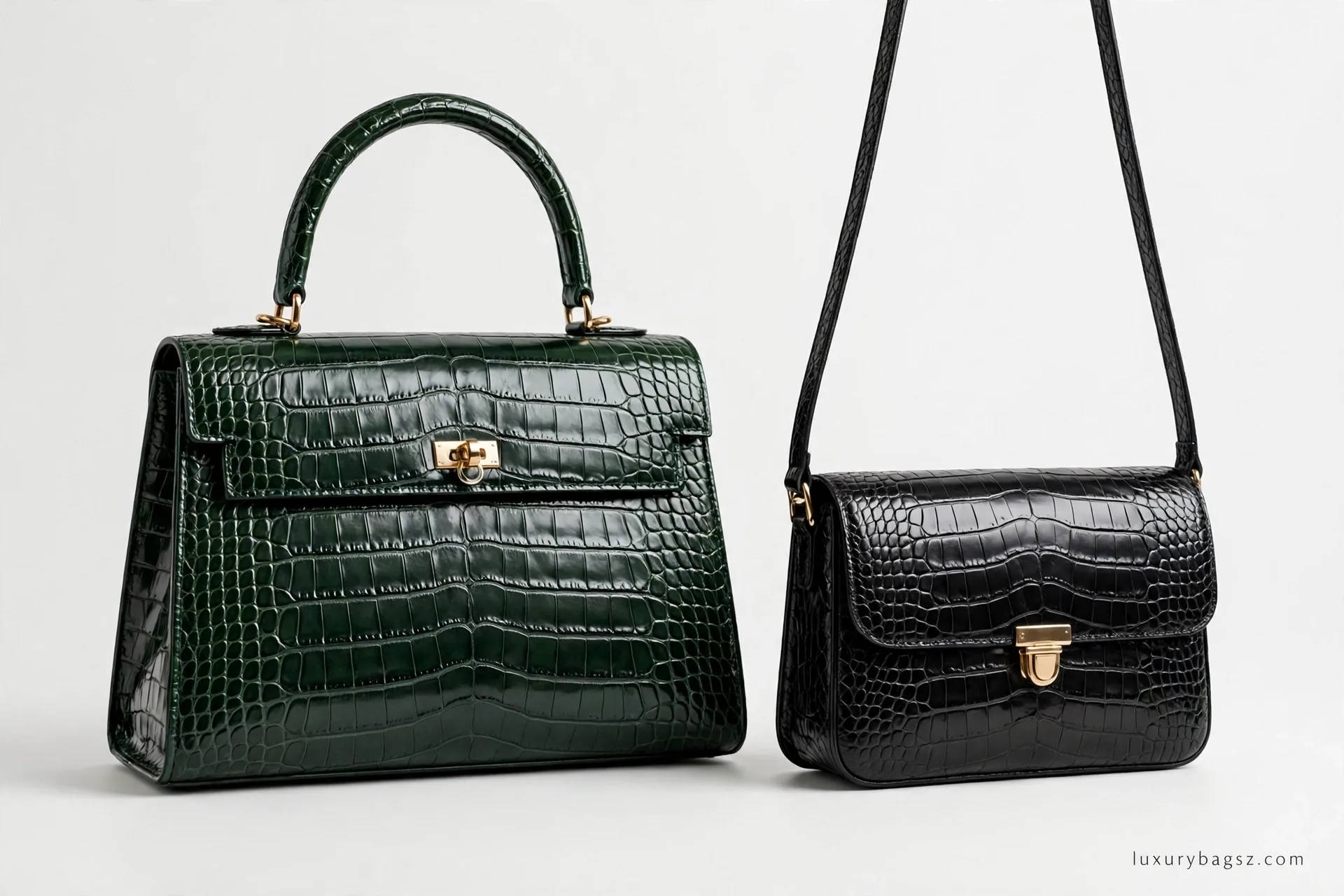
The Twist PM in crocodilian leather is another compact choice. Its wave base adds room, while a sliding chain handle allows shoulder or cross-body wear.
Petite Malle and other small exotic pieces also appear in crocodile. These are collector objects as much as daily bags, and they suit light carry only.
When comparing styles, focus on size and finish together. A shiny GM and a matte BB are different purchases, even though both use crocodile.
Also consider the handle drop and weight before you commit. A larger crocodile bag can feel heavier than it looks, and a short handle may not suit shoulder wear.
If possible, view the bag in person. Photographs flatten scale texture, while handling the bag shows the sheen, the suppleness and the true colour at once.
Crocodile, Alligator and Other Exotics
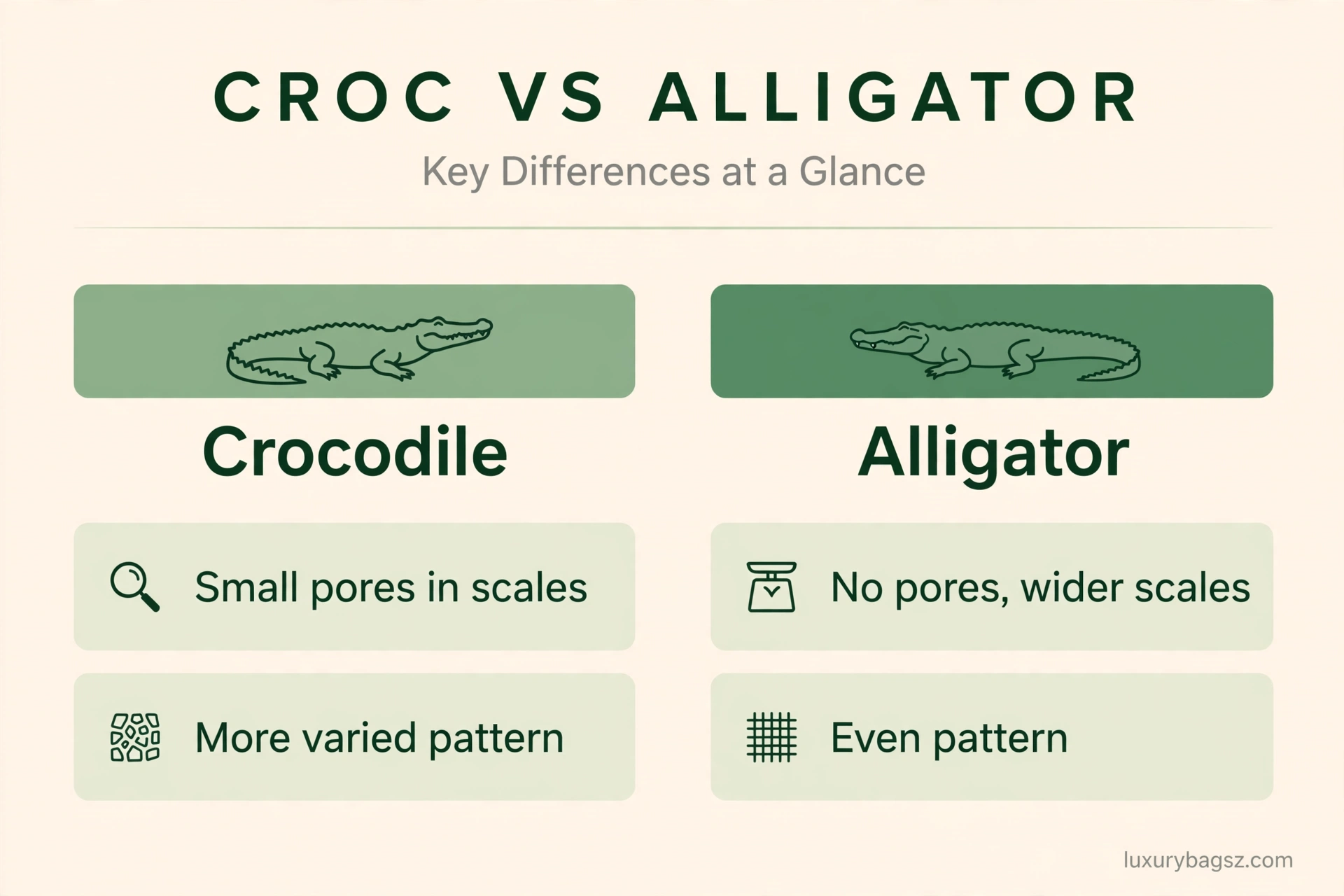
Crocodile and alligator are often confused, but they are different skins. Porosus crocodile is often described as having a tiny pore in each scale.
Alligator scales tend to look wider and more even, with a different pattern across the belly area. That difference is subtle in photos.
Our guide on how to tell crocodile from alligator leather explains the pore, scale and pattern checks in detail.
Python, lizard and ostrich sit alongside crocodile in the exotic range. Each has its own texture, care needs and price position.
Python shows a distinctive scale pattern with a softer drape. Ostrich shows quill marks, while lizard shows a finer, smaller scale.
Do not judge a skin from one photo. Ask for close-up shots of the scales, the corners and the handle joins before forming a view.
A seller who can name the skin type, the finish and the size is usually more reliable than one who simply writes "exotic leather".
Authenticity Checks That Matter
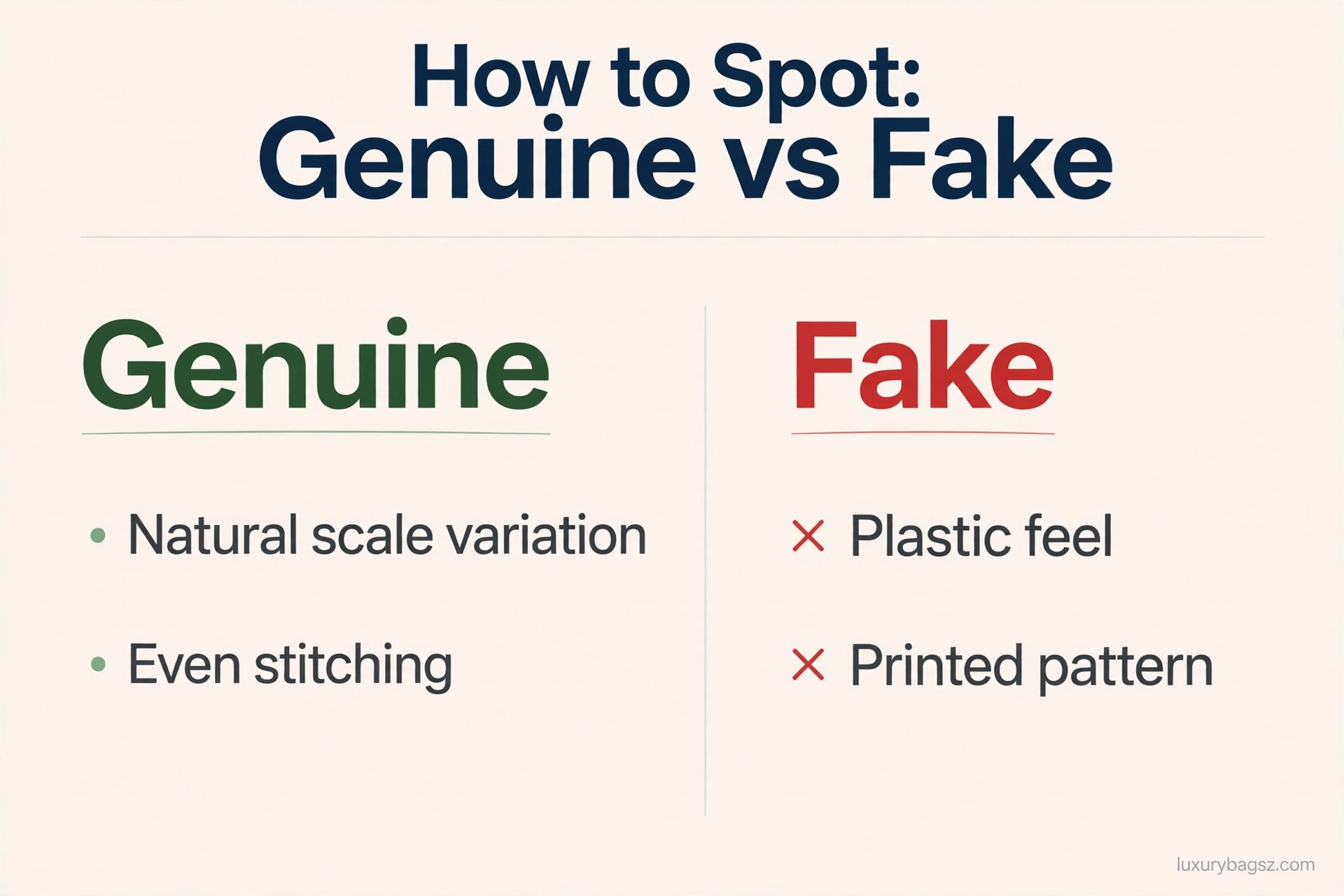
Start with the scales. Genuine crocodile shows natural variation, with scales that differ slightly in size, shape and sheen.
A printed or embossed fake pattern often repeats too evenly. If the pattern looks identical across the whole bag, treat it with suspicion.
Feel matters too, where you can handle the bag. Genuine crocodile should feel supple, not like hard plastic or a cheap coated surface.
Stitching should be even and clean, with no loose threads at the corners or handle joins. Hardware should feel weighty and well finished.
For a structured approach, read how to authenticate a pre-owned designer bag before you commit to a high-value purchase.
Paperwork helps greatly on exotic bags. Keep any boutique receipt, care booklet and proof of origin with the bag for future resale.
Date codes or microchips support a check, but they never prove a bag alone. Always read them alongside the skin, stitching and hardware.
If anything feels wrong, pause. A genuine crocodile bag is a major purchase, and a trusted authenticator is worth the fee.
Care Rules for Crocodile Skin
Louis Vuitton advises protecting exotic skins from humidity, water and liquids, since the skins are processed naturally.
If the bag gets wet, blot the area at once with a light-coloured, absorbent, lint-free cloth. Never rub, and never use heat to dry it.
Avoid alcohol-based products, including hand sanitisers and cleansing balms. These can alter the texture and leave lasting stains or colour transfer.
Sunlight is another risk. It can fade colour over time, so store the bag away from windows and direct light.
For wider reptile care principles, see our guide on how to care for reptile leather alongside the house advice here.
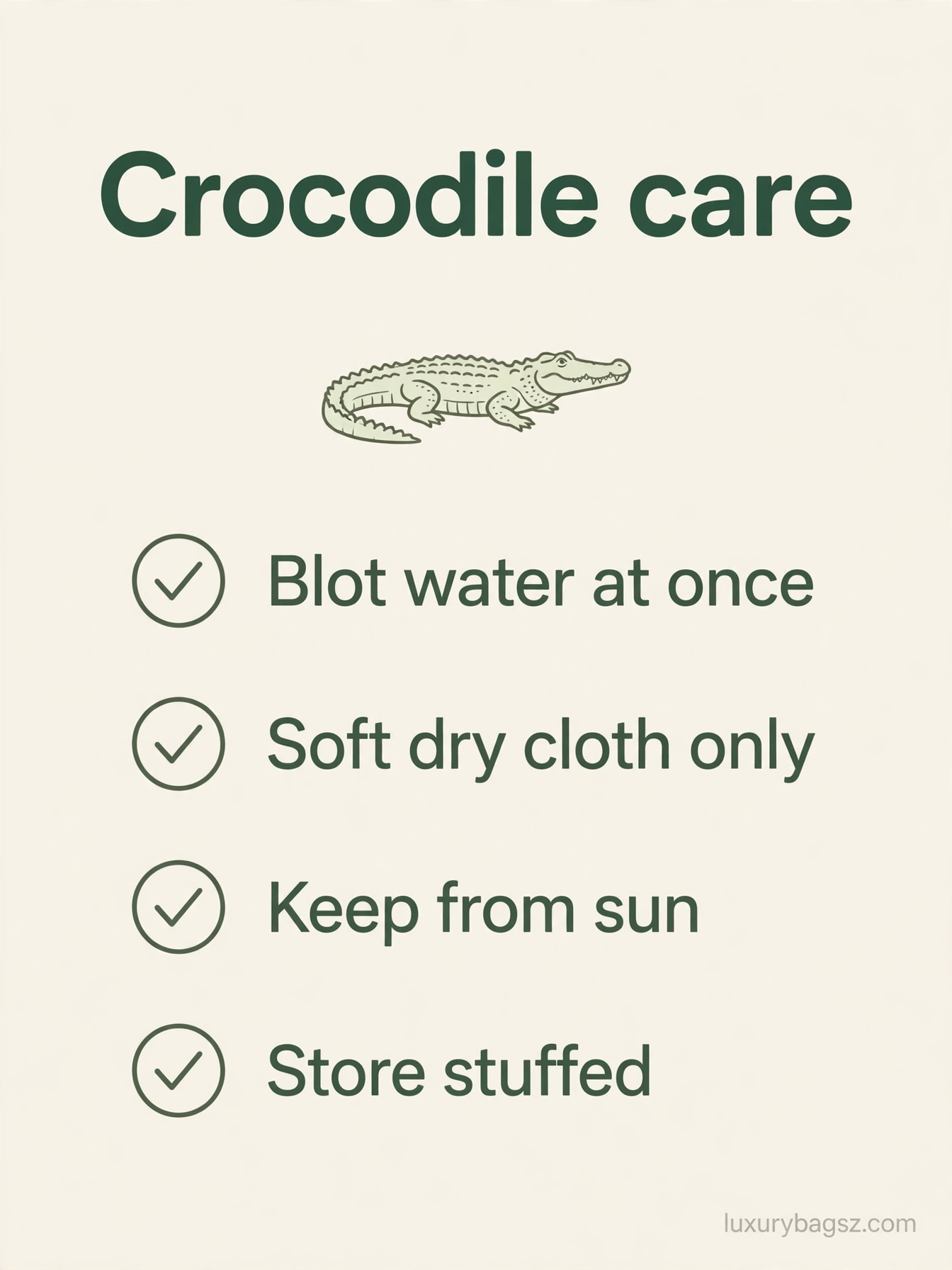
Do not use ordinary leather conditioner on crocodile. Standard products can damage exotic skins, and many owners ruin bags this way.
Store the bag stuffed with acid-free tissue, upright in its dust bag. Stuffing helps the scales keep their shape and prevents curling at the edges.
Keep the bag in a stable, dry place, away from radiators and damp rooms. Heat and damp both harm exotic skins over time.
For deep cleaning or repair, use the house Care and Repair service or a proven exotic specialist. On a crocodile bag, each scale may need individual attention.
Buying, Prices and Ethics
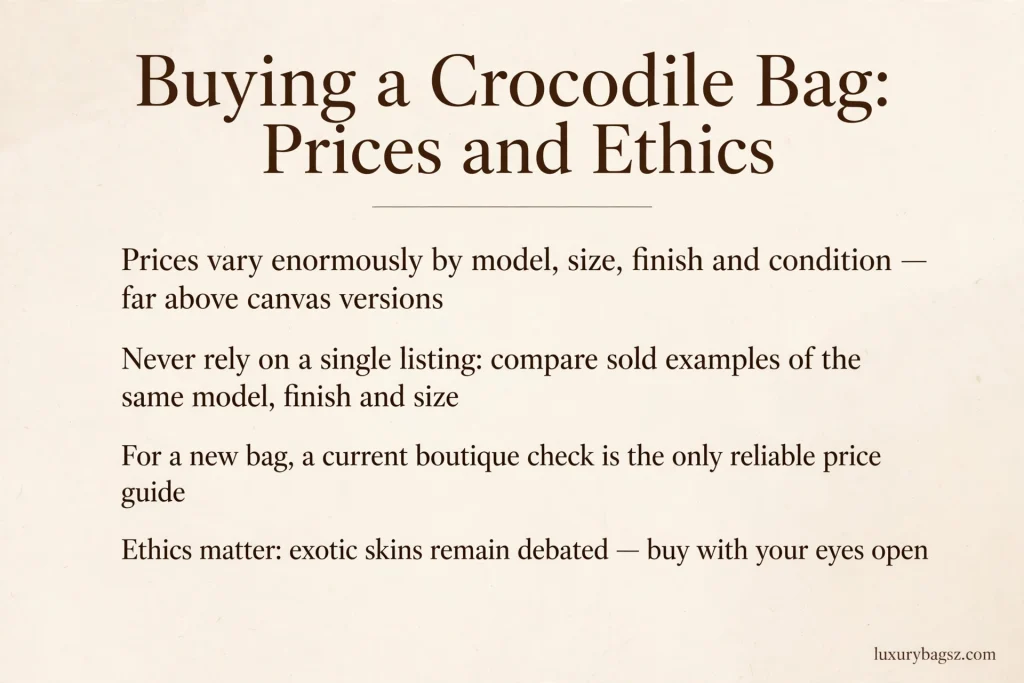
Prices for Louis Vuitton crocodile bags vary enormously by model, size, finish and condition. They sit far above canvas versions, and some examples reach very high five-figure sums.
Do not rely on a single listing as a price guide. Compare sold examples for the same model, finish and size, and adjust for condition.
Boutique pricing also changes over time and by region, so a current boutique check is the only reliable guide for a new bag.
The Louis Vuitton Monogram history gives useful context on why the house can command such attention for its rarest materials.
Ethics matter to many buyers. Crocodile farming and exotic skins remain debated, and some buyers prefer to avoid exotic materials entirely.
Louis Vuitton states that its crocodile skins come from farms certified under the LVMH Crocodile Standard. Check current house statements if this question matters to you.
Also check import and travel rules before buying abroad. Exotic skins can face controls that do not apply to canvas or calfskin bags.
Buy from a trusted boutique or a proven pre-owned specialist, keep all paperwork, and never rush a crocodile purchase. Patience protects both your money and your peace of mind.
Frequently Asked Questions
1. Does Louis Vuitton use real crocodile skin? Yes. Louis Vuitton uses real crocodile skin for selected exotic bags, alongside python, lizard, ostrich and mink in its exotic range.
2. What is Porosus crocodile? Porosus is saltwater crocodile, often described as having a tiny pore in each scale, and it is regarded as a gold-standard luxury skin.
3. Which Louis Vuitton bags come in crocodile? Examples include the Capucines in crocodilian leather, the Alma BB in shiny crocodile, the City Steamer PM and the Twist PM in selected finishes.
4. How is crocodile different from alligator? Crocodile and alligator differ in scale shape, pattern and pore marks, with alligator scales often looking wider and more even.
5. How do I clean a Louis Vuitton crocodile bag? Blot water at once with a light, lint-free cloth, avoid sunlight and alcohol-based products, and do not use ordinary leather creams.
6. Can I use leather conditioner on crocodile? No, not an ordinary conditioner. Standard products can damage exotic skins, so use only specialist care or the house repair service.
7. How should I store a crocodile bag? Store it stuffed with acid-free tissue, upright in its dust bag, in a stable, dry place away from sunlight, heat and damp.
8. Are Louis Vuitton crocodile bags made to order? Many are released in small numbers or made to order, which is why availability is limited and boutique access can be restricted.
9. What paperwork should a crocodile bag have? Keep any boutique receipt, care booklet and proof of origin, since paperwork supports authenticity and future resale value.
10. Should I buy a crocodile bag pre-owned? You can, but only with full scale, stitching and hardware checks, plus paperwork and, for high values, an independent authentication.
Final Verdict: Rare, Striking and Demanding
A Louis Vuitton crocodile bag is a statement of craft and rarity. Its scales, sheen and limited availability set it apart from every canvas bag in the range.
That rarity comes with responsibility. Gentle handling, strict care rules and careful buying are not optional extras on an exotic bag.
If you love the material, understand the care and buy with full checks, a crocodile bag can be a lifetime piece. If not, a calfskin or canvas classic will serve you better.






