

Jacquemus Bags: Le Chiquito, Mini Bags and the Styles Worth Buying
Jacquemus in Brief: The Mini Bag That Broke the Rules
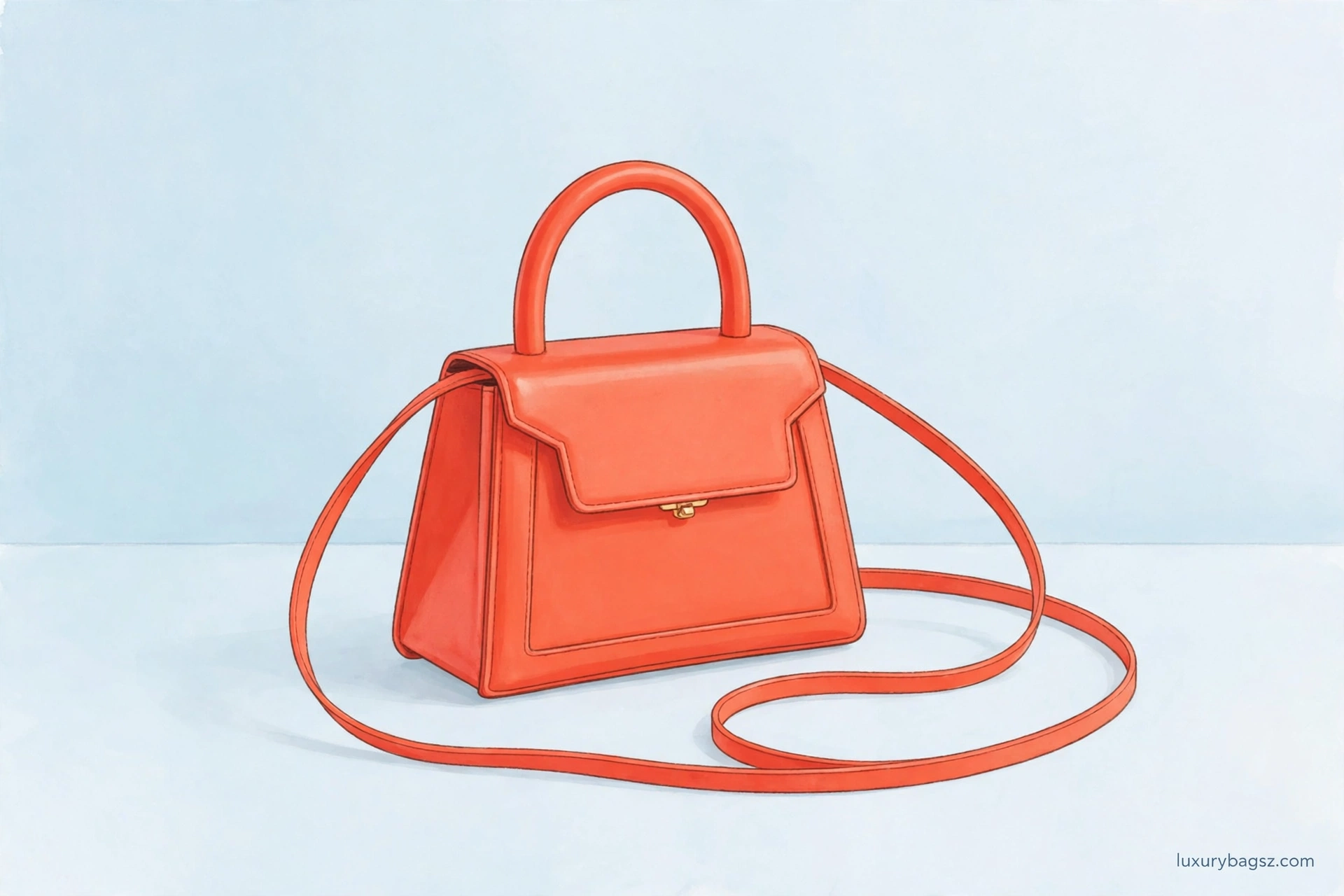
Jacquemus bags are best known for Le Chiquito, the tiny structured top-handle bag launched for Autumn Winter 2018 that helped start the modern mini bag wave. Larger Chiquito sizes and styles such as Le Bambino followed.
The honest short answer: buy a Chiquito Moyen or a Bambino if you want to carry anything beyond cards and keys. The smallest sizes are fashion pieces first and carriers second.
Key Takeaways
- Le Chiquito launched for Autumn Winter 2018 and defined the mini bag moment.
- The family runs from the tiny Petit Chiquito up to the larger Grand Chiquito.
- Le Bambino and Le Bisou offer more usable shapes at similar price levels.
- Most core styles typically sit in the mid hundreds of pounds, varying by size and finish.
- The smallest sizes hold cards, keys and little more, so size up for daily use.
- Light colours need care against dye transfer from denim and dark clothing.
The Label Behind the Bags
Jacquemus is the French label founded by Simon Porte Jacquemus, known for sculptural shapes, sunny colours and a playful take on proportion. Bags became central to the house as the mini trend grew.
The range sits among many shapes covered in our designer handbag styles guide, yet Jacquemus stands apart for treating the bag as a small sculpture.
That approach made the bags instantly recognisable in photographs, which fuelled demand. Fame aside, the buying question stays practical: which size, if any, fits your life?
The label ready-to-wear shows the same instincts as its bags: strong silhouettes, Mediterranean colour and a sense of play. That coherence is why the bags photograph as part of a full look so effectively.
The house shows are part of the bag story: dramatic settings from lavender fields to salt flats made the tiny bags look like sculptures in a landscape, and the images travelled worldwide.
The brand accessories world now extends to larger shoppers, curved shoulder bags and woven summer styles, giving buyers who outgrow the mini a path to stay with the house design language.
Le Chiquito and Its Sizes
Le Chiquito began as a very small structured bag with a distinctive top handle and a detachable strap. Its proportions looked almost toy-like, which was precisely the point.
The family now spans Petit Chiquito at the tiny end, the classic Chiquito, Chiquito Moyen in the middle, and larger Grand versions. Each step up adds genuinely usable room.
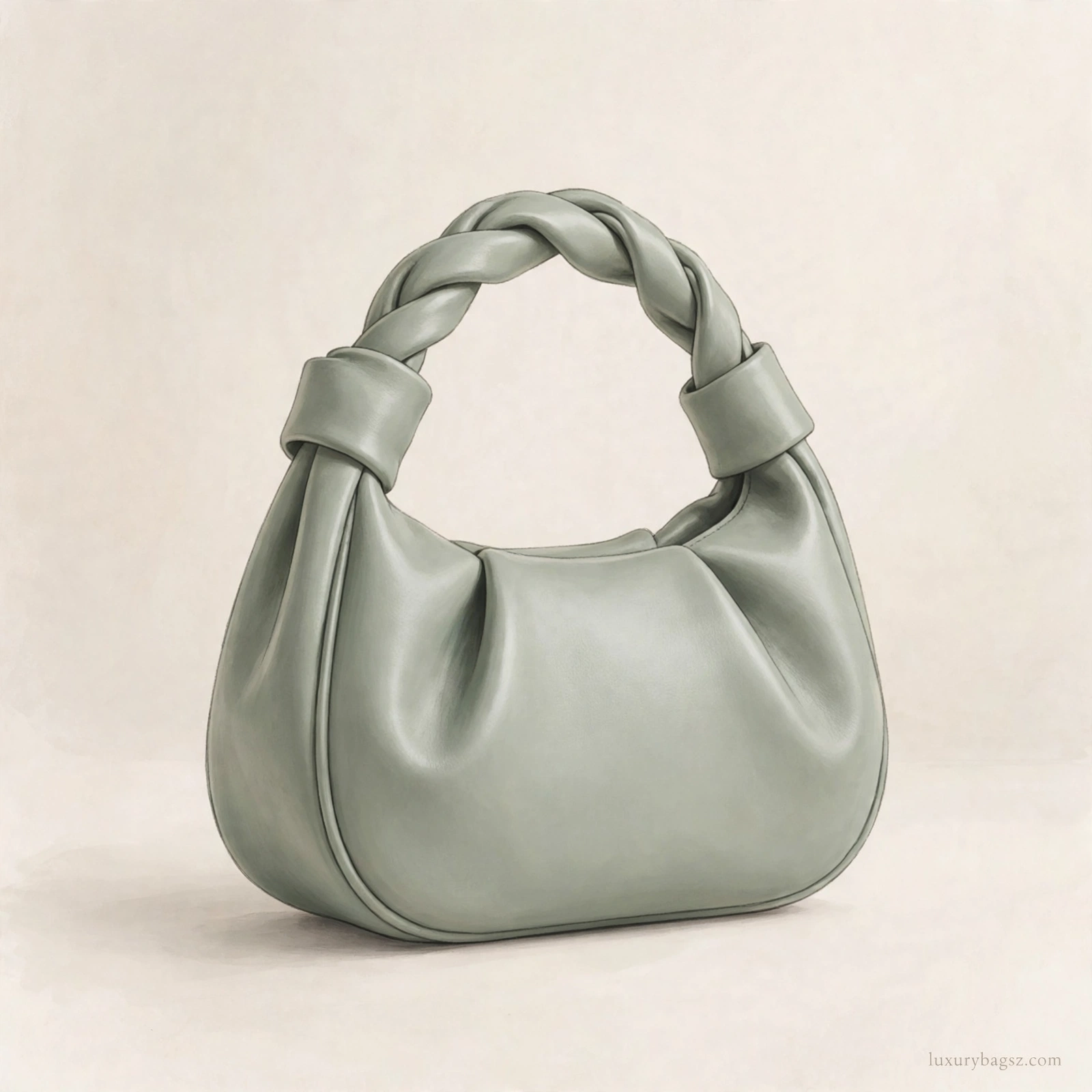
Noeud versions add a twisted, padded handle detail. When comparing sizes, work from measurements and your phone size rather than names, since naming has shifted across seasons.
Handle design is the Chiquito signature. The oversized, sculptural handle looks impractical, yet it balances the small body and gives the hand a confident hold for evenings and events.
Le Chiquito pricing at launch undercut heritage mini bags sharply, which helped young buyers enter designer fashion through a current, recognisable piece rather than a vintage compromise.
Colour drops are events in themselves, with saturated shades selling through quickly online. If a colour defines your reason for buying, do not assume it will still be available next season.
Le Bambino, Le Bisou and Other Key Styles
Le Bambino is an elongated, East-West style with a frame-like shape that carries more than its slim profile suggests. It suits buyers who want the Jacquemus look with daily function.
Le Bisou brings a curved shoulder shape, while larger totes and shoulder styles appear seasonally. Our Fendi Baguette bag guide shows a useful comparison point for compact shoulder icons.
Seasonal materials include raffia for summer, suede, and smooth or grained leather. Raffia looks wonderful in season but needs gentler handling than leather.
Buyers often ask about the Long and Noeud variants. Long stretches the shape sideways for a little more room, while Noeud twists the handle into a padded knot that softens the outline.
Second-hand supply is now deep for standard colours, so patient buyers can find Moyen sizes at friendly prices. Rare runway colours, by contrast, sometimes list above their original retail.
Comparison shoppers should also look at the Bambino Long against the Chiquito Moyen. Similar prices buy different silhouettes: one stretches sideways, the other stacks height, and your contents will prefer one.
Prices and Where They Sit
Core Jacquemus bags typically sit in the mid hundreds of pounds, with the smallest styles at the lower end and larger leather versions higher. Exact prices move with season and material.
That places the label below the heritage houses and alongside contemporary designers, which is part of the appeal for a first designer purchase.
Sales and pre-owned listings can reduce the cost further, though popular colours sell quickly. Set a budget by size first, since the price gap between Petit and Grand is wide.
On price, remember that small does not mean cheap to make. Structured mini bags need precise pattern cutting and finishing, which is why credible versions rarely fall to high-street prices.
Consider the strap as jewellery: the thin strap looks delicate, yet it carries the whole weight of the bag. Inspect its stitching and hardware joins closely on any used example.
Quality conversations around the brand focus on consistency across seasons. Inspect your individual bag carefully at purchase, including handle symmetry and closure alignment, and exchange any example that looks off.

What Actually Fits Inside
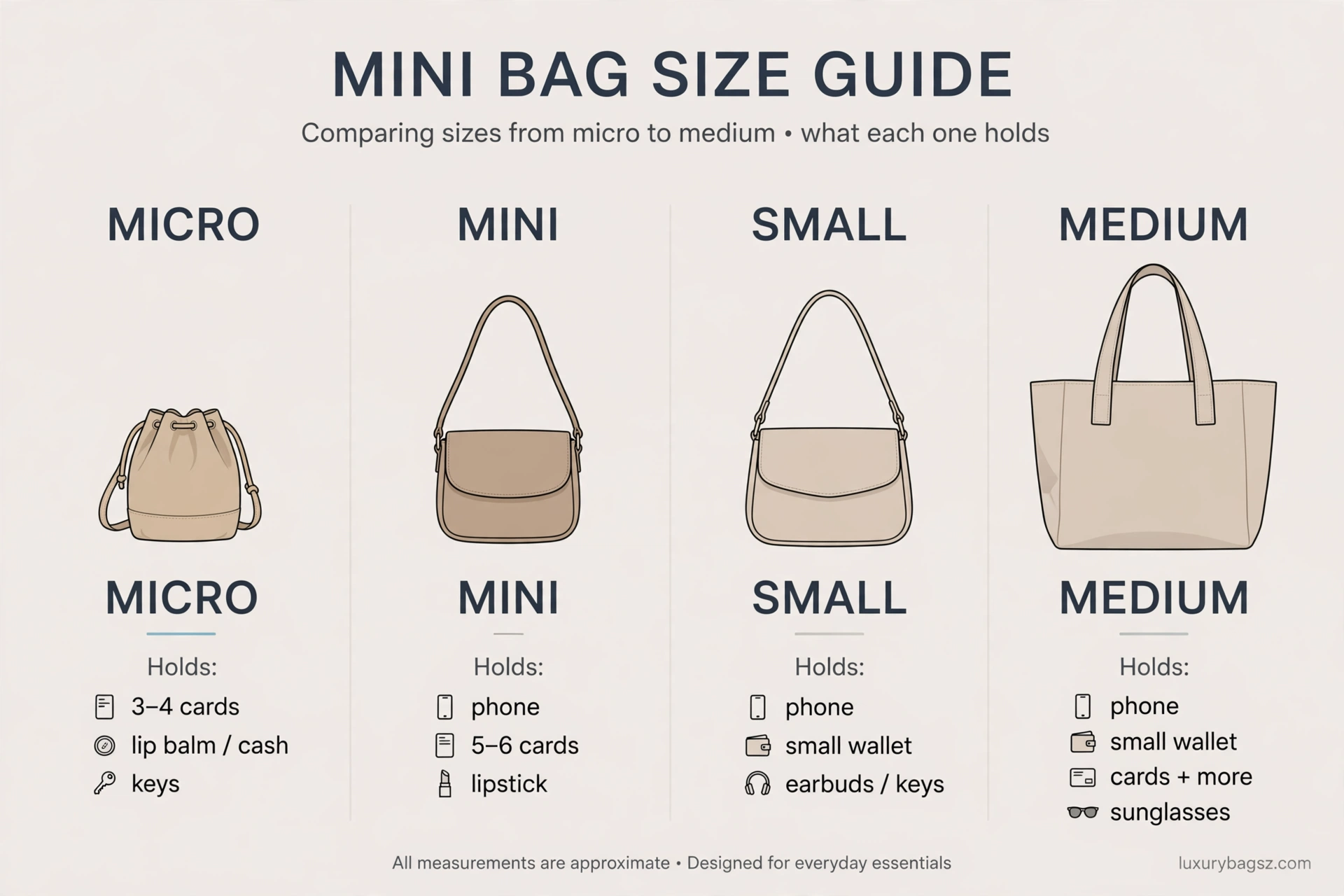
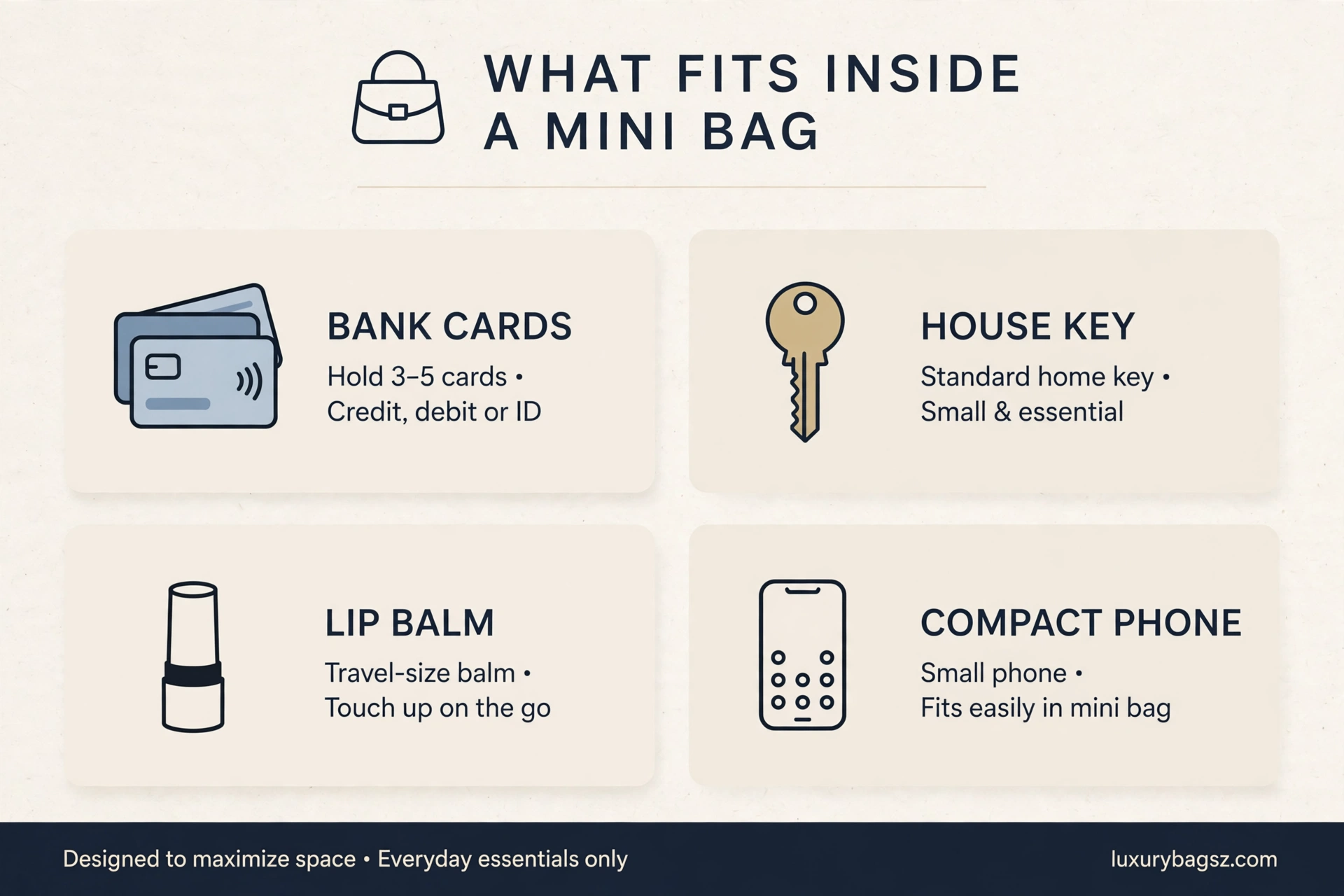
The Petit Chiquito holds little more than cards, a key and perhaps a lip balm. Treat it as a wearable object rather than a working bag, and you will not be disappointed.
The classic Chiquito and Moyen sizes take a phone in many cases, plus cards and keys, though bulky cases can defeat the fit. Always check your exact phone against the measurements.
For a fuller daily carry, a Bambino or a structured tote from the range works better. Our bucket bags history and designer list shows how a different shape solves the same capacity question.
A useful trick is to decant: carry cards in a slim holder, use a mini lip product and leave bulky extras behind. Mini bags reward a lighter routine far beyond their own use.
For weddings and events, the Petit sizes excel precisely because they hold so little: they finish an outfit without competing with it and photograph beautifully in the hand.
The mini bag debate itself has matured: phones grew, bags stayed small, and buyers adapted with card holders and car keys on clips. Jacquemus did not cause that shift alone, but it symbolised it.
Styling Jacquemus Bags
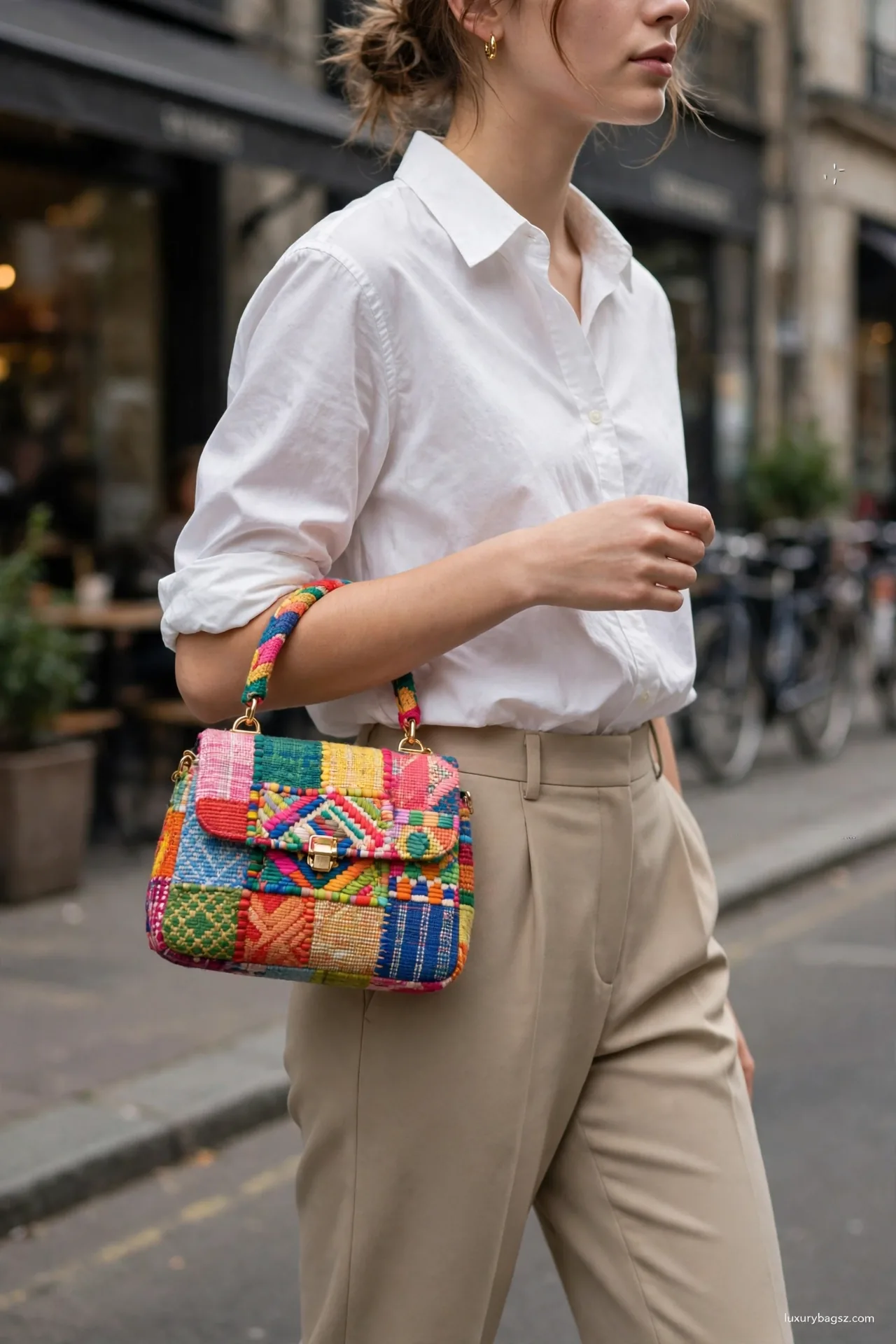
A bright mini against a plain outfit is the house look: a white shirt, tailored trousers and a Chiquito in a saturated colour. The bag is the punctuation, so keep the rest calm.
Neutral shades in tan, black or cream stretch further across a wardrobe and age more gracefully. They also hold resale interest better than the most seasonal colours.
Wear the strap crossbody for busy days and carry the top handle for evenings. The contrast between the tiny bag and an oversized coat remains a reliable styling trick.
Photographs can mislead on scale, so look for listings that show the bag in hand or against a phone. Reputable retailers publish exact measurements, and those numbers should guide the final choice.
Buyers with larger phones should look honestly at the Grand and Bambino Long shapes. They keep the house design language while ending the daily frustration of a bag that excludes your phone.
For travel, a Chiquito worn crossbody under a coat keeps cards and passport close in transit, with a larger tote doing the heavy work. Used that way, the mini becomes genuinely functional.
Materials, Care and Colour Transfer
Most core bags use smooth calfskin, which shows scratches more readily than grained leather. Suede needs a protector spray and dry storage, and raffia should be kept from rain.
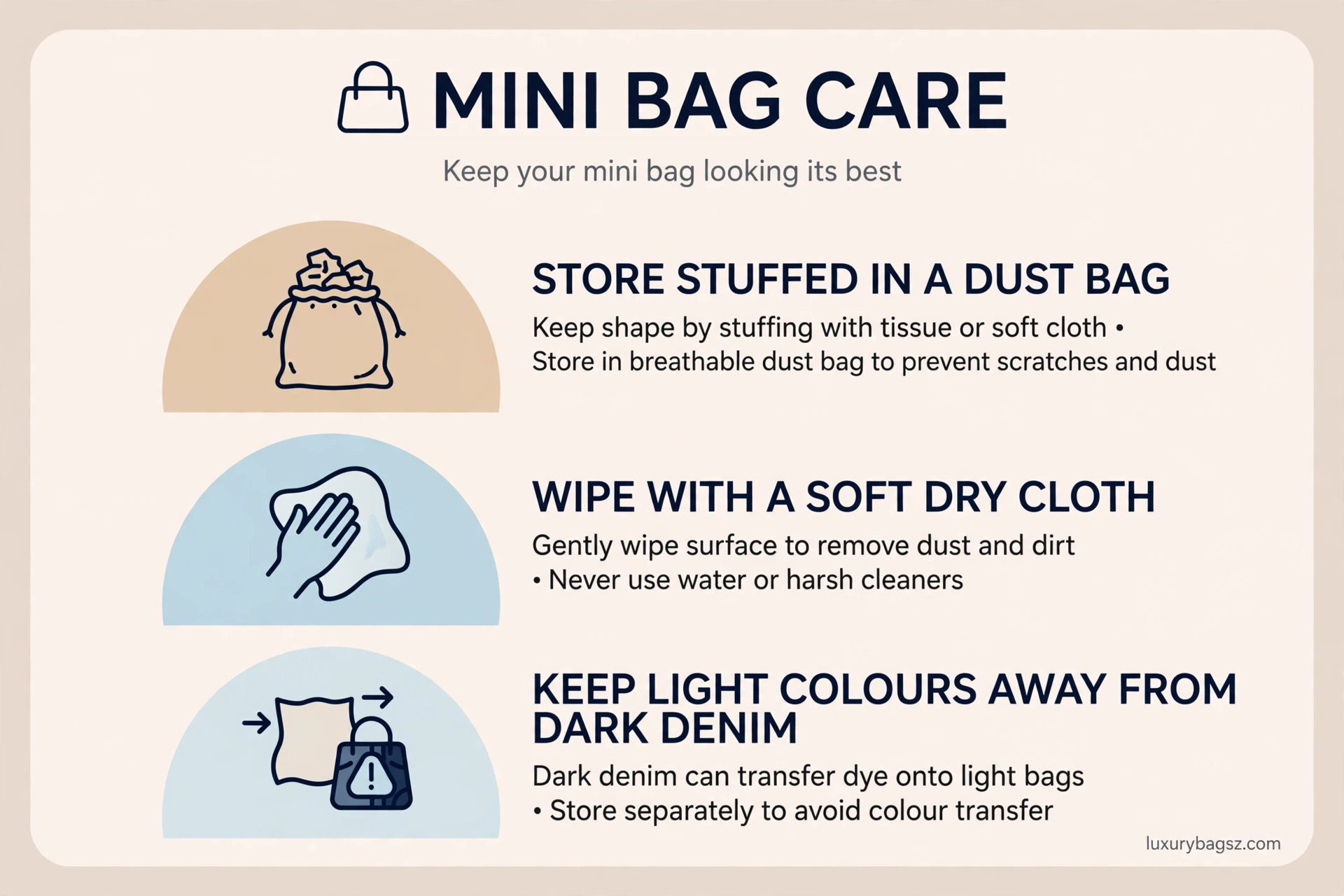
Light colours pick up dye from dark denim, a known issue with pale mini bags of every brand. Our leather care guide explains safe cleaning habits.
Store the bag stuffed in its dust bag so the structured shape holds. Keep the strap detached or loosely coiled to avoid marks on the body.
For suede versions, brush gently after use and keep a suede eraser for marks. For raffia, reshape with light stuffing after wear and never fold the body flat for storage.
Keep the original box and dust bag if you may resell. Compact designer bags sell noticeably better as complete sets, especially in giftable colours around holiday seasons.
Resale descriptions should state the exact size name and measurements. Vague listings cause returns and disputes, since the family sizes look similar in photographs while differing greatly in capacity.
Buying Pre-Owned and Checking Details
Pre-owned Jacquemus bags are widely available, and prices typically sit below retail, with rare colours occasionally holding firm. Check listings against current retail before paying.
Inspect handle joins, corners, the magnetic closure and strap attachments, and ask for photographs of the interior and any cards or dust bag included.
Our pre-owned buying guide gives a fuller checklist. Genuine bags show neat stitching, clean edges and consistent hardware finishing throughout.
Fakes of popular Jacquemus styles circulate widely, so buy from authorised stockists or authenticated resale. Check logo stamping, edge paint and strap stitching against boutique photographs.
The wider lesson of Jacquemus is that proportion is a design material. Whether you buy one or not, trying a mini recalibrates what you actually need to carry each day.
Whether Jacquemus minis become long-term collectibles is unknowable today. What is certain is their place in design history as the bags that made tiny scale a serious fashion proposition.
Frequently Asked Questions
When did Le Chiquito launch?
Le Chiquito launched for Autumn Winter 2018 and quickly became the defining bag of the mini bag wave that followed.
What fits in a Petit Chiquito?
Very little: typically cards, a key and a small item such as lip balm. It is a fashion piece rather than a daily carrier.
Which Jacquemus bag is most practical?
Larger Chiquito sizes and Le Bambino are the most practical, since they can hold a phone, cards, keys and small extras.
How much do Jacquemus bags cost?
Core styles typically sit in the mid hundreds of pounds, rising with size and material. Check current boutique prices before buying.
Are Jacquemus bags made of leather?
Many core styles use calfskin leather. The range also includes suede, raffia and fabric versions depending on the season.
Do Jacquemus bags hold their value?
Popular colours and classic sizes resell steadily, though typically below retail. Buy to wear, and treat resale as a bonus.
How do I stop colour transfer on a pale bag?
Avoid prolonged contact with dark denim, wipe the bag after use with a soft dry cloth, and store it in its dust bag.
Is Le Chiquito big enough for an iPhone?
Larger sizes usually fit a phone, but the smallest do not. Compare your phone measurements with the listed bag measurements first.
What is the difference between Chiquito and Bambino?
The Chiquito is a compact top-handle shape, while the Bambino is an elongated East-West style that generally carries more.
Where can I buy Jacquemus bags pre-owned?
Reputable resale platforms and consignment stores list them widely. Verify condition, completeness and seller history before paying.
Le Chiquito: Honest About Capacity
Jacquemus made the mini bag modern, and Le Chiquito remains its emblem. The design rewards honesty about capacity: the joy is in the shape, not the storage.
Pick Moyen or Bambino sizes for real daily use, reserve the Petit for evenings, and a Jacquemus bag becomes a cheerful, lasting part of a wardrobe.
Mini bags are honest objects: they cannot pretend to carry your life, so they have to charm you instead. When I check small bags, the hardware and stitching carry the whole verdict, because there is so little leather to hide behind. Judge a Chiquito the same way — clasp, edges, corners — then buy the size your real day needs and enjoy the shape without apology.






