

How to Spot a Fake Patek Philippe Watch
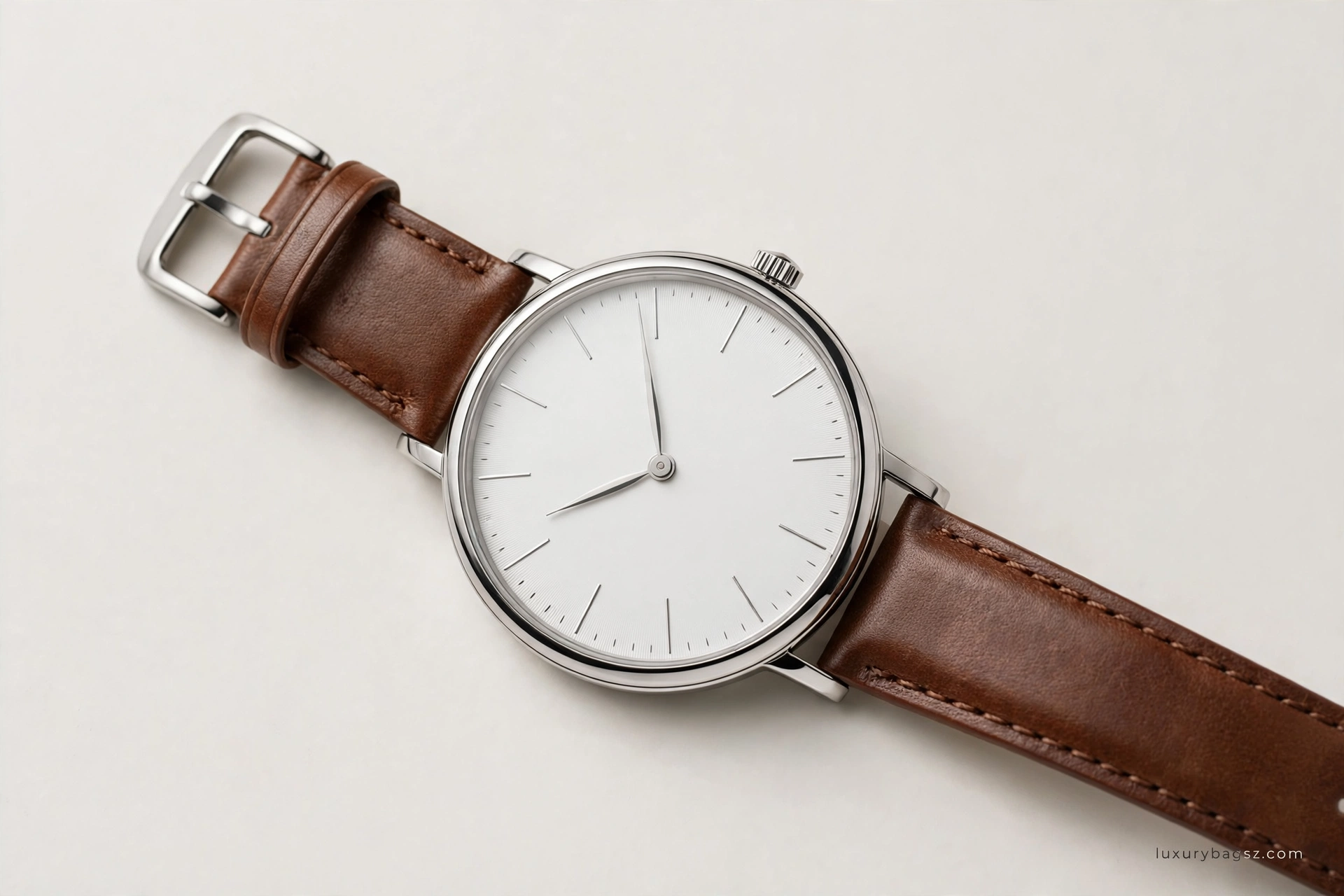
For a Patek, the Movement and Paperwork Decide
For a higher-value Patek Philippe, the movement, hallmarks and paperwork trail carry the verdict, because good copies can now match the outside closely. Start from the exact reference, then require case, dial, hands, movement and strap or bracelet all to agree with it.
Inside, a genuine calibre shows even decoration, cleanly bevelled bridges, properly finished screws and correct markings, plus the Patek Philippe Seal on modern pieces or the Geneva Seal where it belongs on older ones. Precious-metal hallmarks must suit the metal, market and period claimed.
Papers should match the watch exactly, and an Extract from the Archives can confirm reference, serial and production details. Dial printing, applied work, case edges and the Calatrava cross on the crown still matter, but no single outside detail settles it alone.
The Patek Test at a Glance
Patek Philippe is the most counterfeited high-end watch brand in the world, and the reason is simple: the watches are valuable, the designs are restrained, and restraint is easy to imitate badly and hard to imitate well. A fake Patek often looks convincing in a single photograph.
It falls apart when you examine the whole watch, because genuine Patek finishing is consistent at every level, from the dial printing down to the screws inside the movement, while a fake is usually excellent in one place and careless in another.
The governing rule for Patek is reference discipline. Patek makes an enormous range of references, and each one has a correct case size, dial layout, hand style, movement, and bracelet or strap. A watch that mixes features from two references, for example a dial layout from one model on a case from another, is wrong even if every individual part looks well made. Learn the reference first, then judge the watch against it.
Because modern fakes, often called superclones, copy external details closely, this guide puts unusual weight on the movement, the hallmarks, and the paperwork trail. Those are the areas where copying remains expensive and difficult. No single check authenticates a Patek. The verdict comes from the accumulation of evidence, and from an independent inspection before a high-value purchase.
Key Takeaways
- Always start from the exact reference number: case, dial, hands, movement, and strap must all match that reference, not just look generally Patek-like.
- Genuine Patek dials show razor-crisp printing, correctly shaped applied markers, and a signature whose font and spacing match the reference and era.
- Case finishing should be flawless, with crisp edges, even polishing, and a crown that fits its reference, including the Calatrava cross where applicable.
- The movement is the decisive check for high-value pieces: genuine Patek calibres show superb finishing, correct markings, and the Patek Philippe Seal on modern watches.
- Hallmarks, the Geneva Seal on older pieces, and the Extract from the Archives must agree with the watch's reference, serial, and production era.
- Superclones can copy the outside well; they rarely copy the movement finishing, the hallmark quality, and the paperwork trail all at once.
Start From the Reference, Not From the Logo
Every Patek authentication begins the same way: identify the reference number and learn exactly what that reference should be. A Calatrava, a Nautilus, an Aquanaut, a Gondolo, and a Grand Complication share a brand name and almost nothing else. Case diameter, lug shape, dial colour, hand style, subdial layout, crown design, movement calibre, and bracelet or strap type all vary by reference, and some vary by production year within a reference.
Ask the seller for the reference number, the serial number, and the year of production, and cross-check them against Patek's own materials and several reputable dealer listings. If the seller gives a reference that does not exist, or a combination of features that no genuine example of that reference carries, stop. A reference error is not a minor detail on a Patek; it is the frame within which every other check makes sense.
Be especially careful with discontinued references and limited editions, where fakes are common and genuine examples are scarce. For these, compare against auction records and specialist dealer archives rather than against a single listing. A single online photograph of a "genuine" example proves nothing, because that photograph may itself show a fake. Triangulate across multiple reputable sources before you judge.
The Dial: Printing, Signature, and Applied Work
Patek dials are exercises in restraint, and restraint exposes sloppiness. On a genuine dial, the printing is exceptionally crisp under magnification, with clean edges on every letter and numeral, even ink density, and no bleeding or feathering. The Patek Philippe signature should match the reference and era in font, weight, and placement.
Fakes frequently get the signature slightly wrong: a touch too bold, a touch too wide, or placed a fraction off centre. Viewed alone, the difference is subtle. Viewed against a known genuine dial of the same reference, it becomes visible.
Applied markers and numerals are the next test. Genuine applied work sits precisely, with even spacing, consistent height, and clean facets that catch light uniformly. Markers that sit at slightly different heights, that lean, or that show glue residue at their bases are warnings.
On dials with Arabic or Roman numerals, check that each numeral is correctly formed and evenly weighted; fakes often render one numeral, commonly the 6 or the 9, with a subtly wrong shape.
Also examine subdials, date windows, and any additional indications. On a genuine Patek, subdial printing is concentric and evenly spaced, date discs align centrally in their windows, and moonphase discs, where fitted, show clean, detailed printing. A date that sits high, low, or off-centre in its window, or a subdial whose track wobbles, indicates either a fake dial or a badly replaced one.
Either way, the watch needs expert examination before purchase.
Hands, Markers, and Lume
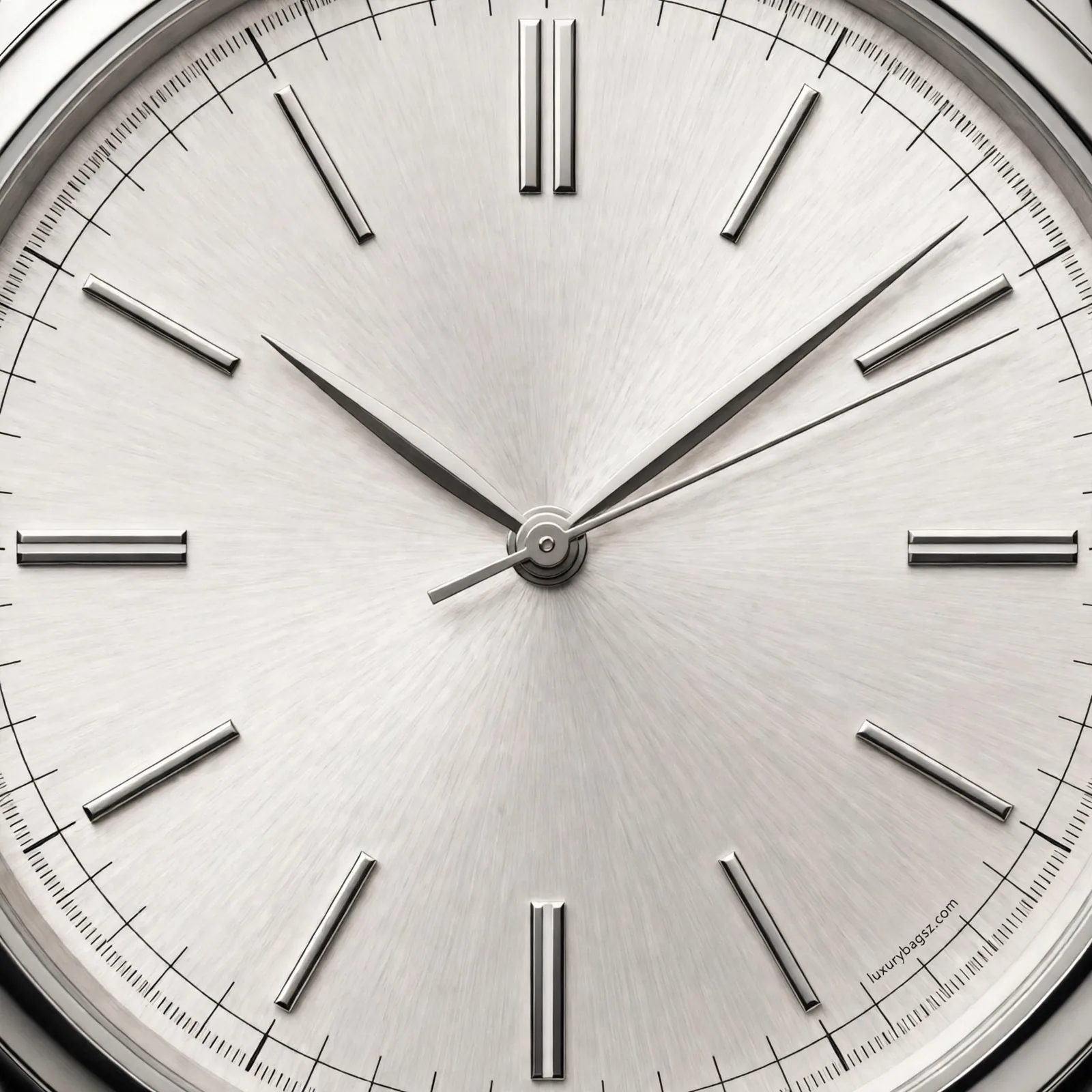
Patek hands vary by reference, from dauphine hands on dress watches to baton hands on sports models, but within any reference they are consistent in shape, length, and finish. Check that the hour hand reaches its markers correctly, that the minute hand tracks the minute scale without overshooting or falling short, and that the seconds hand, where fitted, is the correct style for the reference.
Hands that are too short, too long, or mismatched in style between hour and minute are immediate warnings.
Finish matters as much as shape. Genuine Patek hands are flawlessly polished or finished as the reference requires, with clean edges and no burrs, paint blobs, or uneven coating. Under magnification, a fake hand often shows rough edges, uneven lume application, or a painted finish where the genuine hand is polished metal.
Lume, where fitted, should be evenly applied and consistent in colour across all markers and hands; patchy, bubbly, or mismatched lume suggests a re-lumed or fake dial.
On vintage Patek watches, lume develops patina, and that patina should be consistent across the dial and hands. Hands that glow brightly while the dial markers show heavy patina, or vice versa, suggest that one or the other has been replaced. Replacement is not automatically fakery, but on a watch sold as fully original it must be disclosed and reflected in the price, and it always warrants a closer look at everything else.

The Case: Edges, Polishing, and Proportions
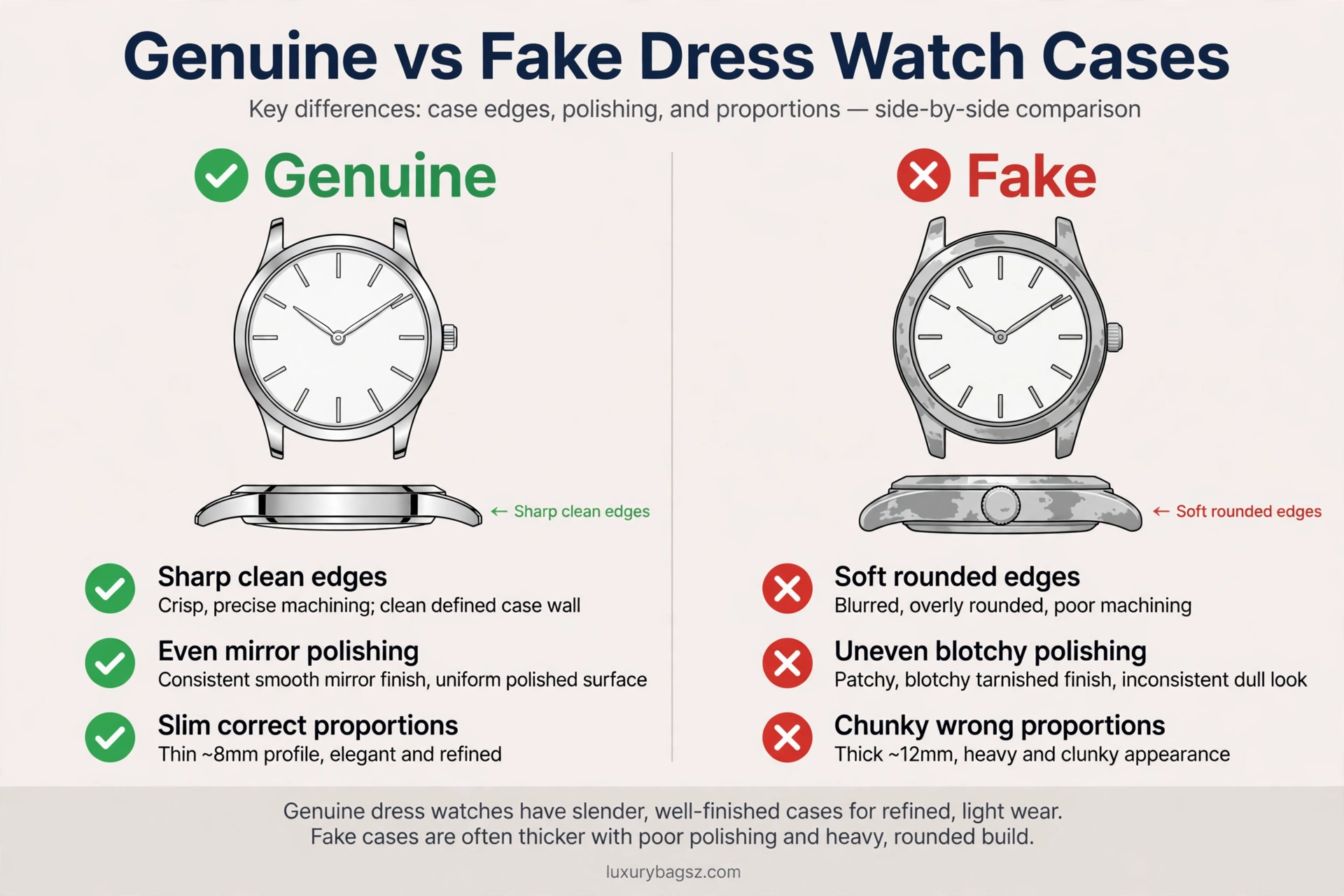
A genuine Patek case is finished to a standard that is difficult and expensive to copy. Edges are crisp where they should be crisp and softly rounded where the design requires it, with clean transitions between polished and brushed surfaces. Run your eyes along the case flanks, the bezel, and the lugs.
Polishing should be even, with no wavy reflections, no polishing marks bleeding into brushed areas, and no soft, melted-looking edges that indicate poor casting or over-polishing.
Proportions are equally telling. Measure the case diameter, thickness, and lug-to-lug distance and compare them against the reference specification. Fakes frequently miss by a millimetre or two, especially in thickness, because copying a thin Patek calibre and case is mechanically demanding. A watch that is noticeably thicker than the genuine reference, or whose lugs look too long, too short, or too thick, is suspect even if its dial looks right.
Check the case sides and the area between the lugs, where the reference and serial numbers are often engraved. Genuine engraving is sharp, evenly deep, and correctly formatted for the era. Shallow, uneven, or oddly spaced engraving in this hidden area is a strong warning, because counterfeiters concentrate their effort on visible surfaces and often neglect the parts only a buyer or watchmaker will see.
Crown, Pushers, and the Calatrava Cross
The crown is a small part that carries a large amount of information. On many Patek references, the crown carries the Calatrava cross emblem, which should be crisply rendered, correctly proportioned, and cleanly set. A cross that looks blobby, off-centre, shallow, or crudely engraved is a warning.
On references with a plain or cabochon crown, the same standard applies to whatever the crown should carry: it must match the reference exactly, not approximately.
Crown action is a functional test. A genuine Patek crown winds smoothly, sets precisely, and sits flush against the case when pushed in, with no wobble and no gritty feel. A crown that feels loose, that pulls out too easily, or that turns with a rough, grinding sensation suggests poor manufacturing or a replaced, ill-fitting part.
On chronograph references, the pushers should operate with a firm, precise click and return cleanly; mushy, sticky, or uneven pushers are warnings.
Also check the crown size and shape against the reference. Fakes sometimes fit a generic crown that is slightly too large, too small, or too domed, and the difference is visible once you compare against a genuine example. Photograph the crown from the side, where its profile is easiest to judge, and compare it directly rather than relying on memory.
Bracelet, Strap, and Clasp
Patek bracelets, particularly on Nautilus and Aquanaut models, are among the hardest parts to fake well, because their finishing and articulation require expensive manufacturing. A genuine bracelet articulates smoothly, with even gaps, consistent link finishing, and a supple drape. Links that catch, grind, or vary in size, and bracelets that feel stiff or rattly, are warnings.
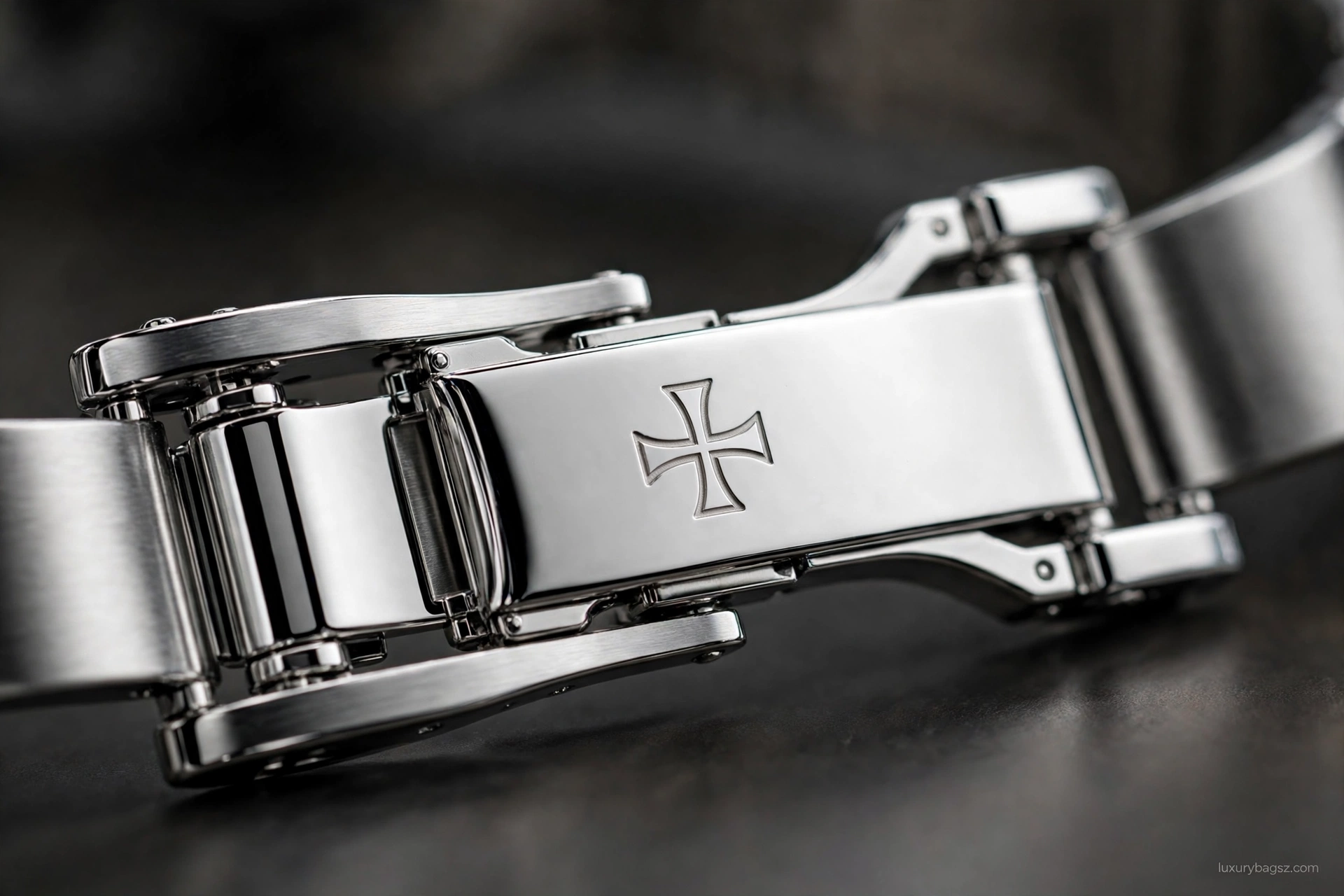
The clasp should close with a firm, precise snap, sit flush, and carry clean, correctly rendered markings, including the Calatrava cross where applicable.
On strap models, examine the strap and buckle with equal care. Genuine Patek straps use high-quality leather or other materials as specified for the reference, with clean stitching, even edges, and a buckle that matches the case material and carries correct markings. A cheap-feeling strap, uneven stitching, or a buckle with shallow or misspelled engraving undermines the whole watch, even if the case and dial look right.
Note, however, that straps are consumable parts and are often replaced during servicing; a replaced strap on an otherwise correct watch is maintenance, not fakery, provided the buckle and the watch itself check out.
Check the end links and the fit between bracelet or strap and case. Genuine fit is snug and even, with matching gaps on both sides. End links that sit proud, leave uneven gaps, or show different finishing from the rest of the bracelet suggest a mismatched or fake bracelet, which is a common way a fake watch is assembled from mixed parts.
The Movement: The Decisive Check
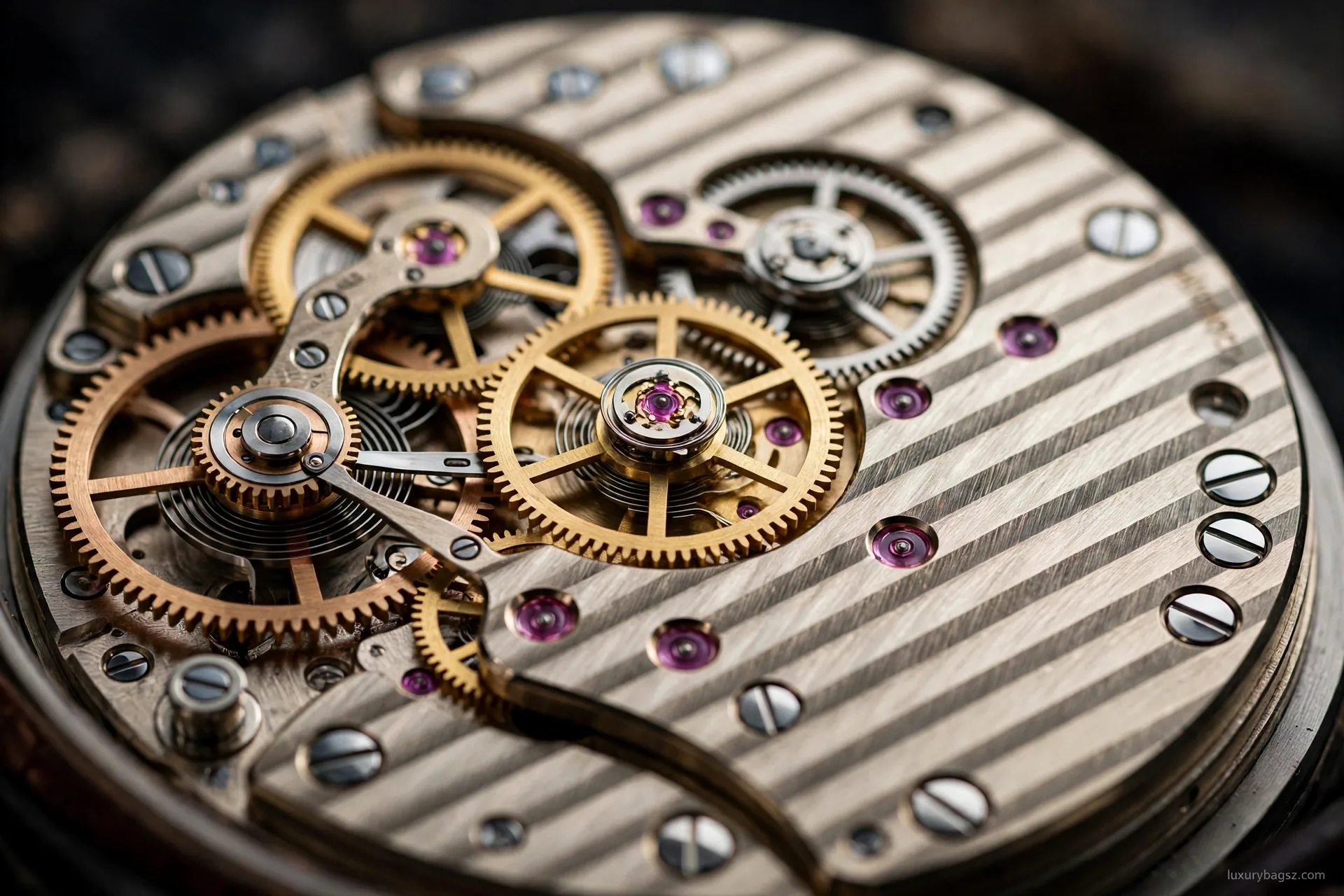
For any high-value Patek, the movement check is decisive, and it must be done by someone qualified to open the case safely. A genuine Patek calibre shows superb finishing: Geneva stripes or other decoration applied evenly, bridges with clean, polished bevels, screws that are polished and correctly blued or finished as the calibre requires, and jewels set cleanly.
The calibre number and Patek Philippe markings should be correctly engraved and match the reference. Rough bridges, unpolished screws, glue, generic unmarked parts, or a movement that is visibly a decorated generic calibre are all hard evidence of fakery.
Modern Patek watches carry the Patek Philippe Seal, introduced in 2009, which replaced the Geneva Seal on Patek movements. The seal attests to the movement's finishing and to the whole watch's quality, and its presence, form, and placement must match the production era. A modern watch carrying a Geneva Seal, or an older watch carrying a Patek Philippe Seal, has an era mismatch that needs explaining.
Some collectors debate the exact transition details, and this guide's position is simple: the seal must fit the watch's production date, and any mismatch goes to an expert before purchase.
Also check the movement's behaviour. A genuine Patek should run with the smooth, quiet precision expected of its calibre, with correct functions for its complications: the date should change crisply at midnight, chronograph functions should start, stop, and reset precisely, and perpetual calendar indications should advance correctly.
A complication that behaves erratically is not merely a servicing issue on an unknown watch; it is a reason to suspect the movement itself.
Caseback Engravings and Serial Numbers
Patek caseback engravings, where present, should be sharp, evenly deep, and correctly formatted. Many Patek watches have solid casebacks, some have exhibition backs, and some carry engravings relating to the reference, serial, or special editions. Whatever the configuration for the reference, it must match: a solid back on a reference that should have an exhibition back, or vice versa, is a serious discrepancy.
Serial numbers must be consistent across the watch, its papers, and its Extract from the Archives where one exists. A serial number that looks freshly engraved on a worn case, that uses a different font from the rest of the engraving, or that does not correspond to the claimed production era is a warning.
Patek serial numbering changed over the decades, and a number that belongs to a different era than the watch's design is a red flag that an expert should examine.
Be cautious with engraved casebacks sold as special or commemorative editions. Counterfeiters frequently add plausible engravings to ordinary fake cases, and the engraving quality is often the giveaway: shallow, uneven, or slightly blurred lettering, or letter spacing that drifts across the line. Compare against verified examples of the same edition, and treat any edition claim without paperwork as unverified until proven otherwise.
Hallmarks and the Geneva Seal
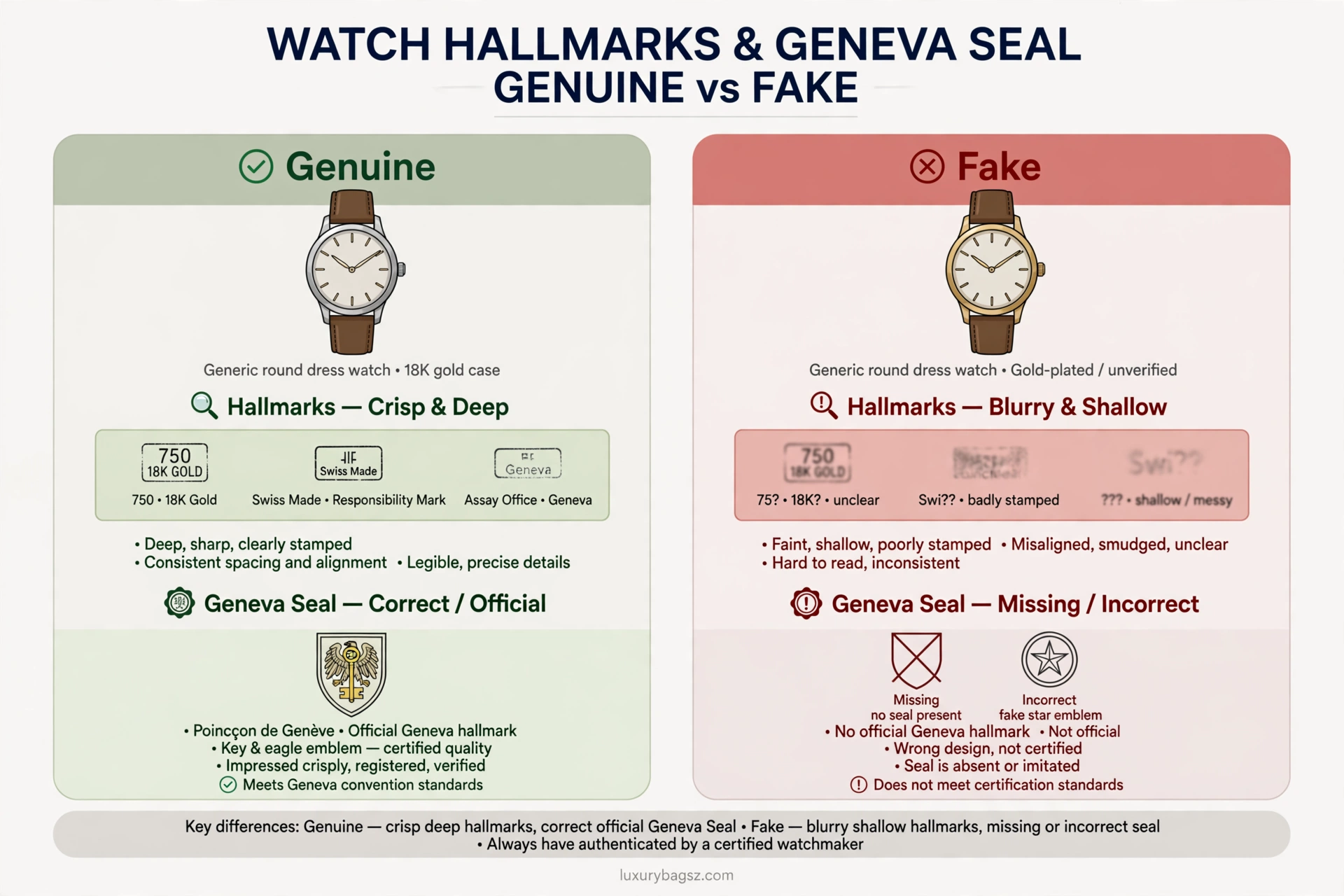
Precious-metal Patek watches carry hallmarks that must be correct for the material, market, and era. Swiss hallmarks, including the St. Bernard dog's head for precious metals and the Geneva Seal hallmark on older Geneva-made pieces, should be struck cleanly and placed where the reference requires. Hallmarks that look cast rather than struck, that sit in the wrong place, or that do not correspond to the claimed metal are warnings.
A watch claimed as platinum that lacks the correct platinum hallmarks, or a gold watch with hallmarks for a different gold content, fails this check outright.
The Geneva Seal deserves separate attention because it is widely misunderstood. On older Patek movements, the Geneva Seal, the Poincon de Geneve, attests that the movement was made in Geneva and meets specific finishing and construction standards. Its presence on a movement must match the movement's era and calibre. A Geneva Seal on a movement that never carried one, or a crudely rendered seal, is a fake tell.
On modern watches, as noted above, the Patek Philippe Seal supersedes it, and the two should not be confused.
Hallmark checking has limits: hallmarks can wear, and some markets used different marking conventions. Wear is a matter of degree, though. A hallmark worn smooth by decades of use looks different from a hallmark that was never struck sharply in the first place. When in doubt, have a jeweller or watchmaker examine the marks under magnification and compare them against hallmark references for the claimed metal and era.
Papers, Box, and the Extract From the Archives
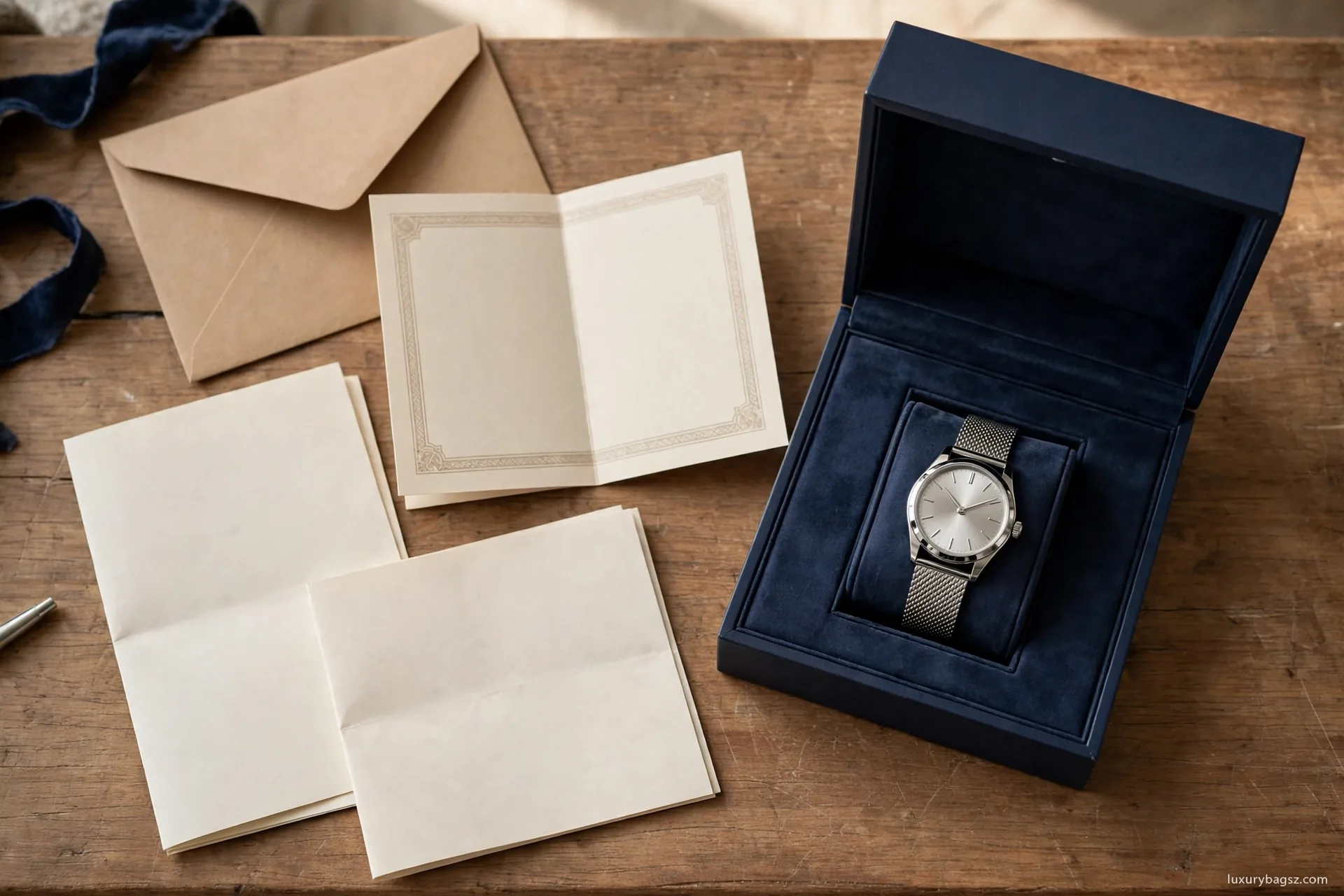
Patek paperwork is among the best in the industry, and it is also among the most faked. A genuine Certificate of Origin shows the reference, serial number, and details that match the watch exactly, with crisp printing and correct formatting for its era. Modern certificates include security features, and the certificate's style must suit the watch's production date.
A modern-style certificate with a vintage watch, or a vintage-style certificate with a modern watch, needs explaining.
The Extract from the Archives is a powerful tool. Issued by Patek Philippe, it confirms the watch's reference, serial number, movement, and date of manufacture from the company's own records, for watches whose records survive. An Extract that matches the watch is strong supporting evidence; a watch whose claimed details contradict its Extract, or whose seller refuses to obtain one where one is available, deserves caution.
Not every vintage watch has surviving records, and the absence of an Extract is not proof of fakery, but a contradiction between the watch and its Extract is close to decisive.
Boxes follow the same logic as other paperwork: the box style must suit the era, the branding must be correctly spelled and rendered, and the materials and finishing must be of Patek quality. A convincing box with a fake watch is common, and a genuine watch with a replaced box is also common. Judge the box as supporting evidence, never as the verdict, and always return to the watch itself.
Superclone Traps: Why Good Fakes Fool Good Buyers
Modern superclones are the reason this guide insists on movement and paperwork checks. A high-grade fake Patek can copy the case shape, dial printing, bracelet, and even the weight closely enough to pass a casual inspection and to photograph convincingly. Buyers who rely on a single external tell, such as the logo, the crown, or the bracelet feel, are exactly the buyers superclones are built to fool.
The traps are predictable. First, the "one perfect tell" trap: a buyer checks the dial, finds it excellent, and stops. Second, the "papers prove it" trap: a buyer accepts a certificate without checking that its serial matches the case, or without noticing that its style suits a different era. Third, the "trusted seller" trap: a buyer trusts a marketplace rating or a plausible story instead of an inspection.
Fourth, the "price proves it" trap in both directions: a high price does not guarantee genuineness, and a low price from a genuine distressed seller does not guarantee fakery. Each trap works by substituting a shortcut for the full checklist.
The defence is procedural, not visual. Insist on the reference check, the movement inspection, the serial and paperwork match, and an independent opinion, every time, for every high-value Patek. A seller who welcomes that process is behaving like a seller of a genuine watch. A seller who resists it, rushes it, or limits it to photographs is behaving like a seller who knows what an inspection would find.
That behavioural evidence, combined with the physical checks, is often what separates a confident purchase from an expensive mistake.
Buying Safely: Inspection, Escrow, and Recourse
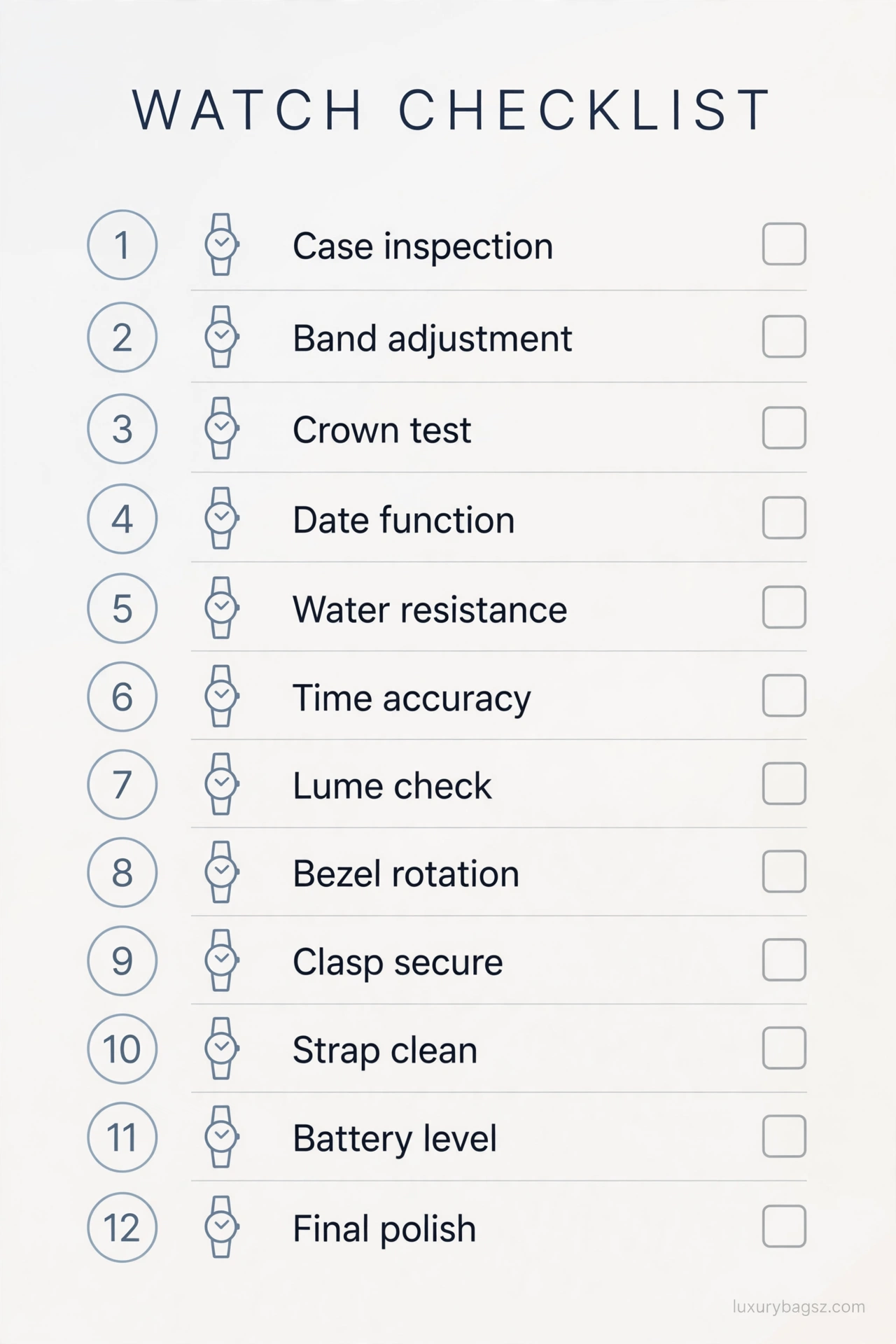
Build authentication into the deal before payment. For a high-value Patek, that means a written return period sufficient for an independent inspection by a reputable dealer or watchmaker, including opening the case where appropriate. Get the seller's agreement in writing, specifying what happens if the watch is judged fake or not as described. If the seller refuses any inspection window, walk away, however attractive the watch or price.
Use payment methods with recourse, and be wary of irreversible transfers, cryptocurrency payments, or off-platform deals that strip away marketplace protection. Escrow through a reputable marketplace can help, but read the terms carefully: some services verify only that the watch matches the listing photographs, not that it is genuine in the full sense of this guide, and some exclude certain references, complications, or conditions.
Know what the escrow actually covers before you rely on it.
Keep complete records: the listing, the seller's description, all correspondence, photographs of the watch and its serial number, the papers, and the inspection report. If a problem emerges, those records are the basis for a return, a claim, or a report to the platform. A genuine Patek Philippe is a lifetime watch and often a family heirloom; the days spent verifying it are a small price for decades of confidence in what is on your wrist.
The same inspection-first approach applies whether you are comparing sports watches in the Patek Philippe Nautilus vs Aquanaut guide or checking a bracelet against the Cartier Love bracelet fake guide: verify the reference, the movement or craftsmanship, and the papers, every time.
Servicing, Restoration, and Preserving Value
A genuine Patek Philippe is a long-term object, and its service history affects both its condition and its value, which makes servicing part of authentication rather than an afterthought. Patek recommends servicing at intervals measured in years, and a watch with a documented service history from Patek or a reputable specialist is easier to trust, because each service involved inspection by people who know the calibre.
When buying pre-owned, ask when the watch was last serviced, by whom, and what was done, and factor a service into your budget if the answer is vague or long ago. A watch that has not been serviced for many years may run acceptably, but its lubricants, gaskets, and complication functions are all in unknown condition, and a service is the only way to establish them.
Restoration is where value is most easily lost. A Patek with a replaced dial, re-cut case, or refinished movement parts may look attractive, but collectors value originality, and undisclosed restoration reduces both trust and price. Legitimate restoration, such as replacing a worn crown, a damaged crystal, or a tired strap, is normal maintenance when disclosed and correctly done.
Restoration that changes the watch's appearance, such as re-dialling, heavy case polishing that softens edges, or replacing a movement component with an incorrect part, is a different matter, and it should be disclosed, documented, and priced accordingly.
Before authorising any restoration on a Patek you own, ask a specialist what the work will do to originality and value, not just to appearance, because a shinier watch is not always a more valuable one.
Long-term preservation is mostly a matter of habits. Store the watch in its box or a watch case, away from strong magnetic fields, extreme temperatures, and humidity, and wind or wear it regularly enough to keep lubricants distributed, as your watchmaker advises for its calibre. Keep papers, certificates, Extracts, and service records together and safe, because that file is what proves the watch's identity to future buyers and to Patek itself.
A Patek with a complete, documented history is not only easier to enjoy; it is easier to authenticate, easier to insure, and easier to sell, and that documentation is worth protecting as carefully as the watch.
Complications and Special Models: Extra Checks That Matter
Complicated Patek watches need complication-specific checks beyond the standard twelve, because each complication adds mechanisms that counterfeiters must copy and buyers must test. Perpetual calendar models should display the correct day, date, month, leap-year cycle, and moonphase for the current date, with all indications advancing correctly and crisply.
A perpetual calendar that shows an impossible date, such as 31 February, that advances sluggishly, or whose moonphase does not match the actual moon, has a movement or setting problem that needs a specialist, not a seller's reassurance.
Never force a perpetual calendar's adjustments, particularly around midnight or at month-end, without understanding its correct setting procedure, because incorrect adjustment can damage the mechanism on a genuine watch as well as reveal a fake one.
Chronograph models need functional testing: start, stop, and reset should operate crisply, with the chronograph seconds hand returning precisely to zero and the minute counter advancing correctly. A chronograph that sticks, resets off-zero, or advances erratically suggests a wrong movement, a damaged movement, or a fake, and any of those should end the deal until a watchmaker advises otherwise.
Minute repeaters and other grand complications are specialist territory entirely: their sound, mechanism, and finishing require expert assessment, and no general guide can substitute for a specialist's opinion on a watch of that value and complexity.
Special models, including limited editions, anniversary pieces, and watches with special dials or casebacks, need edition-specific verification. Compare the edition's dial, caseback, engravings, and papers against verified examples from auction houses and specialist dealers, and be wary of edition claims supported only by a story or a single photograph.
Limited editions attract the most sophisticated fakes precisely because buyers expect unusual features and are less sure what is correct, so edition purchases demand more documentation, not less. For any complicated or special Patek, the rule is simple: the more complex or unusual the watch, the more specialist the inspection must be, and the less you should rely on visual impression alone.
Frequently Asked Questions
Can a superclone Patek pass a visual inspection?
Yes, a high-grade fake can pass a casual visual inspection, which is why this guide insists on the movement check, the hallmark check, and the paperwork match. Visual inspection screens out crude fakes; it does not by itself authenticate a high-value Patek.
Is the Patek Philippe Seal on every genuine modern Patek?
Modern Patek movements carry the Patek Philippe Seal, introduced in 2009, while older movements carry the Geneva Seal where applicable. The seal must fit the watch's production era; a mismatch between seal and era is a warning, not a detail to ignore.
Can I verify a Patek serial number myself?
Partially. You can check that the serial format suits the claimed era and that it matches the papers and any Extract, but full verification against Patek's records generally requires an Extract from the Archives or a dealer with access to reliable records. A serial that matches nothing is a problem.
Does a Certificate of Origin guarantee a Patek is genuine?
No. Certificates are faked, and a genuine certificate can be paired with a fake watch. The certificate helps only when its reference, serial, and era all match the watch itself, and when its printing and security features are correct for its date.
Are Nautilus and Aquanaut models faked more than Calatrava models?
In practice, yes, because sports models command high secondary prices and strong demand, which attracts counterfeiters. Dress models are faked too, though, and no reference should be assumed safe from copying.
Should I avoid vintage Patek watches without an Extract?
Not necessarily. Some vintage watches have no surviving records, and many genuine vintage pieces trade without an Extract. The absence of an Extract lowers certainty and should lower the price; a contradiction with an Extract, by contrast, is a serious problem.
How much should professional Patek authentication cost?
It varies by provider, by whether the case is opened, and by whether an Extract is obtained, but it is normally a small fraction of the watch's value. For a five-figure watch, skipping authentication to save a modest fee is poor arithmetic.
Can a watchmaker tell a fake Patek without opening the case?
Sometimes, when external tells are clear, but often the decisive evidence is inside. A reputable watchmaker will usually want to open the case for a high-value piece, and a seller who forbids opening should be treated with caution.
Do all genuine Patek watches have exhibition casebacks?
No. Many Patek watches have solid casebacks, and the correct configuration varies by reference. Judge the caseback against the specific reference, not against a general expectation.
Is it safe to buy a Patek from an authorised dealer pre-owned programme?
Authorised dealer pre-owned programmes and reputable specialist dealers are among the safest routes, because they stake their reputation on authentication and usually offer warranties and return policies. Even there, check the reference, papers, and return terms before committing.
Summary
A genuine Patek Philippe earns its verdict across the whole watch: a reference that checks out, a dial printed with uncompromising crispness, a case finished without a single careless edge, a movement finished like a work of art, hallmarks and seals that fit the era, and papers that match the watch exactly.
Superclones have raised the bar for visual inspection, but they have not repealed it: they still struggle to copy the movement, the hallmarks, and the paperwork trail all at once. Insist on all three, buy only with an inspection window, and you will avoid the most expensive mistake in watch collecting: paying a Patek price for a watch that is not one.






