How to Dress for a Black Tie Event: Tuxedo and Gown Rules, Shoes and What to Avoid
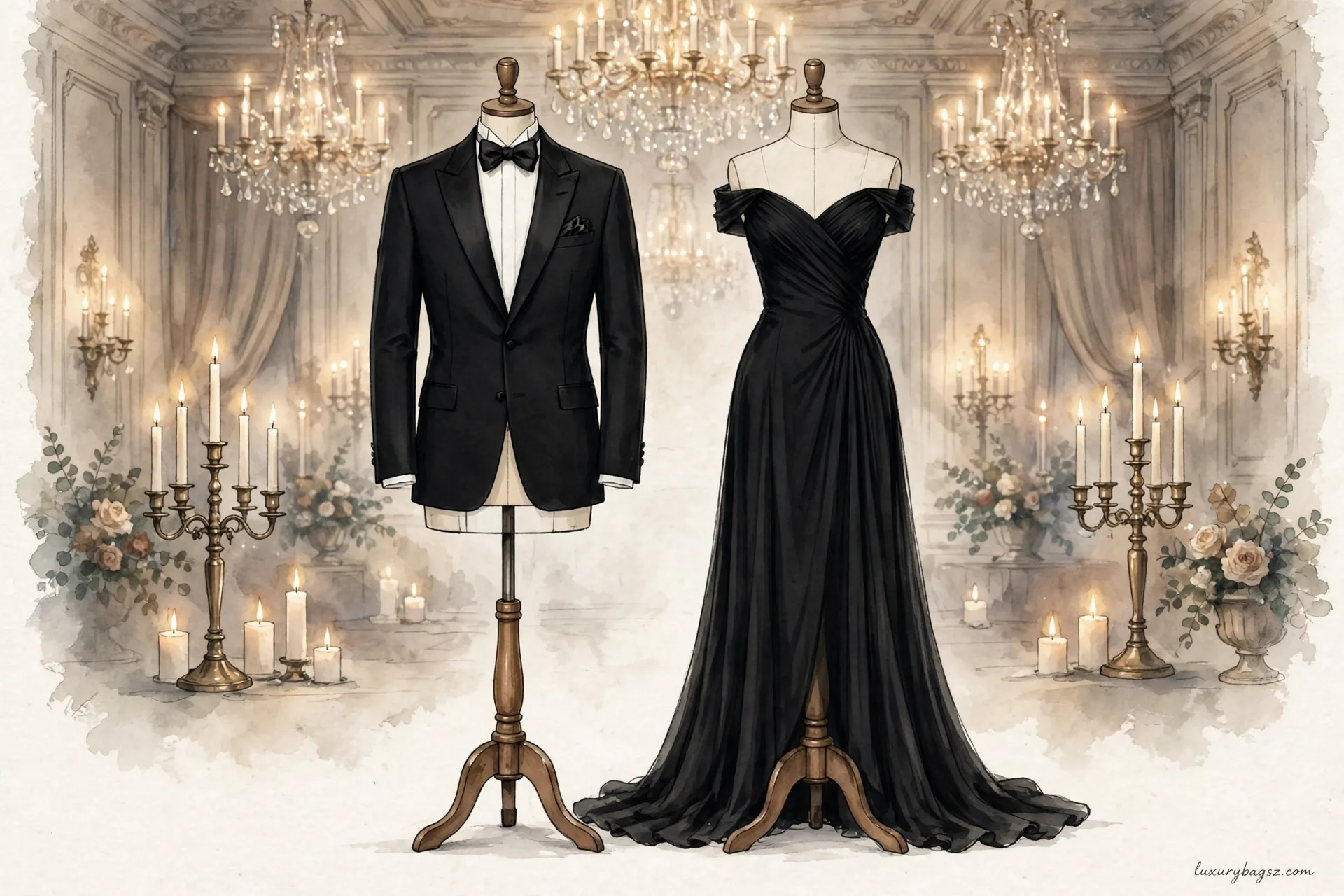
Black Tie Means: Tuxedo or Floor-Length Gown
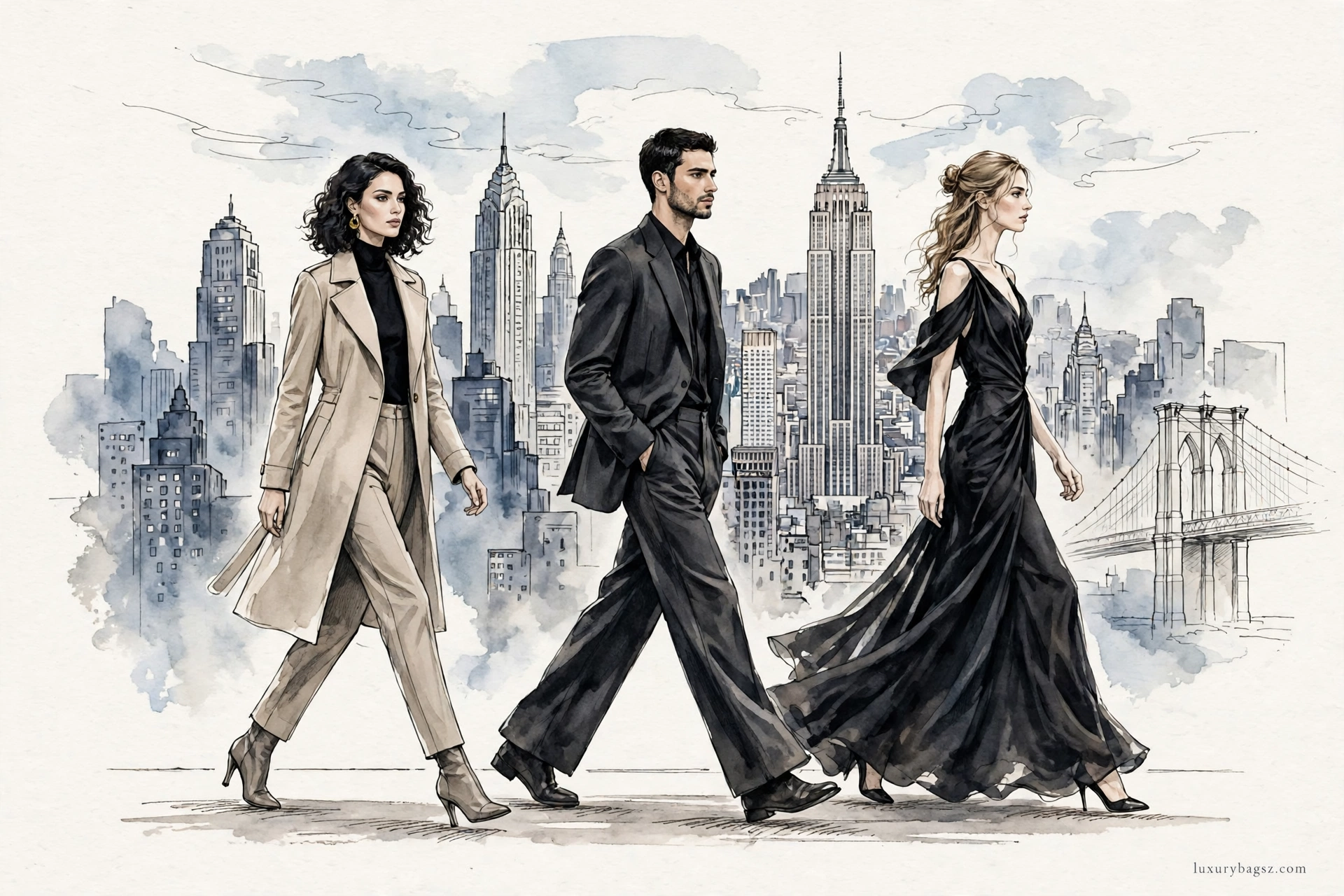
When an invitation says black tie, men wear a tuxedo — dinner jacket with satin lapels, matching trousers, a white dress shirt and a black bow tie — and women wear a floor-length gown. Black tie optional softens that: a dark suit and tie is acceptable for men, and an elegant midi or cocktail dress joins the floor-length gown for women. It is an evening code, for events after six. Dress to the stated code rather than to your preference; at black tie, following the rules is the stylish move.
Key Takeaways
- Black tie is fixed: tuxedo for men, floor-length gown for women.
- The bow tie is hand-tied if you can, black, and matched to the lapel fabric.
- Black tie optional allows a dark suit for men and a smart midi for women.
- Shoes are patent or highly polished black Oxfords; gowns take a heeled evening shoe.
- Bags shrink to a clutch; jewellery rises to one elegant statement at most.
- White tie is stricter still — if the invitation says it, do not downgrade.
Read the Invitation Properly First
The invitation's wording is the whole brief. Black tie, black tie optional, creative black tie and white tie are four different instructions. Note the venue and hour as well. A black tie ball in a grand hotel asks for full formality; a black tie charity dinner in a marquee allows a touch more ease. If a host adds a theme or a colour note, follow it inside the code. A request for a touch of gold is met with jewellery or a clutch, not a gold dress that breaks the line. When in real doubt, ask the host or a fellow guest who knows the event. One short message beats an evening of feeling wrongly dressed.
Check whether the event includes dinner, dancing or both. Dancing changes shoe choices, and a sit-down dinner changes what a fitted dress must survive. Travel and weather matter at this level of dress. Plan the coat, the car and the umbrella before the evening, not at the door in the rain. Keep the invitation until the day. Hosts occasionally update details, and the code line is the part guests most often misremember.
The Four Codes, Translated
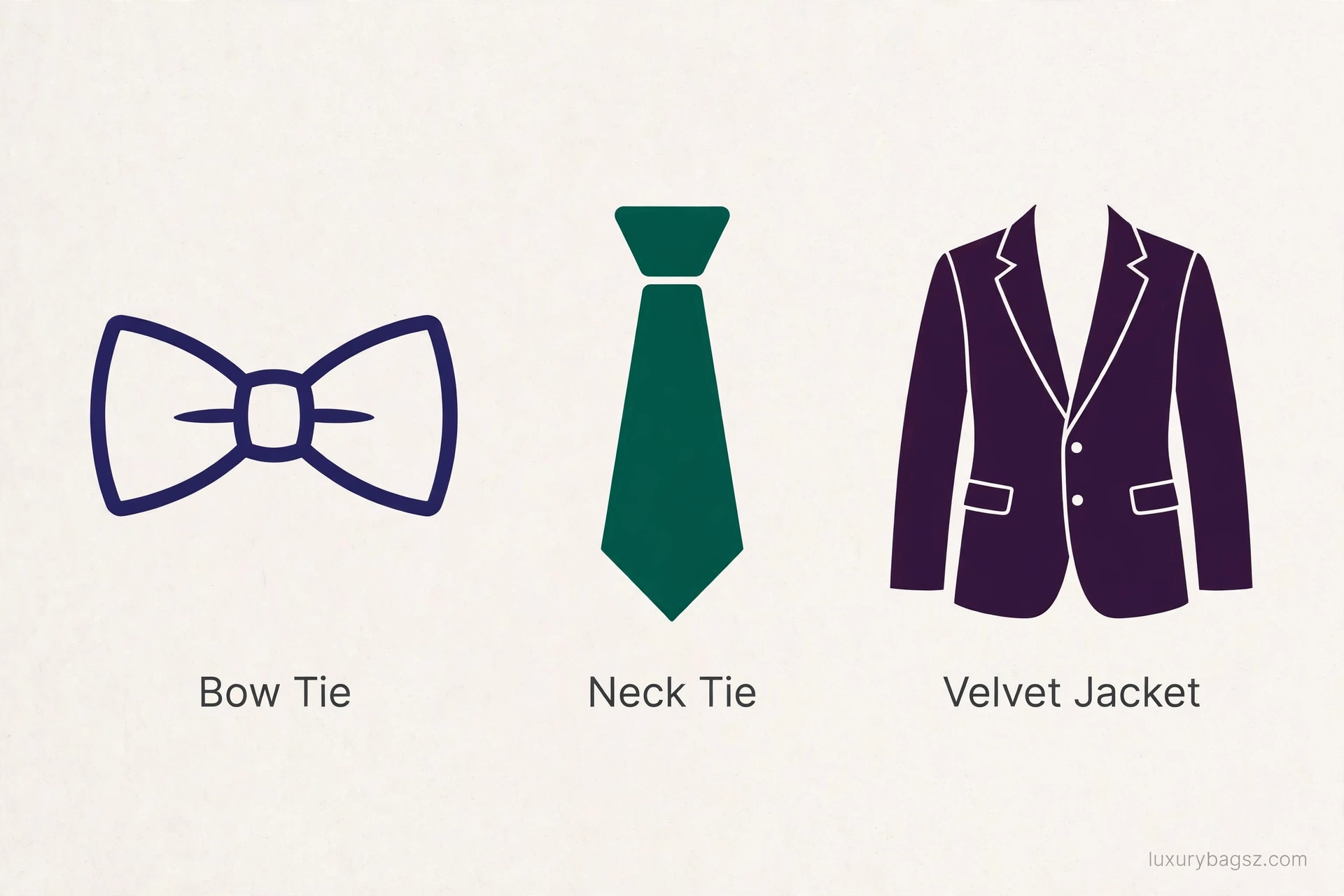
Black tie is the standard described above: tuxedo, bow tie, dress shirt and patent shoes for men; a floor-length gown for women, without exception at formal hosts. Black tie optional means a tuxedo is preferred but a dark suit with a tie is accepted for men. Women may wear a floor-length gown or an elegant shorter dress. Creative black tie keeps the base and permits one playful element: a velvet jacket, a coloured bow tie, or a gown with a bold cut or print. White tie is the strictest code of all: tailcoat, white waistcoat and white bow tie for men, and a full gown, often with long gloves, for women.
Morning dress is a daytime code, not an evening one: tailcoat or morning coat with striped trousers. Do not wear it to an evening black tie event. Cocktail attire sits below black tie optional: a suit without the tuxedo details for men, and a knee-length or midi dress for women. If the invitation says formal without more detail in the evening, treat it as black tie optional and dress towards the smarter end of it.

For Men: The Tuxedo, Piece by Piece
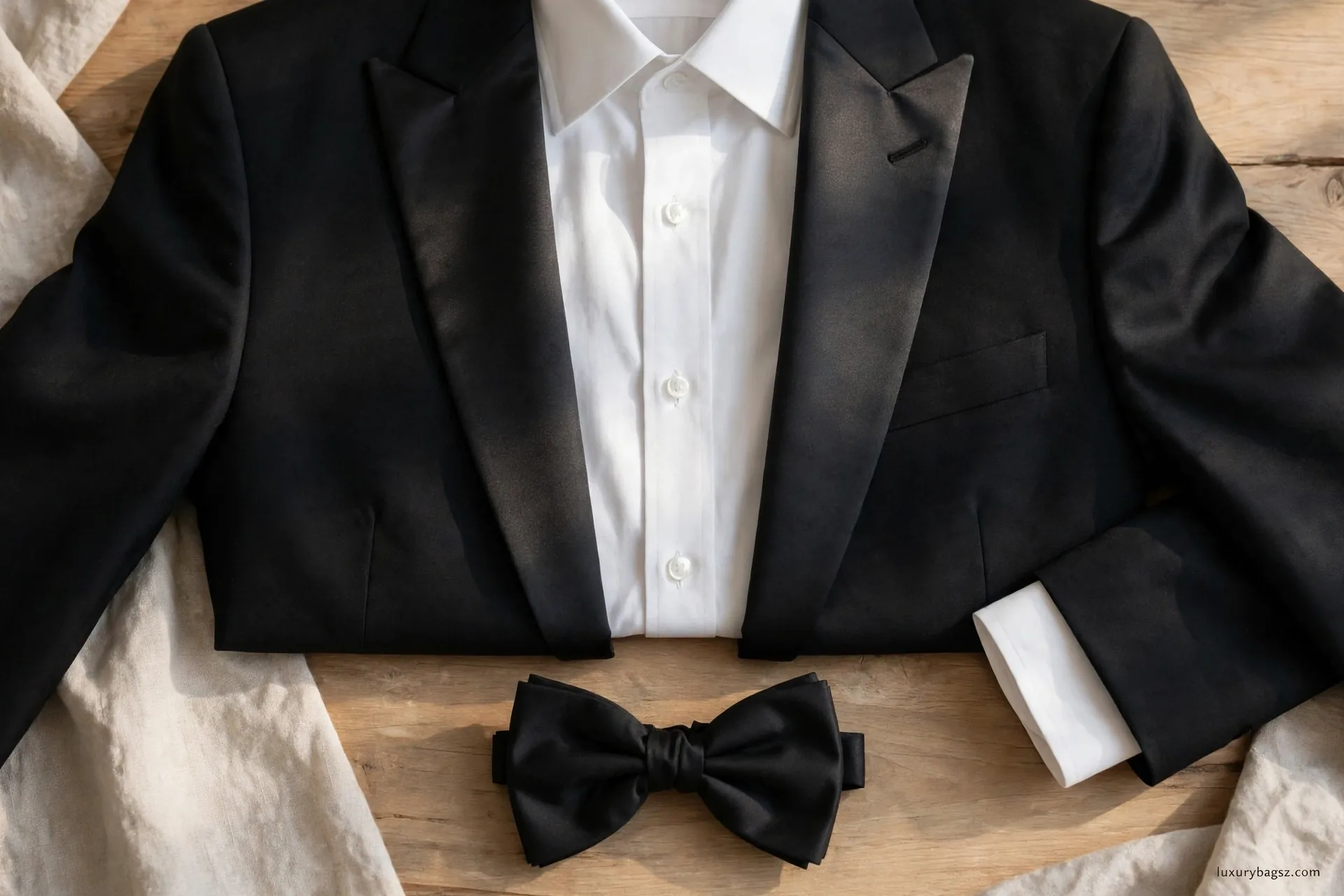
The jacket is black or midnight blue — midnight blue reads blacker than black under artificial light — with satin or grosgrain lapels, peak or shawl. Trousers match the jacket, with a satin stripe down the outer leg and no belt loops. They are held by braces or side adjusters, never a belt. The shirt is white, with a pleated or piqué front, a turndown or wing collar and double cuffs for cufflinks. Studs replace the front buttons on formal shirts. For the fit checks behind a good jacket, our guide on how to choose a suit covers shoulders, chest and length in full.
The bow tie is black and ideally hand-tied, in a fabric that matches the lapels. A necktie with a tuxedo is the most common black tie error men make. A waist covering is part of the classic look: a low formal waistcoat or a cummerbund with the pleats facing up. Choose one, not both. Hiring is sensible for a first event. Buy once you attend two or more black tie events a year, and have the jacket tailored to you.
For Women: The Gown Rules
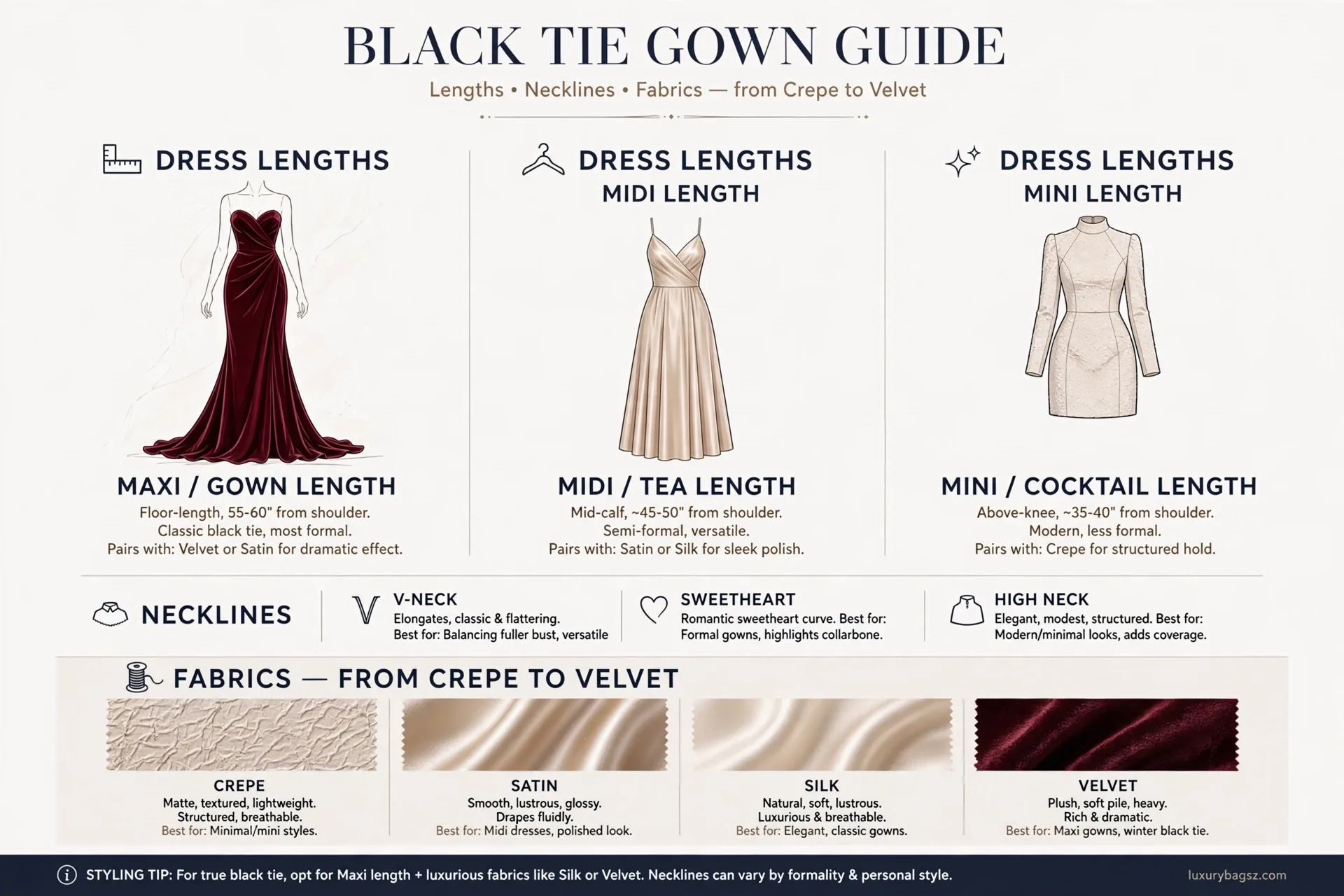
The gown is floor-length, in an evening fabric: crepe, satin, velvet, chiffon or silk. Day fabrics and short hems belong to lesser codes. Necklines may be strapless, halter, one-shoulder or sleeved; the formality lives in the length and fabric more than in the cut. Black is always correct and never reads as mourning at an evening event. Deep jewel tones — burgundy, emerald, navy, plum — are equally safe and often kinder. Avoid white and ivory unless the host directs it. At weddings under this code, the bridal colours are reserved, and photographs will not forgive the clash.
Fit matters more than embellishment. A plain crepe gown that skims and moves well beats a beaded gown that must be hitched up all evening. Underpinnings and hemming are part of the purchase. Have the gown hemmed with the exact shoes you will wear, to a length that clears the floor as you walk. A wrap, stole or evening coat completes the arrival. A daily coat over a gown undoes the effect at the door, where first impressions are made.
Shoes, Hair and Grooming at Formal Level
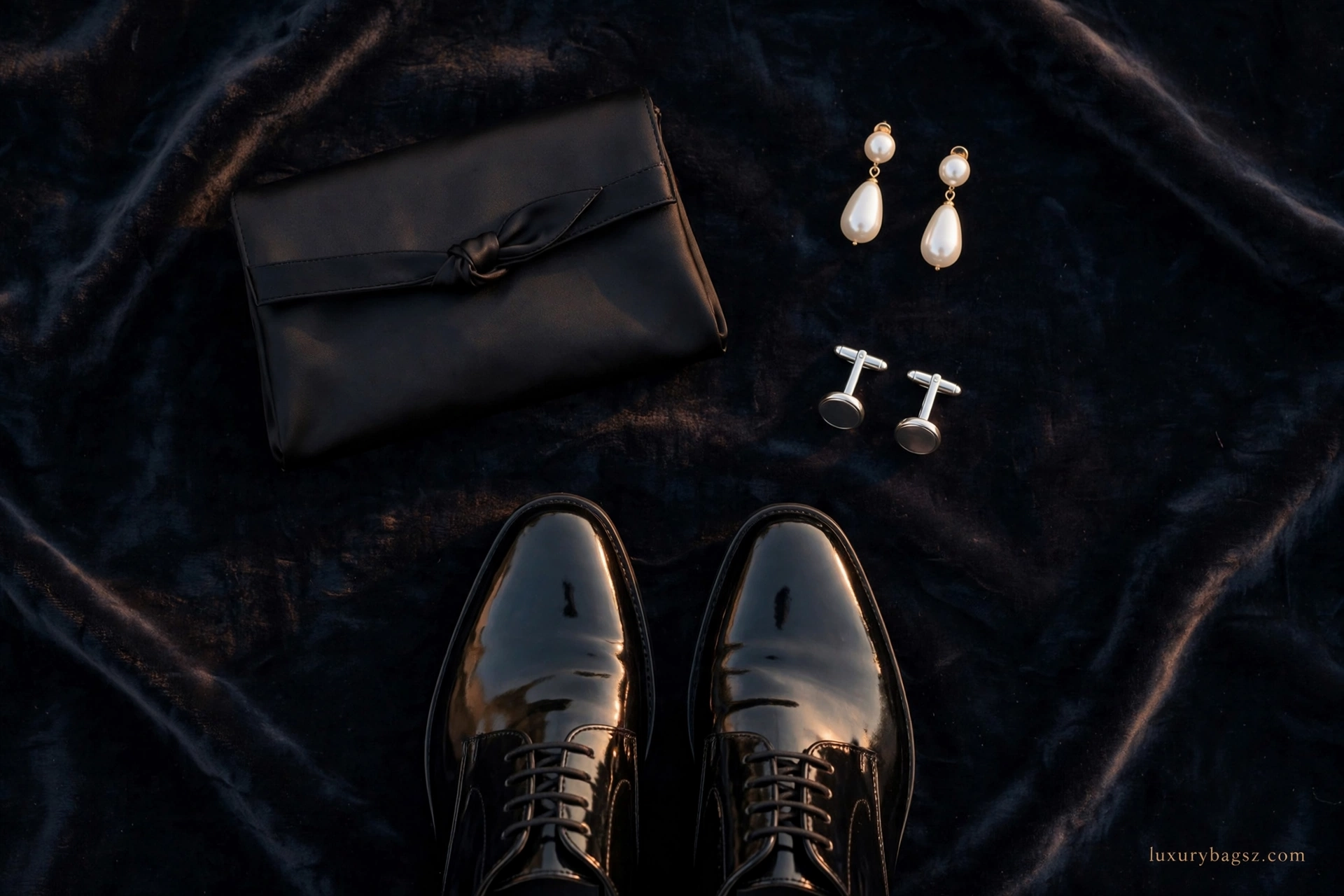
Men wear patent leather Oxfords, or plain Oxfords polished to a high shine. Velvet slippers suit a creative code or a private house event. Women wear an evening shoe: a heeled sandal or court in satin, metallic leather or a tone from the gown, with a heel they can stand and dance in. Hair is styled, not merely brushed: up, smoothed or set. At this code, an undone daytime hairstyle reads as unfinished, however good the dress. Make-up strengthens for evening light, with skin kept real and one feature emphasised. Nails are groomed and neutral or deep-toned, never chipped.
Fragrance stays close. A formal dinner places you near others for hours, and restraint is part of the dress code's courtesy. Men: nails trimmed, shoes shined, shirt pressed and studs and links checked before leaving. A missing cufflink discovered at the venue has no good fix. Arrive with the outfit complete. Safety pins, tape and a borrowed jacket are all visible at this level, and hosts notice effort kindly but errors clearly.
Bags, Jewellery and Finishing Pieces
The bag becomes a clutch — small, structured and held in the hand or on a fine chain. Our edit of luxury clutches shows the classic shapes and sizes. Evening styling follows the hero rule in our guide on how to style luxury accessories: one statement, the rest quiet. Jewellery may rise one level from daytime: drop earrings or a necklace, rarely both at full scale, in diamond-look, pearl or coloured stones that suit the gown. Our round-up of designer party bags covers beaded, satin and minaudière styles for hosts who allow a little sparkle.
Men keep accessories to cufflinks, studs, a plain watch on a leather strap if any, and the bow tie. A metal bracelet watch fights the dress shirt cuff. Gloves belong to white tie and to the most traditional hosts. If worn, they come off for eating and for shaking hands is a matter of the host's custom — follow the room. A pocket square, white linen or silk, sits flat and plain. At black tie, patterned squares and novelty folds belong to the creative code only.
Mistakes That Break the Code
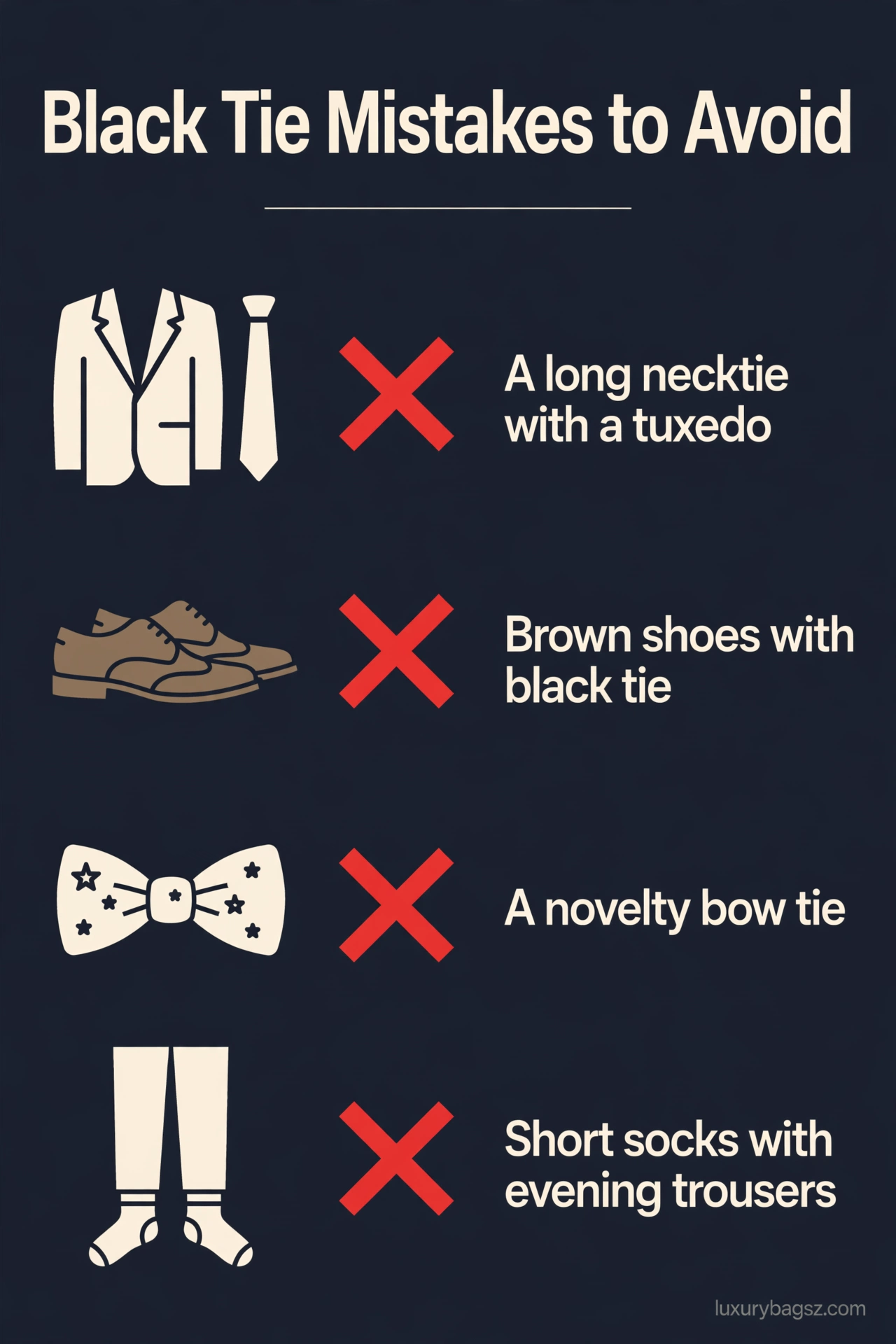
A necktie with a tuxedo is the classic error, followed by a belt with tuxedo trousers and brown shoes with a black dinner suit. For women, a short dress at a strict black tie host is the matching error. If the gown rule will be enforced socially, the midi belongs to optional codes. Novelty bow ties, cartoon cufflinks and light-up anything belong to parties with no code at all. Black tie humour lives in conversation, not clothing. Overdressing past the code is also an error: white tie dress at a black tie event upstages the host as surely as jeans would underdress it.
Arriving in outerwear chaos — a ski jacket over a tuxedo — is more common than any clothing error. Plan a proper coat and a car or cloakroom. Phones at the table and smart watches glowing on wrists are modern code breaks. The dress is formal; the manners should match it for one evening. Photograph your full outfit at home in evening light. Fit, hem length and shine levels all read differently at night than in a morning mirror.
Renting, Buying and Keeping a Black Tie Kit
Rent the tuxedo or gown if the event is a one-off. Choose the rental by fit and condition, and collect early enough to fix length or fit problems. Buy when the calendar repeats: two or more formal events a year makes a classic tuxedo or a plain gown cheaper per wear than repeated hiring. The timeless purchase is deliberately plain: peak or shawl lapels, no fashion cuts, and a gown in a deep colour and a clean line that jewellery can vary. Keep a black tie kit box: bow tie, studs, links, cummerbund or waistcoat, patent shoes and, for gowns, the wrap and clutch that pair with yours.
Store the tuxedo in a breathable cover and the gown hung or boxed as its fabric demands. Check both a month before each season's first invitation. Replace consumables before they fail: spare studs, a second bow tie and heel tips in the kit box save the evening that rental shops cannot. Over a decade, a kept kit turns every invitation from a shopping problem into a pleasure. That calm readiness is the true luxury of formal dress.
Frequently Asked Questions
Can I wear a normal black suit to a black tie event?
At a strict black tie event, no — the tuxedo is required. At black tie optional, a black or dark suit with a tie is acceptable and common.
Can women wear a short dress to black tie?
At strict black tie, the gown should be floor-length. Shorter elegant dresses belong to black tie optional and cocktail codes.
Is a pre-tied bow tie acceptable?
It is acceptable, though a hand-tied bow tie looks better and slightly undone charm is traditional. Never wear a necktie with a tuxedo instead.
What colour tuxedo is correct?
Black is standard; midnight blue is equally classic and looks very rich under evening light. Coloured jackets belong to creative black tie.
Do I need a cummerbund or waistcoat?
Traditionally yes, one of the two covers the waist. Modern black tie sometimes omits it, but the classic, safest reading includes it.
What shoes should women wear with a gown?
An evening heel — a satin or metallic sandal or court shoe — hemmed for by having the gown fitted while wearing those exact shoes.
Can I wear a watch to a black tie event?
Strictly, a plain dress watch on a leather strap or none at all. Leave sports and smart watches at home for the evening.
What bag should I carry with a gown?
A small clutch, in satin, metallic leather or a jewel tone, large enough for a phone, a card and a lipstick — nothing more.
Is black tie the same as white tie?
No. White tie is stricter: tailcoat, white waistcoat and white bow tie for men, and a full gown for women. Never downgrade white tie dress.
What if I cannot afford a tuxedo or gown?
Hire one, or buy pre-owned classics in plain styles and have them tailored. A correct, well-fitted hired outfit beats an incorrect new one.
Final Verdict: Follow the Code and Relax
Black tie is the easiest code to get right because the rules are fixed: tuxedo or floor-length gown, bow tie, patent shoes, clutch-sized bag. Dress exactly to the invitation, check the details in evening light and keep a small kit ready. Then forget your clothes and enjoy the event.