

Hermès Paris Loafers: Prices, Sizing and How to Style Them
The Paris Loafer in One Answer
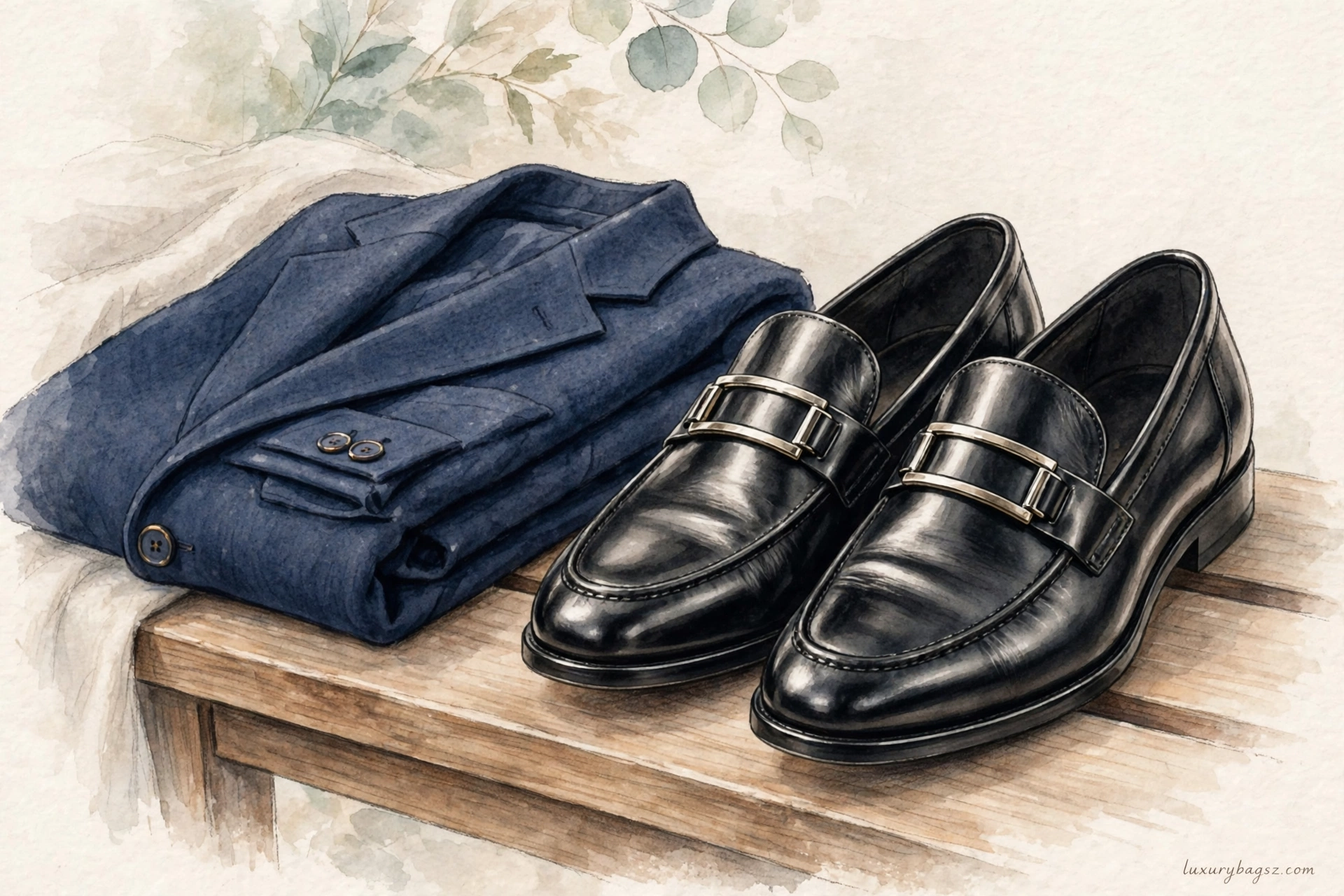
The Paris is Hermès' classic loafer: a clean, polished slip-on with a metal buckle detail, a leather sole and the quiet finish the house does best. It is the loafer for people who find logos too loud.
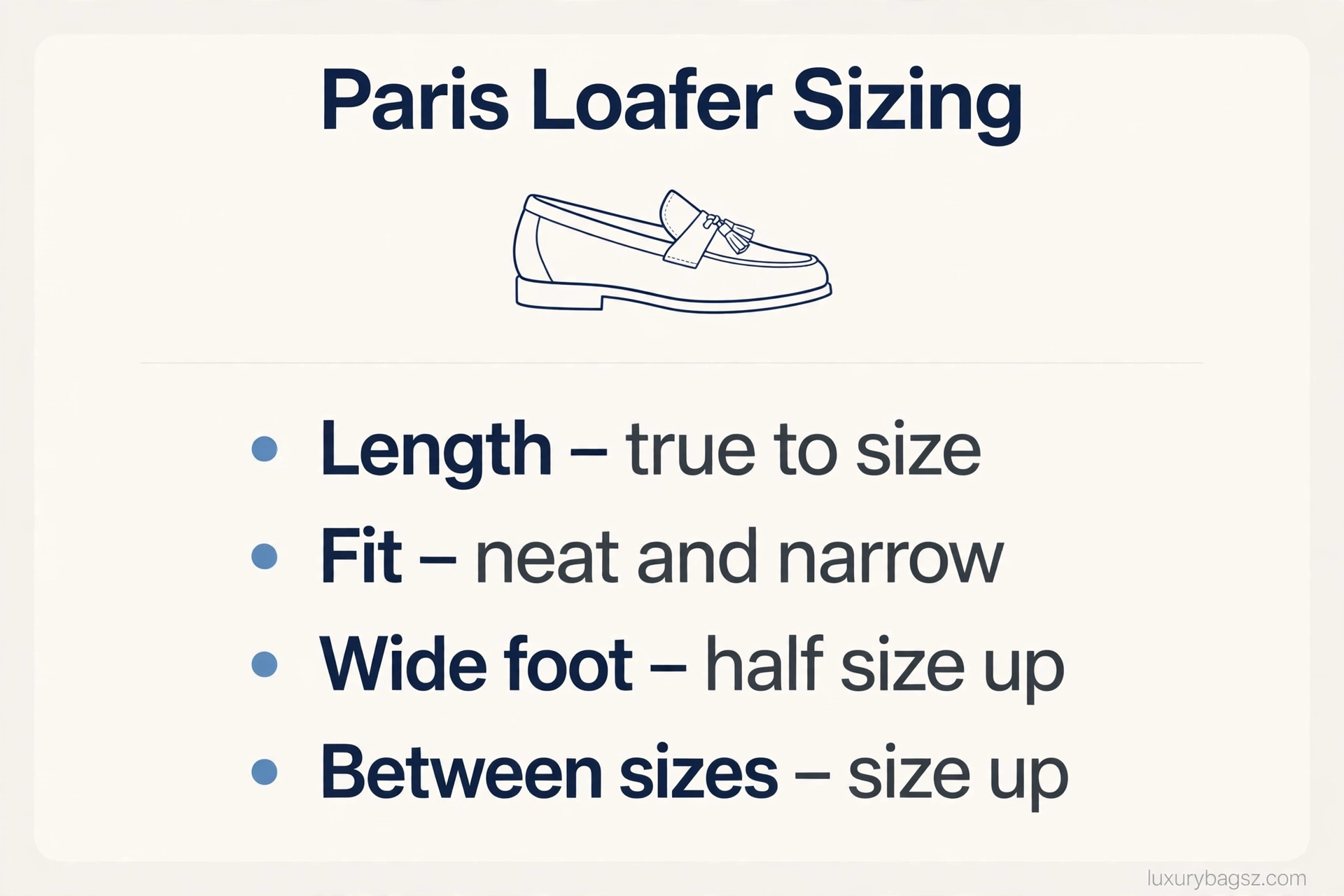
Typical prices sit around $1,300 to $1,500 in the US for calfskin, varying by leather and season. Fit runs true to slightly narrow, so wide feet often take half a size up.
This guide covers the design, sizing, prices and the styling formulas that make the Paris work from office tailoring to weekend denim, plus how it compares with rival loafers.
Key Takeaways
- The Paris is a polished buckle loafer in calfskin, with suede and seasonal versions.
- Budget typically around $1,300 to $1,500 in the US for standard leather pairs.
- Fit is true to size but narrow-leaning; wide feet usually prefer half a size up.
- It dresses up more easily than most loafers thanks to its clean, slim profile.
- Black for tailoring, gold-brown tones for denim and softer summer outfits.
- Shoe trees and sole protection stretch its life more than any polish routine.
What the Paris Loafer Is
The Paris loafer is built like a dress shoe and worn like a slipper. A smooth calfskin upper, a low stacked heel and a leather sole give it a formal base that most chunky loafers lack.
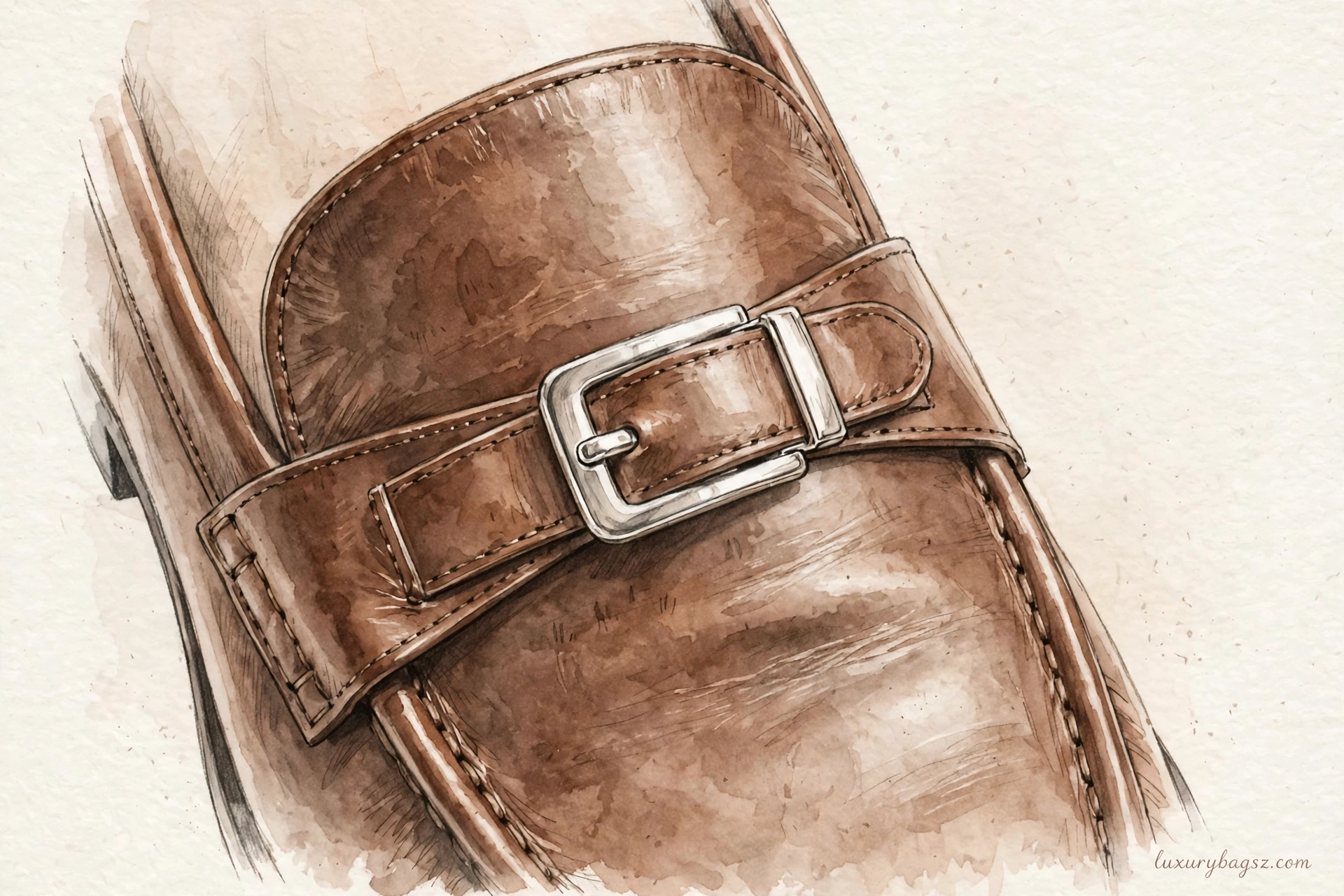
The buckle across the vamp is the signature: a neat metal detail drawn from the house's strap and clasp codes. It catches the light without shouting, which is the whole point of the design.
Hermès offers the Paris for women and in men's versions with the same spirit. Colours stay classic: Noir first, then browns, neutrals and occasional seasonal shades.
It is made in Italy and finished to a standard closer to bench-made dress shoes than to fashion loafers. That finish is what you are paying for, and what styling should show off.
Paris Loafer Sizing and Fit
European sizing applies, and the Paris generally runs true to size in length. The fit across the toes is neat rather than roomy, which suits narrow and average feet best.
If you are between sizes or your feet spread by evening, take the half size up. A loafer that slips at the heel can be fixed with an insole; one that pinches cannot be stretched kindly.
Our general guide to how should loafers fit sets out the thumb-width and heel-slip tests to run in the shop. Use them: loafer fit is decided in the first ten steps.
Suede pairs give a little more across the foot from day one. Smooth calfskin starts firmer and moulds over the first weeks, so judge suede and calfskin fits differently.
Ankle socks in a fine gauge are the fitting-room friend of loafers: they mimic bare skin while letting you judge heel slip honestly, without the grip of thick cotton hiding a loose fit.
Leathers and Finishes
Smooth calfskin is the classic Paris finish: polished, structured and the easiest to dress up. It shows scratches more than grained leather but also polishes back beautifully.
Suede versions soften the whole look and pair naturally with denim, knitwear and summer tailoring. They need a suede brush and weather sense, because rain spots them.
Grained leathers appear in some seasons and forgive daily wear best of all. If the loafer will commute, a grained or suede pair will look fresher for longer than mirror calfskin.
Hardware tone follows the leather: pale gold or palladium finishes on the buckle. Match it loosely to your watch and belt buckle and the outfit reads considered, not matched.

Paris Loafer Prices
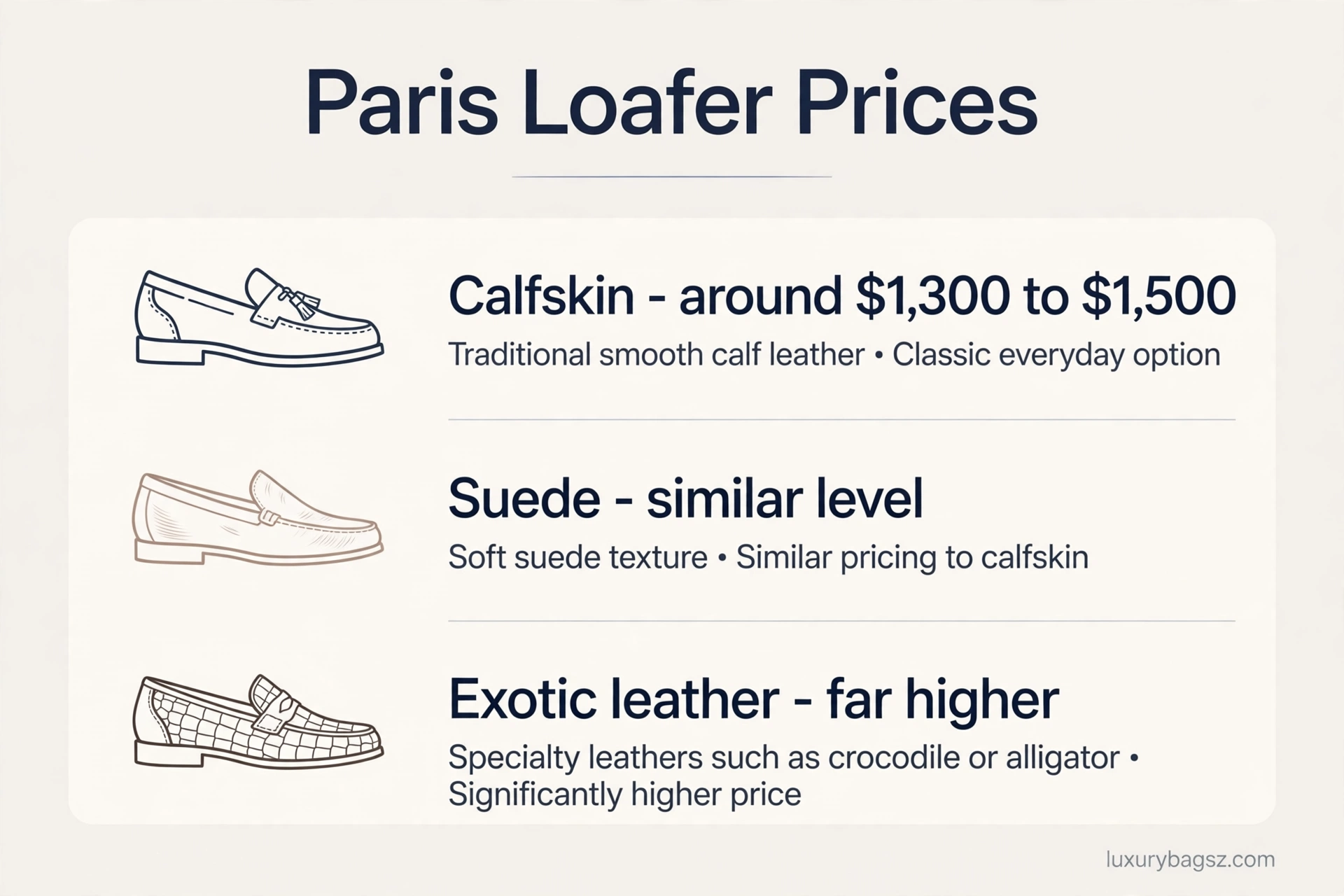
As a typical guide, standard calfskin Paris loafers sit around $1,300 to $1,500 in the US, roughly £1,000 to £1,150 in the UK and around €1,100 to €1,250 in Europe.
Prices vary by season, leather and market, and Hermès adjusts them most years. Use these figures to budget and to sanity-check resale listings, not as a fixed tariff.
Special leathers and exotic versions cost more, sometimes far more. On resale, classic black and brown pairs in common sizes hold a fair share of retail when condition is clean.
Compare cost per wear, not just price: a loafer worn twice a week for five years beats a cheaper pair replaced yearly, in money and in how your outfits look.
How the Paris Compares With Other Loafers
Against soft driving-style loafers, the Paris is dressier and more structured. It holds a trouser crease line in a way a moccasin sole never will, and it suits a blazer properly.
Against chunky platform loafers, it is the quiet option: no lug sole, no height, no trend cycle. If your style is classic rather than fashion-led, that quietness is the appeal.
Fit is where rivals can win for some feet. The Paris last is neat, so very wide feet may find other houses' loafers kinder even after sizing up.
What the Paris returns is finish: stitching, edge work and leather quality at a level that photographs subtly and wears slowly. It is a connoisseur's loafer, not a statement one.
In cost-per-wear terms the Paris behaves like tailoring, not like fashion: dull maths, excellent outcome. Three wears a week across an autumn makes the price feel ordinary by Christmas.
Styling the Paris Loafer
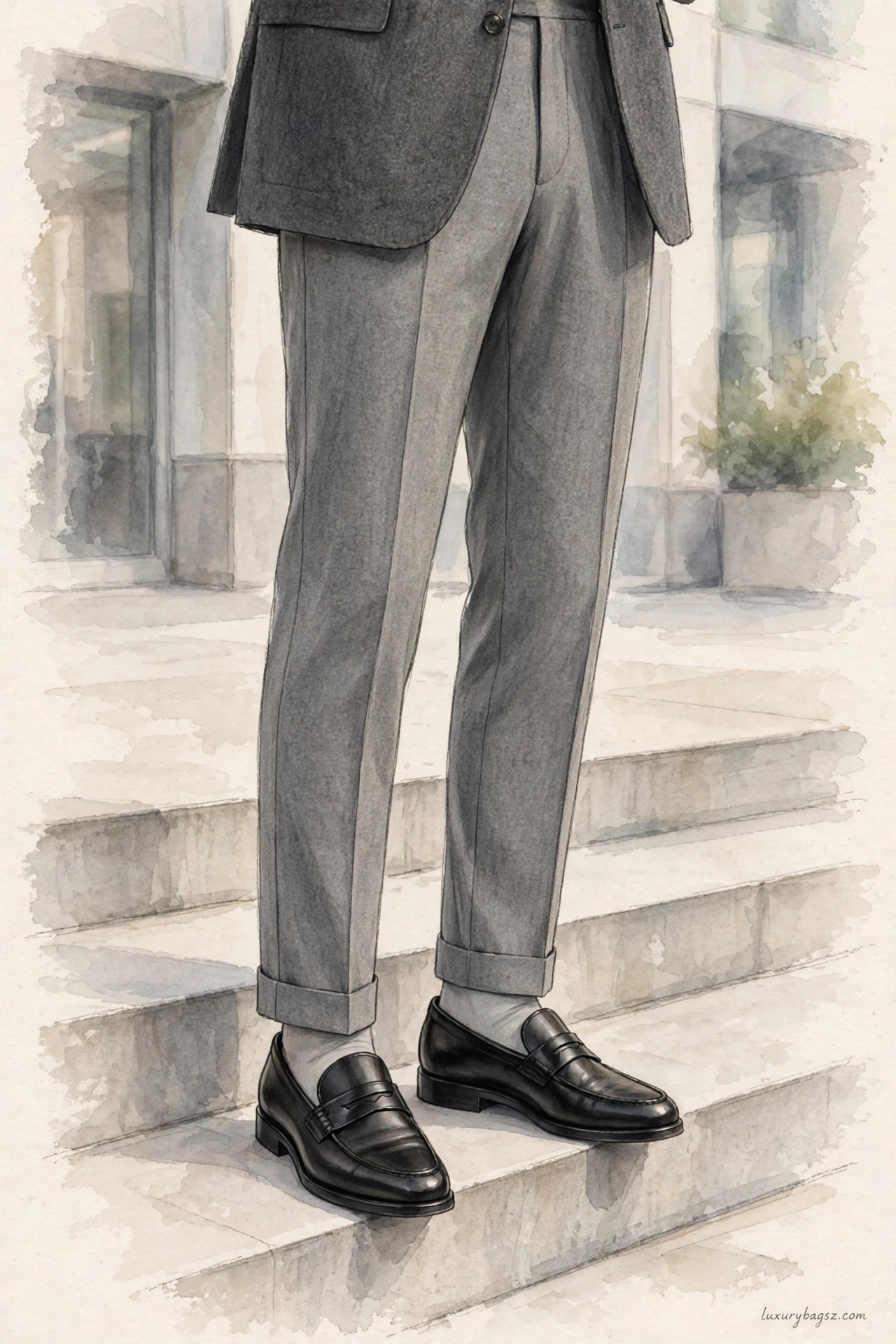
With tailoring, keep the trouser break short so the loafer shows. Black Paris loafers with charcoal or navy trousers and a blazer is a complete, boardroom-safe outfit.
For the sock question, our guide on how to wear loafers with socks covers the lengths that work. Fine ribbed socks in a tonal shade are the safe Paris choice.
With denim, choose straight or slim jeans and a tucked knit or shirt. Brown and suede pairs warm up indigo beautifully, and the buckle lifts the whole look a notch.
For dresses and skirts, the Paris grounds floaty hems and sharpens midi lengths. Bare ankles or sheer socks keep it light; opaque tights make it a winter city look.
A cream knit and brown suede Paris loafers is a proven soft-tailoring formula: tonal, calm and expensive-looking without a single logo doing the work for you.
Paris vs Gucci Jordaan and Other Rivals
The obvious rival is the horsebit loafer, and our guide to Gucci Jordaan loafers shows a softer, more relaxed take on the same job.
The Jordaan feels like a slipper sooner; the Paris feels like a shoe for longer, then moulds. Buyers who want instant softness lean Gucci; buyers who want structure lean Hermès.
Tod's Gommino-style loafers sit at the casual end with their pebble soles. The Paris is the pair you choose when the day includes a meeting, not only a café.
None of this makes one house better; it makes the choice clearer. Decide how dressed your loafer days are, and the right last and sole follow from that answer.
Care and Making Them Last
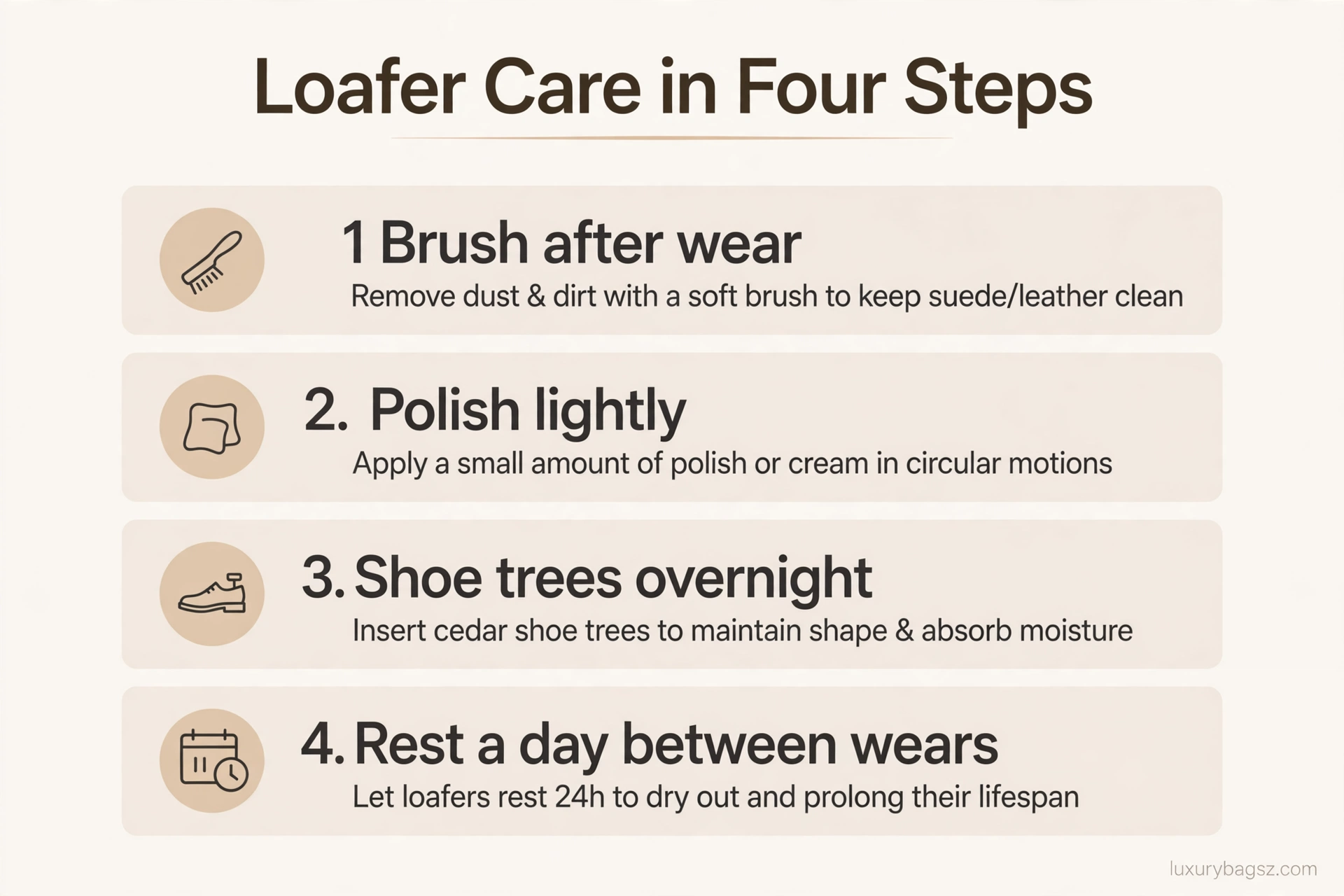
Rest the loafers a day between wears and keep cedar shoe trees in them whenever they are off your feet. Trees hold the vamp shape and absorb the moisture that cracks leather.
Brush after wear; polish calfskin lightly and often rather than heavily and rarely. Keep suede dry, brush it gently, and never apply cream polish meant for smooth leather.
The leather sole wears fast on wet grit. Many owners add a thin rubber protective sole once the fit is proven, fitted by a cobbler who works on luxury shoes.
Store them in dust bags away from radiators and direct sun. A Paris loafer cared for this way should give five to ten years of regular wear, which is the real value story.
When the vamp creases, match the crease, do not fight it: polish into the lines with a cloth, because product caked across creases flakes and greys. Small care, visibly better shoes.
Frequently Asked Questions
How much do Hermès Paris loafers cost, and are they worth it?
Standard calfskin pairs typically sit around $1,300 to $1,500 in the US, roughly £1,000 to £1,150 in the UK and €1,100 to €1,250 in Europe, varying by season and leather.
For classic dressers, yes: the finish, leather and longevity justify the price over years of wear. Trend-led buyers may prefer a chunkier loafer at a lower price.
Do Paris loafers run true to size, and how do I stop heel slip in new loafers?
Length runs true for most wearers, but the last is neat and narrow-leaning. Wide feet and between-size wearers usually prefer half a size up.
A thin insole or heel grip usually solves early slip as the leather moulds. If slip persists after several wears, the size is likely half a size too big.
Are Paris loafers comfortable?
Calfskin pairs start firm and mould over the first weeks, then wear comfortably all day. Suede pairs feel softer sooner. Neither offers trainer cushioning, so fit matters.
Can I wear Paris loafers with a suit, and are they better than the Gucci Jordaan?
Yes, black calfskin pairs work with most suits and tailored separates. Keep the trouser break short and the polish fresh, and the look stays sharp.
The Paris is more structured and dressy; the Jordaan is softer and more relaxed from the first wear. Choose by how formal your loafer days usually are.
Do Paris loafers come in suede?
Yes, suede versions appear alongside calfskin in classic and seasonal colours. Suede feels softer sooner but needs dry weather and a suede brush.
Can Paris loafers be resoled?
A skilled cobbler can renew or protect the leather sole. Many owners fit a thin protective sole early, which extends the interval between resoles a great deal.
Which colour Paris loafer is most versatile?
Noir is the most formal and the safest first pair. Warm browns and gold tones pair with more casual wardrobes and denim, and show daily wear less starkly.
Final Verdict: The Quiet Loafer, Done Properly
The Paris loafer will not chase a trend or shout across a room. It offers fine leather, a clean buckle and a dress-shoe finish in a slip-on you can wear most days of the year.
Fit it carefully, start with black or a warm brown, and give it trees and rest days. Do that, and it becomes one of those rare purchases that quietly improves every outfit it joins.






