

Hermès Jumping Boots: Sizes, Prices and Fit Guide
The Jumping Boot in One Answer
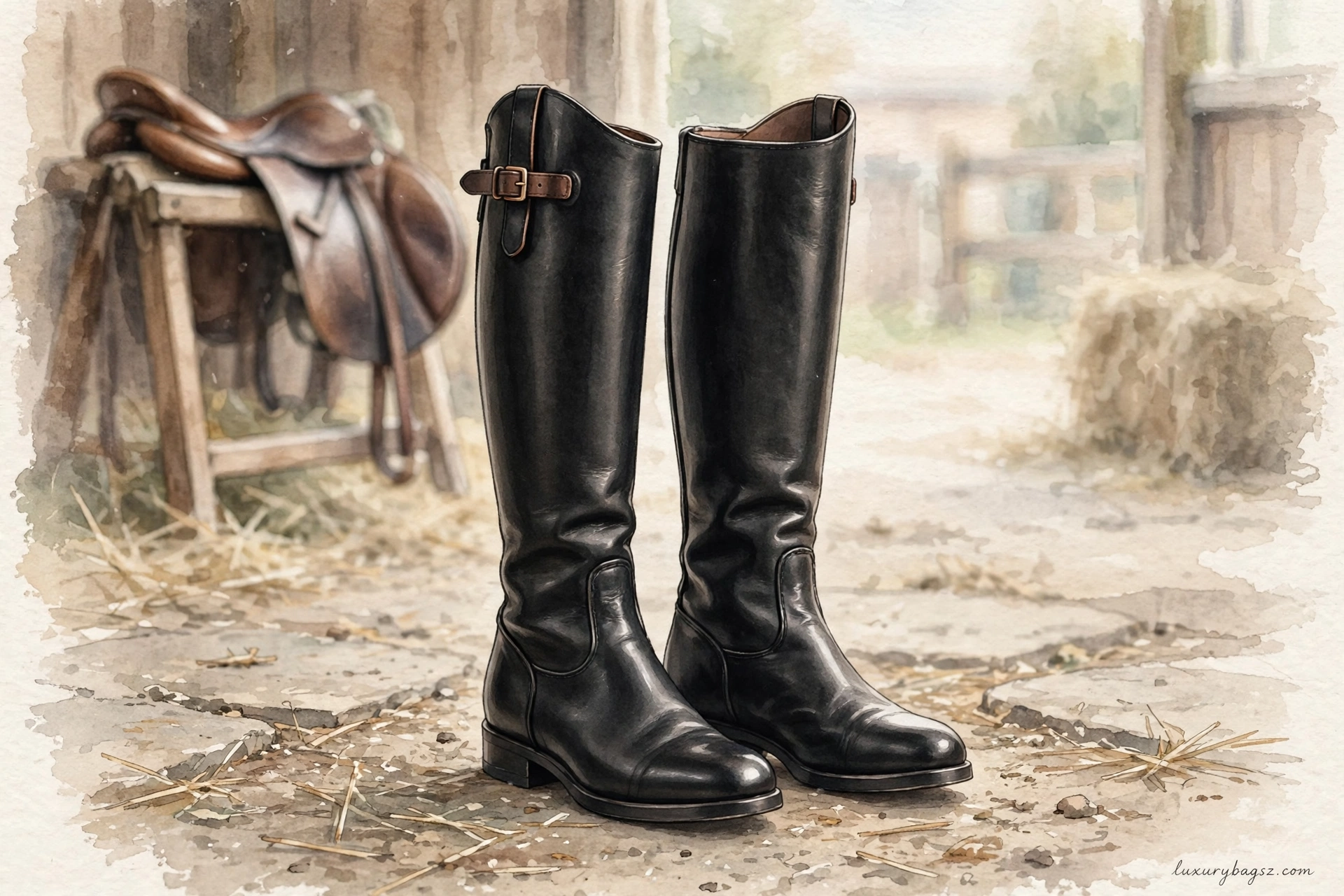
The Jumping is Hermès' tall riding boot: a sleek, knee-high silhouette in calfskin with the Kelly-style strap at the ankle, rooted directly in the house's equestrian craft. It is as much a city icon now as a stable reference.
Fit has two halves: the foot usually runs true to size, while the calf and shaft decide most purchases. Typical US prices sit around $2,600 to $3,100 for calfskin, with suede and exotic versions above that.
This buying guide covers foot sizing, calf measurement, prices, the honest break-in story, and the checks to run in store so the pair you take home is the pair that fits.
Key Takeaways
- Foot sizing runs broadly true; calf width and shaft height decide the purchase.
- Typical US prices: around $2,600 to $3,100 for standard calfskin pairs.
- The shaft is slim and tall; athletic calves should measure before ordering.
- Box calfskin starts stiff and moulds over weeks; suede feels kinder sooner.
- There is no zip on the classic style: the strap-and-pull fit is part of the design.
- Try them late in the day, with the trousers or socks you will actually wear.
What the Jumping Boot Is
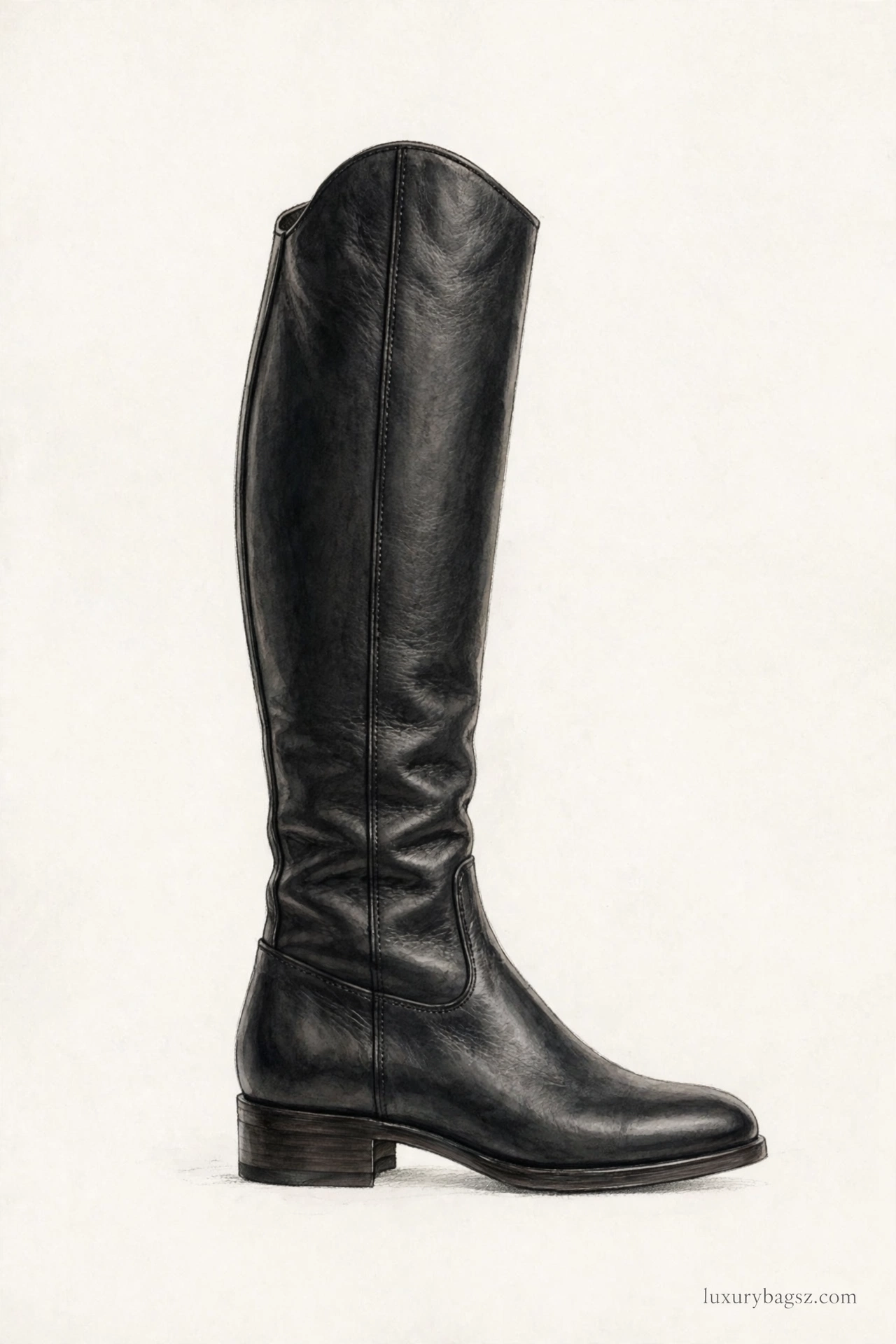
The Jumping is a tall boot built on riding lines: a close shaft, a low stacked heel, a leather sole and a strap at the top of the ankle finished with Kelly-style hardware.
Our explainer on what are Hermès Jumping boots traces the design's equestrian roots. In short, this is the founding craft of the house, worn as fashion.
The classic version has no zip: you pull it on, and the shaft's close cut is part of the look. That single fact shapes everything about fit, so it gets its own part below.
Noir calfskin is the defining version. Suede, grained leather and occasional exotic editions widen the range, but the black Box calfskin pair is the icon buyers picture.
The strap at the ankle is not decoration alone: it references the tack-room hardware the house began with, and it gives the tall shaft its single, deliberate point of detail.
Foot Sizing
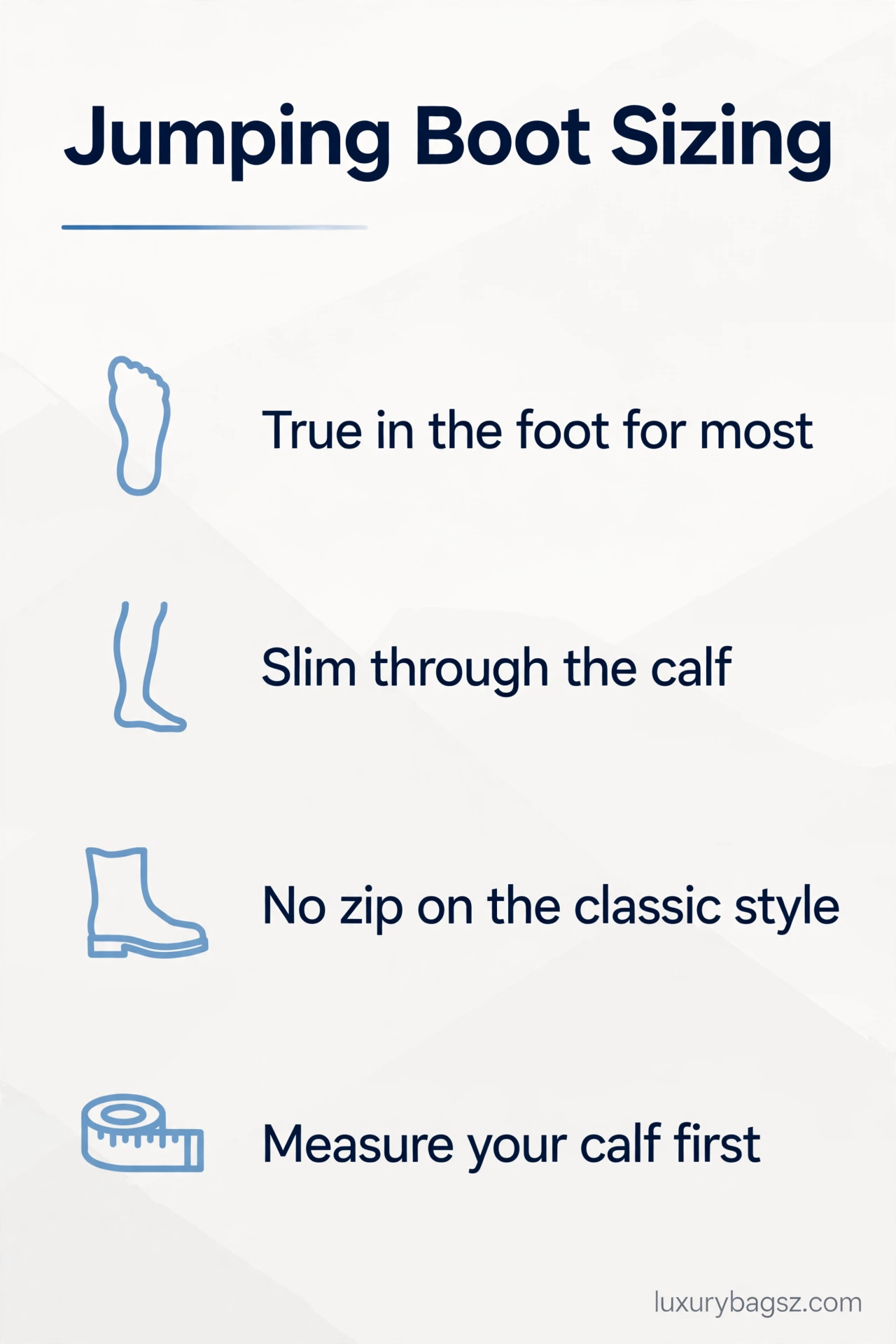
In the foot, the Jumping generally runs true to European size for average feet. The toe box is neat and slightly tapered, in keeping with the boot's dressy line.
Wide feet may prefer half a size up, but judge carefully: extra length in a tall boot can let the foot slide, which then rubs at the heel and ankle as the shaft holds the leg.
Wear the socks you plan to live in when you try them. Riding boots are worn with everything from thin boot socks to tucked-in trousers, and each layer changes the foot feel.
Walk, sit and climb a step in store. A tall boot that feels fine standing still can bite at the ankle crease the moment the leg bends, and that bite matters daily.
Calf and Shaft Fit
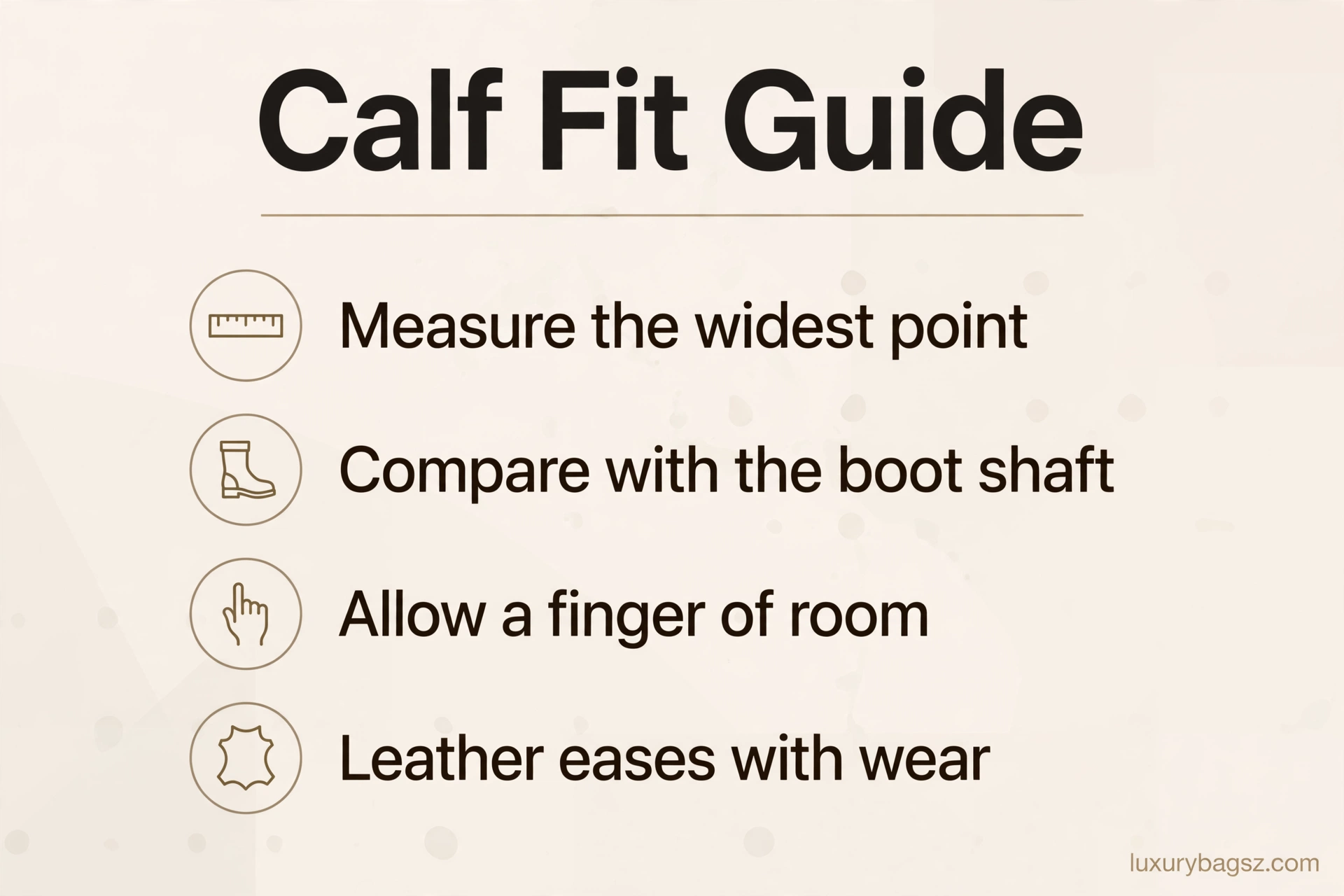
Measure your calf at its widest point, over the socks or trousers you will wear, and compare honestly with the boot's shaft. The Jumping shaft is cut slim and tall.
A correct shaft feels like a firm handshake: close everywhere, pinching nowhere. If you cannot seat the boot fully, or the top edge digs when you sit, the fit is wrong.
Leather gives a little across the calf as it moulds, but it will not gain a size. Suede shafts feel more forgiving from the first wear, which is why wider calves often land there.
Height matters too: the shaft should end just below the knee without catching behind it. Petite wearers should check this as carefully as width before falling for the look.
Thickness of trousers changes calf fit more than most buyers expect. A shaft that closes over bare legs may refuse skinny jeans, so the fitting-room outfit should be the real outfit, layers included.

Break-In: The Honest Story
Box calfskin Jumping boots start stiff, especially at the ankle, and the first wears can be genuinely uncomfortable. This is the most reported reality of owning the style.
Our general guide to how to break in boots gives the gradual method that works here: short indoor wears, thick socks, and patience measured in weeks.
The ankle softens and drops slightly as creases form, which also eases the shaft's top edge. What begins as a firm boot becomes a moulded one, fitted to your leg alone.
If pain is sharp rather than firm, or numbness appears, stop: that is a fit problem, not a break-in stage. A good boutique will re-check sizing rather than push patience.
Boot pulls and a long shoehorn are not accessories but necessities with a pull-on tall boot. Forcing the heel down a tight shaft with your thumbs is how linings get torn.
Once on, the boot should let you walk stairs without the shaft catching behind the knee. Test stairs in store; boutiques expect it, and the answer decides more than standing still does.
Jumping Boot Prices
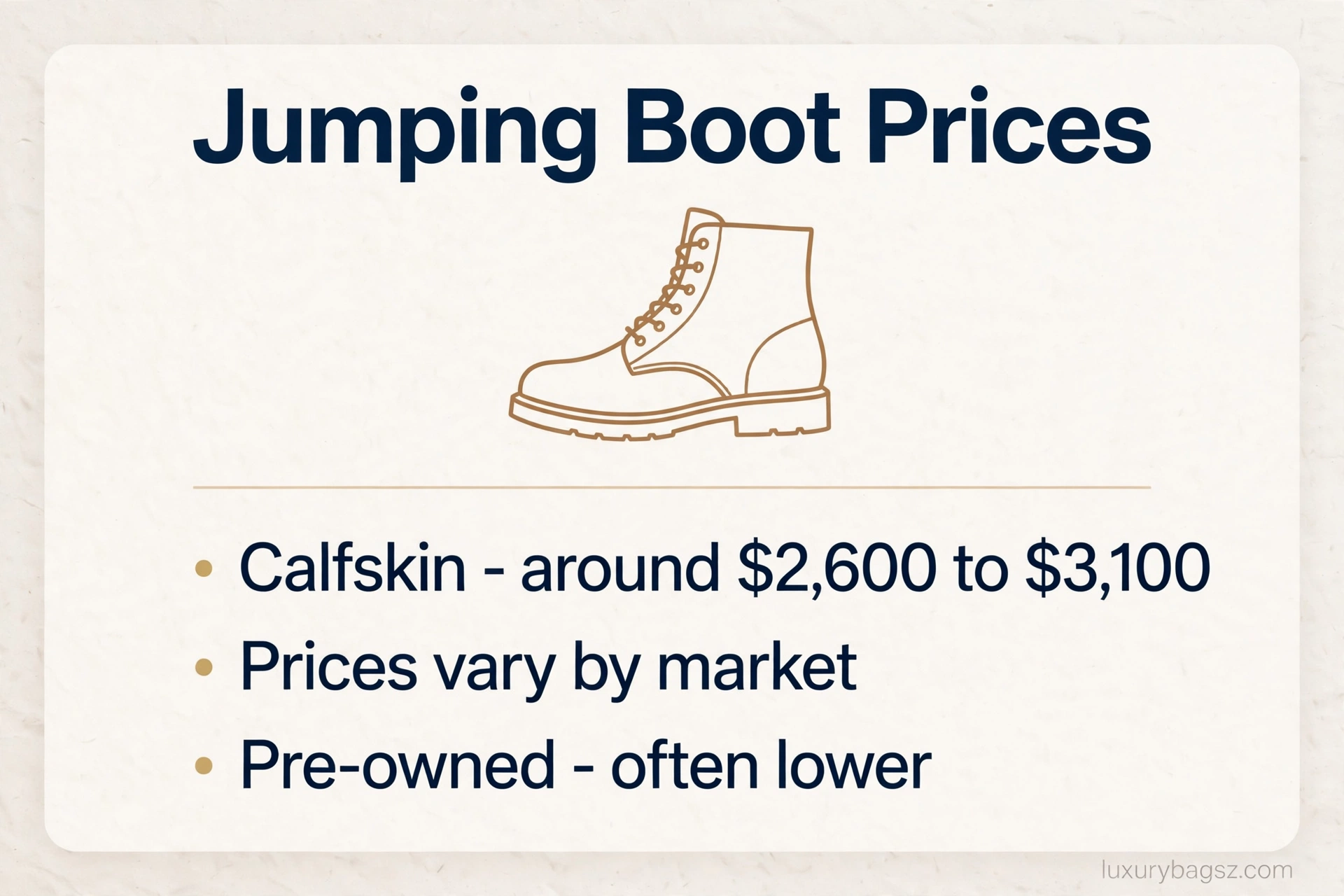
Standard calfskin Jumping boots typically sit around $2,600 to $3,100 in the US, roughly £2,000 to £2,400 in the UK and around €2,200 to €2,600 in Europe.
Suede versions price close to calfskin; exotic editions, when they appear, cost several times more. Prices move with the house's adjustments, so treat these as budgeting bands.
The shorter Jumping ankle-boot variations cost less than the tall boot. Be sure a listing describes the tall shaft if the tall boot is what you want to buy.
Resale for black calfskin pairs in common sizes is steady, because the style barely changes year to year. Condition of the shaft and ankle creasing drives the price most.
Calfskin, Suede and Other Versions
Box calfskin gives the sharp, glossy shaft that defines the style. It creases at the ankle with wear, which is expected and, to many owners, part of the boot's character.
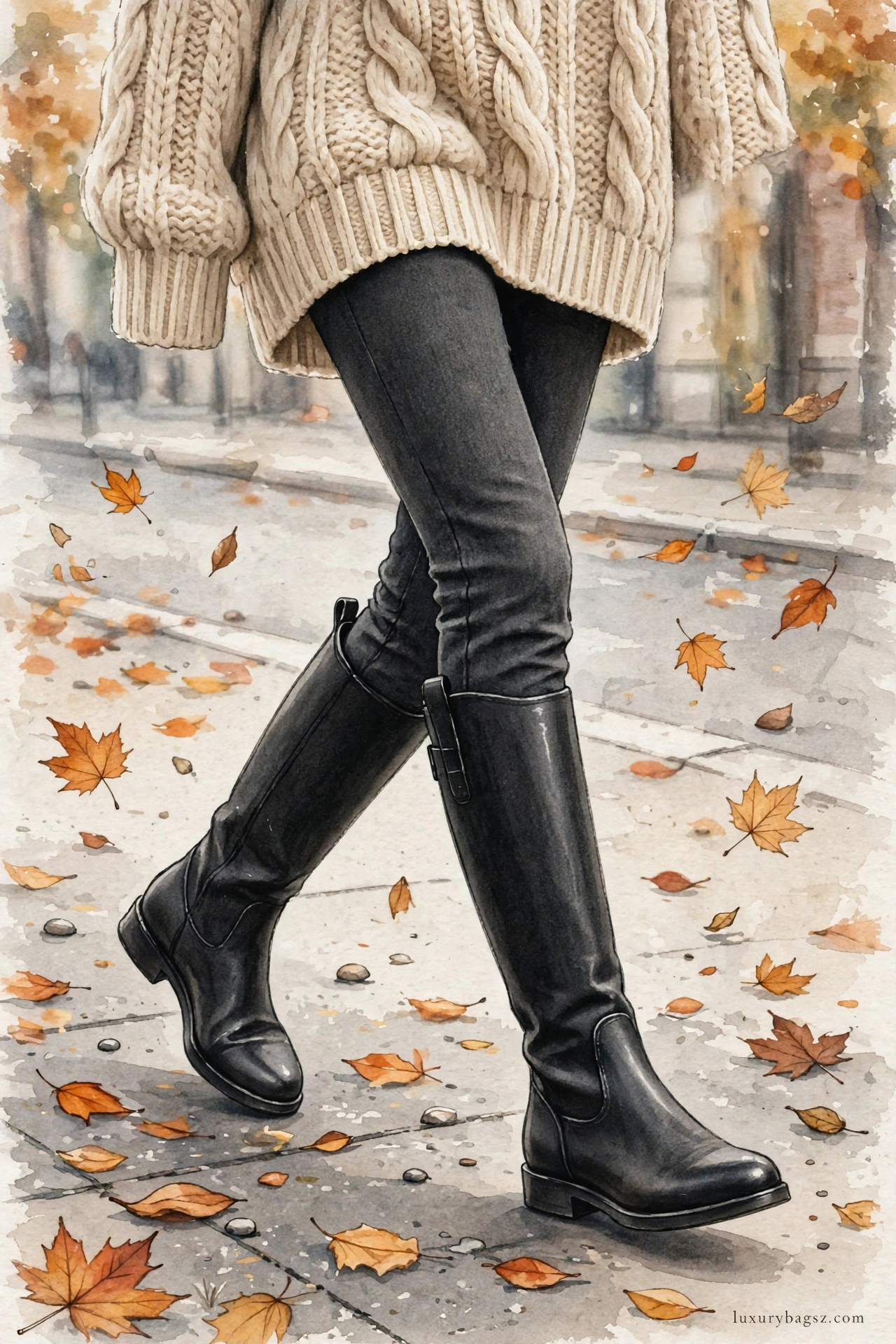
Suede versions read softer and more casual, feel kinder at the calf sooner, and ask for dry weather and a suede brush in return. They pair beautifully with knit dresses.
Grained leathers, when offered, split the difference: structure with forgiveness. They are a sensible middle path for a first pair that will be worn hard.
Whichever leather you choose, the strap hardware tone should sit happily with your other metals. Palladium reads cool and modern; gold-toned hardware warms the black leather.
Vintage Jumping boots appear at resale with decades of life left when they were stored upright. A tall boot's second life is long, provided its first owner understood boot trees.
Care for Tall Boots
Store Jumping boots upright with boot trees or shapers in the shafts, so the leather never folds at the ankle in the cupboard. Folding is how tall boots age fastest.
Our dedicated routine for how to care for Hermès leather boots covers cleaning, conditioning and sole care in the order the boots need them.
Brush after wear, wipe salt and grit away promptly in winter, and rest the pair between outings. Leather soles benefit from protective soles once the fit has settled.
Keep the strap hardware polished gently with a dry cloth only. A tall boot's whole effect is its clean line, and dull hardware plus a folded shaft undo it quietly.
Who Should Buy the Jumping Boot
Buy it if you love the riding silhouette, wear skinny trousers, leggings or dresses it can frame, and your calf suits a slim shaft. For the right leg, nothing else looks like it.
Think twice if your calves are athletic, if you dislike break-in periods, or if you need a boot for long daily walking. A shorter Hermès boot will serve those needs better.
As an investment in a wardrobe staple, the Jumping's case is strong: the design has stayed stable for years, and black calfskin pairs resell to a ready audience.
Try them in store, late in the day, measured and unhurried. Tall boots are the least forgiving online purchase in the whole Hermès shoe range.
Frequently Asked Questions
How much do Hermès Jumping boots cost?
Standard calfskin pairs typically sit around $2,600 to $3,100 in the US, roughly £2,000 to £2,400 in the UK and €2,200 to €2,600 in Europe, varying by season and leather.
Do Jumping boots run true to size?
In the foot, broadly yes for average feet. The deciding factor is the calf and shaft, which are cut slim and tall, so measure your calf before you commit.
Do Jumping boots have a zip?
The classic tall Jumping boot has no zip; it pulls on, and the close shaft is part of the design. Some related shorter styles differ, so check the exact model.
How do I know if the calf will fit?
Measure your calf at its widest over what you will wear, then compare with the boot in store. The shaft should feel close without digging, and you must be able to sit comfortably.
Are Jumping boots hard to break in?
Box calfskin pairs start stiff at the ankle and take weeks of gradual wear to mould. Suede feels kinder sooner. Sharp pain or numbness means a fit problem, not break-in.
Can the shaft be stretched for wide calves?
A cobbler can ease leather slightly, but the shaft will not gain a full size. If the boot will not seat properly in store, a different style is the honest answer.
Are Jumping boots worth the price?
For wearers whose calf fits the slim shaft, yes: the design is stable, the leather excellent and resale steady. For wide calves or heavy walkers, the money works better elsewhere.
How should I store tall Jumping boots?
Upright, with boot trees or shaft shapers inside, in a cool dry place. Never fold the shaft or store them lying crushed, because ankle folds become permanent.
Can Jumping boots be worn in rain?
Light exposure will not ruin them, but leather soles and Box calfskin dislike wet weather. Suede versions should stay dry entirely. Rest and dry them slowly after any soaking.
What do Jumping boots go with?
Skinny trousers, leggings, midi dresses and long coats show the silhouette best. The boot is the outfit's structure, so keep the rest of the look clean and simple.
Final Verdict: A Boot That Rewards the Right Calf
The Jumping boot is Hermès heritage you can wear: equestrian line, fine calfskin and a silhouette that has outlasted every trend cycle thrown at it.
Measure your calf, respect the break-in, and budget around the typical $2,600 to $3,100 level for calfskin. Fitted honestly, it becomes the boot your winter wardrobe is built around.






