

Hermès Fine Jewellery: Kelly and Chaîne d’Ancre in Gold and Diamonds
A Level Above the Enamel Bangles
Hermes fine jewelry — spelled fine jewellery in the UK — is a different world from the enamel bangles most people know. These are solid 18k gold and platinum pieces, many set with diamonds, designed under Pierre Hardy and made to fine jewellery standards.
Two design families anchor the range: Kelly, built on the padlock and turnlock hardware of the famous bag, and Chaîne d'Ancre, the 1938 anchor chain reworked in gold, sometimes paved entirely in diamonds.
This guide explains how fine jewellery differs from Hermès fashion jewellery, the key Kelly and Chaîne d'Ancre pieces, diamond choices, typical prices, and how to buy wisely.
Key Takeaways
- Hermès fine jewellery is solid 18k gold or platinum, often diamond-set — not plated.
- Kelly pieces translate bag hardware — padlock, turnlock, strap — into gold jewellery.
- Chaîne d'Ancre in gold and pavé diamonds is the fine line's most collected family.
- Pierre Hardy has directed Hermès jewellery design since 2001.
- Typical gold pieces start in the low thousands; diamond pieces climb steeply.
- Buy with hallmarks, paperwork and resizing rules checked before you pay.
Fine Jewellery vs Fashion Jewellery at Hermès
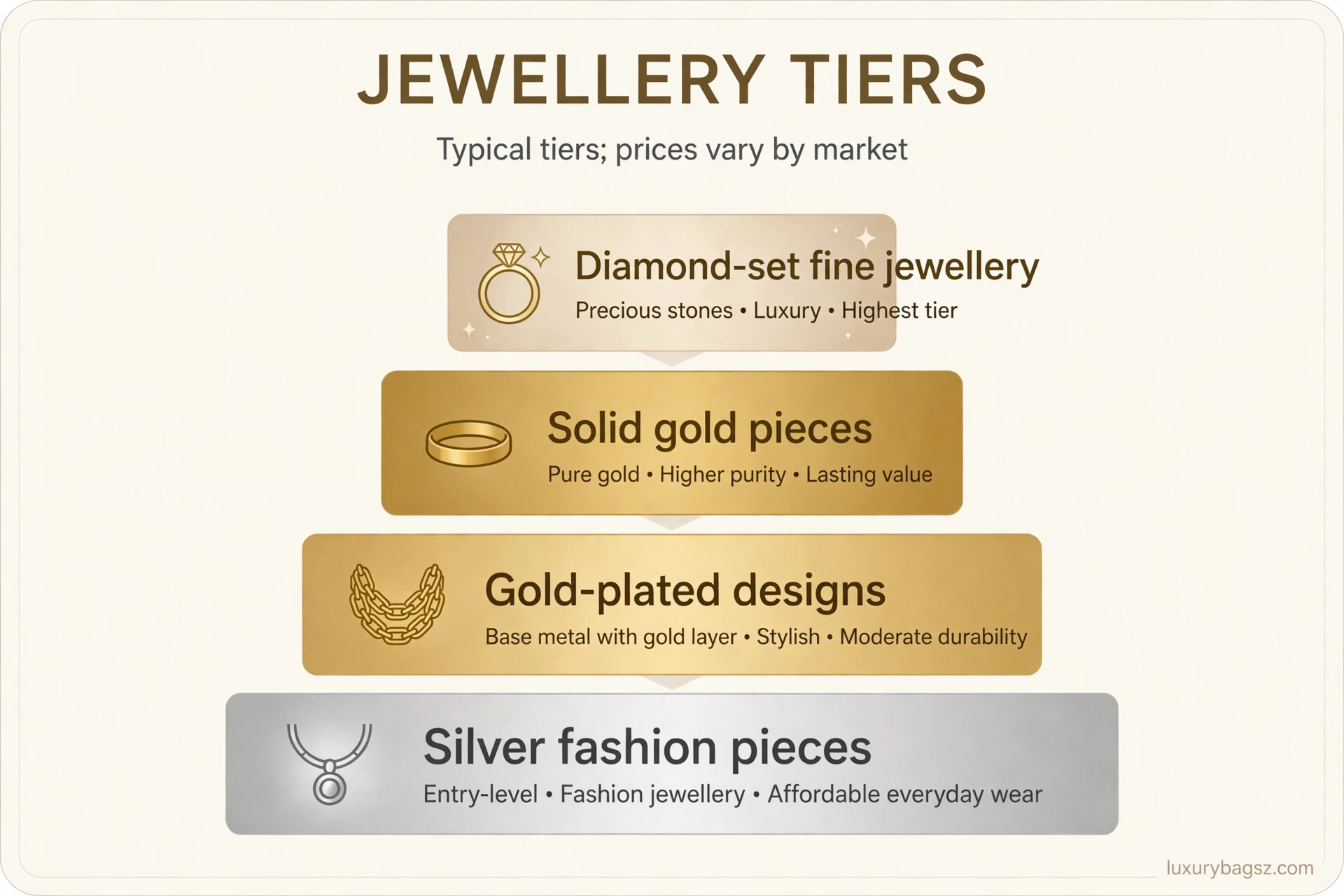
Fashion jewellery at Hermès means enamel bangles, plated metal and silver pieces — beautiful, collectable, and priced in the hundreds or low thousands. Fine jewellery means solid precious metal throughout.
The practical differences matter. Solid gold does not wear through at the edges, can be resized and repaired properly, and carries intrinsic metal value underneath the design price.
Fine pieces are sold from dedicated jewellery areas in larger boutiques, come with fuller paperwork, and are made in far smaller numbers. That scarcity shapes both the buying experience and the resale market.
The distinction is also legal and practical in France, where fine jewellery carries specific hallmarking — the eagle's head for 18k gold — that fashion pieces do not. Those hallmarks underpin servicing, insurance and resale everywhere else too.
The Kelly Family in Gold
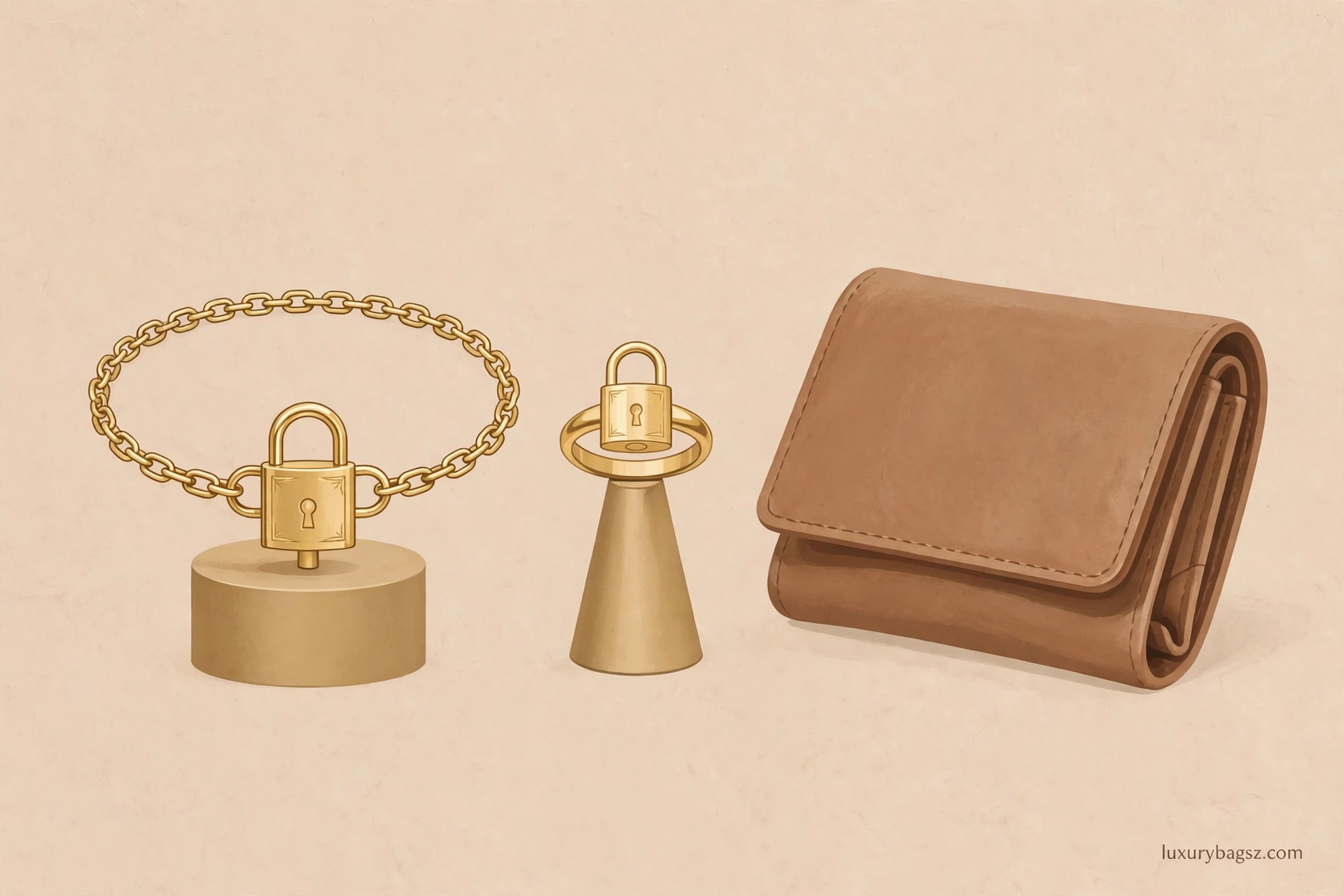
Kelly jewellery borrows the bag's hardware language: the turnlock becomes a pendant clasp, the padlock becomes a bracelet charm or a ring, and the strap's proportions shape clean gold bands.
The Kelly bracelet and Kelly Gourmette chain are the wearable core — substantial gold pieces that read as jewellery first and branding second. Diamond versions pave the hardware itself for a far dressier effect.
Because the shapes echo the bag, Kelly fine jewellery pairs naturally with a Kelly or Birkin without matching it literally. Collectors often start here before moving to the bolder chain designs.
Kelly rings are the sleeper hit of the family: the padlock and turnlock shapes sit unusually comfortably for statement rings, and they stack with wedding bands better than their bold silhouettes suggest in photographs.

Chaîne d'Ancre in Gold and Diamonds
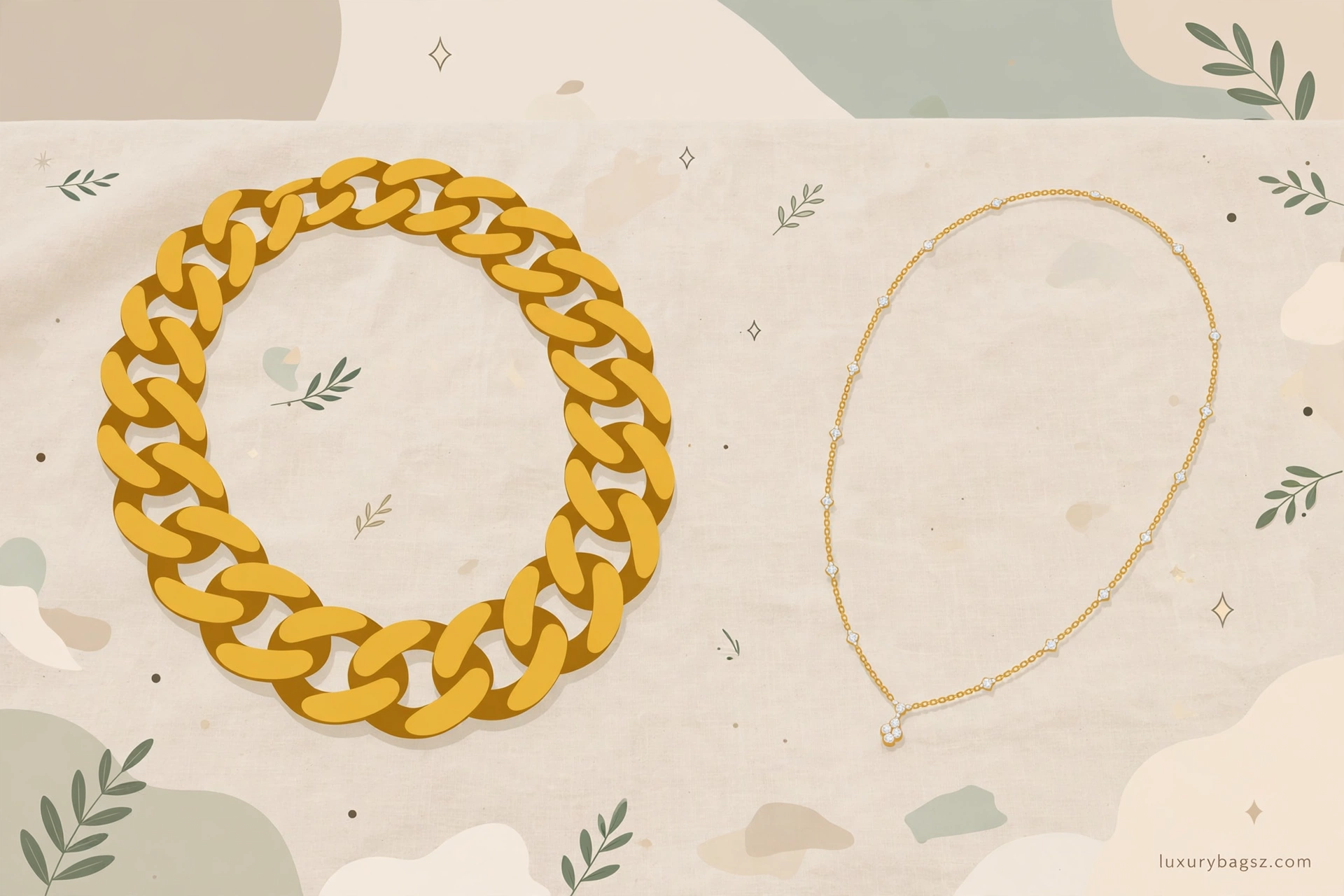
In fine jewellery, the anchor chain escapes its silver origins. Links appear in yellow, rose and white gold, in slim Contour curves that follow the neck and wrist, and in bold original scale.
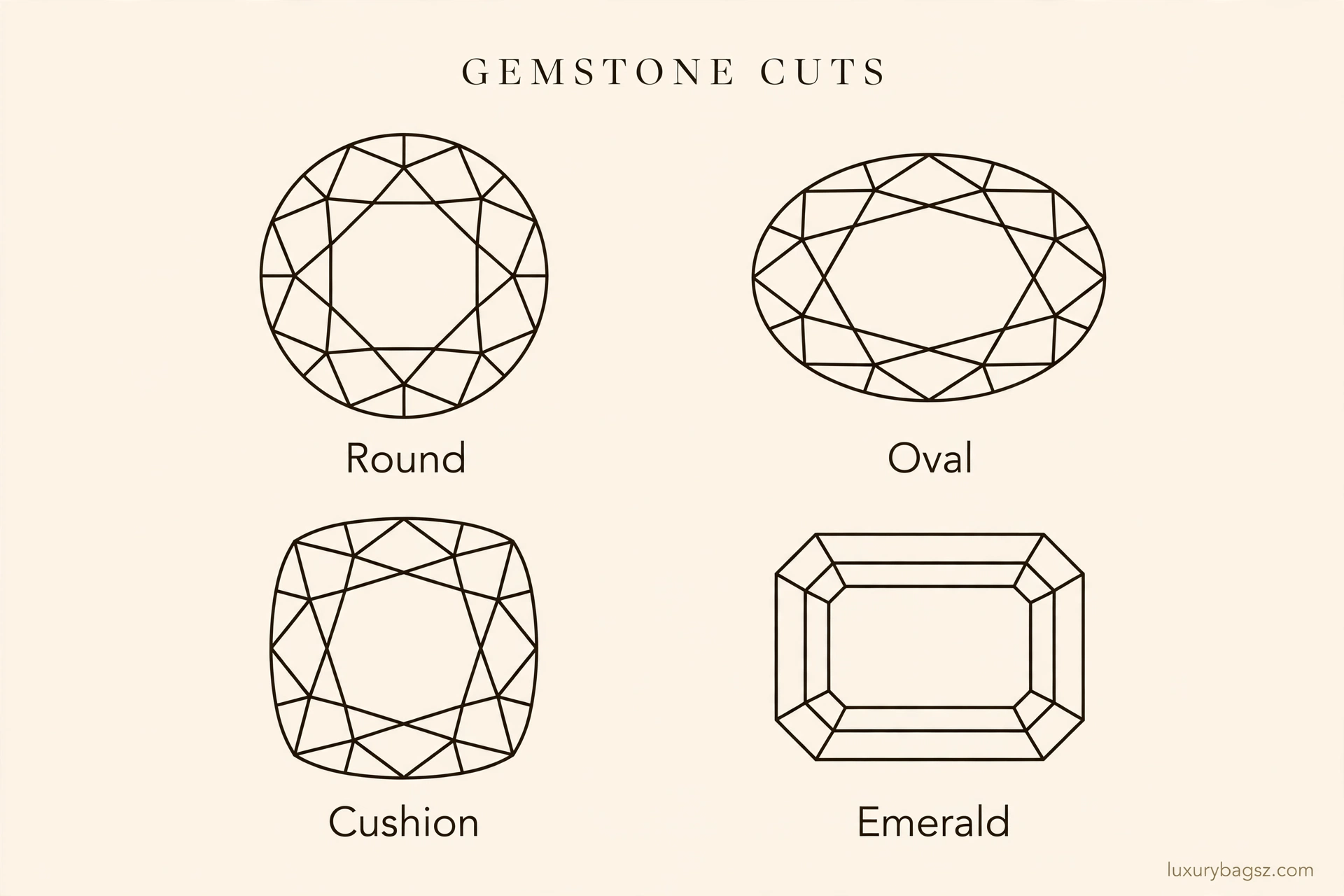
At the top sit fully paved versions, where every link is set with diamonds. Understanding types of diamond cuts helps here — Hermès favours brilliant cuts for sparkle across many small stones rather than one large centre stone.
High jewellery one-offs push the motif furthest, with coloured stones and sculptural multi-chain designs shown in Paris. Those pieces are made to order in spirit, and priced accordingly.
Pierre Hardy and the Design Direction
Pierre Hardy, who also designs Hermès shoes, has led the jewellery studio since 2001. His fine lines treat jewellery as small sculpture — weight, balance and movement are designed, not decorated afterwards.
That shows in pieces like the Kellymorphose and the newer Chaîne d'Ancre interpretations, where a familiar motif is stretched, doubled or rebuilt until it becomes something genuinely new.
For buyers, the Hardy era is a quality signal: two decades of consistent design leadership is unusual in fashion-house jewellery, and it underpins the secondary market's confidence in these pieces.
Hardy's studio works unusually closely with the house's other métiers, which is why a Kelly clasp in gold feels like the bag's hardware rather than a copy of it. The proportions are re-engineered for the wrist, not merely miniaturised.
Prices: Where Fine Jewellery Sits
As a typical guide, slim gold Kelly and Chaîne d'Ancre pieces often start around $3,000–$6,000, substantial gold bracelets and chains run well into five figures, and diamond-paved designs climb from there. Prices vary by market.
That places Hermès fine jewellery alongside the established Place Vendôme houses on price, if not yet on public profile — a gap many collectors see as the opportunity in the range.
Silver and enamel pieces cannot be traded up, so decide your level before you buy. A gold piece bought once usually costs less than three fashion pieces bought while hesitating.
Servicing and resizing are part of the fine proposition: boutiques can often adjust chains, re-polish gold and replace lost stones with matched quality. That support network is built into the price, and it is worth using rather than third-party repairs.
Hermès Among the Fine Jewellery Houses
Buyers comparing houses often set Hermès beside Cartier, Van Cleef & Arpels and newer diamond specialists. Our profile of the Messika high jewellery brand shows the modern, diamond-led end of that comparison.
Hermès differs by starting from hardware and leather-goods motifs rather than gemstones. The design story comes first; diamonds amplify a shape that already means something to the house.
Neither approach is better. Messika-style pieces centre the stones, Hermès centres the motif — knowing which you prefer prevents expensive second thoughts.
Wearing Fine Hermès Jewellery Daily
Solid gold rewards daily wear: it shrugs off water, perfume and hand cream that would threaten plating or enamel. Slim Kelly and Contour pieces are designed for exactly that routine use.
Our guide to everyday fine jewellery covers the general rules — sleep and sport are still best done bare, and diamond pavé wants a soft brush and warm water now and then.
Insure substantial pieces and photograph them with their paperwork. Fine jewellery is portable wealth, and a clear record speeds everything from servicing to resale.
For stacking, fine pieces play well with the silver lines: a gold Kelly bracelet beside a silver Chaîne d'Ancre ring is a combination Hermès stylists use themselves, and it keeps the fine piece from looking overdressed for daytime.
Buying: Boutique, Resale and Checks
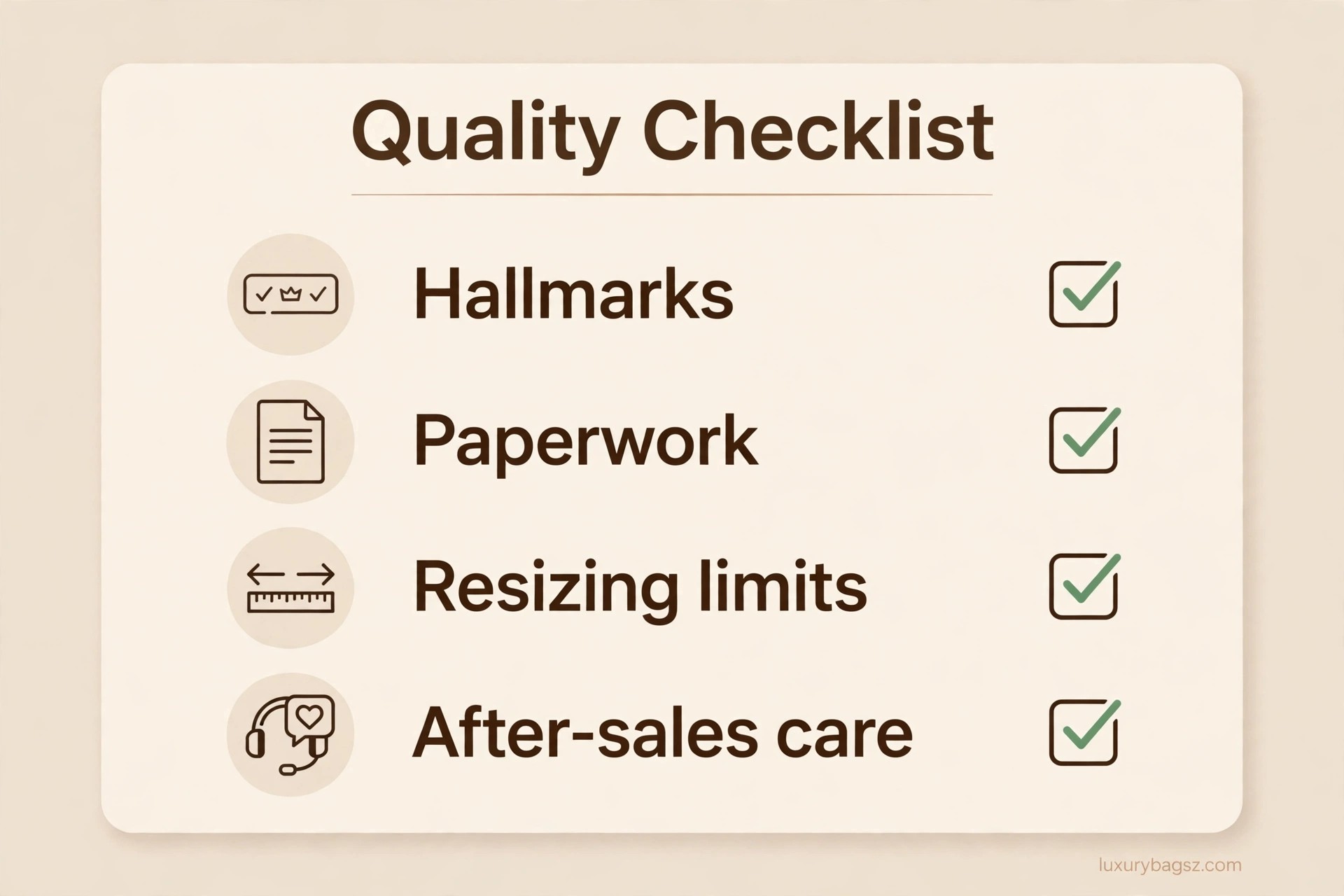
Boutiques remain the safest route for current pieces, with sizing, engraving where offered, and after-sales care included. Ask about resizing limits before purchase — chain designs resize less freely than plain bands.
Pre-owned fine Hermès is a smaller, more expert market. Hallmarks, weight, stone settings and paperwork all need checking, ideally by an independent jeweller before money moves.
For the investment angle in depth, read fine jewellery worth investing in — then buy the piece you will wear, because wear is the return you are guaranteed.
Finally, try fine pieces on in daylight as well as boutique light. Gold tones and small brilliant-cut stones change character outdoors, and the piece you will wear in real light should be chosen in it.
Frequently Asked Questions
Is Hermès fine jewellery solid gold, and how does it differ from fashion jewellery?
Yes. Fine jewellery pieces are solid 18k gold or platinum, frequently set with diamonds. That separates them from the plated metal and enamel fashion jewellery lines.
Materials and making. Fine pieces use solid precious metal, genuine stones and smaller production runs at prices from the low thousands upward. Fashion pieces use plating, enamel and silver at lower prices.
Who designs Hermès fine jewellery?
Pierre Hardy has directed Hermès jewellery since 2001, alongside designing the house's shoes. His studio is responsible for the modern Kelly and Chaîne d'Ancre fine interpretations.
How much does Hermès fine jewellery cost, and where can you buy it?
Slim gold pieces typically start around $3,000–$6,000, substantial gold chains and bracelets reach five figures, and diamond-paved or high jewellery designs cost considerably more.
Larger Hermès boutiques carry the fine lines, and flagship stores hold the widest range including high jewellery. Pre-owned pieces appear with specialist dealers — verify hallmarks and paperwork carefully.
What is the Kelly Gourmette?
A substantial gold chain in the Kelly family, built from bold links with Kelly hardware detailing. It is one of the most recognisable Hermès fine bracelets and necklaces.
Are Hermès diamonds certified?
Significant stones are supplied with the appropriate documentation, and boutiques can explain the grading for a specific piece. Always keep certificates and receipts with the piece for servicing and resale.
Does Hermès fine jewellery hold its value, and is it better than Cartier?
Better than fashion jewellery from the same house, helped by solid metal content and small production. It is still bought best for wear — resale usually returns part, not all, of retail.
They are peers with different languages. Cartier centres iconic motifs like the panther and the nail; Hermès centres bag hardware and the anchor chain. Quality is comparable; taste decides.
Can Hermès fine jewellery be resized?
Plain bands usually can, within limits. Chain and articulated designs are harder to alter, so confirm sizing carefully at purchase and ask the boutique what is possible for that design.
Final Verdict: Buy the Motif You Already Love, in Gold
Hermès fine jewellery makes most sense when you already love the motif in its humbler form. If the silver anchor chain or the Kelly padlock already lives in your rotation, the gold version is an upgrade you will feel every day.
Start with one substantial, wearable piece — a Kelly bracelet or a Contour chain — in the metal that matches your existing jewellery. Worn daily for decades, that is where fine jewellery earns its price.






