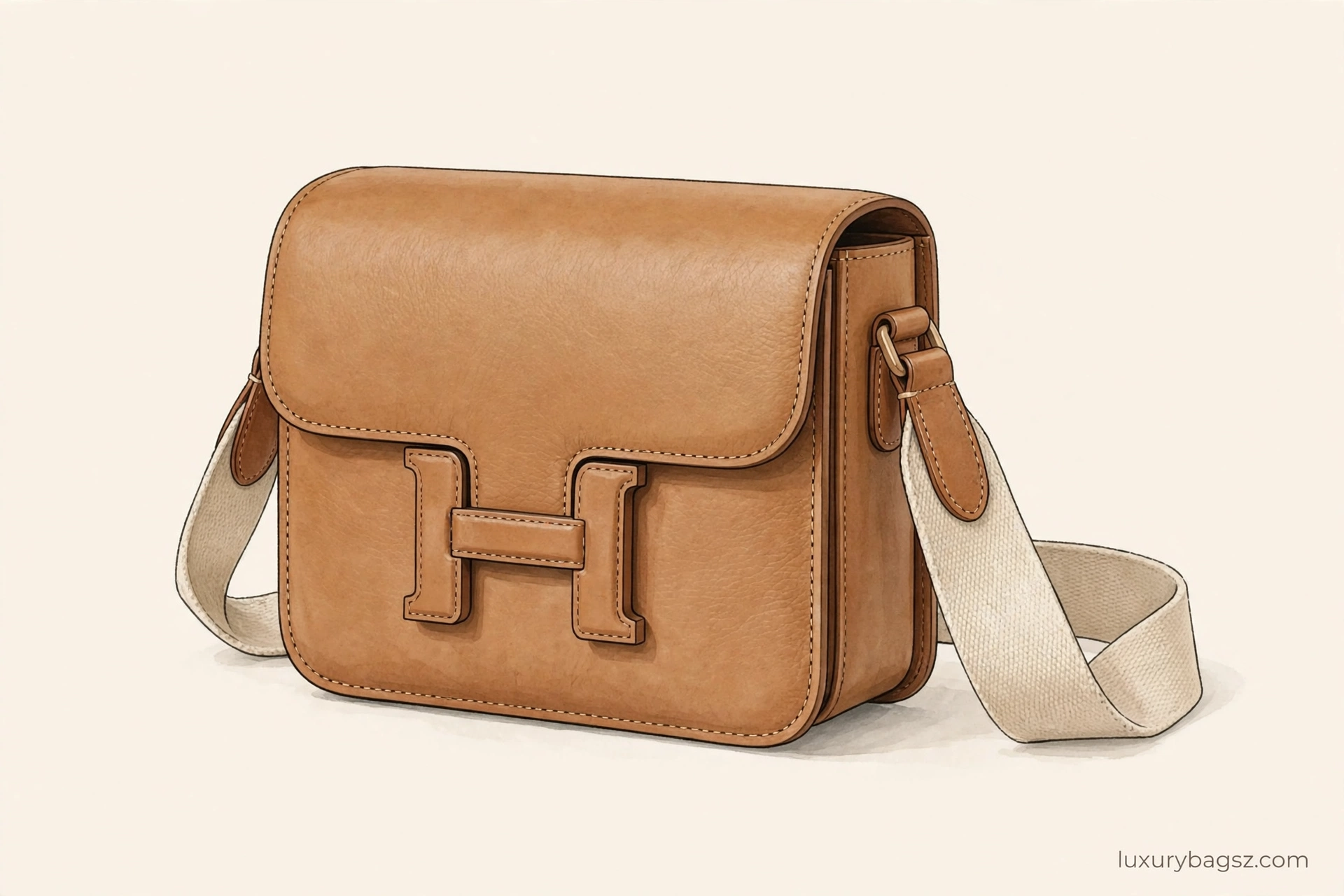
The Devil Wears Prada Style Legacy: Power Dressing That Never Left
Why One Film Still Sets the Office Dress Code
The Devil Wears Prada, released in 2006, remains the film people picture when they think about fashion at work: Miranda Priestly's immaculate coats and Andy Sachs's transformation from slouchy knitwear to tailored designer polish. Its legacy is practical, not just nostalgic. Costume designer Patricia Field dressed character through clothes, and the lessons still work: fit signals competence, a great coat does the talking, and style is a language anyone can learn.
Key Takeaways
- Patricia Field used clothes to chart power, ambition and belonging, not just glamour.
- Miranda's formula is restraint: perfect coats, tailoring, sunglasses, one strong bag.
- Andy's arc is a fit lesson: the same woman, transformed by cut and confidence.
- The famous cerulean speech explains how runway choices reach every wardrobe.
- The wearable legacy is a short list: coat, white shirt, boots, structured bag.
- Buy the film's ideas pre-owned and they cost less than one fast-fashion splurge.
A Wardrobe That Told the Story
Most films use costume to dress a scene. This one used costume to carry the plot: who holds power, who is learning, and who is being shut out of the room. Miranda, the editor of the fictional Runway magazine, played by Meryl Streep, never wears a doubtful outfit. Every entrance is composed, which is exactly how her authority is established. Andy, played by Anne Hathaway, begins in an oversized, shapeless knit and sensible skirt. The clothes say she does not yet speak the office's language, before the script says it aloud. That clarity is why the wardrobe is still studied. The looks are memorable because each one is doing a job the audience can feel.
The film's timing mattered. It arrived when logo-driven dressing was peaking, and answered with tailoring and taste instead, which is one reason its outfits aged better than most of its contemporaries on screen.
Miranda's Power Dressing Formula
Miranda's dressing is disciplined: long coats thrown over tailoring, monochrome or jewel palettes, immaculate hair as part of the uniform, and sunglasses as a closing full stop. The coats matter most. Again and again she arrives, removes a spectacular coat, and hands it away without looking; the gesture says the garment is armour, not vanity. Underneath sits classic power tailoring: nipped jackets, pencil skirts, fine knits and dresses with structure. Nothing is trendy for its own sake, and nothing is loose by accident. Her bags are structured and substantial, carried like briefcases. Power, in this wardrobe, is neatness repeated daily at a standard nobody else can match.
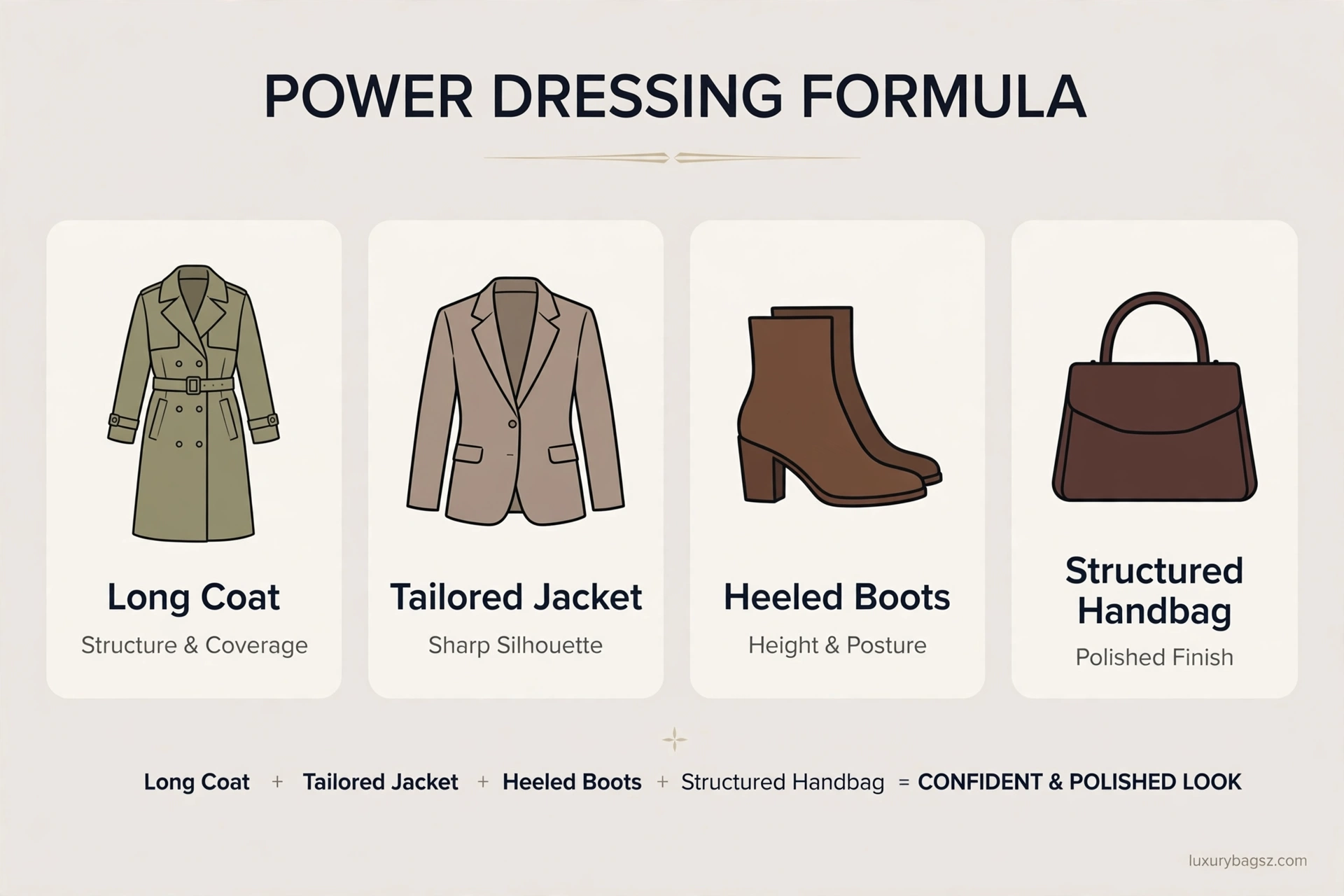
Streep reportedly kept Miranda's wardrobe disciplined in another way: the character repeats silhouettes rather than chasing novelty. Power, the film argues visually, is a uniform maintained, not a surprise staged daily.
Andy's Transformation, Look by Look
The makeover montage is the film's most quoted style passage: Andy reappears in designer outfit after designer outfit, each sharper than the last, set to Madonna's Vogue. One look became the emblem: a Chanel-style tweed jacket, layered necklaces, a newsboy cap and thigh-high boots. It mixed polish with nerve, which is why it is still copied. The point of the montage is fit and finish, not logos. Hair is groomed, hems are right, and each outfit is complete, bag and shoes included, rather than nearly done. Our guide on how to style a Chanel bag shows how that same polish works with one classic flap worn across office and evening looks.
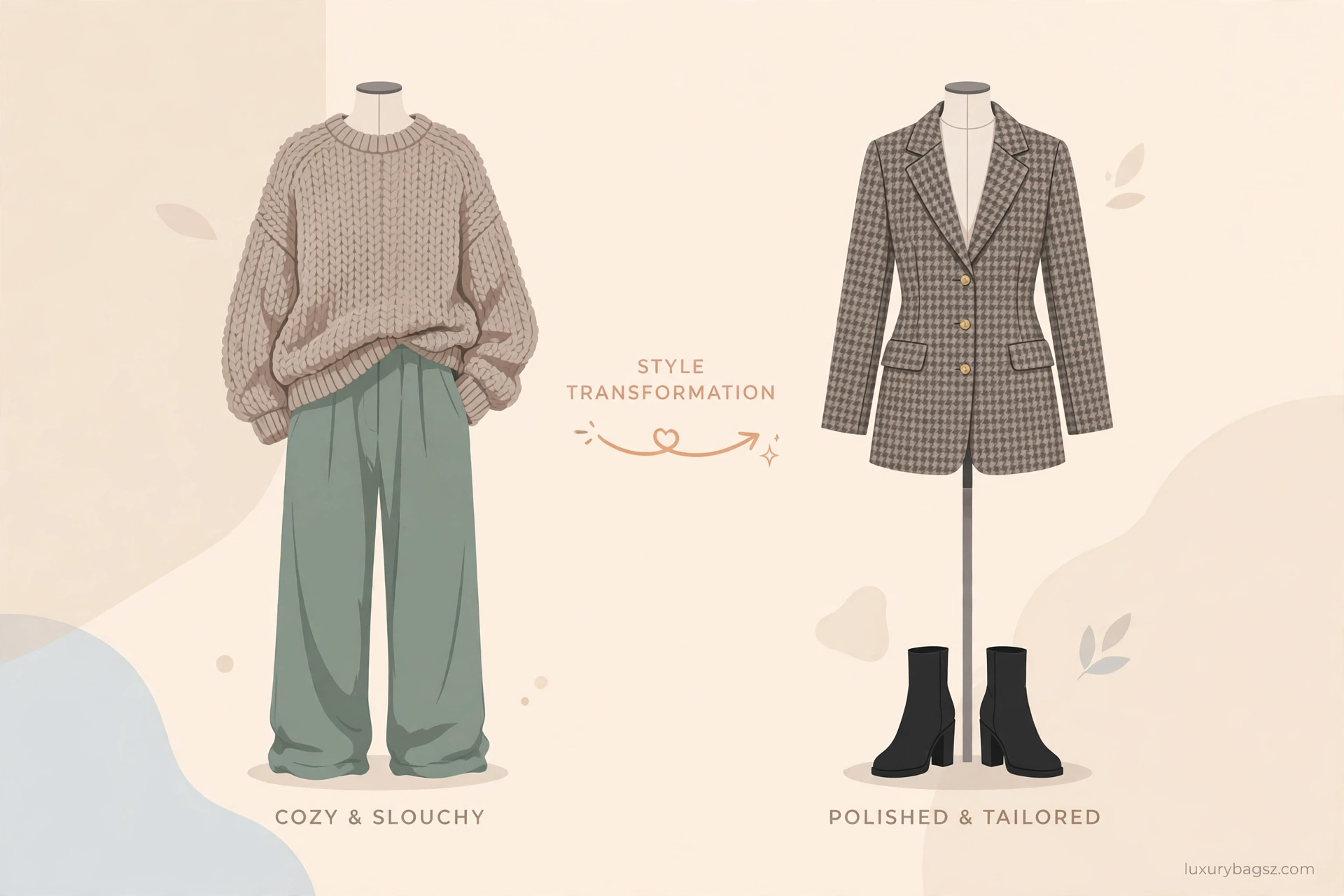
The before wardrobe deserves respect as design. Oversized knits and clashing layers were chosen as carefully as the couture; making someone look genuinely unstyled, without making her look foolish, is skilled costuming.
Patricia Field's Method Behind the Looks
Field, already famous for Sex and the City, reportedly built the wardrobe far beyond its modest costume budget by calling on designer friends to lend pieces. Her method was character first. Miranda's clothes had to look like the choices of a woman who decides what the world wears, so Field favoured timeless, expensive-looking tailoring. Andy needed two wardrobes: the before, deliberately unconsidered, and the after, assembled the way a smart assistant would actually learn, piece by borrowed piece. Emily, the senior assistant played by Emily Blunt, got the edgiest styling of all: sharper, more editorial looks that showed fashion as her whole identity.
Reports from the production describe designers lending generously once they understood the film's tone: affectionate about fashion's excess, serious about its craft. The borrowed finery is why the frame looks richer than the budget.
The Cerulean Lesson Everyone Still Quotes
In the film's most famous speech, Miranda dismantles Andy's blue jumper by tracing its colour back through designer collections to the bargain bin Andy bought it from. The speech dramatises a real mechanism: colours and shapes shown by top houses filter, over seasons, into department stores, then high-street ranges, then clearance rails. It is quoted in fashion teaching because it is broadly true. The shade on a rail today usually began life in a designer's studio several seasons earlier. Watching the film with that lens changes shopping habits. You start asking where a look began, and whether you are buying at the start of its life or the end.
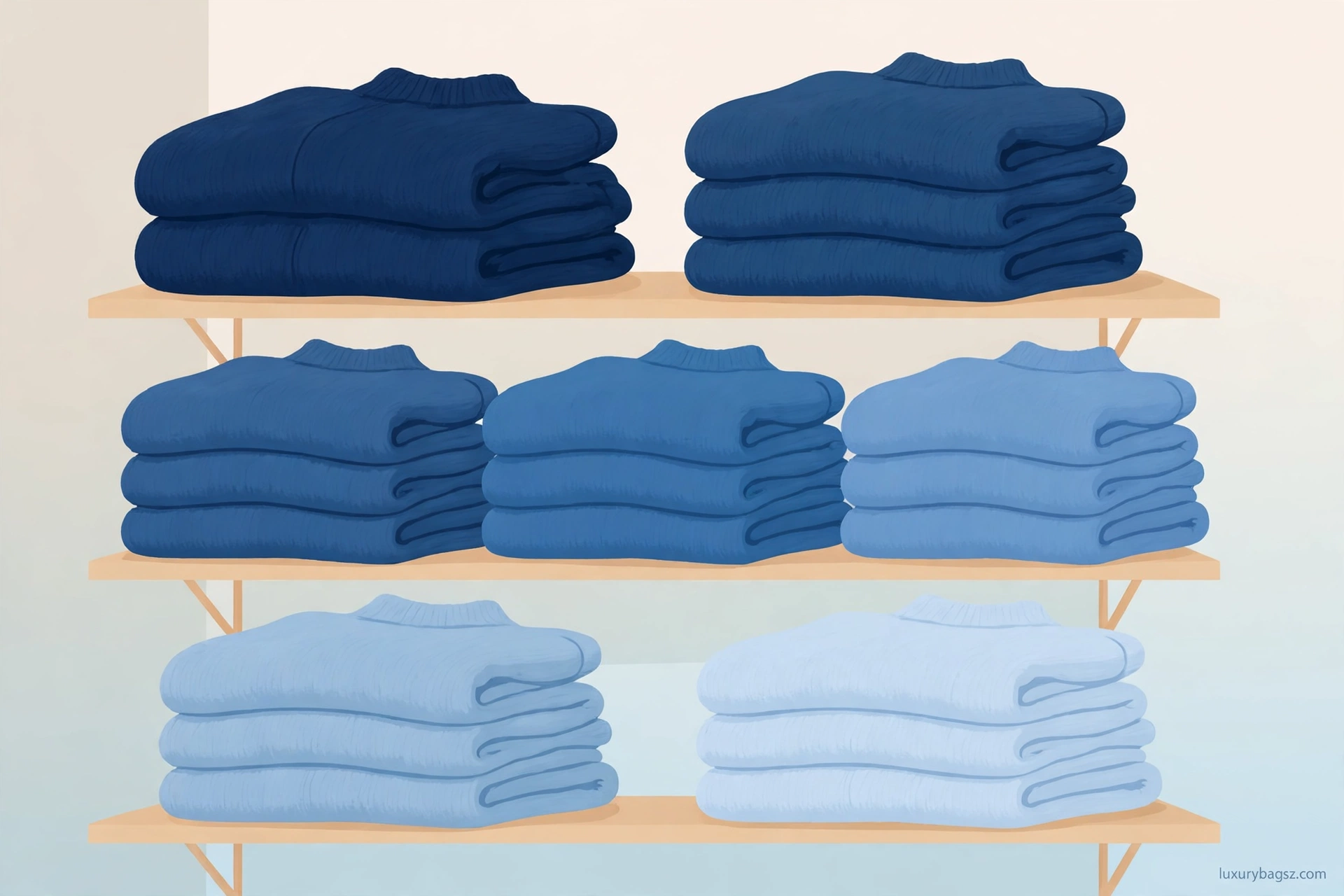
The speech also flatters nobody, which is its sting. It tells Andy, and the audience, that opting out is still a position inside fashion's system, because even the bargain rail was designed by somebody, somewhere, first.

Wearing the Legacy in a Real Office
Start with the coat: a long, well-cut coat in black, camel or navy upgrades every outfit beneath it, exactly as the film's entrances promised. Add the white shirt and tailored trousers, then one structured bag from the world of iconic designer handbags, and the formula is complete enough for most workplaces. Boots carry Andy's side of the legacy: knee-high boots with skirts and dresses give the montage's confidence without its costume feel. Our designer heels guide helps choose heights you can actually walk in. Keep one element relaxed, a knit or a loose trouser, so the look reads modern professional rather than film tribute.
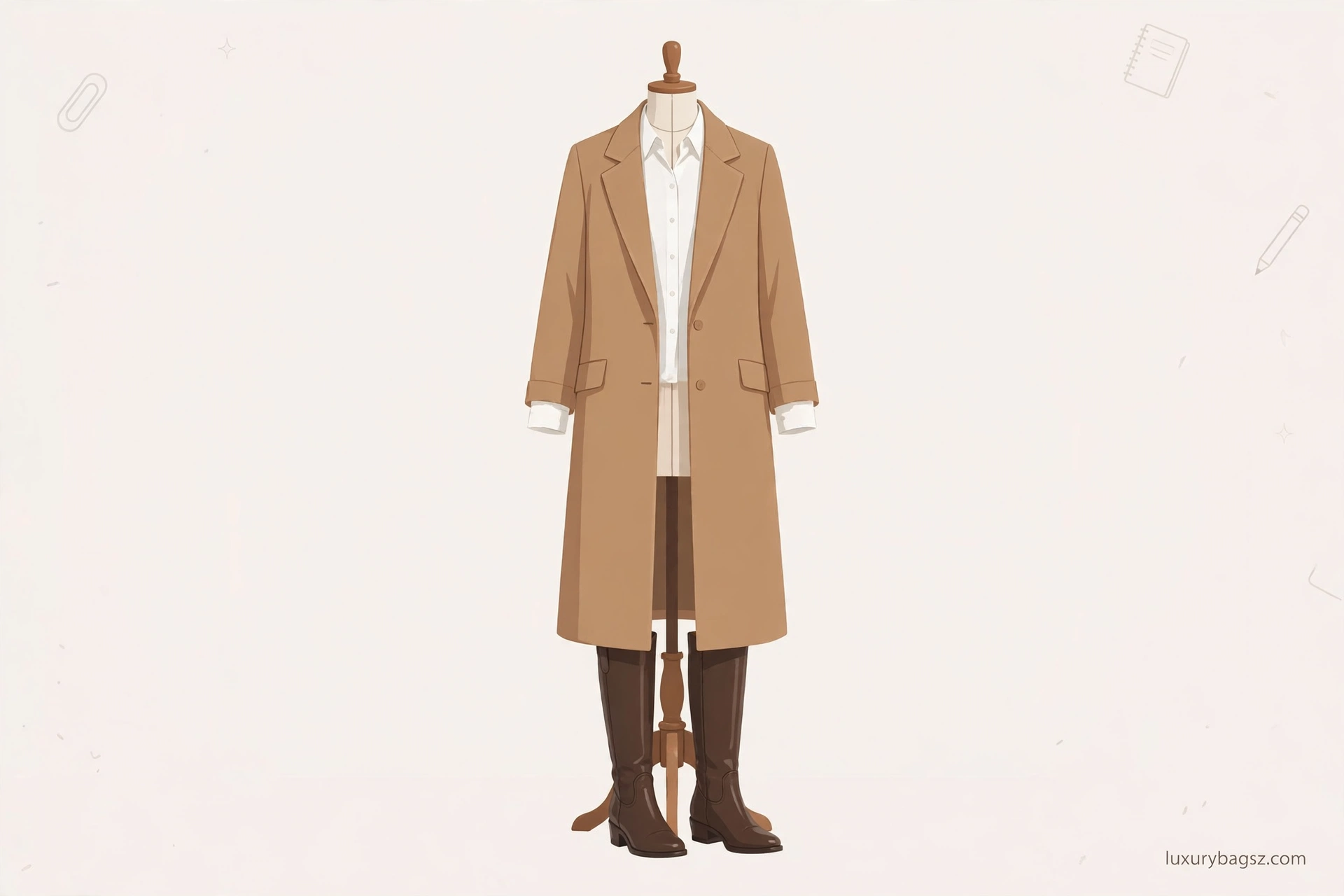
Modern offices add one update the film predates: trainers with tailoring. Worn clean and plain with a long coat and structured bag, they translate the montage's confidence into a commute that actually works.
The Pieces Worth Buying, and Their Pre-Owned Route
A tailored wool coat is the highest-value buy: cost per wear collapses across a working winter, and good coats resurface constantly on the pre-owned market. Tweed jackets in the Chanel manner hold value well and appear in vintage shops at every price. Check buttons, lining and moth damage before paying. Thigh-high and knee-high boots in plain leather are the third buy. Avoid the film-era extremes of heel height; a walkable block heel dates far more slowly. Sunglasses and a structured tote finish the list cheaply. Buy these last, once the coat and jacket are right, because they only polish what already works.
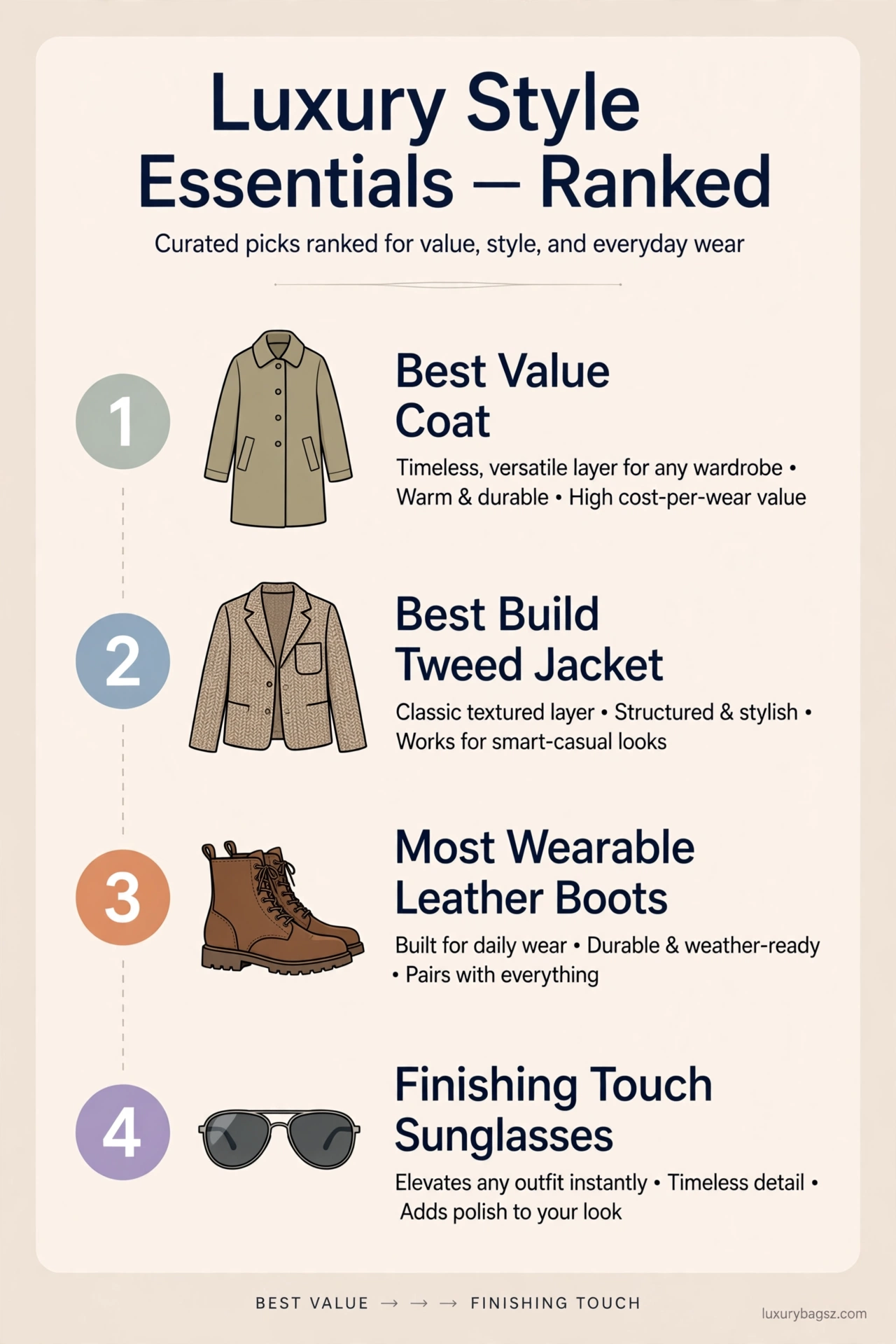
Vintage tweed needs a sniff and seam test as well as a look: check underarm linings, button tightness and skirt hems. Good jackets forgive tailoring costs because the cloth itself is nearly impossible to buy new at the price.
The Sequel Era and the Enduring Spell
Interest in the world of Runway has never really faded, and reported work on a sequel, The Devil Wears Prada 2, has renewed attention on the original wardrobe all over again. Reports around the sequel describe a new costume chapter that nods to the original, including a return for that famous cerulean idea, though details should be treated as early until the film itself appears. The deeper legacy is linguistic: phrases, the cerulean speech and the image of the thrown coat have entered how ordinary people talk about fashion and work. That is the real test of a style film. Twenty years on, its clothes still teach, its quotes still circulate, and its coat still walks into offices every autumn.
Whether or not every reported sequel detail proves exact, the renewed attention has already done its work: a new generation is discovering the original, and its coat-first, fit-first lessons are landing all over again.
Frequently Asked Questions
Who designed the costumes for The Devil Wears Prada?
Patricia Field, the celebrated costume designer also known for Sex and the City. She reportedly stretched a modest budget by borrowing designer pieces through industry friendships.
What is Miranda Priestly's style formula?
Disciplined power dressing: spectacular long coats, immaculate tailoring, monochrome or jewel colours, structured bags and sunglasses, repeated at an unvarying standard.
Which Andy look is the most famous?
The Chanel-style outfit with tweed jacket, layered necklaces, cap and thigh-high boots from the transformation passage. It remains the film's most copied single look.
What does the cerulean speech actually explain?
How fashion filters down: a colour shown by top designers moves over seasons into stores at every price, so even a bargain jumper began in a design studio.
Is the film's office style still wearable today?
Yes, because it rests on classics: a great coat, white shirt, tailoring, boots and a structured bag. Update proportions slightly and it reads current, not costume.
How can I copy the look on a budget?
Buy pre-owned: wool coats, tweed jackets and leather boots from the film's era circulate widely. Spend first on the coat, which carries the whole effect.
Was Runway magazine based on a real magazine?
Runway is fictional, though the film adapts Lauren Weisberger's novel drawn on her time assisting at Vogue. The wardrobe, however, was Field's own creation for the screen.
What bag style fits the Miranda look?
A structured, substantial top-handle or tote in plain leather, carried like a briefcase. The effect comes from neatness and scale, not from logos.
What should I know about the sequel's style?
A sequel has been widely reported, with a new costume team honouring the original's codes. Treat specific look details as unconfirmed until the film is released.
Why does this film still influence fashion?
Because its wardrobe taught as it entertained: power, learning and belonging were all told through clothes, and its key pieces were classics that never left wardrobes.
Final Verdict: Classics, Worn Like You Mean It
The Devil Wears Prada endures because its style lesson is transferable: dress with intention, invest in the coat, respect fit, and let one strong bag finish the sentence. Copy the discipline rather than the labels, and the film's legacy becomes a working wardrobe, not a costume box.