Designer Sunglasses for Every Occasion: Driving to Weddings
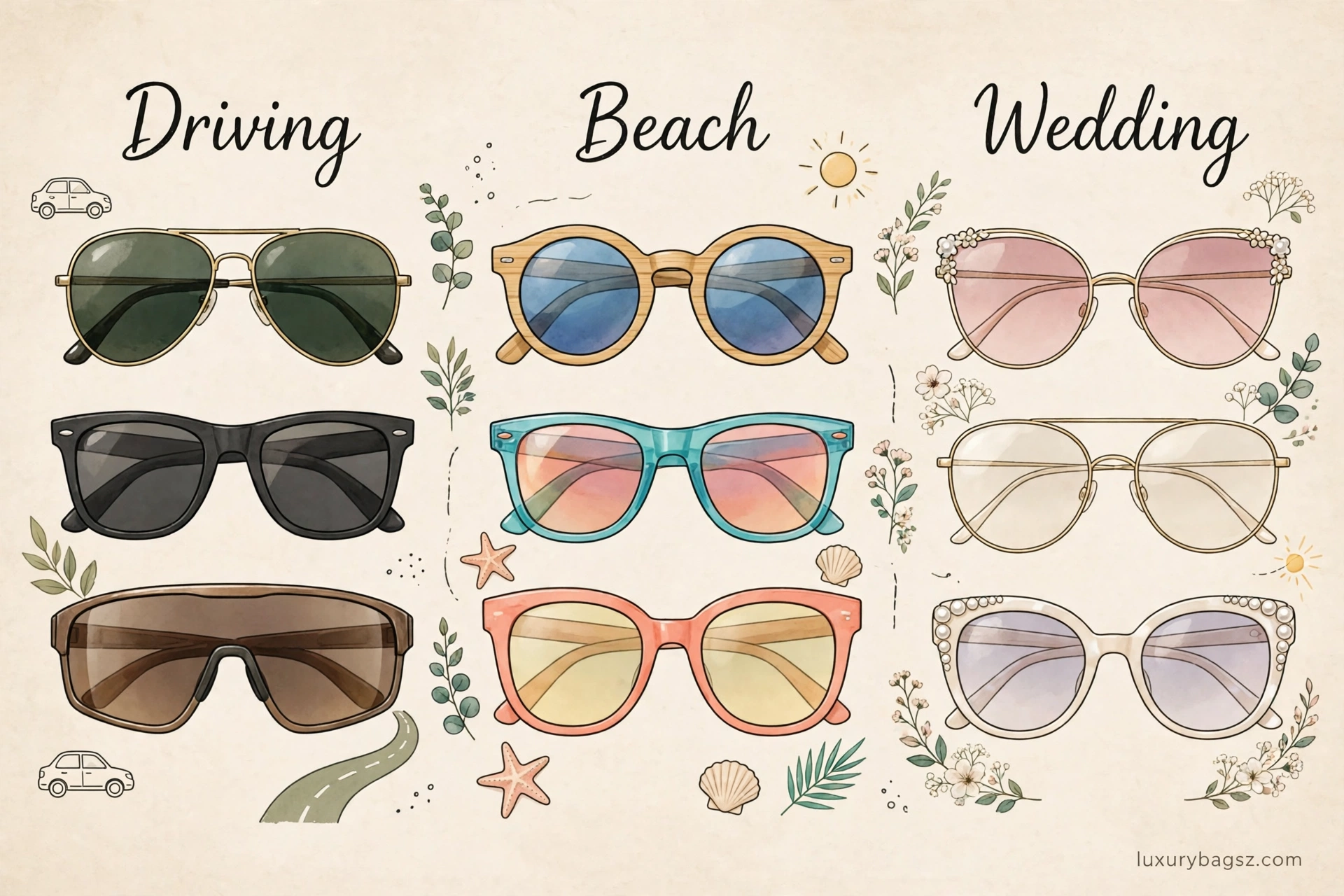
The Right Pair for the Day: Occasions in Brief
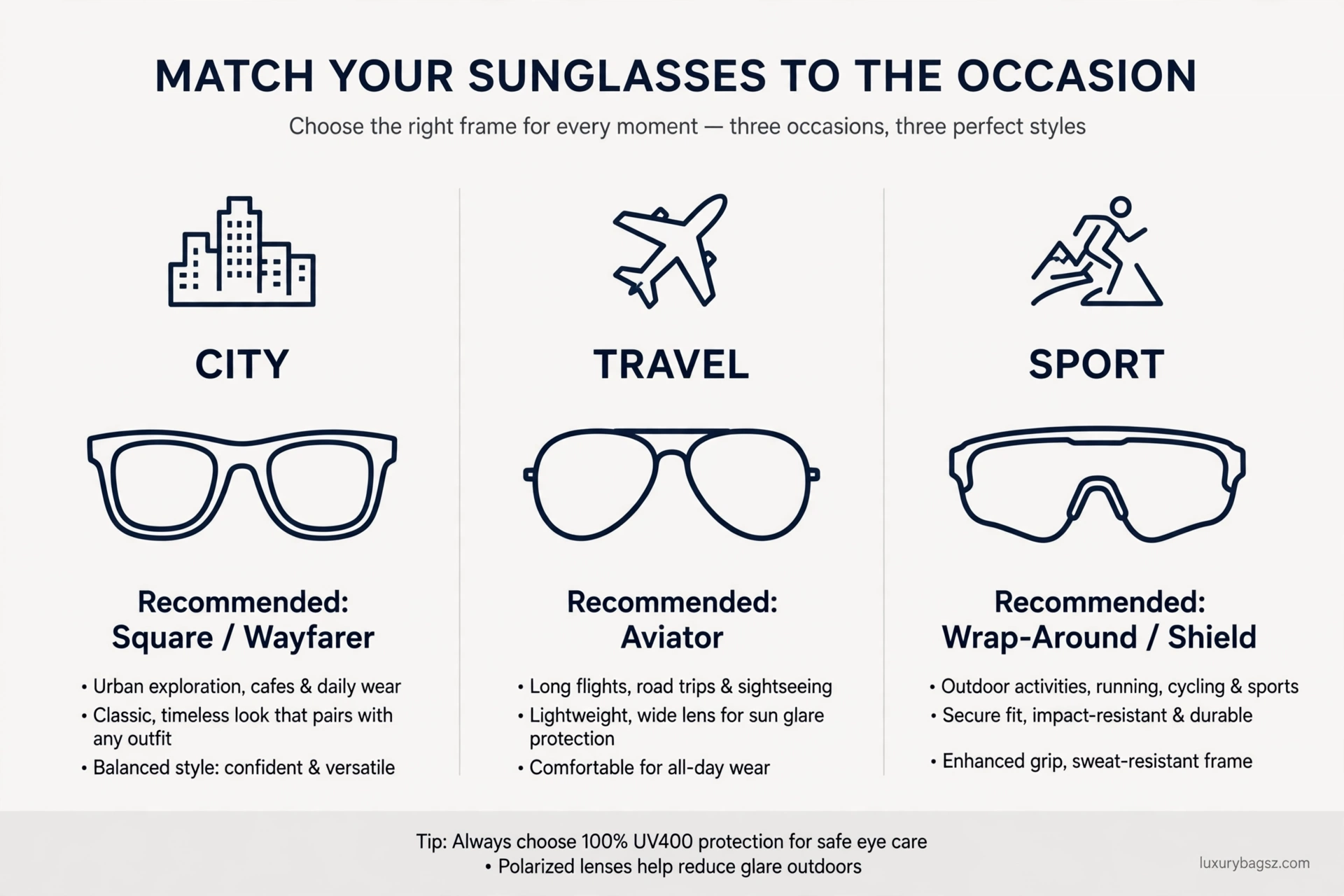
Match sunglasses to the occasion: polarised aviators or squares for driving, grippy full-coverage frames for the beach and sport, slim polished shapes for weddings and events, and a classic dark pair for city days and travel. Etiquette matters as much as optics. Sunglasses come off indoors, during vows and when you are introduced. The right pair, worn at the right moments, is what makes them feel luxurious rather than careless.
Key Takeaways
- Driving wants polarised lenses and a true-colour grey or brown tint.
- Beach and sport want grip, coverage and a pair you can afford to lose.
- Weddings want slim, polished shapes, removed for vows and photos.
- City days suit a classic dark square or aviator in core colours.
- Travel favours light metal frames that pack flat and suit everything.
- Two well-chosen pairs can cover all six occasions honestly.
Why One Pair Rarely Does Everything
Each occasion stresses a different quality. Driving punishes glare, the beach punishes preciousness, weddings punish drama, and sport punishes anything that slips. A single classic pair can cover city, travel and most events well. It is the extremes — bright water, hard sport, formal photographs — that ask for a second, purpose-led pair. Think in occasions you actually have. A sailor and a wedding stylist need different second pairs, and buying for an imagined life is how drawers fill with unworn frames.
Driving: Polarised and True of Colour
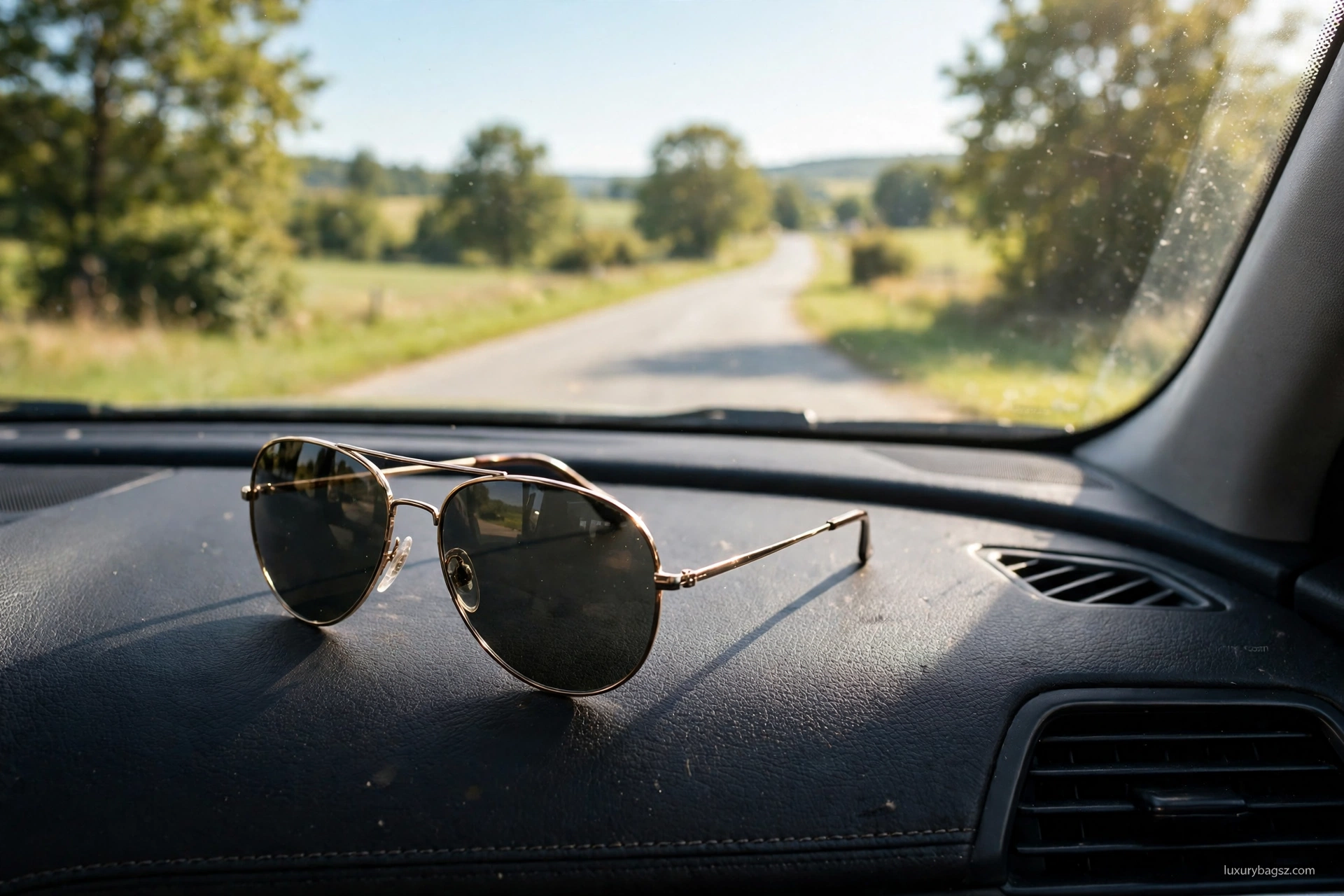
Choose polarised lenses in grey or brown, category 3, in an aviator or medium square that does not block side vision. Wide temples and shields are poor driving choices. Gradient lenses help many drivers: dark at the top for sky glare, lighter below for the dashboard. Avoid very dark category 4 lenses, which are not legal for driving in many places. Keep a dedicated car pair in a hard case in the glove box, cleaned weekly. Squinting through smeared lenses on a bright motorway is a safety issue, not a style one.
Beach and Pool: Grip, Coverage, No Tears
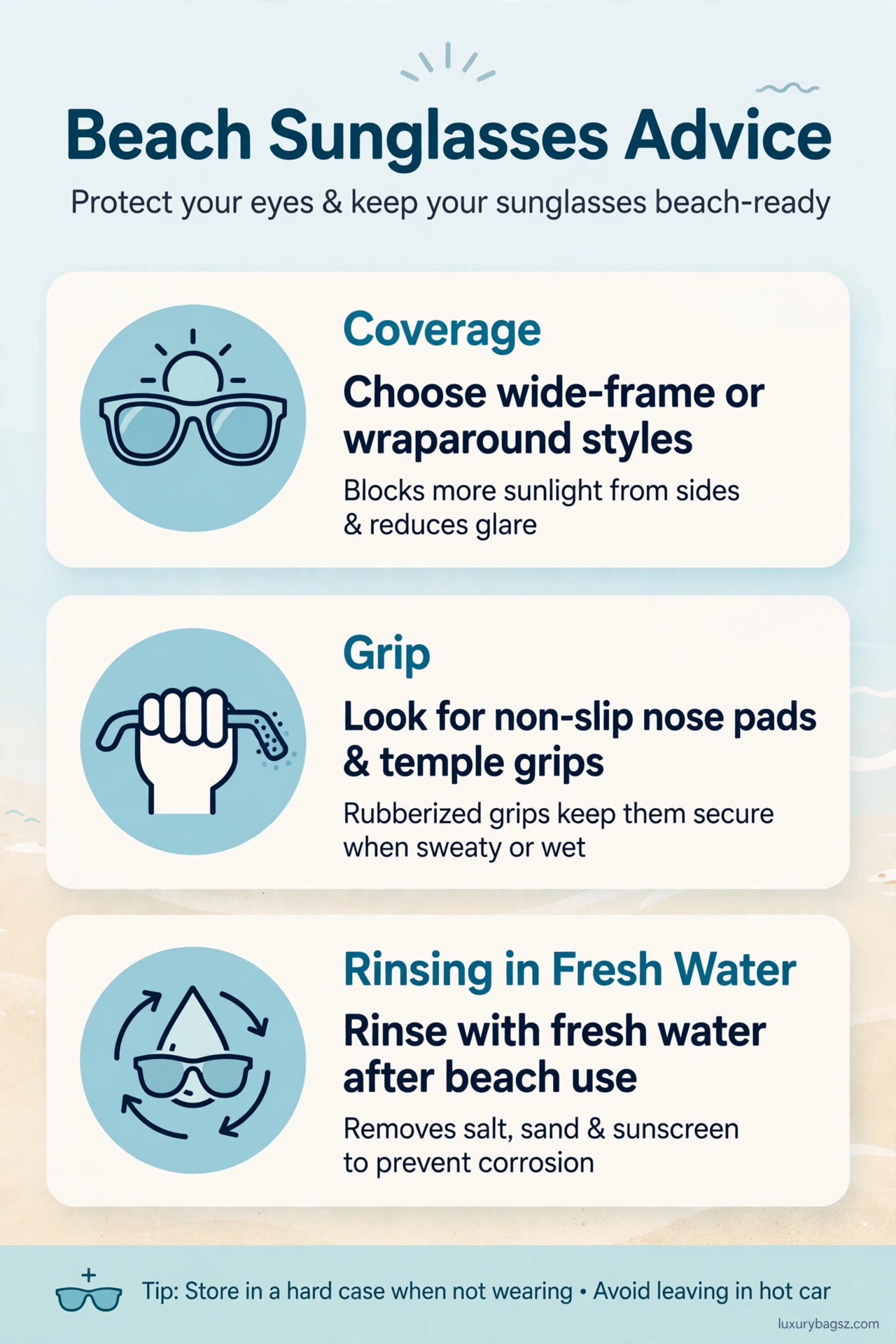
Pick a wrap or oversized pair with a secure fit, matte finish and lenses you can rinse. Polarised lenses tame water glare beautifully and make sea colours glorious. Leave the icon pair at the hotel. Sand scratches, salt corrodes and one wave ends ownership; a good mid-price pair is the genuinely luxurious choice here because it frees you. Rinse in fresh water each evening, dry with the cloth, and never leave any pair baking on a towel in full sun while you swim. Heat warps even expensive acetate.
City Days and Work: Polished and Quiet
A black or tortoise square, a neat aviator or a slim cat-eye in core colours reads professional and pairs with tailoring, denim and dresses without stealing the outfit. Keep branding quiet for work settings. The most expensive-looking city pair is usually the one with the least visible logo and the best fit, as any designer sunglasses price guide will confirm when it separates finish from name. Carry the hard case in your bag. City sunglasses die on café tables, in coat pockets and under laptops far more often than they die of old age.
Weddings and Events: Slim, Light, Removed on Time
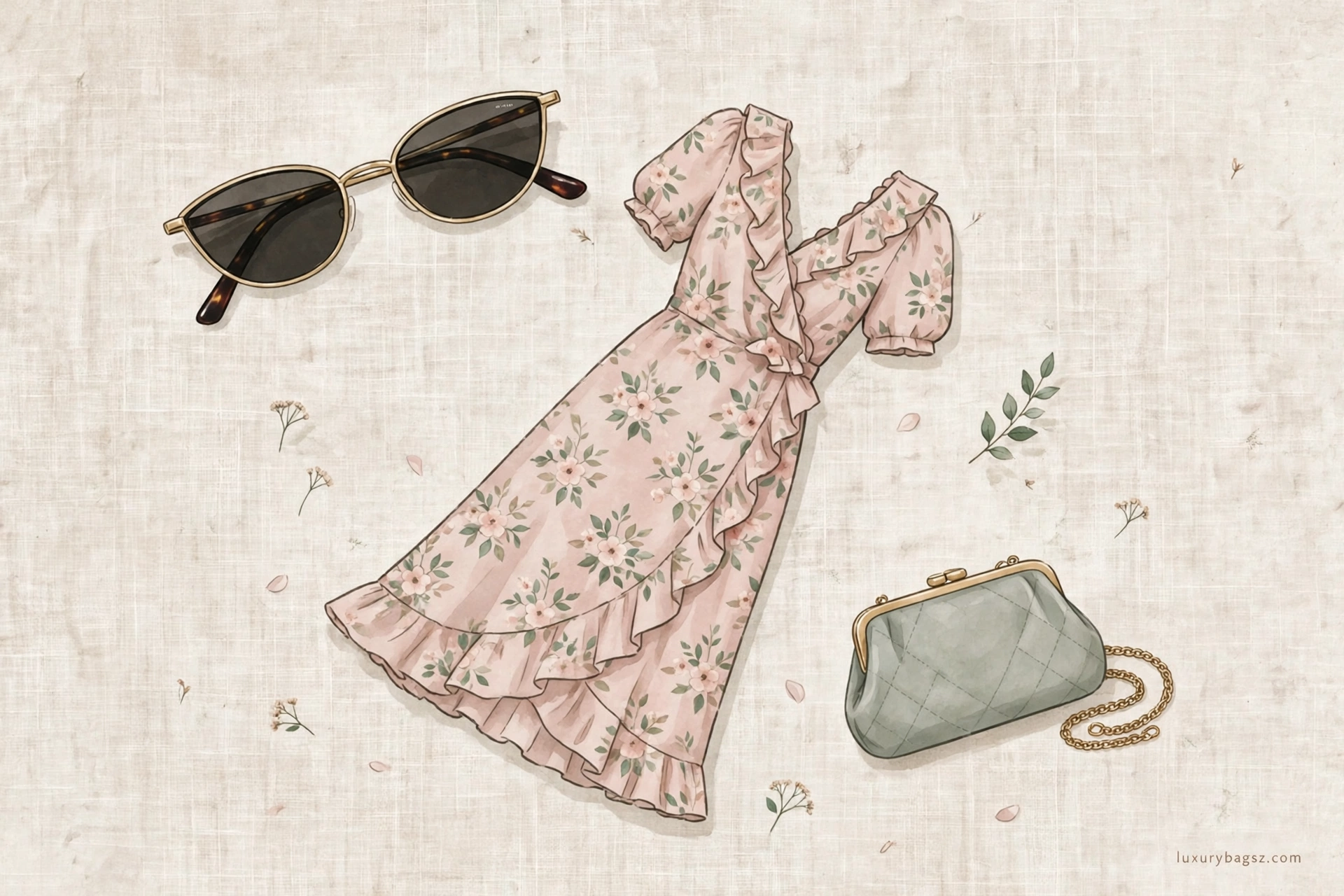
For weddings, choose slim metal ovals, neat cat-eyes or light acetate squares in black, gold or soft tortoise. They should finish a guest outfit, not headline it. Remove them for the ceremony, for introductions and for formal photographs, unless medical need says otherwise. Push them into your hair only for candid moments, never as a headband all day. Coordinate with your bag and shoes rather than matching exactly; guests carrying one of the small designer party bags often find a slim gold frame completes the same polished line.
Travel and Sport: Light, Tough, Secure
For travel, thin metal aviators pack flattest, weigh least and suit every outfit in a small suitcase. Add a slim hard case that fits a handbag's inner pocket. For sport, choose a soft wrap with grip sleeves, impact-resistant lenses and a strap for water or speed. Fashion houses make pretty sport frames; specialist fit matters more here. If your trips span seasons, borrow logic from our designer sunglasses seasonal edits and pack by light: one dark pair for noon, one lighter tint for evenings and shade.
The Two-Pair Plan That Covers Everything
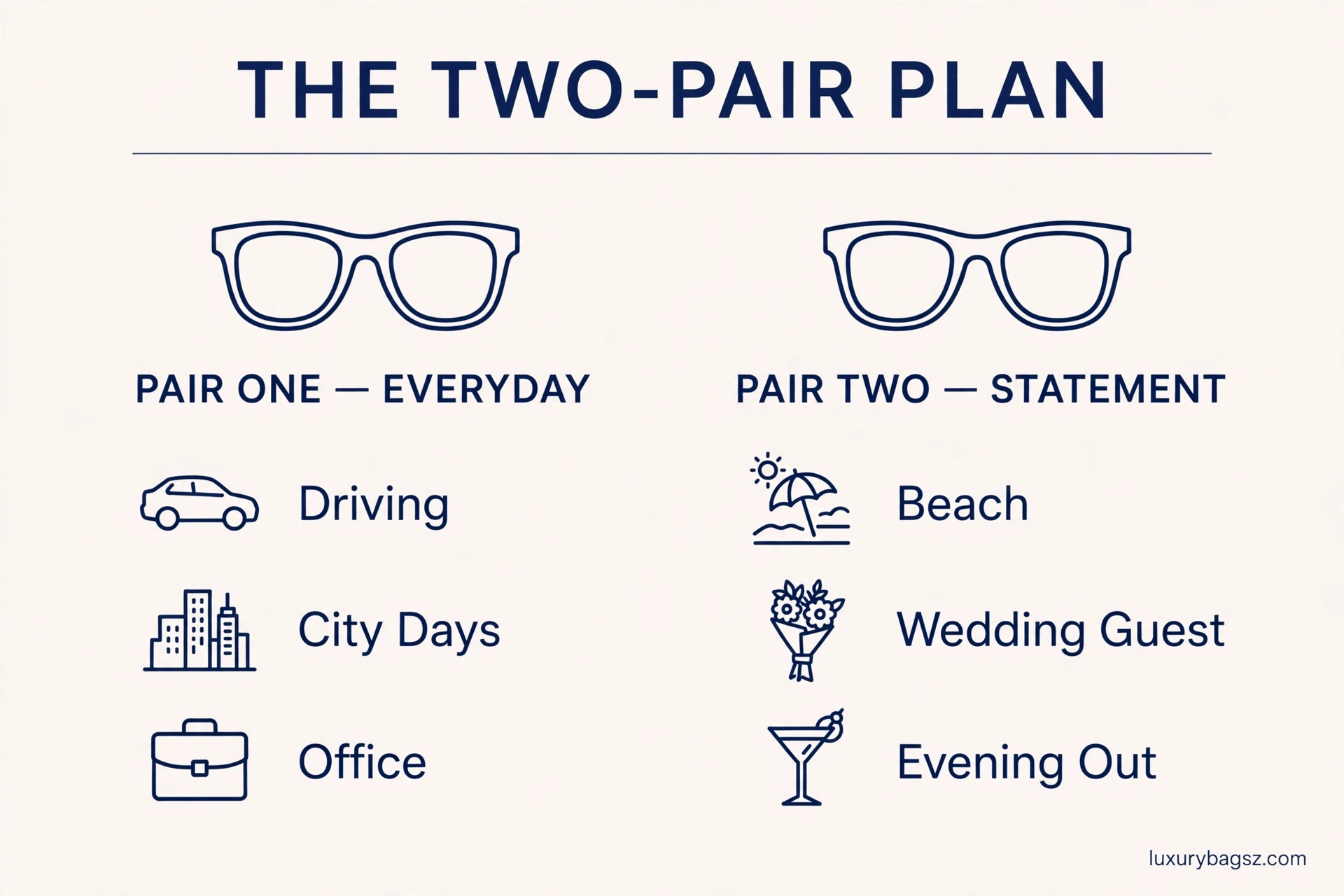
Pair one, the classic: a polarised aviator or square in a core colour, icon quality. It covers driving, city, travel and most events without a wrong note. Pair two, the player: choose by your life — a grippy beach and sport pair, or a slim polished pair for weddings and photographs. Most people know instantly which life is theirs. Together they cost less than three middling pairs and work harder. Add a third, seasonal fashion pair only when these two are truly serving you week after week.
Etiquette Rules Worth Keeping
Take sunglasses off indoors, in conversation at close range, and whenever someone is being honoured — speeches, vows, toasts. Eyes are part of courtesy. Do not wear them on your head through an event; it stretches the arms and reads unfinished. Case them, or hang them neatly from a neckline for a moment only. If glare or a medical condition keeps yours on, a brief, light word to your host or neighbour turns a possible rudeness into understood comfort. Manners forgive almost anything explained kindly.
Frequently Asked Questions
What sunglasses are best for driving?
Polarised aviators or medium squares with grey or brown category 3 lenses. They cut road glare, keep colours true and leave side vision clear for mirrors and junctions.
Can I wear sunglasses to a wedding?
Yes, for arrival, garden drinks and sunny photographs of the candid kind. Choose slim, polished shapes and remove them for the ceremony, introductions and formal portraits.
Which pair should I take on holiday?
A light metal aviator in a slim hard case, plus your beach pair if water is planned. Between them they cover city sightseeing, driving, travel days and the shore.
Are expensive sunglasses right for the beach?
Rarely. Sand, salt and loss risk make a good mid-price pair the wise beach choice. Save the icon pair for the promenade afterwards, rinsed hands and dry hair.
What shape suits a formal outfit best?
Slim metal ovals, neat cat-eyes and light squares in black, gold or soft tortoise. They finish tailoring and dresses quietly, where oversized drama would fight the clothes.
Do I need separate sport sunglasses?
If you run, cycle, sail or ski regularly, yes: grip, wrap coverage and impact-resistant lenses are safety features a fashion frame does not honestly offer.
How many occasions can one classic pair cover?
Four of the six in this guide: city, travel, driving if polarised, and most daytime events. Beach risk and formal polish are where a second pair earns its keep.
What lens colour works for most occasions?
Grey for truth of colour, brown for warmth and contrast. Between them they cover driving, city and travel; save green, rose and yellow tints for leisure pairs.
Should sunglasses match my bag and shoes?
Coordinate tones rather than matching exactly. Gold frames with gold hardware, tortoise with tan leather — that level of echo looks deliberate without looking staged.
When should I replace an occasion pair?
When its job fails: slipping at sport, scratched lenses at the beach, or arms too stretched to sit level at events. Occasion pairs work hard, so judge them by performance.
Conclusion: Buy for Your Real Calendar
List the occasions you truly have, buy a classic polarised pair for the centre of that life, and add one player pair for its hardest edge — beach, sport or weddings. Wear each at the right moments and take them off at the right ones too.