Designer Sunglasses Seasonal Edits: Spring to Winter Picks
One Wardrobe, Four Seasons: The Edits in Brief
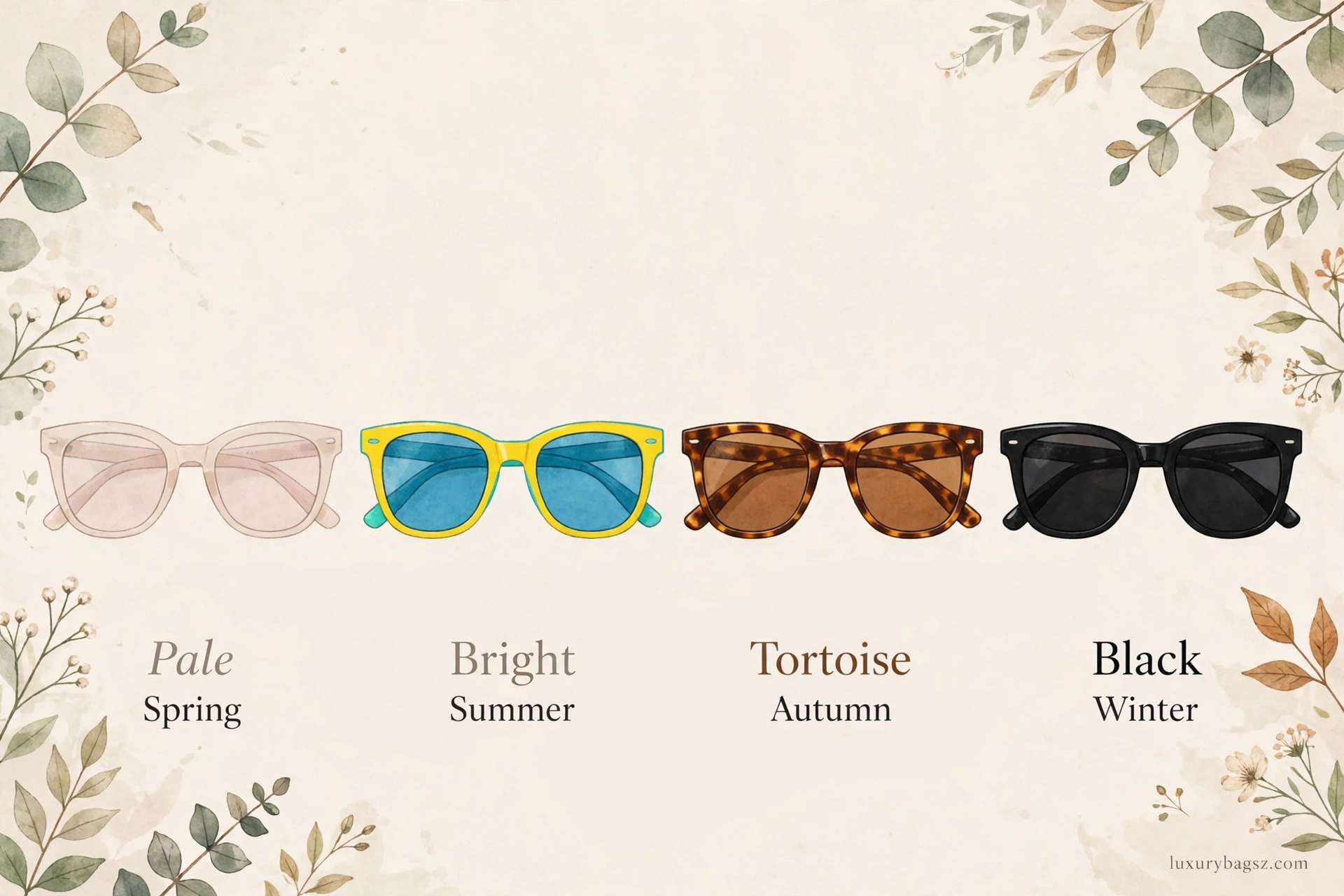
Treat sunglasses seasonally: pale and light frames for spring, bright colour and full coverage for summer, tortoise and amber for autumn, and dark, glamorous shapes for winter light and snow glare. Two core pairs carry the year; seasonal pairs add the fun. Trends repeat with small twists — a narrower oval here, a coloured lens there — so buy trends in cheaper pairs and keep your icon pair classic. That balance is the whole art of the seasonal edit.
Key Takeaways
- Spring suits pale acetate, light tints and smaller shapes.
- Summer wants coverage, category 3 lenses and colour.
- Autumn belongs to tortoise, amber and warm metal.
- Winter needs dark glamour plus real glare protection for snow.
- Two classic core pairs cover the year; trends are the third pair.
- Buy trend shapes cheaply; spend properly on the core.
How Seasonal Edits Actually Work
Houses release eyewear in seasonal drops that echo the clothing mood: lighter palettes in spring, saturated colour in summer, warm tones in autumn and drama in winter. The shapes change less than the colours. An aviator returns each year in new tints and finishes, which is why a classic shape in a seasonal colour is the smart trend buy. Edit your own drawer the same way. Keep the core pairs always ready, rotate one seasonal pair to the front, and store the rest cased and clean until their turn returns.
Spring: Pale, Light and Fresh
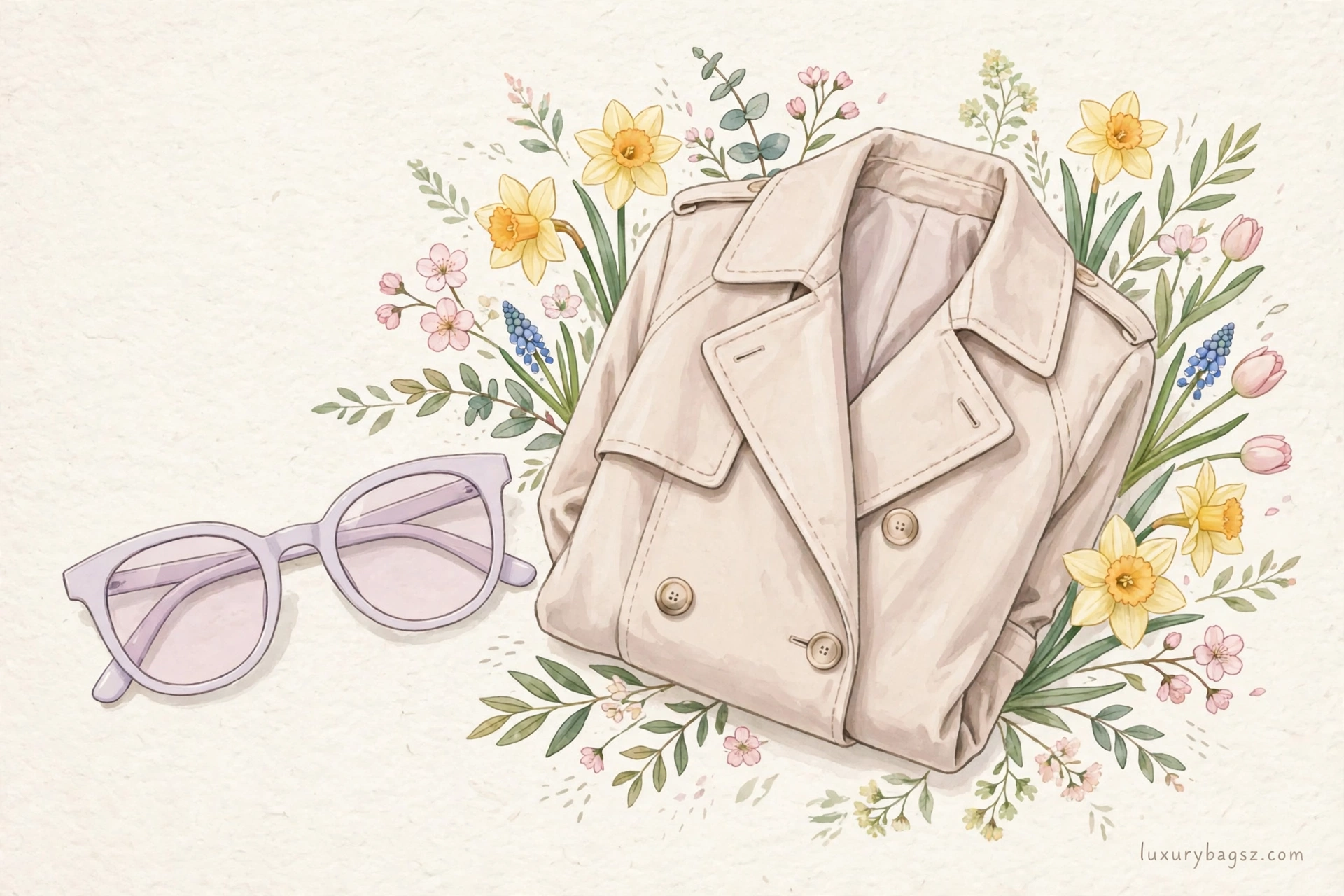
Spring light is soft, so pale acetate in cream, blush and clear crystal comes alive now. These frames flatter winter-tired skin and pair with trench coats and light knitwear. Lens tints can lighten too: category 1 and 2 tints in rose, pale brown or light grey suit spring's weaker sun and longer, brighter evenings of early season events. Shapes run smaller in spring edits — neat ovals, slim rectangles and softened squares — because spring outfits are layered and lighter, and a huge frame can swamp them.
Summer: Colour, Coverage and Category 3
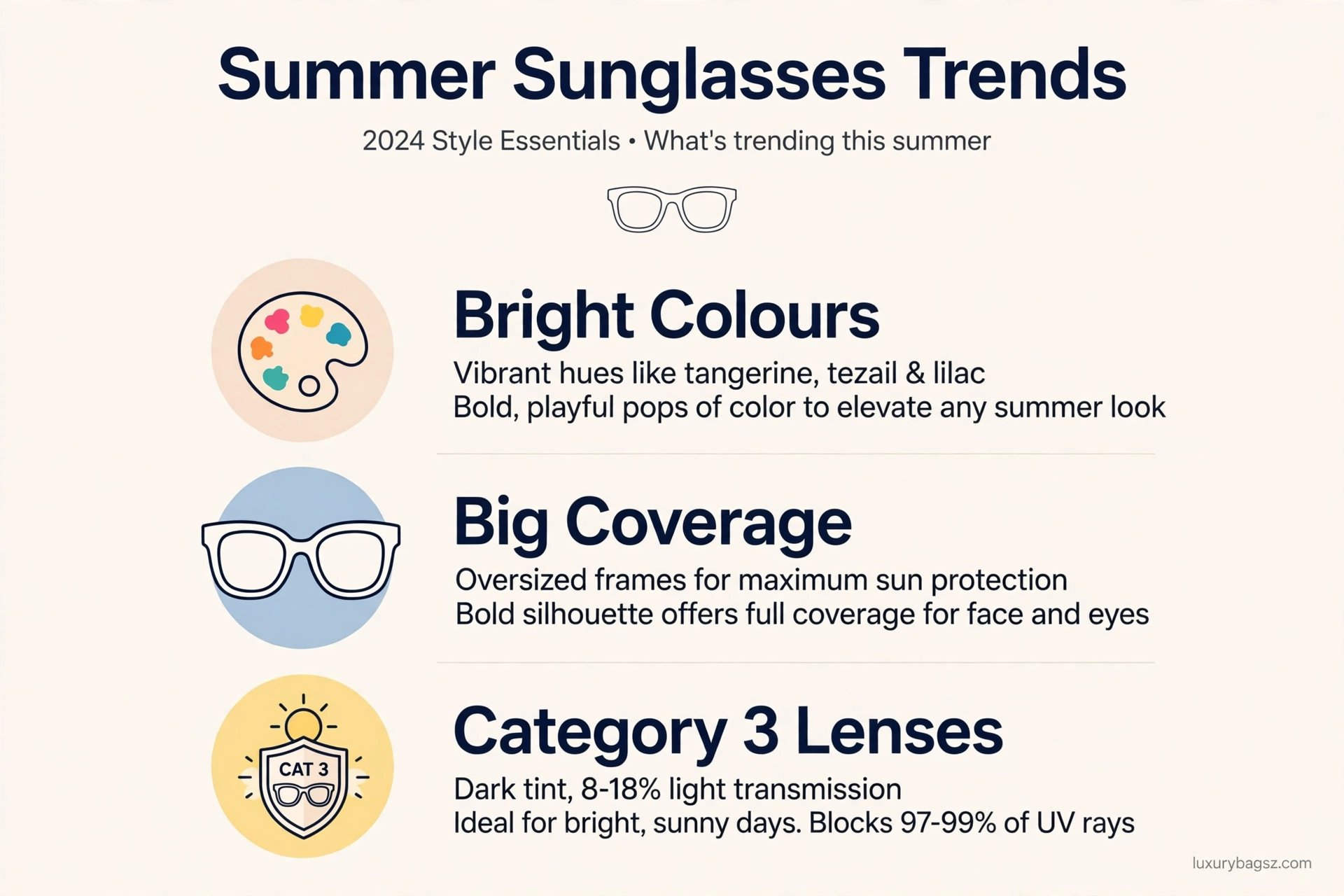
Summer is the main event: full sun, travel and long days outdoors. This is when oversized squares, shields and coloured acetates in red, green and cobalt earn their place. Insist on category 3 lenses and full UV protection for every summer pair, trend-led or not. Our ranked top 10 summer sunglasses keeps protection first while covering the shapes that define a summer edit. Buy summer's wildest pair cheaply if you must experiment. Salt, sand and boat decks are hard on frames, and a fun pair you can lose without tears is a wise pair.
Autumn: Tortoise, Amber and Warmth
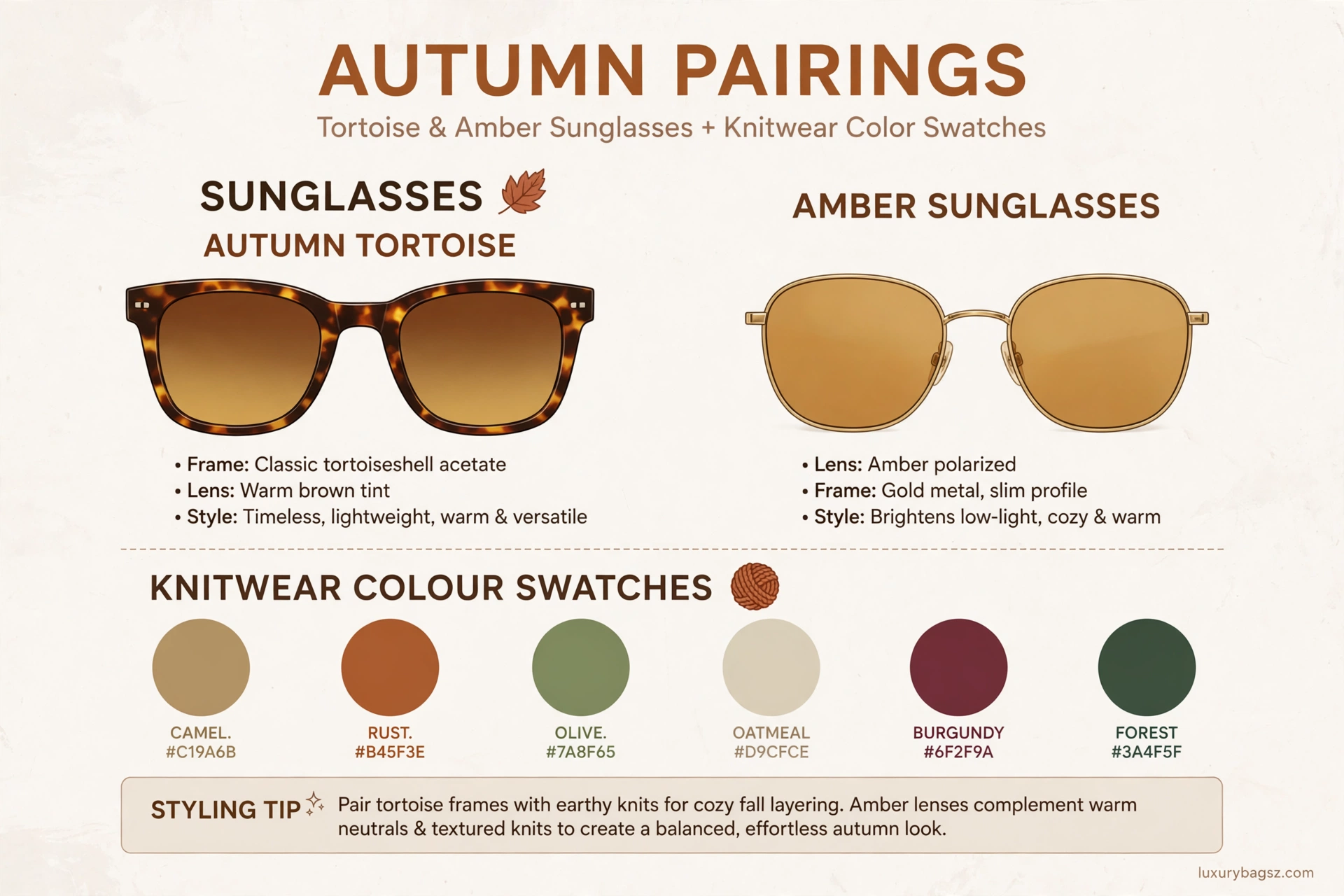
As light turns golden, tortoise acetate in honey and dark mottles becomes the perfect frame. It echoes knitwear, suede and leather better than any black frame can. Amber and brown gradient lenses warm autumn's grey days and flatter almost every skin tone. Pair them with the season's bag mood too; the shapes in our round-up of designer handbag trends show how warm tones run across accessories each autumn. Autumn is also repair season: tighten screws, replace nose pads and clean summer's salt away before frames rest, so spring finds them ready rather than tired.
Winter: Dark Glamour and Snow Glare
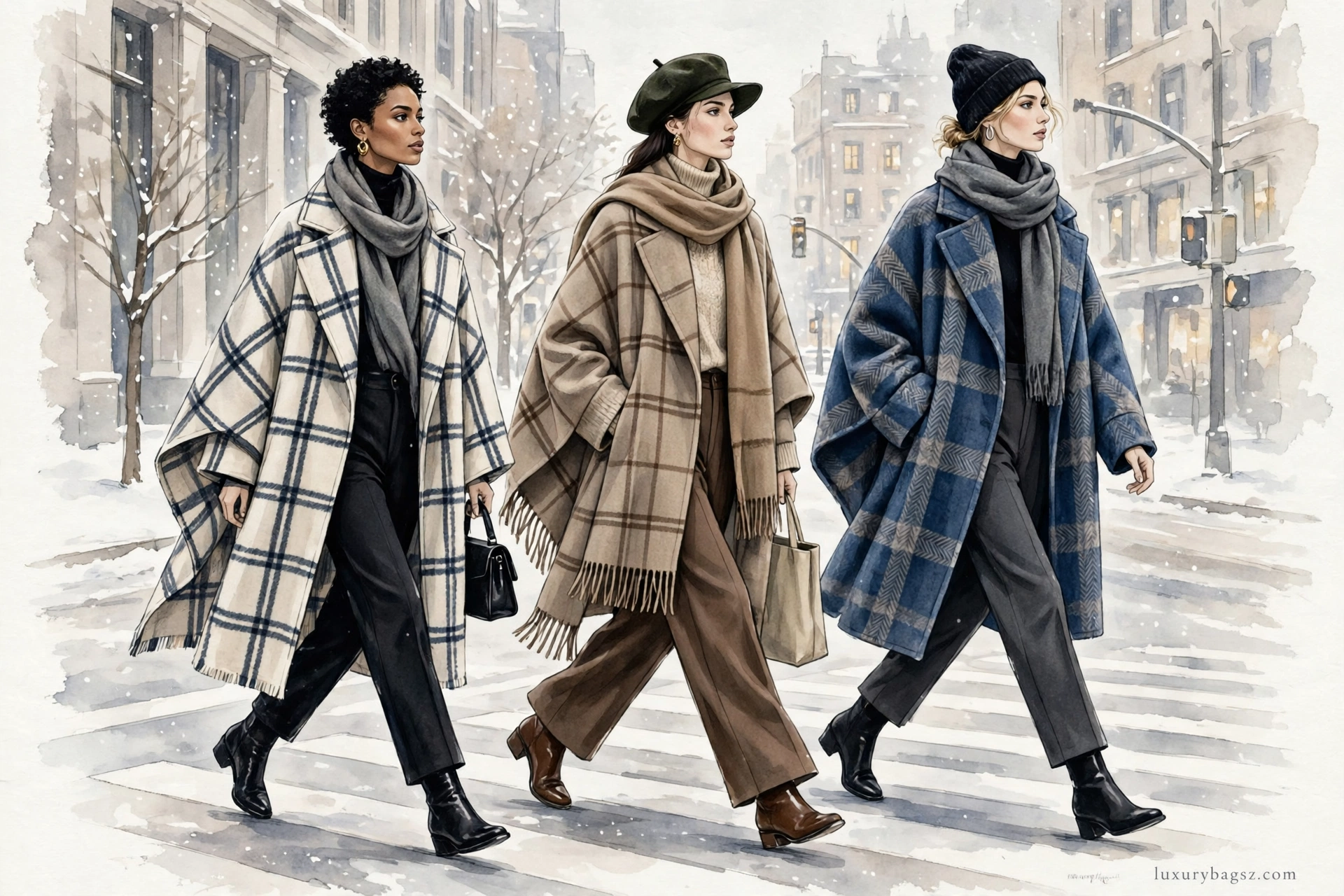
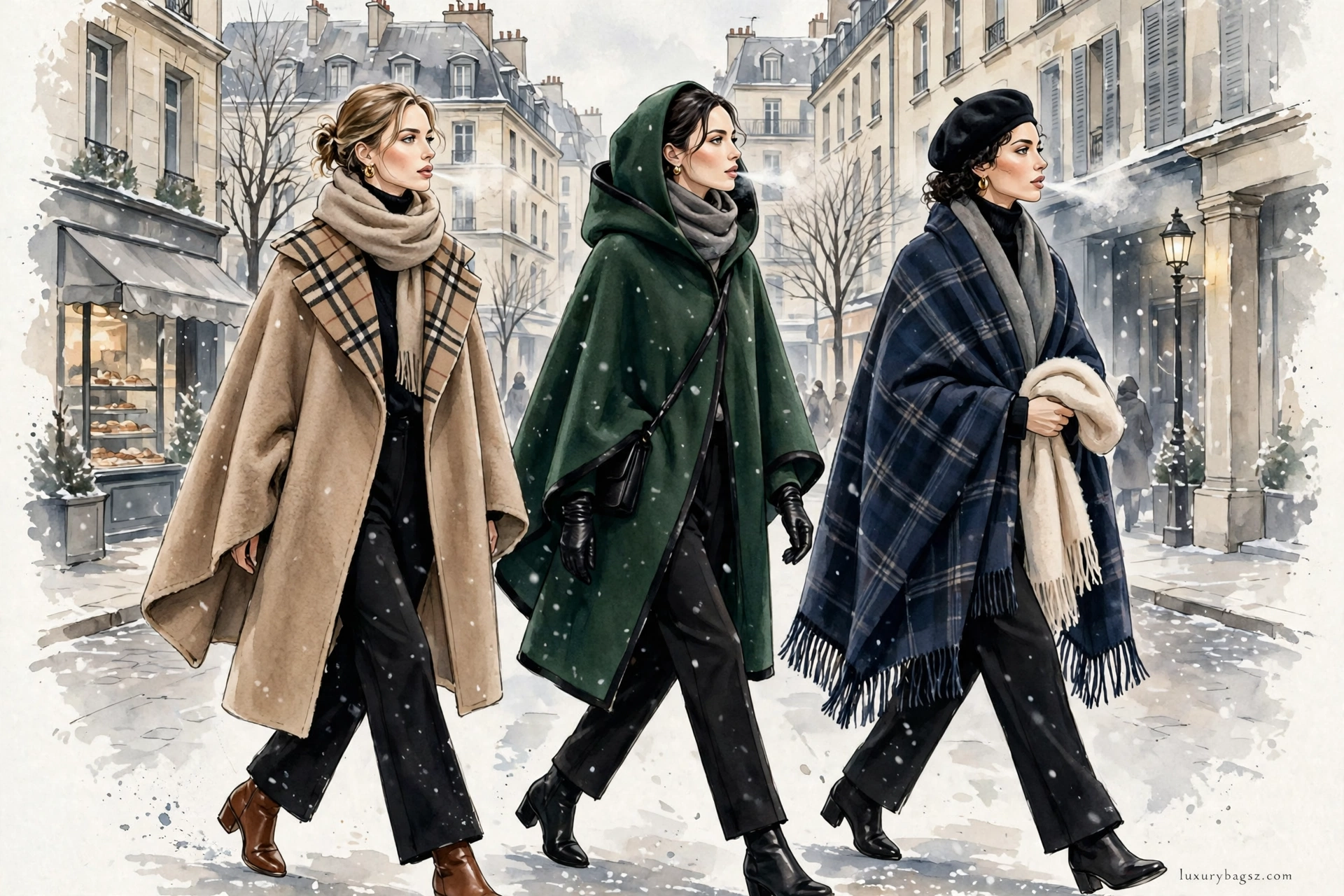
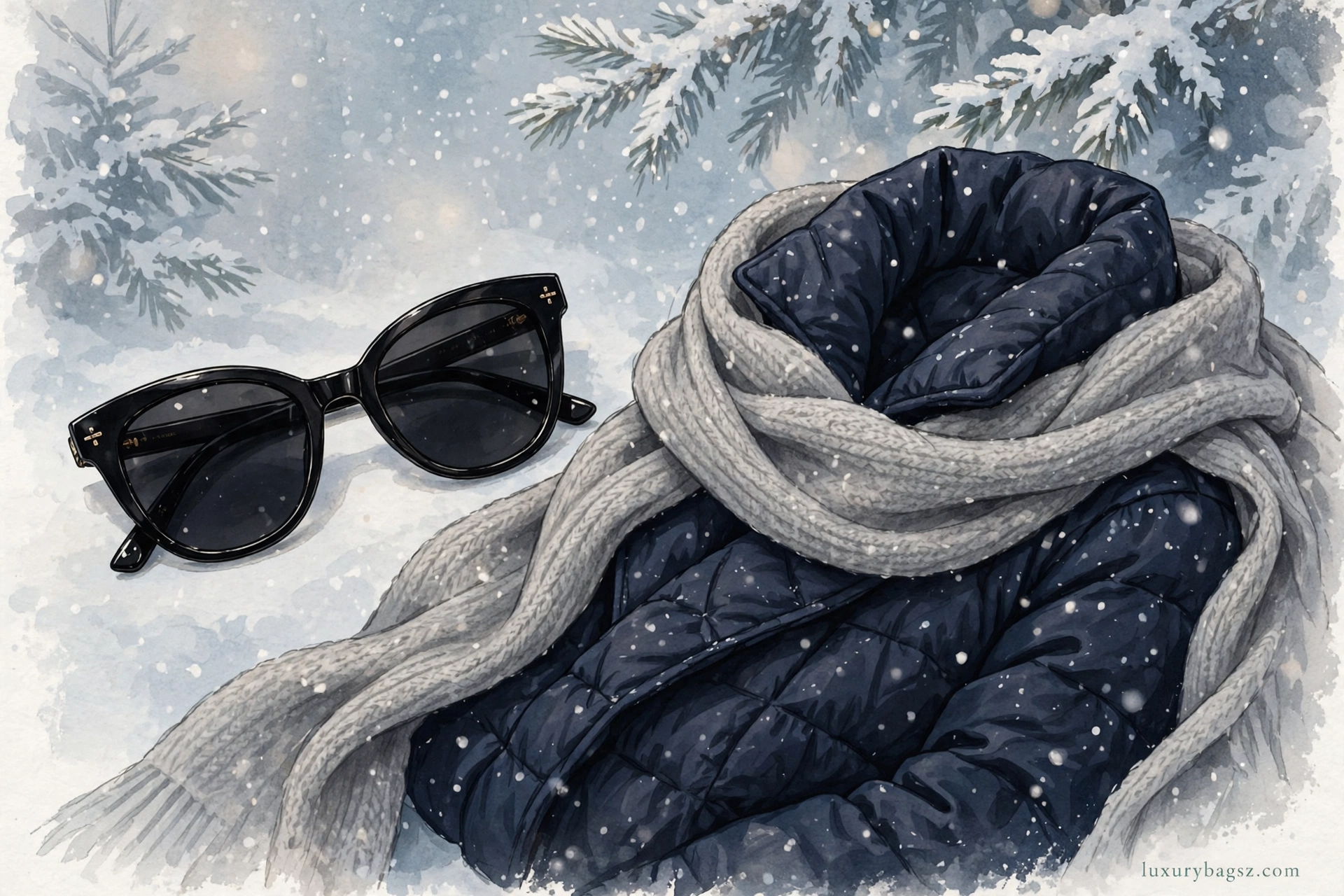
Winter edits go dark and polished: black oversized squares, deep cat-eyes and glossy acetate that looks superb against coats, scarves and low, slanting light. Do not mistake winter sun for weak sun. Snow reflects glare hard, and altitude raises UV, so ski-town and alpine pairs still need full protection and, ideally, polarised lenses. A winter pair doubles as your anonymity pair for travel days and tired mornings. In a strong shape and a core colour, it can serve for a decade of winters.
The Trends That Keep Coming Back
Coloured lenses return in cycles — yellow one year, rose the next — and suit low-light days and fashion moments rather than bright noon sun. Enjoy them as a third pair. Narrow retro shapes return whenever silhouettes slim down, and oversized shapes return whenever glamour does. Neither ever fully leaves; they simply swap the front of the drawer. Metal details cycle too: gold warms up, silver cools down. Buy your core pair in the metal you wear as jewellery, and trends will always have something to match.
Build a Three-Pair Core Wardrobe
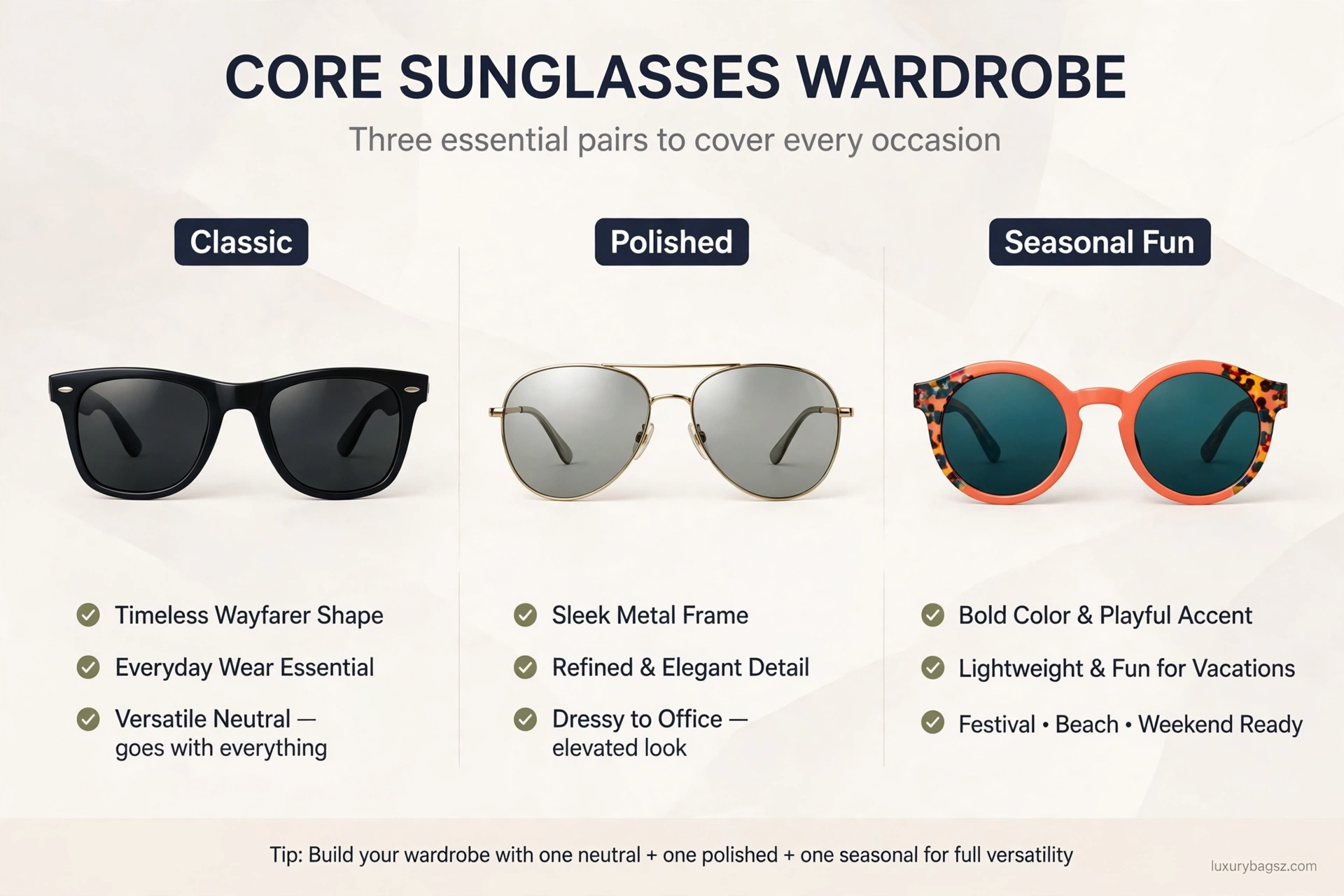
Pair one: a classic aviator or square in black or tortoise, category 3, bought at icon quality. Pair two: a polished oversized or cat-eye for city and events. Pair three is the seasonal player: this year's colour or shape, bought at a price that allows fun. Rotate pair three each season and your edit always feels current. For what each level should cost, our designer sunglasses price guide sets out the bands plainly, so the fun pair never accidentally costs icon money.
Store and Rotate Without Damage
Store off-season pairs in hard cases with a clean cloth, away from radiators and sunny shelves. Heat and light are the two quiet enemies of acetate and coatings. Rotate with a small ritual at each season change: wash lenses, check screws, try each pair with the season's coats, and move any tired pair to beach-bag duty. Keep a simple list on your phone of what you own. Seasonal edits tempt duplicates, and the list stops you buying a fourth tortoise pair while calling it a trend.
Frequently Asked Questions
How many pairs of sunglasses do I actually need?
Three covers a full year happily: one classic daily pair, one polished pair and one seasonal fun pair. More is collection, not need, which is fine if you know it.
Which season has the strongest trends?
Summer. It brings the boldest colours and shapes because sunglasses are a headline outfit piece then, not an accessory fighting coats and layers for attention.
Can tortoise frames be worn all year?
Yes. Tortoise is the true all-season colour: warm in autumn, classic in spring, rich in summer and softer than black in winter. If you buy one core pair, consider it.
Are coloured lenses safe for driving?
Light fashion tints are fine in daylight but poor at dusk, and some colours distort signals. Keep a grey or brown category 3 pair for driving and save colours for leisure.
When do seasonal sunglasses go on sale?
At each season change, when colours retire: late summer for brights, early spring for winter darks. Honest cuts from good sellers beat deep cuts from unknown ones.
What is the best winter sunglasses shape?
A dark oversized square or cat-eye in glossy black acetate. It suits heavy clothing, gives strong coverage in low glare, and photographs beautifully against pale winter light.
How do I stop seasonal buying becoming clutter?
One in, one out for trend pairs, and a phone list of what you own. Core pairs are exempt; they are replaced only when worn out, not when bored.
Do spring's pale frames suit everyone?
Pale and clear frames flatter most skin tones but can disappear on very fair skin and hair. Try crystal and blush in daylight before buying, as with any light colour.
Should lenses change with the seasons too?
Tint strength should: lighter categories for spring and autumn's soft days, category 3 for summer and snow. Many owners keep one frame shape and swap by buying a second tint.
Can one pair really work for all four seasons?
A tortoise or black classic with category 3 lenses comes close. It will not feel as fresh as a pale spring pair or as fun as a summer colour, but it will never look wrong.
Summary: Core First, Seasons for Joy
Build two classic core pairs, then let each season add one joyful, fairly priced player — pale for spring, bright for summer, tortoise for autumn, dark for winter. Rotate them clean and cased, and your sunglasses wardrobe will feel new four times a year.