

Best Dior Handbags to Invest In: Lady Dior, Saddle, Book Tote and More
Dior at a Glance: Start With a Black Lady Dior in Cannage Lambskin
If you buy one Dior bag as an investment, make it a Lady Dior in black cannage lambskin, in small or medium. It is the house's most recognised bag, the most liquid on resale platforms, and the least likely to date. If you want a second bag, add a Saddle in grained calfskin or Oblique canvas, which brings a different shape and a strong collector following.
Dior bags do not hold value like Hermès or Chanel at the top end, and no bag should be bought as a guaranteed financial asset. What the best Dior bags do offer is steady demand, slower depreciation than trend-led styles, and a good chance of recovering a large share of retail in excellent condition. Buy the bag you will actually carry, in a classic colour, and the investment case takes care of itself.
Key Takeaways
- The Lady Dior is Dior's strongest investment bag, with mini and medium sizes doing the heavy lifting on resale.
- The Saddle, revived in 2018, has survived a full fashion cycle and holds demand across original and revival versions.
- The Book Tote sells steadily but slowly, because supply is high; limited prints do better than standard Oblique.
- Black and neutral colours in lambskin or grained calfskin resell best; patent and bright seasonal colours are riskier.
- Condition, full packaging and proof of authenticity matter as much as the model you choose.
What Actually Makes a Dior Bag Hold Value
Resale value rests on four things: recognition, liquidity, condition and rarity. Recognition means the next buyer identifies the bag instantly, which favours the Lady Dior and Saddle over quieter styles. Liquidity means buyers are actively searching, so a popular size sells in weeks rather than months.
Condition is the factor buyers control most. A bag kept stuffed, out of sun and rain, with corners and handles clean, can command a clear premium over a worn twin. Full packaging, dust bag, authenticity card and receipt add further confidence, especially for higher-priced models. Our guide to resale factors explains how each of these moves price.
Rarity helps only when it is real. Numbered artist editions, discontinued colours and one-season collaborations can outperform standard bags, but a merely uncommon colour is not rare. Standard production bags in classic colours are the safer investment, because their market is deep and easy to price.
Lady Dior: The Portfolio Anchor
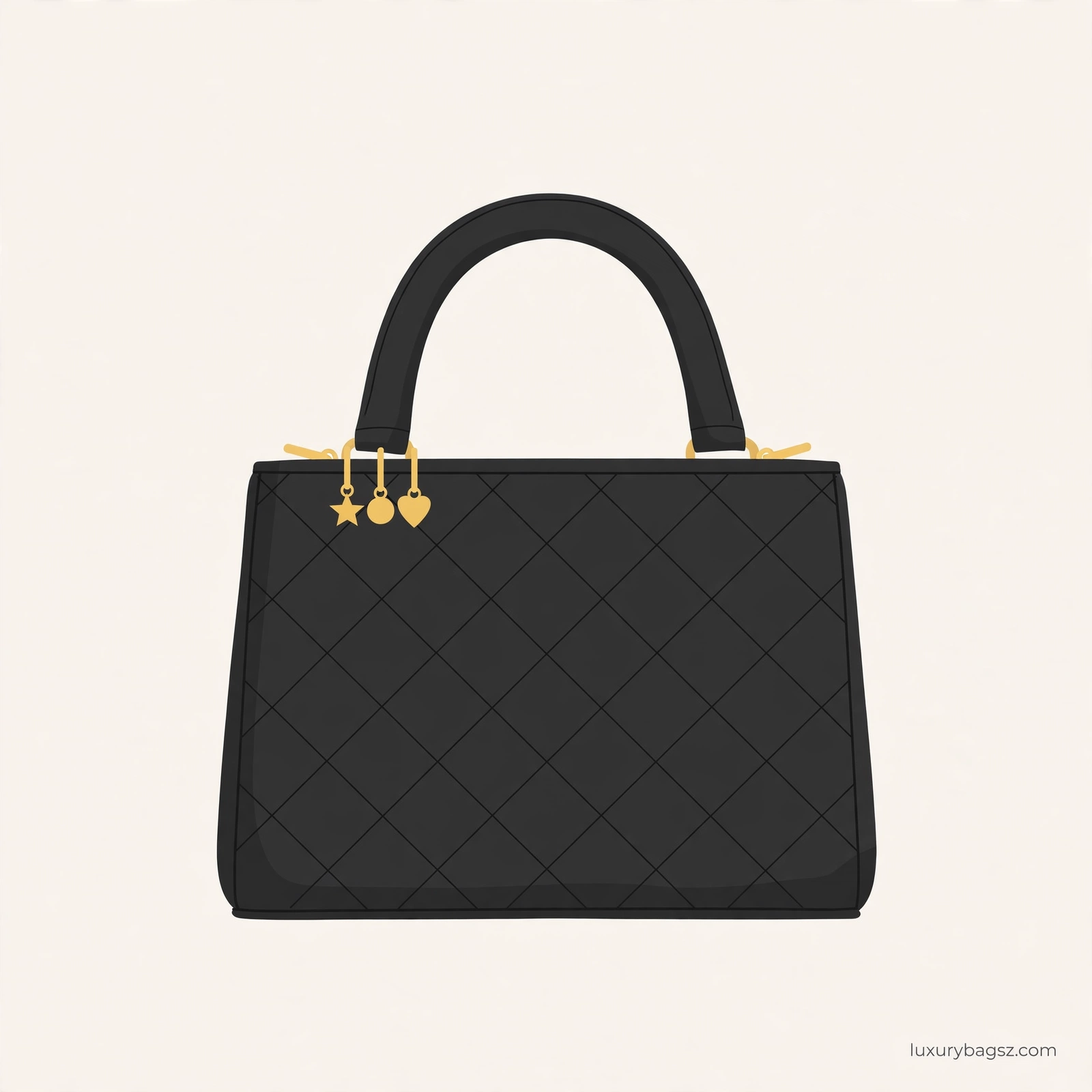
The Lady Dior began life in 1994 as the Chouchou, was gifted to Diana, Princess of Wales, in 1995, and was renamed Lady Dior in 1996. Its cannage quilting, inspired by the cane chairs at Dior's 1947 New Look show, its structured shape and its D.I.O.R. letter charms make it unmistakable. No other Dior bag carries the same history.
On resale, the Lady Dior is the dependable anchor. Analyses of thousands of sold listings find it the brand's most consistent performer, with mini and medium sizes selling fastest. Black cannage lambskin leads, followed by beige and grey, while limited Lady Dior Art editions, numbered and made in small runs since 2016, can command premiums.
Size choice matters. Mini suits evenings and light carry, medium suits day-to-night use, and large suits work and travel but appeals to fewer buyers. For investment, medium is the balanced pick, with mini close behind. Read our Lady Dior history and sizes before choosing, and favour gold hardware, which tends to suit the widest audience.
Saddle, Book Tote and Caro: The Second Tier
The Saddle, designed by John Galliano for spring/summer 2000 and revived by Maria Grazia Chiuri in 2018, is Dior's great comeback story. Demand now spans original, mini and medium versions, with pricing holding steady rather than spiking and crashing. Its curved shape and D-shaped stirrup clasp are instantly recognisable, which protects it from anonymity.
The Book Tote, introduced in 2018, is a different proposition. It is everywhere, which slows resale speed, but pricing is stable rather than erratic, and limited-run embroidered prints become collectibles. The medium in classic Oblique is the most in-demand standard version, while artist collaborations do better still. Treat it as a useful, slow-selling hold, not a quick flip.
The Caro, with its soft cannage quilting and CD clasp, is the modern alternative to the Lady Dior, and the Bobby, a curved hobo with a buckle, has performed better on resale than its lukewarm early reputation suggested.
Both suit buyers who want a current Dior shape, but neither yet matches the Lady Dior's depth of demand. Our Saddle guide and Book Tote sizes give the detail behind each pick.

Ranking the Best Dior Investment Bags
First place goes to the Lady Dior in black cannage lambskin, medium or mini, for recognition, liquidity and steady pricing. Second is the Saddle in grained calfskin or Oblique, which combines collector interest with everyday wearability. Third is the Lady D-Lite, the embroidered Lady Dior, whose prices stay stable and whose buyers willingly pay over $3,000 pre-owned.
Fourth is the Book Tote in a limited print or medium Oblique, bought for use first and resale second. Fifth is the Bobby in a neutral leather, a quieter pick with surprisingly solid resale. Sixth is the Caro, best bought in black or beige with gold hardware, where its modern look still has broad appeal.
Below these, trend-led shapes, belt bags and heavily seasonal colours fall away quickly. The Saddle belt bag, for example, shows minimal demand and slow sell-through, a reminder that a famous name on an awkward shape does not guarantee value. Buy the shape buyers already want, not the novelty they must be talked into.
Materials and Colours That Protect Value
Lambskin cannage is the classic Lady Dior material: soft, light-catching and instantly luxurious, but it asks for careful hands and shows scratches. Grained calfskin is tougher and a better choice for daily use.
Oblique jacquard wears most casually and suits the Saddle and Book Tote. Patent looks striking in photos, but it shows its life honestly, and stickiness or colour migration is hard to refresh, so buy patent only in genuinely clean condition.
Colour discipline pays. Black leads resale across every model, with beige, grey and tan close behind, because they suit the widest wardrobes and the widest buyers. Bright reds and seasonal pastels can sell well in season, then narrow sharply, so treat them as personal choices rather than investments. Exotic skins need expert care and can lose value fast if scales lift or dry out.
Hardware follows the same rule. Gold suits most Dior bags and most buyers, while silver and ruthenium suit cooler wardrobes but a smaller resale pool. Keep the original strap, charms and any removable parts together, since missing pieces cut value out of proportion to their size. Our vintage investment guide covers how condition and completeness compound over time.
Buying Smart: New, Pre-Owned and Authentication
Buy new from Dior boutiques, the Dior website or authorised retailers when you want the current size run, a full guarantee and clean provenance. Retail prices for core leather bags mostly land between roughly $3,000 and $5,000, with the Lady Dior medium in black cannage lambskin around $6,700 in recent listings. Price rises are frequent, so a bag bought today may cost more to replace tomorrow, which supports resale.
Pre-owned buying is where the investment maths often works best, since the first owner's depreciation is already taken. Buy from reputable platforms with authentication, and ask for photos of corners, handles, stitching, hardware, interior, date code or microchip, and any wear. Learn the fake Dior checks before paying, and insist on a return window.
Avoid sellers who refuse specific photos, rush payment off-platform, or cannot explain a bag's history. Keep the listing, messages, receipt and packaging together, since provenance is part of what the next buyer pays for. A bag with a clear story sells faster and for more than an identical bag without one.
Selling, Timing and Realistic Expectations
Sell when demand is strongest: classic bags sell year-round, but autumn and the festive period bring more buyers. Price from sold listings, not asking prices, and be honest about condition, since overpricing a worn bag costs months while a fair price moves in weeks. Our guide to selling for the best price covers photography, descriptions and platform choice.
Expect retention, not profit, on standard bags. Published guides put Dior's average resale retention at roughly 75 to 95 percent for the best classic styles in excellent condition, with most standard bags landing lower. Limited editions and well-kept Lady Diors sit at the top of that range, while seasonal styles sit below it. Treat any claim of guaranteed appreciation with scepticism.
The honest investment case is this: a classic Dior bag, bought well and kept well, costs far less per year of use than a trend bag bought and discarded. That is a good return on a beautiful object, even if it never makes a profit. Buy the Lady Dior or Saddle you love, in black, and let time do the rest.
Frequently Asked Questions
1. What is the best Dior bag to invest in? The Lady Dior in black cannage lambskin, in mini or medium, is the most dependable investment pick for recognition and resale liquidity.
2. Does the Dior Saddle hold its value? Yes, demand spans original and revived versions, and pricing has held steady, making it Dior's second-strongest investment shape.
3. Is the Book Tote a good investment? It sells steadily but slowly because supply is high; limited prints do better than standard Oblique, so buy it for use first.
4. What colours hold value best? Black leads, followed by beige, grey and tan, because they suit the widest wardrobes and the widest pool of resale buyers.
5. Is lambskin or calfskin better for resale? Lambskin cannage is the classic, but grained calfskin is tougher for daily use and often holds condition, and therefore value, better.
6. Do limited edition Dior bags appreciate? Numbered artist editions and discontinued styles can command premiums, but standard bags should be expected to retain value, not to profit.
7. How much of retail can I expect back? The best classic styles in excellent condition retain roughly 75 to 95 percent, with most standard bags landing lower.
8. Should I buy Dior new or pre-owned for investment? Pre-owned often works best, since the first depreciation is already taken, provided you buy authenticated and in excellent condition.
9. How do I spot a fake Dior bag? Check cannage alignment, stitching, hardware weight, stamps and date codes, ask for detailed photos, and use a reputable authenticated platform.
10. When is the best time to sell a Dior bag? Classic bags sell year-round, but autumn and the festive period bring more buyers; price from sold listings, not asking prices.
Final Verdict: Lady Dior First, Saddle Second, Classics Only
The Dior investment shortlist is short on purpose. A black Lady Dior in cannage lambskin, then a Saddle in grained calfskin or Oblique, then a limited Book Tote if you love the print, covers the ground that actually resells. Skip seasonal colours, awkward shapes and patent unless you love them for their own sake. Buy classic, keep it immaculate, and Dior will repay you in years of wear and a respectable return when you sell.






