

What to Know About Loewe: History, Bags, Prices and Buying Guide
Loewe at a Glance
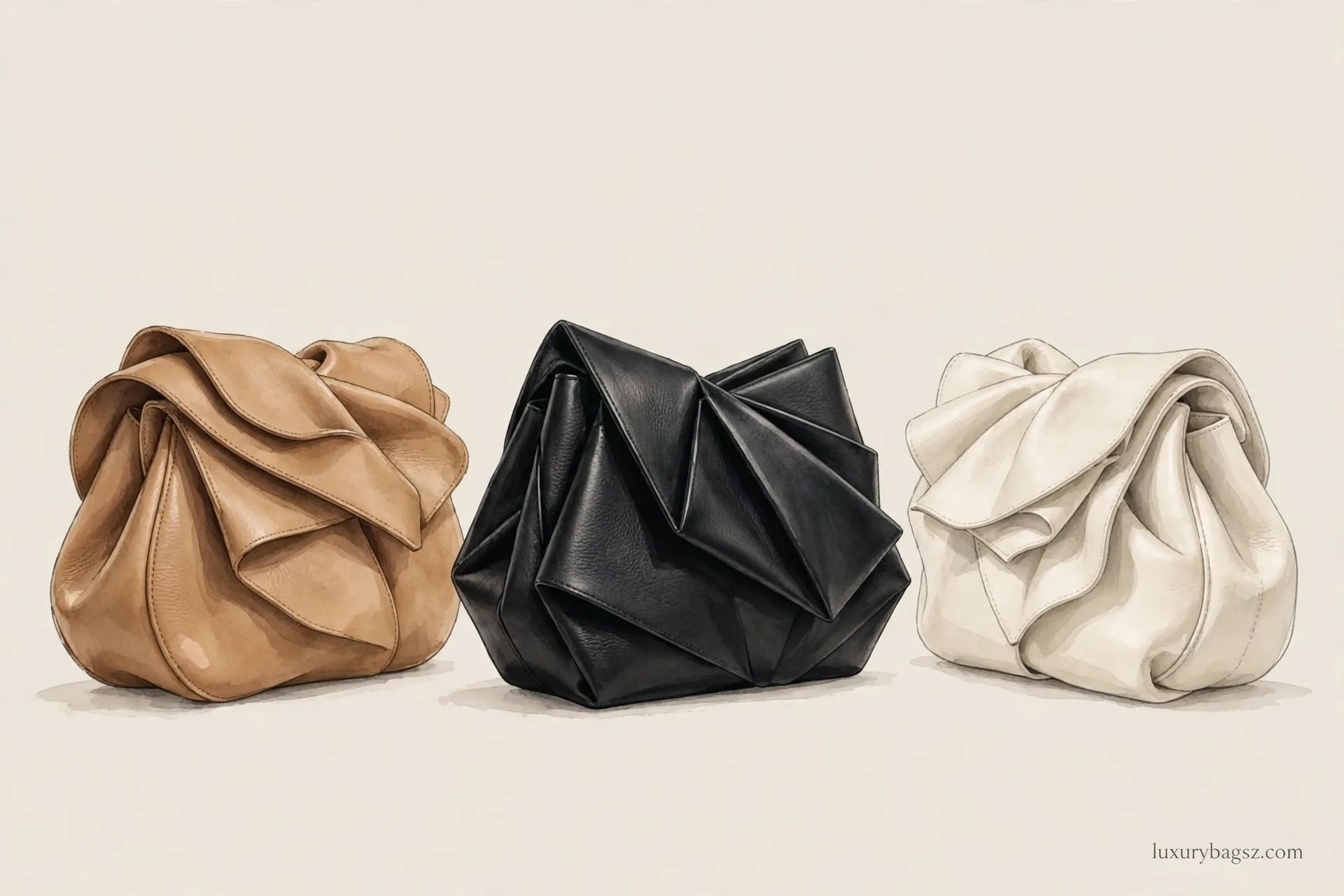
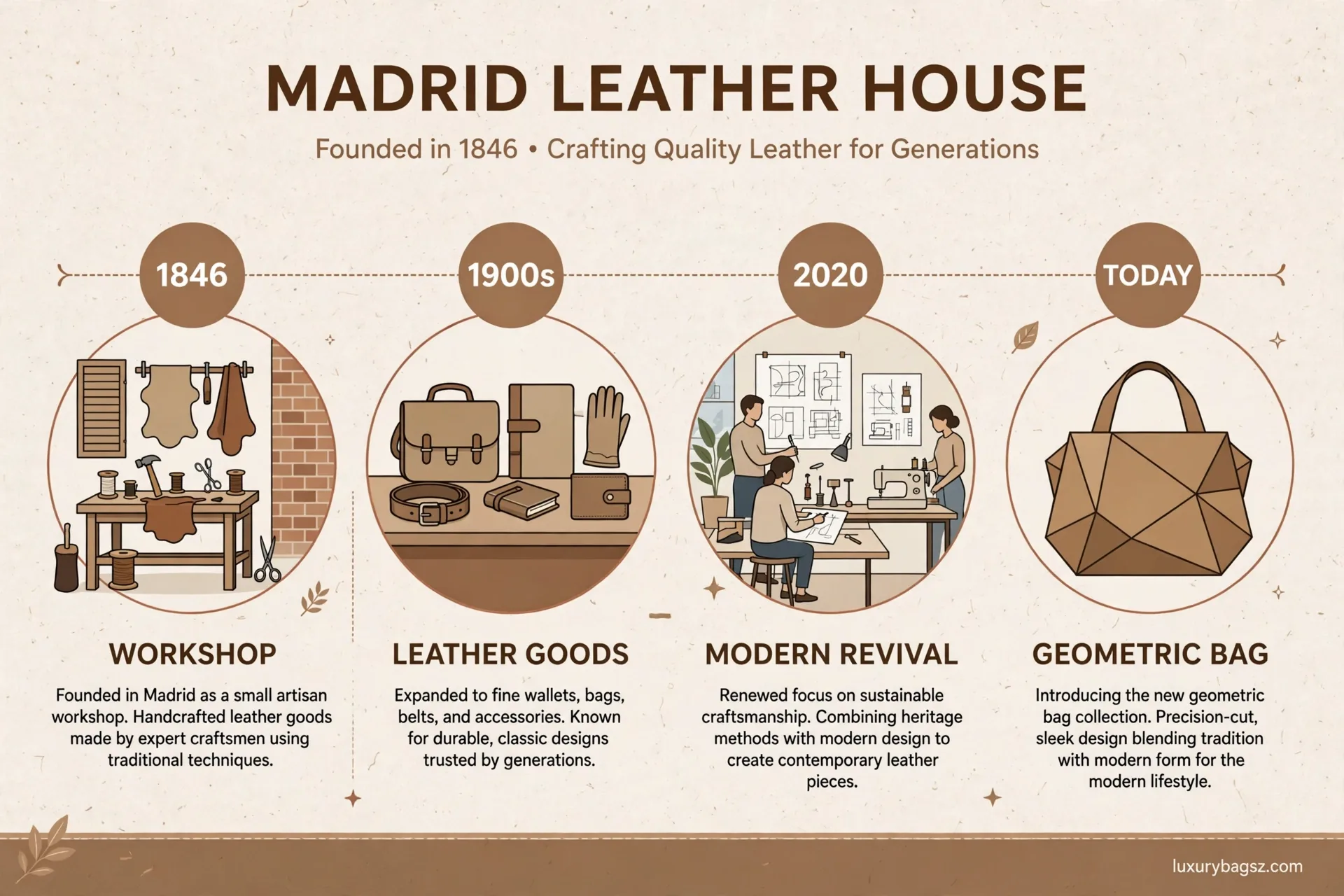
Loewe is Spain's great leather house: a Madrid workshop founded in 1846 that became, under Jonathan Anderson from 2013, one of the most creative and talked-about luxury brands in the world. Its bags are sculptural, craft-led, and instantly recognisable without relying on loud logos.
The house's modern icons, the Puzzle, Flamenco, Gate, and Hammock bags, share a language of soft geometry, inventive construction, and superb leather. Loewe also champions craft more broadly, through its Foundation Craft Prize, and its ready-to-wear, shoes, and accessories carry the same playful, artisanal spirit.
For buyers, Loewe offers a middle path between quiet minimalism and loud branding: distinctive shapes, excellent materials, and prices that sit below the very top leather houses for most bags. Knowing the icons, leathers, and pre-owned checks will help you choose well.
Key Takeaways
- Loewe was founded in Madrid in 1846 as a leather-goods workshop, making it one of the oldest luxury houses still operating.
- The house became part of the LVMH group in 1996.
- Jonathan Anderson led Loewe from 2013 to 2025, creating the Puzzle bag and reviving the house's craft identity.
- Icons include the Puzzle, Flamenco, Gate, Hammock, Balloon, and Squeeze bags.
- The Anagram logo, a four-L motif, is the house's discreet signature.
- Materials centre on fine calfskin, nappa, suede, and woven raffia for summer pieces.
- Prices run from small goods in the low hundreds to leather bags in several thousands.
- Pre-owned checks focus on Anagram details, leather quality, stitching, and hardware.
A Madrid Leather Workshop Since 1846
Enrique Loewe Roessberg, a German craftsman who had settled in Madrid, founded Loewe in 1846 as a collective leather workshop. Madrid in the mid-nineteenth century was a centre for leather craft, with tanneries, workshops, and a clientele that valued well-made luggage, cases, and travel goods.
The workshop's reputation grew through quality and discretion. Loewe supplied leather goods to Spanish aristocracy and royalty, and its pieces were known for fine materials, careful stitching, and practical design rather than decoration. That craft-first identity has survived every later reinvention.
Through the late nineteenth and twentieth centuries, Loewe expanded from luggage into handbags, small leather goods, and ready-to-wear, opening boutiques in Madrid and beyond. The house remained Spanish in character even as it grew internationally, with Madrid craft and Mediterranean colour at its heart.
By the time Loewe joined the LVMH group in 1996, it was a respected but quiet luxury house, known to connoisseurs but not to the wider fashion public. The stage was set for a creative director who could translate its craft heritage into contemporary fashion.
The Anderson Revival: Craft Meets Playfulness
Jonathan Anderson took over Loewe in 2013, and his impact was transformative. He rethought the logo, the boutiques, the campaigns, and the collections, placing craft, art, and Spanish identity at the centre. Loewe became a house where a bag could be both a sculpture and a daily tool.
The Puzzle bag, launched in 2015, embodied the new direction. Its geometric panels fold and unfold like a puzzle, allowing it to be worn five ways, and its construction showcases leather craft in a way that photographs beautifully. It became Loewe's signature and a modern classic.
Anderson also revived older shapes, including the Flamenco, and introduced the Gate, Hammock, and Balloon bags, each with a distinct personality. His ready-to-wear mixed surrealist references, craft techniques, and wearable shapes, attracting a young, creative audience that had not previously followed Loewe.
The Loewe Foundation Craft Prize, launched in 2016, reinforced the craft message, celebrating artisans worldwide. Anderson left in 2025, with Jack McCollough and Lazaro Hernandez taking over creative direction, and buyers should expect the craft-led, playful identity to continue evolving under new leadership.
The Anagram, and How to Read Loewe Codes
The Anagram is Loewe's signature: four interlocking L shapes forming a square motif, used on hardware, jacquard canvas, and leather embossing. It is discreet compared with many luxury logos, and it rewards close looking rather than shouting from a distance.
On hardware, the Anagram should be crisp, symmetrical, and cleanly finished, with even edges and consistent depth. On jacquard, the pattern should be sharp and evenly woven, not blurred or stretched. Fakes often get the Anagram slightly wrong, with uneven Ls or soft edges.
Leather embossing of the Anagram, used on some bags and small goods, should be deep and even, not shallow or patchy. Check it alongside stitching and edge-painting, because genuine Loewe finishing is consistent across the whole piece, not just the logo area.
Other codes include the Puzzle's geometric panels, the Flamenco's knotted drawstring, and the Gate's knotted belt and side laces. Each bag has a construction detail that defines it, and learning that detail helps you judge authenticity and condition far better than logo alone.
Materials: The Leather Library
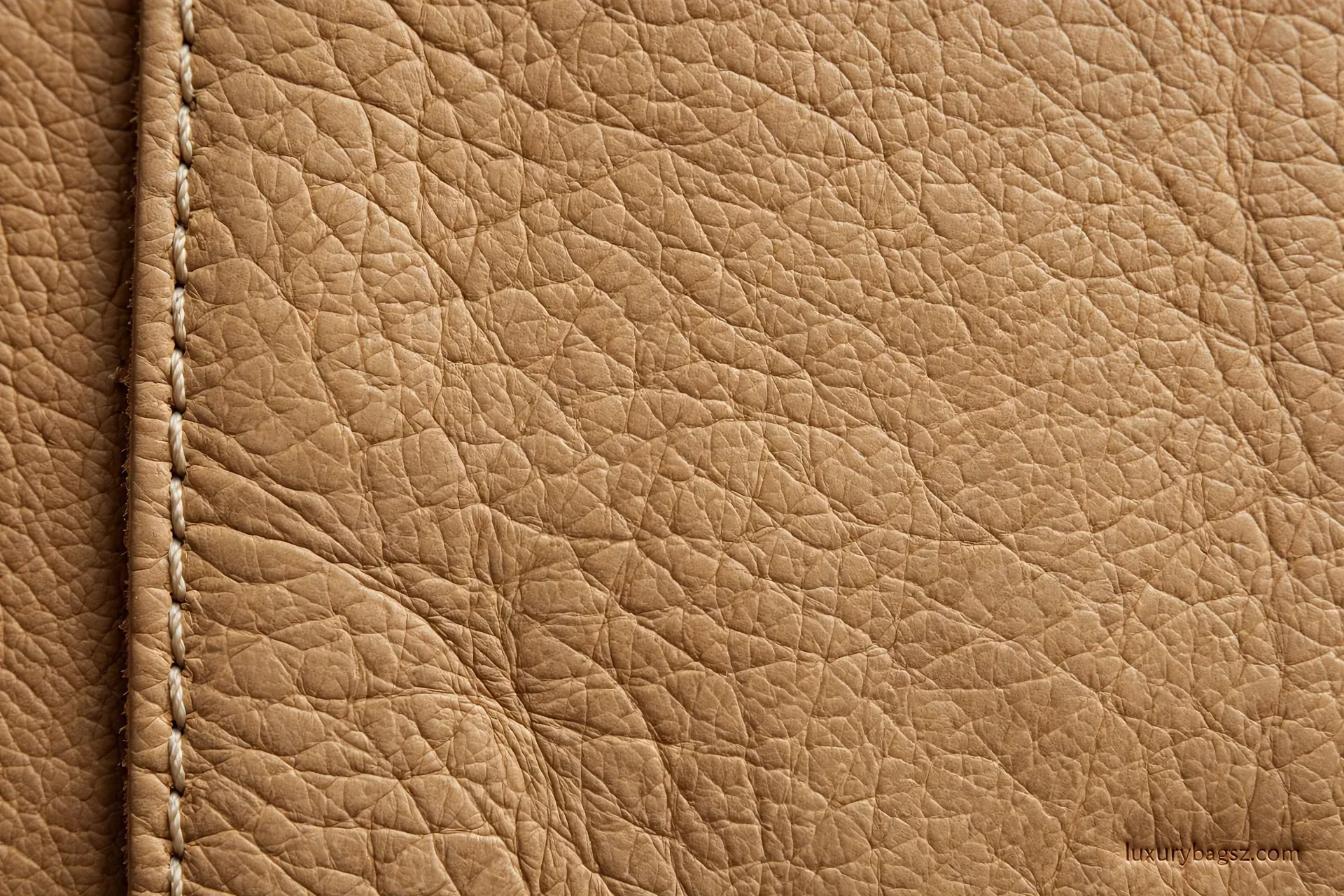
Loewe's leather library is central to its appeal. Classic calfskin, used for Puzzle and Gate bags, offers a smooth, fine grain and a soft hand, with good durability for daily use. It shows scratches more than grained leather, so it suits careful owners.
Grained calfskin, with a pebbled texture, resists scratches and suits daily bags, totes, and crossbody styles. It appears across the range and is a good first choice for buyers who want leather without constant worry.
Nappa leather, exceptionally soft and supple, is used for Flamenco bags and softer shapes. It drapes beautifully and feels luxurious, but it marks easily and needs gentle handling. Nappa suits evening and lighter-use bags better than hard daily totes.
Suede, shearling, raffia, and woven materials appear seasonally, especially for summer and Paula's Ibiza pieces. These materials need specialist care and protection from water, and they suit buyers who accept higher maintenance for texture and seasonal character.
Craft: How Loewe Bags Are Made
Loewe bags are made with a strong emphasis on handwork, from cutting and skiving leather to assembling complex shapes such as the Puzzle. The Puzzle's panels must align precisely, or the bag will not fold correctly, which makes its construction a visible test of craft.
Edge-painting, stitching, and lining are finished to a high standard, with even stitches, clean edges, and smooth linings. Handles, straps, and knots, such as the Flamenco drawstring and Gate belt, are made to be both functional and decorative, and they should feel secure, not loose or frayed.
The house's Spanish workshops and its network of artisans support this craft, and the Craft Prize reflects a genuine commitment to making, not just marketing. That commitment is part of why Loewe bags feel substantial in hand, with a weight and finish that cheaper copies rarely match.
For buyers, craft means checking construction, not just materials. A genuine Loewe bag should feel coherent: panels align, stitches are even, edges are clean, and hardware sits securely. Incoherence in any of these areas deserves investigation.

The Iconic Bags, and Which One Suits You
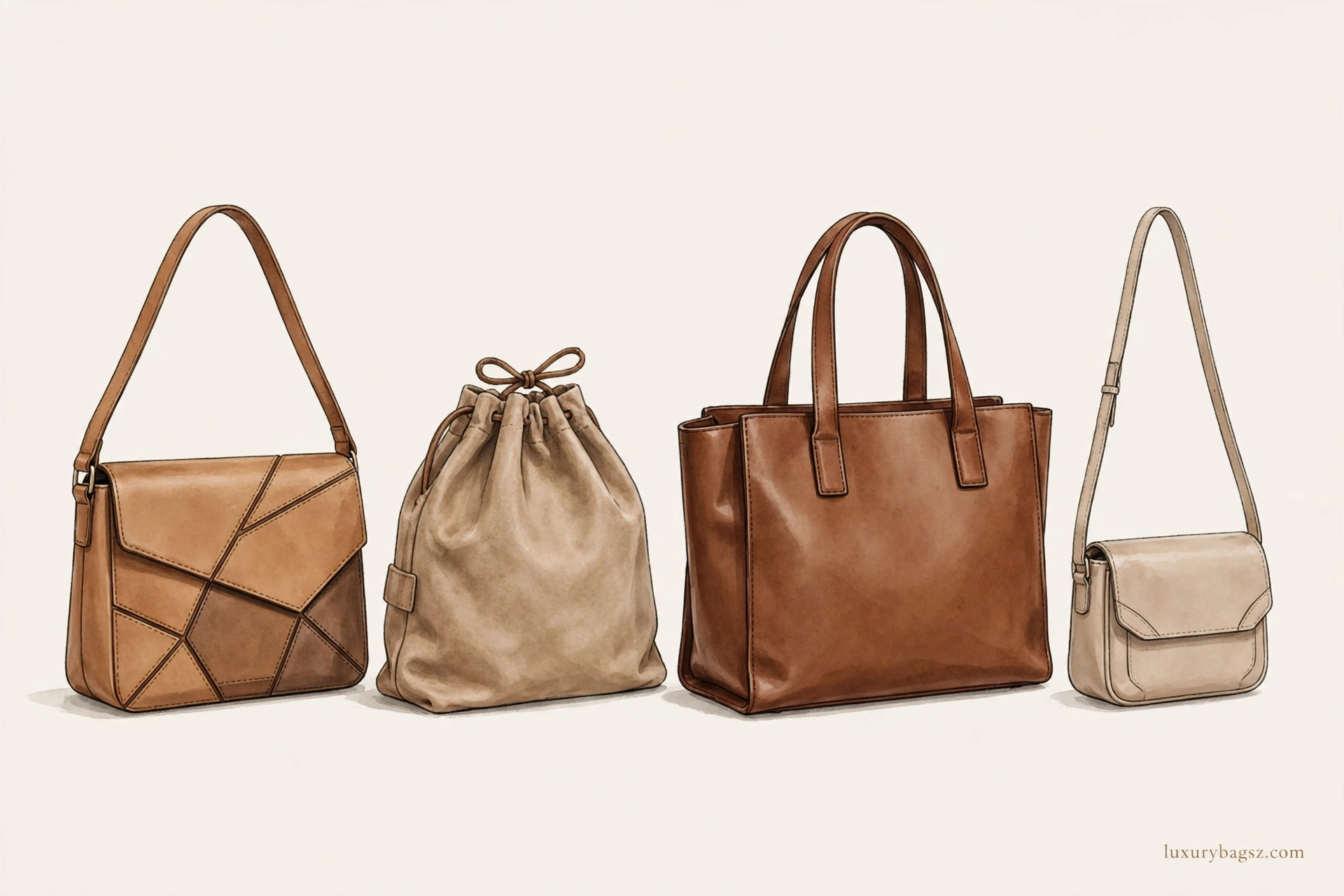
The Puzzle is Loewe's signature: a geometric bag in several sizes, from Nano to Large, that folds flat and wears five ways, as a shoulder bag, crossbody, top-handle, clutch, or backpack-style. It suits buyers who want versatility and a design that sparks conversation.
The Flamenco is a soft drawstring bag with a knotted closure, originally a clutch shape revived as a shoulder and crossbody bag. It suits buyers who want softness, lightness, and a relaxed silhouette, especially in nappa leather, and it works beautifully for evenings and travel.
The Gate combines a knotted belt, side laces, and a structured flap, offering a more equestrian, tailored feel. It suits buyers who prefer a flap bag with character over a plain shoulder bag, and its leather and suede combinations offer variety.
The Hammock is a convertible bag that changes shape from a shoulder bag to a tote, the Balloon is a rounded, soft bag, and the Squeeze is a newer, slouchy shoulder bag. Each suits a different taste, from structured to relaxed, and trying them in person is the best way to choose.
Shoes, Clothing, and Accessories
Loewe shoes include the Toy and Flow sneakers, leather loafers, boots, and heels, with a craft-led, slightly playful aesthetic. Sneakers suit casual buyers who want Loewe design without a bag, while leather shoes reward care and resoling.
Ready-to-wear under Anderson became known for surrealist prints, craft textures, and wearable shapes, from knitwear to tailoring. New creative direction will shape future collections, but the house's emphasis on material and making is likely to continue.
Accessories include sunglasses, belts, scarves, and small leather goods, all carrying the Anagram or Puzzle language in compact form. A small leather good in classic calfskin offers an accessible entry point, though prices remain luxury.
Paula's Ibiza, Loewe's summer line inspired by the Balearic island, offers raffia bags, woven totes, swimwear, and bright, holiday-ready pieces. It suits buyers who want Loewe craft in a lighter, seasonal register, and its bags are popular for holidays.
Sizing and Fit: Bags, Shoes, and Clothing
Puzzle sizing runs from Nano, which suits evenings and essentials, through Small and Medium for daily use, to Large for work and travel. The Medium is the most versatile for most buyers, holding a wallet, phone, keys, sunglasses, and a small pouch without bulk.
Flamenco sizing follows a similar logic, with Mini for evenings, Medium for daily use, and Large for travel. Because Flamenco leather is soft, a loaded bag will slouch, so choose a size that holds your essentials without overstuffing, which distorts the drawstring shape.
Gate sizing is more structured, with Small for days and Medium for work. Check strap drop and flap closure together, because a Gate that is too small will not close comfortably when full, and a strap that is too short will sit awkwardly on the shoulder.
Clothing sizing is Spanish and generally runs true to slightly slim, with Anderson-era pieces often cut with volume and drape. Shoe sizing varies by style, with sneakers often fitting true to size but boots and heels varying by last. Try before you buy where possible.
Prices, and How Loewe Pricing Works
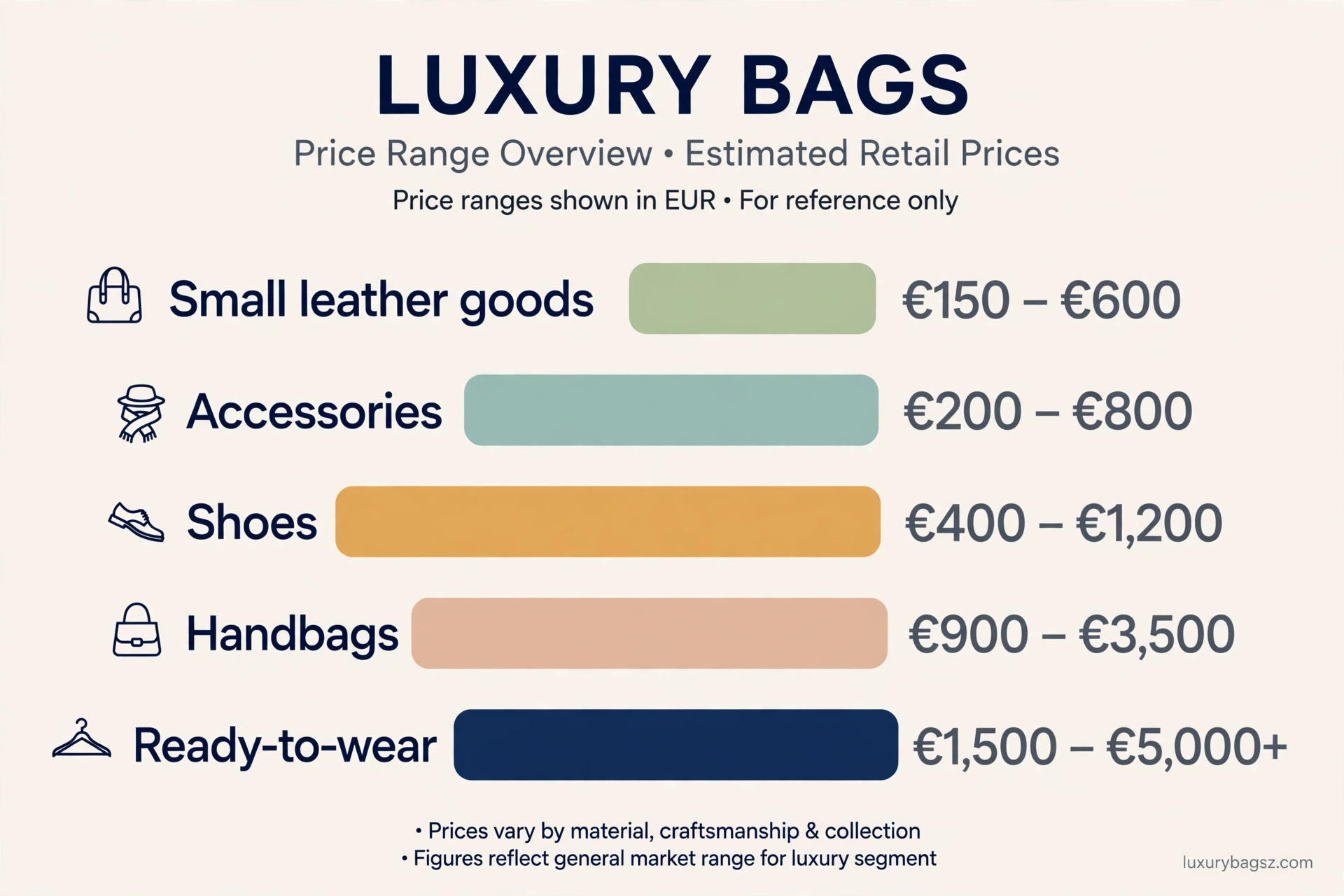
Small leather goods start in the low hundreds, Puzzle and Flamenco bags in classic sizes run into four figures, and larger leather bags, exotic pieces, and ready-to-wear tailoring climb higher. Prices vary by market and rise over time.
Loewe does not hold public sales on core bags, though past-season stock may appear in outlets or through authorised retailers. Large discounts on new core bags from unknown sellers should be treated with scepticism, as with other luxury houses.
Pre-owned prices for Puzzle bags in classic colours and good condition hold well, because demand remains strong and the design is current. Seasonal colours, raffia, and suede pieces vary more, with condition and completeness deciding value.
Cost per wear favours classic Puzzle and Flamenco bags in neutral leathers. A bag carried daily for years costs less per outing than a seasonal piece worn rarely, and it resells better too. Budget for the bag you will carry, not the one that photographs best.
Where to Buy, and the Boutique Experience
Loewe sells through its own boutiques, department stores, and its official online shop in many markets. Boutiques offer the fullest range, including Puzzle sizes and colours, and staff can explain leather differences and construction details.
Boutique service is typically warm and knowledgeable, reflecting the house's craft identity. Staff can compare Puzzle sizes loaded, demonstrate the five ways to wear it, and advise on leather care. Ask to see the bag in daylight and check panels, knots, and hardware before paying.
Online shopping suits buyers who know their model, size, and leather, especially for classic Puzzle and Flamenco bags. Inspect promptly on arrival, keep packaging until you are sure, and confirm return terms, because leather colour and bag shape can surprise on screen.
For pre-owned, use reputable dealers, consignment stores, and auction houses with authentication. Avoid sellers who refuse detailed photos or pressure off-platform payment, and get an independent opinion for expensive pieces.
Loewe for Work, Travel, and Evenings
For work, a Puzzle Medium in grained or classic calfskin covers most professional days. It holds a laptop sleeve, documents, and daily essentials, folds flat for travel, and looks polished without being formal. Its geometric shape adds interest to simple tailoring.
For travel, the Puzzle's ability to fold flat is a genuine advantage, and a Flamenco in nappa offers a light, packable second bag. Pack Puzzle bags stuffed lightly to protect panels, use pouches for small items, and keep leather away from rough surfaces in transit.
For evenings, a Puzzle Nano, a Flamenco Mini, or a small Gate in leather adds craft and character without bulk. Choose a size for phone, keys, card holder, and lipstick, and leave the rest behind, because an overstuffed small bag loses its shape.
For casual days, a Hammock or Squeeze bag with jeans and simple shoes lets Loewe's soft geometry add polish without formality. Keep the rest of the outfit plain, so the bag's construction stays the focus rather than competing with other statements.
Buying Pre-Owned Without Getting Caught Out
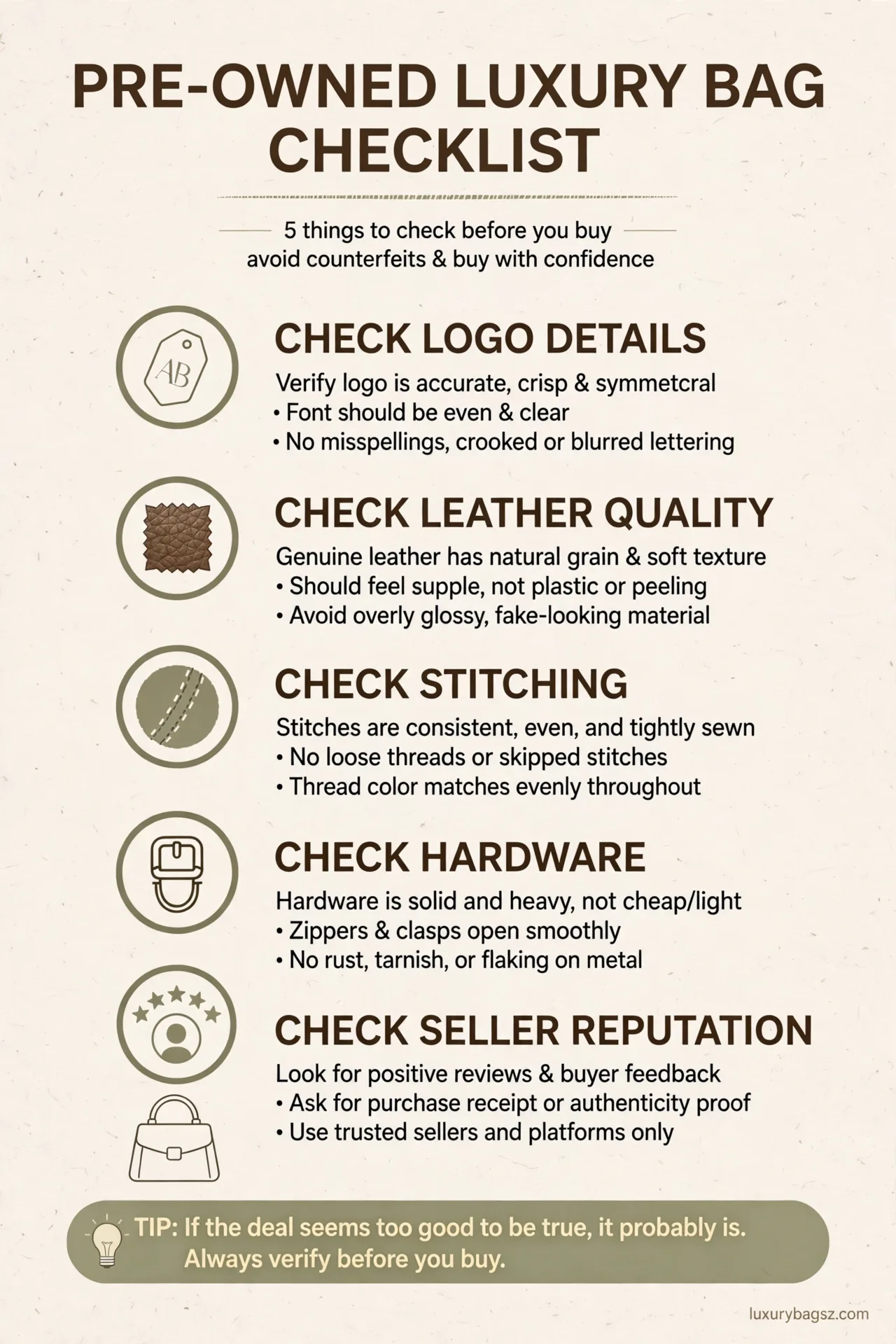
Pre-owned Loewe is growing as the brand's popularity rises, and checks focus on construction as much as logos. Start with the Anagram: crisp, symmetrical, and cleanly finished on hardware, jacquard, and embossing. Soft, uneven, or patchy Anagram details deserve investigation.
Leather checks come next. Classic calfskin should feel smooth with a fine grain, stitching should be even, and Puzzle panels should align and fold correctly. A Puzzle that does not fold flat, or whose panels misalign, may have been damaged or poorly repaired.
Hardware, knots, and drawstrings tell a story too. Flamenco knots should be secure and neat, Gate belts should sit evenly, and zips should run smoothly. Check corners, base, handles, and interior for wear, and price repairs into your offer.
Seller discipline matters as much as the bag. Our general guides on buying pre-owned safely and on authenticating pre-owned designer pieces cover seller checks in detail, and they apply to Loewe just as they do to other houses, because the seller is often the biggest risk.
Caring for Loewe Leather and Special Materials
Classic and grained calfskin need gentle care: wipe with a soft, dry cloth, blot spills promptly, and avoid harsh cleaners and prolonged sun. A leather conditioner, used sparingly and tested on a hidden spot, helps maintain suppleness, but over-conditioning darkens light colours.
Nappa leather needs more delicacy. Keep it away from water, dye transfer, and sharp objects, wipe gently, and store stuffed lightly in a dust bag. Nappa bags that are overstuffed lose their soft shape, so carry only what the bag comfortably holds.
Raffia, suede, and shearling need specialist care: brush gently, keep away from water, and take stains to a professional cleaner. Summer raffia bags should be stored clean and dry, away from damp, to prevent mould and odour.
For all materials, boutique repair can address handles, zips, edges, and panels, subject to assessment and cost. For pre-owned bags, factor likely repairs into the purchase price, and ask the seller about panel alignment, knots, and corner wear before committing.
Loewe Versus Celine, Prada, and Bottega Veneta
Against Celine, Loewe offers more playful, sculptural design, while Celine offers sharper Parisian minimalism. Buyers who enjoy geometric shapes and craft details lean Loewe; buyers who prefer clean, architectural restraint lean Celine.
Against Prada, Loewe offers warmer, more artisanal leatherwork, while Prada offers cooler, more intellectual minimalism and its famous nylon and Saffiano. Both suit buyers who value design over logos, but Loewe feels more handmade and Prada more industrial.
Against Bottega Veneta, Loewe offers more varied shapes and a broader colour range, while Bottega offers the single, powerful idea of Intrecciato weaving. Both are craft-led houses, and many collectors own both, using Bottega for quiet weaving and Loewe for sculptural shapes.
Choose Loewe if you value craft, playfulness, and distinctive shapes. Choose a rival if you want stricter minimalism, a single signature weave, or a more formal, tailored identity.
Collecting Loewe: Pieces Worth Knowing
Puzzle bags in classic colours and good condition are the most collectible modern Loewe pieces, especially Medium sizes in calfskin. Complete sets with dust bag, cards, and receipt sell faster, and early Anderson-era colours attract collectors who followed the revival from the start.
Flamenco bags, especially in nappa and in early revival colours, also collect well, because their soft shape and knotted closure define a distinct Loewe idea. Condition is decisive: nappa marks easily, so excellent examples command premiums over worn ones.
Paula's Ibiza pieces, raffia totes, and limited editions attract seasonal collectors, but their values vary with fashion cycles. Buy them for summer pleasure first, and treat any resale premium as a bonus rather than an expectation.
Collecting advice stays simple: buy what you love, prioritise condition and completeness, and learn one bag family well before branching out. A focused collection of Puzzle and Flamenco bags beats a scattered haul of impulse buys.
Common Mistakes, and How to Avoid Them
The first mistake is buying a Puzzle without trying its five ways to wear it. A Puzzle that looks good as a shoulder bag may feel awkward as a top-handle or crossbody, and a size that works one way may not work another. Try all the ways loaded before committing.
The second mistake is choosing nappa as a hard daily bag. Nappa is beautiful and soft, but it marks, scratches, and slouches with heavy daily use. For daily wear, choose grained or classic calfskin, and save nappa for lighter days and evenings.
The third mistake is trusting a bargain on a current Puzzle bag. Loewe's pricing and distribution make deep discounts on new core bags unlikely, and the cheapest listing is often the riskiest. Pay for a vetted seller, not just a low price.
The fourth mistake is ignoring panel alignment and knots pre-owned. Puzzle panels, Flamenco knots, and Gate belts wear and misalign with use, and repairs are specialist. Ask for close photos of each detail, and price the bag honestly.
The fifth mistake is buying a seasonal material as a first bag. Raffia, suede, and shearling delight for a season but demand care and suit fewer occasions. Start with classic calfskin, and add seasonal materials once the core is covered.
Colour, and How to Choose for Loewe
Loewe's colour range is broader and more playful than many houses, from classic black and tan to vivid greens, pinks, and blues, plus seasonal prints and Paula's Ibiza brights. That breadth is a pleasure, but it also makes colour choice more important.
Black and tan remain the safest first colours, suiting work, travel, and evenings, hiding wear, and reselling well. Tan Puzzle bags in particular have become a modern classic, pairing with denim, navy, and neutral tailoring.
Bold colours suit second bags and smaller sizes, where a vivid Puzzle Nano or Flamenco Mini can lift a plain outfit without overwhelming it. Check bold colours in daylight, because screen colours mislead, and consider how often you will actually carry a bright bag.
Seasonal prints and collaborations add personality but date faster and resell unevenly. Buy them for pleasure when you love the design, not as a first bag or as an investment, and keep the core range classic.
Loewe Gifts and Entry Pieces
Small leather goods offer a gentle entry into Loewe. A Puzzle card holder, Anagram wallet, or coin purse lets you test leather, hardware, and the house's aesthetic at a fraction of a bag's price, and these pieces make excellent gifts because sizing is simple.
Scarves, belts, and sunglasses round out the entry range, each carrying Loewe's craft language in compact form. A leather belt with Anagram hardware works with jeans and tailoring, while a scarf adds colour to a plain outfit.
Paula's Ibiza accessories, including raffia pouches and beach pieces, offer a seasonal entry point at lower prices than leather bags. They suit summer gifts and holidays, though their materials need care and suit fewer occasions than leather.
Starting small is smart shopping. A well-chosen entry piece tells you whether Loewe's leathers, colours, and feel suit your daily life, and it makes the later decision about a handbag far easier and less risky.
Loewe in 2026: What Buyers Should Expect
Loewe enters the current period with strong momentum from the Anderson era and new creative leadership shaping its next chapter. Buyers should expect the Puzzle, Flamenco, and Gate lines to continue, with new colours, sizes, and interpretations appearing seasonally.
Boutique availability for classic bags should remain good, with prices continuing to rise with the wider luxury market. A classic Puzzle bought sooner rather than later may save money, though size, leather, and colour should never be rushed.
Pre-owned supply for Anderson-era pieces will grow as early buyers resell, which is good news for value buyers, but authentication and condition checks will matter more as fakes improve. Use vetted dealers and independent opinions for expensive pieces.
For a first-time buyer, the message is reassuring: Loewe's craft-led, playful identity offers bags that are both distinctive and practical. Choose a classic shape in a neutral leather, try it loaded, and let the house's wider world open gradually.
A First-Time Buyer's Checklist for Loewe
Define your use first: work, travel, evening, or everyday versatility. That decision narrows the range from many shapes to a handful, and it prevents buying a soft nappa bag for a life that needs a tough grained tote.
Visit a boutique if you can, try Puzzle sizes in all five ways, feel the difference between classic, grained, and nappa leathers, and check colours in daylight. Handling the bags teaches more than hours of reading.
Set a budget that includes care and possible repairs, especially pre-owned. A cheaper bag with misaligned panels, worn knots, or tired corners can cost more after repairs than a better example bought at a higher price.
Finally, verify before you pay pre-owned: Anagram details, leather quality, stitching, panel alignment, hardware, and seller reputation. Use our general pre-owned guides, ask for extra photos when unsure, and walk away from listings that resist scrutiny. A genuine Loewe bag is worth waiting for.
Experiencing Loewe: Boutiques, Exhibitions, and Madrid
Loewe boutiques are worth visiting even before you buy, because they showcase the house's craft identity through architecture, materials, and display. Flagship stores in Madrid, London, Paris, and Tokyo pair leather and art in a way that explains Loewe better than a website can, and staff are usually happy to demonstrate Puzzle folding and leather differences.
Exhibitions and the Craft Prize offer another way into the house. The Loewe Foundation Craft Prize, awarded annually, celebrates artisans in ceramics, wood, textiles, metal, and leather, and its shortlisted works tour internationally. Following the prize teaches you to look at making, which sharpens your eye for bags too.
Madrid itself rewards a Loewe pilgrimage. The city's leather workshops, museums, and the flagship store on Gran Via connect the modern brand to its 1846 roots, and a visit helps you understand why Spanish craft, colour, and light run through the collections. Even a short visit adds context that online shopping cannot.
If you cannot travel, the house's books, films, and online craft stories offer a substitute. Read about how a Puzzle is cut and assembled, watch artisans at work, and learn the vocabulary of leather before you buy. An informed buyer chooses better and enjoys the bag more.
Frequently Asked Questions
When was Loewe founded?
Loewe was founded in Madrid in 1846 as a leather-goods workshop by Enrique Loewe Roessberg. It is one of the oldest luxury houses still operating.
What is Loewe famous for?
Loewe is famous for its leather craft, its Anagram logo, and modern icons including the Puzzle, Flamenco, Gate, and Hammock bags, plus its Craft Prize.
What is the Loewe Puzzle bag?
The Puzzle is a geometric leather bag launched in 2015 that folds flat and can be worn five ways. Its panels showcase leather craft and make it Loewe's signature.
Is Loewe a luxury brand?
Yes, Loewe is a luxury house within the LVMH group, with luxury pricing, global boutiques, and high-quality materials and craftsmanship.
Does Loewe go on sale?
Loewe does not hold public sales on core bags, and large discounts on new core pieces from unknown sellers should be treated with scepticism.
How can you tell if a Loewe bag is real?
Check Anagram crispness, leather quality, even stitching, Puzzle panel alignment, hardware finishing, and seller reputation. No single check proves authenticity alone.
What is the most popular Loewe bag?
The Puzzle is the most popular and iconic modern Loewe bag, followed by the Flamenco and Gate. Each suits a different taste and use.
Is Loewe worth the price?
For classic Puzzle and Flamenco bags in neutral leathers, Loewe offers excellent craft, distinctive design, and reasonable resale. Seasonal materials should be bought for pleasure.
How do you clean a Loewe leather bag?
Wipe with a soft, dry cloth, blot spills promptly, and avoid harsh cleaners and prolonged sun. Test any conditioner on a hidden spot, and use specialist care for nappa and suede.
Does Loewe repair bags?
Yes, Loewe boutiques offer repairs for many issues, including handles, zips, edges, and panels, subject to assessment, cost, and availability. Older pieces may need specialist work.
Summary
Loewe suits buyers who want craft with character: a Madrid house since 1846 that turned leather into sculpture, from the geometric Puzzle to the soft Flamenco and the tailored Gate. Start with a Puzzle Medium or Flamenco in a classic leather, try it loaded and in all its ways to wear, and verify Anagram, panels, and stitching if buying pre-owned.
Care for nappa gently, choose grained leather for hard daily use, and let colour follow the classics first. Visit a boutique to handle the leathers side by side, compare sizes with your daily carry, and check colours in daylight before you commit, because leather feel and panel alignment are hard to judge from photos alone. A Loewe bag chosen this way will feel personal from the first wear, not just purchased.
Keep its dust bag, store it stuffed lightly, and let its panels, knots, and leather develop character with use, because a Loewe bag rewards the owner who carries it often and cares for it well. A Puzzle or Flamenco chosen for your real life, rather than for a photograph, will become a companion you reach for without thinking, season after season, and a reminder that craft, worn daily, only grows more beautiful.
That is the quiet reward of choosing well: a bag that feels more yours with every single wear. If you want strict minimalism or loud logos, look elsewhere. If you want a bag that shows its making, Loewe is hard to beat.






