Virgil Abloh’s Cultural Impact: How He Changed Luxury Fashion Forever

The Remix That Moved Luxury: Abloh in Brief
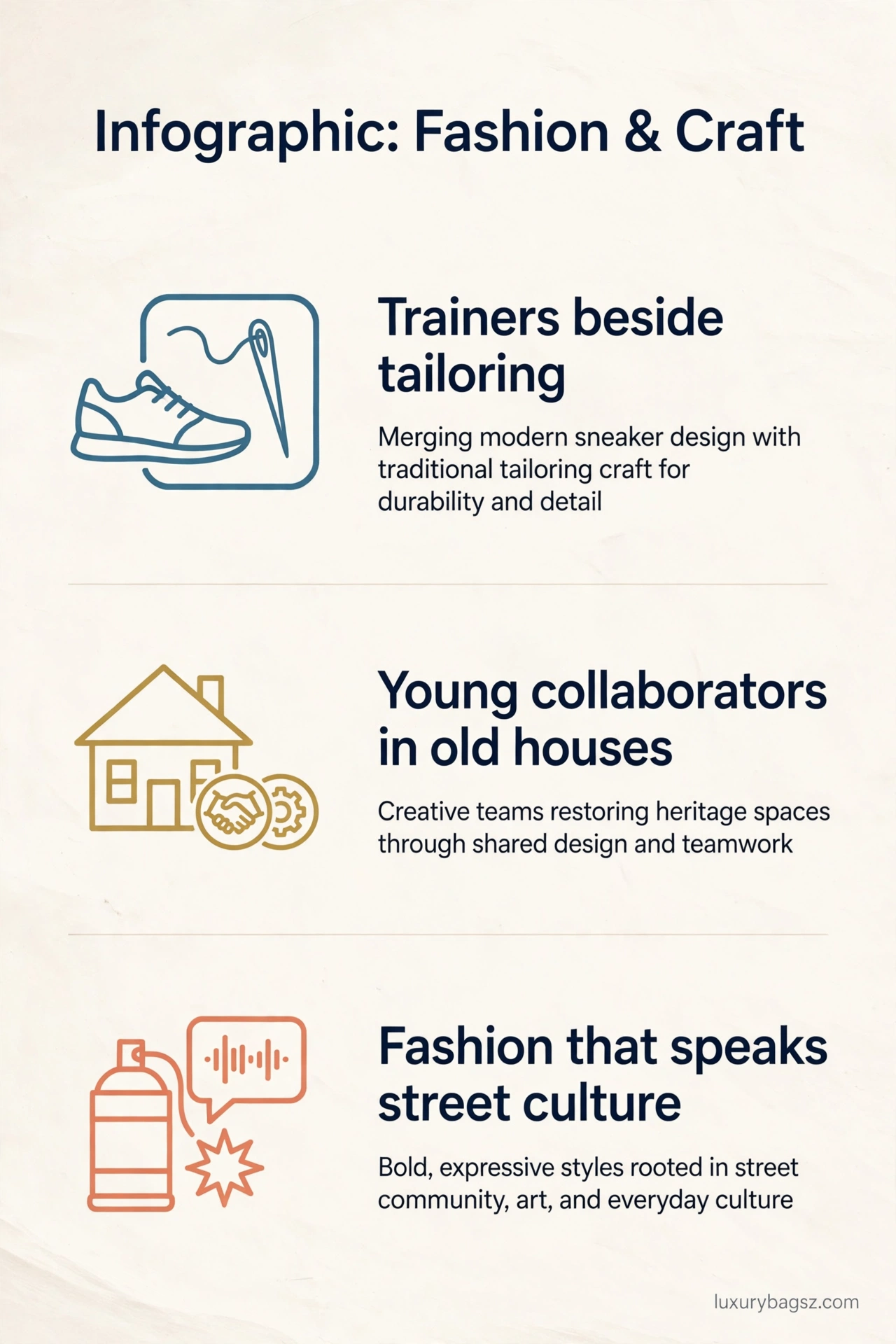
Virgil Abloh changed luxury fashion by treating it as culture to be remixed, not a temple to be guarded. A trained architect and civil engineer from Illinois, he founded Off-White, reworked ten Nike icons in one project, and in 2018 became artistic director of Louis Vuitton menswear. His impact is still visible everywhere: sneakers beside tailoring, quotation marks on luxury goods, young collaborators inside old houses, and a generation of shoppers who expect fashion to speak their language first.
Key Takeaways
- Abloh bridged streetwear and luxury without apologising to either side.
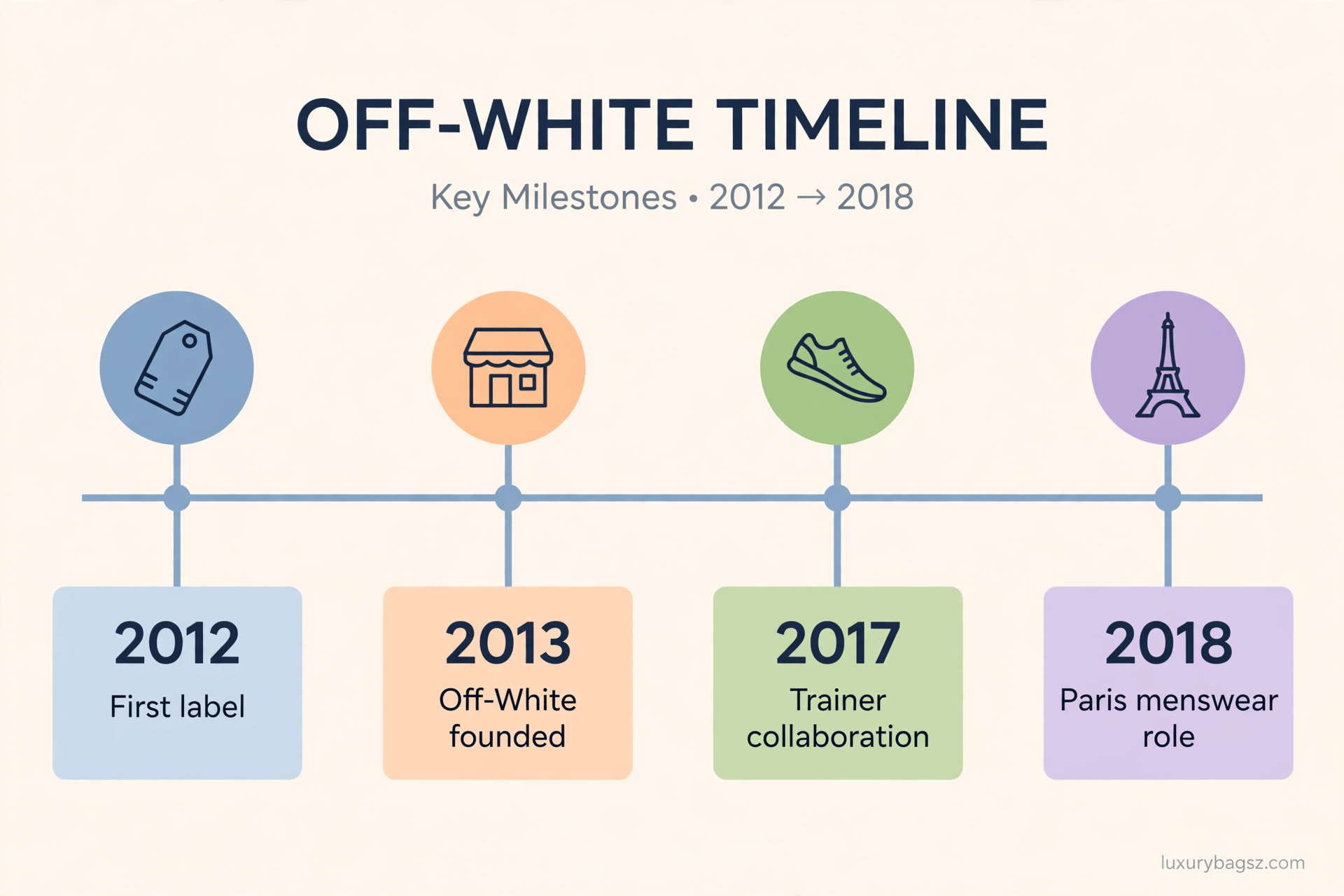
- Off-White, founded in 2013, turned graphic street codes into luxury price points.
- At Louis Vuitton from 2018 he was the house's first Black artistic director of menswear.
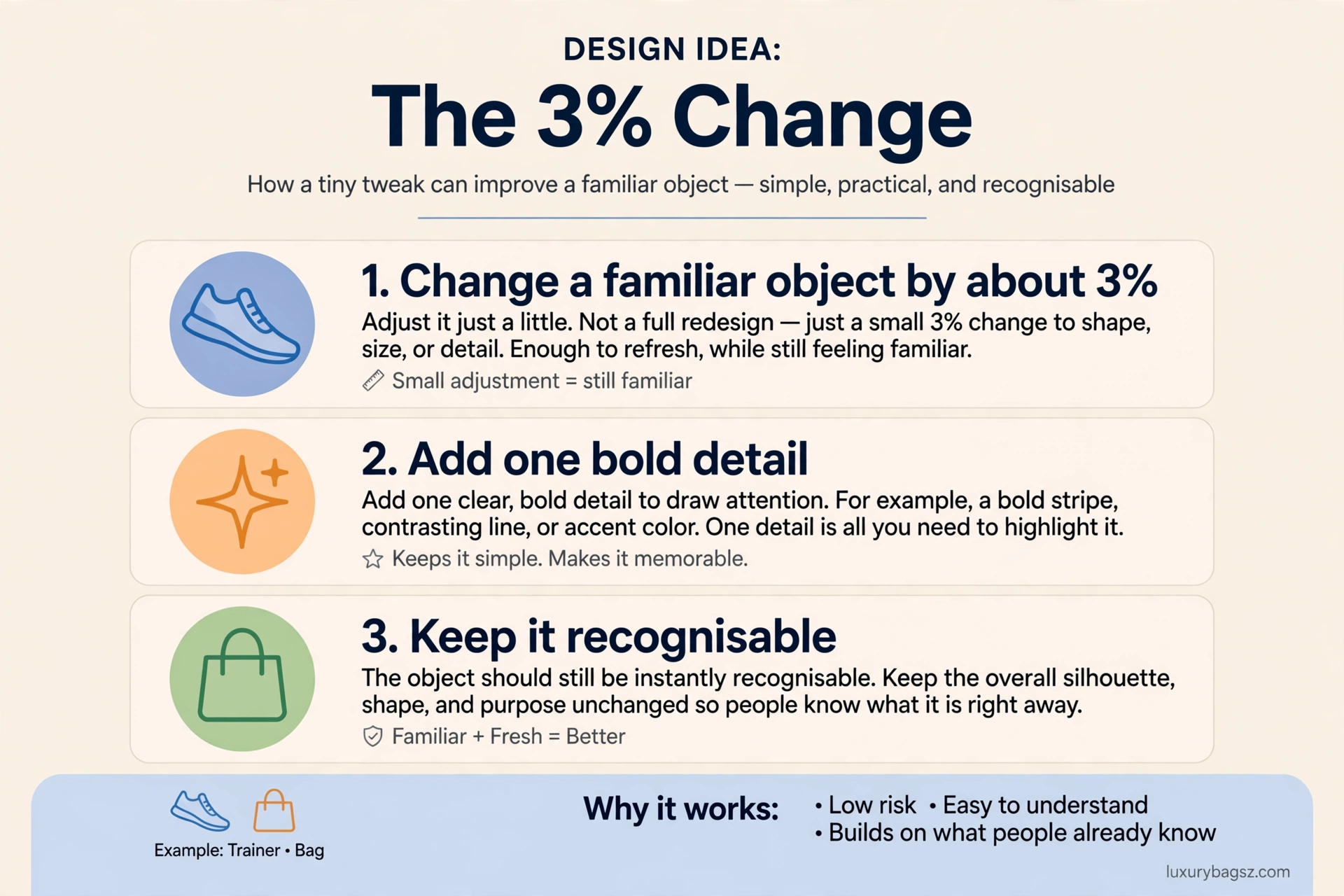
- His 3% rule meant editing a familiar object just enough to make it new.
- Collaborations across music, art, furniture and sport were his real medium.
- His scholarship fund and open-door mentoring outlive any single product.
A Different Route Into Fashion
Abloh did not climb the usual atelier ladder. He studied civil engineering, then architecture, worked as a DJ, and learned fashion from the street, the club and the internet rather than from a pattern-cutting table. That outsider route mattered. He designed the way his audience already lived: in group chats, at gigs, in sneakers, moving between high and low culture in a single afternoon without changing clothes. It also explains his speed. Abloh treated a collection, a DJ set, a shop fit-out and a piece of furniture as the same job at different scales: arrange familiar things in a surprising order.
Pyrex Vision and the Birth of Off-White
His early label Pyrex Vision screen-printed graphics onto deadstock shirts and sold them at luxury prices. Critics called it cheek; supporters called it a precise comment on value, branding and desire. Off-White, launched in Milan in 2013, made the idea a full wardrobe. Diagonal stripes, industrial belts, zip ties and words in quotation marks became a uniform recognised across a street at fifty paces. The point was never just graphics. Off-White priced, cut and finished streetwear to luxury standards, forcing older houses to admit that a hoodie could carry the same margin and meaning as a handbag.
Louis Vuitton Menswear, 2018 to 2021
In March 2018 Louis Vuitton named Abloh artistic director of its menswear line. He was the first person of African descent to hold that role at the house, a fact widely reported at the time and felt far beyond fashion. His debut show in Paris put a rainbow runway in the Palais Royal gardens and friends from music and skate culture on it. Tailoring loosened, harnesses and holsters appeared, and trainers walked beside formal coats. The work sat inside a long house story that our history of the Louis Vuitton monogram traces from trunks to today; Abloh simply opened its next door to the audience already waiting outside.
Bags, Accessories and the Objects Everyone Copied
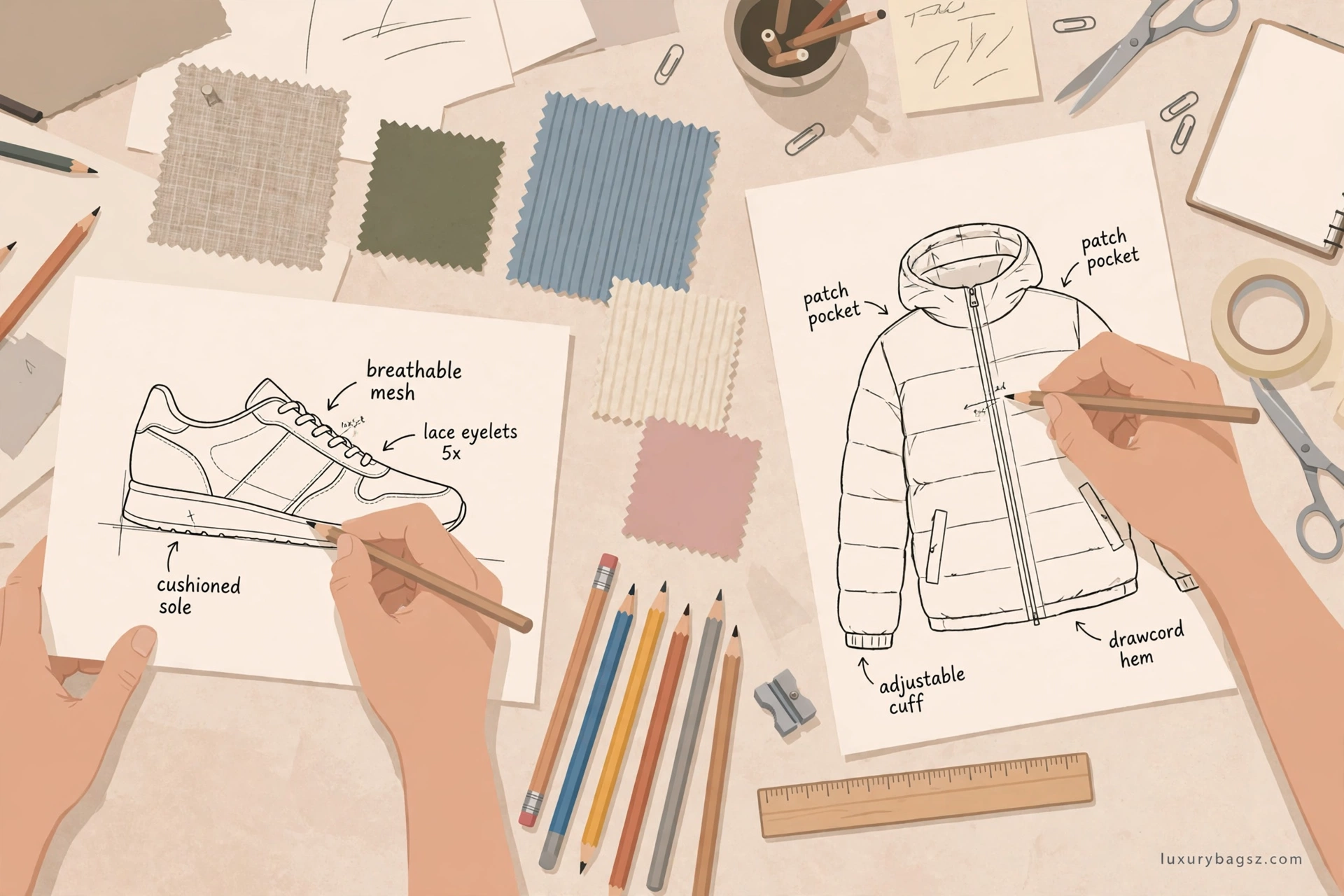
Abloh understood that accessories carry ideas furthest. At Off-White the binder clip bag turned office hardware into a luxury handle, and our guide to the Off-White binder clip bag shows how literal that joke became. At Vuitton he pushed transparent trunks, monogram soft bags, chain details and utility pockets. Some pieces were playful to the point of provocation, which was the strategy: an object people argue about is an object people remember. For collectors, the safest Abloh-era buys remain the wearable ones: soft monogram bags, clean trainers and the graphic staples with intact tags, receipts and house packaging.

The 3% Rule and the Quotation Marks
Abloh often described his method as the 3% approach: change a familiar object by roughly three percent and it becomes a new design. A trainer gains a zip tie; a word gains quotation marks and becomes a comment on itself. Sneaker project The Ten, made with Nike in 2017, applied that edit to ten established models at once. Deconstructed stitching, exposed foam and printed labels made the making of the shoe part of its look. You can agree or argue with the philosophy, and the industry did both loudly. Either way it gave a whole generation of young designers a working method they could actually use on Monday morning.
Fashion as One Room in a Bigger House
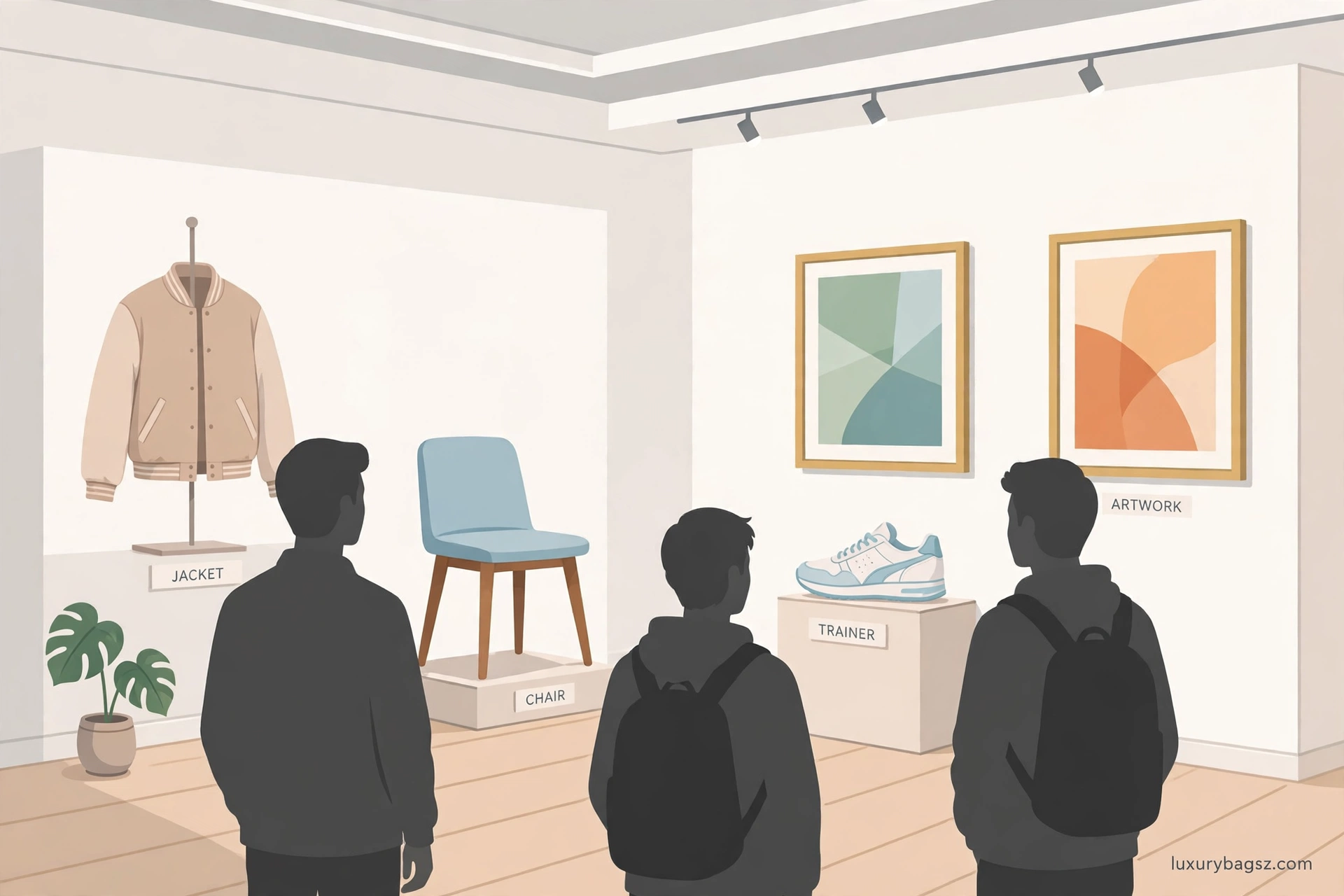
Abloh refused to stay inside fashion's borders. He designed furniture, worked with galleries and museums, DJed worldwide, and treated album artwork, stage design and shop interiors as equal commissions. That breadth connects him to a longer line of fashion designers inspired by artists, except that Abloh collapsed the distance: the artist, the DJ and the designer were the same person on the same day. Museums noticed. His work was exhibited during his lifetime, and after his death in November 2021 retrospectives and tributes confirmed what shoppers already knew: the clothes were only half the output.
What His Era Means for Buyers Today
Abloh-era pieces trade on story as much as condition. Limited trainers, show pieces and early Off-White graphics attract collectors, while quieter Vuitton menswear from his seasons holds steadier, slower value. Fakes followed the fame, especially around trainers. Our checks for how to spot fake Off-White Nike sneakers cover the stitching, labels and packaging details that copies most often get wrong. Buy the piece you will wear, keep every tag and receipt, and store trainers boxed away from light. Provenance is the difference between a souvenir and an asset in this market.
The Door He Left Open
Abloh set up a scholarship fund for Black, African-American and African students in fashion, and he was famous for answering messages from unknown young designers. Mentoring was not a side project; it was the project. His appointments changed hiring conversations too. Houses that had never looked beyond a small circle of names began asking, publicly, who else might be qualified to lead them. The fairest summary is simple: before Abloh, luxury decided who was allowed in. After Abloh, the queue outside had faces, names and followers of its own, and the door has never fully closed again.
Frequently Asked Questions
Who was Virgil Abloh?
He was an American designer, architect-trained creative and DJ who founded Off-White and directed Louis Vuitton menswear from 2018 until his death in 2021, at the age of 41.
What is Off-White known for?
Diagonal stripes, industrial belts, zip ties and words printed in quotation marks. It took streetwear shapes and finished and priced them as luxury fashion.
What was the 3% rule?
Abloh's shorthand for editing a familiar object by a small amount, around three percent, so it reads as new while staying recognisable. The Ten trainers for Nike are the famous example.
Why was his Louis Vuitton appointment historic?
He was the first person of African descent to lead menswear at the house, and his shows mixed tailoring with street, skate and music culture at the highest level of luxury.
What is The Ten?
A 2017 collaboration with Nike in which Abloh reworked ten established trainer models with deconstructed details, exposed materials and printed text. The shoes remain highly collected.
Did Abloh design bags as well as clothes?
Yes. Off-White's binder clip bag and his soft, utility-led Louis Vuitton men's bags are widely collected, and transparent and monogram show pieces are the most traded.
Are Abloh-era pieces a good investment?
The most limited trainers and documented show pieces have held strong interest, but condition and provenance decide value. Buy wearable pieces first and keep full packaging.
What was his scholarship fund?
The Post-Modern Scholarship Fund, set up in 2020 to support Black, African-American and African students entering fashion, paired funding with mentoring and internship routes.
When did Virgil Abloh die?
He died on 28 November 2021 after a private illness, widely reported as a rare cancer. Tributes followed from across fashion, music, art and sport worldwide.
How can I wear his influence without buying archive pieces?
Mix one graphic or utility piece with clean tailoring, keep trainers central rather than an afterthought, and let a single quoted-word accessory do the talking.
Final Verdict: The Culture Was the Collection
Abloh's cultural impact is not one bag or one trainer. It is the permanent merger of street culture and luxury, a new hiring map for old houses, and a method, the small edit, that any young designer can pick up. That is why his name still opens doors he never walked through himself.