

Investment-Worthy and Must-Have Gucci Handbags: The Shortlist
The Gucci Shortlist in Brief
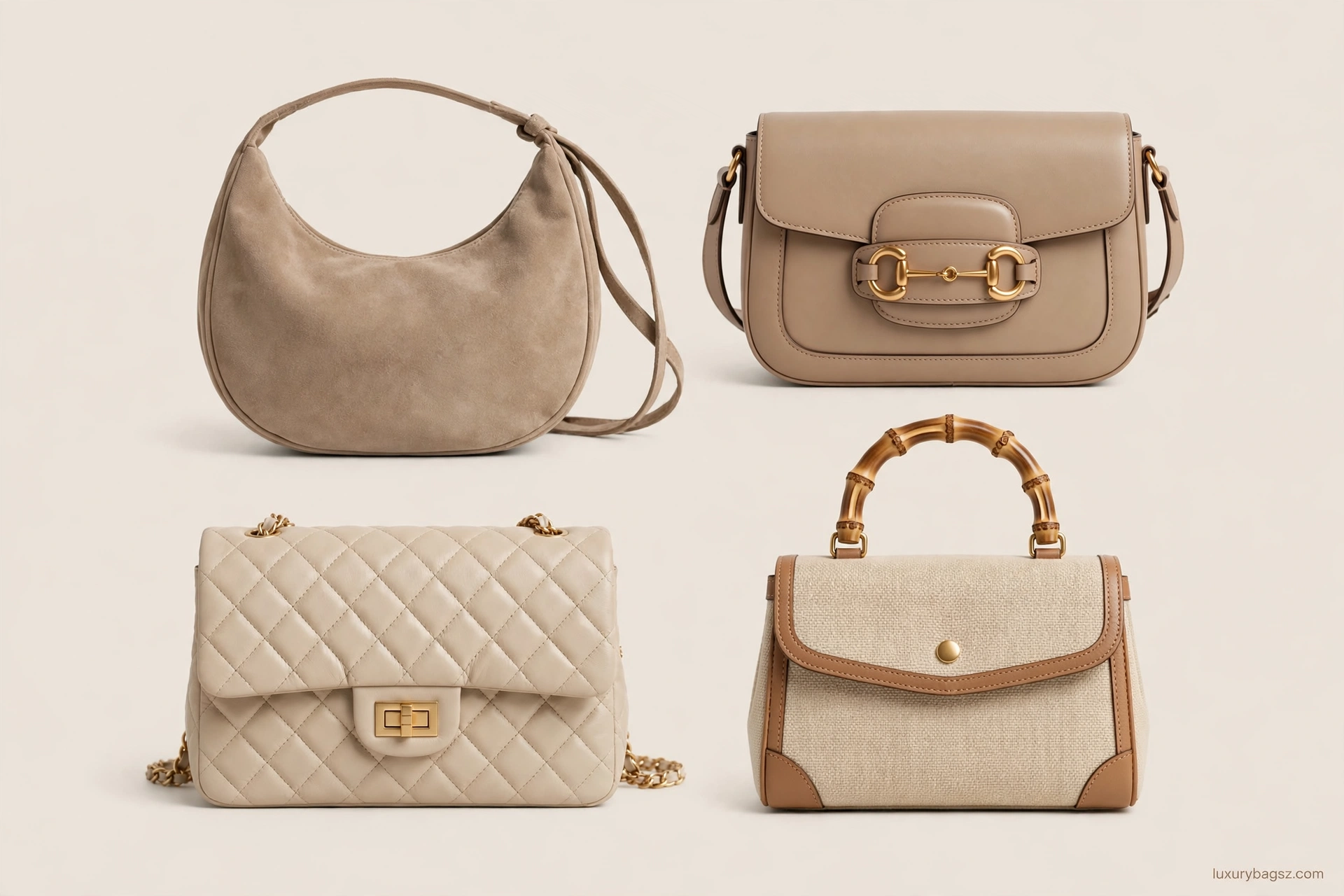
The Gucci bags worth buying and keeping are the heritage shapes: Jackie 1961, Horsebit 1955, Bamboo 1947, GG Marmont and Dionysus, with the Ophidia tote as the practical canvas choice. They have lasted across creative directors, they suit many outfits, and they keep a steady secondhand market. Everything else in the range is either a seasonal pleasure or a specialist taste.
Buy the bag you will carry weekly, in a neutral colour, in the best condition you can afford. That single rule beats any ranking, because a bag that lives in a cupboard returns nothing, however iconic its name. Resale is a cushion for a good purchase, not a reason to buy a bag you do not love.
This guide ranks the must-haves, explains what each one does best, and shows how to build a small Gucci collection without wasting money on pieces that date fast. Each shortlist bag has its own full guide in our complete Gucci guide collection.
Key Takeaways

- Jackie 1961 and Horsebit 1955 are the safest heritage picks for most buyers.
- Bamboo 1947 is the scarcity pick, best bought pre-owned in excellent condition.
- Marmont is the most recognisable modern Gucci bag, best in black or cream.
- Dionysus is the statement pick; choose classic canvas or leather over loud editions.
- Neutral colours and complete sets protect resale more than any single model name.
- No Gucci bag should be bought as a guaranteed financial investment.
Investment lists bore me unless the hardware survives inspection, so my Gucci shortlist is the one my hands would choose. On a Jackie or a Horsebit 1955, I work the horsebit and piston closures until I trust them — those mechanisms are the bags’ signatures and their most expensive parts to fake well. The Bamboo handle gets the same respect: shaped, finished bamboo is a craft object, not a trim. I have examined hundreds of bags over ten-plus years, and the Gucci styles that hold value share one trait beyond their names — moving parts and materials that copies visibly struggle to reproduce.
Jackie 1961 and Horsebit 1955: The Twin Pillars
The Jackie 1961 guide covers a crescent hobo first made famous by Jacqueline Kennedy Onassis and relaunched in 2020. Its piston closure, curved shape and soft structure suit almost any outfit, from tailoring to denim, and it comes in sizes from mini to large. It is the quiet Gucci bag, and quiet bags age best.
The Gucci Horsebit 1953 guide covers the house's equestrian code, revived as the Horsebit 1955 shoulder bag. It is more structured than the Jackie, with a framed shape and a double ring and bar that reads as Gucci without any logo. It suits work and smart occasions where the Jackie's softness would feel too relaxed.
Together they cover most needs: Jackie for everyday ease, Horsebit for structure. If you buy only two Gucci bags, buy these two first, in neutral leather, and build around them later.
Prices underline their position. One recent guide put Jackie 1961 from about 2,400 to 6,900 dollars across sizes and materials, and Horsebit 1955 from about 2,800 to 3,250 dollars. Those bands are wide, so size and material matter as much as the name on the bag.
Choosing between them comes down to a day, not a brand. Pick the Jackie for a day of errands, travel and soft tailoring, where a bag that moulds to the body wins. Pick the Horsebit for a day of meetings and smart dressing, where a framed shape holds its line under a coat.
Marmont and Dionysus: The Modern Icons
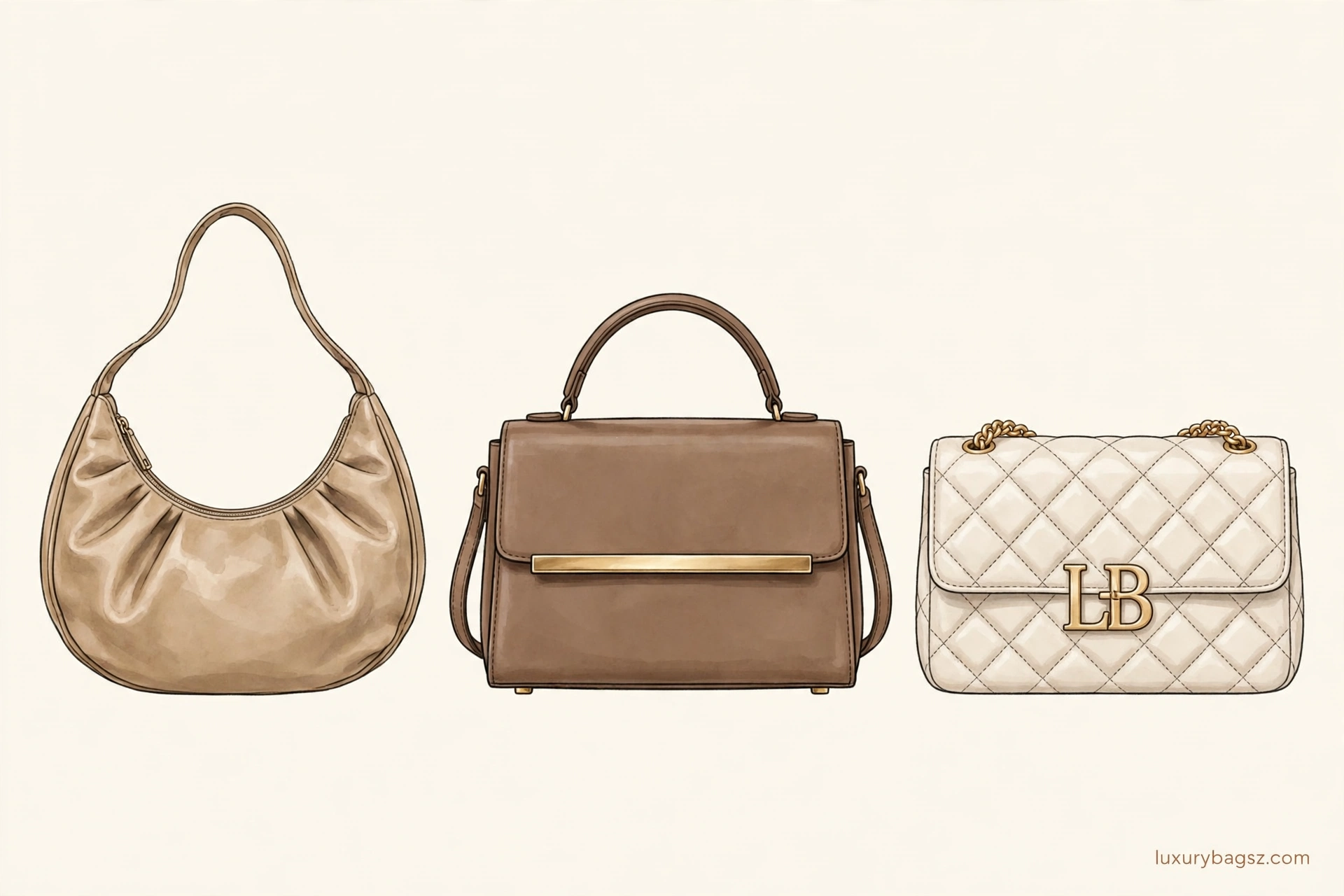
The GG Marmont guide describes the defining bag of the Michele era: chevron matelassé leather, an oversized double G, and a soft, relaxed shape from 2016. It is instantly recognisable, easy to wear, and the usual first Gucci bag for new buyers. Black and cream are the most resale-friendly colours, since production was plentiful and bright editions fade from demand faster.
The Dionysus guide covers the bolder Michele icon, launched in 2015 with a tiger-head clasp drawn from Greek myth. It is structured, decorative and unmistakable, and it suits buyers who want a statement bag rather than a quiet one. Classic GG Supreme canvas and suede combinations hold up best; heavily embellished editions are harder to resell.
Choose Marmont for relaxed, everyday recognition, and Dionysus for drama. Neither is as safe a resale bet as Jackie or Horsebit, but both earn their place if you love them and wear them often.
Marmont keeps evolving in small ways: a 2025 update added a slender pocket to the back of the medium and larger silhouettes, a practical touch for a phone or cards. Small updates like that do not change the bag's character, but they show a design still in active use rather than frozen in its launch year.
Dionysus, meanwhile, spans sizes from mini and super mini up to larger top-handle versions, so it can be an evening bag or a daily bag depending on the size you choose. That range is a strength, but it also means comparing prices across sizes is meaningless: always compare the same size, material and hardware finish.
For Marmont sizing, small is the most versatile everyday choice, mini suits evenings and light days, and medium suits buyers who carry more. A small Marmont in black is often the single best first Gucci bag for a new buyer, because it balances capacity, comfort and recognition better than any other single size.
Bamboo 1947, Diana and Ophidia: The Rest of the Core
Bamboo 1947 is Gucci's oldest handbag story. The bamboo handle was born from post-war material shortages in 1947, when leather and metal were scarce, and it became a house signature. Genuine vintage bamboo bags are scarce and need careful inspection of handle joints, but a clean example is a collector's piece with real history.
The Diana tote, a revival of the bamboo-handled tote carried by Princess Diana in the early 1990s, pairs that handle with a roomy, practical shape. It is the heritage tote for buyers who want bamboo character with everyday capacity, and its leather belt details nod to the bands once used to keep bamboo handles in shape.
The Ophidia guide covers the practical canvas choice: GG Supreme canvas with the green and red web stripe. It is lighter, tougher and more affordable than the leather icons, and it suits travel and daily errands. It will not appreciate, but it will be carried more than any other bag on this list.
Choosing between Diana and Bamboo comes down to capacity. Diana is the roomier, more practical tote, while a classic Bamboo top handle is more compact and more of an occasion piece. If you carry a laptop or a thick notebook daily, Diana wins; if you want a beautiful bag for smart days out, Bamboo wins.

Ranked by Staying Power and Resale
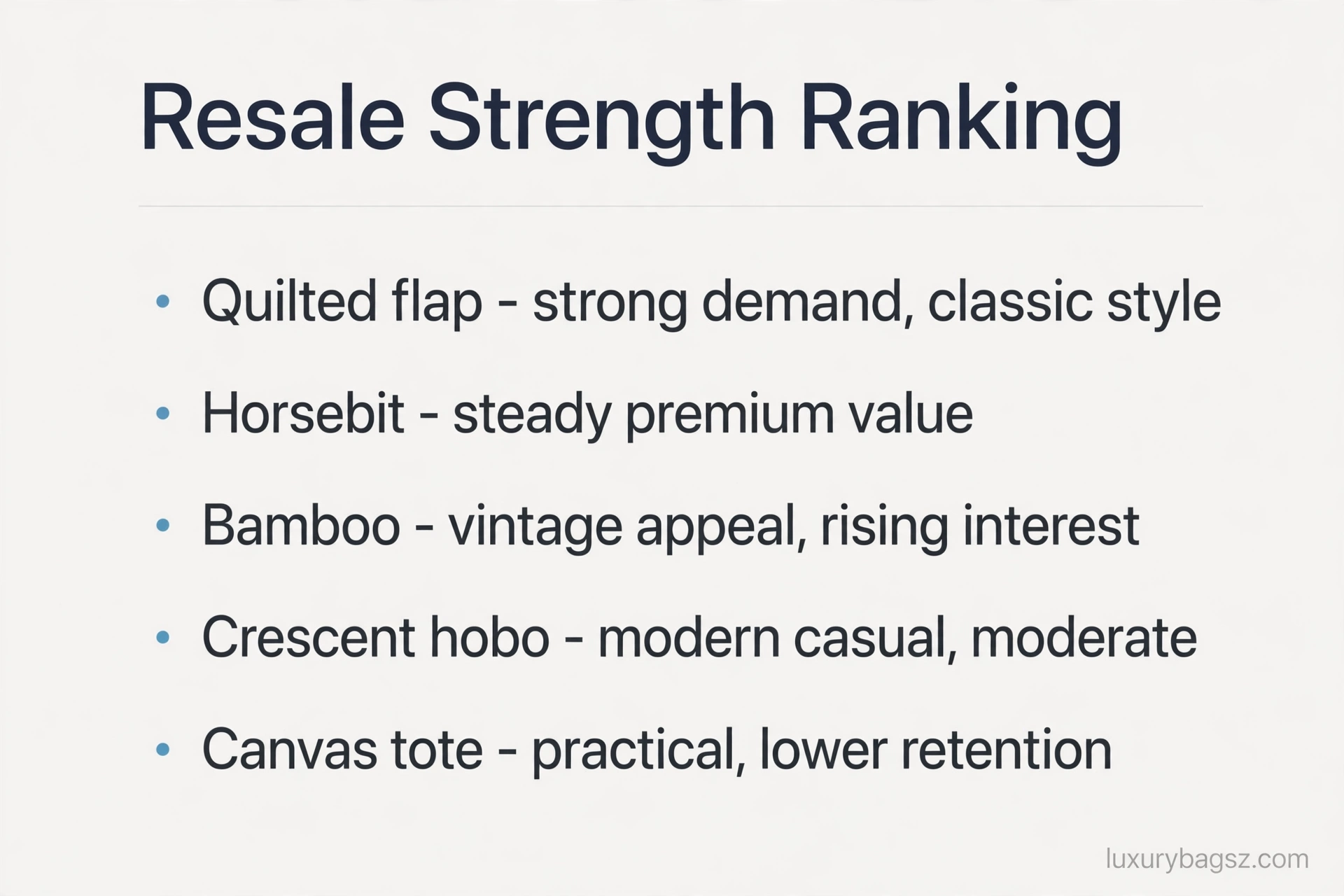
Ranking Gucci bags by resale strength gives a clear order. Quilted flap bags, led by Marmont in neutral colours, enjoy strong, broad demand. Horsebit follows closely, with steady premium value from its heritage and restrained design. Bamboo sits next, helped by vintage appeal and scarcity, though condition varies widely.
The crescent hobo, led by Jackie, sits in the middle of the ranking on breadth of demand: it sells steadily rather than spectacularly, because it is widely available in many sizes and materials. Canvas totes, led by Ophidia, sit last on retention, since canvas is plentiful and practical rather than scarce. That order is a guide to demand, not a promise of any percentage return.
The Gucci resale value guide adds the crucial caveat: condition, colour and completeness move any bag up or down its family range. A pristine Jackie with a full set beats a tired Marmont, whatever the ranking says, so judge the individual bag in front of you.
Colour is the quietest ranking factor and often the most powerful. Black, brown and tan in leather, plus classic GG canvas, suit the widest pool of future buyers, while bright and seasonal colours narrow that pool sharply. A rare colour can occasionally beat the rule, but only when it is genuinely scarce and in demand, not merely unusual.
Completeness works the same way. A dust bag, box, strap and paperwork will not rescue a worn bag, but on a clean bag they lift both speed and price, because the next buyer can see the whole story. Missing pieces, by contrast, invite questions that no discount fully answers.
The Five-Bag Shortlist, by Role
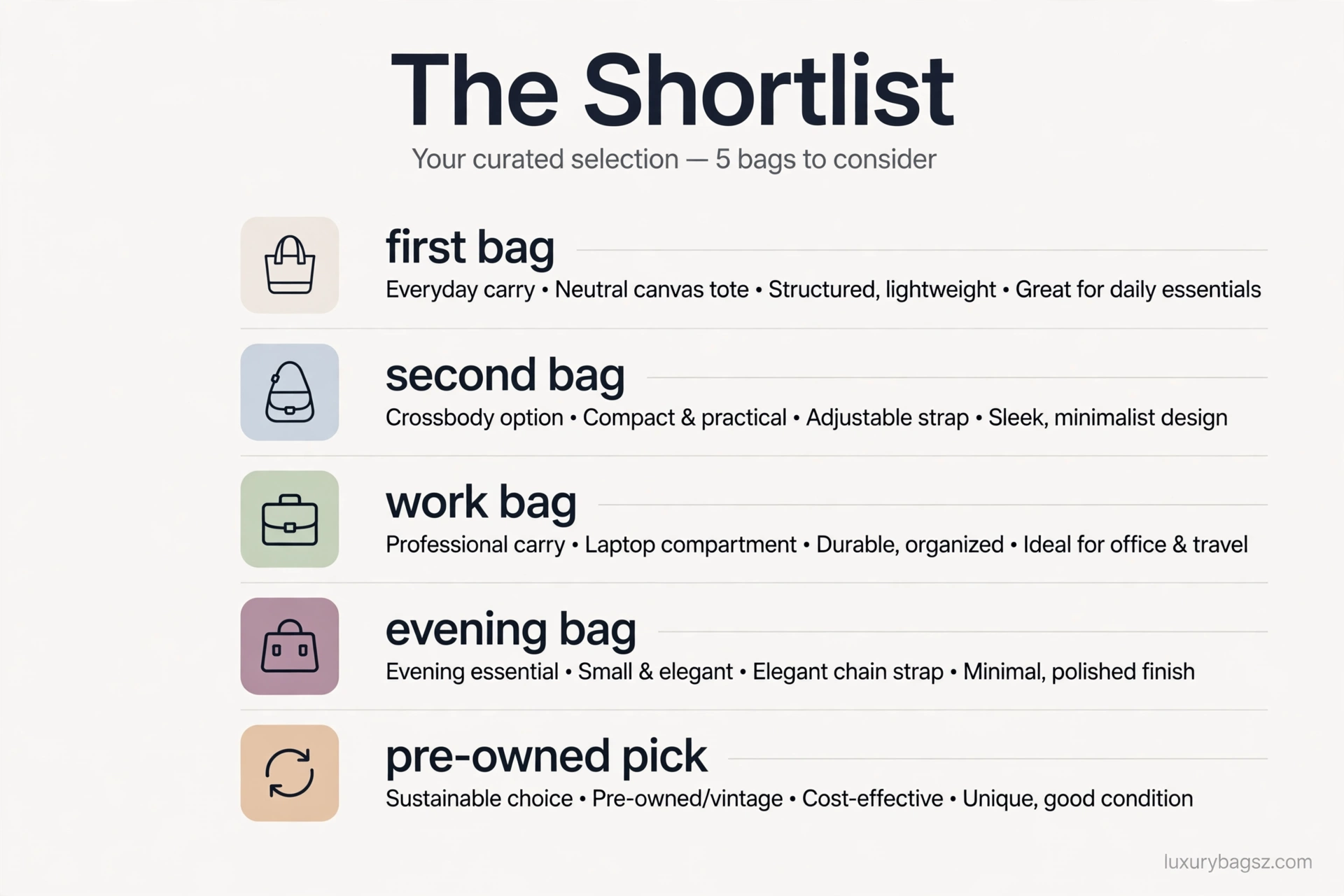
First bag: a Jackie 1961 medium or a Horsebit 1955 in black or brown leather. Either one works daily, suits most outfits, and holds its place in a collection for years. Choose Jackie for softness and ease, Horsebit for structure and polish.
Second bag: a Marmont small shoulder bag in black or cream, for relaxed days and evenings when the first bag feels too formal. Work bag: an Ophidia tote or a Diana, for laptops, travel and long days.
Evening bag: a Marmont mini or a small Dionysus, compact and decorative against a plain dress. Keep the evening choice small and simple, since a large bag overwhelms evening outfits and a loud bag competes with jewellery. A mini in black leather is the hardest-working evening option on this list.
One last shortlist rule: buy roles, not duplicates. Two similar shoulder bags in similar colours add little, while one shoulder bag, one tote and one evening mini cover almost every day. Gaps in roles are worth filling; duplicates rarely are.
Pre-owned pick: a vintage Horsebit or a clean Bamboo, bought from a seller who photographs flaws and accepts returns. Vintage pieces have already aged, so there are fewer surprises left, and they often cost far less than new equivalents in similar condition.
If budget is tight, buy the shortlist in order and buy pre-owned. A clean pre-owned Jackie beats a new seasonal bag at the same price on almost every measure: heritage, versatility and resale. Patience helps too, since the right colour and condition appear regularly if you watch for a few weeks.
Care for the collection as a set, not as single bags. Rotate wear so no one bag takes all the strain, store each one stuffed in its dust bag, and keep boxes and papers together in one place. A collection cared for this way looks better, lasts longer, and sells more easily if you ever decide to let a piece go.
What "Investment-Worthy" Really Means
Investment-worthy, for Gucci, means a bag that stays relevant, stays wearable and keeps a healthy secondhand market. It does not mean a bag that guarantees a profit. Even the best Gucci bags usually resell below retail, and only scarce vintage exceptions beat that rule. Anyone promising guaranteed returns on a new Gucci bag is selling a story, not a fact.
Compare that with the very top of the luxury market, where scarcity is enforced far more strictly. The Hermes investment pieces guide shows a different world of waiting lists and tightly controlled supply. Gucci produces at a larger scale, so its bags are easier to buy new and easier to find pre-owned, which is good for buyers and softer for speculators.
The honest maths is cost per wear. A Jackie carried three times a week for five years costs far less per outing than three trendy bags that date within a season, even if none of them appreciates. Buy for years of wear, and let resale be the exit, not the plan.
Knowing when to sell matters too. Sell while a bag is still in excellent condition and its family is still in demand, not after years of hard wear have taken it down a grade. A well-timed sale of a clean bag often returns more than holding a tired bag for an extra year in the hope of a market rise that never comes.
Buying Traps to Avoid
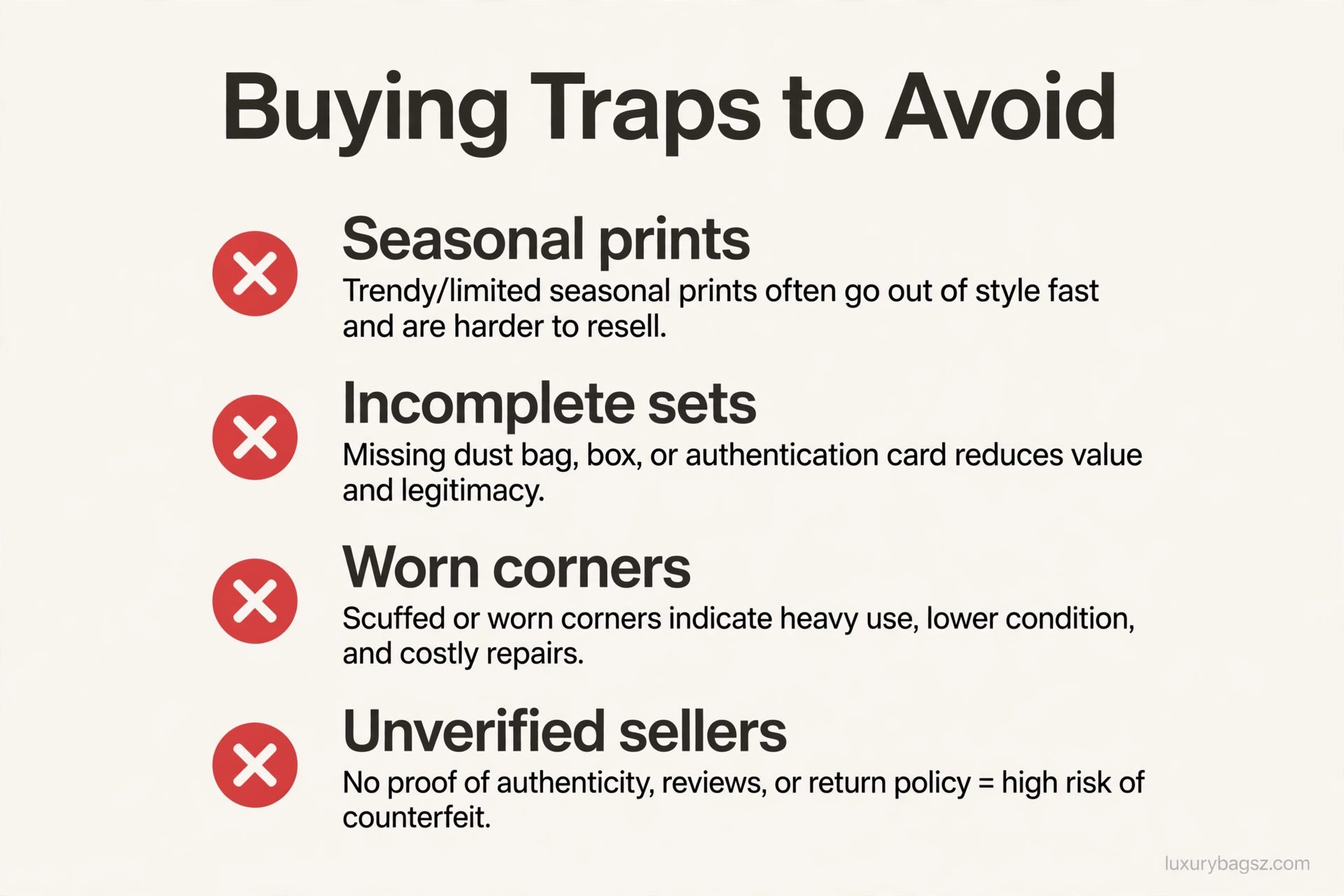
Seasonal prints are the first trap. A loud print or a novelty colour feels exciting in store and dates fastest at home, and its resale pool is smaller than a neutral bag's. If you love a print, buy it as a pleasure, not as an investment, and accept the softer resale from the start.
Incomplete sets are the second trap. A missing strap, dust bag or box does not make a bag fake, but it makes it harder to sell and easier to discount. Price the missing pieces before you pay, and do not pay a full-set price for a bag without its set.
Worn corners, tired hardware and unverified sellers are the remaining traps. Inspect corners and hardware in daylight photographs, confirm the seller's return policy, and authenticate anything expensive. The fake Gucci checks guide and the Gucci serial numbers guide are the two checks to run before money changes hands.
For a first expensive purchase, use a platform with buyer protection and consider an independent authentication service on arrival. Keep every photograph, message and receipt together, and check the bag against its listing within the return window. A seller who resists photographs or returns is telling you something, and it is rarely good news.
Frequently Asked Questions
Which Gucci bag is the best investment, and which should you buy first?
Jackie 1961 and Horsebit 1955 are the safest picks for staying power and resale, followed by Bamboo 1947 for scarcity. No Gucci bag guarantees a profit, so buy for wear first.
A Jackie 1961 medium or a Horsebit 1955 in black or brown leather. Both work daily, suit most outfits, and anchor a small collection better than any seasonal piece.
Is the GG Marmont a good investment?
Moderately. Marmont bags are recognisable and popular, but production was plentiful, so resale often sits below retail. Black and cream in excellent condition perform best.
Is the Dionysus worth buying?
Yes, if you want a statement bag and choose a classic canvas or leather version. Heavily embellished editions are harder to resell, so keep the configuration classic.
Is Bamboo 1947 worth the price?
For collectors and lovers of Gucci history, yes, especially pre-owned in excellent condition. Inspect bamboo handle joints carefully, since repairs there are costly.
Do Gucci bags hold their value, and what colour resells best?
Heritage shapes in neutral leather and excellent condition hold up best, often retaining a useful part of retail. Common canvas and seasonal prints retain less.
Black, brown and tan in leather, followed by classic GG canvas. Bright colours, pastels and seasonal prints are harder to resell and usually achieve lower prices.
Should I buy Gucci new or pre-owned, and how do I avoid buying a fake?
For common Marmont and Dionysus bags, pre-owned usually offers better value. For scarce vintage Jackie, Horsebit or Bamboo, buy the best condition you can afford when it appears.
Check stitching, hardware weight, embossing and an era-correct serial tab against trusted guides, buy from sellers who photograph flaws and accept returns, and authenticate expensive bags independently.
How many Gucci bags do I need?
Most wardrobes need only two or three: an everyday heritage bag, a relaxed second bag, and optionally a work tote or an evening mini. More than that is collecting, not needing.
Summary: Buy Heritage, Buy Neutral, Buy to Wear
The must-have Gucci collection is short: Jackie, Horsebit, Bamboo, Marmont and Dionysus, with an Ophidia tote for practical days. Buy them in neutral colours, in excellent condition, with complete sets, and carry them weekly. That approach gives you years of wear, a steady resale cushion if you ever sell, and a wardrobe that never looks dated. Everything else Gucci makes is a pleasure to admire, but these are the bags to own.






