

How to Spot Fake Gucci Ace Sneakers: Web Stripe, Bee, Footbed and Serial Checks
The Ace Verdict in Brief: Lift the Insole First
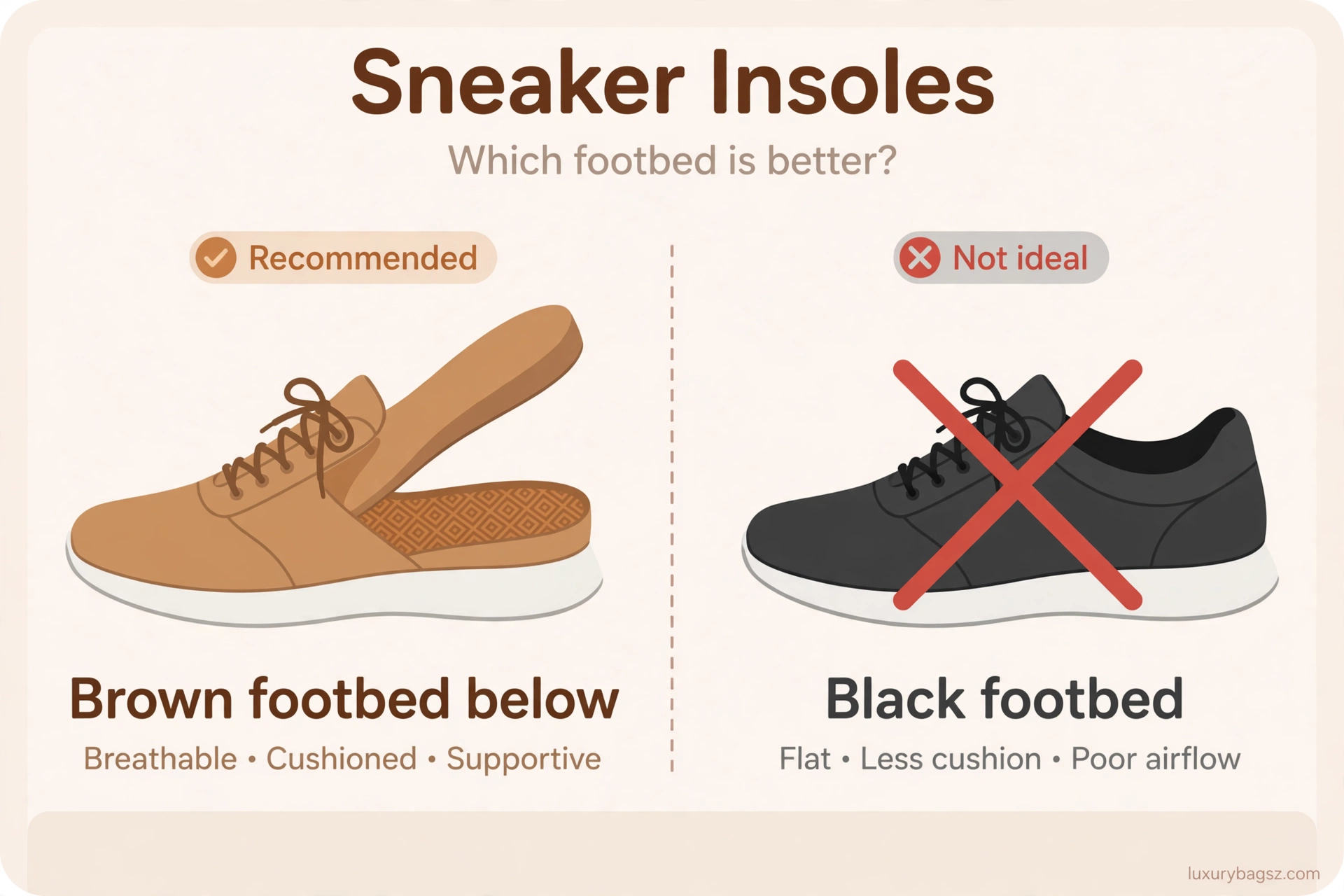
Start under the insole. On a real Gucci Ace the footbed beneath it is brown with the house print, the Web stripe is stitched down, and the bee is wide and even. On a fake the footbed is often black, the stripe may be glued, and the bee sits narrow, crooked or too high. Those three fails together end most arguments fast.
Key Takeaways

- The footbed under the insole should be brown with the house print, not black.
- The Web stripe is stitched in place; glued stripes are a classic fake sign.
- A genuine bee is wide, round and symmetrical, centred on the stripe.
- Rear lettering is stitched into the heel, not printed like a sticker.
- The tongue code should be long and legible, and match the size of the shoe.
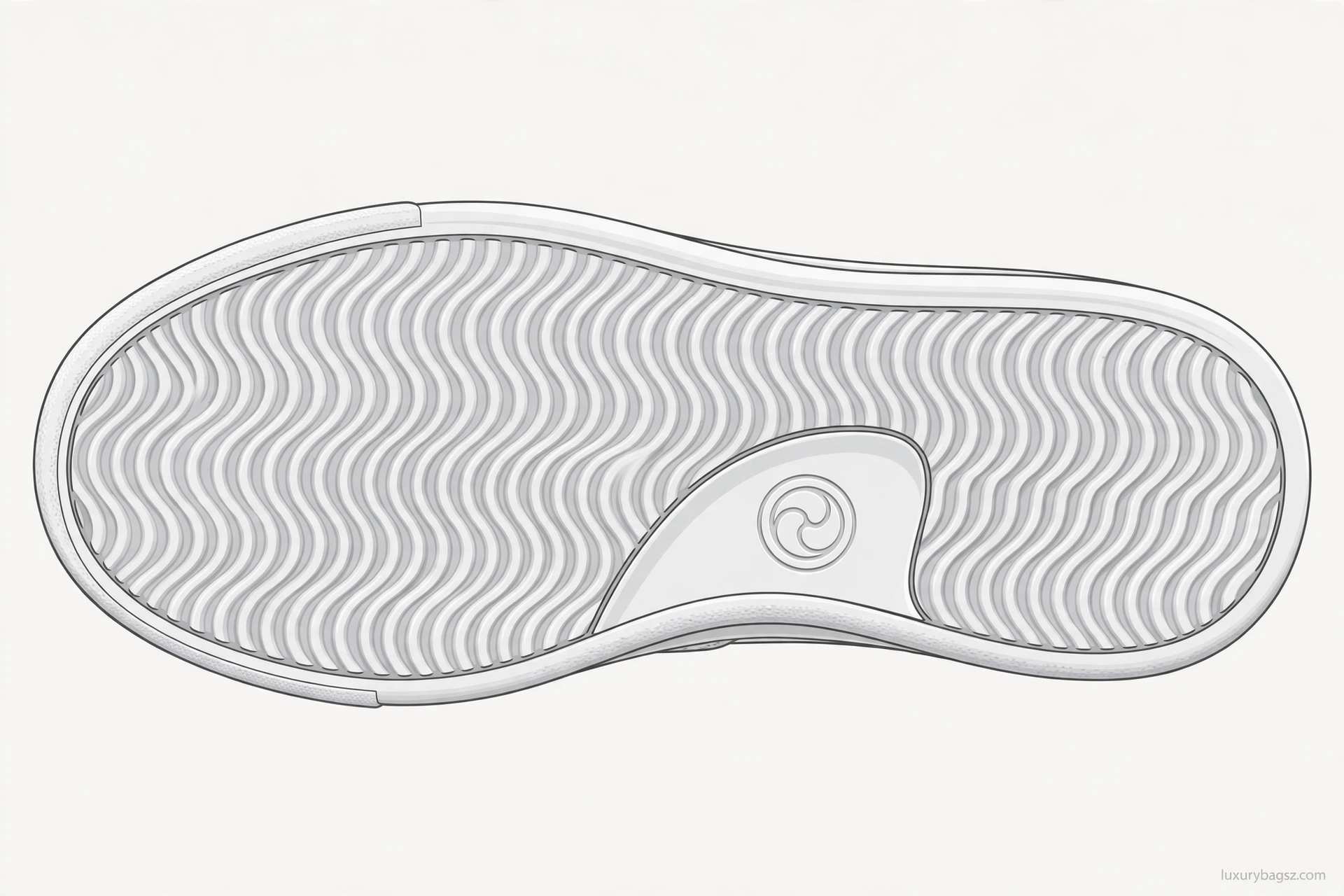
- Sole lettering is crisp, with the wave pattern and heel logo cleanly moulded.
Know the Ace Family Before You Check a Pair
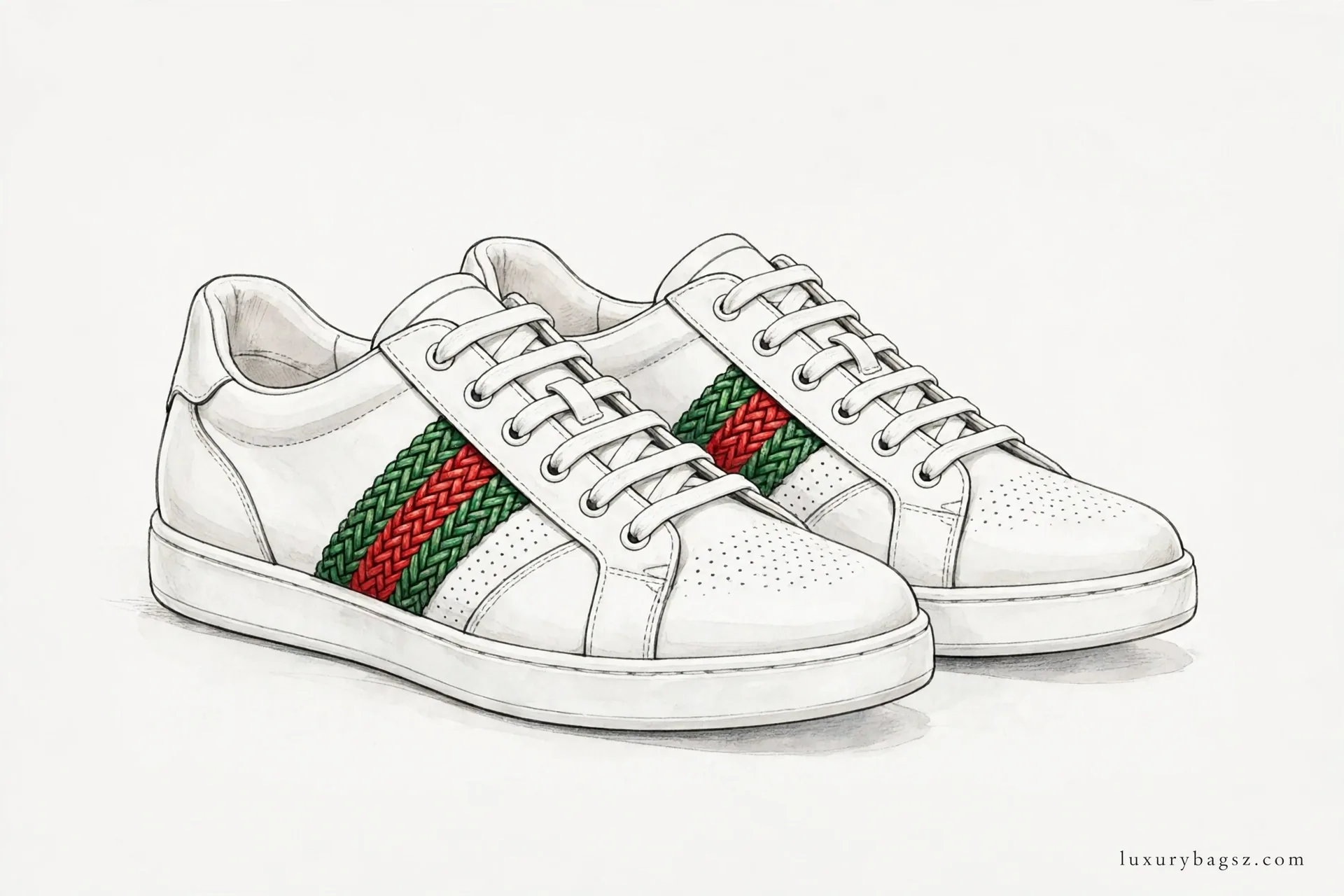
The Ace is a low-top leather sneaker built around the green and red Web stripe, with designs ranging from plain stripes to bees, snakes and other motifs. Compare the shape with its cousins. Our Adidas x Gucci Gazelle sneakers guide shows a slimmer profile from the same house era. Our Gucci Rhyton sneakers guide shows the chunky opposite. The Ace sits between them: neat, level and slightly fuller than copies look. Fakes often come out too skinny, with a flat toe that does not lift. A genuine midsole curves gently so the toe points very slightly upwards.
The Web Stripe and the Bee
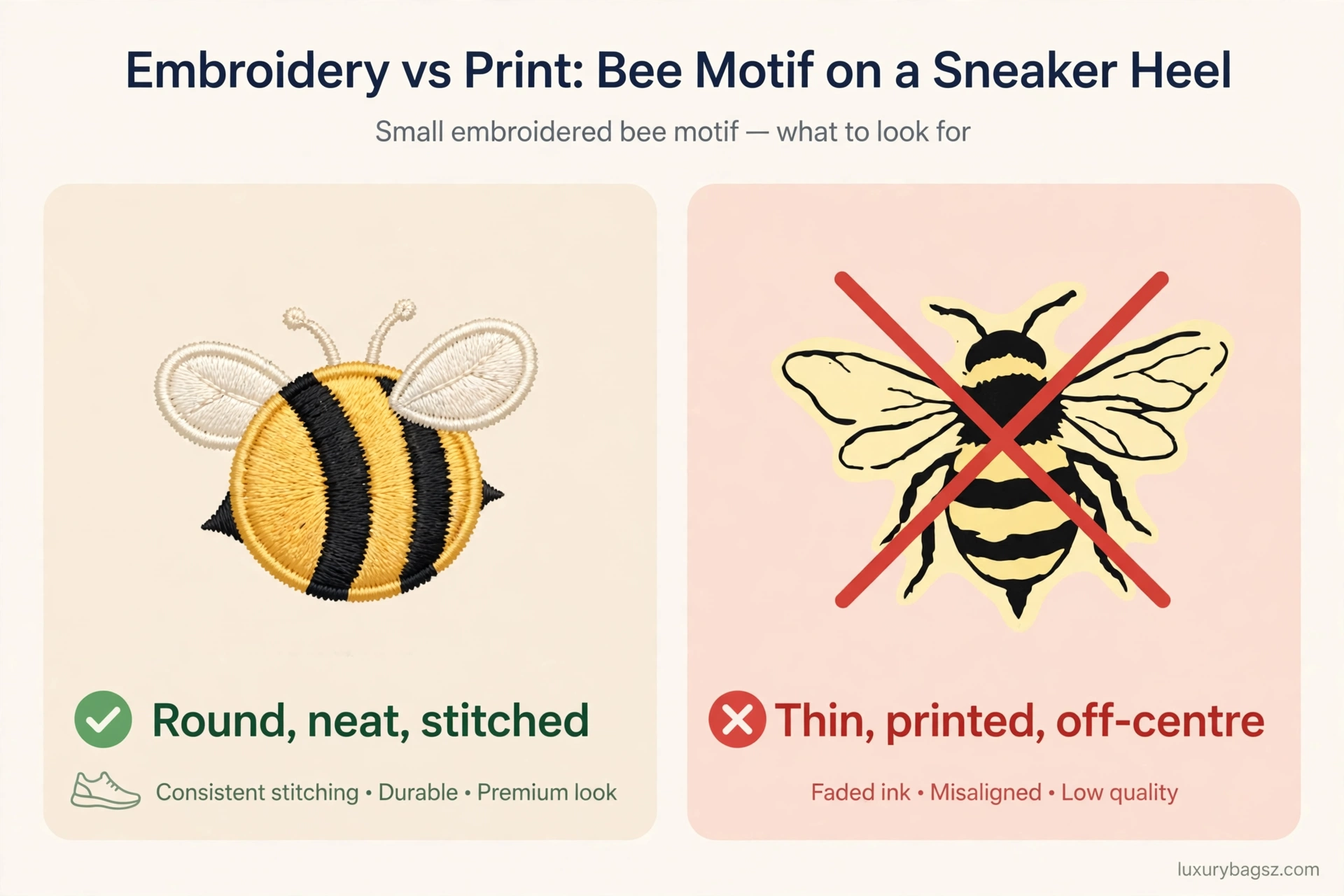
Look at the stripe first. On a real pair it is woven, set into the shoe and stitched down in matching tones. Glued edges or wandering stitches are early warnings. Now the bee, on the most copied version. A genuine bee is wider, rounder and symmetrical, embroidered in quality thread and centred neatly on the stripe. A fake bee is often narrower, lopsided or placed too high, with mismatched thread colour and gaps in the stitching that show the backing beneath. On snake versions, check the tongue of the snake and the heel scales. Scales should run horizontally at the heel; vertical scales are a repeated copy error.
Leather, Shape and Stitching
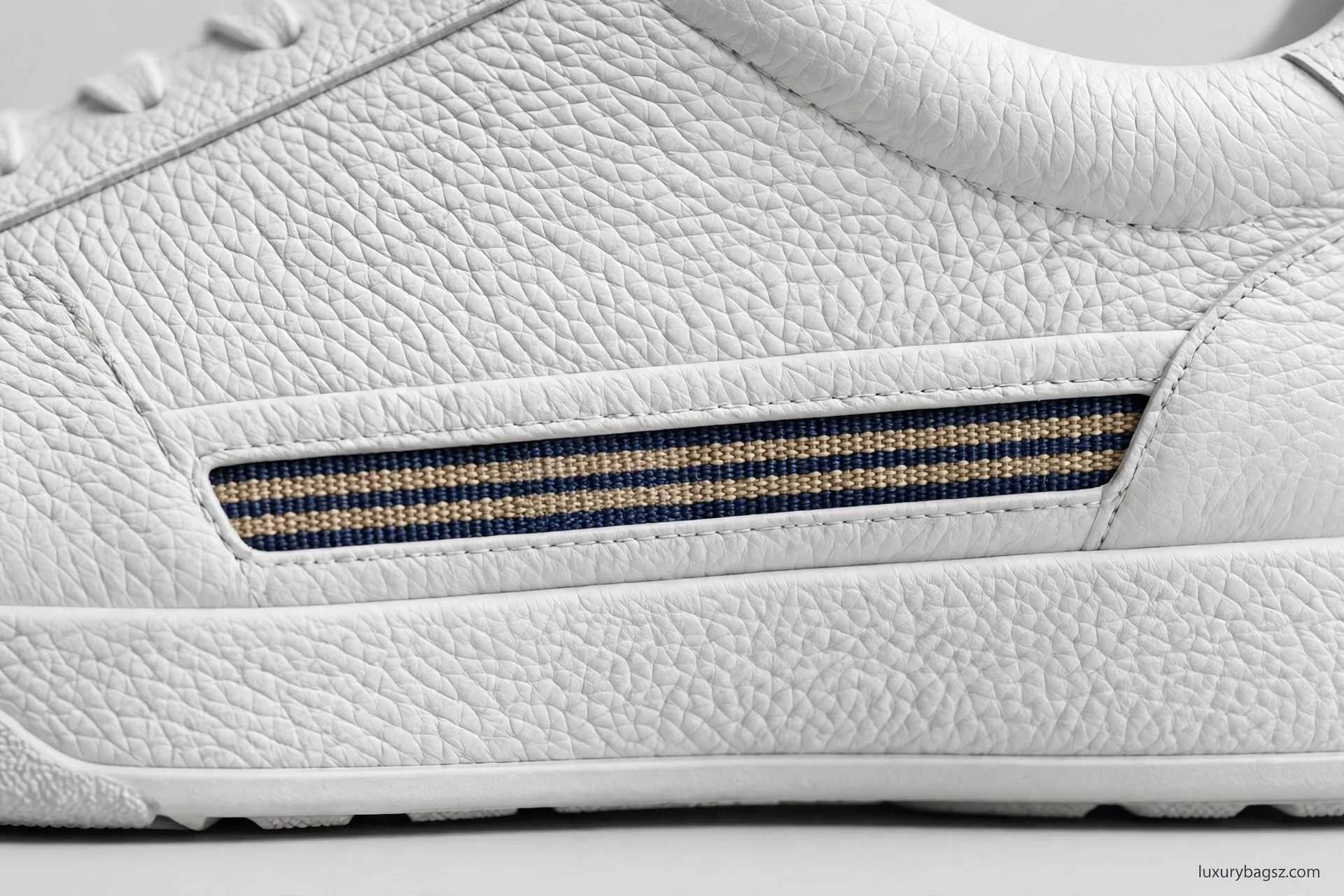
Real Ace uppers use supple, premium leather that feels smooth and substantial. Thin, plasticky leather that creases in sharp lines belongs to a cheaper shoe. Stitching around the toe, heel and stripe is tight and even. Copies leave spaces between stitches, loose ends or lines that drift as they run. Compare the pair against each other. Stripes, motifs and heel tabs should mirror neatly; copies often differ slightly between the left and right shoe. For a contrast in build, our Gucci Flashtrek sneakers guide shows how carefully the house finishes even its busiest sneaker.
Heel Lettering, Laces and Eyelets
Read the lettering at the back of the heel. On a genuine pair it is stitched into the shoe, with sharp, slightly boxy letters and clean, narrow ends to each C. On fakes the same lettering can look printed, like a sticker laid on the surface. Thick, curvy letters are another repeated failure on copies. Laces on a real pair are smooth, clean and a soft white rather than a harsh blue-white. Thick, textured laces with threads escaping suggest cheaper cord. Eyelets should match the colour story of the pair and sit evenly. Studs or pearls on embellished versions are polished and neatly set, never glued at an angle.
Footbed, Insole and the Tongue Code
Lift the insole out. The footbed beneath should be brown with the classic connected house print. A black footbed is one of the best-known Ace fake tells. Check the insole itself for the debossed brand wording and country line at the heel. Missing wording, or lettering in the wrong weight, points to a copy. Inside the tongue you will find the style and size code. Genuine codes are long and legible with an engraved look; short, blurry codes of few digits are not. Our Gucci serial numbers explained guide explains how house codes are built, so you can judge format calmly.
The Sole: Wave Pattern and Heel Logo
Turn the shoe over. Genuine soles carry a wave pattern, a knight emblem at the centre on many versions, and clear brand wording at the heel. Moulding should be crisp. Blurred letters, bubbled rubber or a pattern that fades out at the edges suggest a mould taken from a real sole, then reused too often. The midsole is smooth towards the front and textured further back on classic versions. A sole that is one flat texture throughout deserves a second look. Press the sole at the waist. A real Ace feels firm and balanced; a copy often flexes too easily, as if the shoe were built around cardboard.
Box, Dust Bags and Price Flags
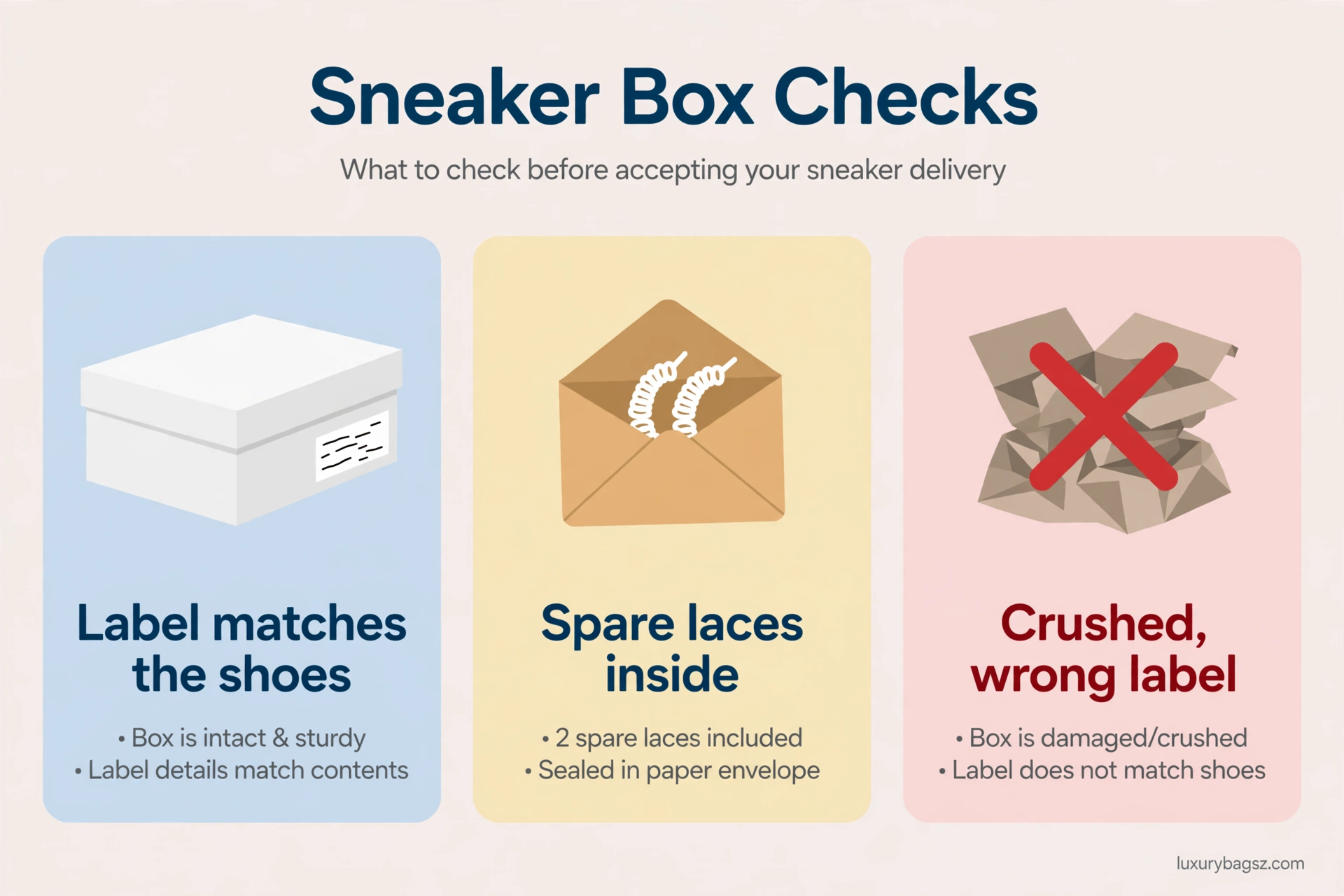
A genuine pair comes in a sturdy, well-printed box with a label that matches the style and size of the shoes inside. Mismatched labels are a quiet but real flag. Dust bags should feel like proper fabric with clean lettering. Thin, shiny bags with blurry print support a fake verdict without proving it alone. Our how to spot a fake Gucci bag guide shows the same house habits in packaging, lettering and codes across product types. Price remains the loudest signal. Ace sneakers retail in the hundreds; a new pair offered for a very low sum, with no receipt, is rarely a lucky find.
Buying Pre-Owned Aces Safely
Ask for photographs of the footbed, tongue code, heel lettering and soles before you pay. Sellers of genuine pairs are used to those four requests. Check both shoes, not just the better one. Copies frequently pair a passable left shoe with a sloppy right one, and listings show the good side only. On arrival, repeat the checks in daylight and keep the return window in mind. Wear them indoors on carpet until you are sure, so returns stay simple. Our how to clean sneakers guide will help a genuine pre-owned pair look fresh without harming the leather or the stripe.
The Footbed Print, Measured: Fewer, Larger Monograms
Stay under the insole a moment longer, because the print itself has a scale. On a genuine Ace footbed the interlocking monogram print runs large: the motifs are bigger, which means fewer of them fit across the footbed, and the engraved lines sit deeper, weighted toward one side in the pattern’s rhythm.
Replica footbeds shrink the print. Smaller motifs packed more densely, with shallower lines, is the repeated copy pattern, because the factories copy the idea of the print rather than its measurements. Hold the two ideas side by side in photographs when you compare: count motifs across the width, and the genuine print’s generosity is obvious.
The same scale logic applies to the insole’s printed branding in the versions that carry it. Washed-out, thin print or a faded grey cast where the genuine article prints deep and dark belongs to the copy’s cheaper inks. Print quality is unglamorous evidence, and it is exactly the kind fakes cannot be bothered to perfect.
The Stripe Fabric Itself: Matte, Dark and Woven Tight
The Web stripe rewards touch as much as sight. Genuine stripe fabric is matte, with the tiny woven stitches on its surface nearly invisible, and its colours run deep: a darker red and a darker green than most photographs suggest. The stripe should feel like textile, not ribbon.
Copies shine. Replica stripes often use a glossier fabric whose surface stitches show plainly, in reds and greens that land brighter and cheaper-looking beside the genuine tones. If a stripe catches the light like satin, suspicion is rational even before the bee is examined.
On versions carrying the textured, hive-like print at the heel or quarter, check the pattern’s integrity: genuine printing holds a clean, even texture, while copies bubble and blur the motif into something that reads as damage rather than design.
Colour discipline extends to the whole shoe: the stripe, the heel tab and the motif embroidery should all sit in the same deep, slightly muted palette. One bright, shiny element among correct ones is usually the replaced or copied part.
Honest Wear vs Fake: Reading a Used Pair Fairly
Pre-owned pairs complicate every check above, because genuine wear imitates some fake traits. Real leather creases, stripes fade a shade with sun and cleaning, and embroidery can fuzz at rub points. Judge a used pair by whether the wear is consistent: the same ageing on both shoes, in the places feet actually stress.
Fakes wear differently. Their materials fail rather than age: coatings crack in sharp lines, stripes peel at glued edges, and motifs lose definition unevenly between the pair. A shoe that looks tired everywhere except one suspiciously perfect, incorrect detail has usually been repaired with a copy part or was never right.
Weight helps separate the two as well. A genuine Ace keeps its firm, balanced feel even when worn, because the structure survives; a copy often feels progressively hollower as its board and foams collapse. Squeeze, flex and compare the pair before concluding anything from appearance alone.
Where doubt survives honest-wear allowances, use the professional route from the buying chapter rather than guessing. A used genuine pair at a fair price is a good buy; the checks exist to make sure that is what the listing is.
The Tongue Code in Numbers
Put a figure on the tongue check from earlier in this guide. Authentication comparisons of genuine Aces consistently show a long code inside the tongue, around twelve characters of digits and letters with a crisp, engraved look, encoding the style and size. The copies compared against them run far shorter, sometimes barely half the length, in thicker, blurrier characters.
Length alone is not the law, because formats vary by season and market, but a short, vague code beside a long-format genuine reference is exactly the mismatch to act on. Photograph the code of any pair you are judging and set it beside a verified example of the same version.
Two disciplines protect this check from misuse. First, the code carries no simple production date, whatever online tools promise; read it for format and consistency. Second, codes are copied, so a correct-looking code supports a pair that already passes its leather, stripe and footbed checks, and rescues nothing that fails them.
Frequently Asked Questions
What is the fastest check on Gucci Ace sneakers?
Lift the insole and look at the footbed. It should be brown with the house print. A black footbed is one of the best-known and most reliable fake tells.
How should the bee look on a real Ace?
Wide, round and symmetrical, embroidered in quality thread and centred on the Web stripe. A narrow, lopsided bee placed too high is a common copy failure.
Is the Web stripe stitched or glued?
Stitched. On a genuine pair the stripe is woven and sewn into the shoe in matching tones. A stripe that is glued down or lifting at the edges is a warning.
Where is the code on Ace sneakers?
Inside the tongue, with style and size details. Genuine codes are long and legible with an engraved look. Short, blurry codes of only a few digits are not right.
What should the heel lettering look like?
Stitched into the shoe, with sharp, slightly boxy letters. Lettering that looks printed like a sticker, or letters that are thick and curvy, suggest a fake.
What details sit on a genuine sole?
A wave pattern, a knight emblem at the centre on many versions and crisp brand wording at the heel. Blurred moulding or bubbled rubber points to a copy.
Do the heel scales matter on snake versions?
Yes. On genuine snake versions the heel scales run horizontally. Vertical scales are a repeated error on copies, as is a snake tongue outlined in the wrong colour.
How can I judge the laces?
Real laces are smooth, clean and a soft white. Thick, textured laces with fibres escaping, in a harsh blue-white tone, suggest cheaper materials and a copy.
What price should worry me?
A brand-new pair offered far below the usual retail level, with no receipt and no returns. Genuine pre-owned pairs discount with wear, not to a tiny sum.
Who can check a pair for me?
A sneaker authenticator who handles Gucci footwear. Send photographs of the footbed, tongue code, bee, heel lettering and both soles, for both shoes.
Summary: The Hidden Checks Beat the Obvious Ones
Copies work hardest on what shows in a listing photograph: the stripe and the bee. They work least on what hides inside: the brown footbed and the tongue code. Lift the insole, read the code, then judge stripe, bee, lettering and sole. A pair that passes the hidden checks and the visible ones is a pair you can buy calmly.






