Gucci Zumi Bag Guide: History, Versions and Pre-Owned Checks
The Zumi in Brief: A Short-Lived Michele-Era Classic
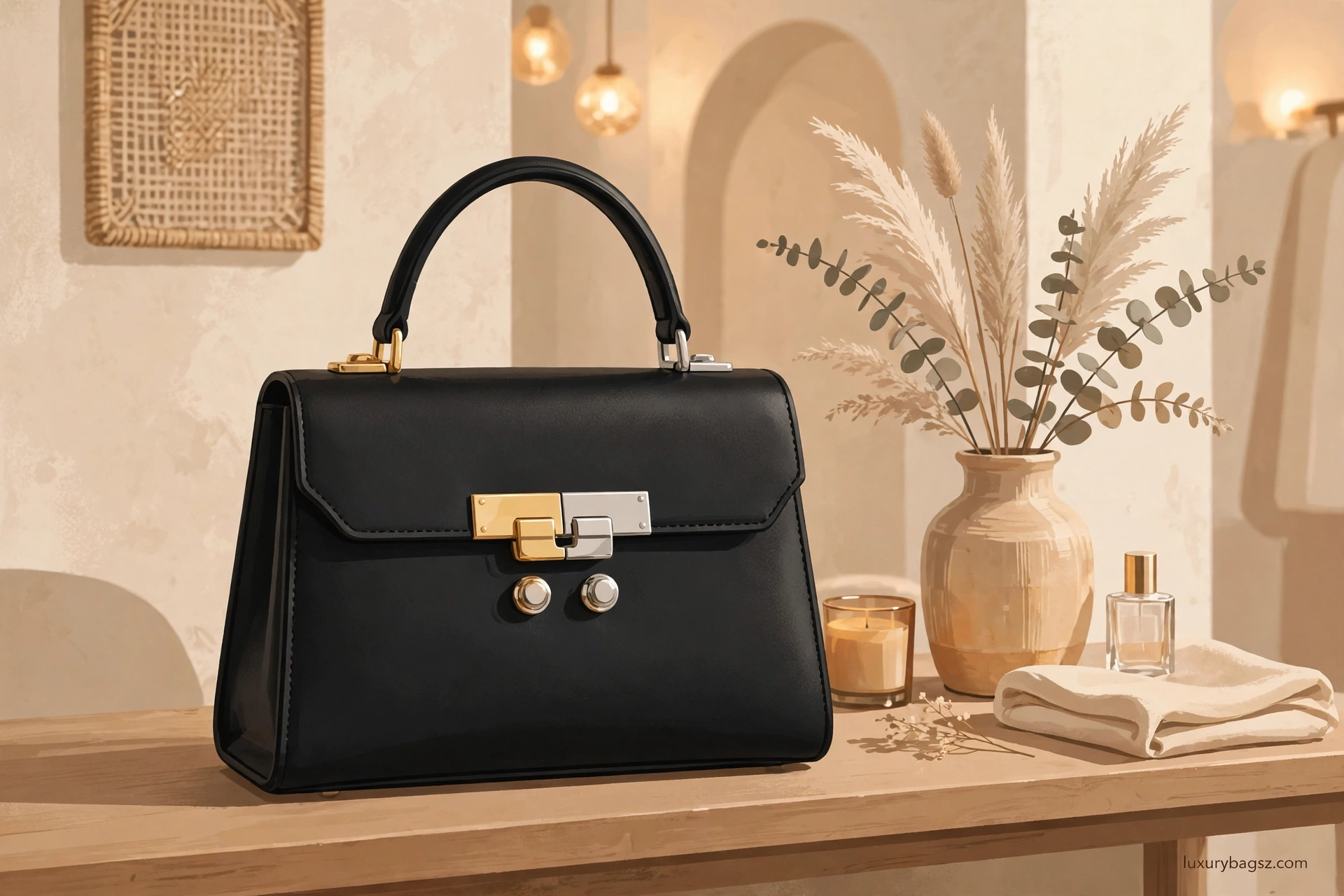
The Gucci Zumi is a structured top-handle bag from Alessandro Michele's time at Gucci, launched for Spring Summer 2019 and named after musician and actress Zumi Rosow, who carried it on that runway. It is no longer in the current line, so today the Zumi is a pre-owned buy. That is good news for value: a polished, ladylike Gucci bag with distinctive two-tone hardware, typically found well below its original retail price.
Key Takeaways
- The Zumi debuted in 2019, named for Zumi Rosow, and mixes the Interlocking G with the Horsebit.
- Main versions are the medium and small top-handle bags, plus smaller shoulder and mini styles.
- Smooth leather shows scratches more than grainy leather; grainy versions age more kindly.
- Pre-owned prices are typically far below original retail, varying with size, leather and condition.
- Check the two-tone hardware, frame hinges, lining and date code before paying.
- Buy from a seller who authenticates and accepts returns; condition matters more than colour.
Where the Zumi Came From
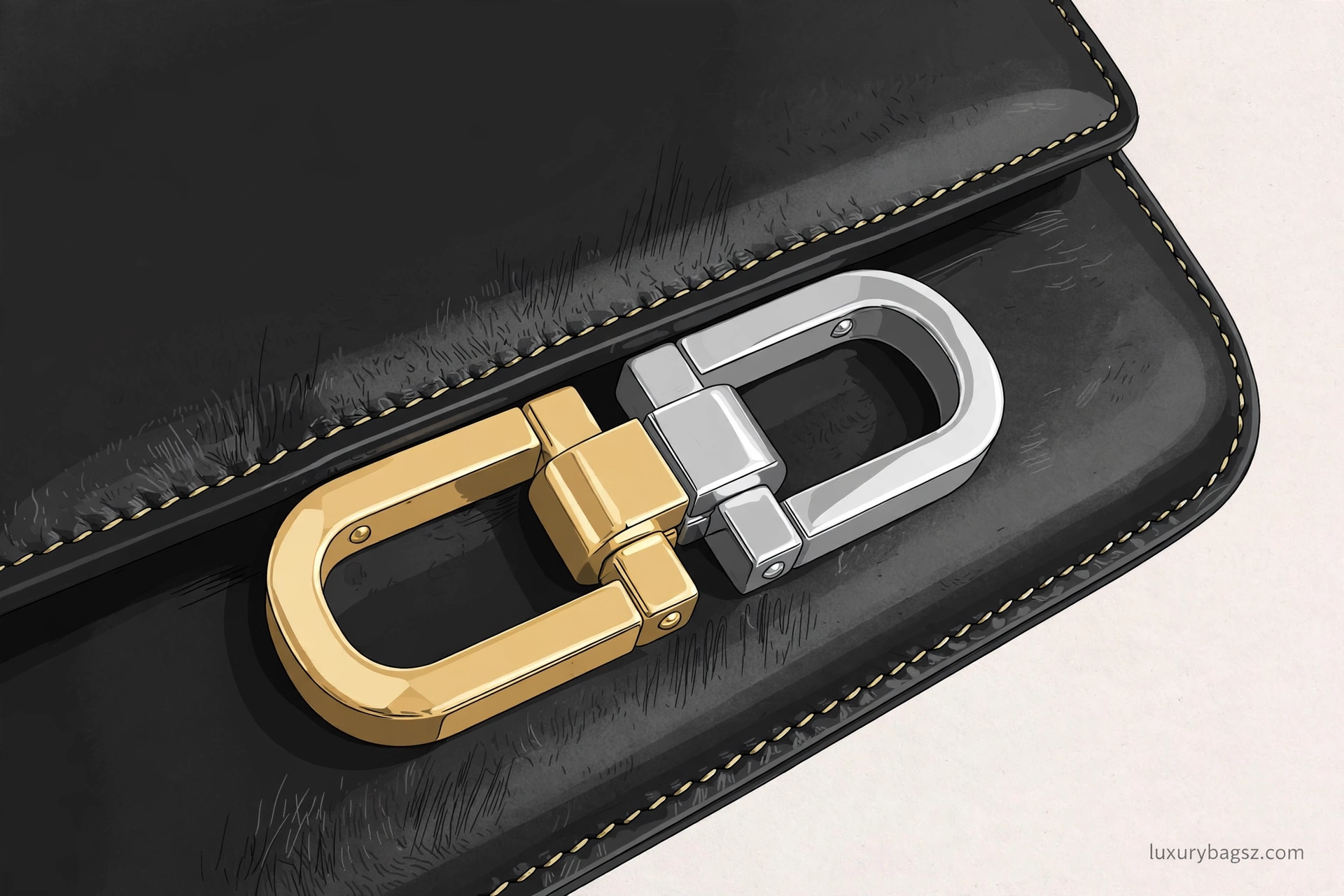
The Zumi arrived in the Spring Summer 2019 collection, first seen in Paris on Zumi Rosow herself. Michele often named pieces after muses, and this one honoured a musician known for an eccentric, vintage-leaning personal style. The bag's look pulls the other way: neat, structured and almost briefcase-like. That contrast was the point. A polished, formal shape carried by someone deliberately unpolished made the design feel modern rather than stuffy. Its signature is the front hardware, which fuses two Gucci emblems into one plaque: the Interlocking G sitting inside the Horsebit. No other Gucci bag combines them quite this way, which makes the Zumi easy to recognise. The line ran for only a few seasons before Gucci moved on. Short production runs often help later interest, because supply is limited and the design never had time to become overexposed.
The Versions Worth Knowing
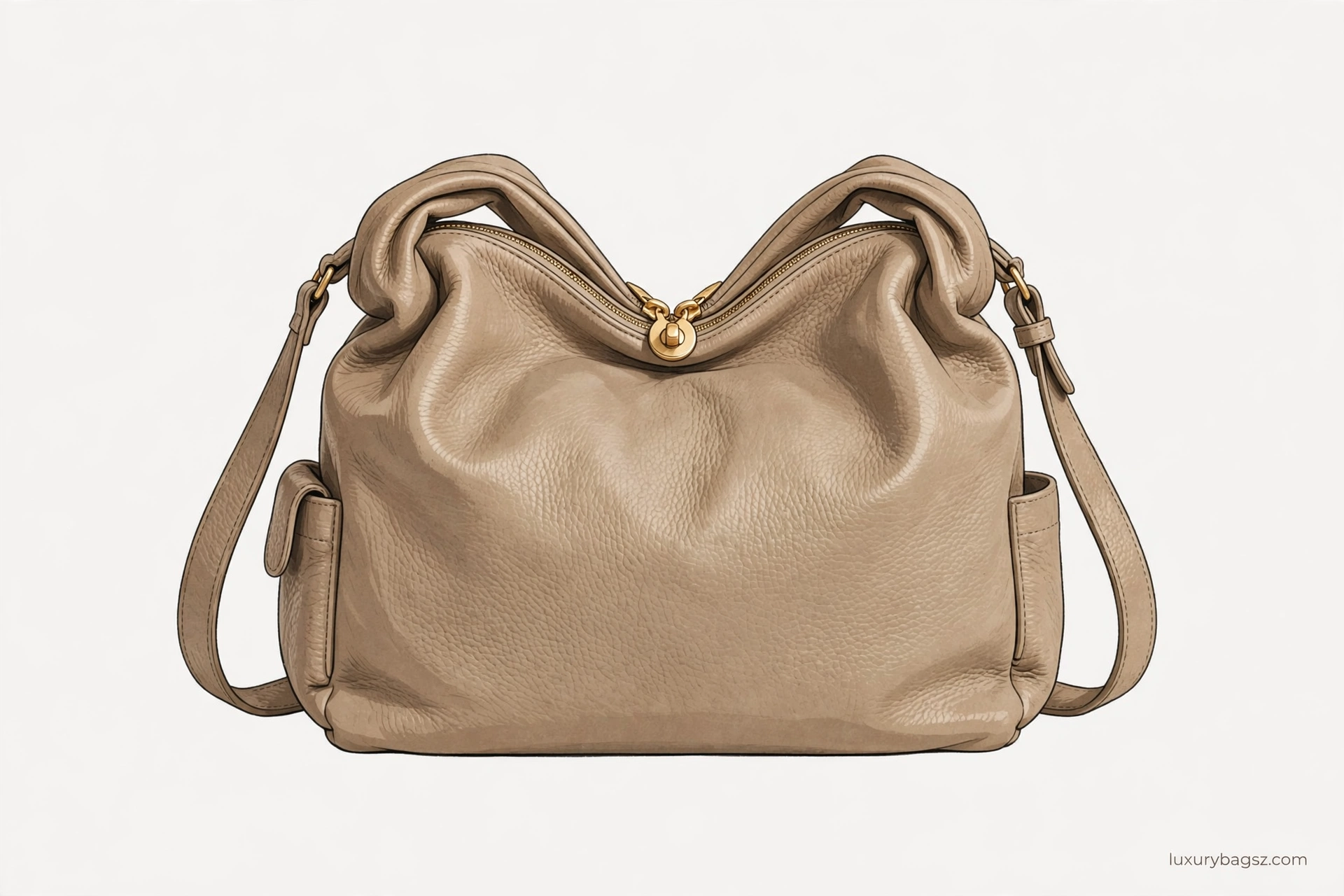
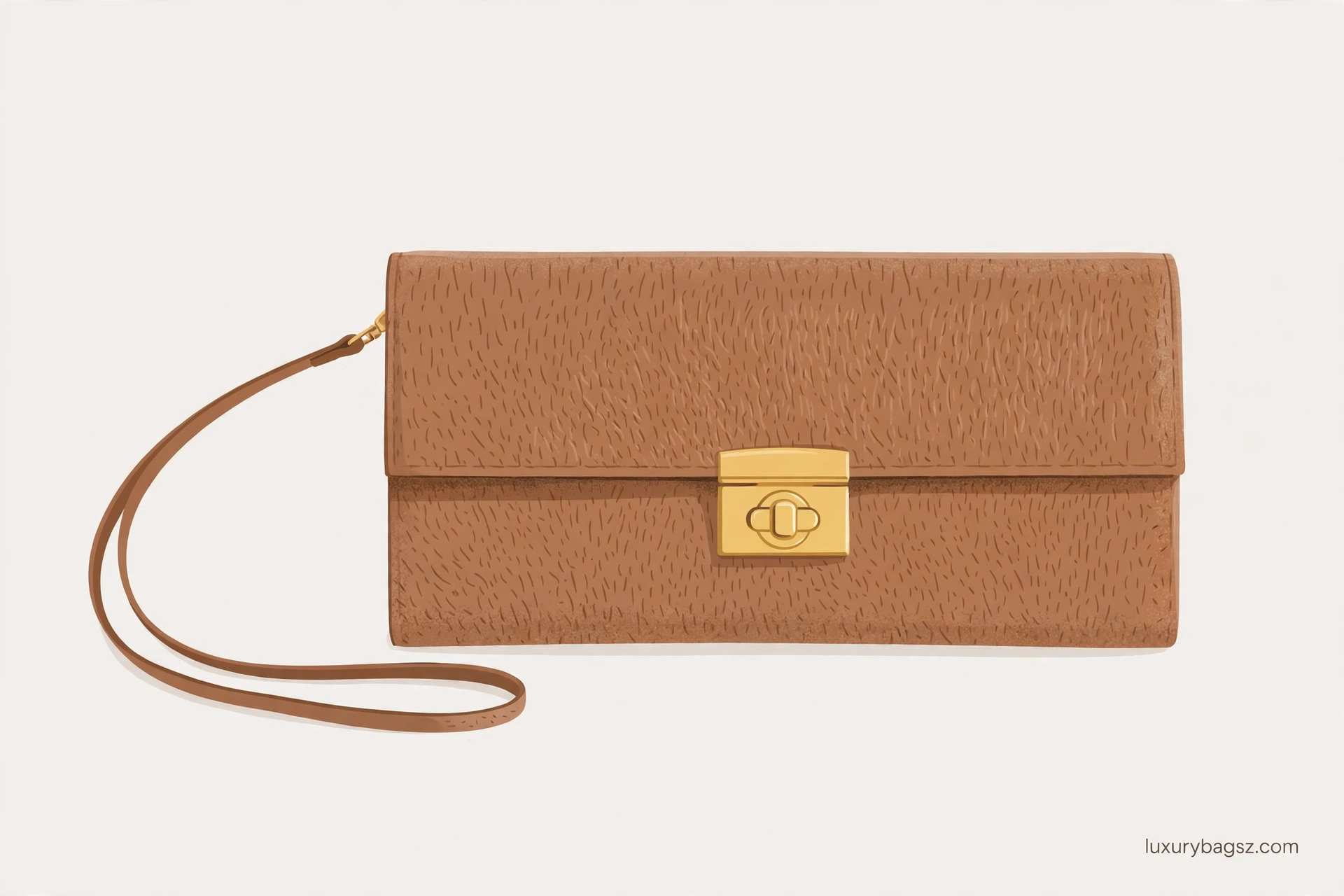
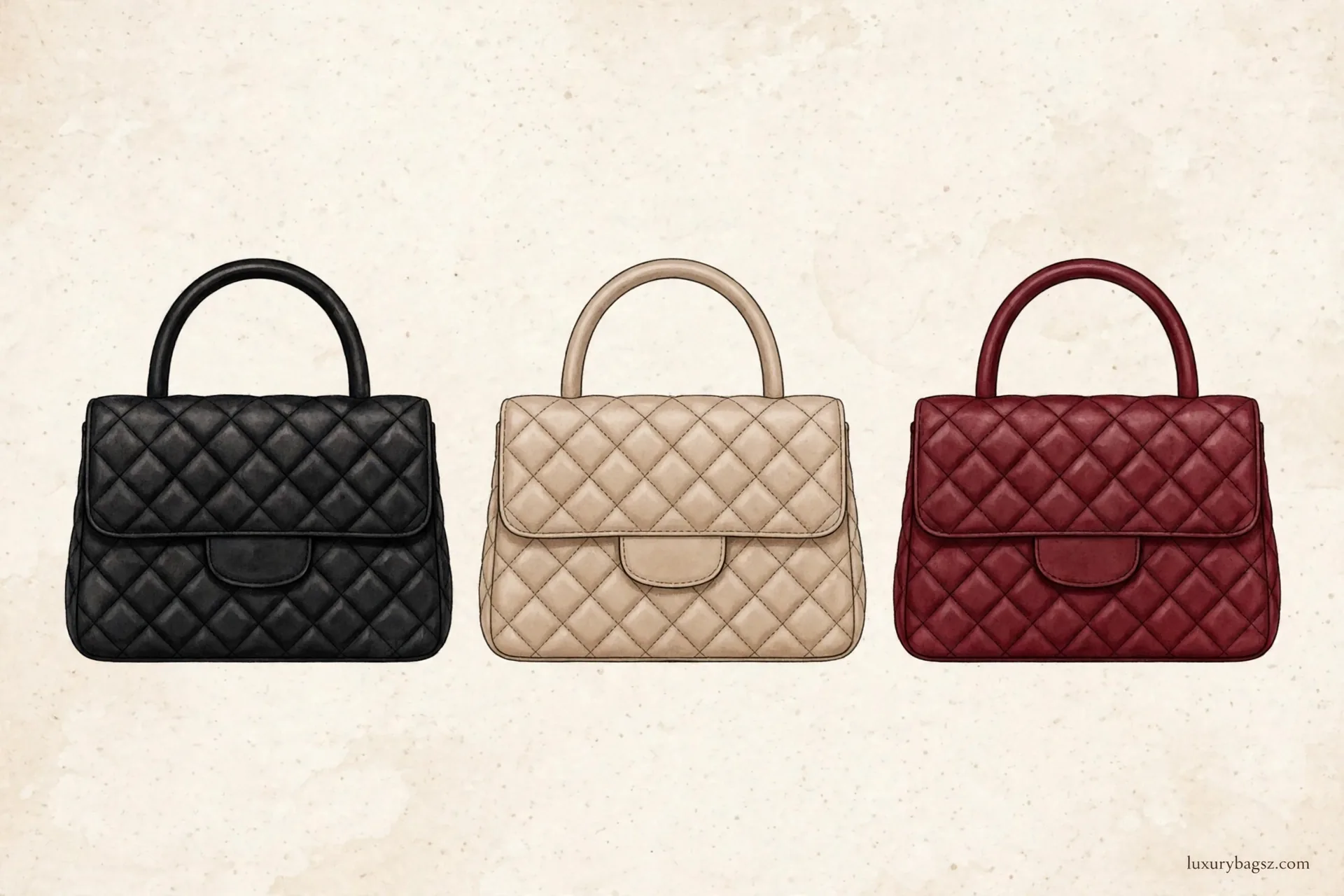
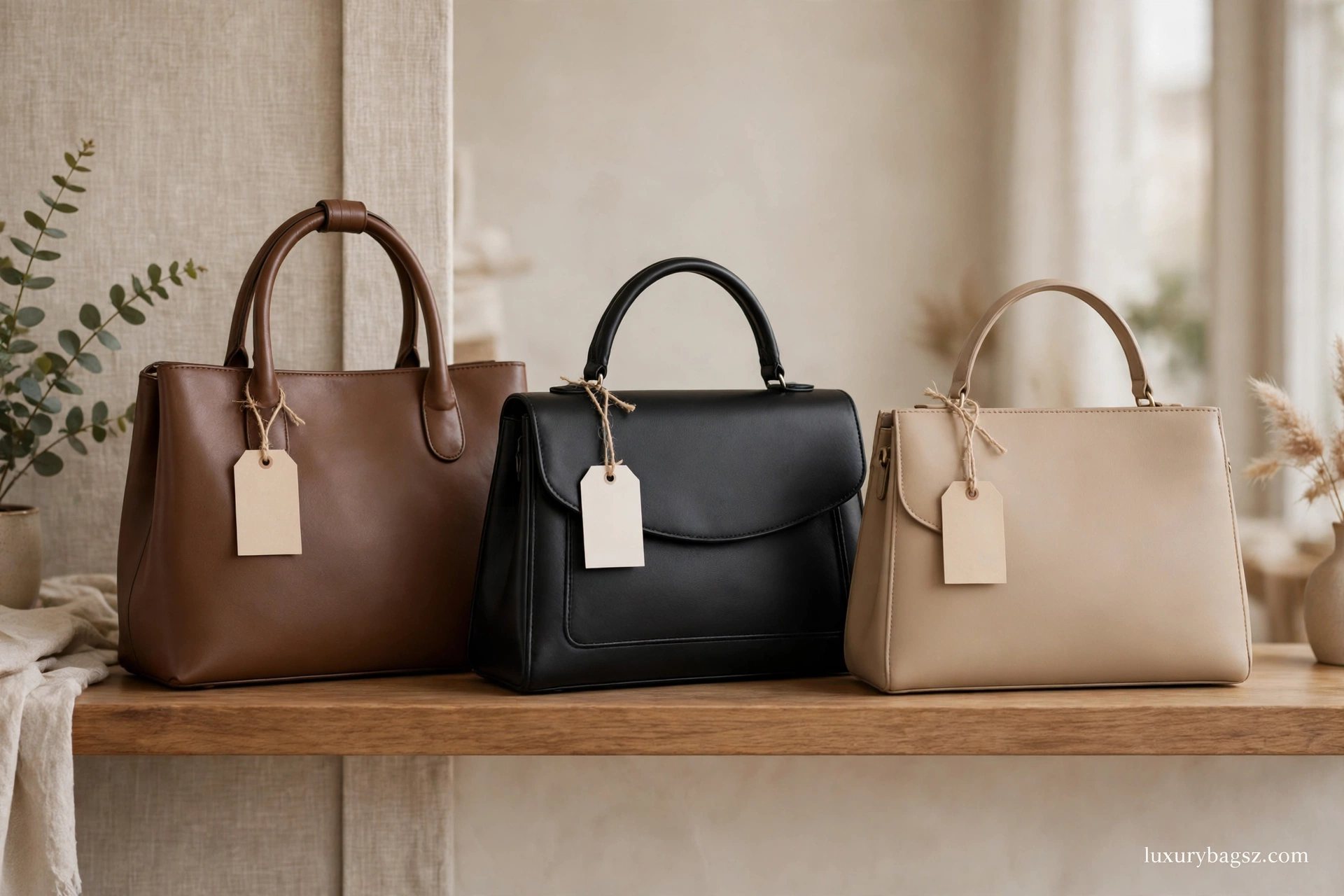
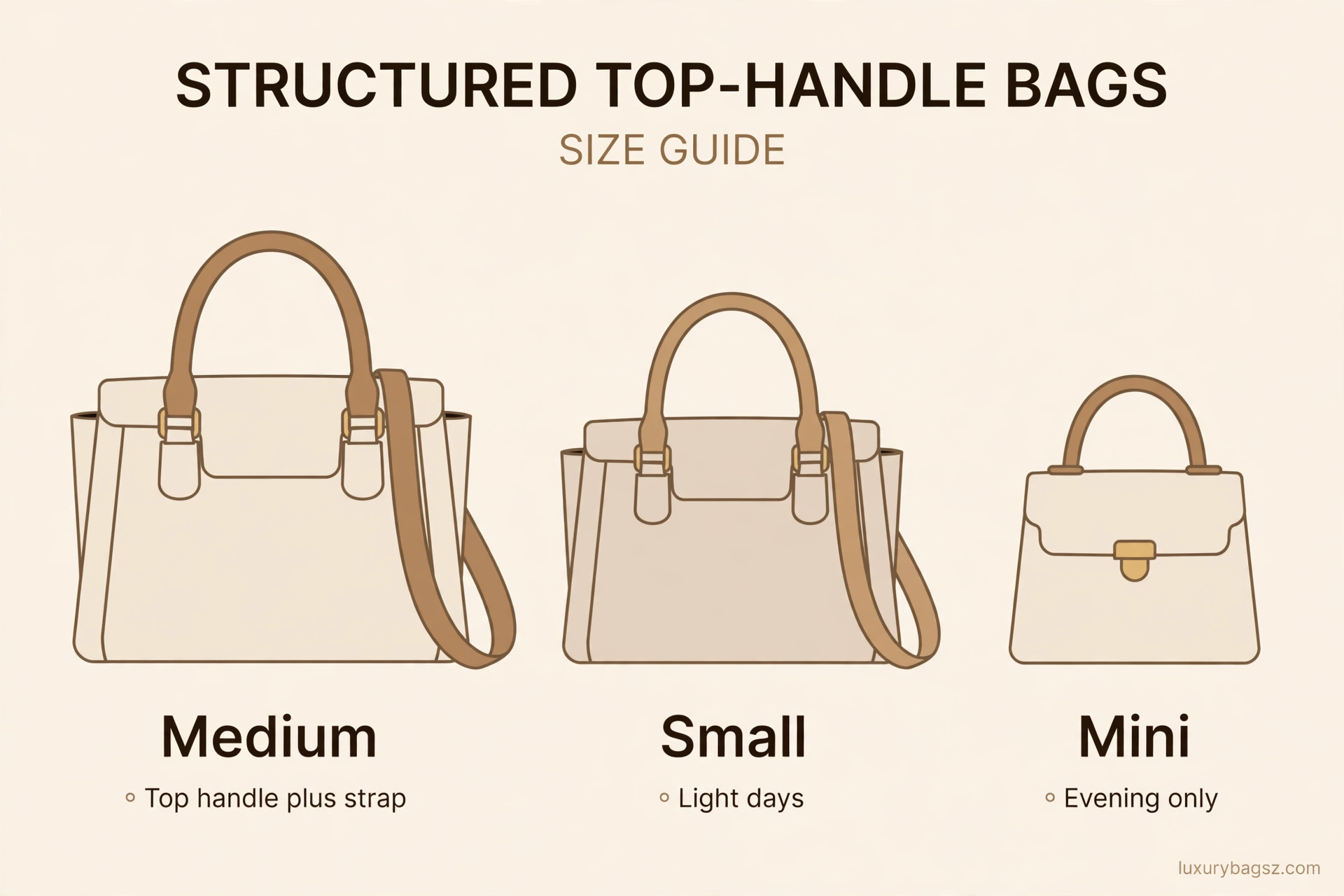
The core style is the top-handle bag, offered in medium and small sizes. Both have a framed opening with hinged sides, a single top handle and a detachable shoulder strap for longer wear. Alongside them came smaller shoulder bags and mini versions, some with chain straps. A mini works as an evening or crossbody piece but holds little more than a phone, cards and keys. Leathers included smooth calfskin, grainy leather, python and other exotic skins at the top end, plus canvas versions. Grainy leather is the practical pre-owned choice because it hides daily marks. Colours stayed mostly classic: black, white, beige, red and burgundy tones, with occasional brighter runway shades. Neutral colours are easiest to find and easiest to resell later.
What Fits Inside, Honestly
The medium top handle is the everyday size. It typically takes a phone, a small wallet, keys, a compact and sunglasses in a soft case, with the framed shape keeping everything upright and visible. The small top handle suits lighter days: phone, card holder, keys and one or two small extras. The rigid frame means bulky items fight the shape, so pack flat where you can. Minis and small shoulder versions are essentials-only bags. If you carry a large wallet or a paperback daily, they will frustrate you; try the medium first before falling for a mini's price. The framed opening is a genuine pleasure in use. It stays open while you look inside, unlike soft bags that collapse, and the hinged sides feel engineered rather than decorative.

How It Sits in the Gucci Family
The Zumi is the formal cousin in a family better known for softer shapes. Our GG Marmont bag guide covers the quilted, relaxed end of the range, which suits a very different wardrobe. For another named-after-a-muse classic, the Jackie 1961 guide shows how Gucci revives an archive shape; the Zumi, by contrast, was a new design wearing archive emblems. Choose the Zumi if your style leans tailored: coats, loafers, neat dresses. Choose the softer Gucci shapes if your wardrobe is mostly denim, knits and slouch. Because the Zumi left the line, it also escapes the constant price rises of in-production icons. Its value story is about condition and rarity, not boutique inflation.
Pre-Owned Checks Before You Pay
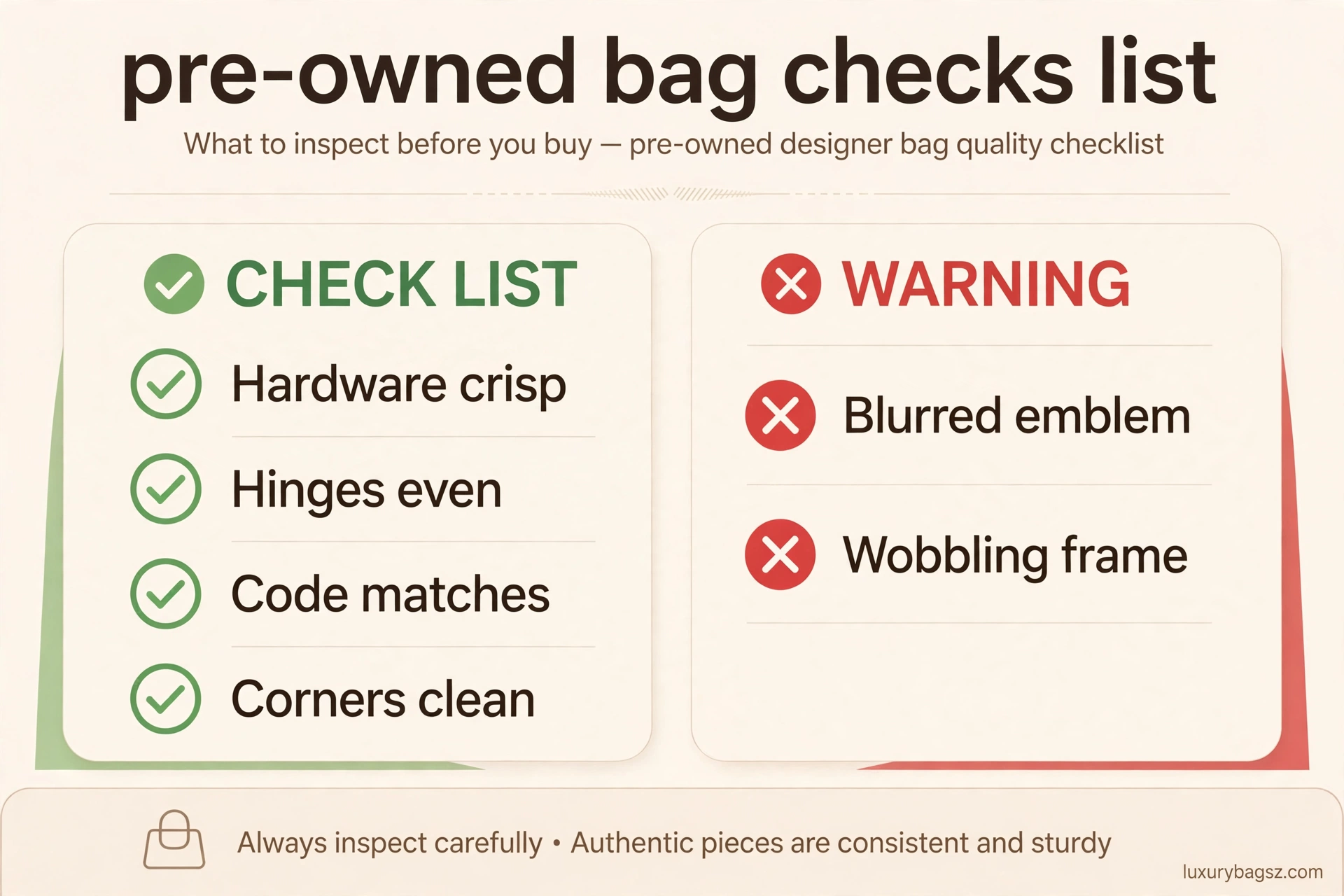
Start with the hardware plaque. The two-tone finish should be crisp, with gold and silver tones cleanly separated, tight screws and no flaking. Blurred emblem edges are a warning sign. Our full walkthrough on how to spot a fake Gucci bag covers the house-wide checks; add Zumi-specific ones: frame hinges that open evenly and a strap that matches the bag's leather and age. Check the interior label and date code format against known Gucci practice for the period, and ask for clear photos in daylight. Mismatched fonts or a code that makes no sense should end the conversation. Finally, judge wear where this bag shows it: corners of the frame, the handle's top edge, and scratches on smooth leather. Light wear is normal; cracked corners or a wobbling frame are not.
Condition, Leather and Colour Choices
Smooth leather Zumi bags look sharpest in photos and mark fastest in life. A smooth black bag with honest light scratches can still be a fine buy if the price reflects them. Grainy leather is the forgiving option and usually the best value, because sellers price the flawless smooth examples higher. Exotics command the most and need paperwork and extra care. White and pale bags need a frank look at colour transfer on the back panel, where denim rubs. Burgundy and black hide a working life best and suit the bag's formal mood. Whatever the leather, the structure is the thing to protect. A Zumi that has been stored stuffed keeps its architecture; one stored flat and squashed may never sit square again.
What You Should Expect to Pay
Original retail for the leather top-handle versions sat in the low-to-mid thousands of dollars, with exotics far higher. On the pre-owned market, typical asking prices are usually well under half of retail. As a rough guide, small leather versions often appear from around $600 to $1,100 depending on condition, with medium top handles commonly higher. Treat any single listing as a data point, not a promise. Prices move with completeness: dust bag, strap, authenticity cards and receipts all support value. A bag missing its detachable strap should cost noticeably less, because replacements are not sold separately. Compare at least three listings for the same size and leather before deciding. The Zumi market is thin, so patience is usually rewarded within a few weeks of watching.

Care and Keeping the Shape
Store the bag stuffed with soft paper, handle upright, inside its dust bag and away from direct light. The frame and hinges keep their alignment when the bag rests in its natural shape. Wipe smooth leather with a dry soft cloth after use and keep leather conditioner rare and light. Grainy leather needs even less; over-conditioning darkens it unevenly. Keep the two-tone hardware dry and polish it only with a plain jewellery cloth. Avoid household metal polishes, which can blur the contrast between the two finishes. New to buying discontinued bags? Our guide on how to buy a pre-owned designer bag safely sets out the seller checks that apply to the Zumi and every other retired style.
Frequently Asked Questions
Is the Gucci Zumi still sold in boutiques?
No. The Zumi was a late-2010s line and is no longer part of the current collection. Today it is found through pre-owned and vintage sellers, outlets occasionally, and resale platforms.
Who was the Zumi named after?
Musician and actress Zumi Rosow, a Gucci muse of that period. She carried the bag at its runway debut in the Spring Summer 2019 show in Paris.
What does the Zumi hardware show?
A combined emblem: the Interlocking G set within the Horsebit, finished in two metal tones. That fused plaque is the fastest way to identify the model at a glance.
Which Zumi size is best for everyday use?
The medium top handle. It holds daily essentials upright inside its frame, while the small and mini versions suit light days and evenings only.
Is smooth or grainy leather better pre-owned?
Grainy leather is usually the smarter buy. It hides small marks, ages evenly and often costs less than a flawless smooth example in the same size.
How much should a pre-owned Zumi cost?
Typically well under half of original retail. Small leather versions often list from roughly $600 upward, with medium top handles higher, depending on condition and completeness.
What wear should I check first?
The frame corners, the top edge of the handle, hinge movement, and scratches on smooth leather. Also check the back panel of pale bags for denim colour transfer.
Does the Zumi come with a shoulder strap?
The top-handle versions include a detachable shoulder strap. If a listing lacks it, the price should reflect that, as Gucci does not sell the strap on its own.
Is the Zumi a good investment bag?
Buy it to wear, not to speculate. Prices are stable rather than soaring, and its appeal is a distinctive design at a fair pre-owned price, not rapid appreciation.
How do I store a Zumi bag?
Stuffed with soft paper, handle up, in its dust bag, away from sunlight. Keeping the framed shape supported stops the hinges and corners from drifting out of line.
Final Verdict: A Formal Gucci at a Fair Pre-Owned Price
The Zumi rewards buyers who like structure: a framed, tailored bag with a one-of-a-kind fused emblem, now trading far below its boutique price. Pick grainy leather in the medium top handle, run the hardware and hinge checks, and buy the best condition your budget allows.