Festival-Season Styling: Outfit Formulas That Work From Gates to Last Set
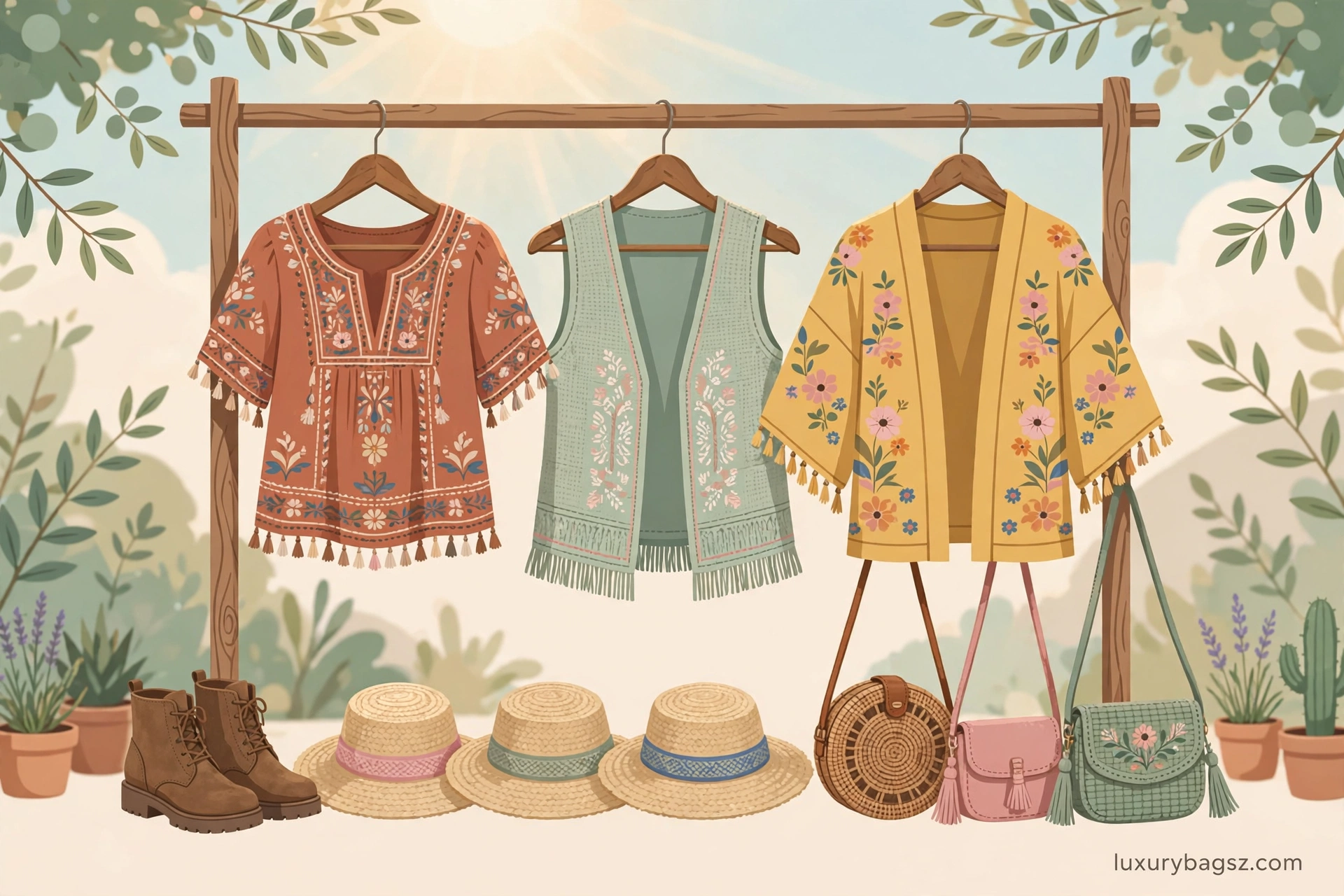
Festival Dressing, Solved: The Styling Brief
Good festival styling is a formula, not a costume: one breathable base, one hands-free bag, boots or trainers you can stand in for ten hours, and layers that handle sun, dust and a cold walk back at midnight. Build three repeatable outfits from pieces you already own, add one joyful item per look, and you will look deliberate in every photograph while everyone else is adjusting straps and hunting for pockets.
Key Takeaways
- Comfort is the style: breathable cloth, flat sturdy shoes, hands-free bags.
- Match the formula to the field: indie, dance, country and city festivals differ.
- A crossbody or belt bag beats a tote in every crowd, every time.
- Layers plan the whole day: heat at two, cold at ten, rain at any moment.
- One statement piece per outfit is enough; the rest should work hard.
- Buy boots and the bag first; dresses and tops rotate cheaply around them.
The Rules Every Festival Outfit Obeys
You will walk further than you expect, stand longer than you planned and sit on grass, dust or concrete. Clothes must survive all three gracefully, which rules out tight, precious and trailing at a stroke. Natural fibres and modern breathable blends both work if air moves through them. Test the outfit at home for a full hour, including sitting cross-legged and reaching both arms overhead. Pockets are a styling decision. If the outfit has none, the bag must do everything, so choose the bag before the dress, not as an afterthought in the doorway.
Formulas by Festival Type
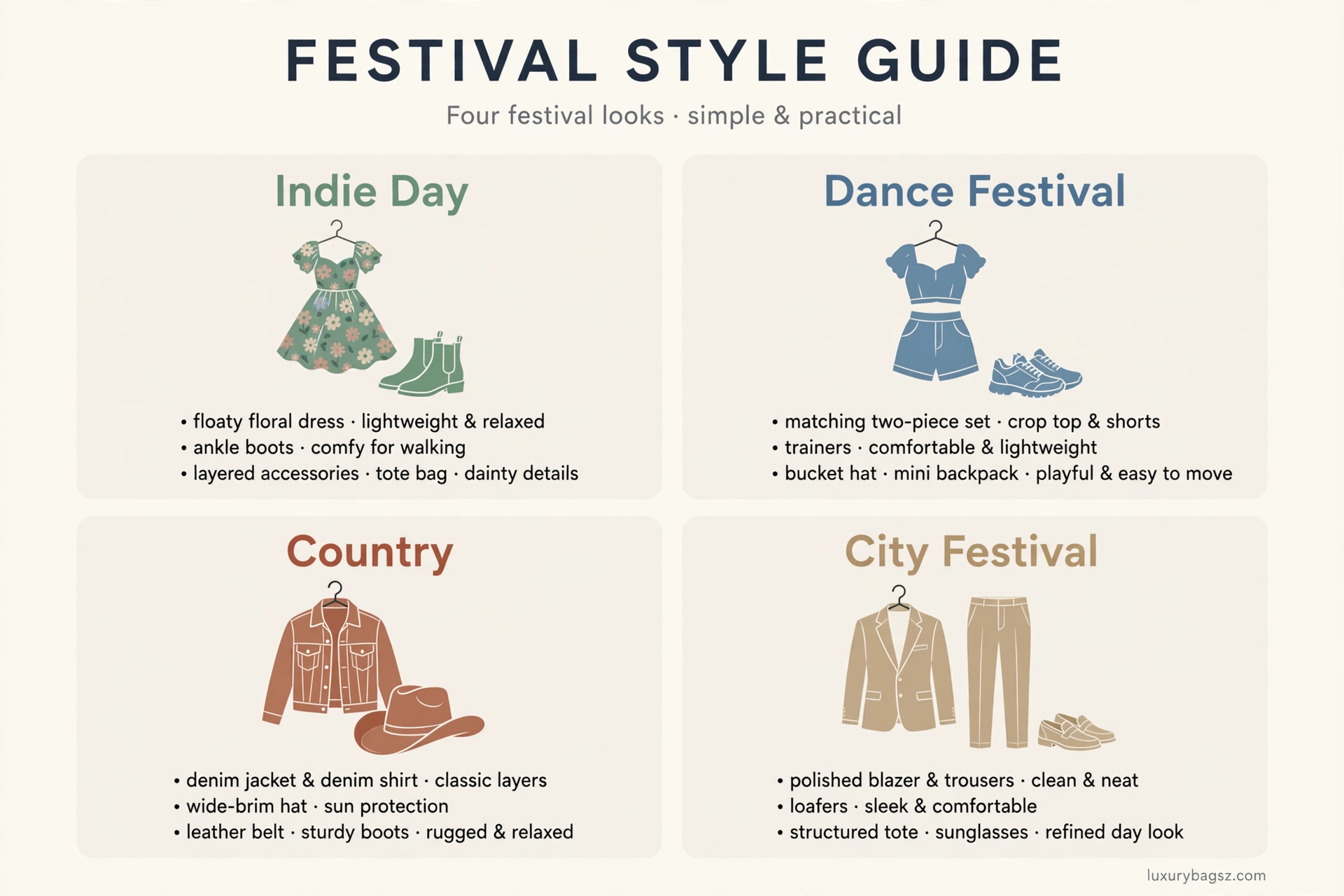
Indie and folk days suit floaty dresses, denim and boots. Dance festivals want secure straps, breathable two-pieces and trainers. Country line-ups take denim, plaid, fringe and a proper hat. City festivals, one stage in a park, are the most forgiving: a polished day look with a crossbody and trainers passes from brunch to headline set without a costume change. Rock and metal crowds reward black denim, band tees and boots that laugh at mud. Whatever the genre, keep the silhouette simple and let one print, one texture or one colour carry the fun.
Dresses and Two-Pieces That Survive the Field
A midi dress in cotton or viscose, with straps wide enough for a normal bra, is the hardest-working festival piece. It moves, photographs well and needs no adjusting between sets. Our summer dresses guide covers the cuts that flatter in heat; for fields, add a hem you can lift in one hand and a lining that stops at the thigh so the skirt still swings. Two-pieces are the practical rival: a cropped top with wide trousers or a long skirt gives you pockets, a loo-friendly outfit and separates that remix across the whole weekend.

Tops, Denim and the Joyful Piece
Denim shorts remain the default for a reason, but wide denim trousers and a denim skirt both photograph better and chafe less by hour six. Dark washes hide dust; white denim is a gamble. Tops should layer cleanly: a fitted vest or tee under an open shirt by day becomes a closed, warmer outfit by night without carrying a second look in your bag. Then the joyful piece: a sequin top, a fringed jacket, a bright scarf. One per outfit. Our edit of designer straw bags shows the woven option that softens denim days beautifully.
The Bag: Crossbody, Belt Bag or Mini Backpack
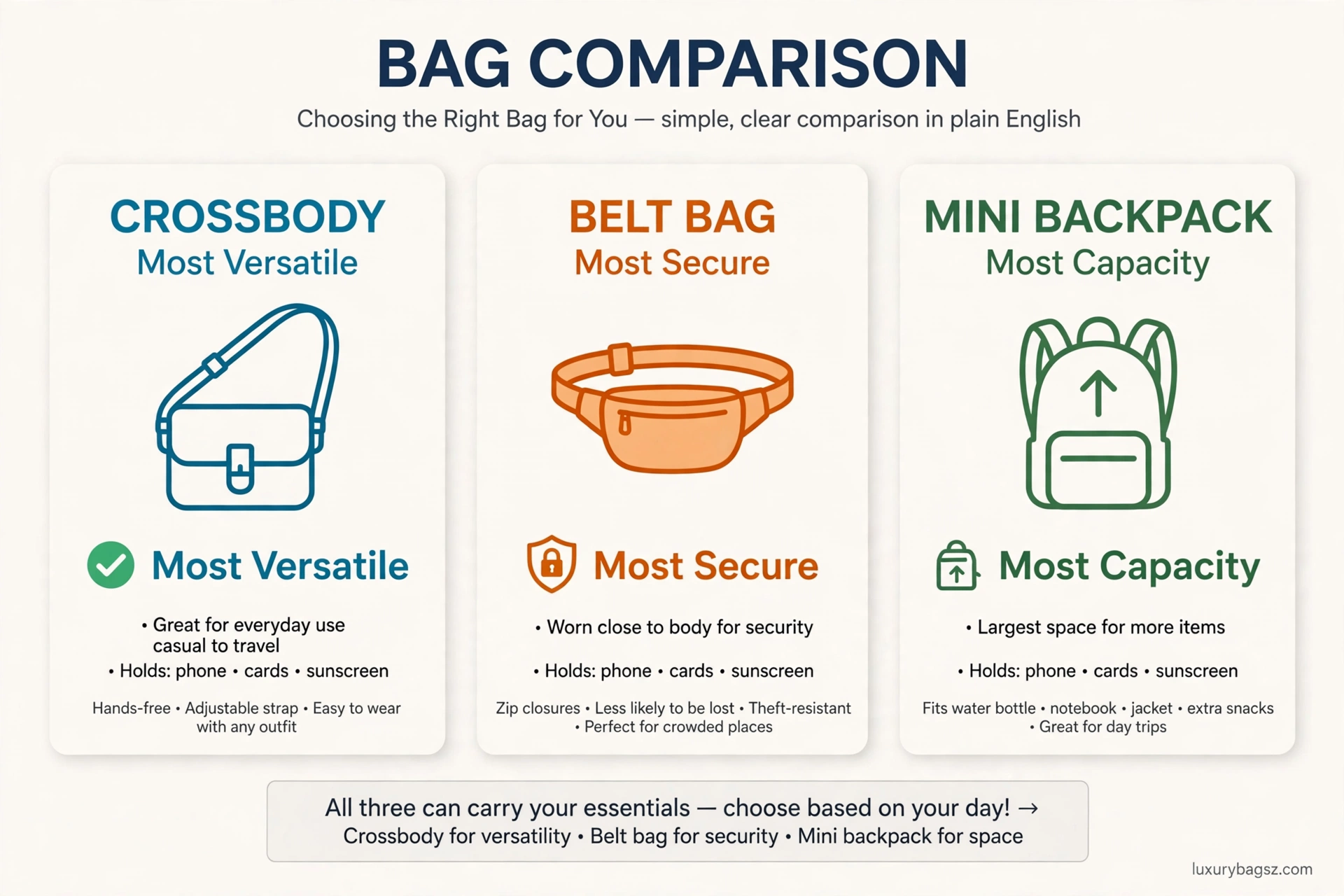
Hands-free is non-negotiable. A crossbody sits against the body in crowds, a belt bag is the most secure of all, and a mini backpack wins only when you truly need a water bottle and a layer inside. Size honestly: phone, card holder, sunscreen, lip balm, tissues, earplugs. Our comparison of the best designer crossbody bags covers the shapes that hold exactly that without swinging. Choose a zip closure, an adjustable strap and a finish that tolerates dust and a splash of rain. Pale suede and delicate chain straps belong to city festivals only.
Footwear: Boots First, Trainers Second
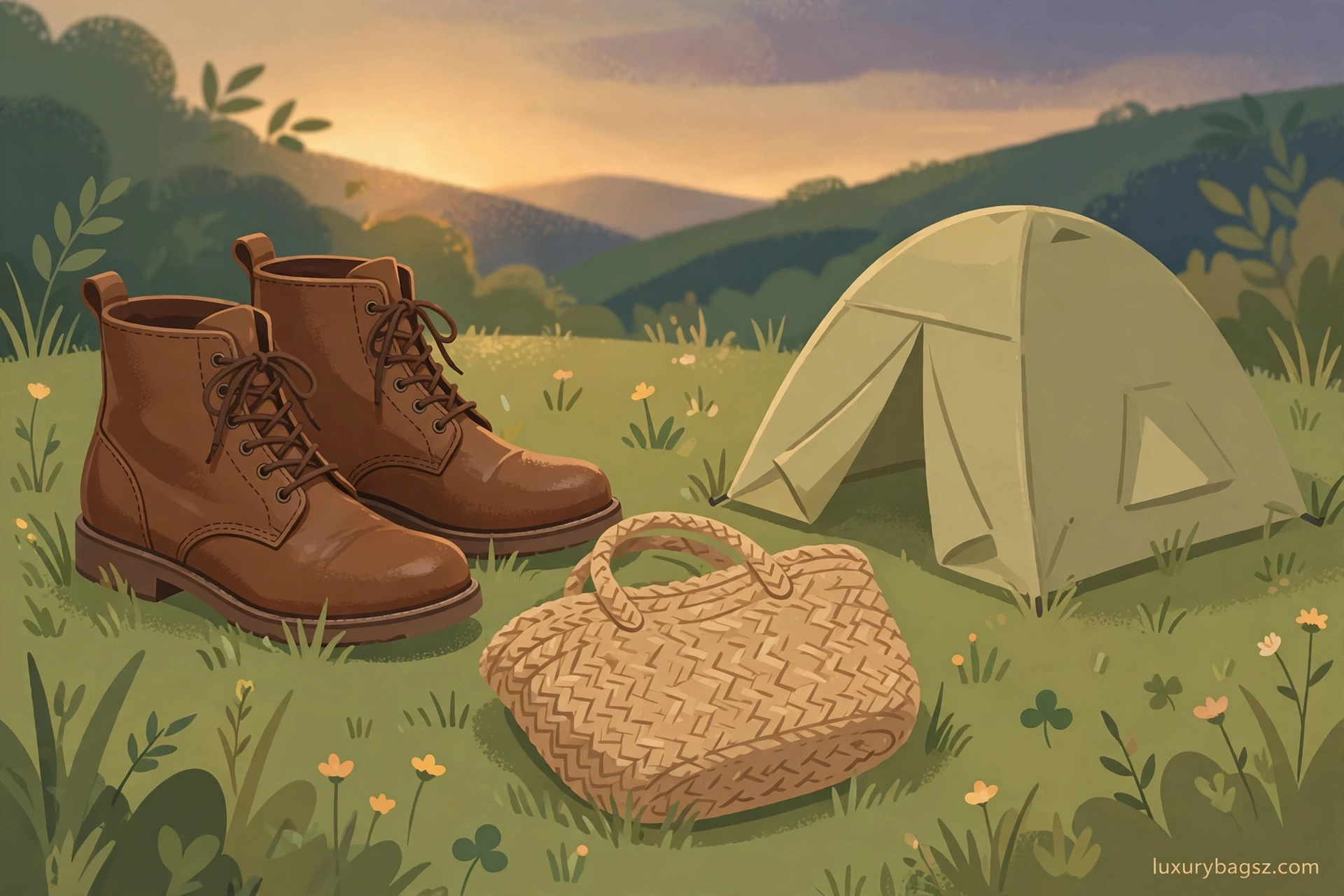
Ankle boots with a low block heel or flat sole are the classic answer: closed toes against crowds, support for standing, and enough polish to lift a plain dress at night. Trainers are the dance-festival equal: cushioned, broken in, and never the brand-new white pair you care about. Festival fields retire white trainers in a single afternoon. Sandals only suit seated, city or beach settings. Our guide to summer sandals day to night helps there, but on grass, dust works into straps and feet suffer by the second act.
Layers and Weather: Plan the Whole Sky
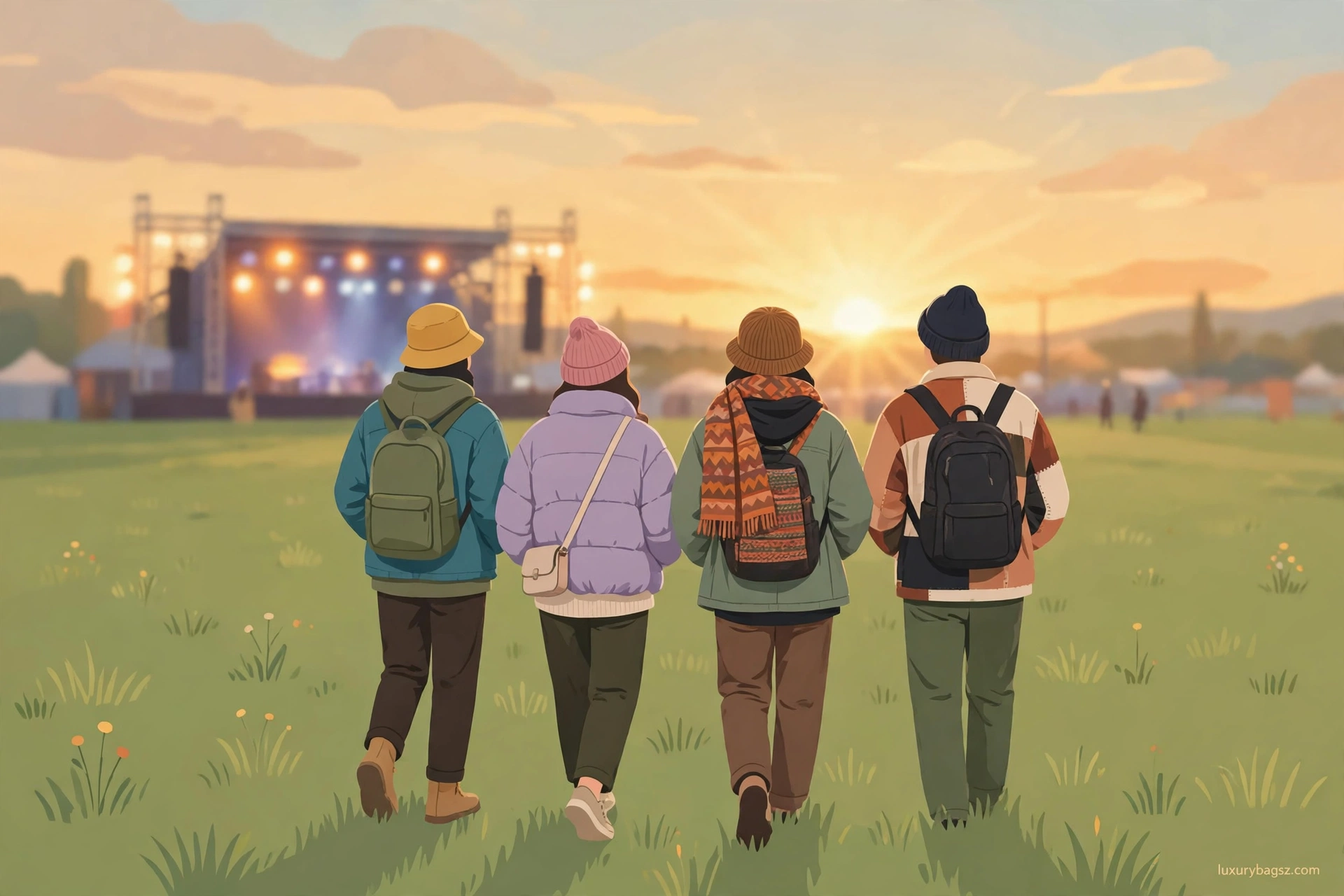
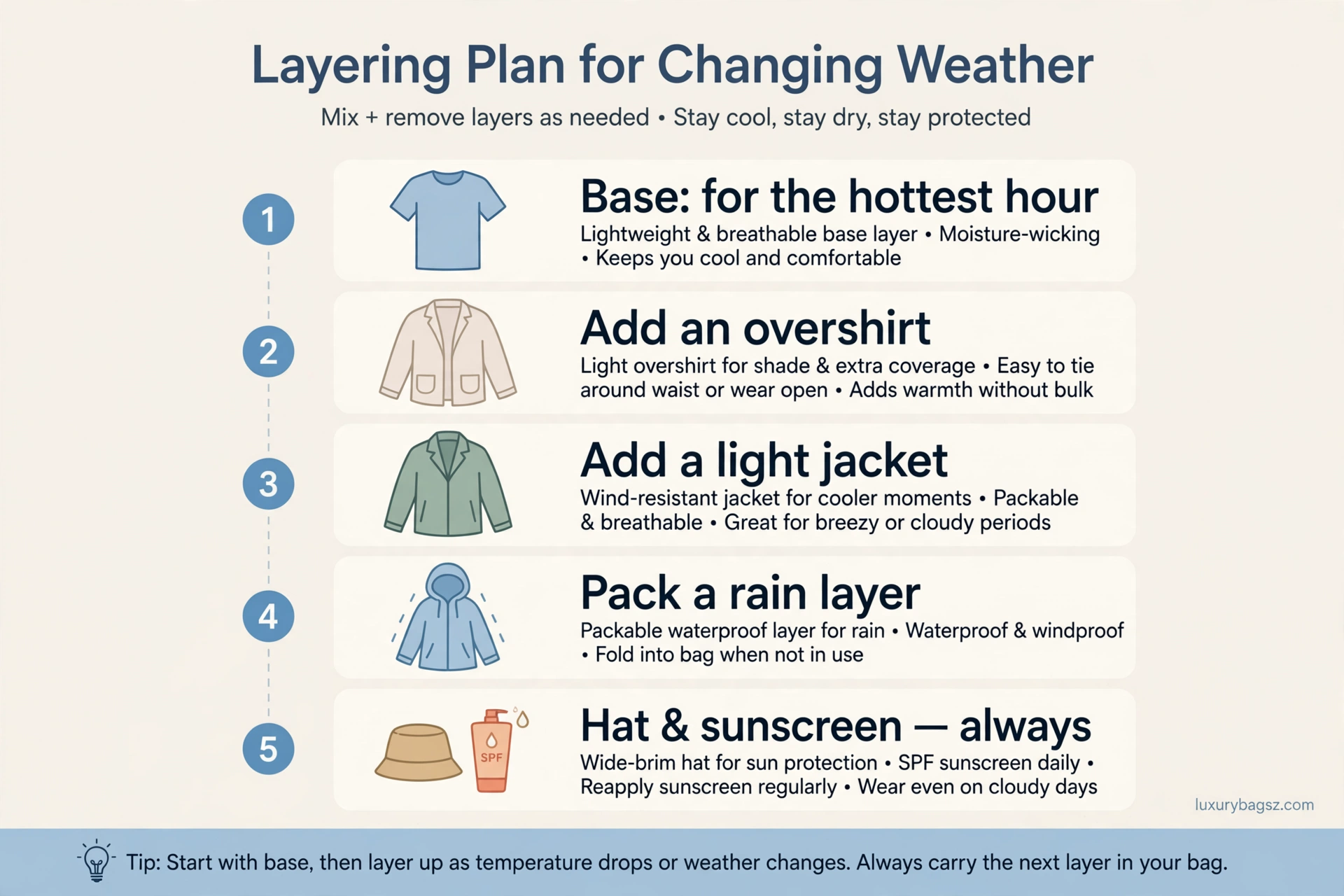
Start with the base for the hottest hour, then add in order: an overshirt, a light knit or denim jacket, and a packable rain layer. Each piece should look intentional worn alone. Hats and sunscreen are styling, not admin. A wide hat finishes boho and country looks; a cap suits dance and city days; both save your parting from the classic festival sunburn stripe. Evenings cool faster in fields than in cities. The friend in the photograph shivering at the headline set skipped this plan; the one still dancing planned for ten degrees colder than noon.
What to Spend, What to Borrow, What to Skip
Spend on boots and the bag: both repeat across every festival for years and both fail expensively when cheap. Mid-range dresses and tops rotate with trends, so buy them on sale without guilt. Borrow or buy second-hand for the joyful piece; sequins and fringe have low cost-per-wear in a normal wardrobe. Skip anything dry-clean-only, anything white below the knee, and all brand-new shoes. Pack by outfit, not by item, and photograph each full look at home. On site, dressing becomes a two-minute decision and the weekend belongs to the music again.
Frequently Asked Questions
What is the best festival outfit formula?
A breathable midi dress or two-piece, ankle boots or cushioned trainers, a zipped crossbody bag, an overshirt for evening and a hat. It works at almost any festival.
Which bag is best for a festival?
A zipped crossbody or belt bag sized for phone, cards, sunscreen and lip balm. It stays against your body in crowds and leaves both hands free all day.
Are sandals ever right for festivals?
Only for seated, beach or city park events on dry ground. For standing fields, closed boots or trainers protect your feet and survive dust and mud far better.
How do I style for hot days and cold nights?
Dress for the hottest hour, then layer: overshirt, light jacket, packable rain shell. Tie or pack each layer so the outfit still looks deliberate as you add pieces.
What should I never wear to a festival?
Brand-new shoes, white trousers in a field, a tote bag, dry-clean-only fabrics and anything you must adjust constantly. Each one fails before the headline set.
Can I wear designer pieces to a festival?
Yes, the sturdy ones: a good crossbody, leather boots, a woven tote for seated areas. Leave delicate suede, pale colours and heirloom jewellery at home.
How many outfits do I need for a weekend festival?
Three planned outfits with shared boots and bag. Photograph each at home so packing and dressing on site take minutes, not a morning of second-guessing.
What colours photograph best at festivals?
Warm neutrals, denim blue, white tops and one saturated colour. They suit grass, dust and golden-hour light, and they hide a day's wear better than black in full sun.
How do I keep valuables safe in crowds?
Zip everything, wear the bag in front in dense crowds, keep cards and cash split between bag and pocket, and leave anything irreplaceable at home entirely.
What is the one upgrade that improves every look?
Fit and footwear. Boots that suit the dress length and an outfit you have tested sitting, walking and dancing in will look better than any trend piece worn uncomfortably.
Conclusion: Three Formulas, Zero Fuss
Festival styling rewards planning, not spending. Lock the bag and boots, rotate breathable dresses and two-pieces around them, layer for the whole sky, and add exactly one joyful piece per day. You will look like you meant it, because you did.