

How to Spot a Fake Hermès Avalon Blanket: Weave, Label and Stitch Checks
Check the Weave First
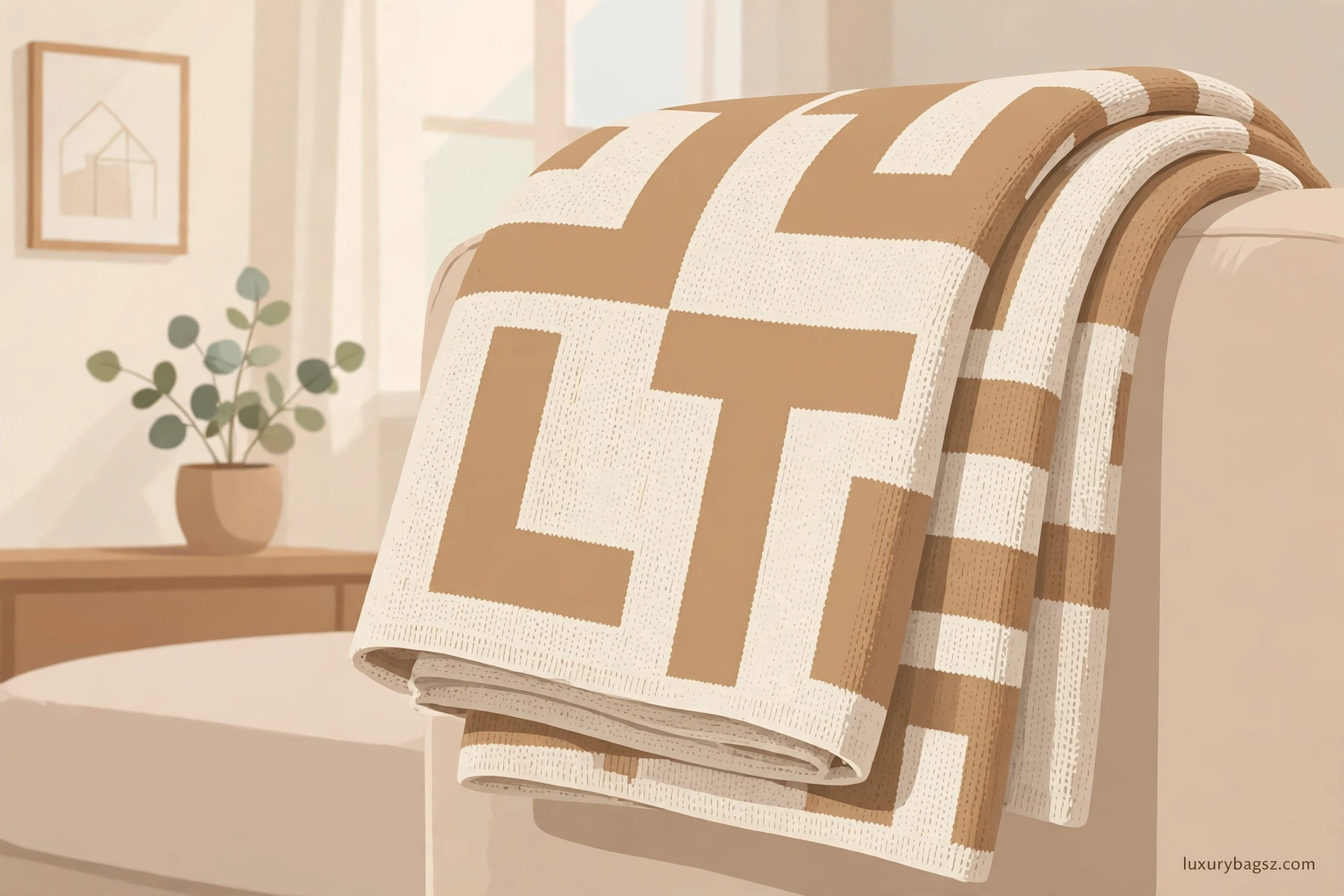
To spot a fake hermes avalon blanket, start with the weave, not the logo. A genuine Avalon is a dense, even jacquard weave in a merino wool and cashmere blend, with crisp pattern edges and a clean, secure label. Copies usually fail on looseness, shine and sloppy finishing.
Avalon basics are covered in our guide to what is a Hermès Avalon blanket; this guide is purely the authentication side, for buyers facing resale listings and too-good prices.
Work through the checks in order. One failure is a warning; three failures mean walk away.
Key Takeaways
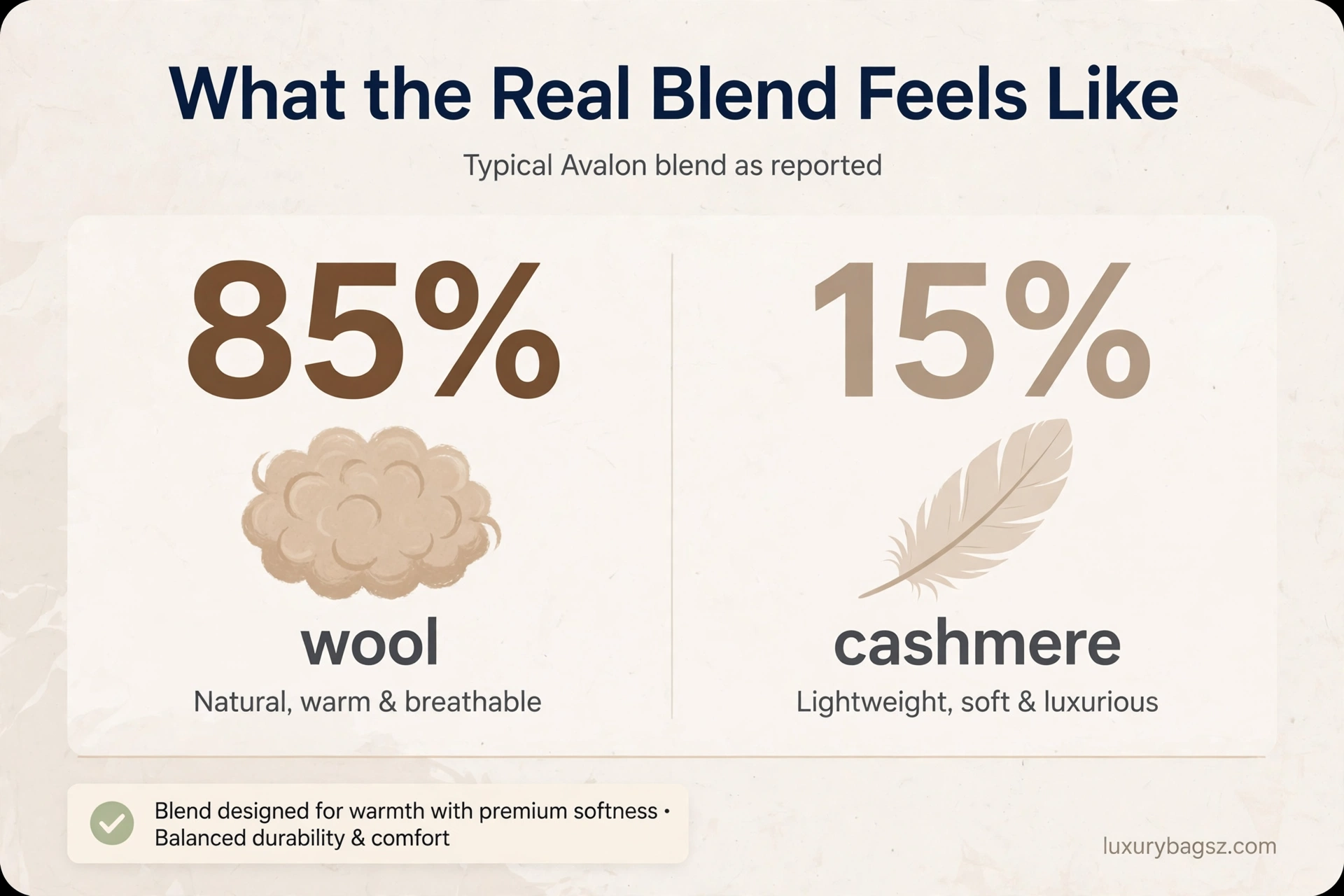
- Genuine Avalon blankets use a wool and cashmere blend, commonly reported as around 85% wool and 15% cashmere.
- The jacquard pattern is woven in, not printed: it reverses cleanly on the back of the blanket.
- The label should be neatly finished, securely attached and crisply printed, matching known Hermès labels.
- Stitching and hems on a genuine blanket are precise and uniform; loose threads and wavy edges suggest a copy.
- Check the size against the official listing for the model, and treat four-figure discounts as a red flag.
- No home check replaces a professional opinion on an expensive purchase.
The Weave and Pattern Check
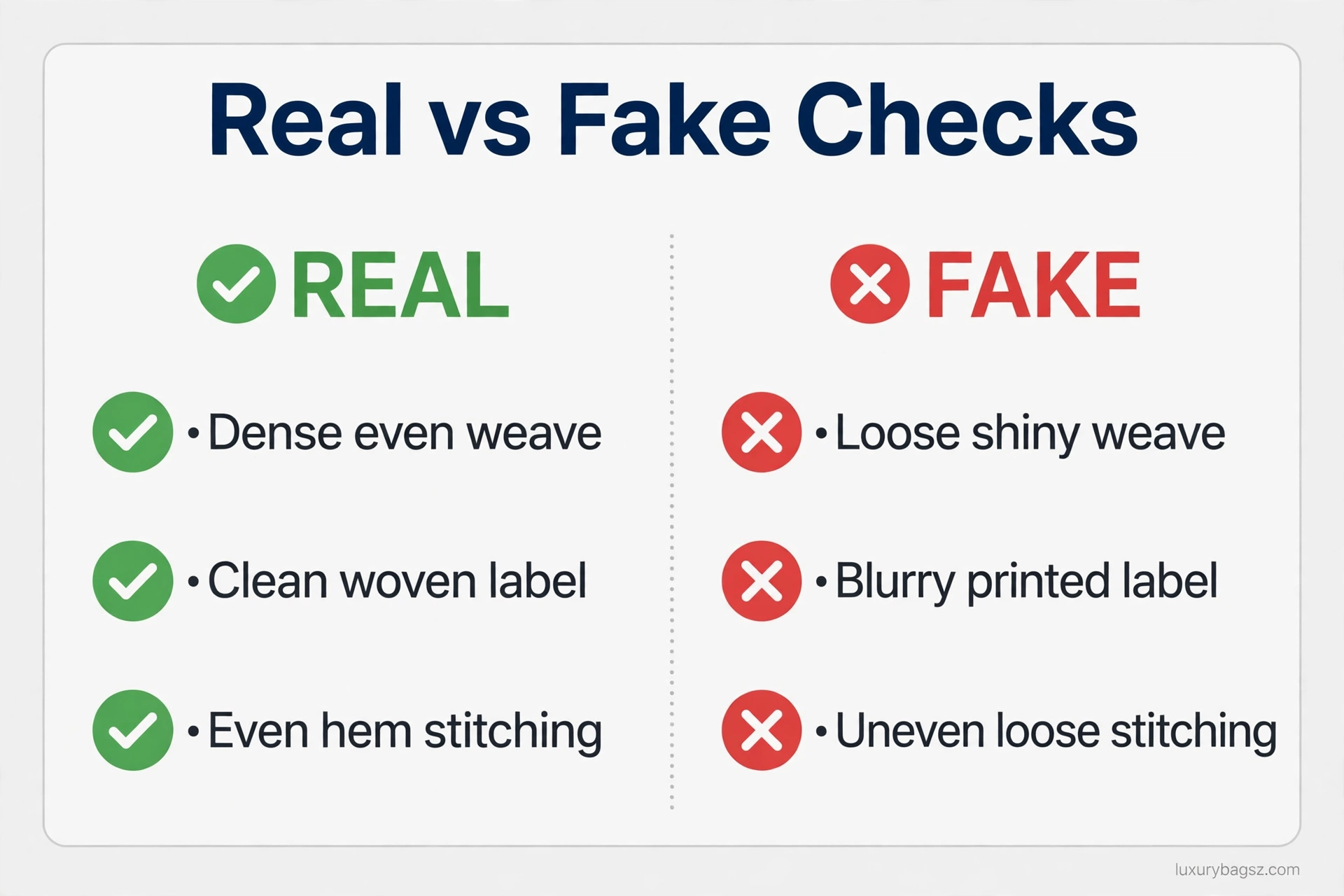
Run your hand slowly across the surface. A genuine Avalon feels dense and matte, with the pattern formed by the weave itself. The design stays sharp at the edges of each motif.
Copies often feel looser and slightly shiny, because cheaper fibres and looser looms cannot hold the pattern tightly. Look closely at corners of the design: fuzziness there is a bad sign.
Turn the blanket over. On a woven jacquard, the pattern appears in reverse colours on the back. A printed fake looks flat and one-sided by comparison.
Stretch a small area gently between your fingers. A dense genuine weave resists and springs back evenly; a loose copy weave shifts, gaps and feels reluctant to recover.
The Fibre and Feel Check
Authentication guides consistently describe genuine Avalon blankets as a premium merino wool and cashmere blend, with the softness and weight that blend produces.
A fake often substitutes acrylic or cheap wool blends. The giveaway is a slight synthetic shine, a squeaky or plasticky hand-feel, and static. It also tends to feel lighter than it should for its size.
Fibre content should be stated on the label. If the label lists mostly synthetic fibres on a blanket sold as Avalon, the answer is already clear.
The Label Check
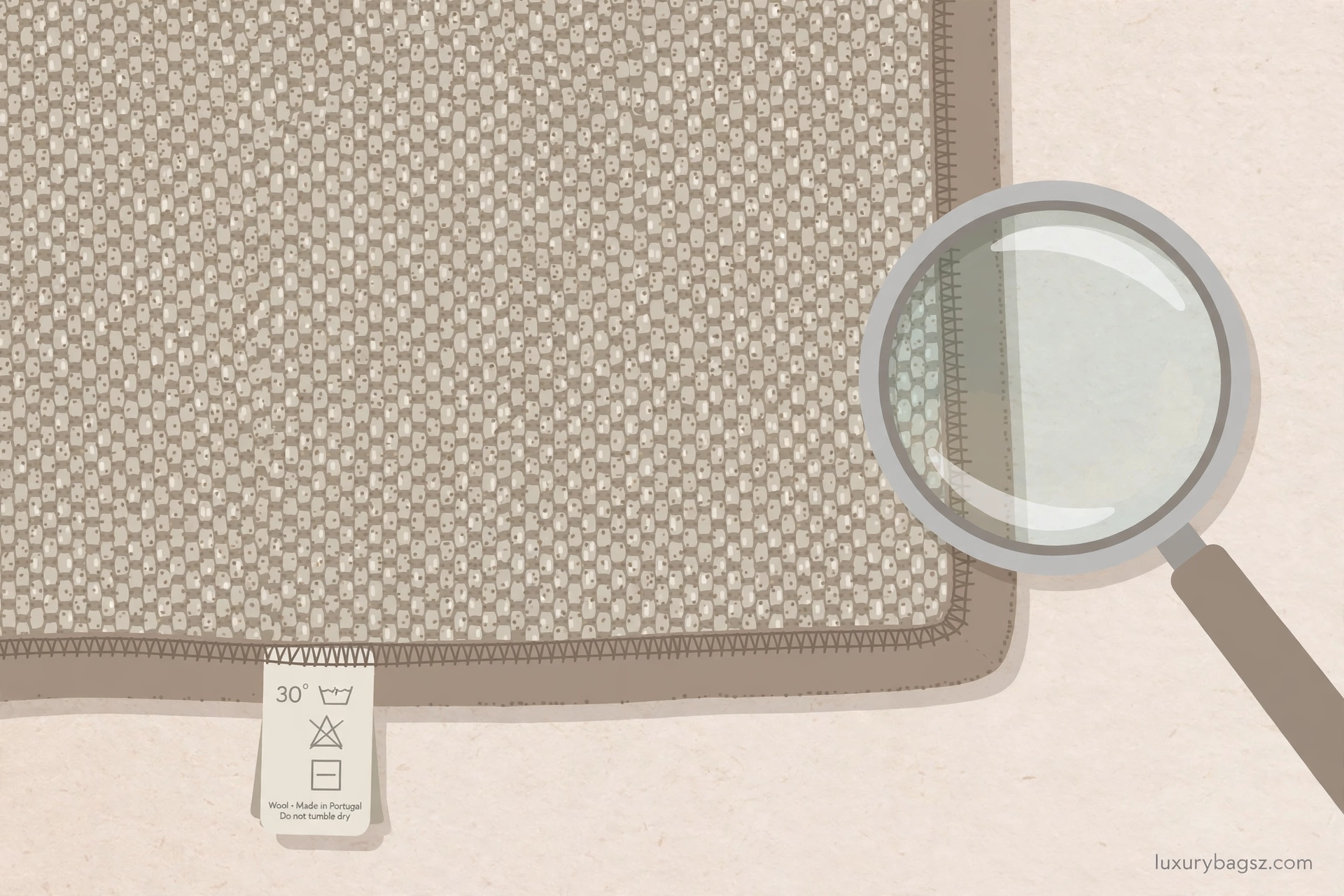
Study the care and brand label closely. On a genuine blanket it is neatly finished, securely stitched and printed with clean, consistent lettering that matches Hermès standards.
Fakes commonly show blurry or uneven printing, wrong font details, spelling slips, or a label hanging by loose threads. Compare letter shapes against a verified label photo from a trusted source.
One caution from authenticators: label colours and small details can vary across production periods, so judge the label's overall quality, not one detail alone.
Stitching and Hem Checks
Hermès finishing is meticulous. The hem stitching on a genuine Avalon runs straight and even, with consistent spacing and no loose ends, puckering or skipped stitches.
Copies falter here first. Wavy lines, uneven tension, stray threads and roughly finished corners are all typical of fast production rather than careful finishing.
Check all four edges, not just one. A blanket can look tidy on its best side; consistency around the whole piece is much harder to fake.
Size, Weight and Colour Checks
Measure the blanket and compare it with the dimensions Hermès lists for that Avalon model. Copies drift in size, sometimes by several centimetres, because they are copied from photos, not patterns.
Weigh it if you can. The genuine wool-and-cashmere weave has real heft; suspicious lightness supports what the fibre check suggested.
Colours should match official colourways exactly. Avalon shades are specific and dyed to standard; off-tones, harsh contrasts or colours Hermès never sold are strong warnings.
Work the checks in a fixed order — weave, fibre, label, stitching, size, price — and write down what you find. A blanket must pass all of them, not most of them.
That discipline matters because good copies are uneven: the weave may be corrected on one batch while the labels stay wrong. The check a seller hopes you skip is usually the one that fails.
The Price and Packaging Checks
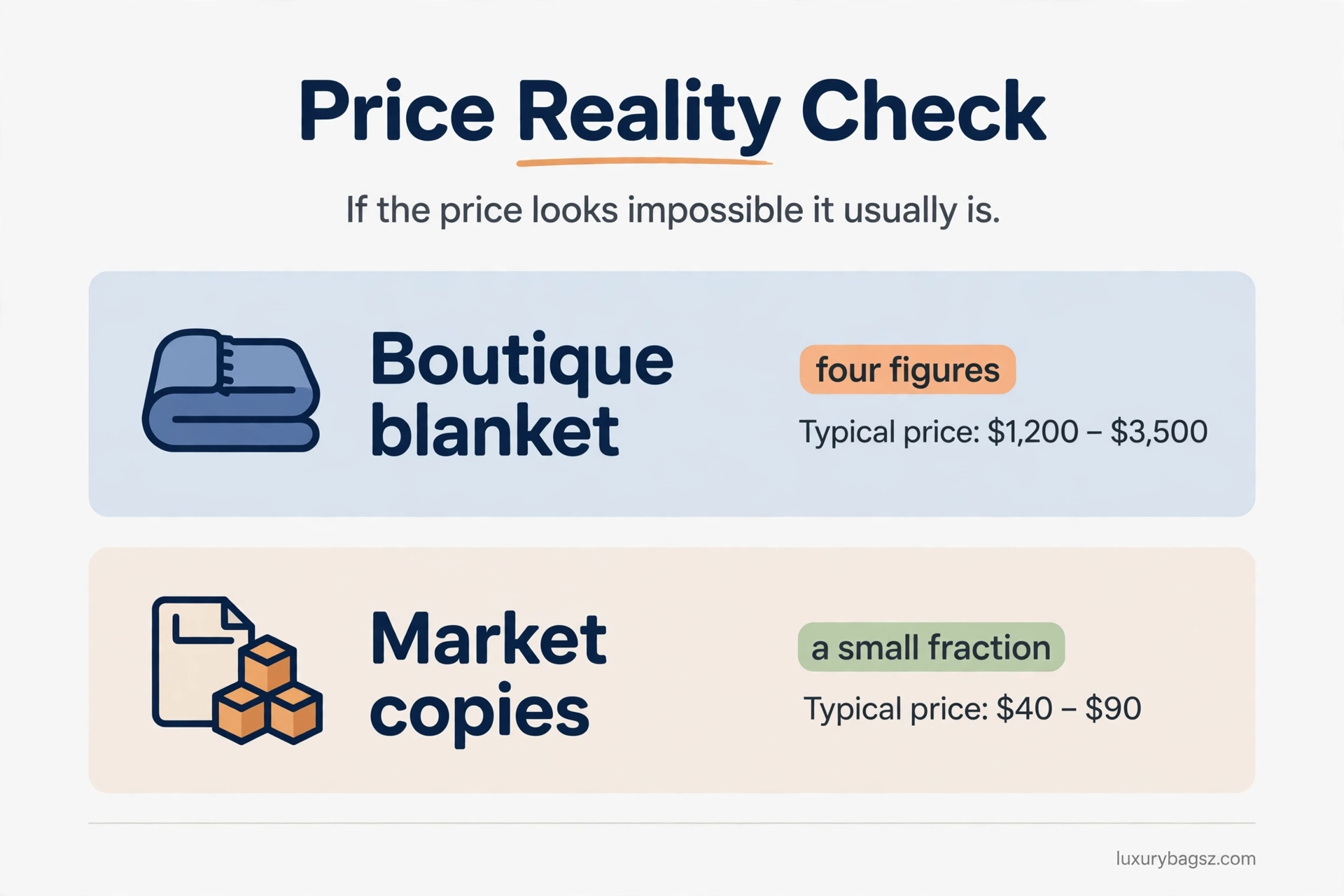
A genuine Avalon blanket is a four-figure purchase at retail. Listings offering a new, boxed Avalon for a small fraction of that are describing a copy, whatever the seller calls it.
Packaging supports, but never proves, authenticity. Genuine blankets arrive in the house's orange box with careful presentation; copies ship in plain bags or thin, off-colour boxes.
Ask for the original receipt or boutique proof on expensive resale buys. Refusal is not proof of a fake, but it removes your best supporting evidence.
Buying Safely Second-Hand
Buy from resellers who authenticate and accept returns. Marketplaces with buyer protection are safer than social media sales with bank transfers and no recourse.
Ask for close photos of the label, all four hems, the reverse side and the full pattern in daylight. A genuine seller of a genuine blanket can supply all of these in minutes.
The same discipline we teach for how to spot a fake Hermès silk scarf applies here: slow down, compare against verified references, and never let a deadline rush you.
When in doubt, pause the purchase. Avalon blankets are not rare, and a seller who rushes your checks is telling you something the checks themselves might not.
Care That Protects a Genuine Blanket
Once yours passes the checks, keep its value with gentle care. Wool and cashmere dislike agitation, heat and harsh detergents, all of which felt and fade the weave.
Follow our step-by-step how to wash a Hermès blanket safely guide rather than improvising, and store the blanket clean, folded and away from moths.
Keep the box, receipt and any authentication paperwork together. Complete provenance supports both insurance and any future resale price.
Frequently Asked Questions
What is a real Avalon blanket made of?
A merino wool and cashmere blend, commonly reported as around 85% wool and 15% cashmere. The label should state the fibre content clearly.
Is the Avalon pattern printed or woven?
Woven. It is a jacquard weave, so the pattern appears in reverse colours on the back. A flat, one-sided print is a strong sign of a copy.
Can I authenticate from the label alone?
No. Labels vary slightly across production periods. Judge label quality alongside weave, stitching, size and price; several weak checks together are decisive.
Why does a fake blanket feel shiny?
Cheaper synthetic blends reflect light differently from wool and cashmere. A slight shine with a light, squeaky hand-feel is a classic copy giveaway.
What size should an Avalon blanket be?
Sizes vary by model, including throw and baby formats. Measure the blanket and compare it with the official dimensions for that exact model before buying.
Does the orange box prove a blanket is real?
No. Boxes are copied too. Treat packaging as supporting evidence only; the blanket's weave, label and finishing carry the real weight.
Where is the safest place to buy second-hand?
From resellers who authenticate in-house and accept returns, or marketplaces with genuine buyer protection. Avoid no-returns social sales for four-figure items.
What should I ask a seller for?
Daylight photos of the label, the reverse side, all four hems and the full pattern, plus measurements and any receipt or boutique proof they hold.
Are there good Avalon dupes?
There are many lookalike throws. A dupe sold honestly as a dupe is fine decor; the problem is copies sold as genuine Hermès at genuine-level prices.
When should I pay for professional authentication?
Whenever the price is significant to you, or any two checks worry you. A professional service costs little compared with a four-figure mistake.
Final Verdict
A real Avalon convinces at the level of weave, fibre and finishing long before you read its label. Check those three first, confirm size and price sense, and buy only where returns are possible.
If a blanket fails several checks, believe the evidence, not the listing.






