

Are Christian Louboutin Shoes Worth It? An Honest Splurge Verdict on Price, Comfort and Resale
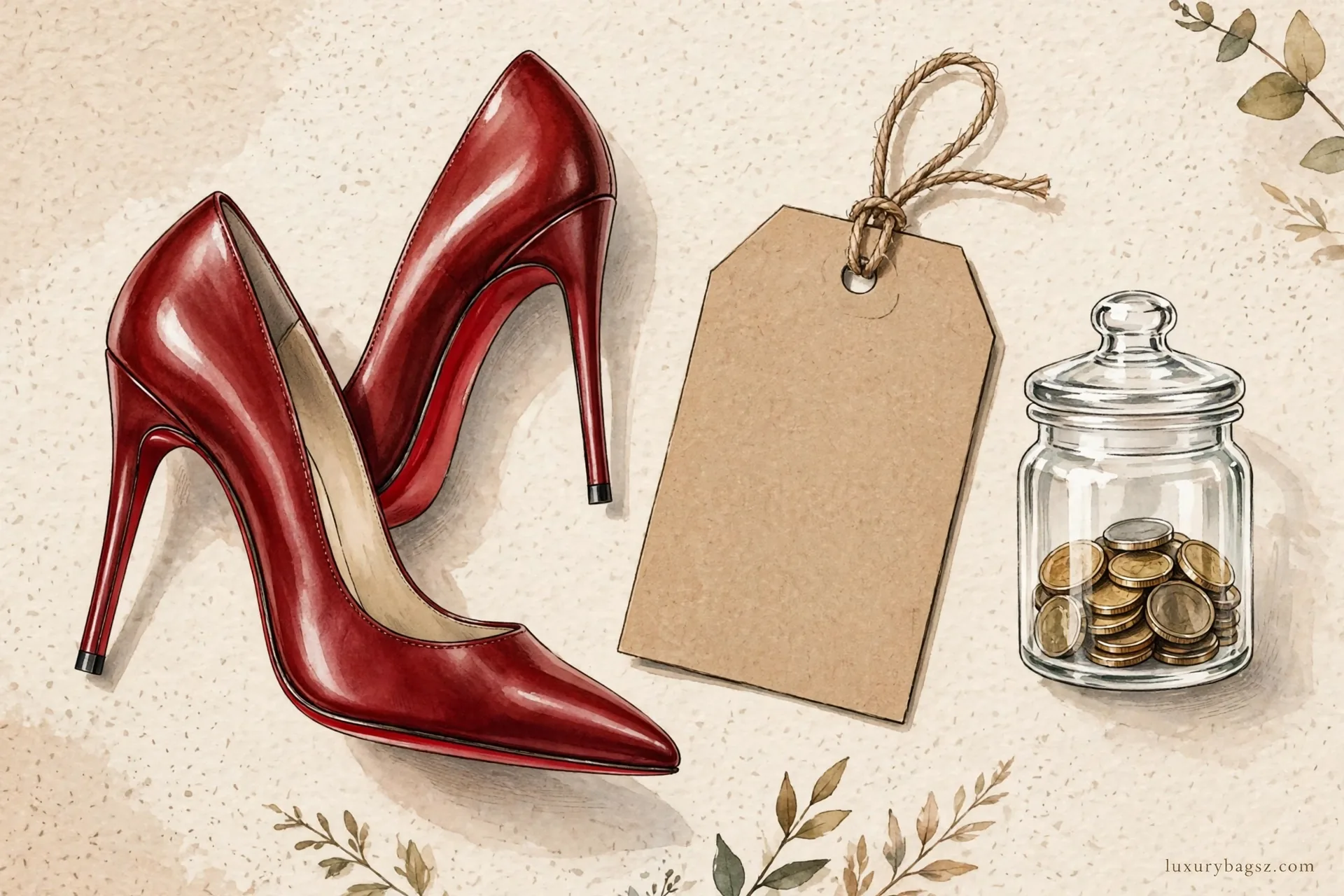
The Splurge Verdict in Short: Worth It for the Right Buyer
Yes, Christian Louboutin shoes are worth it if you buy a classic shape, wear it often for the right occasions, and value the design and the feeling as much as the making. No, they are not worth it as an all-day comfort shoe or a guaranteed investment. The honest answer sits in how, and how often, you will actually wear them.
Key Takeaways
- You pay for design, Italian making, materials and one of fashion's strongest signatures.
- Comfort is the weak point at high heel heights; lower styles are far kinder.
- Classic colours and shapes give the best cost per wear and the steadiest resale.
- Sole protectors and heel-tip care keep both the look and the value alive.
- Pre-owned classics can deliver the same effect for much less money.
- Buy for evenings and events you truly attend, not for an imagined diary.
What the Price Actually Buys
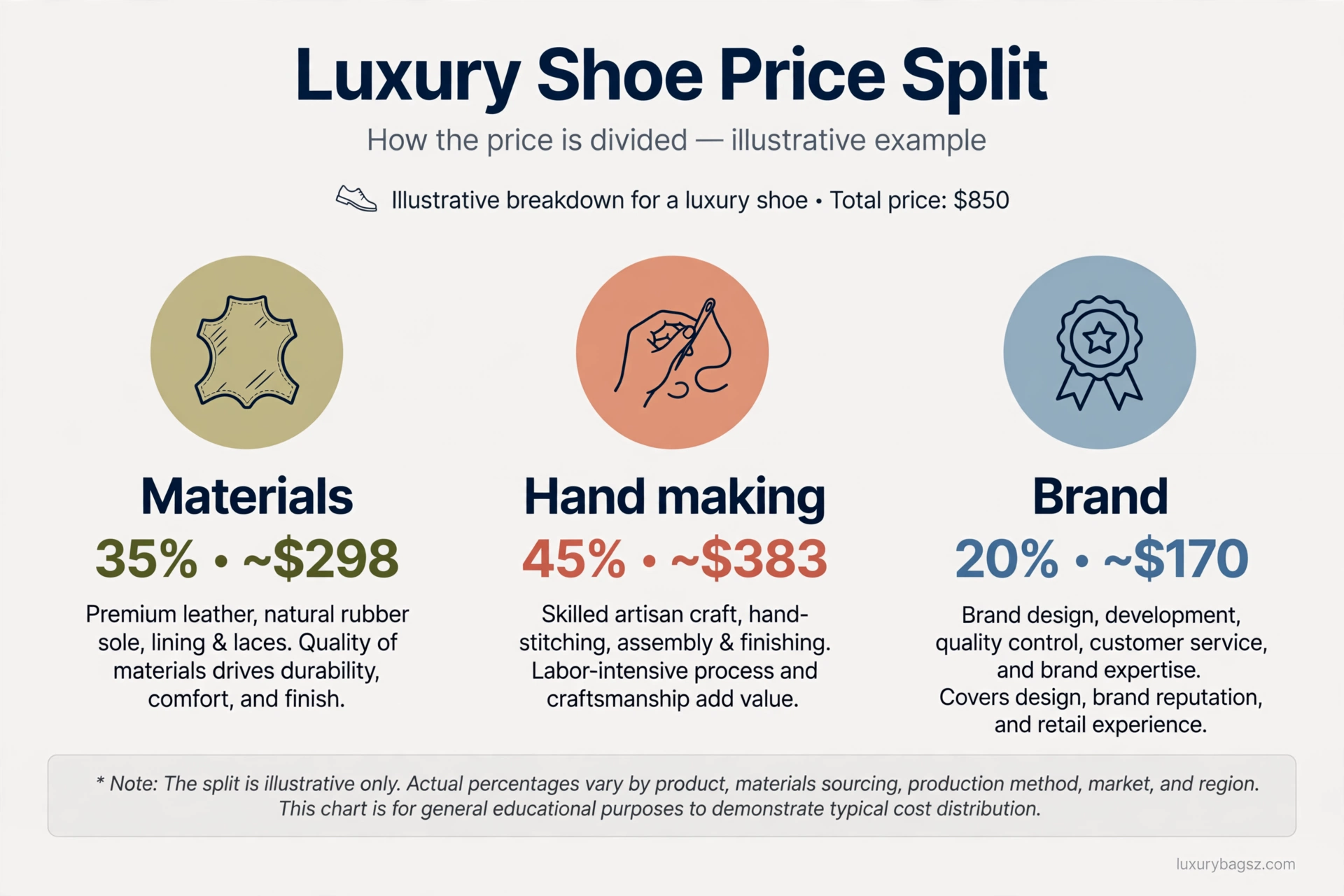
A pair of classic pumps typically costs in the high hundreds of pounds or dollars. Limited finishes, platforms and embellishment push prices higher still. Part of that money buys tangible things: leather uppers and linings, Italian making, careful finishing and the lacquered sole that takes extra steps to produce. Part buys the intangible: a shape refined over decades and a signature recognised across a room. With Louboutin, the intangible share is unusually large, and openly so. Neither part is a trick. The question is whether both matter to you. If only the making matters, cheaper luxury brands compete hard for your money.
Why They Cost What They Cost
Reporting on the brand's pricing points to hand finishing, small production runs and costly details. Even the red lacquer is a process, not a quick coat of paint. The video above walks through the making and the money in more depth. It is a useful reality check before any splurge decision. Louboutin also prices as a luxury house, not a shoe factory. Scarcity, boutiques and presentation are built into the figure on the tag. Knowing that split helps you judge fairly. You are buying an object and an emblem together, and the emblem is doing real work in the price.
Set the comparison fairly before you decide. Judge Louboutin against other luxury shoes at similar prices, not against high-street pairs; the gap in making and materials is real at that level.

Comfort: The Honest Weak Point
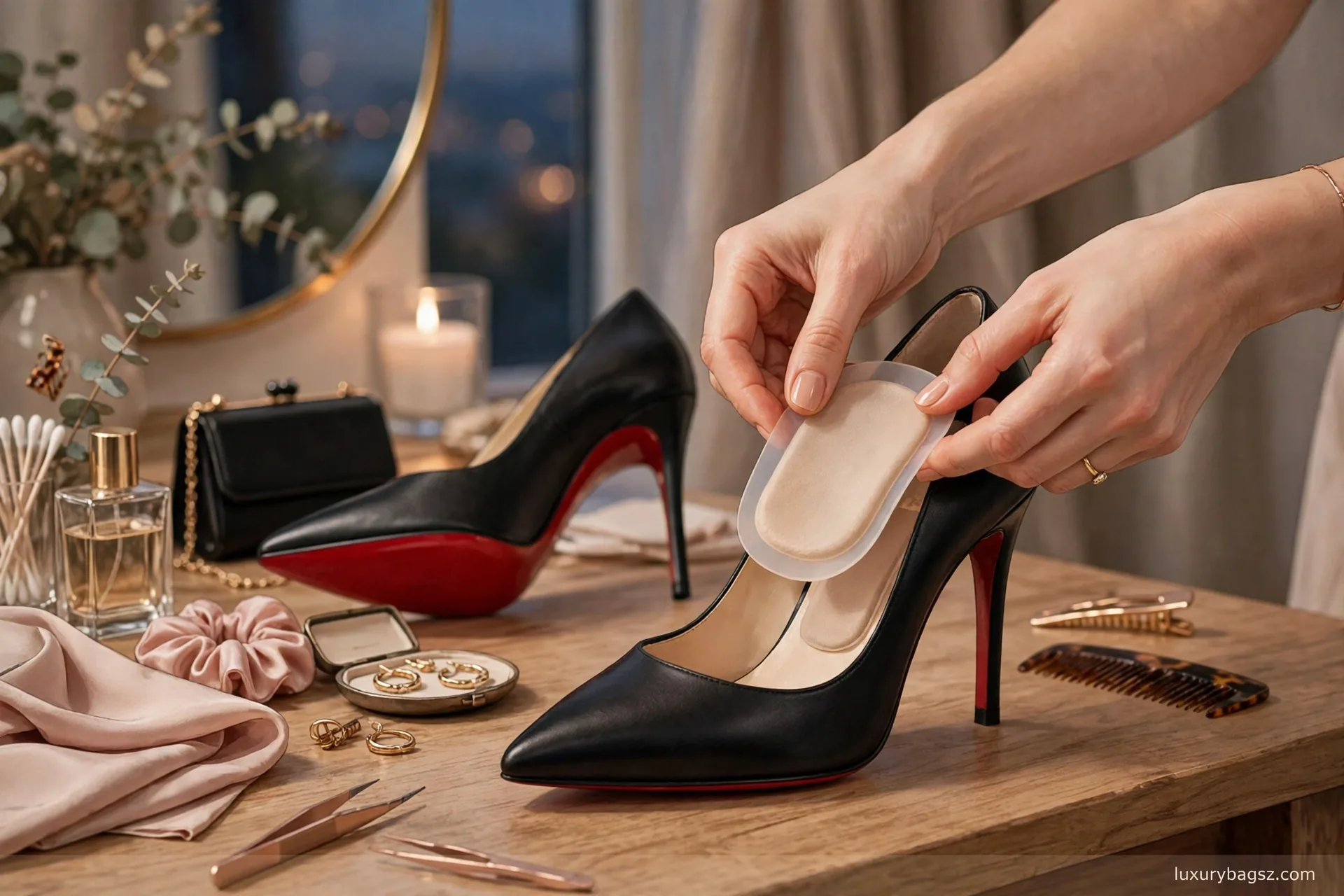
Let us be direct. Tall Louboutins are not comfort shoes, and the designer has never really claimed otherwise. The pitch is steep, the toe boxes are shaped, the soles are thin. Our comfortable designer heels guide ranks kinder options across brands. Louboutin scores on drama first and cushioning second. Lower heels, wider shapes and platform styles change the picture a lot. An 85 mm pump or a platform peep-toe is a different evening from a 120 mm stiletto. Gel pads, correct sizing and short wearing spells make the tall styles workable. If your life needs eight hours standing, spend the money elsewhere with no regrets.
Repairs belong in the maths as well. Heel tips wear, soles scuff and patent can mark, so a small yearly care budget keeps an expensive pair looking expensive rather than tired.
The Shapes That Justify the Money
Value concentrates in the classics. Our So Kate guide covers the sleek 120 mm icon that defines the brand for many wearers. Our Pigalle pumps guide covers its slightly friendlier sibling, a shape that has stayed in the range for years. These are the pairs that go with everything, photograph forever and resell without drama. Novelty finishes date faster and discount harder on the resale market. If the splurge is a one-time event, spend it here. A black or nude classic will still be earning its keep long after a glitter pair feels tired.
Cost Per Wear: Where the Maths Turns Kind
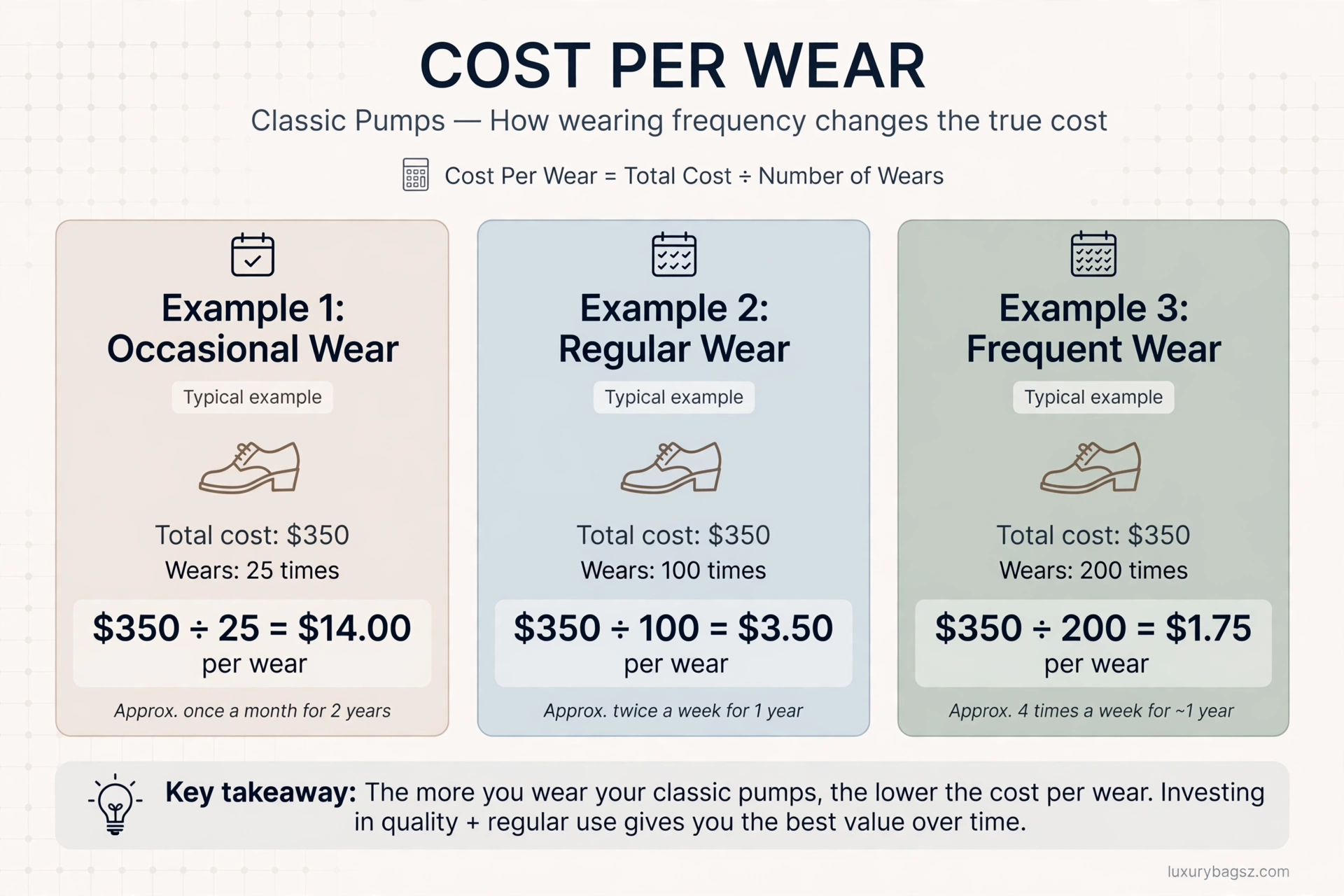
Divide the price by honest wears, not hopeful ones. A classic pump worn forty times over five years tells a very different story from one worn twice. Our Lady Peep guide shows the other strong case: a party shoe with a platform, bought for a full social calendar. Cost per wear also rewards care. A resoled, well-kept pair keeps working for years, while a neglected pair becomes expensive very quickly. Be honest about your diary before you buy. Weddings, dinners and events you truly attend are the wears that make the splurge sensible.
How They Make You Feel, and Why That Counts
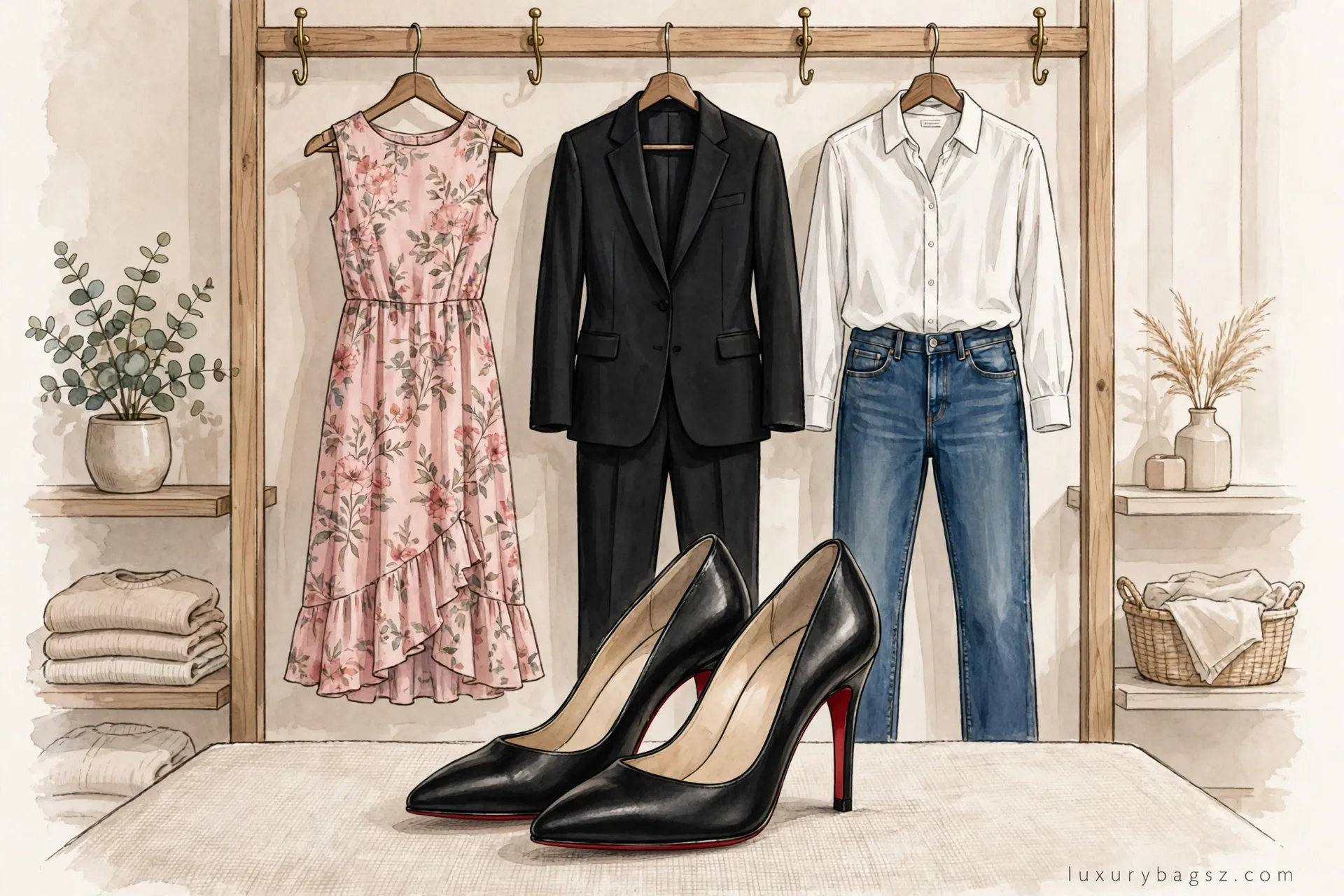
Dismissing the feeling would miss the product. These shoes change posture, pace and confidence, and wearers describe that lift in remarkably similar words. The red flash is a private pleasure as much as a public signal. You see it yourself on stairs and in mirrors, and that small thrill repeats every wear. That said, feeling is personal. If a logo-free shoe gives you the same lift, the premium buys you nothing you will use, and you should keep the difference. Try a pair on before judging. For many sceptics, one fitting settles the argument one way or the other more honestly than any review can.
There is also a wardrobe effect worth counting. Owners often report dressing more deliberately around a favourite pair, which quietly raises the value of clothes they already own.
Resale Value: A Bonus, Not a Promise
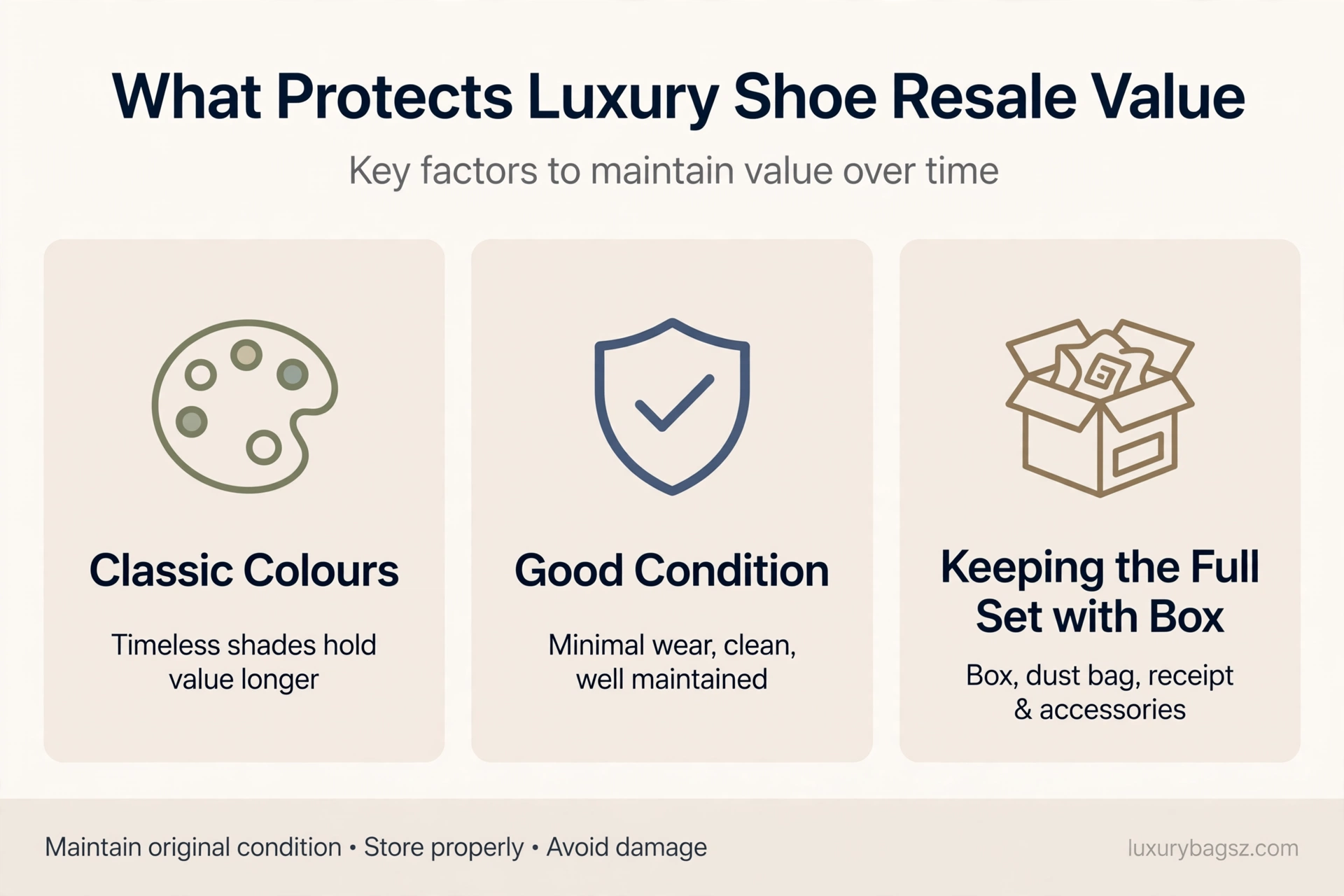
Classic Louboutins resell steadily, especially in black and nude, in popular sizes, with box and dust bags kept. Condition decides the final number more than age does. Our shoe condition grading guide explains how buyers score soles, heels and uppers. Bright red soles and fresh heel tips score best. Treat resale as a partial refund, not an investment return. Most pairs sell below retail, and platform-heavy or novelty styles fall furthest. Buying pre-owned flips the maths in your favour. Someone else absorbs the first drop, and you get the same signature for far less money.
Who Should Splurge, and Who Should Skip
Splurge if you attend dressy events often, love the look, fit the shoes well and will protect the soles. For that buyer, the verdict here is a clear yes. Skip if you need daily comfort, dislike high maintenance, or want a shoe that quietly blends in. Excellent alternatives exist at half the price. Consider the middle path too: one classic pair, bought well, perhaps pre-owned, worn hard and cared for properly. That is how most happy owners actually do it. Whatever you decide, decide by wears. Count the occasions in your next year, and let that number, not the boutique lighting, make the call.
Sizing: The Fitting-Room Truth
More disappointed Louboutin purchases are sizing failures than quality failures. The lasts run narrow, and pointed styles compress the toes by design, so many wearers take a half size up in the sharpest shapes, while rounder styles may sit true. Treat any single rule, including that one, as a starting guess rather than a promise, because sizing varies between styles more than most brands allow.
Buy with your evening feet, not your morning ones: feet swell through a day, and a pump that fits at ten in the morning can punish by ten at night, which is when these shoes are worn. If you are between sizes, the larger size with a discreet pad is almost always the better marriage than the smaller size and hope.
Online orders deserve a home rehearsal: carpet only, both shoes, twenty minutes of standing and walking, and the honesty to return them if the rehearsal hurts. A beautiful shoe in the wrong size is not a splurge; it is an expensive ornament with your name on the receipt.
Boutique staff fit these shoes daily and their advice on individual styles is worth more than size charts. Use it, and use the returns policy of any seller who will not let you try properly.
The Other Louboutin: Flats, Loafers and Lower Styles
The worth-it question changes completely below the stilettos. The brand’s flats, loafers, low block heels and trainers carry the same signature, making and finishing without the comfort tax, and for many owners these are the pairs that earn their money fastest through sheer frequency of wear.
A classic flat in black or nude is the quiet version of the same argument as the classic pump: recognisable, beautifully made, endlessly pairable. Cost per wear on a daily flat can collapse to trivial sums within a couple of years, which no party pump can match.
Men’s styles follow the same logic, spiked loafers and trainers trading on the emblem with comfort closer to ordinary luxury shoes. Households often discover the brand through one partner’s evening shoes and stay for the other partner’s everyday ones.
If the splurge verdict above felt finely balanced for heels, run it again for the lower styles. The premium narrows, the wear count multiplies, and the answer is frequently an easier yes.
Protecting the Purchase: Soles, Rotation and Storage
The red sole is lacquer on leather, and it wears like it. The brand itself treats fading lacquer as normal use, so plan for it rather than grieving it: the arch area keeps its colour longest, while the walking surface scuffs from the first outing.
Many owners fit thin protective overlays once the shoes are theirs, through a quality cobbler or the brand’s Paris repairer, which fits a branded red rubber sole. Purists keep soles original for resale purity; wearers who actually walk in their shoes usually choose protection and accept the trade openly.
Rotation is the cheapest care there is. Leather shoes of any price need rest days to dry and recover shape, and a pair worn twice a week will outlast and out-look a pair worn daily by years. Our how to care for Christian Louboutin shoes guidance sets out the full routine when it publishes alongside this guide’s family of checks.
Store them bagged, stuffed lightly and away from light, with heel tips checked before they wear to the pin. A small yearly spend on tips and conditioning protects a large original spend, which is the least glamorous and most reliable sentence in this entire verdict.
Sales and Discounts: The Reality Check
Louboutin rarely discounts through its own boutiques, and holding out for a house sale on a classic style is usually a long wait. Department stores and authorised online retailers run the promotions that do exist, typically on seasonal colours and finishes rather than the black and nude classics this guide keeps recommending.
Private and sample sales surface occasionally in major cities, with past-season styles at genuine reductions, and they reward buyers who know their size in the specific styles on the rail, because trying time is short and returns are limited or absent.
The caution runs the other way: a new classic pump offered at a fraction of retail by an unfamiliar seller is the market’s most reliable fake signal. The authentication checks in our fake Louboutin spotting guide exist precisely because the too-cheap new pair is where copies concentrate.
A realistic saving strategy, then, is unglamorous: pay full price for the classic you will wear for years, buy seasonal colours only when authorised retailers reduce them, and let the pre-owned market, not a stranger’s discount, supply the bargains.
Frequently Asked Questions
Are Christian Louboutin shoes worth the money?
For buyers who wear classic shapes often to dressy events, yes. The design, making and signature justify the price. For all-day comfort, no.
Why are Louboutin shoes so expensive?
Italian making, leather materials, hand finishing and the lacquered red sole all cost money. Luxury positioning and boutique retail add the rest.
Are Louboutins comfortable enough for a wedding?
For the ceremony and photographs, usually yes, with gel pads and the right size. Many guests change into flats for dancing later in the evening.
Which Louboutin style is the best value?
Classic pumps in black or nude, such as Pigalle or So Kate, give the best cost per wear. They suit the most outfits and resell the most steadily.
Do Louboutin shoes hold their value?
Classics in good condition hold value reasonably well for shoes, but most sell below retail. Buy to wear, and treat resale as a bonus.
Is it better to buy Louboutins pre-owned?
It can be the smartest route to the same look for less. Authenticate carefully, check sole and heel wear, and favour complete sets with boxes.
How long do Louboutin shoes last?
With sole protectors, heel-tip replacement and rotation, a classic pair can serve for many years. The red lacquer needs the most protection.
Are lower Louboutin heels worth it too?
Yes, and for many buyers they are the best value in the range. An 85 mm classic is far easier to wear while keeping the same signature.
Do Louboutins ever go on sale?
Seasonal styles are discounted by some stockists at the end of a season. Core classics in black and nude are rarely reduced.
What is the biggest mistake buyers make?
Buying a very tall, novelty pair for imagined occasions. It gets worn twice, hurts both times, and delivers the worst cost per wear in the range.
Conclusion: Worth It, on Your Terms
Louboutins are worth the splurge when the classic shape, the diary and the budget all line up. Then the design, the making and the feeling repay you at every wear. Buy tall drama for a quiet life, or skip sole care, and the same shoes become poor value. Choose the honest middle and they are a genuine pleasure to own.






