The Après-Ski Designer Edit: Knits, Layers and Bags for the Lodge
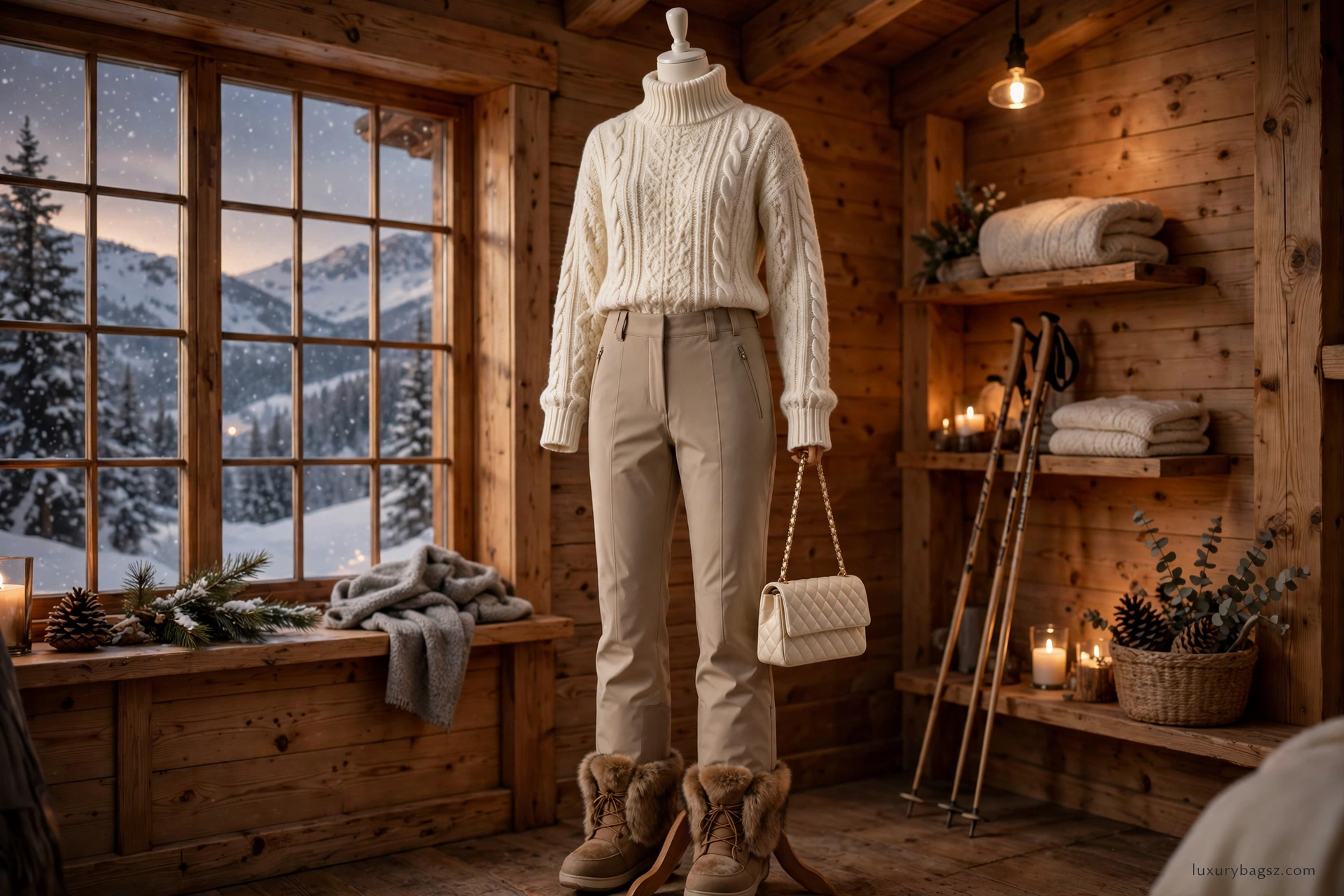
The Lodge Look, Sorted: Après-Ski in Brief
The best après-ski outfits are built from three pieces: a warm knit, a smart layer under or over it, and boots that can walk on snow. Add a small bag that survives slush and you are dressed for the whole evening. You do not need a separate mountain wardrobe. One cream cable knit, one red or navy knit dress, thermal leggings and a quilted crossbody will cover lodge lunches, chalet dinners and village walks all week.
Key Takeaways
- Build around one hero knit and one knit dress; repeat them with different layers.
- Base layers in merino or silk blends keep you warm without bulk under knitwear.
- Boots need tread first and looks second; smooth soles are a fall waiting to happen.
- A quilted or nylon crossbody survives slush better than delicate leather.
- Typical designer knits run from around $250 to $900; buy fewer, better pieces.
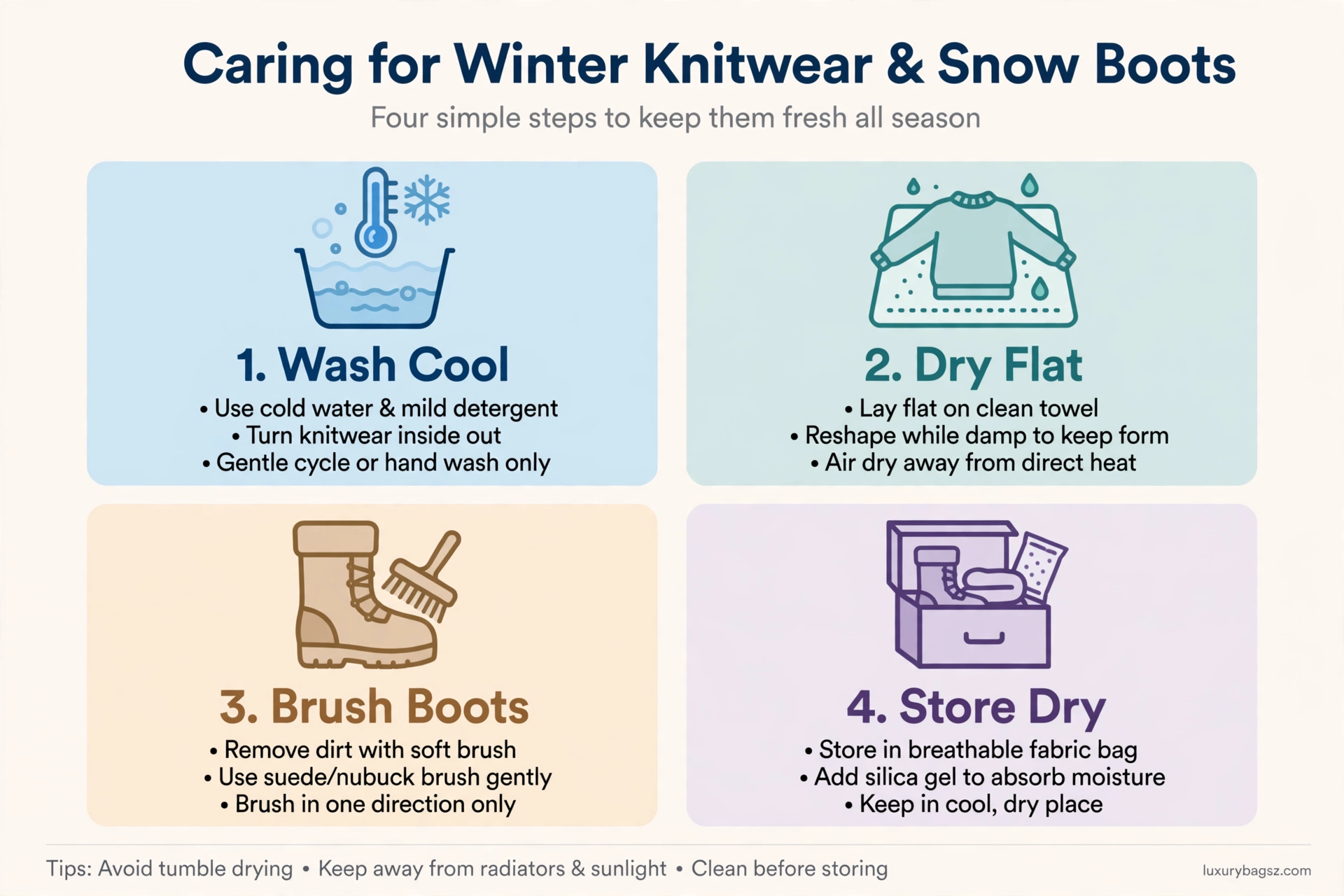
- Dry everything fully each night and knitwear comes home smelling fresh.
What Après-Ski Dressing Actually Means
Après-ski is the social part of a ski day: drinks on a terrace, lunch in a lodge, dinner in the village. The dress code is warm, polished and relaxed, never full ski kit at the table. Our seasonal shopping edits group winter buying the same way, by occasion rather than by trend, which is exactly how to pack for the mountains. The sweet spot is clothing that looks intentional indoors. A knit dress with boots reads as an outfit; salopettes read as someone who forgot to change. Think of it as winter resort dressing with a temperature problem. Solve the cold first, then make it beautiful with colour, texture and one good bag.
Altitude changes the rules too. Resorts sit high, evenings drop below freezing fast, and the walk between venues is part of the night, so every outfit here is tested against a ten-minute walk, not a taxi door.
The Three Outfit Formulas That Cover the Week
Formula one is lodge lunch: thermal leggings, a chunky knit and snow boots. It is warm enough for a terrace and tidy enough for a long lunch that drifts into evening. Formula two is chalet dinner: a knit dress, thermal tights and heeled ankle boots if the path is cleared. Add a belt and earrings and the dress works as hard as any evening look. Formula three is the village walk: knit, puffer or shearling coat, gloves and a crossbody. Hands free for mulled wine and market stalls is the whole point.
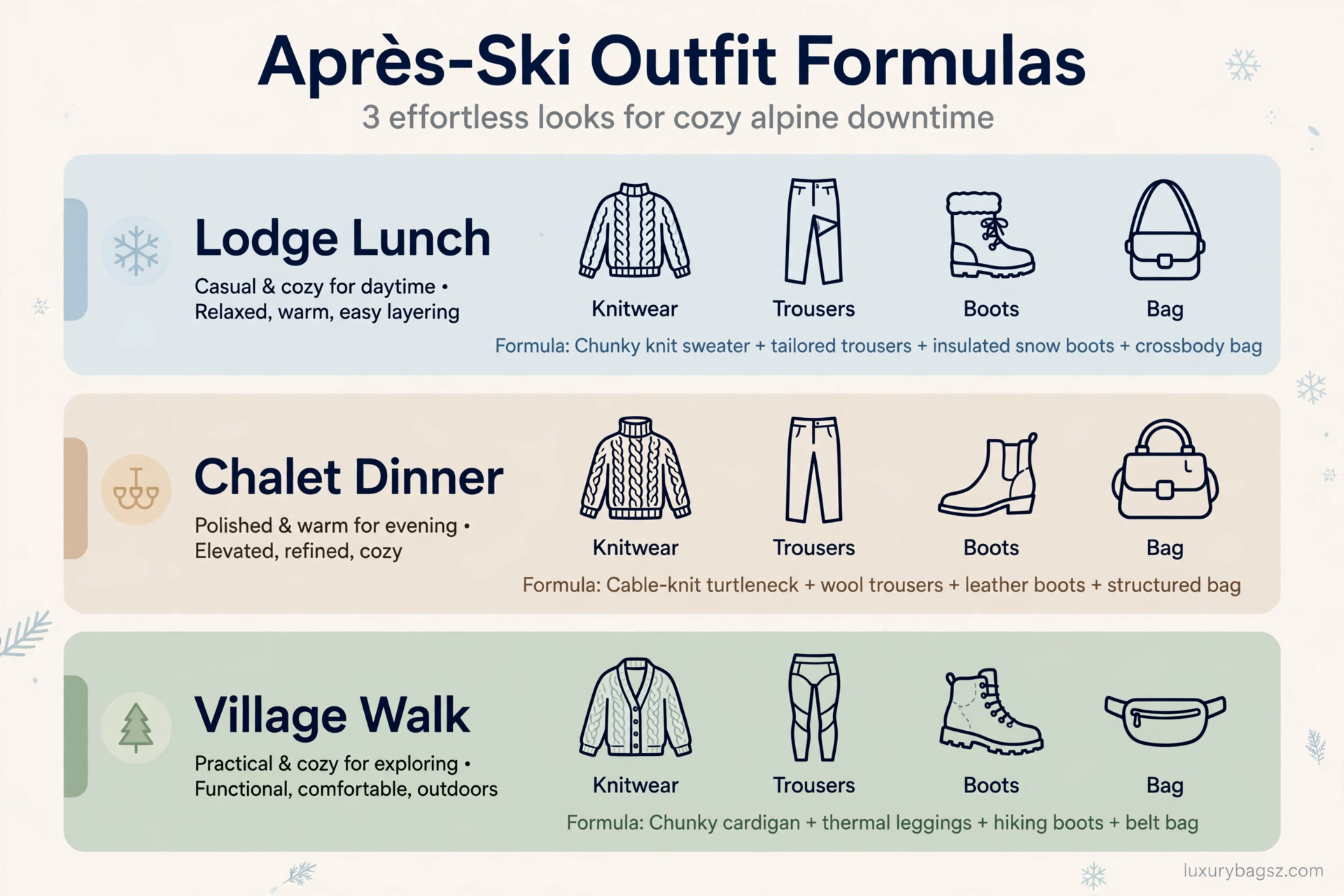
Rotate the formulas rather than repeating one. Two lunches, two dinners and a market morning across a week feels like five outfits when the knits and layers swap partners each day.
Keep one wildcard piece for the photograph moment: a bright knit or a beautiful scarf. Resorts are photogenic, and the wildcard is what turns a warm outfit into the picture everyone keeps.
Knits Worth the Suitcase Space
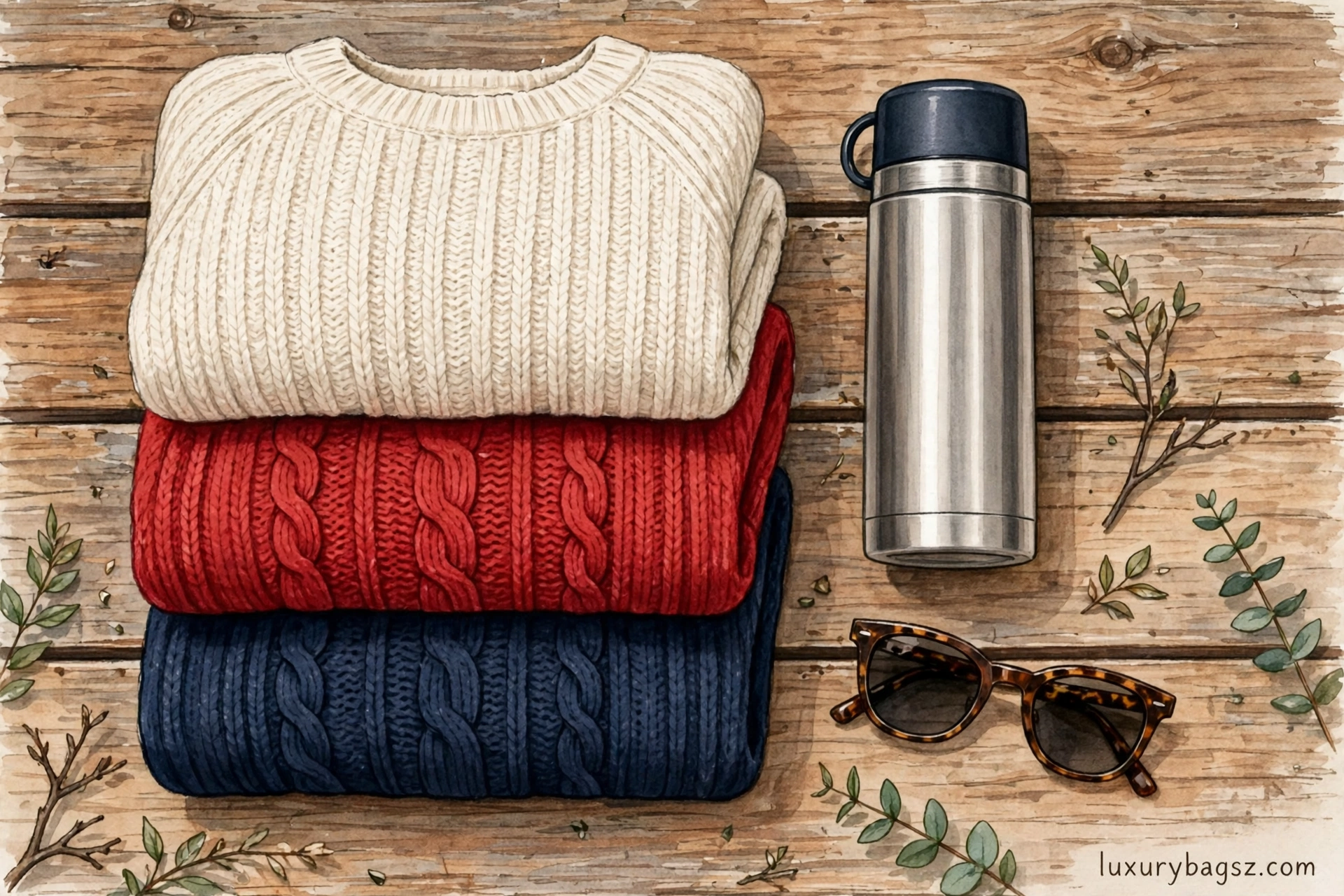
Cable knits in cream or oatmeal are the workhorse. They hide the day's wear, match every bottom you packed and photograph beautifully against snow. A fitted ribbed knit in red or navy is the evening upgrade. Worn with the same leggings as lunch, it changes the mood without another suitcase item. Cashmere blends feel luxurious but mark easily; merino blends wear harder and dry faster. For a week of daily wear, choose merino for the base pieces and save cashmere for one special knit. Roll knits instead of folding them. Rolls take less room, spring back faster and avoid the hard crease lines that folding leaves across the chest.
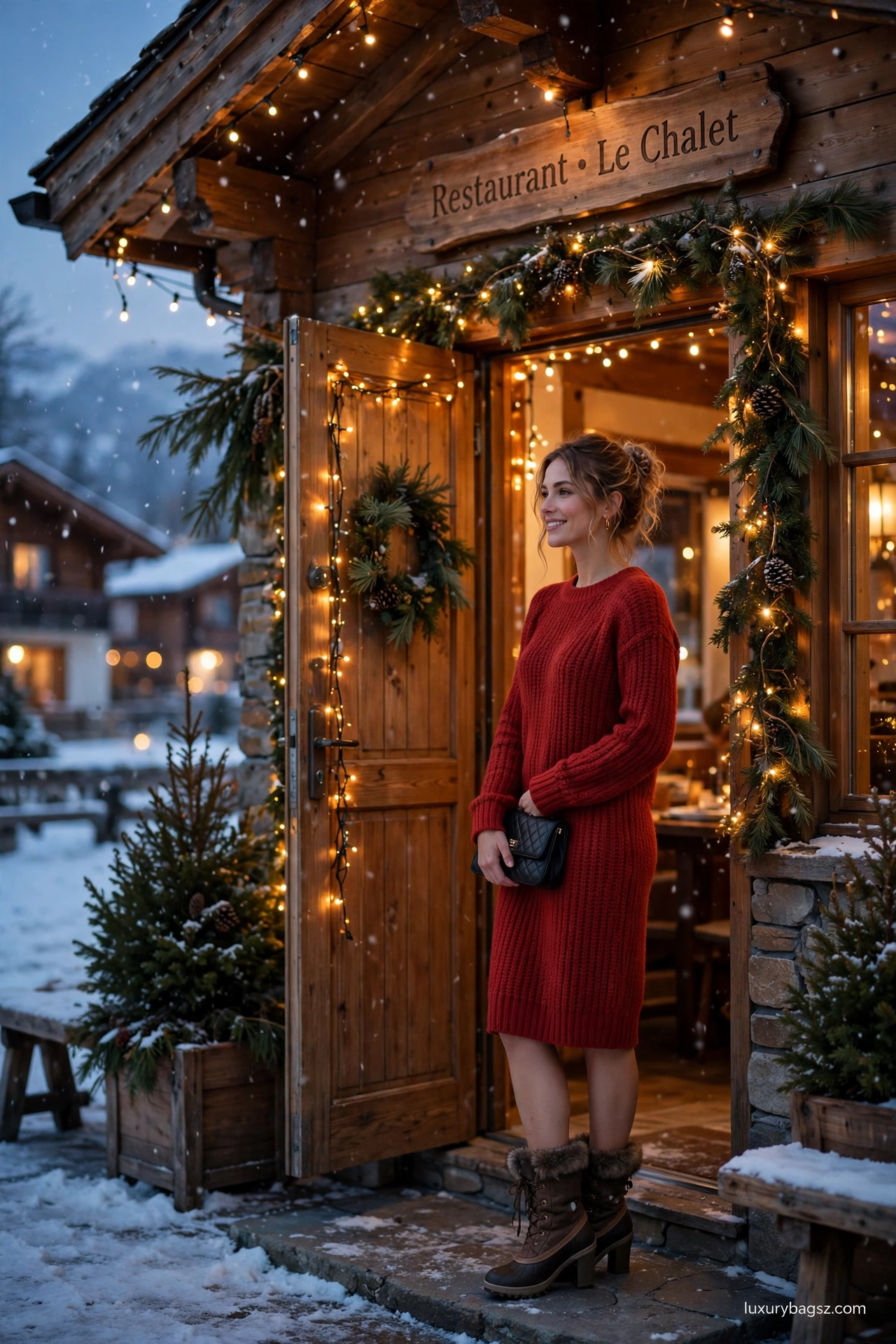
Fit the knit to the layer beneath it. A chunky knit over a thermal needs room through the body, while a fine knit worn alone can sit closer; buy for the pairing you will actually wear.

Base Layers, Leggings and Tights
The layer against your skin decides your temperature. Merino tops regulate heat, resist odour for days and dry overnight on a chalet radiator. Silk-blend thermals are thinner and slip under fitted knits without lines. Avoid cotton base layers; cotton chills as soon as it gets damp. Thermal leggings in black are the default bottom. They tuck into boots, stretch for long lunches and pair with every knit and dress in this edit. Pack two pairs of thermal tights as well. A knit dress over warm tights and boots is the most comfortable dinner outfit in the mountains.
Socks deserve a line of their own: merino ski socks by day, fresh merino or cashmere-blend socks by night. Warm feet change how warm the whole outfit feels.
Colour discipline helps here: black bottoms, cream and one colour on top. A tight palette means every layer matches every other, which is how a small suitcase produces a week of outfits.
Boots, Bags and the Slush Test
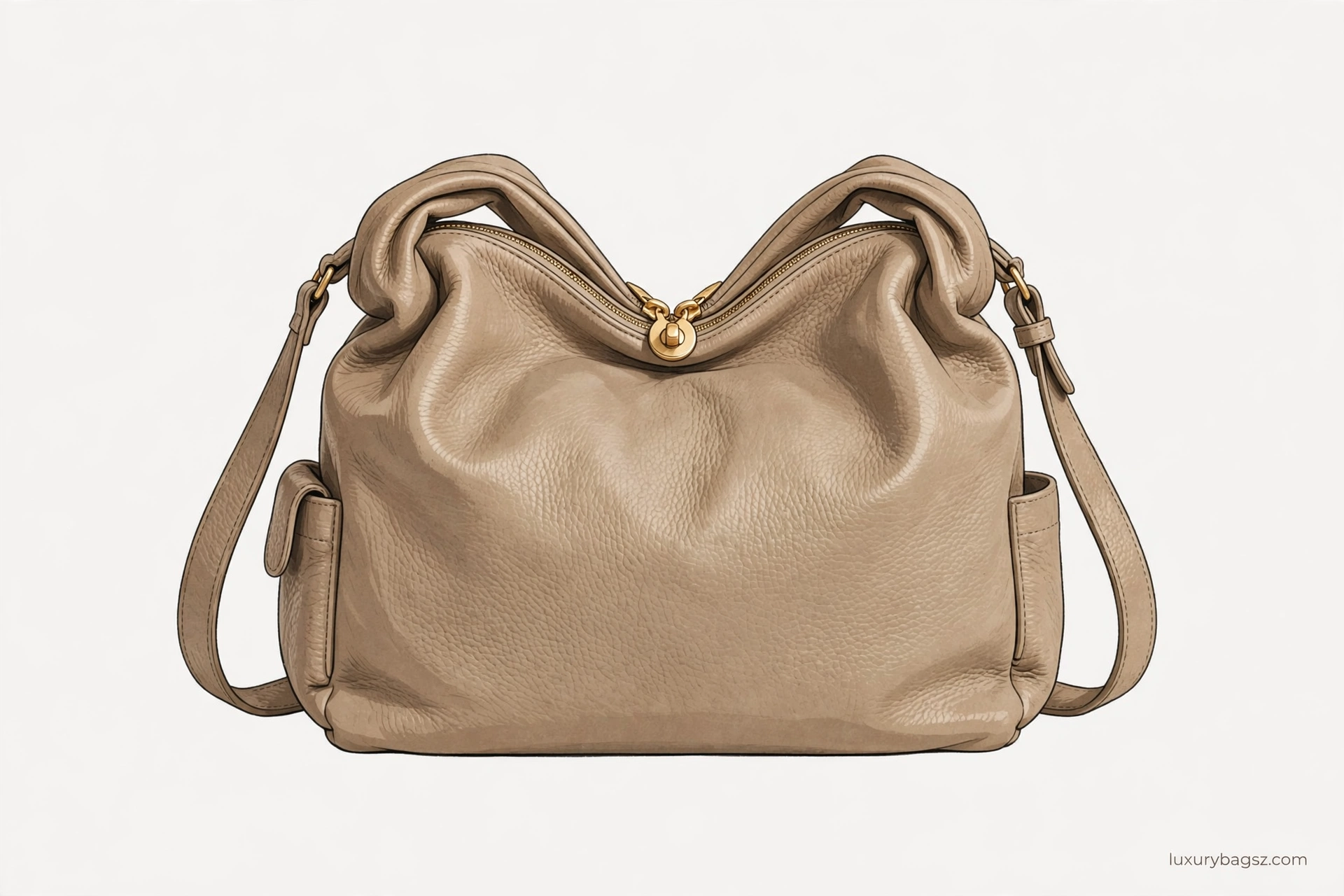
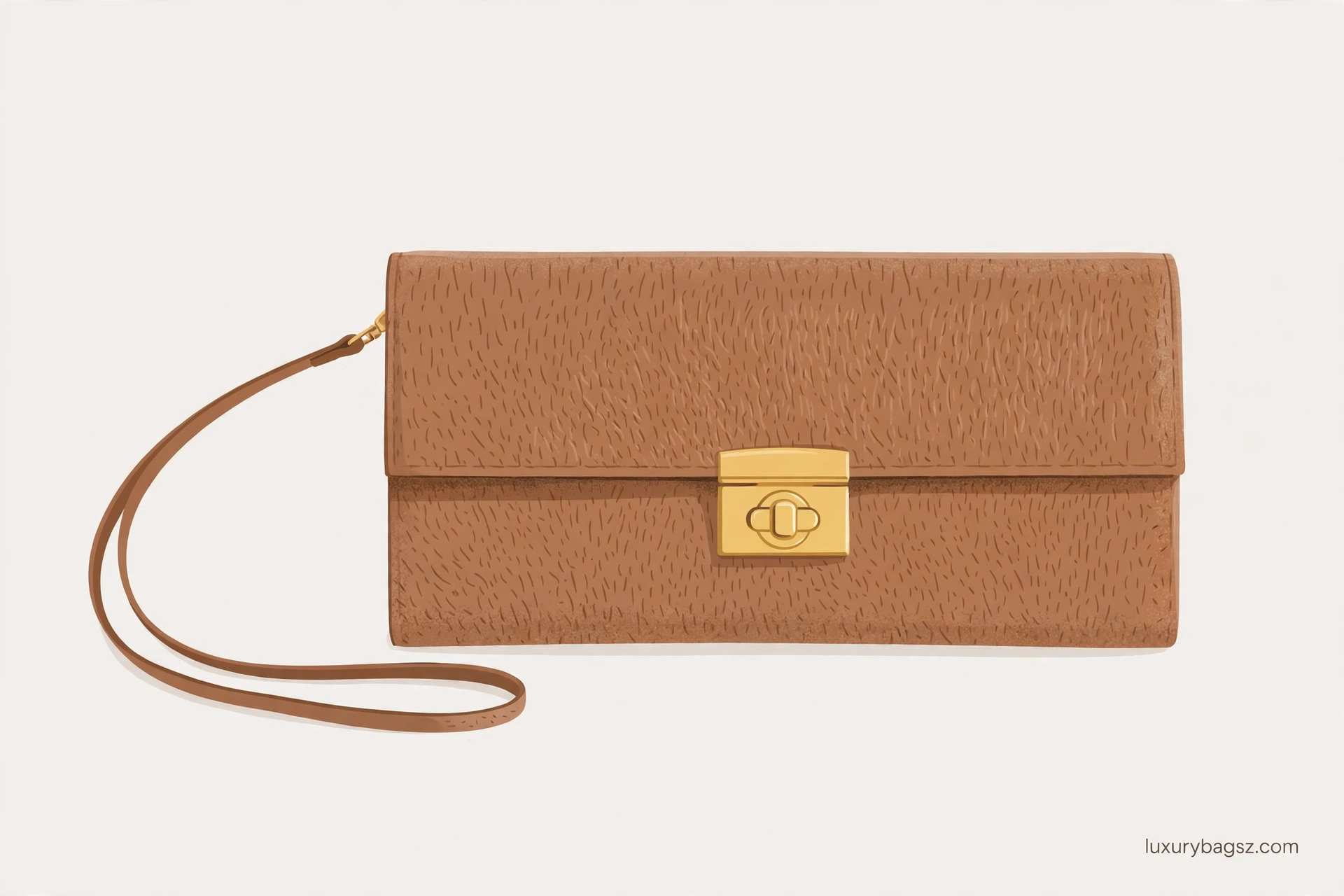
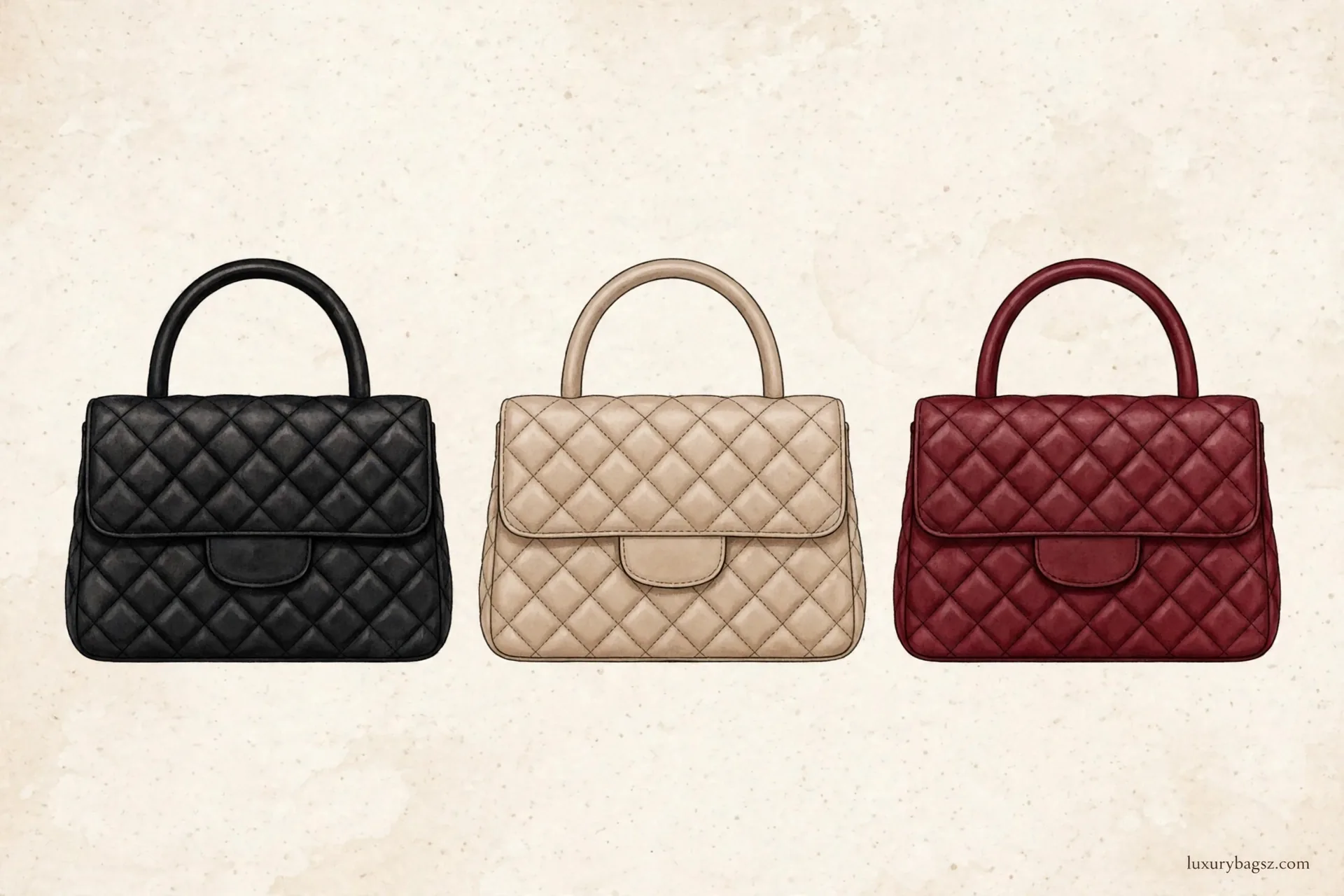
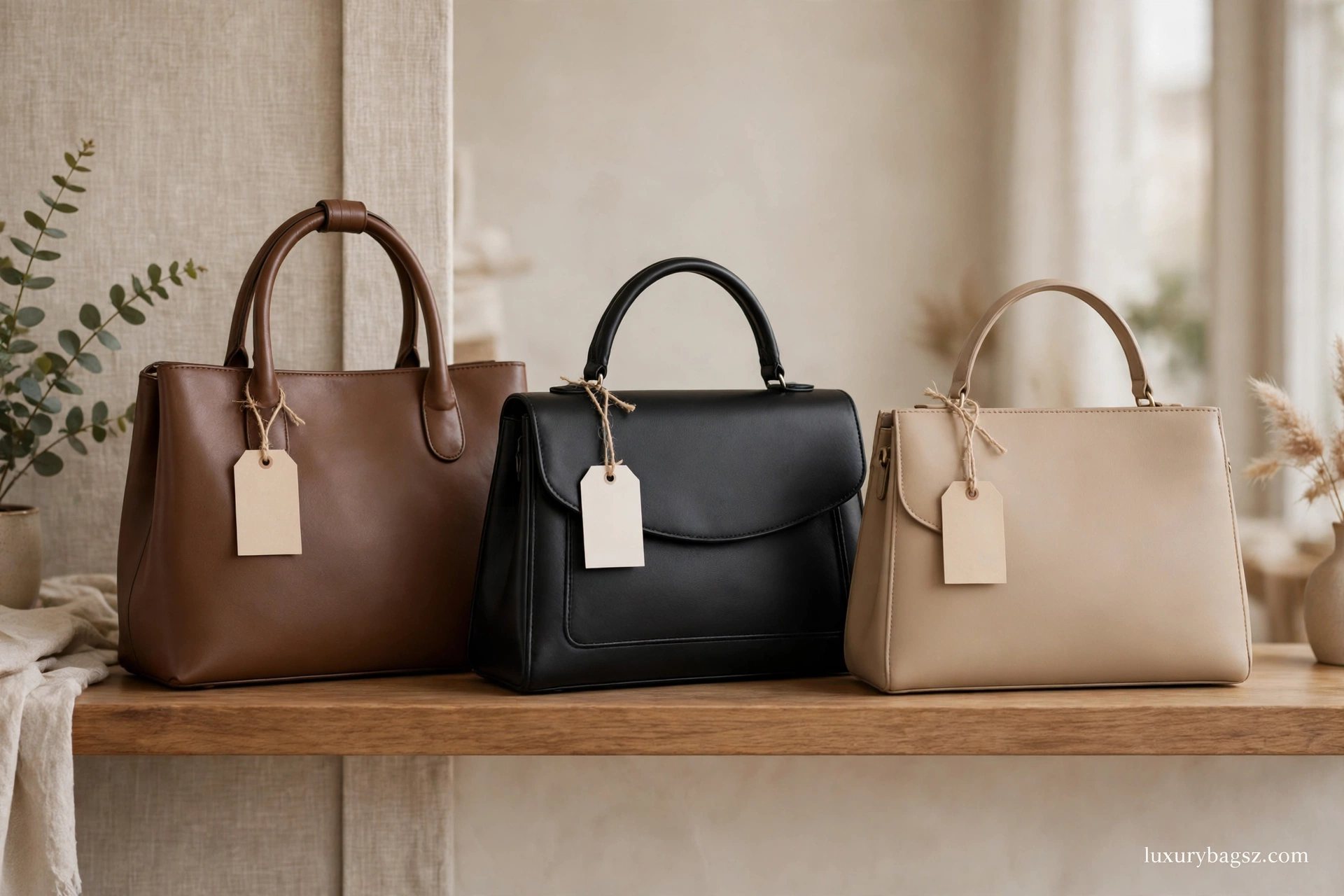
Boots need lugged soles, waterproof uppers and room for a thick sock. Fashion boots with smooth leather soles are genuinely dangerous on icy paths. Shearling-lined boots are the classic choice and last for years with basic care. Keep the receipt and the box; good pairs resell well because sizing is standard. For bags, small and wipeable wins. A quilted crossbody or nylon shoulder bag carries phone, card holder and lip balm and shrugs off slush. Our edit of winter white bags covers the pale-leather end of the scale; in the mountains, save those for dry, clear days only.
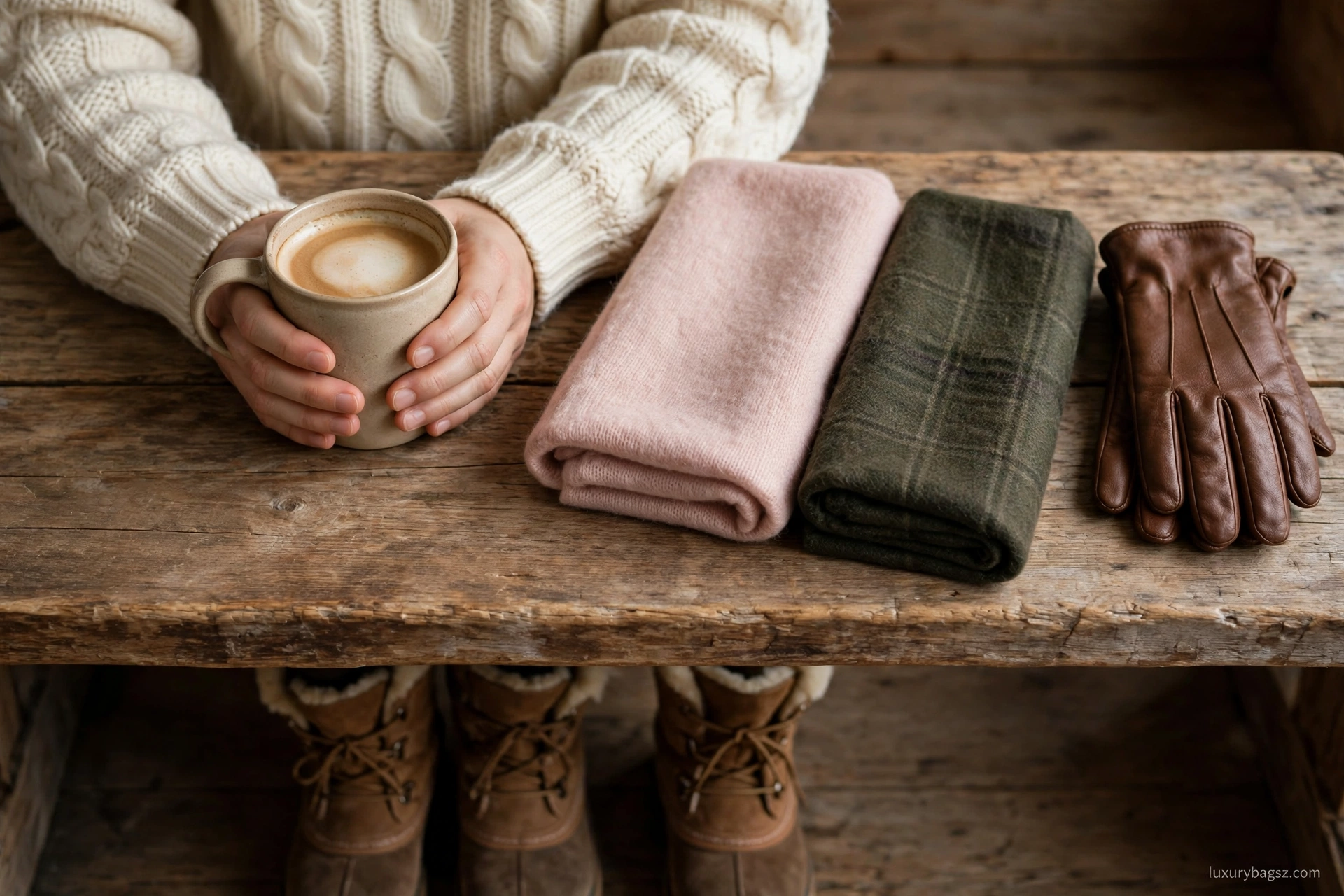
Test boots on a slope of pavement before the trip if you can. A boot that slips on a wet high street will not improve on packed snow outside a chalet.
Coats, Shearling and Keeping Warm in Style
A long puffer is the practical coat; a shearling jacket is the beautiful one. If you can only pack one, pick the one that matches your evenings, not your ski day. Our guide on how to care for shearling explains brushing and airing, which matters because shearling picks up woodsmoke smells fast in lodge bars. Scarves and gloves do more styling work than another jumper. A bright scarf over a cream knit is a complete look change for the price of a lunch. Sunglasses are not optional. Snow glare at a terrace lunch is fierce, and squinting through a whole afternoon is nobody's idea of glamour.
A hat you like is a layer you will wear. Ribbed beanies in cream or red finish the knit look, hold heat where it escapes fastest and save hairstyles from helmet hair.
Rent or borrow the specialist pieces if this is a first trip. After one season you will know whether you are a shearling person or a puffer person, and you can buy accordingly.
What the Edit Costs, Honestly
Typical designer prices, stated as ranges rather than promises: chunky knits from around $250 to $900, knit dresses from $300 to $1,100, and shearling jackets from $1,200 upwards. Snow boots from luxury labels typically run $500 to $1,200. Base layers are the bargain of the trip, usually $80 to $200 for pieces you will wear for years. The cost-per-wear maths favours the knit and boots. Both work at home all winter, unlike ski kit that sits in a cupboard for fifty weeks a year. Pre-owned is a smart route for shearling and knit dresses. Check for moth damage, underarm wear and smoke smells before you commit.
Outlet villages near ski regions and end-of-season sales are where this edit gets cheaper. Buy the knit in March for next January and the cost-per-wear maths turns generous.
Packing and Care on the Mountain
Wear the bulkiest knit and the boots on the plane. That single choice frees a third of a suitcase for everything else. Dry gloves, socks and base layers on the radiator each night, but keep knitwear away from direct heat; draped over a chair is safer. Brush snow off boots before they melt indoors, and stuff them with paper overnight to hold their shape. On the last night, air everything before packing. Trapped damp in a closed case is how ski clothes come home smelling like the lodge cellar.
Photograph your packed outfits on the bed before the case closes. On tired evenings at altitude, a picture of what goes with what is worth more than another jumper.
Unpack within a day of coming home and air the knitwear again. Mountain damp plus a warm house is the combination that sets smells into wool for good.
Frequently Asked Questions
What should I wear for après-ski if I do not ski?
Wear the same edit: knit, thermals, boots and a small bag. Nobody checks lift passes at the lodge door, and the dress code is about warmth and polish, not sporting history. The terrace test still applies: if you would be cold standing outside for twenty minutes, add the thermal layer before you leave.
Can I wear jeans for après-ski?
Yes, dark jeans with a chunky knit and good boots work well. Avoid thin denim on the coldest evenings, or add thermal leggings underneath. Choose a straight or slim cut rather than skinnies; they sit better over thermal leggings and boots.
Are heeled boots safe in a ski resort?
Only on cleared, dry paths and for short walks. Keep a flat pair with tread for icy routes between venues; change when you arrive if you like. Many resorts run cleared paths between the main hotels and restaurants, so a moderate heel is fine within that circuit.
What bag is best for après-ski?
A small quilted or nylon crossbody. It keeps hands free, sits under a coat and does not suffer when slush splashes the hem of your trousers. Look at the sole before the silhouette in the shop, and you will never make the classic mistake.
How many knits should I pack for a week?
Three: one chunky neutral, one fitted colour and one spare. With base layers rotated underneath, three knits cover a week without repeats feeling stale. Add a fourth if your trip includes a smart hotel dinner where you want one unworn, fresh knit in reserve.
Is shearling worth it for one trip a year?
If you wear it at home too, yes. Shearling is a winter coat first and a ski piece second, which is why it earns its price faster than specialist kit. Buy it in a colour your home winter wardrobe already uses and the cost per wear halves within a season.
Can I wear white in the mountains?
Cream and winter white look superb against snow and feature in most lodge edits. Keep white bags and trousers for dry days, and carry a small stain wipe. Check the pre-owned listing for clear photographs of the lining and underarms, where shearling wear shows first.
What do men wear for après-ski?
The same logic applies: a merino crew or roll neck, dark trousers or cords, treaded boots and a good coat. A crossbody or small backpack keeps it practical. A roll neck under a blazer covers formal dinners in resort hotels surprisingly well.
How do I stop knitwear smelling of woodsmoke?
Air it on the balcony overnight rather than spraying it. Smoke lifts from wool surprisingly fast in cold mountain air. Sunlight on a balcony works as well as air alone; turn the knit once so both sides get the cold air.
What is the one piece to buy first?
The hero knit in a neutral colour. It anchors every formula in this edit and will be worn at home from November to March. In cream or oatmeal it will also go with everything already in a winter wardrobe, which is the real test of a first buy.
Final Verdict: Warm First, Beautiful Second
Après-ski style is a solved problem once you build around one hero knit, honest base layers and boots with tread. Add a knit dress for evenings and a slush-proof crossbody, and the whole week is covered by pieces that also earn their place at home.